心血管疾病

Search documents
Cell子刊:华人学者证实,母亲糖尿病,儿子易患心血管疾病,女儿则不受影响
生物世界· 2025-11-14 04:11
Core Insights - The rising incidence of cardiovascular diseases (CVD) among young people necessitates the identification of high-risk groups for targeted preventive measures [2][4] - Maternal diabetes is linked to an increased risk of early-onset cardiovascular diseases in male offspring, while female offspring are not affected [11][12] Group 1: Research Findings - A study published by a team from Karolinska Institute confirmed that sons of mothers with type 1 diabetes are at higher risk for early endothelial dysfunction and related cardiovascular diseases, independent of metabolic disorders [2][6][11] - The research utilized a mouse model to demonstrate that maternal hyperglycemia specifically leads to early endothelial dysfunction in male offspring, with oxidative stress and arginase-1 signaling pathways identified as potential mechanisms [6][11] - Epidemiological studies in Denmark and Sweden corroborated these findings, showing that sons of mothers with type 1 diabetes have an increased risk of early cardiovascular diseases associated with endothelial dysfunction [6][8][11] Group 2: Implications - The study highlights a previously underappreciated risk group for early cardiovascular disease, emphasizing the impact of maternal health on offspring cardiovascular health [12] - The findings suggest a need for future preventive strategies targeting this specific demographic, particularly focusing on the health of mothers with diabetes [11][12]


气温骤降 血管将迎“魔鬼”考验 这些准备要做好
Zhong Guo Qing Nian Bao· 2025-10-27 06:18
Core Viewpoint - The article highlights the increasing risk of cardiovascular diseases (CVD) during the autumn and winter seasons, particularly among vulnerable populations such as the elderly and those with pre-existing health conditions. It emphasizes the importance of awareness regarding early symptoms and preventive measures to mitigate risks associated with cold weather and lifestyle factors. Group 1: Cardiovascular Disease Statistics - In 2021, CVD was the leading cause of death among urban and rural residents in China, accounting for 48.98% and 47.35% of deaths respectively [3] - The crude incidence rate of CVD among residents aged 18 and above in 2023 was 620.33 per 100,000, with males at 717.36 and females at 519.64, showing a significant increase with age [3] Group 2: Seasonal Impact on Cardiovascular Health - Cold weather poses a direct challenge to blood vessels, leading to constriction and increased blood pressure, which heightens the heart's workload [4] - The autumn and winter seasons coincide with a rise in respiratory infections, which can indirectly harm the cardiovascular system and increase the risk of acute myocardial infarction [6] Group 3: High-Risk Populations - Elderly individuals and young professionals under high stress are identified as high-risk groups for cardiovascular events during the colder months [6][9] - Lifestyle factors such as obesity, hypertension, and sedentary behavior contribute to the increasing prevalence of CVD among younger populations [9] Group 4: Early Symptoms and Misdiagnosis - Common early symptoms of cardiovascular issues include fatigue, chest discomfort, palpitations, and sleep disturbances, which are often overlooked or misdiagnosed as gastrointestinal problems [7] - Patients frequently visit other medical departments without receiving appropriate cardiovascular care, highlighting the need for better awareness and education [8] Group 5: Preventive Measures and Lifestyle Recommendations - Maintaining a healthy lifestyle, including a balanced diet low in salt and high in fruits and vegetables, is crucial for preventing cardiovascular diseases [10] - Regular physical activity, stress management, and adequate sleep are essential components of cardiovascular health [11] - During cold weather, individuals are advised to dress warmly and engage in moderate exercise to adapt to temperature changes [11]
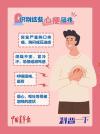
气温骤降 一个动作教你科学预防脑卒中
Yang Shi Xin Wen Ke Hu Duan· 2025-10-26 02:31
Core Insights - The recent drop in temperatures across the country has led to a significant increase in heart attack patients visiting hospitals, particularly among those with pre-existing cardiovascular conditions [1][2] Group 1: Cardiovascular Disease Risks - Cold weather causes blood vessels to constrict, leading to increased blood pressure and added strain on the heart, which can trigger coronary artery spasms and worsen existing conditions [2] - Symptoms of heart issues can manifest in various forms, including chest pain, dizziness, and discomfort in different body parts, necessitating immediate medical attention [2][3] - The incidence of heart attacks is rising among younger individuals due to lifestyle factors such as obesity, stress, and smoking, highlighting the need for regular blood pressure monitoring and medical guidance [3] Group 2: Stroke Awareness and Prevention - A decrease in temperature by 1 degree Celsius increases the risk of stroke by 1.13%, with winter diets high in calories potentially raising cholesterol and blood lipid levels [4] - Recognizing stroke symptoms is crucial, with immediate treatment within a 4.5-hour window being vital for minimizing brain damage [4] - Establishing emergency protocols in hospitals for stroke treatment is essential, including ensuring airway clearance and timely emergency calls [4] Group 3: Lifestyle Recommendations - Adopting a healthy lifestyle, including proper hydration, balanced diet, and regular exercise, can significantly reduce the risk of stroke [5] - Maintaining good mental health and adequate sleep is important, as stress can contribute to immune issues and blood clot formation [5] - Engaging in consistent physical activity, even at home, can enhance overall cardiovascular health and reduce the likelihood of thrombus formation [5]
专家提醒:深秋警惕心血管变“脆弱”
Xin Hua She· 2025-10-12 23:12
Group 1 - The risk of cardiovascular diseases increases during autumn due to significant temperature fluctuations, prompting medical professionals to advise immediate medical attention for symptoms like chest pain, shortness of breath, and sudden weakness [1] - Common cardiovascular diseases include hypertension, coronary heart disease, myocardial infarction, and heart failure, which can be exacerbated by cold weather leading to blood vessel constriction and increased heart strain [1] - Patients with cardiovascular disease or risk factors are advised to take protective measures such as dressing appropriately for the weather, maintaining a balanced diet low in salt, oil, and sugar, and engaging in moderate exercise [1] Group 2 - Coronary heart disease patients are recommended to use antiplatelet medications under medical guidance to prevent thrombosis and statins to stabilize plaques and lower lipid levels [2] - Severe cases of coronary artery disease require evaluation by specialists to assess the severity of the condition and improve heart function for better prognosis [2]
年轻人请注意,小心高血压“盯上”你!
Xin Hua Wang· 2025-10-07 08:53
Core Viewpoint - The prevalence of hypertension is increasing among young and middle-aged individuals, previously considered an "elderly disease," highlighting a growing health concern in this demographic [1][2]. Group 1: Characteristics and Causes of Hypertension - Many young patients do not exhibit typical symptoms like dizziness or headaches, often discovering high blood pressure incidentally during check-ups, leading to a lack of awareness [2]. - A significant portion of young patients, approximately 60%, also suffer from obesity, high blood lipids, or high blood sugar, which exacerbates hypertension [2]. - The rise in hypertension among younger individuals is attributed to unhealthy lifestyles, including high sodium intake, consumption of fried foods, and habits like smoking and drinking [2]. Group 2: Diagnosis and Global Statistics - Hypertension can be diagnosed if blood pressure exceeds 140/90 mmHg on three separate occasions without medication [4]. - According to the World Health Organization, by 2024, there will be 1.4 billion hypertension patients globally, with only about 20% effectively managing their condition through medication or lifestyle changes [4]. - In China, approximately 29% of adults aged 30 to 79 are expected to have hypertension by 2024, with only 57% aware of their condition and just 18% achieving effective control [4]. Group 3: Prevention and Lifestyle Recommendations - Interventions during the young and middle-aged stages can help control blood pressure and prevent cardiovascular diseases, emphasizing the importance of a healthy diet and lifestyle [4][5]. - Dietary recommendations include limiting salt intake to no more than 5 grams per day and adopting a low-salt, low-fat, high-fiber diet rich in fresh vegetables, fruits, and whole grains [4][5]. - Maintaining a regular sleep schedule of 7 to 9 hours and engaging in suitable physical activities like walking, jogging, or swimming are crucial for weight management and overall health [5].

长了动脉粥样硬化斑块 需要干预吗?
Yang Shi Wang· 2025-09-29 22:42
Core Insights - Cardiovascular diseases have become the leading cause of death among residents in China, as reported by the National Center for Cardiovascular Diseases on World Heart Day [1] Industry Summary - The current health check-up season has led many individuals to discover atherosclerotic plaques in their reports, prompting varied reactions regarding the necessity of intervention [1] - There is a divide in public perception, with some viewing plaques as a normal part of aging, while others see them as a warning sign for potential heart attacks [1]
葛均波:警惕心脏的“午夜刺客”!年轻人还有一个“隐形杀手”
Di Yi Cai Jing· 2025-09-29 10:06
Core Insights - Cardiovascular diseases are increasingly affecting younger populations, with stress and anxiety identified as significant risk factors for heart health [1][5] - Obstructive Sleep Apnea (OSA) is a rising concern, with an estimated 1.76 billion people in China affected, making it a critical health issue [1][2] - The diagnosis rate of OSA is alarmingly low, with less than 1% in China and only 20% in the U.S., highlighting the need for increased awareness and screening [4] Group 1: Cardiovascular Health - Cardiovascular diseases are the leading cause of death, with a notable increase in cases among younger individuals [1] - Emotional factors, particularly stress and anxiety, are significant contributors to cardiovascular risks in young people [5] - The theme for World Heart Day 2023 is "Rhythm Never Stops," emphasizing the importance of continuous heart health awareness [1] Group 2: Obstructive Sleep Apnea (OSA) - OSA is often misperceived as mere snoring, but it can lead to serious complications such as hypertension, with over 47% of OSA patients in China suffering from high blood pressure [2][4] - The prevalence of OSA is expected to rise, with projections indicating that the number of affected individuals in China could exceed 200 million this year [1] - Diagnosis of OSA typically involves sleep monitoring, which can be conducted in hospitals or at home using portable devices [4]

云海肴回应创始人去世:他一直承受很大压力
Nan Fang Du Shi Bao· 2025-09-19 08:39
Company Overview - The founder of Yunnan Yunhaiyao Restaurant Management Co., Ltd., Zhao Han, passed away due to a sudden heart attack at the age of 40, which has garnered widespread attention [5]. - Zhao Han was instrumental in establishing the brand, opening over 100 restaurants in major cities such as Beijing, Shanghai, Guangzhou, and Shenzhen within a decade [5]. Leadership Changes - Following Zhao Han's passing, the company's board underwent adjustments, with Zhu Haiqin taking over as Chairman and CEO, assuming full responsibility for company decisions and management [3]. Industry Context - The restaurant industry has faced numerous challenges in recent years, prompting Yunhaiyao to explore various strategies, including brand collaborations and partnerships with popular media to attract new customers [3].

压力会在分子层面改变心脏功能
Ke Ji Ri Bao· 2025-09-01 00:22
Core Insights - A new study from the University of California, Davis reveals that stress affects not only the brain but also alters heart function at the molecular level [1] - The research focuses on environmental and social stressors, such as noise, crowding, and sleep disruption, and their impact on cardiovascular health, particularly how chronic psychological stress contributes to the development of cardiovascular diseases [1] Summary by Categories Research Findings - Animal experiments showed that just 10 days of acute stress can trigger inflammation, leading to subtle changes in heart function [1] - The study identified the activation of a multi-protein complex known as NLRP3 inflammasome, which acts as a key "amplifier" in the inflammatory response [1] - It is the first time scientists have confirmed that environmental stress can directly initiate this process within heart cells, releasing harmful molecules that promote heart disease [1] Implications for Health - While lifestyle changes and stress reduction are ideal for heart protection, these may be challenging for individuals living in high pollution, high noise, or high social stress environments [1] - The research team aims to identify intervenable targets based on this mechanism to pave the way for new therapies [1] - Future plans include investigating how chronic stress affects the "brain-heart axis" and its impact on gut microbiota and systemic chemical environments [1] - Collaboration with clinicians is planned to translate these findings into practical treatment options to help patients alleviate cardiac stress [1]
Cell子刊:赖仞团队揭示高脂饮食通过肠道细菌促进血栓形成的新机制
生物世界· 2025-08-01 04:07
Core Viewpoint - The study highlights the relationship between high-fat diets, gut microbiota, and cardiovascular disease (CVD), suggesting that palmitic acid levels in circulation, influenced by gut bacteria, may exacerbate thrombosis risk [2][3][12]. Group 1: Research Findings - High-fat diets increase circulating palmitic acid levels through the promotion of the gut bacterium Bacteroides thetaiotaomicron, leading to enhanced thrombosis [3][10]. - Palmitic acid has a direct pro-coagulation effect by inhibiting the endogenous anticoagulant activated protein C (APC) and enhancing platelet activation [8][10]. - The abundance of Bacteroides thetaiotaomicron is associated with elevated palmitic acid levels and a hypercoagulation state in patients with coronary artery disease [7][10]. Group 2: Dietary Implications - The composition and function of gut microbiota are directly influenced by dietary intake, particularly macronutrients like lipids, which play a crucial role in shaping host-microbe interactions [5]. - The study indicates that controlling palmitic acid and Bacteroides thetaiotaomicron could be a preventive strategy against cardiovascular diseases [12]. Group 3: Preventive Measures - Hesperidin, a dietary flavonoid, can inhibit the interaction between palmitic acid and APC, thereby preventing thrombosis induced by palmitic acid or Bacteroides thetaiotaomicron transplantation [9][10].