怀旧经济

Search documents
研究了10000名消费者,我们为2026写下30条新消费暴利的秘密
3 6 Ke· 2026-01-06 03:15
Core Insights - The Chinese consumer market in 2026 will be driven by five core consumer groups, shifting from "cost-performance" and "emotional value" to "quality-price ratio" and "holistic self-consumption" [1] - Consumers will prioritize rationality and quality, expecting brands to be both functional and emotionally resonant [1] Group 1: Generation Z (Ages 18-27) - Consumption for Generation Z is a means of self-expression and social identity, where purchases serve as "social currency" to enter specific circles [3][5] - They are willing to spend significantly on items that symbolize their identity, such as limited edition sneakers or local cultural products, reflecting their values and community [5][6] - The rise of "identity consumption" indicates that purchases are more about expressing beliefs and belonging than fulfilling needs [6] - The "谷子经济" (Guzi Economy) represents a mature emotional currency system, with a market size projected to reach 200 billion, driven by fandom and collectibles [9] - Young consumers are increasingly skeptical of influencer marketing, preferring authentic and relatable brand interactions [10][11] - The trend of "micro-luxury" consumption allows young consumers to find joy in small, affordable indulgences, enhancing their daily lives [12] - There is a growing demand for time-saving solutions, with consumers willing to pay for convenience in their daily routines [13][15][17] - The second-hand market is thriving, combining environmental consciousness with unique personal style, as consumers seek vintage items for both quality and social status [18][19] - Digital ownership, such as collecting unplayed games or apps, provides a sense of security and potential [20] - Aesthetic preferences are shifting towards simplicity and authenticity, rejecting excessive packaging and marketing [21][23][24] - Young consumers are exploring less commercialized areas for authentic experiences, seeking a contrast to urban life [25][26] Group 2: Small Town Middle-Aged Consumers - This demographic is characterized by stable income, property ownership, and a strong sense of local pride, making them a foundational consumer group [30] - Their purchasing decisions heavily rely on recommendations from friends and family, emphasizing trust over advertising [30] - Leisure activities define their consumption patterns, focusing on local experiences and community engagement [31][32] - Social currency is significant, with purchases serving to enhance their social image within their communities [33] Group 3: Millennials - There is a polarization in spending habits, with consumers seeking high value in everyday items while indulging in premium products for self-care and family [40][42] - Service consumption is on the rise, as consumers prefer to pay for convenience and quality outcomes rather than doing tasks themselves [43][44] - The "healing economy" is emerging, with consumers regularly engaging in emotional wellness activities, indicating a shift towards prioritizing mental health [46] - Anti-aging products are becoming more sophisticated, with consumers investing in comprehensive health management systems [47] - Membership-based shopping models are gaining traction, as consumers value curated selections that save time and ensure quality [49] - The revival of physical media, such as books and vinyl records, reflects a desire for tangible experiences and meaningful consumption [50] Group 4: New Middle-Class Women - The concept of "self-pleasure" is evolving into a comprehensive investment in personal growth, encompassing various aspects of life [51][52] - Women are increasingly investing in education, fitness, mental health, and skincare, seeking holistic self-improvement [52] - Brands must shift from merely meeting needs to providing integrated solutions that empower consumers [52]


研究了10000名消费者,我们为2026写下30条新消费暴利的秘密 |「万字长文」
新消费智库· 2026-01-05 13:23
Group 1 - The core consumption logic in China is shifting from "cost-performance" and "emotional value" to "quality-price ratio" and "comprehensive self-satisfaction" as consumers become more rational and discerning in their purchases [2][3] - The Z generation (ages 18-27) views consumption as a means of expressing identity and belonging, prioritizing "identity consumption" over mere "need consumption" [4][6][10] - The "谷子经济" (Guzi Economy) is emerging as a significant market, driven by emotional value and the willingness of consumers, especially the Z generation, to pay for intangible assets like fandom and community [10][11] Group 2 - The Z generation is increasingly skeptical of influencer marketing, with only 11% trusting recommendations from online personalities, preferring authentic and relatable brand interactions [12][13] - The trend of "micro-luxury" consumption is rising, where consumers seek small indulgences that provide immediate happiness and a sense of control over their lives [12][13] - The demand for convenience is leading to a rise in "extreme time-saving" solutions, with consumers willing to pay for products that simplify their daily routines [15][16] Group 3 - The second-hand market is gaining traction as consumers seek unique, high-quality items while also valuing sustainability, with platforms for vintage and second-hand goods becoming social hubs [16][17] - Digital assets are being accumulated for their potential future value, with consumers finding satisfaction in owning a vast array of digital content, even if unused [18][19] - A trend towards "aesthetic minimalism" is emerging, with consumers favoring simpler, less polished designs that emphasize authenticity over excessive packaging [20][23] Group 4 - The younger generation is increasingly seeking authentic experiences, often traveling to less commercialized areas to escape urban monotony and engage with local cultures [24][25] - The Z generation is characterized by "precise ambiguity," using specific labels to express their multifaceted identities, which brands must understand and respect [26][27] - The "小镇中年" (Small Town Middle-Aged) demographic is becoming a stable consumer base, relying heavily on community recommendations and valuing local pride [30][32] Group 5 - The "leisure economy" is thriving, with consumers prioritizing leisure activities that enhance their quality of life, such as local dining and short trips [33][34] - Social currency is becoming a key driver of consumption, where purchases are made not just for personal use but also to enhance social standing within local communities [35][36] - The preference for trusted national brands is evident, with consumers favoring mid-range products that offer reliability and value for money [36][37] Group 6 - The rise of service consumption reflects a shift towards valuing time and convenience, with consumers willing to pay for services that simplify their lives [46][47] - The "healing economy" is emerging as a significant market, with consumers regularly engaging in emotional wellness activities to cope with modern stressors [48][50] - Anti-aging products are evolving into a more systematic and scientific approach, with consumers investing in comprehensive anti-aging solutions [51][52] Group 7 - Membership-based shopping models are gaining popularity, as consumers seek curated selections that save time and ensure quality [52][54] - The revival of physical media, such as books and vinyl records, highlights a desire for tangible experiences and the ritualistic aspects of consumption [57][58] - The "new middle-class women" are redefining self-satisfaction, investing in holistic self-improvement across various aspects of life [61][62]

童年IP翻红,留声机等老物件再度流行——年轻人为何爱上“复古风”
Ren Min Ri Bao· 2025-12-11 01:05
Core Insights - The resurgence of retro items such as record players, CCD cameras, and classic toys is becoming increasingly popular among young consumers, indicating a nostalgic trend that transcends generations [1][2] - Young consumers are drawn to these retro items for their uniqueness and the emotional connections they evoke, often associating them with happy childhood memories [2] Group 1: Trends in Consumer Behavior - A significant portion of retro item consumers, approximately one-third, are young people, including those born in the 2000s, who are purchasing items like record players to enhance their living spaces [1] - The popularity of childhood IPs, such as Barbie and various animated characters, extends beyond toys to include beverages, clothing, and various merchandise, showcasing a broad appeal among contemporary youth [1] Group 2: Influencing Factors - The rise of retro trends is significantly influenced by social media, where classic shows and films are being rediscovered, creating a shared nostalgic experience among young audiences [2] - The combination of emotional needs, cultural identity, and social media dynamics is revitalizing the nostalgia economy, allowing past items to re-enter modern life and stimulate new consumer trends [2]
年轻人为何爱上“复古风”
Xin Hua Wang· 2025-12-10 23:35
Core Insights - The resurgence of retro items and childhood IPs among young consumers indicates a growing trend towards nostalgia and vintage aesthetics in contemporary culture [1][2] Group 1: Retro Items Popularity - Vintage items such as gramophones, CCD cameras, and classic gaming consoles have become increasingly popular among young people, with a significant portion of retro item consumers being under 30 years old [1] - Young consumers are purchasing retro items to enhance their living spaces and evoke a sense of nostalgia, with approximately one-third of retro item buyers being from the post-2000 generation [1] Group 2: Childhood IPs and Their Appeal - Childhood IPs like Barbie, Winnie the Pooh, and Crayon Shin-chan are experiencing a revival, extending their influence beyond toys to beverages, clothing, and various merchandise [1] - The emotional connection to these childhood IPs provides young consumers with a sense of empowerment and inspiration, as seen in the enduring popularity of Barbie, which represents the pursuit of dreams [1] Group 3: Social Media Influence - The rise of retro trends is significantly driven by social media, where classic shows and films are being rediscovered and shared, creating a new social dialogue among young audiences [2] - Nostalgia-driven content on platforms has led to a collective reminiscence of shared childhood experiences, fostering community and engagement among young consumers [2] Group 4: Economic Implications - The nostalgia economy is gaining momentum, fueled by emotional needs, cultural identity, and social sharing, leading to a new wave of consumer behavior that integrates past elements into modern life [2]
【数字营销】怀旧消费,为何能够爆火?
Sou Hu Cai Jing· 2025-11-12 06:08
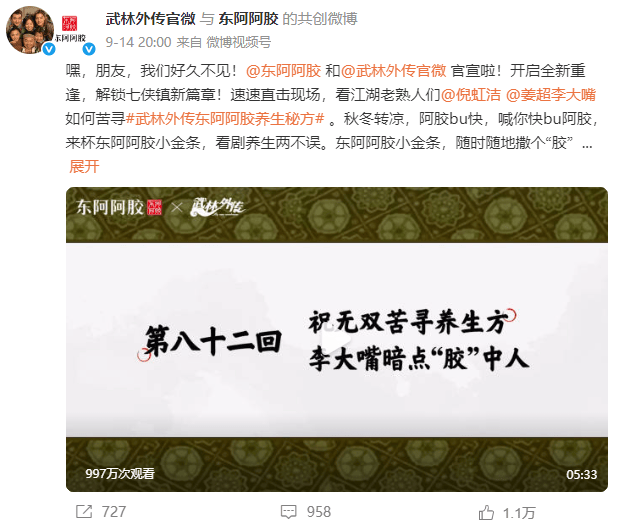
Core Insights - Nostalgia consumption is experiencing a resurgence, with various nostalgic elements becoming popular among consumers, indicating a strong return of the nostalgia economy [1][2] Group 1: Nostalgia Marketing - Brands are increasingly leveraging nostalgic elements in their marketing strategies to resonate with younger consumers [2][3] - The core of nostalgia marketing is to trigger emotional resonance through collective memory, transforming product information into engaging narratives that evoke nostalgia [4][12] - Successful examples include brands like Dong'e Ejiao, which integrates familiar scenes from popular culture into their advertising to create emotional connections [5][6][8] Group 2: Case Studies - Dong'e Ejiao collaborated with the 20th anniversary of "Wulin Waizhuan," using storytelling to embed brand information within nostalgic narratives, enhancing emotional engagement [6][8] - Vivo's "Reply 1995" focuses on realistic portrayals of family life across generations, effectively capturing collective memories and emotions tied to technological advancements [9][11] - Other brands, such as Wallace, utilize familiar flavors to evoke childhood memories, successfully engaging consumers and enhancing brand value [11][13] Group 3: Consumer Behavior - Nostalgia marketing serves as a psychological compensation mechanism for consumers facing stress and competition, providing emotional refuge [12][14] - For millennials, nostalgic elements represent fashion and social sharing opportunities, while for young parents, they serve as a bridge to share childhood experiences with their children [12] - Brands can effectively activate forgotten assets through nostalgia, fostering emotional connections that lead to long-term brand loyalty [12][14]
KTV现在只能靠老年人“续命” ,KTV“夕阳红”生意,一包瓜子唱响的行业自救
Sou Hu Cai Jing· 2025-05-27 08:28
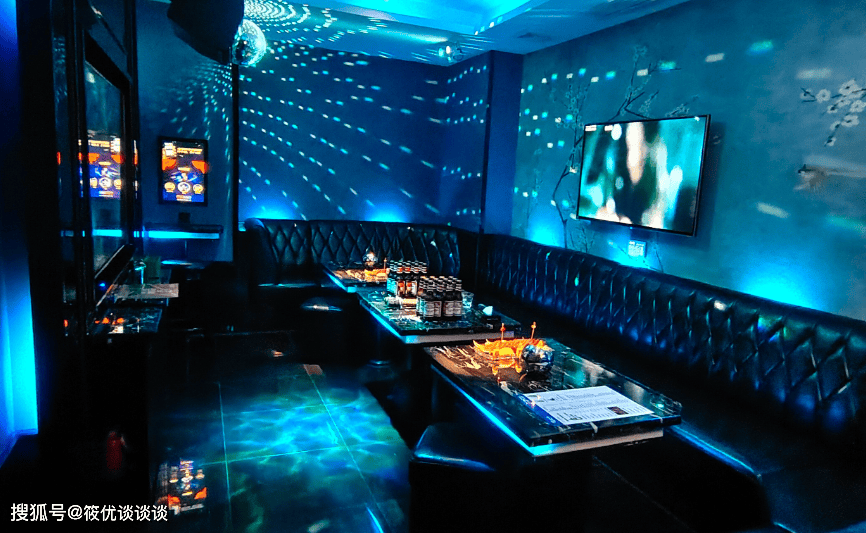
Group 1 - The KTV industry is experiencing a significant shift, with a decline in young customers and an increase in elderly patrons, who now account for over 60% of the customer base [2][5] - The number of KTV establishments has drastically decreased from over 120,000 in 2015 to less than 30,000 in 2023, highlighting the industry's struggle [2] - Daytime occupancy rates for KTVs are generally above 80%, indicating a strong demand from the elderly demographic [2][6] Group 2 - KTVs are adapting to the aging population by implementing "age-friendly" modifications, such as larger font screens and accessibility features [7] - The industry is exploring new service models, including "health KTV" concepts that monitor heart rates and promote intergenerational singing events [5][6] - Despite the opportunities presented by the silver economy, challenges remain, including lower spending from elderly customers and potential conflicts with younger patrons [7] Group 3 - The average cost for elderly customers during daytime is between 10-30 yuan, making it an attractive option for retirees [6] - A nostalgic trend is emerging, with songs from the 1980s seeing a significant increase in requests, particularly works by artists like Teresa Teng and Fei Xiang [6] - KTVs are facing profitability issues, as the average spending of elderly customers is only one-fifth that of younger customers, leading to some venues struggling financially [7]