战略博弈

Search documents
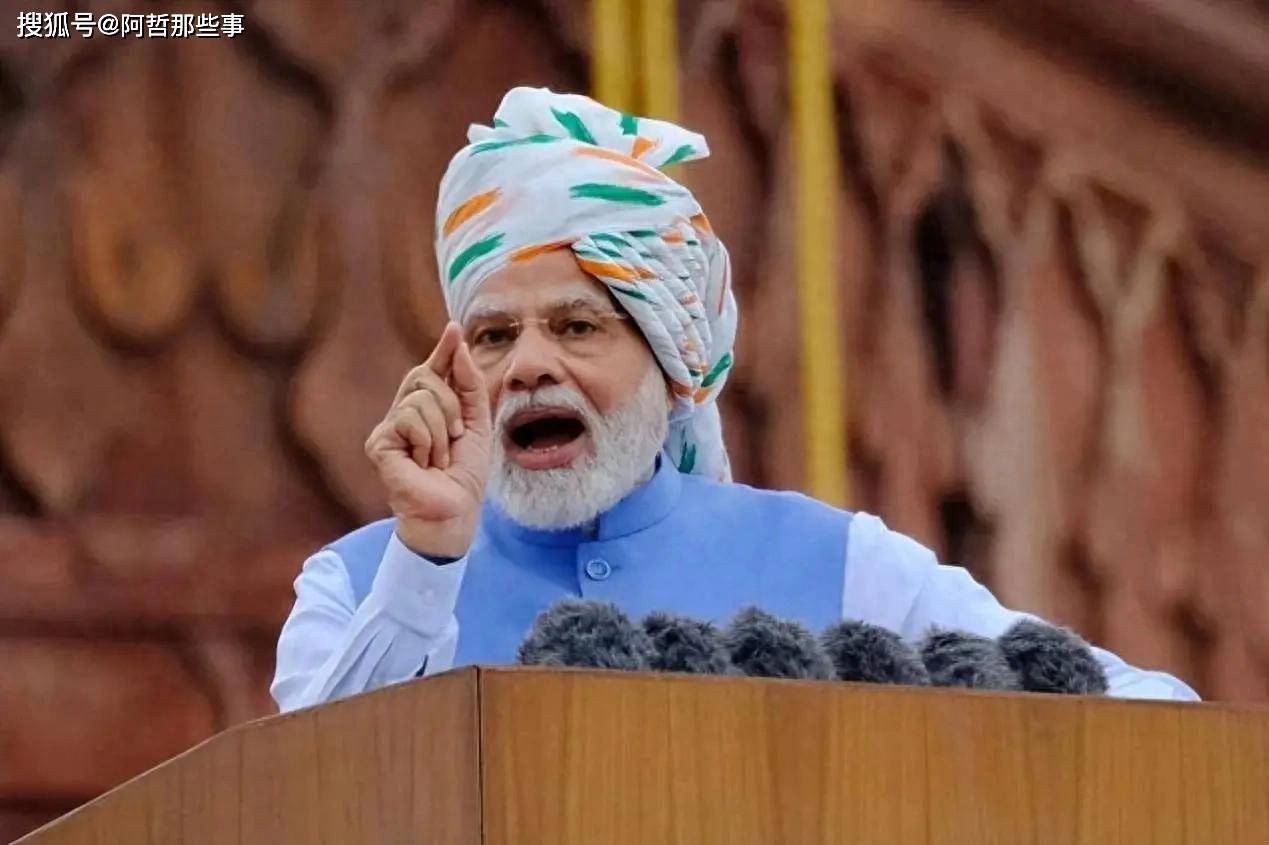
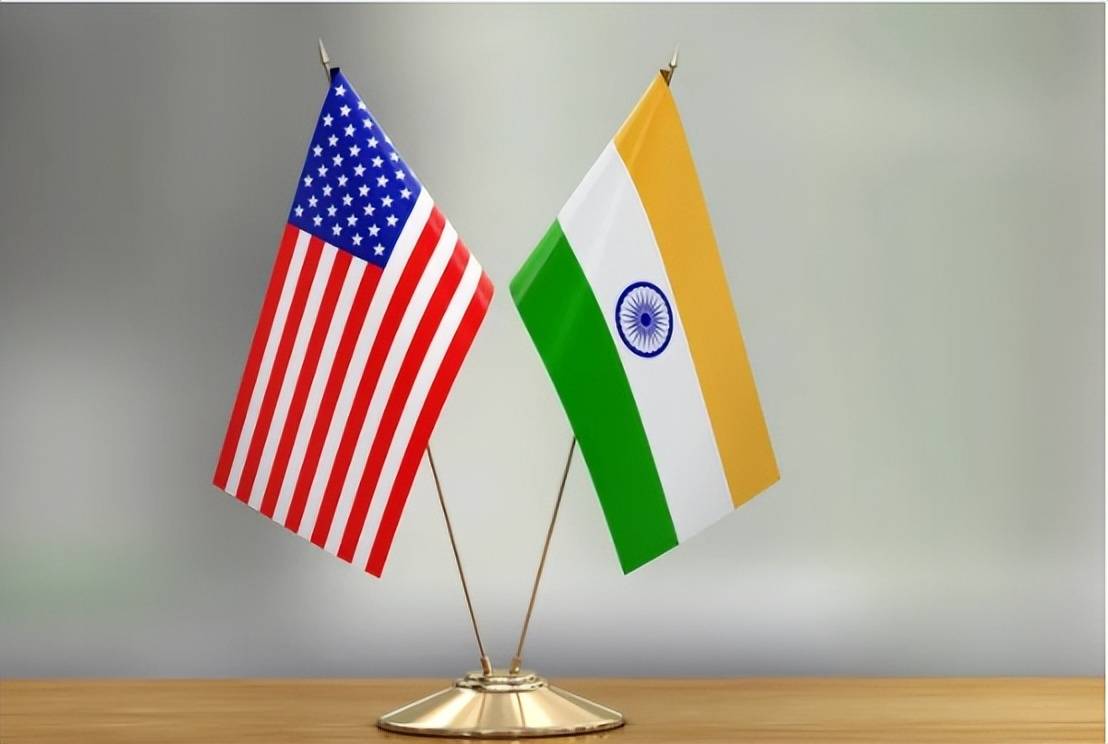
美国持续输出,直接给莫迪强安罪名?事到如今,不是中国不肯拉一把
Sou Hu Cai Jing· 2025-09-01 10:47
Group 1 - The U.S. has imposed a 50% tariff on Indian goods, which is seen as a direct pressure tactic against India, particularly in light of its purchase of Russian oil [3][4] - Navarro's comments linking India's oil purchases to the funding of the Ukraine conflict suggest a strategic narrative aimed at framing India as a "betrayer" of democratic values [3][4] - The U.S. is using India as a target to shift blame for its own strategic failures, particularly in relation to inflation and supply chain issues [6] Group 2 - The U.S. strategy towards India includes economic measures such as tariffs and investment restrictions, which are perceived as low-cost actions with immediate effects [6] - The U.S. aims to test India's diplomatic boundaries and potentially influence its stance on Russia, while also preparing for future adjustments in its position regarding the Ukraine conflict [6][10] - Modi's upcoming visit to China is seen as a potential opportunity for India to seek support against U.S. pressure, although India's response remains ambiguous [8][10]

阿拉斯加峰会:既是“慕尼黑”,也是“雅尔塔”?
Hu Xiu· 2025-08-16 00:30
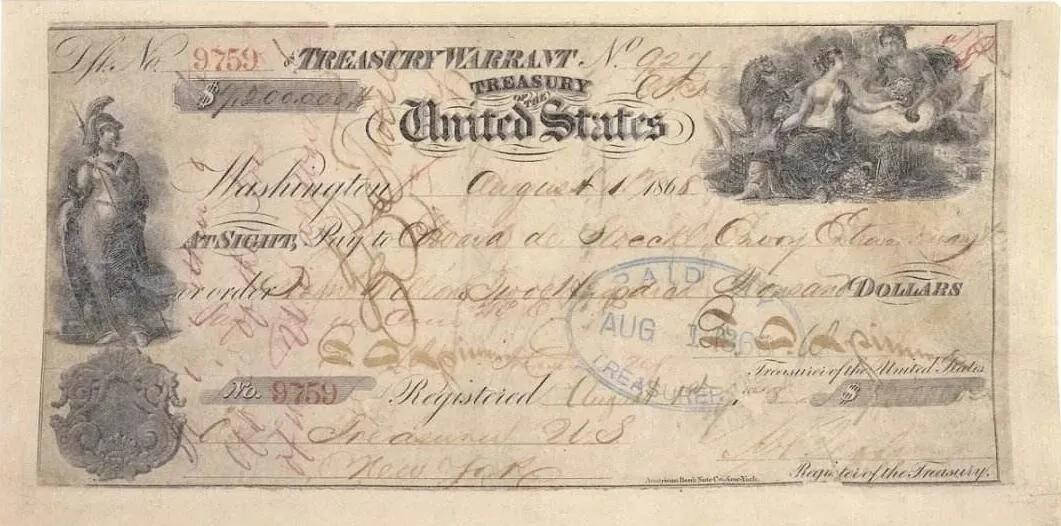
Group 1 - The article discusses the historical context of Alaska's sale from Russia to the United States, highlighting the geopolitical motivations behind the transaction and its implications for current U.S.-Russia relations [4][5][6]. - The upcoming summit between Trump and Putin in Alaska is framed as a significant moment that could reflect on past territorial negotiations and the ongoing Ukraine conflict [10][12][29]. - The article suggests that the summit may symbolize a potential shift in power dynamics, akin to historical events like the Munich Agreement and the Yalta Conference, with concerns about the exclusion of Ukraine from negotiations [12][76]. Group 2 - The article emphasizes the contrasting positions of Trump and Zelensky, with Trump seeking to leverage the summit for political gain while Zelensky remains firm on territorial integrity [48][49][50]. - It outlines the strategic calculations of both the U.S. and Russia, with Trump aiming to withdraw from the Ukraine conflict to focus on China, while Putin seeks to assert Russia's influence and secure territorial claims [28][36][44]. - The article highlights the role of European nations in the conflict, expressing concerns about their diminishing influence and the potential for a U.S.-Russia agreement that could undermine Ukraine's sovereignty [62][64][66]. Group 3 - The article notes that the geopolitical landscape is shifting, with the U.S. increasingly prioritizing its interests in the Indo-Pacific region over European conflicts, which could lead to a reallocation of resources [28][30]. - It discusses the implications of the summit for European security, suggesting that European nations may need to reassess their strategies in light of potential U.S. disengagement from the Ukraine crisis [63][70]. - The article concludes that the outcome of the Alaska summit could redefine the future of U.S.-Russia relations and the broader geopolitical landscape, with significant consequences for Ukraine and Europe [75][81].
朝鲜送1200万炮弹助俄,特朗普威胁500%关税打中国,谁的算盘更精
Sou Hu Cai Jing· 2025-07-18 07:24
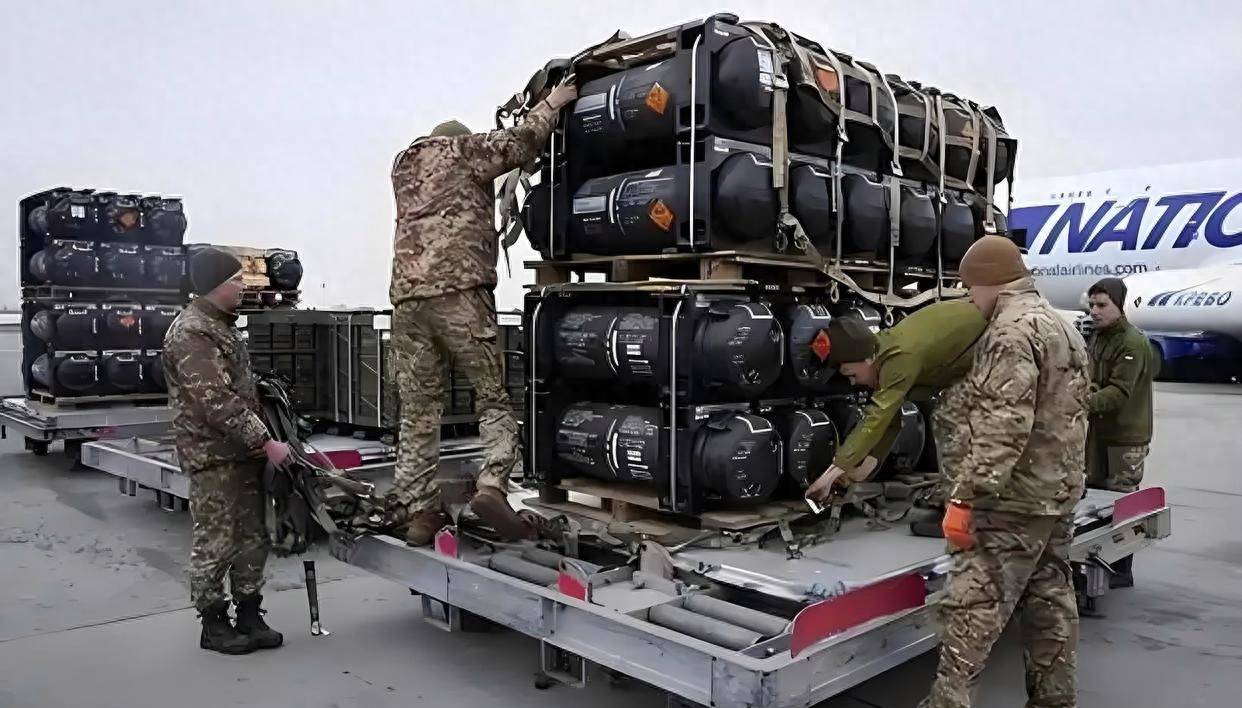
Group 1 - The article discusses a strategic combination of military aid and economic sanctions, highlighting the arrival of 12 million artillery shells in Russia and the subsequent imposition of a 500% tariff by the U.S. [1][3] - The military aid from North Korea is significant, with 12 million 152mm artillery shells being delivered, which are compatible with the Russian military's existing systems [3][5] - The U.S. sanctions are aimed at cutting off funding sources for Russia, particularly targeting its allies, China and India, rather than directly attacking Russia [7][11] Group 2 - The economic relationship between China and Russia is crucial, with energy trade between the two countries amounting to $62.426 billion, which is vital for Russia's economy [11][14] - China imports 108 million tons of oil from Russia, accounting for 19% of its total imports, while India has a higher dependency at 36%, making it more vulnerable to sanctions [14][16] - The article emphasizes the strategic differences between China and India in response to U.S. sanctions, with China having diversified its energy imports, while India faces significant challenges due to its high dependency on Russian oil [26][28] Group 3 - The 50-day countdown set by Trump is strategically significant, coinciding with a critical period in the Russia-Ukraine conflict, where the effects of the artillery aid will be fully realized [30][33] - The effectiveness of sanctions is questioned, as history shows that over time, sanctioned countries adapt and create alternative networks, as seen with the growing cooperation between China and Russia [35][37] - The article concludes that the real contest lies in the endurance and strategic patience of the involved nations, rather than the immediate impact of sanctions [39][41]
苗头显现,美企绕开中国出口限制,3000余吨关键矿产第三国流入
Sou Hu Cai Jing· 2025-07-12 01:35
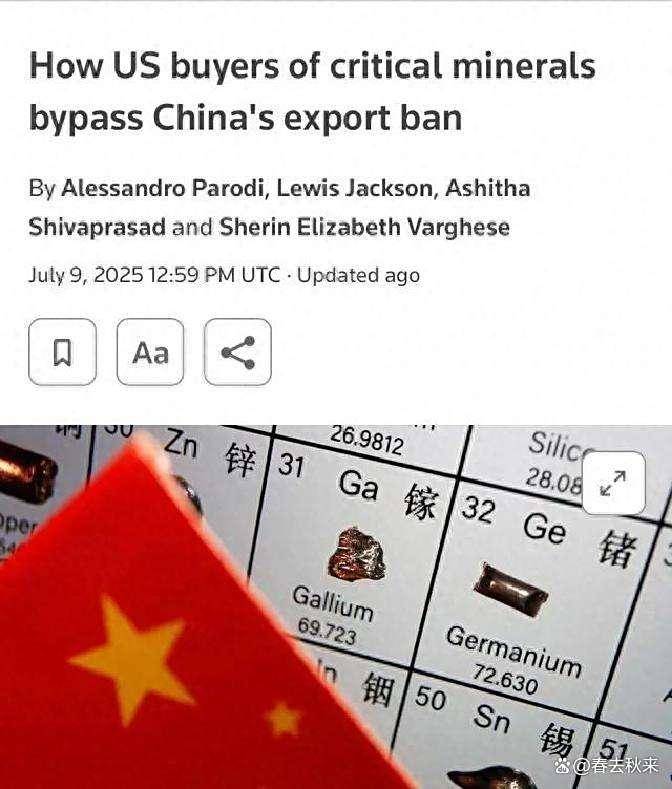
Group 1 - The core argument highlights that despite China's export controls on rare earths and other strategic minerals, the U.S. has found ways to circumvent these restrictions, leading to an increase in imports of materials like antimony disguised under different labels from countries like Mexico and Thailand [1][3][4] - The U.S. has seen a dramatic increase in imports of antimony, with some companies reporting a surge of over twenty times in the past six months, indicating a significant loophole in the export control measures [4][5] - The article discusses the evolution of smuggling techniques, where materials are disguised as other products, showcasing a sophisticated network that operates under the guise of compliance [7][9] Group 2 - China's dominance in the supply of rare metals such as antimony, gallium, and germanium remains unchallenged, with prices skyrocketing following the announcement of export restrictions, reflecting a genuine shortage in the supply chain [5][9] - The Chinese government has responded to the smuggling issue with a comprehensive crackdown, including enhanced legal measures and penalties, indicating a shift towards stricter enforcement of export controls [9][11] - The article emphasizes that the real challenge lies not just in resource extraction but in maintaining regulatory integrity and preventing illicit activities that undermine national security [12]
中国对印度动手了!别被表面上的亲美迷惑,这才是中印关系的真相
Sou Hu Cai Jing· 2025-05-06 07:11
Core Viewpoint - The recent trade tensions between China and India, marked by India's imposition of tariffs on steel imports and China's anti-dumping investigation into medical equipment components, reflect deeper strategic rivalries rather than isolated economic disputes [1][3][10]. Trade Policies - India has imposed a 12% temporary tariff on imported steel products to protect its domestic industry from what it perceives as cheap Chinese imports, claiming it aims to curb the impact on local manufacturers [3][5]. - The Indian government has previously enacted selective bans on Chinese products, such as drone components and apps, while allowing American companies to operate freely, indicating a strategic alignment with U.S. interests [3][5]. Strategic Implications - The timing of India's tariff announcement coincided with the U.S. extending tariffs on Chinese goods, suggesting a coordinated effort to counter China [3][10]. - India's approach to balancing relations with major powers, including the U.S. and Russia, while simultaneously engaging in confrontational policies towards China, highlights its complex geopolitical strategy [5][10]. Economic Impact - China's response to India's tariffs includes a swift anti-dumping investigation into critical components for medical imaging equipment, which could significantly impact India's healthcare sector, as 65% of its high-end medical imaging devices are imported, with 40% from China [7][11]. - The potential expansion of China's countermeasures to include India's pharmaceutical and IT sectors, where India exports over $3 billion in drug raw materials to China, could lead to severe economic repercussions for India [7][11]. Trade Relations - In 2024, the trade volume between China and India exceeded $130 billion, with China remaining India's largest trading partner for the 15th consecutive year, surpassing India's trade with the U.S., Russia, and Japan combined [11][16]. - Despite political rhetoric advocating for reduced dependence on China, Indian imports from China increased by 7.3% in the first quarter of 2025, indicating a reliance on Chinese goods [11][16].