炮弹

Search documents
欧盟审计机构:欧盟关键原材料进口多元化努力迄今未见成效
Wen Hua Cai Jing· 2026-02-03 01:41
Core Insights - The European Court of Auditors (ECA) stated that the EU's efforts to diversify imports of critical metals and minerals necessary for reducing external dependencies and achieving technological, defense, and energy transitions have "not yet yielded substantial results" [1] Group 1: Legislative Framework - The Critical Raw Materials Act (CRMA), passed in 2024, aims to enhance domestic supply capabilities for 34 strategic materials, including lithium, antimony, tungsten, copper, and rare earth elements, which are widely used in manufacturing semiconductors, wind turbines, and munitions [1] Group 2: Targets and Challenges - The CRMA sets non-binding targets for 2030, including mining 10% of the required minerals, increasing recycling capacity to 15%, and processing 40% of the annual demand for each strategic raw material [2] - The ECA report indicates a pessimistic outlook, noting that for 26 materials needed for energy transition, 7 have recycling rates of only 1% to 5%, and 10 have not been recycled at all, attributing this to a lack of specific incentives [2] - The report warns that the EU's goal of achieving a 40% self-sufficiency in processing is regressing, with some processing plants closing due to high energy costs, severely undermining industrial competitiveness [2] Group 3: International Partnerships - The strategic partnerships established by the EU with third countries for critical raw materials have not shown effective results, with half of the reviewed imports from these partner countries declining between 2020 and 2024 [2] Group 4: Future Initiatives - To accelerate the implementation of the CRMA, the European Commission proposed a new plan called "RESourceEU" by December 2025, although many details remain unimplemented or unpublished. This plan includes export restrictions on rare earth waste and an investment of €3 billion (approximately $3.55 billion) to expedite the approval and construction of several strategic materials projects [2]
金正恩视察重要军工企业 提出扩大导弹生产能力的必要性
Zhong Guo Xin Wen Wang· 2025-12-26 08:02
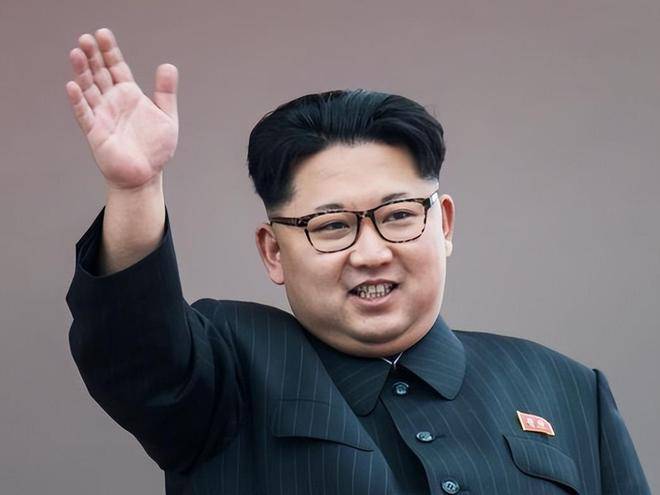
Core Viewpoint - North Korea's leader Kim Jong-un emphasized the need to enhance missile and artillery production capabilities in response to future military requirements, indicating a strategic focus on military modernization and production capacity expansion [1] Group 1: Production Plans and Goals - Kim Jong-un discussed increasing the production plan for 2026 based on future national missile and artillery needs, highlighting the necessity to strengthen the technical foundation of related production enterprises [1] - The completion of the 2025 production plan by relevant enterprises was highly praised, underscoring their central role in implementing national defense development plans [1] Group 2: Military Strategy and Modernization - The missile and artillery production sectors were identified as crucial for enhancing war deterrence, with a call for relevant agencies to prepare for the implementation of modernization and production goals set forth by the Party's recent congress [1] - An important modernization plan for military enterprises was approved for review by the Party, indicating a structured approach to military industrial enhancement [1]
金正恩视察重要军工企业 了解导弹及炮弹生产情况
Xin Lang Cai Jing· 2025-12-25 23:32
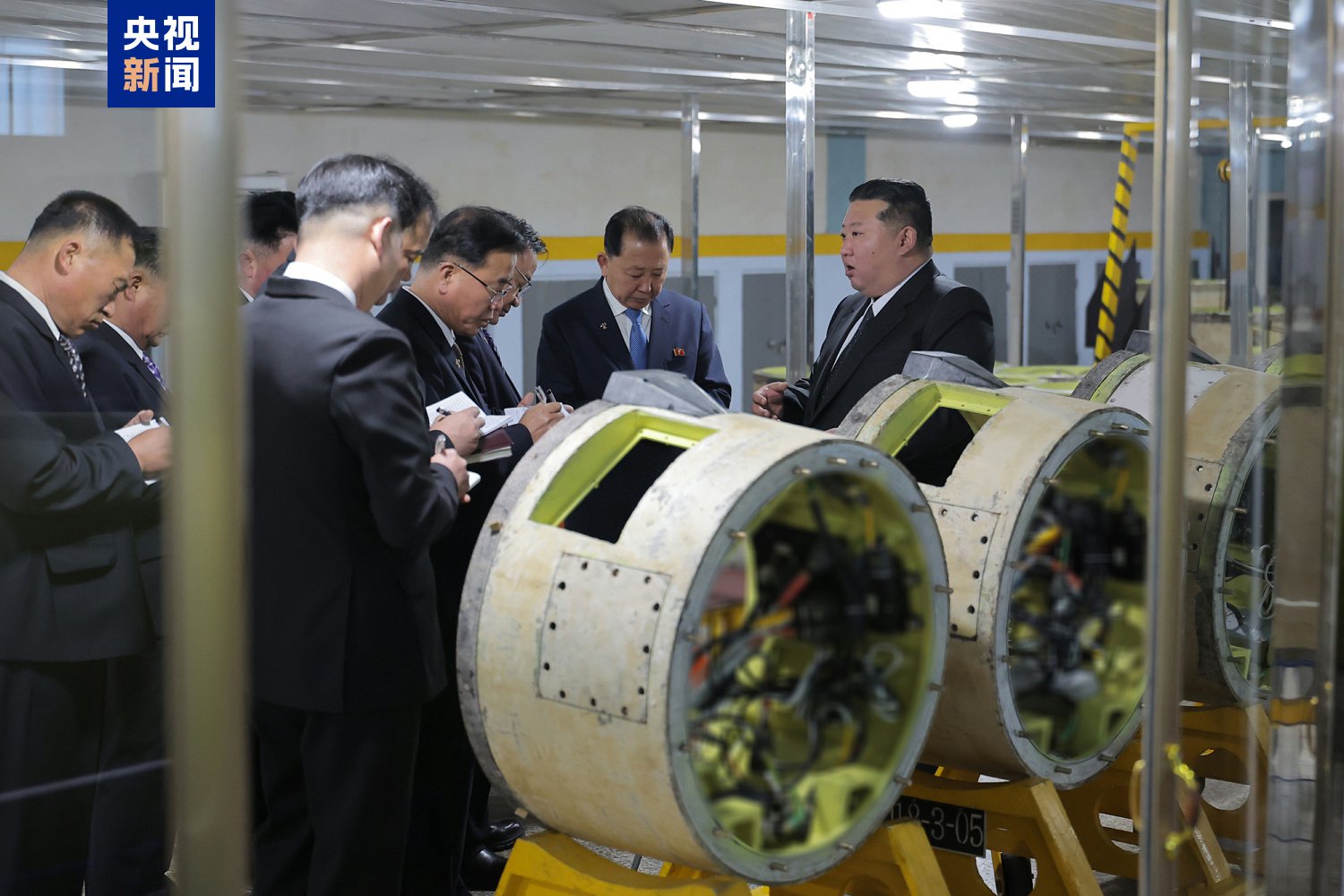
Group 1 - Kim Jong-un recently inspected several key military enterprises to understand the production status of missiles and artillery for the fourth quarter [1] - Kim highly praised the enterprises for successfully completing the 2025 production plan and acknowledged their central role in implementing the national defense development plan [3] - He emphasized the critical importance of missile and artillery production departments in enhancing war deterrence and instructed relevant agencies to prepare for the modernization and production goals proposed at the 9th Congress of the Workers' Party of Korea [5]

金正恩视察重要军工企业
Yang Shi Xin Wen Ke Hu Duan· 2025-12-25 23:03
Group 1 - Kim Jong-un recently inspected several key military enterprises to understand the production status of missiles and artillery for the fourth quarter [1] - Kim highly praised the enterprises for successfully completing the 2025 production plan and acknowledged their central role in implementing the national defense development plan [3] - He emphasized the critical importance of missile and artillery production departments in enhancing war deterrence and instructed relevant agencies to prepare for the modernization and production goals proposed at the 9th Congress of the Workers' Party of Korea [5]
欧盟援乌:增加无人机供应 炮弹未如数交付
Xin Hua She· 2025-12-03 01:04
Group 1 - Ukraine has signed agreements with the Netherlands and Norway for joint production of drones, enhancing production capabilities and mutual security [1][3] - The Netherlands will procure drones produced through this collaboration and deliver them to Ukraine [3] - Ukraine plans to start trial production of drones with Norway in 2026 and is also set to sign an agreement with the UK for advanced military equipment development [3] Group 2 - The EU has not yet fulfilled its commitment to supply Ukraine with 2 million artillery shells by 2025, as acknowledged by EU foreign policy chief Josep Borrell [1][3] - The EU initially aimed to complete all artillery deliveries by the end of October 2023 [3] - Ukraine continues to face significant military challenges, with recent reports indicating Russian control over key areas in the Donetsk region [4]

近距离看干扰弹发射瞬间!海军第47批护航编队开展多课目实战化训练
Yang Shi Xin Wen· 2025-10-08 08:05
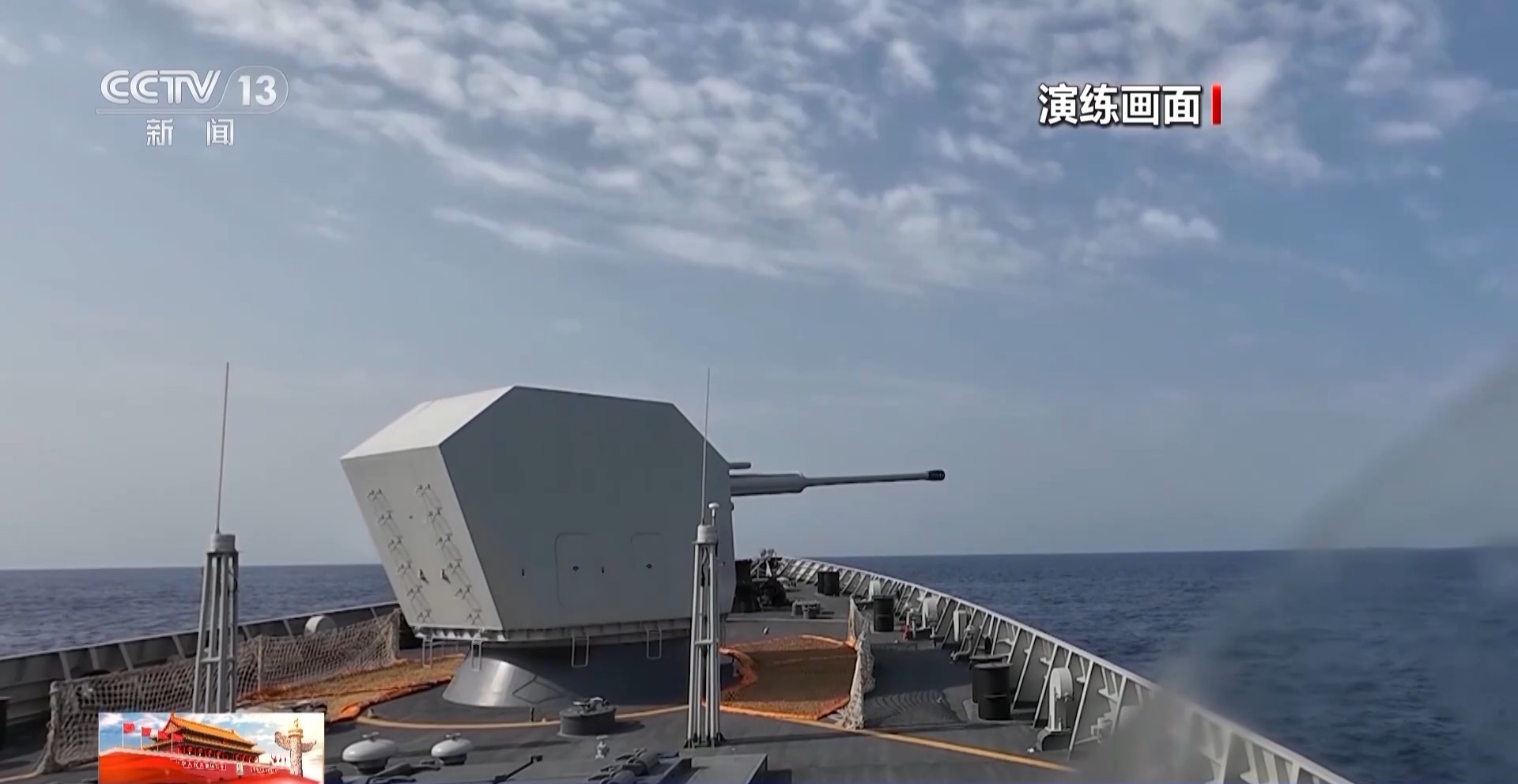
Core Viewpoint - The naval escort fleet, specifically the Baotou ship, conducted a multi-task realistic combat training exercise in the Gulf of Aden, enhancing the crew's operational capabilities in complex and challenging scenarios [1][7]. Group 1: Training and Operational Readiness - The training involved assessing air target situations and executing electronic interference to simulate real combat conditions [1]. - Following the resolution of aerial threats, the Baotou ship quickly shifted to combat mode upon detecting a maritime target, preparing its main artillery for engagement [3]. - The crew demonstrated precision in targeting, successfully hitting the designated objectives during live-fire exercises [5]. Group 2: Integration of Missions - The training exercises included various combat scenarios such as naval gunfire support and machine gun operations, allowing the crew to refine their combat skills [7]. - The integration of escort missions with training activities has effectively tested and improved the fleet's combat readiness [7].
多地能源设施遭袭后,乌克兰收到坏消息,欧洲又1国拒无条件援乌
Sou Hu Cai Jing· 2025-10-08 07:46
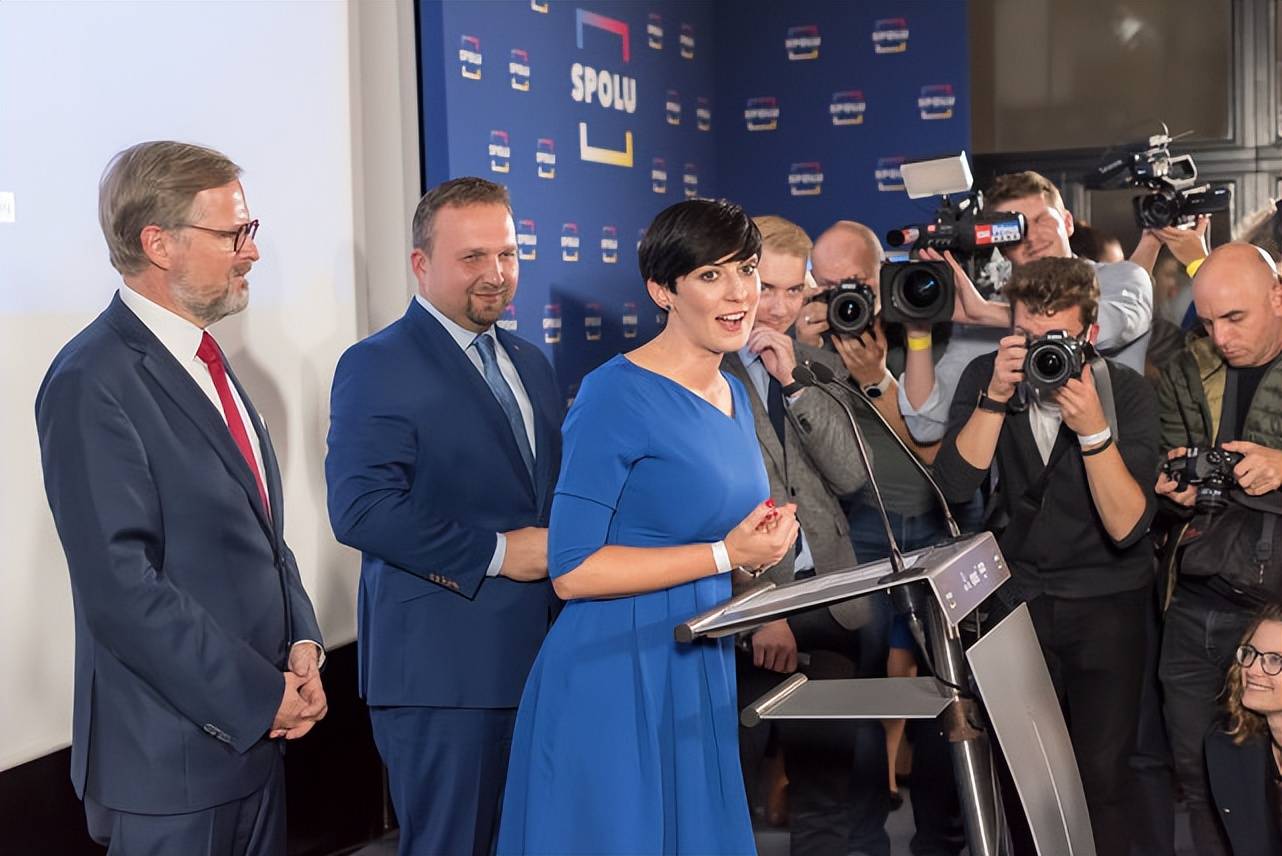
Core Viewpoint - The recent election results in the Czech Republic pose a significant challenge for Ukraine, as the newly elected leader, Babis, has indicated intentions to halt military support, particularly the artillery supply plan crucial for Ukraine's frontline needs [3][5][15]. Group 1: Election Results and Implications - The Czech parliamentary elections resulted in the "Action of Dissatisfied Citizens" party, led by former Prime Minister Babis, winning 34.7% of the votes, making it the largest party [3]. - The current government, which supports unconditional aid to Ukraine, received only 23% of the votes, indicating a shift in public sentiment towards prioritizing domestic issues over foreign aid [3][14]. - Babis's victory reflects a growing public desire to address domestic economic challenges rather than continue extensive support for Ukraine [3][12]. Group 2: Military Support and Supply Chain - The Czech Republic has been a key supplier of artillery to Ukraine, providing over 1.5 million shells since February 2024, which has been critical given the ongoing ammunition shortages faced by Ukraine [5][8][6]. - The cessation of the artillery supply plan, which Babis aims to implement, would exacerbate the ammunition crisis on the Ukrainian frontline, where daily consumption exceeds 10,000 shells [5][6]. - The Czech artillery supply plan was supported by nearly 20 countries, including significant contributions from Germany (540 million euros), the Netherlands (250 million euros), and Belgium (200 million euros) [8]. Group 3: Domestic Economic Concerns - Babis's campaign focused on addressing domestic economic issues, promising tax cuts and increased support for low-income households, which resonated with voters facing rising inflation and living costs [11][12]. - The Czech Republic has experienced inflation rates between 6% and 8%, leading many households to cut back on expenses, further influencing the electorate's preference for prioritizing national issues over foreign aid [12][13]. Group 4: Future of Czech Foreign Policy - The potential shift in Czech foreign policy towards reduced military support for Ukraine could lead to a broader trend among EU countries, raising concerns about the overall commitment to Ukraine amidst domestic pressures [15][16]. - If Babis successfully forms a coalition government, the Czech Republic may pivot from military assistance to humanitarian aid, impacting Ukraine's ability to sustain its defense efforts [16][18].
13.5万俄兵即将入伍!中朝支援成关键,中国能源进口受美威胁
Sou Hu Cai Jing· 2025-10-02 08:08
Core Insights - Russia's recent mobilization of 135,000 young recruits is a significant move amidst escalating tensions, particularly following the U.S. decision to allow Ukraine to use long-range missiles against Russian territory [1][11] - The situation indicates a complex geopolitical landscape where Russia is seeking support from China and North Korea to bolster its military capabilities and sustain its war efforts [4][6][11] Military Mobilization - The Kremlin's mobilization is not merely routine but reflects a response to heightened threats, particularly from U.S. military support to Ukraine [1][11] - Russia's current defense capabilities are insufficient to fully counter the combined pressure from the U.S. and Ukraine, leading to a search for new strategic partnerships [3][11] Strategic Partnerships - Russia is increasingly relying on China for logistical and financial support, including the opening of a new trade route that reduces transportation time and risks of Western interception [4][11] - The collaboration extends to military technology, with Russia willing to share critical defense technologies with China, indicating a deepening strategic alliance [4][11] North Korea's Role - North Korea's military support, including the provision of artillery and rockets, is crucial for Russia to alleviate ammunition shortages on the battlefield [6][11] - The partnership with North Korea complements Russia's strategy of leveraging its nuclear capabilities while relying on external support for conventional military needs [6][11] Geopolitical Implications - The ongoing conflict transcends the Russia-Ukraine war, impacting global strategic dynamics and China's energy security [13] - China faces the challenge of maintaining energy imports from Russia while navigating potential U.S. sanctions and the risk of being drawn into the conflict [10][11][13] Future Outlook - The evolving situation suggests a looming larger confrontation, with Russia counting on support from China and North Korea to endure current challenges while the U.S. aims to weaken Russia through support for Ukraine [11][13] - The balance of power and international order may be significantly affected by these developments, with long-lasting implications for global relations [13]
火炮深度:战争之神,王者归来
China Post Securities· 2025-07-25 09:12
Industry Investment Rating - The report maintains a "stronger than the market" investment rating for the defense and military industry [6]. Core Insights - The report emphasizes that artillery remains crucial in modern warfare, as demonstrated by the Russia-Ukraine conflict, where artillery has proven to be an effective long-range strike method [2][36]. - The global artillery market is projected to grow at a compound annual growth rate (CAGR) of 4.3%, increasing from a current market value of $11.4 billion to $17.3 billion by 2034 [2][39]. - The domestic artillery market in China is expected to thrive due to increased military training and export demands, with an estimated market size of approximately 12 billion yuan [3][49]. Summary by Sections 1. Artillery Classification and Composition - Artillery ammunition includes various types such as shells, grenades, and missiles, with artillery being referred to as the "god of war" due to its enduring significance [13]. - Shells are categorized based on caliber, assembly relationship, loading method, and stability method, with various types including small, medium, and large caliber shells [17][21]. 2. The Return of the "God of War" - The Russia-Ukraine war has highlighted the importance of artillery, with significant artillery usage reported, including the U.S. supplying over 1 million rounds to Ukraine [36][37]. - The report indicates that the global artillery market is driven by ongoing geopolitical tensions, particularly in Europe, leading to increased procurement of advanced artillery systems [39][40]. 3. Domestic Related Enterprises - Key players in China's artillery production include the China Ordnance Industry Group and the China Ordnance Equipment Group, with various listed companies involved in ammunition production [50][52]. - The report identifies several companies such as Tianqin Equipment and Beihua Co., which are significant contributors to the artillery and ammunition market in China [3][50].
美威胁:100%关税并非针对俄罗斯,对中印二级制裁才会打击俄经济
Sou Hu Cai Jing· 2025-07-18 09:46
Group 1 - Recent military cooperation between North Korea and Russia has garnered global attention, with reports suggesting North Korea may supply up to 12 million artillery shells and potentially send 30,000 soldiers to the Ukrainian battlefield [1][10] - The historical relationship between North Korea and Russia dates back to the Cold War, where both nations collaborated against external threats, and their current partnership is a strategic choice to counter Western sanctions [1][10] - Russian military actions in Ukraine have intensified, with large-scale airstrikes targeting critical infrastructure to weaken Ukraine's combat capabilities [1][2] Group 2 - Russian military operations appear to be transitioning from a defensive posture to a full-scale offensive, aided by artillery support from North Korea [2] - In the eastern Donetsk region, Russian forces have captured key strategic points, significantly impacting Ukraine's defensive lines [3] - The U.S. has responded by pledging to provide Ukraine with Patriot missile defense systems through NATO, enhancing Ukraine's defensive capabilities and signaling a warning to Russia [5] Group 3 - Some U.S. hawks are proposing high tariffs on countries like China and India for purchasing Russian oil, viewing it as indirect support for Russia's military [6] - China and India have adopted different strategies in response to U.S. pressure, with China emphasizing normal energy trade with Russia and India continuing to import cheap Russian oil while exploring new defense cooperation [6][8] - China and India are gradually aligning their positions, with discussions on supply chain stability to mitigate external economic risks, potentially reducing the impact of U.S. tariffs [8] Group 4 - The escalation of the Russia-Ukraine conflict is occurring against the backdrop of NATO's eastward expansion, which Russia perceives as a direct threat to its national security [8][10] - The potential accession of Ukraine to NATO is viewed as a critical point that could exacerbate tensions, with Russia attributing the conflict to NATO's expansionist policies [8][10] - The complex interplay of Russian military advances, North Korean support, U.S. military aid, and tariff threats creates a multifaceted international situation [10]