房地产市场筑底

Search documents
11月70城二手房价普降,上海、合肥、沈阳新房价格飘红,市场筑底进行时
Hua Xia Shi Bao· 2025-12-16 05:29
Core Viewpoint - The real estate market in China is experiencing a continued decline in housing prices, with significant drops in both new and second-hand residential properties across major cities, indicating a challenging environment for developers and investors [3][5][9]. Group 1: Housing Price Trends - In November, new residential property prices in first-tier cities fell by 0.4% month-on-month, with declines in Beijing, Guangzhou, and Shenzhen of 0.5%, 0.5%, and 0.9% respectively [5]. - Second-hand residential prices in first-tier cities decreased by 1.1% month-on-month, with Beijing seeing a drop of 1.3% [5][6]. - Year-on-year, new residential prices in first-tier cities dropped by 1.2%, with Beijing, Guangzhou, and Shenzhen experiencing declines of 2.1%, 4.3%, and 3.7% respectively [7]. Group 2: Investment and Development Data - From January to November, real estate development investment totaled 78,591 billion yuan, a year-on-year decrease of 15.9%, with residential investment down by 15.0% [9]. - The area under construction for real estate projects fell by 9.6%, while new construction area decreased by 20.5% [9]. - The sales area of new residential properties from January to November was 78,702 million square meters, down 7.8% year-on-year, with sales revenue declining by 11.1% [9][10]. Group 3: Market Dynamics and Future Outlook - The increase in second-hand housing listings has led to a trend of "price for volume," indicating a growing supply and increasing difficulty in property sales [8]. - The real estate development climate index has dropped to 91.90, reflecting ongoing challenges in the market [10]. - Experts suggest that while core cities may see some stabilization in prices due to resilient demand, the overall market remains in a phase of bottoming out and consolidation [10].


帮主郑重:房价连跌8个月!数据背后的“危”与“机”,中长线视角怎么看?
Sou Hu Cai Jing· 2025-12-15 12:13
Core Viewpoint - The recent data on housing prices indicates a continued decline for the eighth consecutive month, highlighting a significant shift in market dynamics and investor sentiment [1][3]. Market Trends - Housing prices in 70 cities have shown a dual decline both month-on-month and year-on-year, with first-tier cities demonstrating stronger resilience compared to second and third-tier cities, which are under greater pressure [3]. - The downward pressure on new home prices is generally greater than that on second-hand homes, reflecting a broader issue of weak confidence and expectations in the market [3]. Policy Shifts - The focus of government policy has shifted from "de-leveraging and risk prevention" to "risk prevention, market stabilization, and promoting transformation," indicating a more supportive environment for the real estate sector [3]. - Initiatives such as financial support for reasonable financing of real estate companies and optimization of purchase restrictions in key cities aim to transition the market from a "free fall" to a "soft landing" [3]. Investment Strategies - Investors should adopt a "survivor mentality" when selecting real estate stocks, focusing on financially stable companies with low financing costs and high operational efficiency, rather than betting on a broad industry rebound [4]. - Opportunities may arise in the long industrial chain associated with real estate stabilization, particularly in upstream sectors like building materials and home furnishings, as well as downstream areas linked to property management and home appliances [4]. - The emergence of new models, such as affordable housing and urban village renovations, driven by policy support, could create a new market segment, offering stable business growth for related construction and service companies [4]. Conclusion - The recent housing price data serves as a summary of past trends rather than a definitive forecast for the future, signaling the end of an old cycle and the challenging establishment of a new balance [5].

房地产:2026行业展望及投资策略更新
2025-11-25 01:19
Summary of Real Estate Industry and Company Insights Industry Overview - The Chinese real estate market has cooled since Q2 2023, with housing prices reverting to levels seen before September 2024. New home transaction volumes have seen a year-on-year decline, while second-hand home transactions have weakened on a month-on-month basis. The land market's premium rate is below 5% [1][2]. - A recovery in the market requires addressing high housing price-to-income ratios and excessive inventory, alongside a supportive monetary policy [1]. Key Insights and Arguments - In a neutral scenario, total housing transaction volumes are expected to contract further by approximately 5%, with new construction area declining by 16% year-on-year and real estate investment dropping by about 15% [1][6]. - The current real estate market is in a bottoming phase, with per capita transaction volumes for both new and second-hand homes reaching a low point. A slight decline is anticipated over the next 1-2 years [1][7]. - Urban renovation has potential to stimulate demand, but its effectiveness is uncertain due to land market liquidity constraints [1][8]. - Major real estate companies are trading at over a 40% discount to their net liquidation value, indicating a deep discount level. Price assumptions for 2026 and 2027 suggest a conservative expectation of a double-digit decline [1][9]. Market Conditions and Future Outlook - The real estate cycle's upward shift depends on systemic repairs to existing issues, including a healthy housing price-to-income ratio and stable leverage conditions [3][4]. - The market faces two main challenges: high housing price-to-income ratios in major cities and excessive inventory, which can be addressed through fiscal expansion policies [5][6]. - If policies can effectively address these issues, a more positive market development scenario may emerge, with total housing transaction volumes and new home transaction volumes expected to decline only slightly in 2026 [8][10]. Short-term and Long-term Projections - Short-term caution is advised for real estate stocks, with a potential turning point expected in Q2 2024 as macroeconomic conditions improve [11]. - The commercial real estate sector is projected to perform well in 2025, benefiting from strong same-store sales growth and long-term capital seeking high dividend returns [12]. Commercial Real Estate Insights - The commercial real estate sector is expected to see good performance in 2025, driven by strong same-store sales growth and favorable financing conditions [12][13]. - The market share is increasingly concentrated among leading companies, with significant growth in same-store sales for top operators [13]. - The luxury goods market is expected to recover gradually, with a moderate growth outlook for 2026 [14][15]. Investment Recommendations - For real estate stocks, a cautious approach is recommended, focusing on companies with sustainable rental income and dividend yields, such as Swire Properties and China Resources Land, which are expected to achieve 5-10% rental profit growth alongside a 5-6% dividend yield [19][20]. - The property management sector is projected to grow at a rate similar to 2025, with specific companies like Greentown Service and Poly Property recommended for their strong performance and stable cash flow [20]. Hong Kong Real Estate Market - The Hong Kong real estate market is currently stabilizing, with transaction volumes around 5,000 units. A significant increase in transactions could signal a recovery phase [21][22]. - The market requires strong macroeconomic trends to catalyze further growth, particularly in light of potential interest rate cuts by the Federal Reserve [22].
招商蛇口20251117
2025-11-18 01:15
Summary of China Merchants Shekou's Conference Call Company Overview - **Company**: China Merchants Shekou - **Date**: November 17, 2025 Key Points Industry and Market Conditions - The real estate market is currently in a bottoming phase, with core assets in first and second-tier cities showing strong demand and improvement in transaction volume [2][3][6] - Core city housing prices are stabilizing, particularly in Shanghai where multiple key land parcels have been acquired, supporting future sales [2][3] - The company is focusing on the top 10 core cities in China, gradually reducing its land acquisition scope [2][5] Financial Performance - As of the end of Q3, the company reported a cash balance of 85 billion yuan and a net cash flow from operating activities of 3.1 billion yuan [2][3] - Revenue and pre-tax gross margin increased in the first three quarters, but net profit attributable to shareholders slightly declined [2][3] - The company anticipates a potential decline in gross margin in Q4, but overall is in a bottoming process, with expectations for gradual recovery post-2026 [2][3][7] Sales and Project Development - From January to October, the company achieved a signed sales area of 5.64 million square meters and a sales amount of 156 billion yuan, remaining stable compared to the previous year [3][4] - New projects in Hangzhou have high sales rates, with many achieving over 90% sell-through on first launches [5] - Total available sales value as of the end of October is approximately 200 billion yuan, with strong land acquisition performance this year supporting future sales expectations [4][5] REITs and Asset Management - The company has issued REITs for industrial parks and rental housing, with plans to introduce consumer-oriented commercial real estate REITs [2][8] - The issuance of REITs is slow, impacting revenue minimally but significantly affecting profits [9][10] - The company is actively working on asset disposal and land exchange to improve cash flow and reduce non-core assets [11] Dividend Policy and Shareholder Returns - A three-year shareholder return plan has been established, maintaining a dividend payout ratio of over 40%, not less than 50%, regardless of performance fluctuations [4][12] Impairment and Valuation - The company expects some impairments this year due to market price pressures, but overall impairment pressure is manageable given its conservative net asset and debt levels [4][13] Future Outlook - The company believes that macroeconomic improvements will enhance supply-demand relationships in the real estate market, with expectations for policy support to stabilize the market [6][7] Strategic Focus - The company aims to lead the future direction of real estate development with a focus on quality housing, products, and services [6][7] This summary encapsulates the key insights from the conference call, highlighting the company's strategic direction, financial health, and market outlook.

银行为何可以八折卖房?这绝对不是做慈善,而是在卖房贷
Sou Hu Cai Jing· 2025-11-14 11:36
Core Viewpoint - Banks are selling properties at discounted prices not due to urgency but as a strategy to improve loan recovery and efficiency in capital turnover [1][2][3] Group 1: Bank's Strategy - Banks are effectively selling loans secured by properties rather than the properties themselves, allowing them to recover more funds [1][5] - By selling properties at around 80% of their market value, banks can find new borrowers, thus securing additional profits beyond the principal amount [5][8] - This approach allows banks to bypass lengthy court auction processes, enhancing their capital turnover efficiency [2][3] Group 2: Market Impact - The influx of discounted properties may initially seem detrimental to property prices, but it could facilitate a quicker stabilization of the real estate market in the long run [8] - Accelerating the disposal of non-performing assets can improve banks' financial health and contribute to a more efficient market recovery [8]

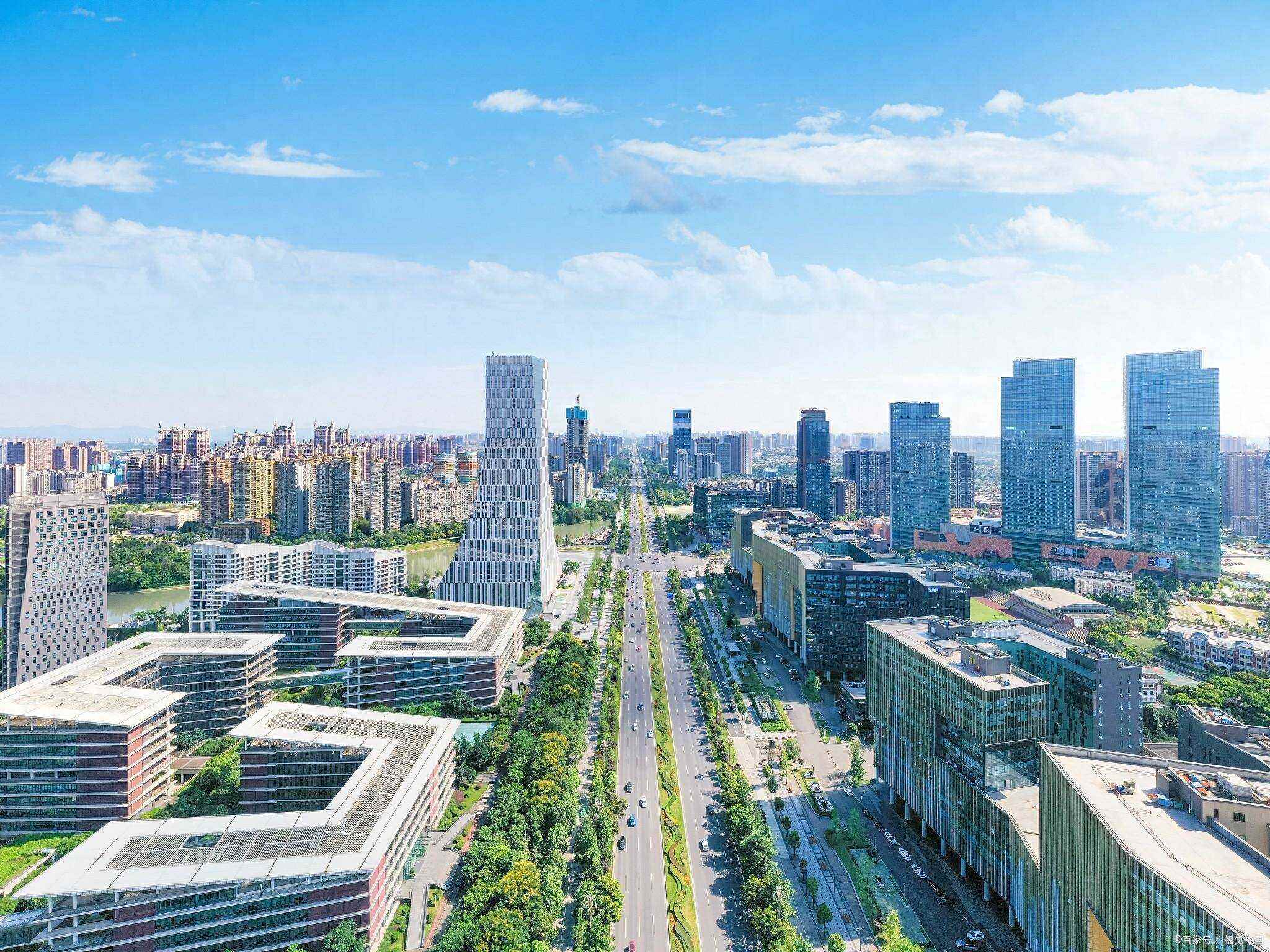
楼市进入筑底关键期:改善性需求成为新房市场支撑 “强者恒强”分化格局愈发清晰
Mei Ri Jing Ji Xin Wen· 2025-10-24 15:20
Core Insights - The Chinese real estate market has entered a critical bottoming phase since the second half of 2021, driven by intensive policy measures aimed at stabilizing the market [1][3]. Market Changes - The cumulative sales of new residential properties during the "14th Five-Year Plan" period are projected to reach approximately 5 billion square meters [1][2]. - The supply-demand relationship in the real estate market has shifted, with a significant portion of demand now being met through second-hand housing, while new housing is increasingly catering to improvement needs [2][6]. Policy Impact - Since the second half of 2021, the sales of new residential properties have been on a continuous decline, with a notable policy shift in September 2024 aimed at stabilizing the market [3][6]. - In the first nine months of 2025, the sales area of new residential properties was 6.58 million square meters, a year-on-year decrease of 5.5%, but the decline rate has narrowed compared to the previous year [6][10]. Market Resilience - The second-hand housing market has shown greater resilience, with transaction volumes in key cities increasing by 10% year-on-year in the first seven months of 2025, reaching a peak share of 68% in July [6][10]. - Despite the increase in transaction volume, second-hand housing prices have been on a downward trend for 41 consecutive months [6][10]. Market Segmentation - A clear "stronger stronger" market segmentation is emerging, with first-tier cities experiencing a rise in new housing prices, while second and third-tier cities face price declines [11][13]. - The investment focus of real estate companies has shifted towards core cities, with significant land auction prices being recorded in cities like Shanghai and Beijing [14][16]. Demand Trends - Improvement demand has become the core support for the new housing market, with larger unit types (120-144 square meters) accounting for 30% of transactions in key cities [17][21]. - High-end market performance has been notable, with significant increases in transactions for properties priced between 10 million to 20 million yuan in cities like Beijing and Chengdu [20][21]. Future Outlook - The upcoming report titled "Prospects for the 15th Five-Year Plan: Exploring the 'Golden Pit' of the Non-Restricted Cycle Real Estate Market" is set to be released on October 30, 2025, providing further insights into the industry [21][22].
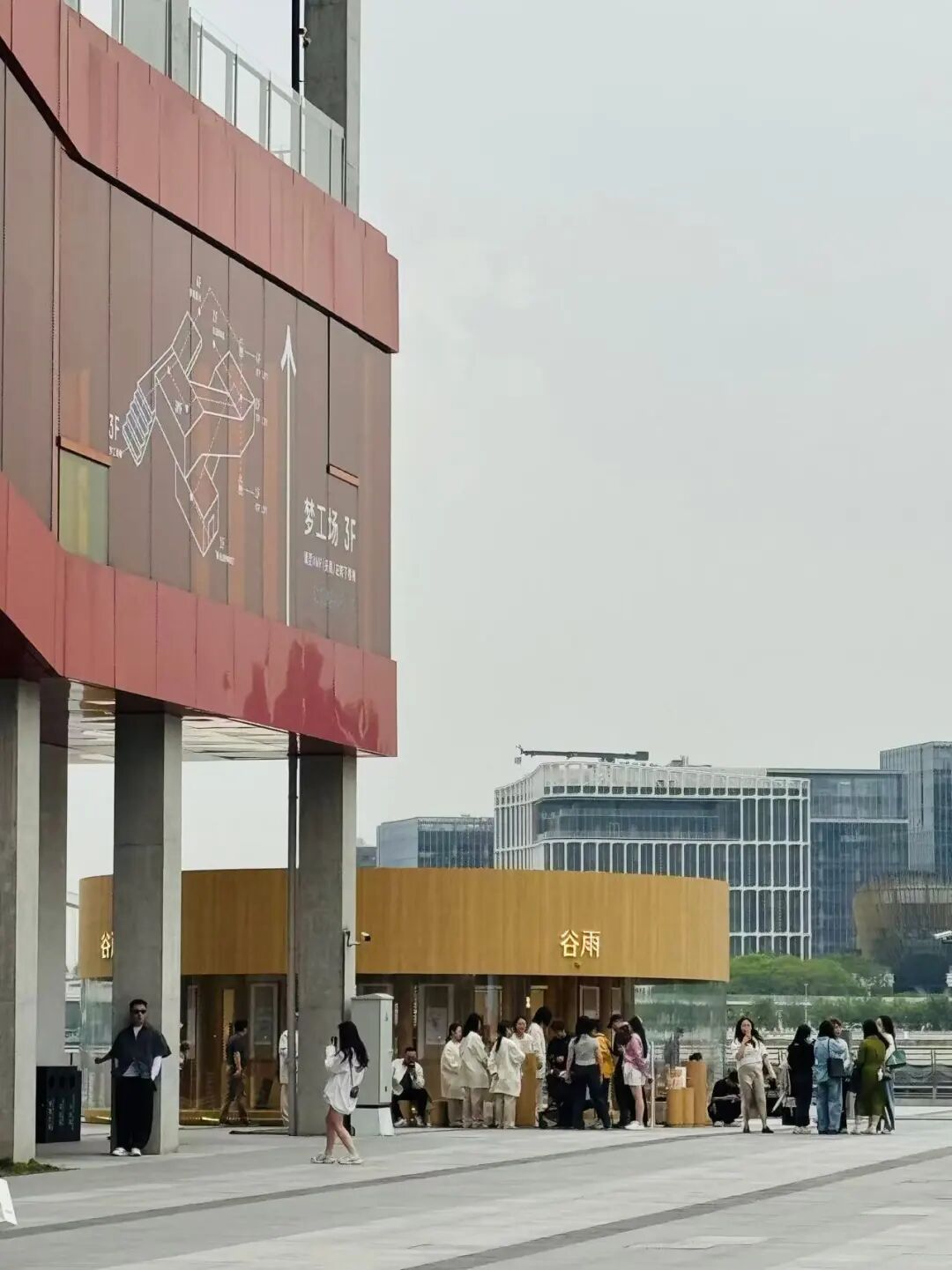
余粮告急!中海44.65亿上海“补仓”,创下新纪录
Guo Ji Jin Rong Bao· 2025-10-20 14:02
Core Insights - The recent land auction in Shanghai concluded with a total revenue of 198.77 billion yuan, representing a 7.47% premium over the starting price of 184.95 billion yuan [1] Company Analysis - China Overseas Land & Investment (中海) actively participated in the auction for the 188N-1-21 plot in the core area of Xuhui Riverside, bidding 44.65 billion yuan, which corresponds to a floor price of 148,503 yuan per square meter, setting a new record for the area [4][5] - The company has faced challenges in Shanghai, with its total sales in the eastern region dropping from 267.2 billion yuan in the previous year to 137.78 billion yuan, nearly halving its sales and falling from first to seventh place in rankings [6] - As of mid-2023, China Overseas had only one active project in Shanghai, indicating a significant reduction in its market presence [6][8] Industry Trends - The real estate market in core cities like Beijing and Shanghai has shown resilience, with new home prices increasing by 0.2% and 0.3% month-on-month, respectively, and a notable year-on-year increase of 5.6% in Shanghai [7] - The demand for high-quality properties in core urban areas remains strong, driven by the release of premium housing and the easing of purchase restrictions in peripheral areas [5] - Analysts predict that policy easing in the fourth quarter will continue to support transaction volumes in core cities, while non-core areas and many smaller cities will need to rely on price reductions to clear inventory [5]

科技破局:地产市场的狂风与险礁
Sou Hu Cai Jing· 2025-10-08 11:43
Core Insights - The current Chinese real estate market has transitioned from a high-growth "golden era" to a transformation period focused on "stability" and structural optimization [1] - The market is no longer reliant on a single scale expansion logic but is characterized by multidimensional structural adjustments driven by policy reinforcement of "housing is for living, not for speculation" and the industry's internal demand for deleveraging and upgrading [1] Market Characteristics - Price differentiation and stabilization are the core operational features of the current market, resulting from long-term supply-demand relationships, urban development levels, and industrial support capabilities [3] - Core cities continue to experience resilient housing demand due to population inflow and concentrated public service resources, while third and fourth-tier cities face price corrections due to population outflow and oversupply [3] - Policy measures have implemented differentiated controls to prevent rapid price increases in hot cities and excessive declines in others, promoting a shift from "imbalance" to "structural balance" [3] Industry Trends - The concentration of real estate companies is an inevitable trend under the backdrop of deleveraging and risk prevention, marking a shift from "barbaric growth" to "high-quality development" [3] - Smaller companies that relied on high leverage and turnover are facing financial strain and potential market exit, while financially stable and operationally strong leading firms are expanding market share through mergers and acquisitions [3] - Increased concentration reduces disorderly competition and allows firms to focus more on product innovation and service upgrades, enhancing overall industry development quality [3] Policy Implications - The increase in affordable housing supply is a key policy measure to strengthen the "people-oriented" approach and improve the housing security system, balancing market supply and demand [5] - The types of affordable housing have diversified, extending from traditional public rental housing to shared ownership and rental housing, covering a broader range of demographics [5] - The rise in affordable housing supply alleviates housing pressure on low- and middle-income groups and diverts some demand from the commodity housing market, preventing excessive price increases [5] Market Dynamics - The real estate market is in a bottoming process, characterized by a stable construction rather than a simple rebound from market downturns, driven by coordinated efforts across policy, supply, and demand dimensions [5] - Policies are optimizing credit conditions and relaxing purchase restrictions to release reasonable housing demand, while supply-side measures include renovation expansions and increased affordable housing [5] - Demand is gradually shifting from speculative to rigid and improvement needs, leading to stabilized transaction volumes and reduced price volatility [5] Technological Integration - In the context of market bottoming and companies pursuing refined operations, technology empowerment is becoming a crucial support for the real estate industry's transformation [6] - Sales management software, leveraging big data and cloud platform technologies, addresses traditional sales model issues and provides precise decision-making support [6] - This integrated solution meets the industry's demand for efficient and convenient operations, enhancing sales management capabilities [6] Operational Efficiency - High-quality sales software aligns with the entire real estate sales process, addressing various pain points in sales management [8] - The software standardizes customer, property, and financial management processes, reducing errors from manual operations [8] - It covers the entire sales cycle, allowing companies to monitor sales dynamics in real-time and adjust strategies accordingly, ultimately improving operational efficiency and profitability [8]
绿城中国(3900.HK):业绩阶段性承压 积极补仓核心城市
Ge Long Hui· 2025-08-24 18:42
Core Viewpoint - The company reported a significant decline in revenue and net profit for the first half of the year, with operating income of 53.37 billion yuan, down 23.5% year-on-year, and a net profit attributable to shareholders of 210 million yuan, down 89.7% year-on-year, primarily due to increased impairment provisions and a rise in expense ratios [1][2]. Financial Performance - The company experienced a 23.5% year-on-year decrease in operating income, totaling 53.37 billion yuan, and a net profit drop of 89.7% to 210 million yuan [1]. - The decline in profit was attributed to increased impairment provisions, which amounted to 1.72 billion yuan, an increase of 300 million yuan compared to the same period last year, and a rise in the combined expense ratio to 7.0%, up 1.1 percentage points year-on-year [1][2]. Land Acquisition and Inventory - The company added 35 new projects in the first half of the year, with an expected saleable value of 90.7 billion yuan, representing a 172% year-on-year increase, ranking third nationally [2]. - 88% of the new land reserves are located in first and second-tier cities, with 47% specifically in Hangzhou, and the total saleable inventory as of the end of June was 451.8 billion yuan, with 80% in first and second-tier cities, an increase of 4 percentage points from the end of last year [2]. Sales Efficiency - The company achieved a sales amount of 80.3 billion yuan from self-invested projects, a decline of 6% year-on-year, which is 5 percentage points lower than the average decline among the top 100 real estate companies [2]. - The focus on core cities has led to an increase in the proportion of sales in first and second-tier cities to 86%, up 6 percentage points year-on-year, with a first launch absorption rate of 80%, an increase of 2 percentage points from the previous year [2]. Future Outlook - The company maintains its buy rating and target price unchanged, projecting earnings per share (EPS) of 0.58 yuan for 2025 and 2026, and 0.61 yuan for 2027, reflecting confidence in the company's long-term performance in the "good housing" era [3].
瑞达期货铝类产业日报-20250716
Rui Da Qi Huo· 2025-07-16 09:32
1. Report Industry Investment Rating - Not provided in the content 2. Core View of the Report - The alumina market may be in a stage of relatively high supply and stable demand, with the previous optimistic sentiment on the disk gradually calming down and the market returning to the fundamentals. It is recommended to lightly short at high prices [2]. - The Shanghai aluminum market may be in a situation of slightly increasing supply and weak demand, with limited upside potential. It is recommended to lightly go long at low prices [2]. - The cast - aluminum alloy market may be in a situation of weak supply and demand, with limited upside potential in the short term. It is recommended to trade in a volatile manner [2]. 3. Summary by Relevant Catalogs 3.1 Futures Market - The closing price of the Shanghai aluminum main contract was 20,475 yuan/ton, up 45 yuan; the closing price of the alumina futures main contract was 3,111 yuan/ton, down 54 yuan. The main contract positions of Shanghai aluminum decreased by 10,736 hands to 194,458 hands, while those of alumina increased by 6,732 hands to 239,364 hands [2]. - The LME aluminum cancelled warrants decreased by 175 tons to 8,050 tons, and the LME aluminum inventory increased by 11,425 tons to 416,975 tons. The Shanghai - London ratio was 7.93, up 0.06 [2]. - The closing price of the cast - aluminum alloy main contract was 19,820 yuan/ton, up 30 yuan; its main contract positions increased by 85 hands to 8,393 hands [2]. 3.2 Spot Market - The Shanghai Non - Ferrous A00 aluminum price was 20,520 yuan/ton, up 10 yuan; the Yangtze River Non - Ferrous AOO aluminum price was 20,530 yuan/ton, up 20 yuan. The alumina spot price in Shanghai Non - Ferrous was 3,150 yuan/ton, unchanged [2]. - The basis of cast - aluminum alloy decreased by 530 yuan to 180 yuan/ton; the basis of electrolytic aluminum decreased by 35 yuan to 45 yuan/ton. The Shanghai Wumaoh aluminum premium increased by 30 yuan to 100 yuan/ton; the LME aluminum premium increased by 1.92 dollars to - 1.48 dollars/ton [2]. 3.3 Upstream Situation - The national alumina production in the month was 748.80 million tons, up 16.50 million tons; the demand for alumina (electrolytic aluminum part) was 720.02 million tons, up 26.32 million tons. The alumina supply - demand balance was - 25.26 million tons, down 15.33 million tons [2]. - The average price of crushed raw aluminum in Foshan metal waste increased by 50 yuan to 16,100 yuan/ton; the average price in Shandong metal waste was unchanged at 15,700 yuan/ton. China's import of aluminum waste and scrap decreased by 30,651.64 tons to 159,700.92 tons, and the export increased by 35.90 tons to 72.44 tons [2]. - The export of alumina decreased by 5 million tons to 21 million tons, and the import increased by 5.68 million tons to 6.75 million tons [2]. 3.4 Industry Situation - The import of primary aluminum decreased by 27,381.21 tons to 223,095.59 tons, and the export increased by 18,421.29 tons to 32,094.07 tons. The total electrolytic aluminum production capacity increased by 0.50 million tons to 4,520.70 million tons, and the operating rate increased by 0.03% to 97.68% [2]. - The aluminum product production decreased by 0.20 million tons to 576.20 million tons, and the export of unwrought aluminum and aluminum products decreased by 6.10 million tons to 48.90 million tons [2]. - The production of recycled aluminum alloy ingots increased by 0.29 million tons to 61.89 million tons, and the export of aluminum alloy increased by 0.76 million tons to 2.42 million tons [2]. 3.5 Downstream and Application - The total built - in production capacity of recycled aluminum alloy ingots decreased by 1.10 million tons to 126 million tons, and the national real - estate climate index decreased by 0.11 to 93.60 [2]. - The aluminum alloy production increased by 11.70 million tons to 164.50 million tons, and the automobile production increased by 16.70 million vehicles to 280.90 million vehicles [2]. 3.6 Option Situation - The 20 - day historical volatility of Shanghai aluminum decreased by 0.82% to 8.83%, and the 40 - day historical volatility decreased by 0.01% to 9.34%. The implied volatility of the Shanghai aluminum main contract at - the - money decreased by 0.0027% to 8.69%, and the call - put ratio decreased by 0.0094 to 1.15 [2]. 3.7 Industry News - In June in the US, CPI rose 2.7% year - on - year, the highest since February, in line with market expectations. Core CPI rose 2.9% year - on - year and 0.2% month - on - month, both lower than market expectations. Traders predicted that the Fed would start cutting interest rates in September [2]. - In the first half of the year in China, the added value of large - scale industries increased by 6.4% year - on - year; national fixed - asset investment (excluding rural households) was 2,486.54 billion yuan, up 2.8% year - on - year, while private fixed - asset investment decreased by 0.6% year - on - year. The average national urban survey unemployment rate was 5.2%. In June, the total retail sales of consumer goods increased by 4.8% year - on - year and decreased by 0.16% month - on - month [2]. - In the first half of the year, China's GDP was 6,605.36 billion yuan, up 5.3% year - on - year. The GDP in the first quarter increased by 5.4% year - on - year, and that in the second quarter increased by 5.2% year - on - year. Quarter - on - quarter, the second - quarter GDP increased by 1.1% [2]. - In June, the housing prices in 70 large and medium - sized cities in China decreased month - on - month, and the year - on - year decline continued to narrow overall. There were 14 cities with new - home prices rising month - on - month, with Shanghai and Changsha leading with a 0.4% increase. Only Xining's second - hand home prices rose month - on - month [2]. 3.8 Alumina View Summary - The alumina main contract fluctuated and declined, with increasing positions, spot premium, and strengthening basis. The supply of domestic bauxite was sufficient, and the supply of alumina was expected to remain high in the short term. The demand for alumina from electrolytic aluminum was relatively stable. It is recommended to lightly short at high prices [2]. 3.9 Electrolytic Aluminum View Summary - The Shanghai aluminum main contract rebounded slightly, with decreasing positions, spot premium, and weakening basis. The domestic electrolytic aluminum production capacity was stable with a slight increase, and the inventory increased due to the off - season. The downstream demand was weak, and it is recommended to lightly go long at low prices [2]. 3.10 Cast - Aluminum Alloy View Summary - The cast - aluminum main contract rebounded slightly, with increasing positions, spot premium, and weakening basis. The supply and demand of cast - aluminum alloy were both weak, but the cost support was strong. It is recommended to trade in a volatile manner [2].