
货币政策调控

Search documents
沪铜产业日报-20260401
Rui Da Qi Huo· 2026-04-01 09:08
1. Report Industry Investment Rating - Not provided in the report 2. Core View of the Report - The main contract of Shanghai copper oscillates strongly, with an increase in open interest, spot discount, and weakening basis. The raw material side of the fundamentals shows that the TC spot index of copper concentrate continues to reach new lows, and the expectation of tightening global copper mine supply is gradually strengthening, providing a solid cost - support logic for copper prices. On the supply side, the capacity utilization rate of copper smelters is gradually recovering, but the pressure of global raw material supply and the rapid decline of domestic copper concentrate port inventory in the first quarter may limit the growth rate of domestic production to some extent. On the demand side, as the peak season of "Golden March and Silver April" deepens and copper prices fall due to geopolitical conflicts, the production enthusiasm of domestic downstream copper processing enterprises is boosted, and they replenish inventory at low prices. In terms of inventory, the inflection point of social inventory depletion is confirmed, and industry demand is gradually improving. Overall, the fundamentals of Shanghai copper may be in a stage of slightly increasing supply and boosted demand. Technically, the 60 - minute MACD has both lines above the 0 - axis, and the red bars are slightly converging. The conclusion is to conduct short - term long trades at low prices with a light position, and pay attention to controlling the rhythm and trading risks [2]. 3. Summary According to Relevant Catalogs 3.1 Futures Market - The closing price of the main futures contract of Shanghai copper is 97,030.00 yuan/ton, up 1,690.00 yuan; the price of LME 3 - month copper is 12,483.00 US dollars/ton, up 100.50 US dollars. The spread between the main contract and the next - month contract is - 20.00 yuan/ton, down 30.00 yuan. The open interest of the main contract of Shanghai copper is 186,251.00 lots, up 502.00 lots. The net position of the top 20 futures holders of Shanghai copper is - 61,409.00 lots, down 6,271.00 lots. The LME copper inventory is 362,425.00 tons, down 175.00 tons. The Shanghai Futures Exchange inventory of cathode copper is 359,135.00 tons, down 51,986.00 tons. The LME copper cancelled warrants are 67,750.00 tons, up 150.00 tons. The Shanghai Futures Exchange warehouse receipts of cathode copper are 212,893.00 tons, down 2,856.00 tons. The COMEX copper inventory is 587,166.00 short tons, down 955.00 short tons [2]. 3.2 Spot Market - The price of SMM 1 copper spot is 96,855.00 yuan/ton, up 1,255.00 yuan; the price of Yangtze River Non - ferrous Market 1 copper spot is 97,025.00 yuan/ton, up 1,290.00 yuan. The CIF Shanghai (pyrometallurgical, ER) bonded warehouse price is 68.50 US dollars/ton, unchanged. The average premium of Yangshan copper is 61.00 US dollars/ton, down 4.00 US dollars. The basis of the CU main contract is - 175.00 yuan/ton, down 435.00 yuan. The LME copper cash - to - 3 - month spread is - 79.46 US dollars/ton, up 3.09 US dollars [2]. 3.3 Upstream Situation - The import volume of copper ore and concentrates is 231.03 million tons, up 231.03 million tons. The copper smelter's rough smelting fee (TC) is - 68.85 US dollars/kiloton, down 1.53 US dollars. The price of copper concentrate in Jiangxi is 87,290.00 yuan/metal ton, up 1,290.00 yuan; the price of copper concentrate in Yunnan is 87,990.00 yuan/metal ton, up 1,290.00 yuan. The processing fee of blister copper in the south is 1,100.00 yuan/ton, down 700.00 yuan; the processing fee of blister copper in the north is 700.00 yuan/ton, down 700.00 yuan [2]. 3.4 Industry Situation - The output of refined copper is 132.60 million tons, up 9.00 million tons. The import volume of unwrought copper and copper products is 320,000.00 tons, down 60,000.00 tons. The social inventory of copper is 41.82 million tons, up 0.43 million tons. The price of 1 bright copper wire scrap in Shanghai is 63,340.00 yuan/ton, up 400.00 yuan. The ex - factory price of 98% sulfuric acid of Jiangxi Copper is 1,450.00 yuan/ton, up 200.00 yuan. The price of 2 copper scrap (94 - 96%) in Shanghai is 78,250.00 yuan/ton, up 50.00 yuan [2]. 3.5 Downstream and Application - The output of copper products is 222.90 million tons, up 0.30 million tons. The cumulative completed investment in power grid infrastructure is 837.53 billion yuan, up 79.84 billion yuan. The cumulative completed investment in real estate development is 9,612.11 billion yuan, down 11.10 billion yuan. The monthly output of integrated circuits is 4,807,345.50 million pieces, up 415,345.50 million pieces [2]. 3.6 Industry News - US President Trump said he is willing to end military operations against Iran even if the Strait of Hormuz remains largely closed, believing the war with Iran is likely to end soon, and other countries can reopen the Strait of Hormuz without US military assistance. US Defense Secretary Hedgeseth said the US's "top priority" is to seek an agreement to end the war with Iran. Iranian President Pezeshkiyan said Iran is willing to end the war on the condition that its demands are met, especially getting a guarantee of no more aggression. - Chinese Foreign Minister Wang Yi held talks with Pakistani Deputy Prime Minister and Foreign Minister Dar in Beijing, and they exchanged views on the situation in the Gulf and the Middle East and put forward five initiatives: immediately stop hostilities, start peace talks as soon as possible, ensure the safety of non - military targets, ensure the safety of shipping lanes, and ensure the primary status of the UN Charter. - The Monetary Policy Committee of the central bank held its first - quarter regular meeting, studying the main ideas of the next - stage monetary policy, suggesting to give play to the integrated effect of incremental and stock policies, comprehensively use various tools, strengthen monetary policy control, and grasp the intensity, rhythm, and timing of policy implementation. The meeting pointed out that all kinds of structural monetary policy tools should be used well and tool management should be optimized to maintain the stable operation of the financial market. - China's economic prosperity level has rebounded. In March, as the resumption of work and production accelerated after the Spring Festival, both production and demand expanded simultaneously. China's manufacturing, non - manufacturing, and comprehensive PMI output indices all returned to the expansion range, reaching 50.4%, 50.1%, and 50.5% respectively, up 1.4, 0.6, and 1 percentage points from the previous month. - According to data released by the Ministry of Finance, from January to February, the total operating income of state - owned enterprises was 12.57 trillion yuan, a year - on - year increase of 0.2%; the total profit was 626.62 billion yuan, a year - on - year decrease of 2%. At the end of February, the asset - liability ratio of state - owned enterprises was 65.4%, a year - on - year increase of 0.5 percentage points. - Kansas Fed President Schmid warned that the Fed should not ignore the impact of soaring energy prices caused by the Iran conflict on inflation. He said, "Given that inflation is already high, we should not assume that the inflation caused by rising oil prices is only temporary." He is worried that the inflation rate will stay around 3%. - According to UN analysis, the disruption caused by the Iran war may lead to a GDP loss of 120 - 194 billion US dollars in Arab countries, an increase of up to 4 percentage points in the regional unemployment rate, a loss of about 3.6 million jobs, and push up to 4 million people into poverty. Goldman Sachs estimates that if the conflict continues until the end of April, the GDP of Qatar and Kuwait may shrink by 14% this year, and the GDP of Saudi Arabia and the UAE may decline by about 3% and 5% respectively [2].
瑞达期货热轧卷板产业链日报-20260401
Rui Da Qi Huo· 2026-04-01 09:08
Report Summary 1. Report Industry Investment Rating No investment rating is provided in the report. 2. Core View The terminal demand for hot-rolled coils is relatively strong, but as the US and Iran release remarks about conflict mitigation, the decline in oil prices will drive the adjustment of the black commodity sector. Technically, the 1-hour MACD indicator of the HC2605 contract shows that DIFF and DEA are operating below the 0-axis. The reference view is oscillating downward, and risk control should be noted [2]. 3. Summary by Directory Futures Market - HC main contract closing price: 3,287 yuan/ton, down 7 yuan [2]. - HC main contract open interest: 724,895 lots, down 48,181 lots [2]. - HC contract top 20 net open interest: -28,239 lots, up 888 lots [2]. - HC5 - 10 contract spread: -21 yuan/ton, down 5 yuan [2]. - HC Shanghai Futures Exchange warehouse receipt: 549,618 tons, unchanged [2]. - HC2605 - RB2605 contract spread: 167 yuan/ton, down 6 yuan [2]. Spot Market - Hangzhou 4.75 hot-rolled coil: 3,300 yuan/ton, unchanged [2]. - Guangzhou 4.75 hot-rolled coil: 3,300 yuan/ton, unchanged [2]. - Wuhan 4.75 hot-rolled coil: 3,340 yuan/ton, down 10 yuan [2]. - Tianjin 4.75 hot-rolled coil: 3,220 yuan/ton, unchanged [2]. - HC main contract basis: 13 yuan/ton, up 7 yuan [2]. - Hangzhou hot-rolled coil - rebar spread: 40 yuan/ton, unchanged [2]. Upstream Situation - Qingdao Port 61.5% PB iron ore fines: 782 yuan/wet ton, down 3 yuan [2]. - Hebei quasi-primary metallurgical coke: 1,490 yuan/ton, unchanged [2]. - Tangshan 6 - 8mm scrap steel: 2,160 yuan/ton, unchanged [2]. - Hebei Q235 billet: 2,980 yuan/ton, unchanged [2]. - 45-port iron ore inventory: 169.9684 million tons, down 1.0583 million tons [2]. - Sample coking plant coke inventory: 497,600 tons, down 25,900 tons [2]. - Sample steel mill coke inventory: 6.9173 million tons, up 39,500 tons [2]. - Hebei billet inventory: 2.3994 million tons, down 95,900 tons [2]. Industry Situation - 247 steel mill blast furnace operating rate: 81.05%, up 1.25 percentage points [2]. - 247 steel mill blast furnace capacity utilization rate: 86.65%, up 1.10 percentage points [2]. - Sample steel mill hot-rolled coil output: 3.0561 million tons, up 54,000 tons [2]. - Sample steel mill hot-rolled coil capacity utilization rate: 78.07%, up 1.38 percentage points [2]. - Sample steel mill hot-rolled coil factory inventory: 838,500 tons, down 11,100 tons [2]. - 33-city hot-rolled coil social inventory: 3.6942 million tons, down 69,100 tons [2]. - Domestic crude steel output: 68.18 million tons, down 1.69 million tons [2]. - Steel net export volume: 7.47 million tons, up 180,000 tons [2]. Downstream Situation - Automobile production: 1.6724 million vehicles, down 777,400 vehicles [2]. - Automobile sales: 1.8052 million vehicles, down 541,300 vehicles [2]. - Air conditioner production: 21.6289 million units, up 6.6029 million units [2]. - Household refrigerator production: 10.0115 million units, up 569,500 units [2]. - Household washing machine production: 11.975 million units, down 380,000 units [2]. Industry News - The US White House said on Tuesday that US President Trump will deliver a national speech at 21:00 on April 1st, Eastern Time (9:00 on April 2nd, Beijing Time), providing "important updates" on the Iran issue [2]. - Affected by rising raw material costs, the expiration of factory rebate policies, and the end of promotional activities, domestic mainstream electric two-wheeler brands such as Yadea, Tailing, Aima, and Ninebot plan to officially raise the prices of most of their models starting from April 1st [2]. - On Wednesday, the HC2605 contract decreased in open interest and declined. The central bank's Monetary Policy Committee held its first-quarter regular meeting to study the main ideas of monetary policy for the next stage, suggesting to give play to the integrated effect of incremental and existing policies, comprehensively use various tools, strengthen monetary policy regulation, and grasp the intensity, rhythm, and timing of policy implementation [2]. Key Points to Watch - Thursday's hot-rolled coil weekly output, in-plant inventory, and social inventory [2].

申万期货品种策略日报:国债-20260401
Shen Yin Wan Guo Qi Huo· 2026-04-01 07:01
1. Report Industry Investment Rating - Not mentioned in the provided content 2. Core Viewpoint of the Report - The market capital is expected to remain loose, with increased volatility in the equity market. As the Middle - East situation gradually eases, the prices of treasury bond futures are expected to stabilize [3] 3. Summary by Relevant Catalogs Futures Market - **Price and Volume**: The prices of treasury bond futures showed mixed changes. For example, the T2606 contract rose 0.01%, and the trading volume and open interest of some contracts changed. The open interest of T2606 increased by 9,752, and the trading volume was 81,297 [2] - **Arbitrage Situation**: The IRR of the CTD bonds corresponding to the main contracts of each treasury bond futures was at a low level, and there were no arbitrage opportunities [2] Spot Market - **Short - term Market Interest Rates**: The short - term market interest rates showed mixed changes. SHIBOR7 - day interest rate rose 2bp, DR007 interest rate fell 0.04bp, and GC007 interest rate fell 3.8bp [2] - **China's Key - term Treasury Bond Yields**: Yields of key - term treasury bonds showed mixed changes. The 10Y treasury bond yield rose 0.52bp to 1.81%, and the long - short (10 - 2) treasury bond yield spread was 44.87bp [2] - **Overseas Key - term Treasury Bond Yields**: Yields of overseas key - term treasury bonds mostly declined. The 10Y US treasury bond yield fell 5bp, the 10Y German treasury bond yield fell 6bp, and the 10Y Japanese treasury bond yield fell 0.2bp [2] Macro News - **Central Bank Operations**: On March 31, the central bank conducted 32.5 billion yuan of 7 - day reverse repurchase operations at a fixed - rate and quantity - tender method, with a net investment of 15 billion yuan [3] - **International Situation**: Trump said he was willing to end the military action against Iran even if the Strait of Hormuz remained largely closed. Iran was willing to end the war on the condition that its demands were met. China's Foreign Minister Wang Yi and Pakistan's Deputy Prime Minister and Foreign Minister Dar put forward five proposals on the Gulf and Middle - East situation [3] - **Monetary Policy Meeting**: The Monetary Policy Committee of the People's Bank of China held its first - quarter meeting in 2026, suggesting to combine incremental and existing policies, strengthen monetary policy regulation, and keep liquidity abundant [3] - **Economic Data**: In March, China's manufacturing, non - manufacturing, and composite PMI output indexes all returned to the expansion range, with values of 50.4%, 50.1%, and 50.5% respectively [3] Industry Information - **Interest Rate Changes**: Most money - market interest rates declined. For example, the 1 - day and 7 - day weighted average interest rates of inter - bank pledge - style repurchase and inter - bank lending all declined [3] - **US Treasury Bond Yields**: Most US treasury bond yields declined, except for the 30 - year yield which rose slightly [3]
格林大华期货早盘提示:钢矿-20260401
Ge Lin Qi Huo· 2026-04-01 03:49
Report Industry Investment Rating - Not provided in the report Core Viewpoint - The steel and ore market is expected to continue its oscillating trend. The support and pressure levels for rebar, hot-rolled coils, and iron ore are given, and specific trading strategies are proposed [2]. Summary by Relevant Catalogs Market Review - On Tuesday, rebar, hot-rolled coils, and iron ore closed down. During the night session, rebar and hot-rolled coils closed down, while iron ore closed up [1]. Important Information - Two Chinese Hong Kong-flagged container ships successfully passed through the Strait of Hormuz on March 31 [1]. - In March 2026, the floating value of the coking coal long-term agreement's steel linkage decreased by 24 yuan/ton compared to February [1]. - From March 23 - 29, the total transaction area of newly built commercial housing in 10 key cities was 3.3472 million square meters, a month-on-month increase of 77.1% and a year-on-year increase of 4.5% [1]. - In March, the manufacturing PMI, non-manufacturing business activity index, and composite PMI output index all returned to the expansion range, rising by 1.4, 0.6, and 1.0 percentage points respectively compared to the previous month [1]. - Trump said the US would end the war with Iran in "two to three weeks" and might reach an agreement before that. Iran's President said Iran was willing to end the war on the premise of having its demands met [1]. - On March 31, Zhongtian Iron and Steel announced its prices for the first ten days of April, with rebar and wire rod prices remaining unchanged. The price of rebar in East China is 3,400 yuan/ton, and the price of wire rod is 3,700 yuan/ton [1]. - The central bank's monetary policy committee held its first-quarter regular meeting, suggesting to give play to the integrated effect of incremental and stock policies and strengthen monetary policy regulation [1]. Market Logic - On March 31, the price of Shanghai Zhongtian rebar was 3,240 yuan/ton, up 20 yuan; the price of Shanghai Ansteel/Bensteel hot-rolled coils was 3,290 yuan/ton, down 10 yuan [1]. - On March 31, the market prices of mainstream imported iron ore varieties at Qingdao Port increased by 1 yuan. For example, 60.8% PB fines were 783 yuan/ton, up 1 yuan [1]. - On March 31, the spot market for port coke remained stable. The total inventory at the two ports increased compared to the previous working day [1]. - From March 23 - 29, the total arrival volume at 47 ports in China was 26.267 million tons, a month-on-month increase of 2.436 million tons; the total arrival volume at 45 ports was 24.263 million tons, a month-on-month increase of 1.547 million tons [1]. - From March 23 - 29, the global iron ore shipping volume was 24.724 million tons, a month-on-month decrease of 6.719 million tons. The shipping volume from Australia and Brazil was 18.751 million tons, a month-on-month decrease of 6.843 million tons [1]. - Last week, the total inventory of imported iron ore at 47 ports in China was 176.6683 million tons, a month-on-month decrease of 1.4735 million tons; the total inventory at 45 ports was 170.0031 million tons, a month-on-month decrease of 0.9809 million tons [2]. - Last week, the total inventory of imported iron ore in national steel mills was 89.7856 million tons, a month-on-month decrease of 0.555 million tons [2]. - Last week, the blast furnace operating rate of 247 steel mills was 81.03%, a month-on-month increase of 1.25 percentage points; the profit rate of steel mills was 43.29%, a month-on-month increase of 0.87 percentage points; the daily average pig iron output was 2.3109 million tons, a month-on-month increase of 0.0294 million tons [2]. - Last week, the average capacity utilization rate of 94 independent electric arc furnace steel mills was 58.87%, a month-on-month increase of 2.3 percentage points and a year-on-year increase of 3.87 percentage points. The average operating rate was 68.82%, a month-on-month increase of 1.93 percentage points and a year-on-year decrease of 4.51 percentage points [2]. Trading Strategy - It is expected that the steel and ore market will continue to oscillate. The support and pressure levels for rebar are 3,000 and 3,200 respectively; for hot-rolled coils, they are 3,180 and 3,350; for iron ore, they are 750 and 840 [2]. - For unilateral trading, short-term operations are recommended. For arbitrage, the strategy of going long on the hot-rolled coil - rebar spread can be cautiously held. Conservative investors can consider taking profits or reducing positions. The rebar - iron ore ratio is 3.86. The strategy of going long on rebar and short on iron ore is recommended to enter the market before the holiday and exit after the holiday [2].
长江期货市场交易指引-20260401
Chang Jiang Qi Huo· 2026-04-01 01:24
1. Report Industry Investment Ratings - **Macro Finance**: Bullish on stock indices in the medium to long term, suggesting buying on dips; expecting government bonds to move in a sideways pattern [1][5] - **Black Building Materials**: Short - term trading for coking coal; range trading for rebar; shorting on rebounds for glass [1][8][10] - **Non - ferrous Metals**: Holding short positions moderately on rallies for copper; strengthening observation for aluminum; suggesting waiting and seeing for nickel; range trading for tin; expecting gold, silver and lithium carbonate to move in a sideways pattern [1][14][20][24] - **Energy Chemicals**: Bullish - biased sideways movement for PVC, caustic soda, styrene, polyolefin, and rubber; shorting on rallies for soda ash; range trading for urea and methanol [1][25][27][32] - **Cotton Textile Industry Chain**: Bullish - biased sideways movement for cotton and cotton yarn; expecting apples and jujubes to move in a sideways pattern [1][38][39] - **Agricultural and Livestock**: Rolling short positions at high levels for the 05 and 07 contracts of live pigs; shorting cautiously on weak rebounds of near - month contracts for eggs; hedging cautiously on weak rebounds of near - month contracts for corn; paying attention to the support performance at 2900 - 2950 for the 05 contract of soybean meal; bullish - biased sideways movement and rolling long strategy for oils and fats [1][43][45][47] 2. Core Views of the Report The report provides trading suggestions and market outlooks for various futures products based on comprehensive analysis of macro - economic factors, geopolitical situations, supply - demand relationships, and cost - profit conditions. It emphasizes the impact of factors such as the Middle East conflict on global markets, and suggests corresponding trading strategies according to the different characteristics of each product [1][5][15] 3. Summaries by Relevant Catalogs Macro Finance - **Stock Indices**: Expected to move in a bullish - biased sideways pattern. The willingness of the US and Iran to end the Middle East conflict has led to a sharp rise in US stocks, and stock indices may be bullish - biased [5] - **Government Bonds**: Expected to move in a sideways pattern. After the end of the quarter, the proportion of bonds in asset allocation may gradually increase [6] Black Building Materials - **Coking Coal and Coke**: Expected to move in a sideways pattern. The total inventory of coking coal has slightly increased, and the inventory transfer of coking coal and coke is smooth [8][9] - **Rebar**: Expected to move in a sideways pattern. The futures price is below the electric - furnace valley - electricity cost, and the demand is still recovering [10] - **Glass**: Expected to be weak. The hype of coal cost has weakened, and the demand in the peak season is not good [11] Non - ferrous Metals - **Copper**: High - level sideways movement. Affected by macro - factors, there is a downward risk, but domestic inventory reduction and the consumption peak season will provide support [14][15] - **Aluminum**: High - level sideways movement. Supply concerns may boost the price, and attention should be paid to the development of the situation [17] - **Nickel**: Sideways movement. The support at the ore end is strong, but the lack of demand and macro - disturbances limit the upward drive [18][19] - **Tin**: Sideways movement. The supply of tin ore is tight, and the downstream demand is in a state of rigid procurement [20] - **Silver and Gold**: Sideways movement. Affected by the Middle East situation and economic data, the medium - term price center has moved up [21][22][23] - **Lithium Carbonate**: Range - bound sideways movement. Supply and demand are both increasing, and attention should be paid to supply disturbances [24] Energy Chemicals - **PVC**: Bullish - biased sideways movement. Although the current supply - demand situation is weak, there are opportunities for short - term rebound and long - term industrial upgrading [25] - **Caustic Soda**: Bullish - biased sideways movement. Supported by spring maintenance and downstream replenishment, exports may increase [27] - **Styrene**: Bullish - biased sideways movement. Supported by cost and with low inventory pressure, it is expected to maintain de - stocking [28] - **Polyolefin**: Bullish - biased sideways movement. Supported by cost and with marginal improvement in supply - demand [29][30] - **Rubber**: Bullish - biased sideways movement. In the short term, it is in a game between synthetic rubber support and inventory pressure [31] - **Urea**: Bullish - biased sideways movement. Supply is at a high level, and demand is supported by agricultural and compound fertilizer needs, with smooth de - stocking [32][33] - **Methanol**: Bullish - biased sideways movement. The supply - demand situation is relatively stable, and inventory has decreased [34] - **Soda Ash**: Shorting on rallies. Supply is in excess, and the price may continue to be under pressure [35][36] Cotton Textile Industry Chain - **Cotton and Cotton Yarn**: Bullish - biased sideways movement. Global cotton supply is increasing, but domestic consumption is strong, and the price of chemical fiber has a positive impact [38] - **Apples**: Sideways movement. The market is polarized, with good - quality goods being in high demand [39] - **Jujubes**: Sideways movement. The raw material acquisition in the production area is based on quality, and the enthusiasm of merchants to restock is not high [41] Agricultural and Livestock - **Live Pigs**: Bottom - building sideways movement. In the short term, the supply exceeds the demand, and in the long term, the price may rise after the supply tightens [43] - **Eggs**: Bearish - biased sideways movement. In the short term, the price increase is weak, and in the long term, it is in a state of bottom - building [45] - **Corn**: Range - bound sideways movement. The supply - demand situation is relatively balanced, and the near - month contract can be hedged on weak rebounds [47] - **Soybean Meal**: High - level sideways movement. The 05 contract should pay attention to the support at around 2900 [47] - **Oils and Fats**: Bullish - biased sideways movement. Supported by palm oil de - stocking and the B50 plan in Indonesia, but the supply will be relatively loose in the second quarter [53]
国债买卖常态化:货币投放机制的再平衡
LIANCHU SECURITIES· 2026-02-12 08:11
1. Report Industry Investment Rating No relevant content provided. 2. Core Viewpoints of the Report The central banks of major global economies have used secondary - market treasury bond trading as a tool for liquidity and interest rate regulation. The Fed has a comprehensive treasury - bond - centered asset - liability management framework, while the People's Bank of China is promoting the normalization of treasury bond trading to upgrade monetary policy tools and enhance interest rate regulation. The report analyzes the differences and similarities between China and the US in operation modes and logics and forecasts future policy paths [1][9]. 3. Summary According to the Table of Contents 3.1 Fed's Treasury Bond Trading: Linked with Monetary Policy and Full - Curve Operation - **Execution by the New York Federal Reserve Bank**: The New York Fed conducts treasury bond transactions with primary dealers through the FedTrade system. The bonds are included in the SOMA, and the multi - price bidding mechanism is used. The upper limit of a single treasury bond held by the SOMA is set to 70% of the bond's outstanding amount [11]. - **Predominantly Treasury Bonds with a Steady Increase in Non - Treasury Bonds**: Treasury bonds account for about two - thirds of the Fed's securities assets. From the end of 2020 to October 2025, the proportion of treasury bonds decreased from 69.2% to 65%, while non - treasury bonds increased from 30.8% to 35%. Medium - and long - term treasury bonds and mortgage - backed securities are the largest in scale [12]. - **Full - Curve Holding with Balanced Short - and Long - Term Distribution**: As of the end of October 2025, treasury bonds with a maturity of 1 - year and below accounted for about 17% of the Fed's treasury bond balance, and different - term bonds were evenly distributed to support short - term liquidity regulation and long - term interest rate stability [16]. - **Predominantly Buying and Closely Linked with Monetary Policy**: From 2020 - 2025, the Fed's bond - buying scale reached $3.37 trillion, far exceeding the selling scale of $687.5 million. During the interest - rate cut cycle, the Fed increased bond purchases; during the interest - rate hike cycle, it reduced bond purchases [18]. 3.2 People's Bank of China's Treasury Bond Trading: Improving Tools and Strengthening Regulation - **Initiation of Treasury Bond Trading**: In 2024, the central bank initiated treasury bond trading to enrich policy tools, adjust the yield curve, support the real economy, and ease the pressure of government bond issuance. The monetary policy's investment structure shifted from "reverse repurchase + MLF" to "reverse repurchase + treasury bond trading" [23]. - **Suspension of Treasury Bond Trading**: Due to the off - season of treasury bond issuance, excessive decline in yields, diversification of monetary investment tools, and pressure on the exchange rate, the central bank suspended treasury bond trading in January 2025 [31]. - **Restart of Treasury Bond Trading**: In October 2025, the central bank restarted treasury bond trading to control yield risks, cooperate with fiscal policy, supplement policy tools, and relieve the pressure on banks' liquidity [36]. 3.3 Normalization of Treasury Bond Trading: Operation Modes and Impact on Policy Combinations - **Operation Outlook**: In terms of direction, net buying will be the dominant approach to replenish policy tool reserves and relieve the pressure on the banking system. In terms of term, short - term bond buying will be the main focus, supplemented by long - term bond buying. In terms of scale, the net buying scale will be higher in the first half of 2026 to match the fiscal rhythm [40]. - **Impact on Policy Combinations**: It will expand the base - money supply channels and postpone the expectation of reserve requirement ratio cuts. It will make interest rate regulation more flexible and slow down the pace of interest rate cuts, with a possible 1 - time cut of 5 - 10 BP in 2026. It will stabilize the yield central point and optimize the yield curve shape [44].
8000亿元!人民银行买断式逆回购加量,呵护春节资金面
Sou Hu Cai Jing· 2026-02-04 08:32
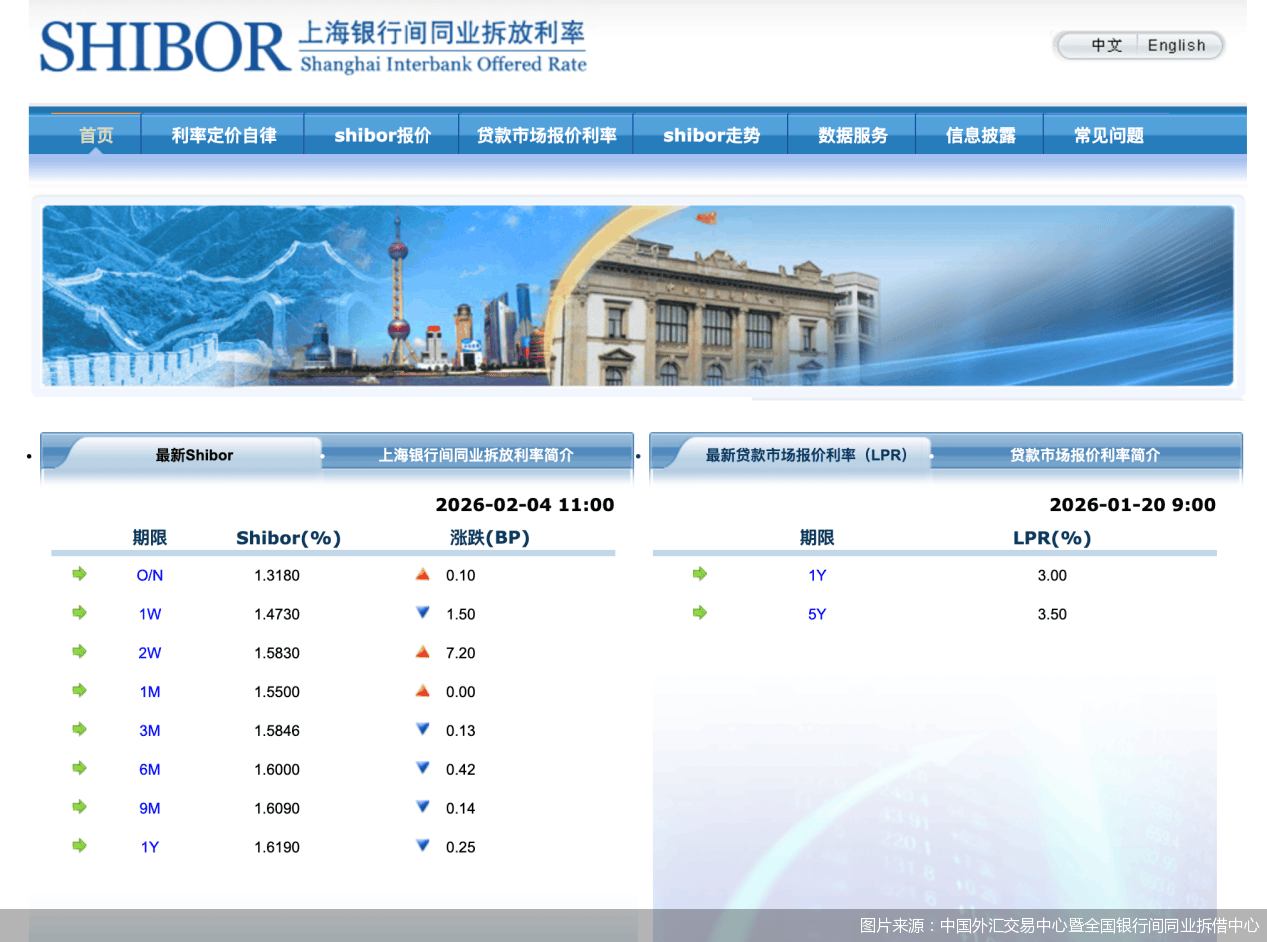
Core Viewpoint - The People's Bank of China (PBOC) is conducting a significant reverse repurchase operation to manage mid-term liquidity ahead of the Spring Festival, indicating a proactive approach to potential liquidity pressures [1][2]. Group 1: Reverse Repo Operations - On February 4, the PBOC conducted an 800 billion yuan reverse repurchase operation with a term of 3 months, resulting in a net injection of 100 billion yuan into the market [1]. - The total mid-term liquidity maturing in February amounts to 1.5 trillion yuan, with 700 billion yuan from 3-month reverse repos and 500 billion yuan from 6-month reverse repos [1]. Group 2: Market Impact and Analysis - The operation is seen as a forward-looking hedge against potential mid-term liquidity pressures, with the government’s bond issuance in January exceeding 1.2 trillion yuan, which has created a certain "drainage effect" on the banking system [2]. - The PBOC's actions are expected to stabilize the bank's liability structure and the operation of money market interest rates, particularly as the 3-month reverse repo can cover the period around the Spring Festival [2]. Group 3: Liquidity Conditions - As of February 4, the overnight Shanghai Interbank Offered Rate (Shibor) rose by 0.1 basis points to 1.318%, while the 7-day Shibor decreased by 1.5 basis points to 1.473% [5]. - The demand for liquidity is expected to increase in February due to seasonal cash withdrawal needs and concentrated loan payments, which may exert pressure on the banking system's liquidity [5][6].

央行开展8000亿元买断式逆回购操作
Jin Rong Shi Bao· 2026-02-04 00:55
Core Viewpoint - The People's Bank of China (PBOC) is actively managing liquidity in the banking system through various monetary policy tools, ensuring ample liquidity ahead of the Spring Festival [1][2][3] Group 1: Liquidity Operations - On February 4, the PBOC conducted a 800 billion yuan reverse repurchase operation with a 3-month term, resulting in a net injection of 100 billion yuan [1] - In January, the PBOC's liquidity injection included a net MLF injection of 700 billion yuan and a net PSL injection of 174.4 billion yuan, among other operations [1] - The total liquidity injection in January was significant, with various tools being utilized to maintain market liquidity [2] Group 2: Market Conditions - The overall liquidity in China's banking system remains ample, providing a solid foundation for macroeconomic stability and healthy financial market operations [2] - Recent innovations in monetary policy tools, such as including government bond transactions in the toolkit, have enhanced liquidity management effectiveness [2] - The current liquidity tool system is comprehensive, covering a range of internationally accepted liquidity instruments [2] Group 3: Future Policy Outlook - February is expected to see concentrated bank credit issuance, influenced by pre-holiday cash withdrawal demands, leading to increased liquidity needs [2] - The PBOC is anticipated to employ a combination of tools to address short-term fluctuations related to fiscal revenue and government bond issuance [3] - Future policies are expected to focus on efficiency and structural optimization, particularly in supporting domestic demand, technological innovation, and small and medium enterprises [3]
宏观经济周报:中国央行的量价平衡术-20260201
Guoxin Securities· 2026-02-01 05:06
Monetary Policy Insights - The discussion around the establishment of a new price-based overnight tool by the People's Bank of China (PBOC) is driven by the need to enhance guidance on overnight market interest rates[1] - The transition from quantity-based to price-based monetary policy aims to strengthen the role of interest rate signals[1] - The current monetary policy in China is characterized by a balance of quantity and price, with the 7-day reverse repo rate serving as the short-term policy rate[2] Economic Indicators - Fixed asset investment has decreased by 3.80% year-on-year[3] - Retail sales have shown a modest increase of 0.90% year-on-year[3] - Exports have increased by 6.60% year-on-year, indicating some resilience in external demand[3] Market Trends - The overnight interest rates have shown increased volatility, often approaching the upper and lower bounds of the current interest rate corridor[1] - The banking system in China has not yet formed a "sufficient reserve system," which is crucial for effective price-based monetary control[2] - The real estate market shows signs of recovery, with both new and second-hand home transactions increasing, although inventory pressure remains high with a sales-to-inventory ratio of 127.8, a historical high[40][41] Risks and Challenges - There are significant uncertainties in overseas markets that could impact domestic economic stability[2] - The overall economic recovery is still hindered by weak production, insufficient consumer demand, and high inventory levels, indicating that a comprehensive recovery will take time[13]
国央行的量价平衡术
Guoxin Securities· 2026-02-01 03:20
Monetary Policy Insights - The discussion on whether the People's Bank of China (PBOC) should create new price-based overnight tools is driven by the need to enhance guidance on overnight market rates and the recent volatility in interbank overnight rates[1] - The PBOC is currently in a phase of balancing both quantity and price in its monetary policy, with the 7-day reverse repo rate serving as the short-term policy rate[2] - The effectiveness of a price-based framework in China hinges on the establishment of an "ample reserve system," which has not yet been fully realized[2] Economic Indicators - Fixed asset investment has decreased by 3.80% year-on-year[3] - Retail sales have shown a modest increase of 0.90% year-on-year[3] - Exports have increased by 6.60% year-on-year, indicating some resilience in external demand[3] Market Trends - The real estate market shows signs of recovery, with both new and second-hand home transactions increasing, although inventory pressure remains high with a sales-to-inventory ratio of 127.8, a historical high[40] - The logistics data indicates a year-on-year increase of 12.2% in commercial activity, reflecting a recovery in consumer demand despite a 70.1% decline in movie box office revenues[20] - The port cargo throughput has decreased by 1.70% month-on-month but increased by 6.87% year-on-year, influenced by seasonal factors[23] Fiscal and Monetary Developments - The broad deficit issuance is expected to increase, with net financing of government bonds projected at 1,420 billion and new special bonds at 3,024 billion in the upcoming week[32] - The willingness to leverage in the bond market remains high, with the balance of bonds awaiting repurchase still above historical levels[38]