手机市场竞争

Search documents
雷军又赢了,小米17力压苹果iPhone17,拿下中国市场第一名
Sou Hu Cai Jing· 2025-10-11 03:17
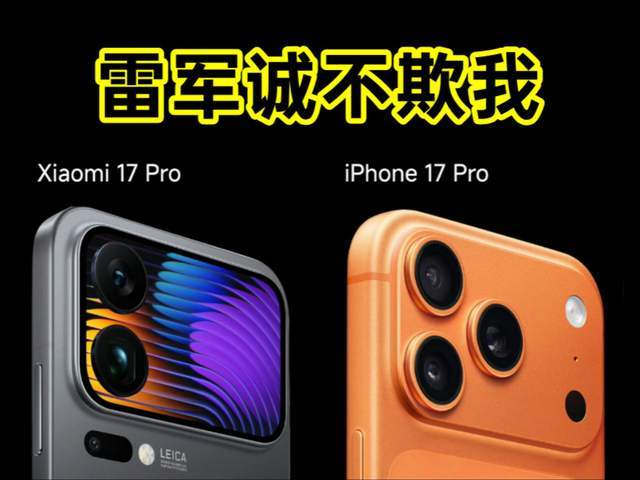
Core Viewpoint - Xiaomi has successfully overtaken Apple in the Chinese smartphone market following the launch of the Xiaomi 17 series, achieving the top sales position in the country [1]. Market Share Data - In week 39, Xiaomi captured 22.1% of the Chinese smartphone market, surpassing Apple's 20.2% by 2 percentage points [3]. - In week 40, during the Golden Week sales period, Xiaomi's market share was 21.2%, while Apple's share dropped to 16.3% [5]. Sales Performance - Xiaomi has consistently ranked first in sales for two consecutive weeks, driven by the strong performance of the Xiaomi 17 series, particularly the Xiaomi 17 Pro Max and Pro models [7]. - The unique features of the Xiaomi 17 series, especially the secondary display on the Pro Max model, have attracted consumer interest, differentiating it from competitors [9]. Competitive Landscape - Among domestic flagship brands, Xiaomi stands out for its brand influence, strong performance, and comprehensive product offerings, while other brands have certain shortcomings [11]. - Apple's supply issues have also contributed to Xiaomi's success, as the latter was the only major brand to launch a new flagship during this period [11].


17系列出货不及预期?小米股价两日重挫10%,公司回应
Feng Huang Wang· 2025-09-29 11:59
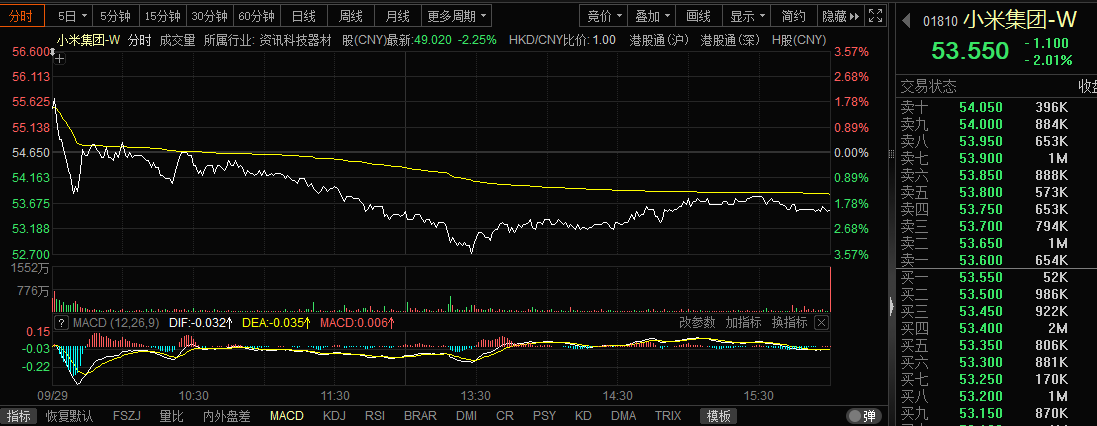
Core Insights - Xiaomi Group's stock experienced a decline of 2.01% after initially dropping over 3% on September 29 [1] - Analyst Ming-Chi Kuo revised the shipment forecast for the Xiaomi 17 series down by 20%, from an original target of approximately 10 million units, indicating potential shipments may fall below the 8 million units of the 15 series if no aggressive pricing or marketing strategies are implemented [3][4] Group 1: Shipment and Demand Analysis - The primary reason for the downward revision is the lower-than-expected demand for the standard version of the Xiaomi 17 series, which was initially expected to account for 50-55% of total shipments but only represented about 15-20% after launch [4] - Although there has been an increase in orders for the Pro Max and Pro models, it has not compensated for the reduced orders of the standard version [4] Group 2: Competitive Landscape - The Xiaomi 17 series faces competitive pressure from both iPhone and Huawei smartphones. The iPhone 17 standard version has exceeded sales expectations in the Chinese market, and upcoming models in 2026 will further intensify competition [4] - Huawei's high-end models are currently facing demand issues due to compatibility with the HarmonyOS, but this situation is expected to improve in 2026 [4] Group 3: Company Response and Sales Performance - On the same day as the shipment revision, Xiaomi's President Lu Weibing expressed confidence in the sales performance of the Xiaomi 17 series, stating that initial sales were promising and that the Pro Max model was performing particularly well [5] - The company has decided to increase orders for the Pro model and has also introduced a new 1TB version of the standard model, which will begin delivery on October 5 [5] - The Xiaomi 17 series was officially launched on September 25, with starting prices set at 4,499 yuan for the standard model, 4,999 yuan for the Pro, and 5,999 yuan for the Pro Max [6]

刚刚,雷军宣布:破纪录
Mei Ri Jing Ji Xin Wen· 2025-09-27 05:58
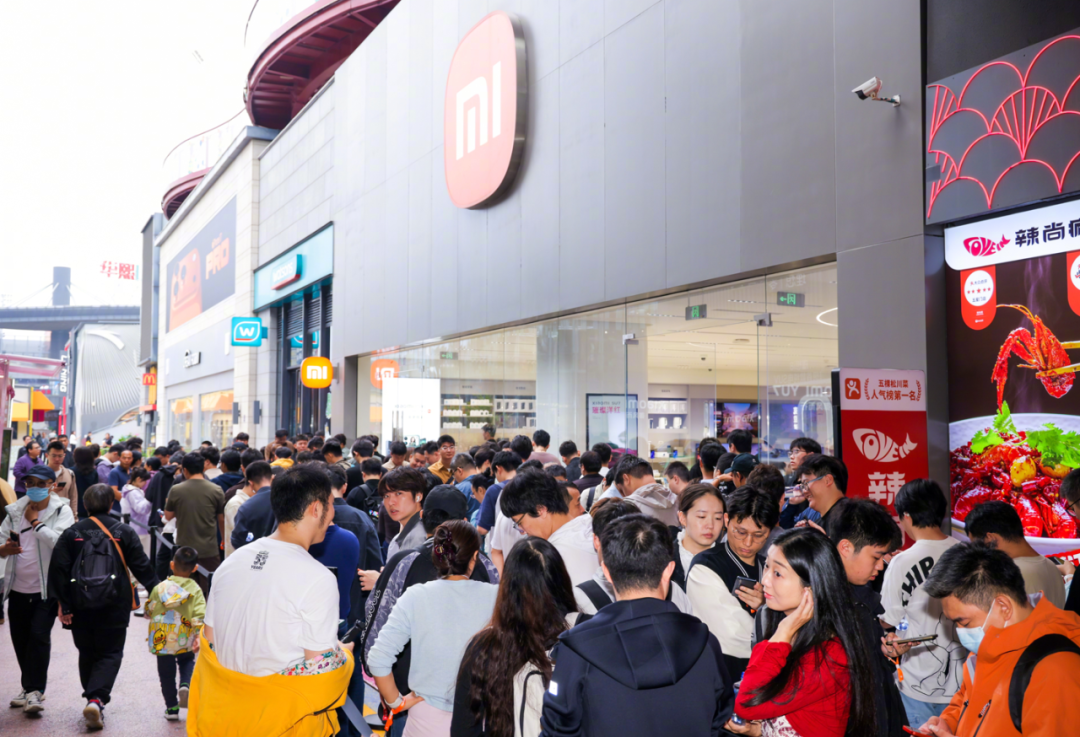
Core Insights - Xiaomi launched the Xiaomi 17 series on September 25, with prices starting at 4,499 yuan for the base model, 4,999 yuan for the Pro version, and 5,999 yuan for the Pro Max version [1] - The Xiaomi 17 series achieved record sales within the first five minutes of its launch, setting new records for both volume and revenue in the domestic smartphone market [3][5] - The Pro Max model accounted for over 50% of the sales within the Xiaomi 17 series, breaking the first-day sales record for the entire domestic smartphone segment [5][9] Product Launch and Sales Performance - The Xiaomi 17 series was made available for purchase across all channels starting at 10 AM on September 27 [3] - The Pro Max version was particularly well-received, with Xiaomi's President noting it was the best-selling model among the three variants [9] - A store manager reported high demand even before the official launch, with over a hundred orders placed the night of the announcement [12] Market Reaction and Stock Performance - Following the launch, Xiaomi's stock price experienced a significant decline, dropping over 8% on September 26, with a closing price of 54.65 HKD per share [21] - Analysts attributed the stock drop to short-term profit-taking by investors who had anticipated the product launch [23] - CEO Lei Jun acknowledged the intense competition in the smartphone market, comparing it to the automotive industry and emphasizing the need for gradual market share growth [23]
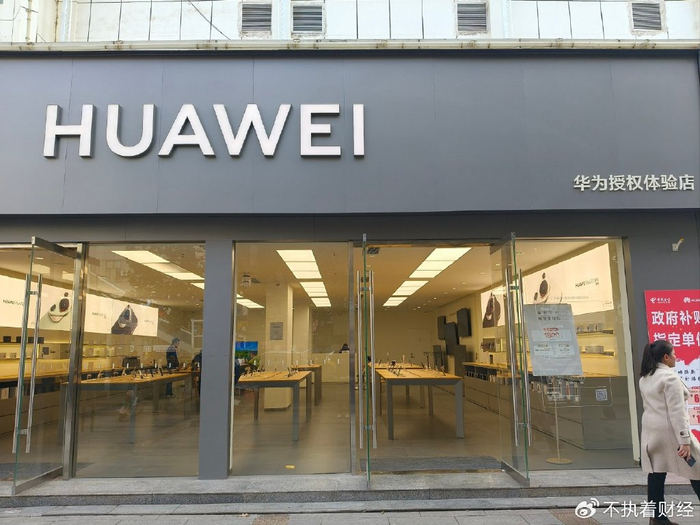
为什么越来越多的人不买华为手机了?这5 个原因都很现实
Xin Lang Cai Jing· 2025-09-23 06:23
Core Viewpoint - Huawei smartphones, once a leading brand in China with a peak annual sales volume of 240 million units and over 40% market share domestically, are experiencing a decline in sales due to several key challenges faced by consumers [2]. Group 1: Reasons for Decline - Reason 1: Difficulty in purchasing new Huawei models, with consumers often unable to buy them at launch due to rapid sell-outs and scalpers marking up prices [2]. - Reason 2: Huawei's products are perceived to have lower cost-performance ratio compared to competitors, such as Xiaomi, which offers similar models at lower prices [5][6]. - Reason 3: High repair costs for Huawei devices, leading consumers to consider switching brands when repair expenses exceed a third of the device's purchase price [6]. Group 2: Market Competition and Design - Reason 4: The smartphone market is highly competitive, with a wide variety of brands available, leading to a loss of market share for Huawei as consumers explore other options [7][9]. - Reason 5: Huawei's conservative design approach does not appeal to the current consumer preference for trendy and personalized aesthetics, unlike competitors who frequently innovate in design [11].
体验iPhone 17后,我想说苹果终于要回击国产机了
3 6 Ke· 2025-09-23 04:11
Core Insights - The iPhone 17 series has been officially launched and is experiencing high demand, particularly the standard version, which has seen a significant increase in pre-orders compared to the previous year's model [1][3][5] - The iPhone 17's pricing strategy, maintaining the same starting price as the iPhone 16 while doubling storage capacity, is seen as a strategic response to competitive pressures from domestic brands [9][10][12] - Apple's market share in China has declined, with the company now ranking third behind competitors like Vivo and Huawei, indicating increased pressure in its traditionally strong market [16][18][44] Product Performance - The iPhone 17 standard version has received over 2 million pre-orders on a single e-commerce platform, a tenfold increase compared to the iPhone 16 [1][3] - The iPhone 17 Pro features enhancements such as VC cooling, larger battery, and new design elements, contributing to its strong market presence [3][31] - The introduction of high refresh rate screens and dual-frequency GPS in the standard version marks a significant shift in Apple's product strategy, previously reserved for Pro models [9][12][42] Competitive Landscape - Domestic brands have intensified competition, leading to a decline in Apple's market share in China, where it now holds 17.4%, down from 20% year-over-year [16][18] - The aggressive pricing and feature enhancements from domestic competitors have forced Apple to adapt its strategy, including potential price reductions for the iPhone 17 [10][11][27] - The competitive landscape is expected to remain dynamic, with upcoming releases from Xiaomi, OPPO, and Vivo further challenging Apple's position [44] Market Dynamics - Apple's global smartphone shipments remain strong, with IDC data indicating it retains the top position despite a slight year-over-year decline [13][14] - The shift in consumer preferences towards more feature-rich and competitively priced domestic alternatives has prompted Apple to rethink its product offerings and pricing strategies [30][44] - The ongoing competition has led to a scenario where both Apple and domestic brands are forced to innovate and enhance their offerings, ultimately benefiting consumers [44]
雷军高端梦成,小米17系列遭友商“围攻”,只有华为、苹果做到
Sou Hu Cai Jing· 2025-09-23 03:25
Group 1 - Xiaomi 17 series was launched on September 25, facing competitive pre-launch marketing from rivals such as OPPO, vivo, and realme, indicating a significant shift in market dynamics where competitors are aggressively vying for attention [1][5] - The renaming of Xiaomi 16 to Xiaomi 17 was officially attributed to a cross-generation upgrade, with the number "7" considered a lucky number for the company, despite initial claims of aligning with Apple's iPhone 17 series [1][3] - The Xiaomi 17 series includes three models, featuring a 6.36-inch display and a rear triple-camera setup, with the Pro and Pro Max versions offering similar specifications but differentiated by screen size and design elements [3][5] Group 2 - All models in the Xiaomi 17 series are equipped with the Snapdragon 8 Elite Gen5 processor, expected to achieve over one million units in sales during the exclusive launch period of approximately 20 days [5][9] - In contrast to competitors focusing on camera upgrades, Xiaomi's unique selling point lies in the secondary display, which may provide a competitive edge in sales [5][9] - The upcoming vivo X300 series, set to launch on October 13, will feature the Dimensity 9500 processor, which has received mixed reviews regarding its performance, particularly in gaming scenarios [5][7] Group 3 - OPPO's Find X9 series, launching on October 16, claims to balance lightweight design, imaging capabilities, and battery life, with a new design that emphasizes a slim bezel [7][9] - The realme GT8 Pro is anticipated to feature high-end specifications, including a 200-megapixel telephoto lens and a 2K display, but the market is particularly interested in its pricing strategy [9][11] - The competitive landscape is intensifying, with various brands launching products that challenge Xiaomi's market position, raising questions about the potential sales performance of the Xiaomi 17 series against its rivals [11]
体验iPhone17后,我想说苹果终于要回击国产机了
Hu Xiu· 2025-09-22 23:40
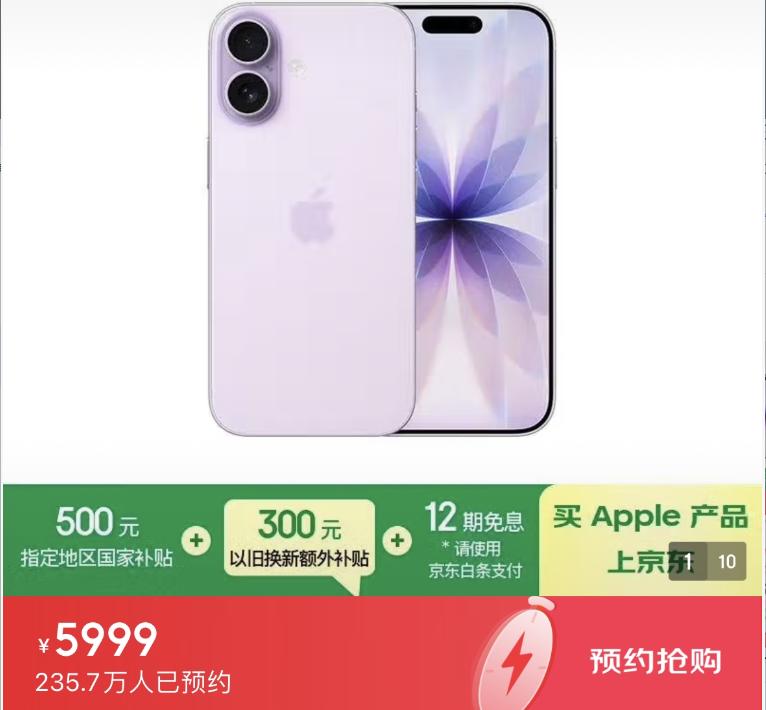
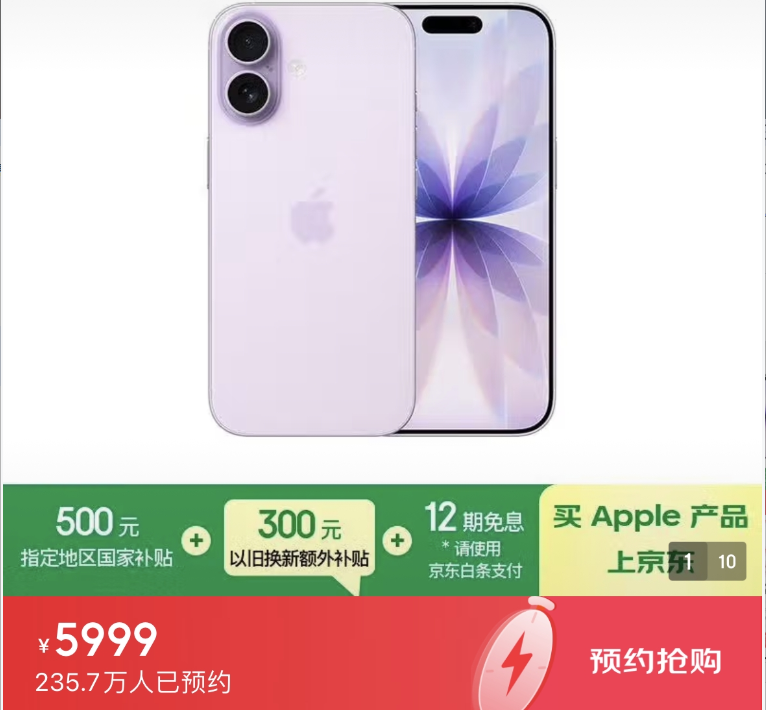
Core Insights - The iPhone 17 series has been officially released and is experiencing high demand, particularly the standard version, which has surpassed previous years' sales figures significantly [2][4][7] - The iPhone 17's pricing strategy remains competitive, with the starting price unchanged from the iPhone 16 at 5999 yuan, but with additional subsidies making it even more attractive [13][16][19] - Apple's market share in China has been declining, facing increasing pressure from domestic brands like Vivo, Huawei, and Xiaomi, which have improved their offerings and pricing strategies [9][27][29][66] Group 1: Sales Performance - The iPhone 17 standard version has received over 2 million pre-orders on a single e-commerce platform, a tenfold increase compared to the iPhone 16's pre-orders [2][4] - The iPhone 17 series is expected to revive iPhone sales, which had been struggling in the previous year [7][31] - The iPhone 17 Pro has also gained attention due to its enhanced features, including better cooling and battery performance [5][57] Group 2: Competitive Landscape - Domestic brands have been aggressively competing with Apple, leading to a significant drop in Apple's market share in China, where it fell to third place [9][27][29] - The introduction of high-refresh-rate screens and dual-frequency GPS in the standard version of the iPhone 17 marks a shift in Apple's strategy to counteract competition [14][22] - The competitive pressure has forced Apple to adopt a more aggressive pricing and feature strategy, which was previously not characteristic of the brand [10][46][66] Group 3: Market Dynamics - IDC data indicates that while Apple remains a global leader in smartphone shipments, its performance in the Chinese market is declining, with a year-over-year drop in market share [25][28] - The iPhone 17 series is seen as a response to the increasing capabilities of domestic brands, which have been able to offer similar features at lower prices [19][34][68] - The ongoing competition is expected to benefit consumers, as brands continue to enhance their offerings in response to each other [68][70]
苹果iPhone 17系列中国首销:Pro Max成“爆款”,北京“黄牛”加价上千,深圳热度降温
华尔街见闻· 2025-09-19 11:51
Core Viewpoint - The launch of the iPhone 17 series in China has shown mixed but positive signals, with strong demand for high-end models in some cities, while interest has cooled in others [1][5]. Group 1: Market Response - Long queues formed outside Apple stores in Beijing and Shanghai, with around 300 people waiting at the flagship store in Beijing, leading to the rapid sell-out of popular models [2][6]. - The Shanghai store experienced even greater queueing than in previous years, necessitating additional barriers to maintain order [3]. - In contrast, a store in Shenzhen reported significantly fewer customers than in previous years, indicating a regional disparity in demand [4]. Group 2: Demand for High-End Models - The Pro Max model has become the focal point of the release, with early morning queues forming as early as 5 or 6 AM [6]. - Resellers are focusing on high-capacity versions of the Pro Max, with price markups ranging from hundreds to over a thousand yuan for certain models [8][9]. - The 1TB Pro Max version saw a markup of up to 1000 yuan, while the 256GB Pro version had a markup of approximately 300-400 yuan [8]. Group 3: Sales Projections and Market Strategy - Analysts view the iPhone 17 launch as a critical opportunity for Apple to regain market share in China, especially after a 6% year-on-year decline in shipments during the first eight weeks of Q3 [12]. - It is projected that the iPhone 17 series could lead to an 11% year-on-year increase in Apple's shipments in China for the second half of the year, contributing to a 5% growth for the entire year [14]. - The redesigned Pro Max is expected to stimulate demand, with historical trends indicating that significant redesigns often drive upgrade cycles in China [14]. Group 4: Product Strategy and Inventory Management - The highly anticipated iPhone Air has been delayed in China due to regulatory issues, as it only supports eSIM technology [15][16]. - Apple is also reducing prices on older models to clear inventory, with the iPhone 16 now priced at 5399 yuan, down from its original price of 5999 yuan [17].
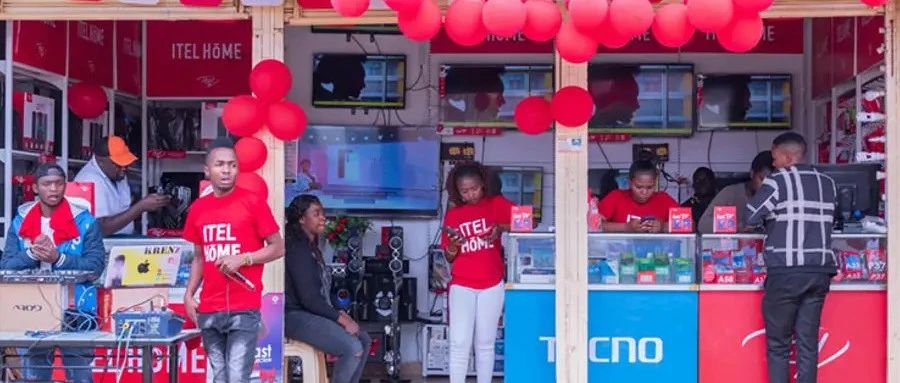
竞争加剧盈收下滑 传音拟赴港上市抗逆势
BambooWorks· 2025-08-01 08:32
Core Viewpoint - Transsion Holdings, a budget smartphone manufacturer listed on the Shanghai STAR Market, is reportedly considering a secondary listing in Hong Kong with a potential fundraising target of up to $1 billion [2][3]. Group 1: Company Overview - Transsion Holdings has rapidly risen by focusing on budget smartphones priced between $100 and $200, establishing a dominant position in the African market and ranking among the top five global smartphone manufacturers [3][5]. - The company has faced challenges due to increased competition from domestic smartphone manufacturers in Africa and setbacks in new market expansions [3][6]. Group 2: Financial Performance - The company's revenue growth was robust until the first half of last year, achieving a 38% year-on-year increase to 34.6 billion yuan, but it experienced a significant downturn in the second half, with an 8.3% decline [7]. - In the first quarter of this year, Transsion reported a 25.5% year-on-year drop in revenue to 13 billion yuan, down from 17.4 billion yuan in the same period last year, and a 70% decline in net profit to 497 million yuan [7]. - The gross margin decreased from 21.4% to 19.3%, while competitors like Xiaomi and Apple reported gross margins of 22.8% and 35.9%, respectively [7]. Group 3: Market Challenges - Transsion's market share in Africa fell from 52% to 47% in the first quarter, ending a seven-quarter growth streak, while Southeast Asia and the Middle East saw declines of 20% and 30% in shipment volumes, respectively [7][8]. - The company is shifting its strategy from "growth at all costs" to pursuing higher-margin products, which may improve its situation in the second half of the year [8]. Group 4: IPO Considerations - Despite its current challenges, Transsion is encouraged by the booming IPO market in Hong Kong, which has attracted many Chinese companies for secondary listings [5][8]. - The potential Hong Kong listing could provide a new investment channel for investors in the Chinese smartphone manufacturing sector, although the company may need to issue shares at a price lower than its STAR Market valuation to raise the targeted $1 billion [8].

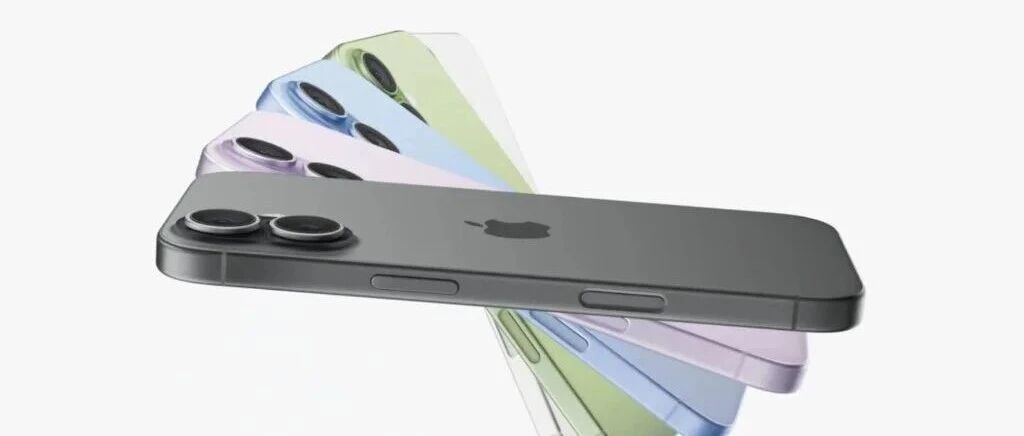
iPhone,大降价→
新华网财经· 2025-05-11 09:01
Core Viewpoint - Apple has announced significant price reductions for the iPhone 16 series, indicating a response to lower-than-expected sales in the Chinese market [1][11][12]. Pricing Strategy - The iPhone 16 Pro Max has seen a price drop of $160, while the iPhone 16 Pro 128GB version is reduced by $176, with other versions also seeing a $160 decrease [1]. - On e-commerce platforms, the iPhone 16 Pro 128GB is listed at a new price of 5999 RMB, down from 7999 RMB, with additional government subsidies available [1][4]. - Apple's official website still lists the iPhone 16 Pro starting at 7999 RMB, indicating a discrepancy between retail and official pricing [8]. Sales Performance - Apple's sales in China have not met expectations, with a reported 9% year-on-year decline in shipments, placing it fifth in the market [11]. - The company's revenue in the Greater China region fell by over 2% year-on-year, from $16.372 billion to $16.002 billion [11]. - In 2024, Apple's shipment volume in China is projected to decline by 17%, with Huawei surpassing Apple in annual sales [11][12]. Market Competition - The decline in Apple's market share in the high-end smartphone segment is attributed to conservative innovation and aggressive competition from local brands like Huawei and Xiaomi [12]. - Apple's market share in China's high-end smartphone market has decreased from 75% in 2022 to a projected 54% in 2024 [12]. Financial Performance - Despite the challenges in the smartphone market, Apple reported a 5% increase in total net revenue for the second fiscal quarter, reaching $95.359 billion [12]. - The net profit for the same period also grew by 5%, amounting to $24.780 billion [12]. - Apple has approved a stock buyback plan worth up to $100 billion, reflecting confidence in its financial health [13].