文博热

Search documents
“文博热”持续升温澎湃文旅消费活力 中华文化魅力添彩“暑期经济”
Yang Shi Wang· 2025-08-22 04:15
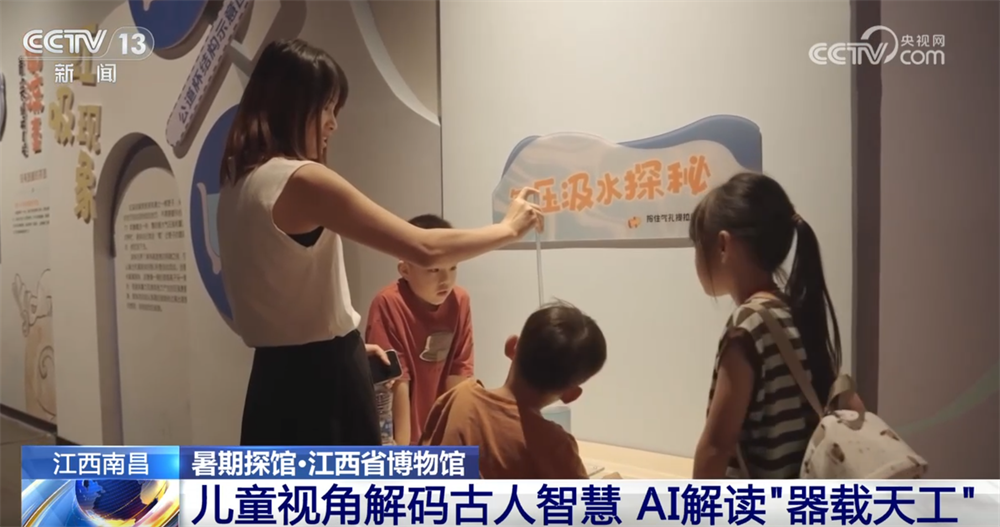
Group 1 - The article highlights the ongoing popularity of cultural and educational exhibitions during the summer, particularly focusing on a children's perspective exhibition at the Jiangxi Provincial Museum that utilizes AI technology and interactive installations to engage children with ancient wisdom and technology [1][3][5] - The exhibition features 56 exhibits and 8 interactive installations, allowing children to experience ancient inventions and the underlying scientific principles such as mechanics, optics, and atmospheric pressure [5][9] - Since its launch over two months ago, the exhibition has attracted 650,000 visitors, showcasing the effectiveness of child-friendly design and volunteer guides in enhancing the learning experience [7][9] Group 2 - The article also discusses a separate exhibition at the Henan South-to-North Water Diversion Museum, focusing on the origins of blue and white porcelain, with significant artifacts from the Tang Dynasty [10][11] - Notable exhibits include large Tang Dynasty blue and white jars, with one depicting a child playing a popular sport of the time, illustrating the cultural context of the artifacts [11] - The exhibition incorporates interactive elements, such as a touchscreen that allows visitors to create unique blue and white porcelain designs, enhancing visitor engagement and experience [13]

文化中国行丨暑期“文博热” 各地博物馆推出多元体验新玩法
Yang Shi Xin Wen Ke Hu Duan· 2025-08-19 02:26
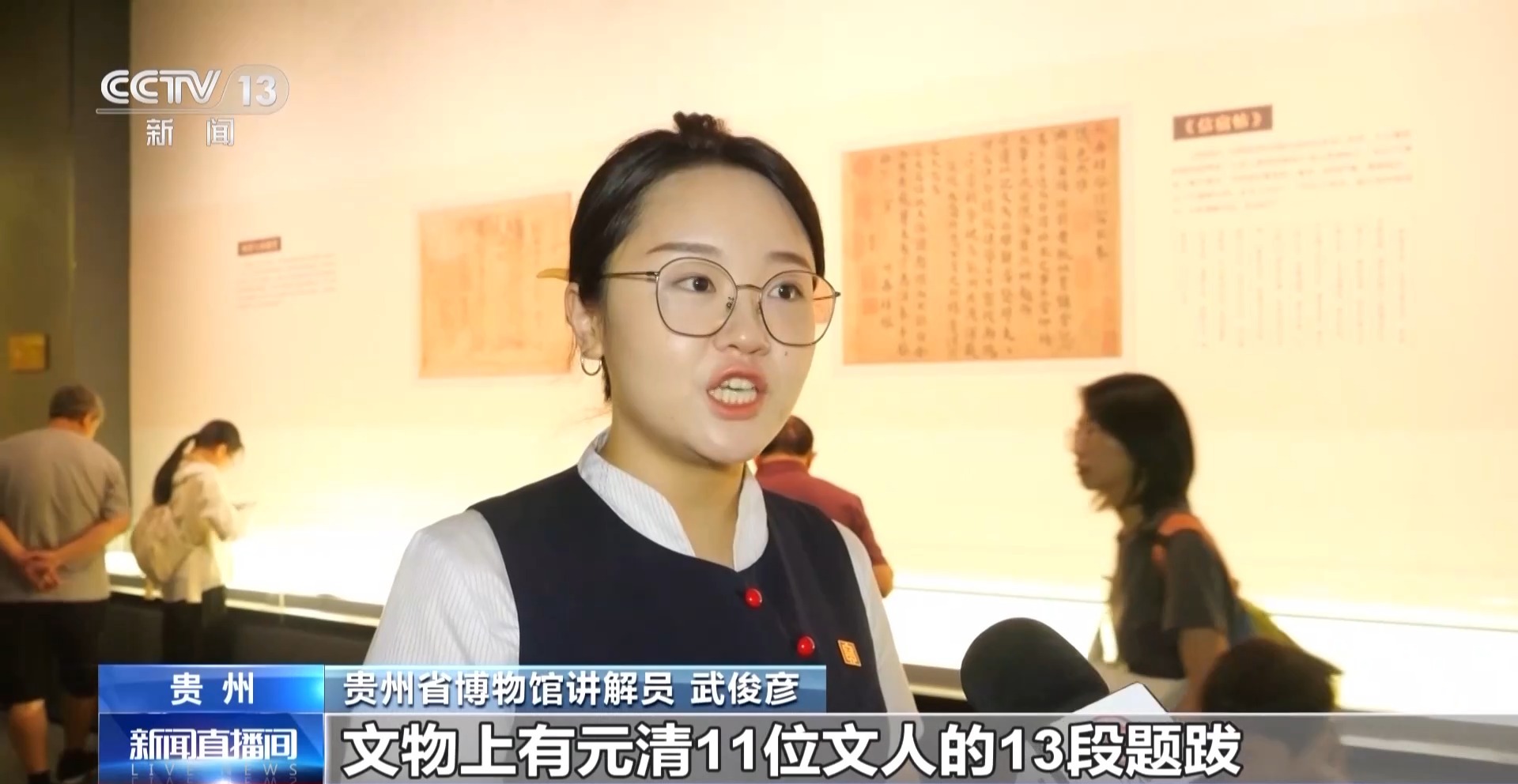
Group 1: Popularity of Museums in Guizhou - Guizhou's museums have become popular destinations during the summer tourism peak, particularly due to the display of national treasures [1] - The Guizhou Provincial Museum has attracted over 700,000 visitors since July, marking an increase of over 18% year-on-year [5] - The museum houses more than 80,000 artifacts, including the only surviving calligraphy by the Northern Song dynasty statesman Han Qi, which is a national key protected cultural relic [1][5] Group 2: Geological Museum Highlights - The Guizhou Geological Museum has also seen a surge in visitors, exceeding 350,000, with nearly 20% being children aged 6 to 12 [7] - The museum features over 30,000 exhibits, including a significant specimen of a pregnant fish dragon, which holds high scientific value for research on Triassic ichthyosaur fossils [9] - The museum presents over 900 million years of geological history and more than 600 million years of paleobiological history through fossil specimens and multimedia displays [11] Group 3: Cultural Activities in Shanxi - In Shanxi's Taiyuan, multiple museums have launched diverse cultural activities aimed at engaging youth with cultural heritage [13] - The Taiyuan Museum offers hands-on experiences such as printing zodiac patterns and coloring artifacts, enhancing students' understanding of cultural creation [13] - The Shanxi Natural Museum has introduced natural science courses and has seen an average daily visitor count exceeding 10,000 [19]
“文博热”为暑期文旅市场“增色添彩” 多地博物馆客流攀升
Yang Shi Wang· 2025-08-18 06:03
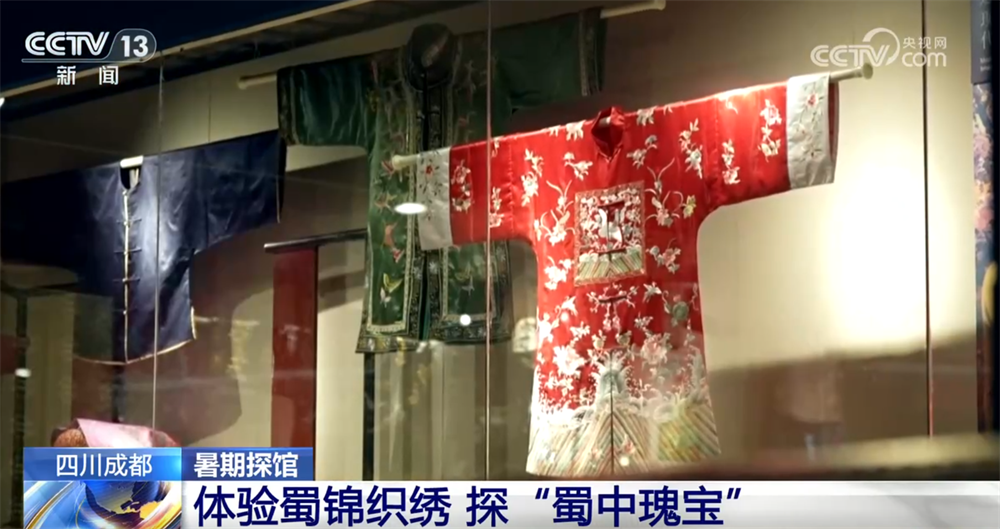
Group 1: Museum Visitor Trends - The Chengdu Shu Brocade and Embroidery Museum experienced a significant increase in visitor numbers during the summer vacation, with 82,000 visitors from July 1 to August 11, representing a nearly 100% year-on-year growth [7] - The Guizhou Provincial Museum attracted over 700,000 visitors since July, marking an increase of over 18% [10] - The Guizhou Geological Museum received more than 350,000 visitors, with nearly 20% being children aged 6 to 12 [12] Group 2: Cultural and Educational Activities - The Chengdu Shu Brocade and Embroidery Museum offered hands-on projects such as weaving experiences and making scented sachets, catering to various age groups and interests [5] - In Shanxi Province, museums launched diverse cultural activities, including printmaking and art coloring for students, enhancing their cultural experience [15] - The Shanxi Natural History Museum introduced natural science courses and engaged children as volunteer guides, contributing to their learning and experience [18] Group 3: Unique Exhibits and Features - The Chengdu Shu Brocade and Embroidery Museum is the largest cultural heritage center for Shu brocade and embroidery, showcasing a 3,000 square meter exhibition space divided into six sections [1] - The Guizhou Provincial Museum features the only surviving calligraphy work by the Northern Song Dynasty statesman Han Qi, a national treasure [8] - The Guizhou Geological Museum displays over 30,000 exhibits, including a notable 9-meter-long fossil specimen [12]
“文博热”成为暑期旅游新亮点
Ren Min Ri Bao· 2025-08-08 21:41
Core Insights - The rapid increase in the number of museums in China has not alleviated the issue of ticket scarcity during peak seasons, particularly in summer [1][3] - The National Cultural Heritage Administration has mandated a scientific assessment of venue capacity and the implementation of reservation systems to manage visitor flow [1][4] Group 1: Museum Growth and Visitor Trends - As of the end of 2024, there are 7,046 registered museums in China, an increase of 213 from the previous year, achieving a ratio of one museum for every 200,000 people, with over 91% being free to enter [2] - In 2024, museums across the country received over 1.4 billion visitors, an increase of more than 10 million from the previous year, highlighting the growing popularity of cultural tourism [3] Group 2: Challenges and Structural Imbalances - Despite the increase in the number of museums, many smaller institutions struggle with visibility and resource limitations, leading to overcrowding in popular venues [4] - The phenomenon of ticket scarcity is not unique to China, as it is a common issue faced by popular museums globally [4] Group 3: Solutions and Innovations - Some museums are extending their hours and implementing "nocturnal" events to accommodate more visitors during peak times [5] - The concept of "breaking boundaries" is being explored, with initiatives to integrate cultural heritage into urban environments and enhance accessibility through digital platforms [6] Group 4: Cultural Engagement and Visitor Experience - Visitors are encouraged to appreciate museums beyond just popular exhibits, fostering a deeper connection with history and culture [7]
“文博热”添彩夏日生活(文化中国行)
Ren Min Ri Bao Hai Wai Ban· 2025-07-20 22:26
Core Viewpoint - The article highlights the increasing popularity of museums during the summer, showcasing their role as educational and cultural spaces for children and families, with various exhibitions and activities catering to diverse audience needs [5][7]. Group 1: Museum Popularity and Activities - Museums across China are experiencing a surge in visitor numbers, becoming favored destinations for cultural and educational experiences during the summer [5][7]. - Various museums are launching a wide range of exhibitions and activities, such as the "Cosmic Archaeology" and "Liuli Art Exhibition" at the National Museum of China, to attract visitors [7]. - The Inner Mongolia Museum has opened a new facility featuring over 3,000 exhibits and digital technologies like VR and AI to enhance visitor engagement [7]. Group 2: Extended Hours and Night Activities - Many museums are adjusting their hours and extending opening times to accommodate the increased summer visitor flow, with some museums in Beijing changing their closed days from Monday to Tuesday [9]. - Specific museums, such as the Suzhou Museum and the Shanghai Museum, are implementing night activities and extended hours, with the latter offering 24-hour access for a limited period [9][10]. - Night events are being organized to provide unique experiences, including themed activities at the Beijing Planetarium and immersive performances at the Changzhou Museum [10]. Group 3: Visitor Experience Optimization - Museums are addressing visitor behavior issues by using humorous short videos to remind guests of proper conduct, which has garnered positive public response [11]. - The article emphasizes the need for museums to enhance security and sanitation measures as visitor numbers rise, while also exploring ticketing solutions to manage crowd flow effectively [11]. - Innovative educational programs, such as the "Museum School" at the Suzhou Wu Culture Museum, are being highlighted as successful models for engaging visitors of all ages [12].
文博热催生新职业 文化价值正“变现”
Zhong Guo Chan Ye Jing Ji Xin Xi Wang· 2025-07-03 23:35
Core Insights - The "Cultural Heritage Boom" has transformed the cultural industry, leading to a significant increase in demand for cultural products and new job roles, with some professionals seeing their income multiply by four to five times [1][2] - The integration of traditional culture with cutting-edge technology has given rise to new business models and job opportunities, indicating a deep conversion of cultural value into economic value [1][2] - The emergence of new professions is reshaping the cultural industry ecosystem, moving from isolated exhibitions to collaborative efforts among museums, tech companies, and creative teams [2][3] Industry Trends - The cultural new business model saw a revenue growth of 12.5% year-on-year in the first quarter, surpassing the overall industry growth, reflecting strong demand for new professions [1] - New roles such as cultural product planning operators, digital curators, and virtual reality designers are in high demand, highlighting the industry's shift towards a more integrated approach [1][2] - The cultural industry is becoming increasingly reliant on human capital, emphasizing the need for professionals who can blend technical skills with cultural understanding [2] Professional Landscape - The collaboration between museums and various sectors, including technology and education, is becoming the norm, fostering innovation in cultural experiences [2] - The transition from merely displaying artifacts to creating interactive and engaging cultural experiences signifies a cultural shift towards modern consumer engagement [3] - The rise of new professions is not only revitalizing the job market but also enhancing national confidence in cultural heritage [3]
呈现千年壁画之美(新书问答)
Ren Min Ri Bao Hai Wai Ban· 2025-06-03 22:45
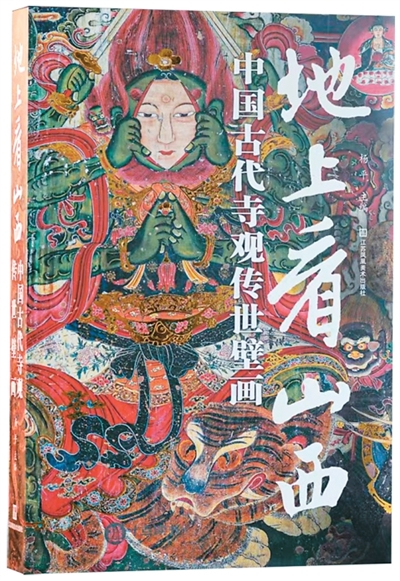
Core Viewpoint - The article discusses the significance of ancient murals in Shanxi, highlighting their artistic and cultural value, as well as the recent publication of a book that showcases these murals and their historical context [6][7][8]. Group 1: Book Overview - The book titled "Looking at Shanxi from the Ground: Ancient Temple Murals of China" features over 600 mural photographs from 34 temples spanning from the Tang to the Qing dynasties, illustrating a thousand years of mural art development [8]. - The book aims to present three main aspects: ancient architecture, ancient murals, and ancient sculptures, reflecting Shanxi's rich cultural heritage [7]. Group 2: Artistic Development - Murals from Shanxi show a progression in style, with early works being more fluid and later pieces becoming more formalized and realistic, particularly from the Ming and Qing periods [8]. - Notable murals include the contrasting depictions of celestial beings and deities, showcasing the depth of integration between the Buddhist and secular worlds [8][10]. Group 3: Cultural Significance - The murals often depict scenes from daily life, reflecting the social and economic conditions of their time, such as the "wine house market" scene that illustrates the vibrancy of Song and Jin period life [10][11]. - The murals serve as a historical record, capturing the essence of the society in which they were created, and their themes often blend religious and secular elements [10][11]. Group 4: Preservation Efforts - The book's team has invested significant resources in documenting and preserving these murals, utilizing modern technology for digital preservation and restoration efforts [12]. - Techniques such as large-scale scanning and careful color reproduction are employed to maintain the integrity of the murals while making them accessible to a wider audience [12].
助力“文博热”如何规范非馆方讲解
Zhong Guo Qing Nian Bao· 2025-05-22 03:23
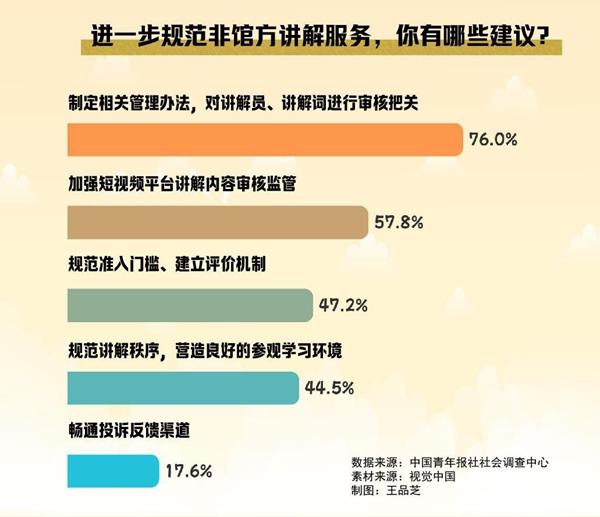
Core Viewpoint - The increasing demand for non-official guided tours in cultural and historical sites has led to various issues, including high prices, unprofessional explanations, and cancellations, affecting the overall visitor experience [2][4]. Group 1: Survey Findings - 67.1% of respondents have experienced non-official guided tour services [3][4]. - The main issues identified with non-official guided tours include unprofessional explanations (48.5%), disregard for historical facts (38.1%), and high prices (35.3%) [4]. - Additional concerns include difficulty in rights protection (31.9%), cancellations (27.7%), disruption of viewing order (27.2%), false advertising (26.9%), and unclear qualifications of guides (16.2%) [4]. Group 2: Suggestions for Improvement - 76.0% of respondents suggest implementing management regulations to review guides and their scripts [4]. - 57.8% recommend enhancing content review on short video platforms [4]. - 47.2% advocate for standardizing entry requirements and establishing evaluation mechanisms [4]. - 44.5% propose regulating the order of explanations to create a better learning environment [4]. - 17.6% suggest improving complaint and feedback channels [4]. Group 3: Visitor Experiences - Visitors often find non-official guided tours to be unpredictable, likening the experience to "opening a blind box" due to varying quality [4]. - Some visitors prefer in-depth, professional explanations rather than sensationalized stories offered by private guides [3][4]. - The reliance on social media for historical content has increased, with calls for better content regulation on these platforms [5].
激扬文明的力量——“文博热”一线观察
Xin Hua She· 2025-05-20 00:54
Core Viewpoint - The theme of International Museum Day on May 18 is "The Future of Museums in a Rapidly Changing Society," highlighting how museums are adapting to become more accessible and engaging for the public [1] Group 1: Museum Innovations - Museums are utilizing advanced technologies such as 3D restoration and sound source restoration to create immersive experiences, allowing visitors to engage with historical artifacts in new ways [3][5] - The Chongqing China Three Gorges Museum features a digital exhibition that condenses millions of years of natural and cultural history into a compact format, showcasing the integration of technology and cultural heritage [4] - The Guangxi Ethnic Museum has introduced AI holographic display cases that enhance the presentation of artifacts, such as a bronze drum from the Three Kingdoms period, making historical items more interactive and informative [7][9] Group 2: Visitor Engagement and Trends - The "cultural heritage fever" is on the rise, with over 60 million visitors to museums during the recent "May Day" holiday, marking a historical high for museum attendance in China [13] - In the past decade, the number of museums in China has been growing at an average rate of over 200 per year, with 91% of museums offering free admission, making it the country with the largest population benefiting from free museum services [13] - The increasing interest in museums reflects a deeper public demand for cultural services and a growing recognition of traditional Chinese culture [15]
全息纱幕还原古乐、VR体验卧薪尝胆!历史+科技让文博热再升级
Sou Hu Cai Jing· 2025-05-18 09:29
Core Viewpoint - The "Cultural Heritage Boom" is on the rise, blending ancient artifacts with technology to provide immersive experiences for audiences, particularly in Henan and Hubei provinces [1] Group 1: Cultural Heritage and Technology Integration - The Henan Museum's Huaxia Ancient Music Troupe has restored over 300 musical artifacts, with the "treasure of the museum," the Jiahu bone flute, being a highlight, dating back 8,000 years [3] - The ancient music troupe is expanding its repertoire, now featuring a collection of 200 ancient music pieces, and the upgraded music hall showcases vivid Tang Dynasty music and dance scenes through digital means [5] - The director of the Henan Museum emphasized the importance of immersive exhibitions using VR and XR technologies to bring historical scenes to life [7] Group 2: Innovative Exhibitions in Hubei Province - The Hubei Museum has launched the first film-level digital relics VR exhibition, "Crossing the Bronze Age," allowing visitors to immerse themselves in the Spring and Autumn period, experiencing the sounds of ancient bells and the craftsmanship of ancient artisans [9] - The "Crossing the Bronze Age" project features over 30,000 models of characters and artifacts, utilizing high-precision 3D modeling and real-time rendering to transform the exhibition experience from passive viewing to interactive engagement [11] - The director of the Hubei Museum's exhibition department highlighted the detailed viewing experience that allows audiences to appreciate the intricacies of artifacts up close [13] Group 3: Visitor Engagement and Growth - During the recent "May Day" holiday, the Hubei Museum welcomed 132,500 visitors, marking a 20.17% increase compared to 2024 [15] - The Hubei Museum plans to enhance visitor experiences with additional activities, including evening performances of ancient bell music and ancient book restoration events [15]