蜀绣

Search documents
C视觉| 四川非遗馆春节人气旺 传统文化添年味
Xin Lang Cai Jing· 2026-02-21 08:59
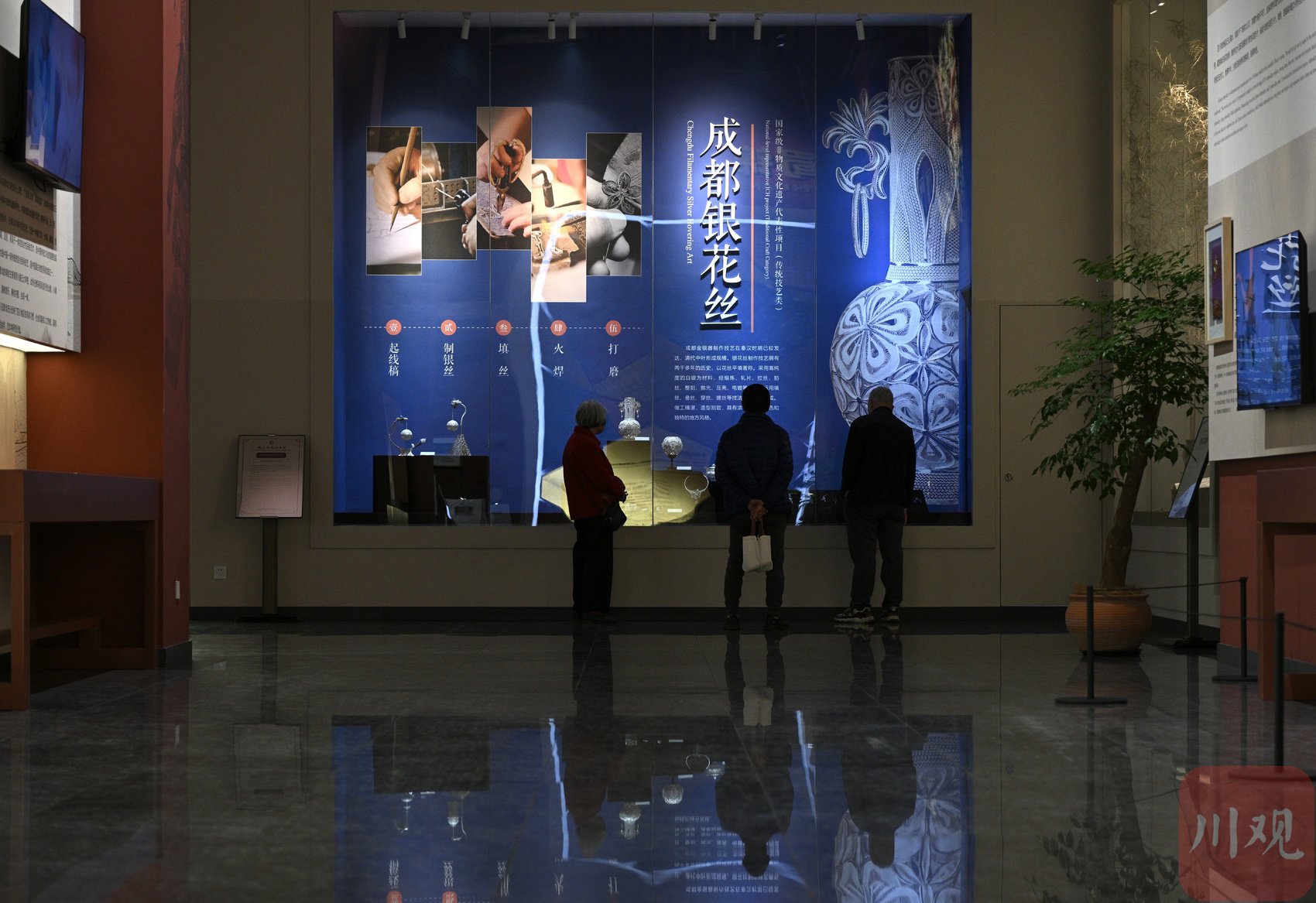
Core Viewpoint - The Sichuan Provincial Intangible Cultural Heritage Museum is attracting many visitors during the Spring Festival, showcasing the rich traditional culture of Sichuan through an exhibition titled "Tianfu Roots - Sichuan Provincial Intangible Cultural Heritage Exhibition" [1]. Group 1: Exhibition Highlights - The exhibition features representative intangible cultural heritage projects from Sichuan, including Shu embroidery, bamboo weaving, shadow puppetry, and silver flower wire art [1]. - It combines physical displays with interactive experiences to comprehensively showcase the profound heritage and craftsmanship of Bashu culture [1]. Group 2: Visitor Experience - Visitors are able to closely appreciate the exquisite charm of intangible cultural heritage techniques while enjoying the festive atmosphere of the Spring Festival [1]. - The Sichuan Provincial Intangible Cultural Heritage Museum has become a popular destination for citizens and tourists to relax and experience culture during the holiday, adding unique cultural flavor to the New Year celebrations [1].

首登春晚舞台 罗云熙把蜀绣穿在身上
Xin Lang Cai Jing· 2026-02-16 09:55
Group 1 - The 2026 Spring Festival Gala will officially debut on February 16, showcasing a festive atmosphere to global audiences [1] - The Sichuan Yibin sub-venue will feature the program "Li Shang You," which will be the first to appear in the gala lineup [1] - Artist Luo Yunxi, a native of Sichuan, expresses excitement about performing at the gala for the first time, highlighting the unique experience compared to watching it on television [1] Group 2 - Luo Yunxi describes the vibrant night scenery of Yibin and the exhilarating atmosphere of the live event [1] - He showcases his costume, which incorporates elements of traditional Chinese craftsmanship, including famous Shu embroidery and materials from shadow puppetry, emphasizing the importance of cultural heritage [1] - In a light-hearted moment, Luo Yunxi uses Sichuan dialect to express his feelings about participating in the gala and offers New Year blessings to the audience [1]
2026大市场看中国年|年味调色盘“入墨”来 重庆新春市集炫彩登场
Yang Guang Wang· 2026-02-09 07:08
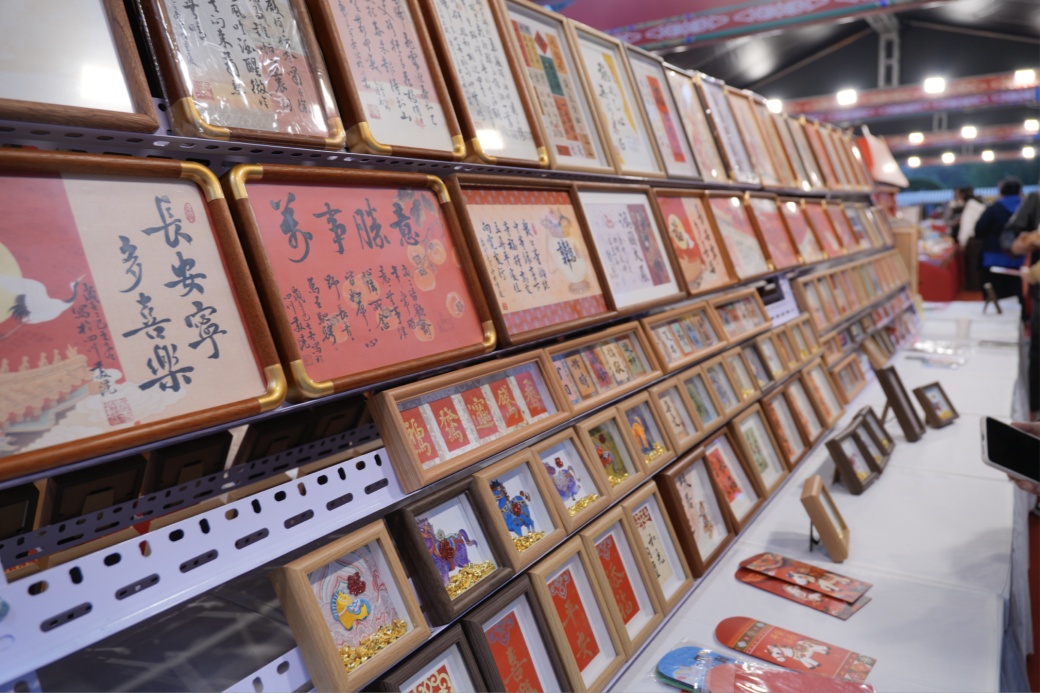
Core Viewpoint - The article highlights the vibrant atmosphere of traditional Chinese New Year markets across various regions, showcasing the resilience and potential of the Chinese economy through increased consumer activity and cultural engagement [1]. Group 1: Cultural Integration - The New Year market at Jiefangbei features various intangible cultural heritage products, such as lacquer paintings and calligraphy, which are creatively designed to reflect the New Year spirit and attract visitors [2][4]. - The market's theme, "Celebrating the New Year in the Forbidden City," emphasizes traditional aesthetics and includes live demonstrations by heritage artisans, enhancing cultural appreciation among attendees [4]. Group 2: Interactive Experiences - The market offers interactive cultural experiences, including a "write the character for 'Fu'" activity where children participate as volunteers, promoting traditional culture and engaging the younger generation [5]. - The "Shancheng Handicraft Bureau" at the Shibanti scenic area invites over 20 heritage artisans to provide hands-on experiences, allowing visitors to engage with local crafts and stories [7]. Group 3: Diverse Product Offerings - The New Year markets feature a wide range of products beyond traditional items, including innovative cultural products and local specialties, enhancing the festive shopping experience [8][10]. - The market at Guanyinqiao focuses on promoting local agricultural products, showcasing over 700 items from impoverished and revitalized rural areas, thus supporting local farmers [10][11]. Group 4: Digital Integration - The markets incorporate digital technology, such as MR experiences that allow visitors to engage with traditional customs in an interactive manner, enhancing the overall festive atmosphere [13]. - QR codes at various stalls enable visitors to purchase local specialties online, reflecting a shift towards digital shopping experiences in the festive market context [13].
走进非遗工坊,这里的年味忙“上新”
Xin Lang Cai Jing· 2026-02-07 06:21
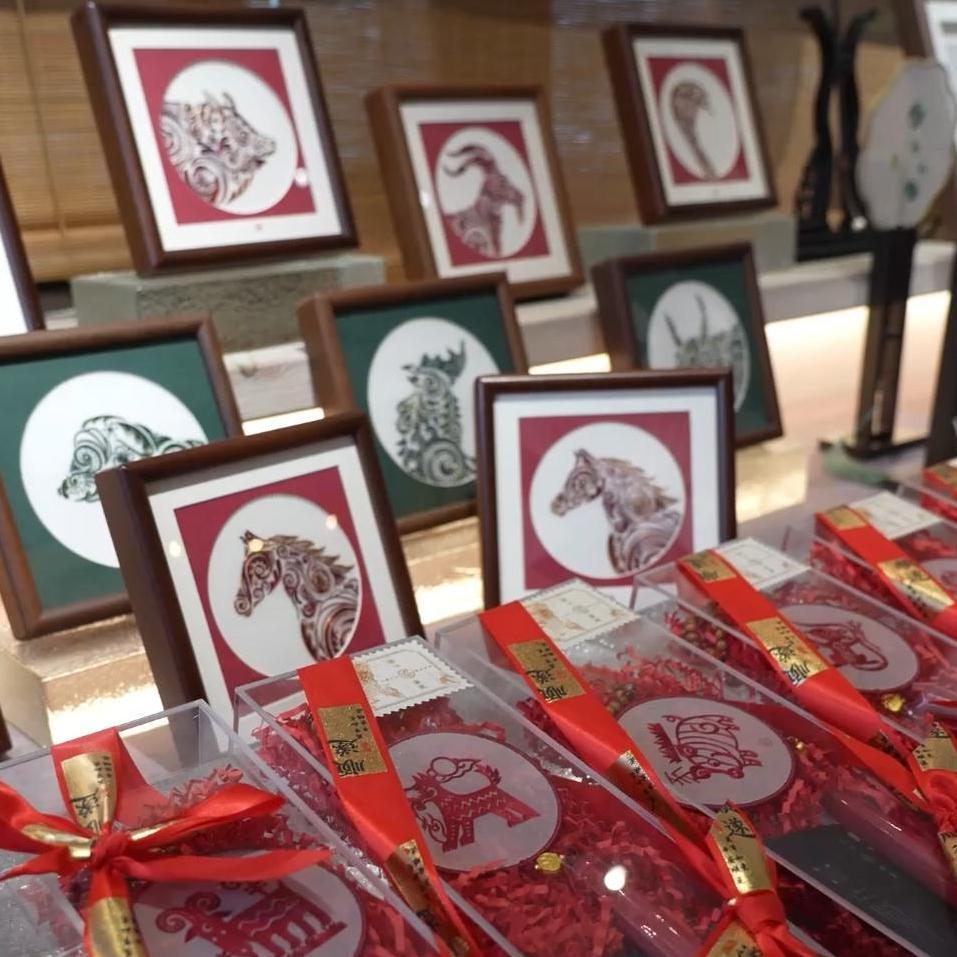
Group 1 - The article highlights the introduction of new cultural and creative products in popular tourist spots in Chongqing's Yuzhong District, such as Shibanti, Shanchengxiang, and Hongyadong, as the lunar month of December approaches [2] - Various traditional crafts, including Shu embroidery, pottery painting, and woodwork, are being showcased in these locations [2] - Many intangible cultural heritage (ICH) creative shops are also offering hands-on experience for visitors, allowing them to closely engage with traditional craftsmanship while exploring [3] Group 2 - Tourists are encouraged to participate in activities alongside masters, experiencing the festive atmosphere associated with the new cultural offerings [4]
推动四川文化出海 让巴风蜀韵闪耀世界
Xin Lang Cai Jing· 2026-02-05 19:12
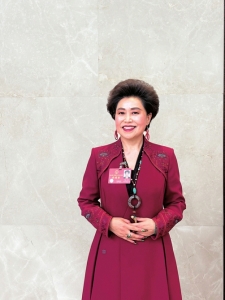
Core Insights - The provincial government aims to accelerate the development of the cultural and tourism industry as a pillar industry, focusing on enhancing the cultural identity of Sichuan and promoting its unique cultural resources globally [2] Group 1: Cultural Export Strategy - The representative emphasizes the need for Sichuan to leverage its rich cultural heritage, including Sanxingdui, Jinsha, Three Kingdoms culture, and the ecological culture of giant pandas, to create a strong cultural narrative for international outreach [2][3] - A proposal is made to establish a specialized action plan that prioritizes the international development of cultural IP clusters, setting specific targets for product quantity, market coverage, and trade growth [3] Group 2: Brand Development - The concept of "brand symbiosis" is introduced to integrate original art into the promotion of "Tianfu tourism brands" and "Sichuan brands," enhancing the value of both "Sichuan manufacturing" and "Sichuan creation" [3] - To encourage content creation, the establishment of an "Overseas Original Art Creation Fund" is suggested, focusing on themes like "Regenerative Art" and "Sichuan Expression" to inspire targeted artistic output, particularly from young artists [3] Group 3: Non-Material Cultural Heritage (NMCH) Initiatives - The need to shift Sichuan's NMCH from passive display to active operation is highlighted, proposing the creation of a professional and international NMCH IP authorization and exhibition platform [4] - A "Sichuan NMCH International IP Operation Center" is proposed to facilitate a one-stop global authorization and exhibition platform, aiming to transition from fragmented to branded cultural exports [4] - The initiative aims to enhance the international presence of Sichuan's NMCH, contributing to the preservation of traditional culture while promoting cultural trade [4]
四川省政协委员为四川历史经典产业“老树发新芽”献智出力
Xin Lang Cai Jing· 2026-02-04 10:15
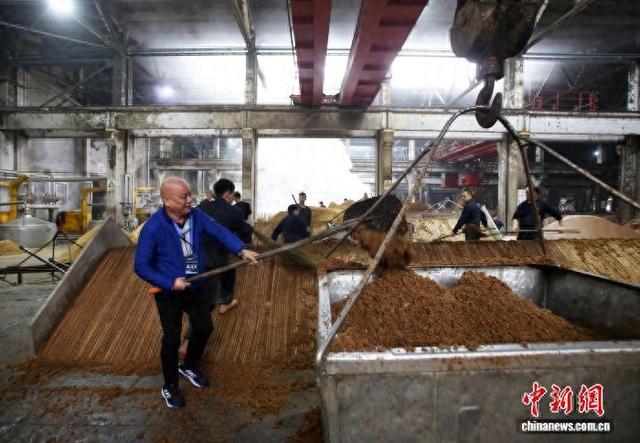
Group 1: Traditional Industries Development - The "14th Five-Year Plan" emphasizes the optimization and enhancement of traditional industries in China, with Sichuan planning to promote high-quality development in historical industries such as liquor and silk during this period [1] - Sichuan silk industry faces challenges including insufficient raw material supply, relying on external sources for silkworms and cocoons, and the need for labor-saving machinery to address these issues [1] - To enhance the silk industry, there is a call for stronger brand development, cultural exploration, and product innovation targeting younger consumers while also catering to older demographics through tailored marketing strategies [1] Group 2: Sichuan Liquor Industry - The Sichuan liquor industry, particularly the strong aroma type, is recognized as a competitive advantage, but it also requires targeted efforts to develop diverse aroma products and low-alcohol options appealing to younger consumers [1] - There is a recommendation to promote Sichuan liquor culture globally through various media formats and to integrate the liquor industry with well-known cultural and tourism resources in Sichuan [1] - Systemic challenges for the internationalization of Sichuan liquor include cultural recognition barriers, international trade barriers, and outdated marketing systems, with suggestions for government support in establishing overseas experience centers and developing international standards [2]
三省联动·“绣”出精彩|四川:“蜀中瑰宝”在时代浪潮中扎根生长
Xin Lang Cai Jing· 2026-02-03 12:36
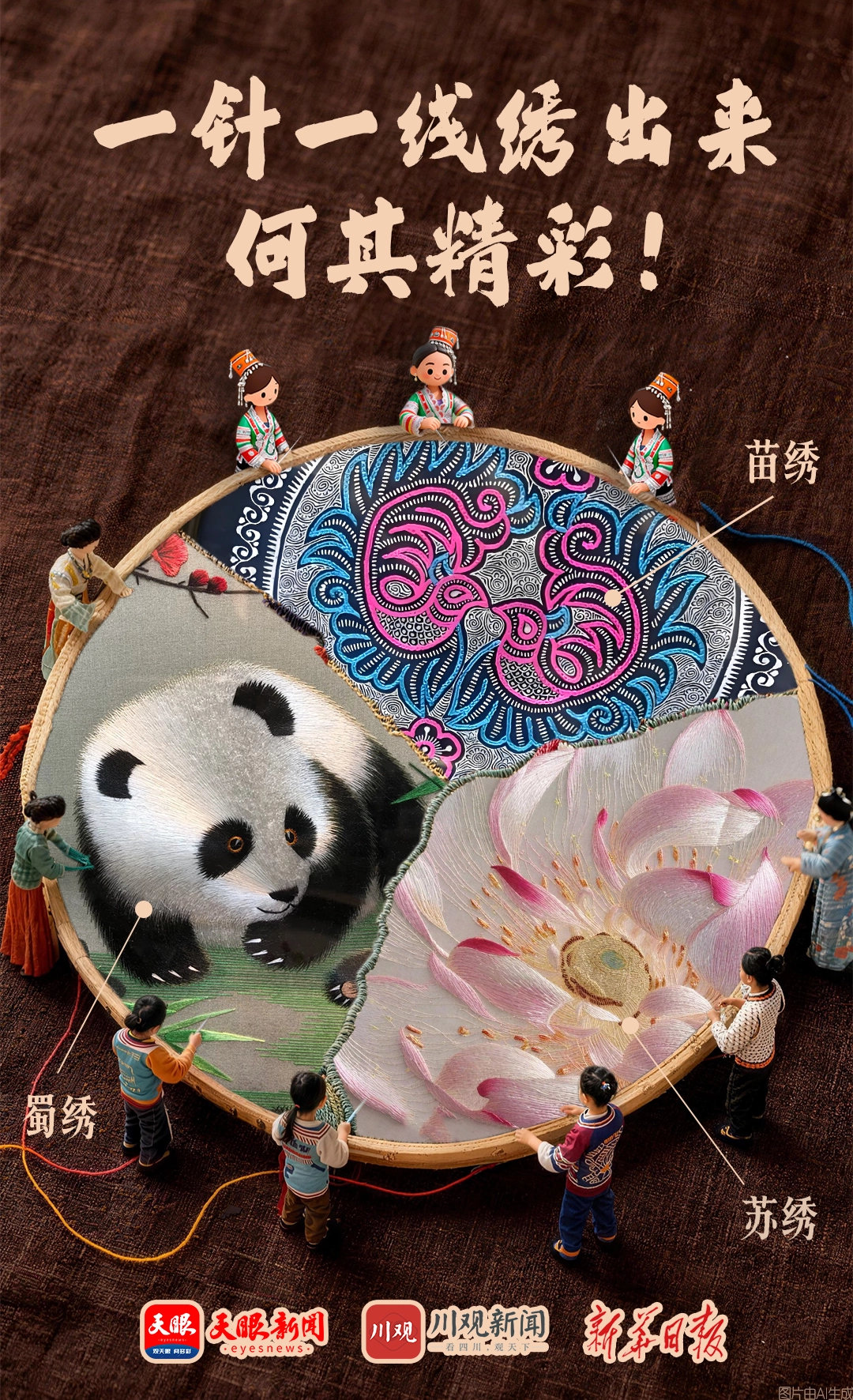
Core Viewpoint - The article highlights the significance of intangible cultural heritage (ICH) as a vibrant carrier of Chinese cultural identity and history, focusing on the innovative practices in the inheritance of traditional crafts, particularly Shu embroidery, and the efforts to integrate these traditions with modernity [1]. Group 1: Shu Embroidery and Its Heritage - Shu embroidery, one of China's four famous embroideries, has a history of over 3,000 years and is characterized by its meticulous techniques and vibrant colors, embodying cultural confidence and the mission of heritage transmission [4][6]. - Meng Dezhi, a national-level inheritor of Shu embroidery, has dedicated over 40 years to this craft, transitioning from a skilled artisan to a guardian and promoter of Shu embroidery [6][14]. Group 2: Challenges and Innovations - In 2005, Shu embroidery faced a downturn, leading to Meng Dezhi's layoff, but her commitment to preserving this ancient craft drove her to start her own business and teach others, despite financial pressures [7][10]. - The turning point for Meng came in 2006 when Shu embroidery was included in the first national intangible cultural heritage list, leading to increased government support and public interest [10]. Group 3: Modernization and Global Outreach - Meng Dezhi has embraced modern methods to promote Shu embroidery, including collaborations with brands, developing youth-oriented cultural products, and utilizing social media platforms for wider reach [12][14]. - The establishment of a three-year action plan for the high-quality development of Shu embroidery in Chengdu in 2025 further solidifies the commitment to revitalizing this traditional craft [12].
以人文经济引领历史经典产业高质量发展
Xin Lang Cai Jing· 2026-02-01 22:24
Core Insights - The high-quality development of historical classic industries in Sichuan is centered around the creative transformation of deep cultural values, integrating cultural, social, and economic values for mutual enhancement [1][2][3] Group 1: Historical Classic Industries Definition and Importance - Historical classic industries are defined as those that carry deep historical culture, unique craftsmanship, and regional characteristics, with a focus on consumer goods [2] - The core asset of historical classic industries is their rich "cultural capital," which includes unique craftsmanship, brand stories, and emotional connections with consumers [3] Group 2: Sichuan's Unique Advantages - Sichuan has a rich and distinctive industrial lineage, with notable sectors such as the liquor industry represented by Sichuan liquor, and textile industries like Shu brocade and Shu embroidery, which embody the region's cultural heritage [4] - These industries serve as tangible expressions of Sichuan's culture and valuable economic resources, with high-quality development aimed at converting static cultural capital into dynamic economic value [4] Group 3: Opportunities and Challenges - The historical classic industries in Sichuan are experiencing a revival driven by strong cultural capital, emotional connections with consumers, and an improving policy environment [5] - However, there are challenges in transforming cultural narratives into engaging experiences, forming innovative ecosystems, and diversifying value creation models [6][7] Group 4: Development Strategies for the 14th Five-Year Plan - To achieve high-quality development, Sichuan must focus on deepening cultural value, upgrading brand narratives, and creating modern brand storytelling through various media [8] - Building a talent development framework that includes a diverse range of professionals is essential for fostering innovation and bridging traditional craftsmanship with modern design [9] - Expanding experiential boundaries and promoting deep integration of industries through immersive cultural experiences can enhance consumer engagement and value creation [10] - Strengthening the connection to local roots and ensuring sustainable development through community involvement and ecological preservation is crucial for the long-term success of these industries [11]
引客900万人次 “村糖会”点亮假日经济
Xin Lang Cai Jing· 2026-01-30 17:41
Core Viewpoint - The "Village Sugar Fair" has become a significant event in Chengdu, enhancing the holiday economy and promoting rural revitalization through the integration of local agricultural products and cultural tourism [2][3][4]. Group 1: Event Overview - The "Village Sugar Fair" took place from the National Day in 2025 to the New Year in 2026, attracting 9 million visitors and generating sales of 2.6 billion yuan in village sugar products [8]. - The event has been included in the government work report, emphasizing the need to enhance the influence of such characteristic brands [2][3]. Group 2: Economic Impact - The fair has led to a doubling of agricultural product sales and has stimulated the local economy, benefiting the catering industry and collective economic development [3][4]. - A total of 184 billion yuan in project contracts have been signed as a result of the fair, contributing to rural revitalization and the integration of culture, commerce, and tourism [8]. Group 3: Brand Development - The government aims to deepen the brand's value by establishing standards for agricultural products and creating long-term supply channels with supermarkets and e-commerce [6]. - The fair's coverage is expanding, with a multi-level hosting mechanism that includes city, district, and village levels to create differentiated and characteristic events [7]. Group 4: Future Prospects - Future plans include launching seasonal specialty agricultural products and enhancing the experience through themed routes that combine food, scenery, and cultural heritage [6][7]. - The city will continue to focus on products with local characteristics, ensuring quality control and promoting investment opportunities to inject new momentum into economic development [7].
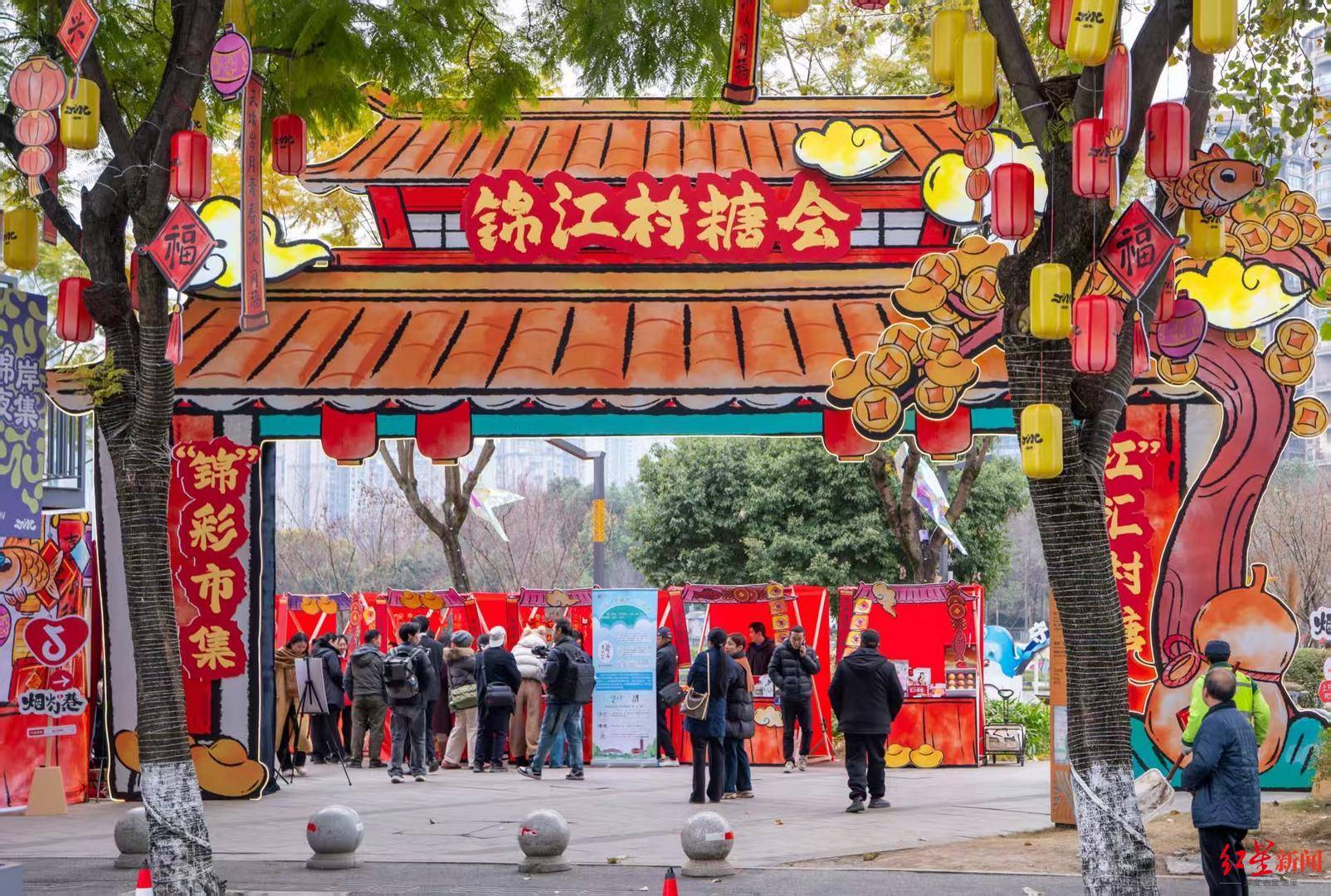
成都锦江首届“村糖会”火热启幕!双会场连嗨3天,解锁新春消费新体验
Sou Hu Cai Jing· 2026-01-30 14:48
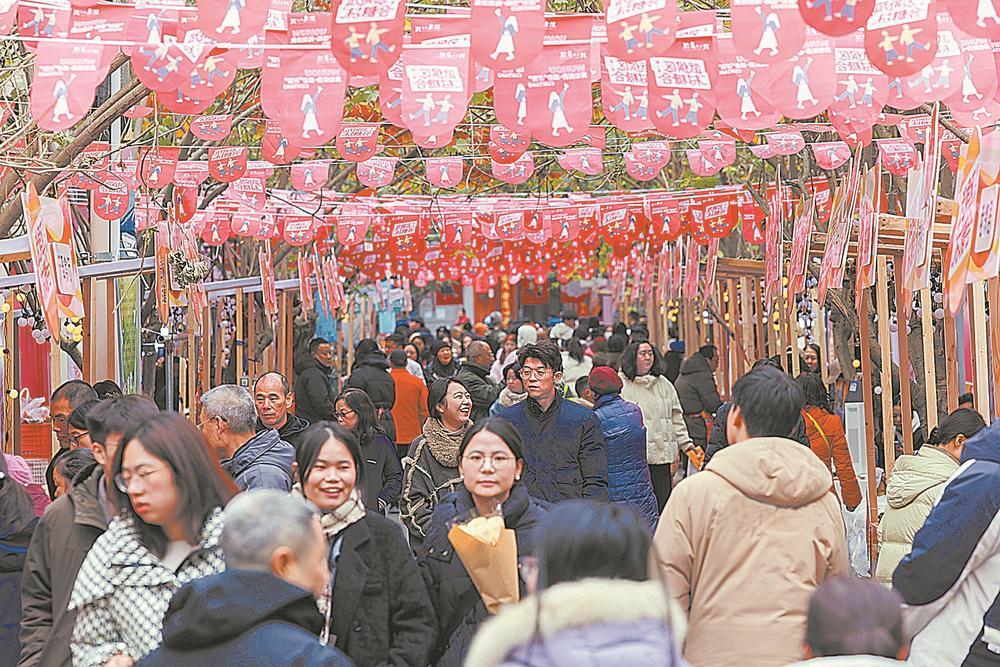
Core Insights - The "Village Sugar Fair" in Chengdu aims to create a vibrant New Year market experience, combining food, leisure, shopping, and cultural activities, running from January 30 to February 1 [2] Group 1: Event Overview - The event features a theme of "Colorful Market and Village Sugar," showcasing local specialties and traditional crafts alongside modern technology [2] - It includes participation from over 10 leading companies such as Nongfu Spring and New Hope Dairy, as well as more than 20 local snack vendors and various intangible cultural heritage crafts [2][4] - The fair is designed to facilitate product sales, supply-demand matching, and investment promotion, achieving dual breakthroughs in market revitalization and industrial empowerment [2] Group 2: Experience and Engagement - The event merges traditional craftsmanship with modern technology, featuring artisans and smart robots, creating an engaging atmosphere for visitors [4] - Various themed areas highlight local products, including a section for traditional foods and a cultural heritage area showcasing skills like bamboo weaving [4] - The fair also offers a convenient service model allowing visitors to order products online for home delivery, enhancing the shopping experience [6] Group 3: Economic Impact and Collaboration - The "Village Sugar Fair" serves as a platform for industrial cooperation, facilitating significant project signings across sectors such as agriculture and supply chain management, with a total signing amount of approximately 80 million yuan [8] - The event promotes resource integration and mutual benefits among participating enterprises, further driving regional economic development [8] - It combines cultural festivities with business negotiations, creating a multifaceted ecosystem that supports both community engagement and industrial growth [8]