
新污染物治理

Search documents
以系统观念推进常规污染物与新污染物协同治理
Zhong Guo Huan Jing Bao· 2025-12-18 23:28
"十五五"规划建议提出,深入推进新污染物治理。这体现了党中央、国务院对新污染物治理工作的重 视。今年4月,生态环境部印发《关于加强重点行业涉新污染物建设项目环境影响评价工作的意见》, 将石化、涂料、纺织印染、橡胶、农药、医药等重点行业涉新污染物建设项目纳入环境影响评价管理。 这一举措标志着新污染物治理正加速融入现行环境管理体系,也对常规污染物与新污染物协同治理提出 了更高要求。 新污染物与常规污染物在产生源头、迁移路径和治理技术上具有天然的关联性。石化、涂料、纺织印染 等行业既是COD、氨氮、VOCs等常规污染物的主要排放源,也是全氟化合物、抗生素、微塑料等新污 染物的高风险产生源,两者往往通过同一排放口进入同一环境介质。如果采用"分头治理"的思路,既难 以实现源头减量,也可能出现"按下葫芦浮起瓢"的窘境。 目前,我国已完成全国122个行业、涉及7万余家企业的化学物质生产使用情况摸底调查,初步筛查出一 千余种具有潜在高环境风险的化学物质,并对14种重点管控新污染物实施了禁止、限制、限排等环境风 险管控措施。摸清底数之后,需要以系统观念统筹推进常规污染物与新污染物协同治理,实现环境质量 持续改善。 在法规制度衔 ...
26年经济如何发力?中央经济工作会议联合解读
2025-12-12 02:19
Summary of Key Points from the Conference Call Industry and Company Overview - The conference call primarily discusses the economic outlook and policy directions set by the Central Economic Work Conference for 2025 and 2026, focusing on various sectors including real estate, consumer services, and technology. Core Insights and Arguments 1. **Economic Outlook**: The central government maintains an optimistic view of the economy, indicating that current issues are solvable and reflecting confidence in future growth [1][2] 2. **Fiscal Policy**: Emphasis on maintaining necessary fiscal deficits and total debt levels, with potential reductions in local government investments and new energy subsidies, while still highlighting structural opportunities [1][2] 3. **Monetary Policy**: A relatively loose monetary policy is expected, with flexible use of interest rate cuts and reserve requirement ratio adjustments, but with a focus on stabilizing the RMB exchange rate [1][2] 4. **Consumer Spending**: Consumer spending is prioritized, with expectations of increased national subsidies for consumption, particularly in sectors like innovative pharmaceuticals and medical devices [1][3] 5. **Real Estate Policy**: No direct financial rescue for real estate companies is anticipated; future policies may focus on stimulating domestic demand, such as interest subsidies for housing loans [1][3][19] 6. **Market Predictions for 2026**: Anticipated market fluctuations leading up to the Lunar New Year, with potential for new highs driven by global easing expectations, particularly in technology sectors and brokerage stocks [1][4] 7. **Sector Focus**: Key sectors to watch include innovative pharmaceuticals, medical devices, service-oriented consumption (e.g., tourism, sports), technology (e.g., robotics, nuclear power), and brokerage stocks [1][6][17] Additional Important Insights 1. **Service Consumption Trends**: The service consumption sector is expected to see new policy support, particularly in tourism and sports, which could create investment opportunities [1][5][25] 2. **Debt Market Dynamics**: The bond market is expected to stabilize with limited room for significant interest rate cuts, reflecting a cautious fiscal stance [1][20] 3. **Urban-Rural Income Plans**: Plans to increase urban and rural residents' income are seen as crucial for boosting consumption and driving domestic demand [1][9] 4. **Housing Fund Reforms**: Reforms to the housing provident fund are aimed at increasing flexibility and supporting residents in improving living conditions [1][22] 5. **Event Economy Impact**: The event economy, including concerts and sports events, is projected to significantly boost local economies through increased consumer spending [1][26] Conclusion The conference call outlines a comprehensive approach to economic policy, emphasizing stability, consumer spending, and targeted support for key sectors. The insights provided indicate a strategic focus on fostering growth while managing risks associated with fiscal and monetary policies.
2025年中央经济工作会议学习体会:稳妥做增量,务实推存量
ZHONGTAI SECURITIES· 2025-12-11 12:48
Group 1: Economic Policy Framework - The central economic work meeting emphasizes the principle of "seeking progress while maintaining stability," focusing on stabilizing employment, enterprises, markets, and expectations to ensure smooth economic operation[2] - The meeting suggests a combination of "mandatory options + optional options" in macroeconomic policy, indicating a relatively stable approach to mandatory macro policies while allowing for counter-cyclical adjustments as needed[3] - The integration of stock and incremental policies is highlighted, with a commitment to continue implementing a more proactive fiscal policy while maintaining necessary fiscal deficits and total debt levels[3] Group 2: Consumer and Market Dynamics - Consumption is prioritized over investment in policy discussions, with specific measures to enhance consumer capacity, including the implementation of urban and rural resident income increase plans[4] - The meeting calls for the expansion of quality goods and services supply and the removal of unreasonable restrictions in the consumption sector to unleash service consumption potential[4] - The focus on addressing "involution" competition indicates a recognition of deeper structural issues, requiring comprehensive solutions rather than superficial capacity clearing[4] Group 3: Taxation and Industry Support - The meeting proposes to improve the local tax system, addressing the decline in local tax revenue share in fiscal income and expenditure, with potential adjustments to shared tax ratios to stabilize local government finances[5] - Specific industries are identified for targeted support, including artificial intelligence, digital trade, and green trade, aiming to create a favorable policy environment for development[5] - Employment remains a top priority in social policy, with a focus on stabilizing job opportunities for key groups such as college graduates and migrant workers[5] Group 4: Risk Management - The meeting emphasizes risk prevention, particularly in the real estate sector and local government debt, encouraging the acquisition of existing residential properties for affordable housing[6] - The report highlights potential risks including policy changes, unexpected economic fluctuations, and delays in updating research information[6]
生态环境部:四方面强化固体废物综合治理
Zhong Guo Hua Gong Bao· 2025-12-02 02:32
四是深入推进新污染物治理,研究制定关于加强新污染物协同治理和环境风险防控的实施方案,构建新 污染治理"四梁八柱"制度体系,持续开展新污染物环境信息统计调查和环境风险评估,动态更新重点管 控新污染物清单。 二是认真推动实施相关整治行动并取得实效,按照"查、评、改、治、防、管"工作思路,推动非法倾倒 处置固体废物专项整治、重金属环境安全隐患排查整治等行动方案按期高质量完成。 三是加快完善固体废物治理长效工作机制,加快建设危险废物全过程环境监管信息化系统,开展"五 即"规范化建设和"一码贯通"全过程环境监管,2026年基本实现全国危险废物重点单位全覆盖。通 过"AI+"实现对固体废物的全链条环境监管,逐步建立固体废物有毒有害物质含量控制标准体系。 中化新网讯 在11月28日生态环境部召开的11月例行新闻发布会上,固体废物与化学品司司长郭伊均表 示,针对当前固体废物与新污染物治理存在部门之间数据不共享、尚未建立工业固体废物全链条有效监 管体系、新污染物治理工作基础薄弱、治理支持政策不足等问题,生态环境部近期将重点开展四方面工 作。 一是系统谋划"十五五"重点工作,积极配合相关部门制定《固体废物综合治理行动计划》,抓紧 ...
百万吨“新三样”退役潮将至
21世纪经济报道· 2025-11-30 10:18
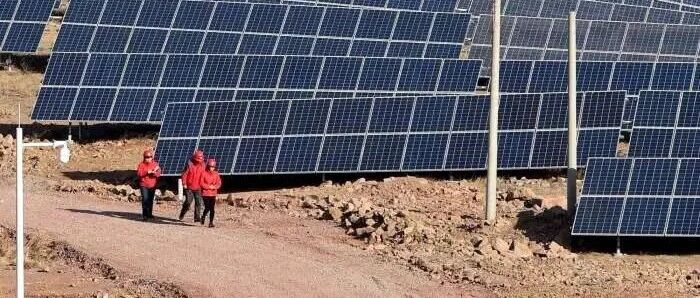
Core Viewpoint - The article discusses the upcoming wave of waste from new energy equipment in China, including electric vehicle batteries, solar panels, and wind turbine blades, and highlights the country's increasing recycling capabilities for these materials [1][3]. Group 1: Waste Generation and Recycling Capacity - By 2030, it is estimated that China will generate approximately 1.5 to 2 million tons of waste solar panels, 500,000 tons of waste wind turbine blades, and 1 million tons of waste batteries [1][3]. - The recycling capacity for waste solar panels and wind turbine blades is around 2 million tons and 1 million tons, respectively, while the capacity for waste batteries from 148 qualified recycling enterprises reaches 2.5 million tons [3]. - The recycling capabilities exceed the actual waste generation, leading to situations where recycling companies often face underutilization [3]. Group 2: Regulatory and Financial Support - Since January 1, 2022, the "Four Machines and One Brain" fund has been suspended, but the Ministry of Finance continues to allocate special funds to support compliant dismantling enterprises through a reward and subsidy approach [3][5]. - Over 90 dismantling enterprises are supported by special financial funds, with a standardized dismantling capacity of approximately 180 million units [5]. - The Ministry of Ecology and Environment plans to enhance environmental supervision and promote the standardized recycling and dismantling of waste electrical and electronic products [6]. Group 3: New Pollutants Management - The Ministry of Ecology and Environment is actively working on new pollutants management, having approved the registration of 802 new chemical substances since 2022 [10][11]. - A comprehensive survey covering 122 industries and over 70,000 enterprises has identified more than 1,000 chemical substances with potential high environmental risks [9]. - The Ministry aims to establish a nationwide monitoring network for new pollutants and strengthen risk warning systems [11].

生态环境部:非法倾倒处置固体废物专项行动取得明显成效
Yang Guang Wang· 2025-11-29 05:52
Core Viewpoint - The Ministry of Ecology and Environment has initiated a three-year nationwide campaign to address illegal dumping of solid waste, which has shown significant results since its launch in June this year [1] Group 1: Solid Waste Management - As of the end of October, a total of 113,738 sites (including caves) have been inspected, revealing 14,037 issues related to solid waste [1] - The issues identified include construction waste (47%), household waste (27%), and general industrial solid waste (11%) [1] - Remediation has been completed for 7,433 sites, with 20.582 million tons of various solid wastes cleared and disposed of [1] Group 2: New Pollutants Management - The year marks the conclusion of the implementation of the "New Pollutants Management Action Plan" issued by the State Council [1] - Since 2022, 802 new chemical substances have been registered, and 1,365 environmental risk control measures have been proposed to prevent the generation of new pollutants at the source [1] - Focus areas include key river basins such as the Yangtze and Yellow Rivers, targeting specific categories like perfluorinated compounds and antibiotics, particularly in industries such as dyeing and coatings [1] - A total of 27 pilot projects for new pollutants management have been launched in three batches to explore innovative regulatory models [1]
百万吨“新三样”退役潮将至 监管:回收企业仍“吃不饱”
2 1 Shi Ji Jing Ji Bao Dao· 2025-11-28 23:29
Core Insights - The upcoming retirement of new energy equipment, including waste power batteries, solar panels, and wind turbine blades, is projected to create significant waste management challenges in China by 2030, with estimates of 1.5 to 2 million tons of waste solar panels, 500,000 tons of waste wind turbine blades, and 1 million tons of waste power batteries [1][2][3] Waste Management and Recycling Capacity - China's recycling capacity for waste solar panels and wind turbine blades is approximately 2 million tons and 1 million tons, respectively, which exceeds the projected retirement volumes, leading to a situation where recycling companies often face underutilization [2][3] - The Ministry of Ecology and Environment (MEE) has reported that there are 148 qualified companies for comprehensive utilization of waste power batteries, with a total recycling capacity of 2.5 million tons [2] Regulatory Framework and Support - Since the suspension of the "Four Machines and One Brain" fund on January 1, 2022, the Ministry of Finance has continued to allocate special funds to support compliant dismantling enterprises through a reward and subsidy mechanism [2][3] - The MEE is enhancing regulatory oversight of dismantling enterprises to prevent environmental pollution and promote resource recovery [5][8] New Pollutant Management Initiatives - The MEE is actively implementing the New Pollutant Governance Action Plan, which includes the establishment of a coordination mechanism among 15 national departments and the formation of an expert committee to address new pollutants [6][7] - As of 2022, the MEE has approved the registration of 802 new chemical substances and has proposed 1,365 environmental risk control measures to mitigate the generation of new pollutants [7][9] Future Directions - The MEE plans to strengthen environmental supervision and enhance the regulatory framework for new pollutants, including the establishment of a national monitoring network and a collaborative governance structure [8][9] - The ministry aims to improve the capacity for managing new pollutants and ensure the effective implementation of environmental risk assessments and control measures [9]
百万吨“新三样” 退役潮将至 监管:回收企业仍“吃不饱”
2 1 Shi Ji Jing Ji Bao Dao· 2025-11-28 12:21
Core Viewpoint - The upcoming retirement of clean energy equipment in China, including electric vehicle batteries, solar panels, and wind turbine blades, poses significant waste management challenges, but the recycling capabilities have improved, exceeding the actual retirement volumes, leading to a situation where recycling companies often face underutilization [1][2]. Group 1: Waste Management and Recycling Capabilities - By 2030, it is projected that China will face approximately 150-200 million tons of waste solar panels, 50 million tons of waste wind turbine blades, and 100 million tons of waste batteries [1][2]. - The recycling capacity for waste solar panels and wind turbine blades is estimated at 200 million tons and 100 million tons, respectively, while the capacity for waste batteries is around 250 million tons, indicating that recycling capabilities surpass the expected waste generation [2][3]. - The Ministry of Ecology and Environment has implemented financial incentives to support compliant dismantling enterprises, ensuring orderly recycling and dismantling processes [2][3]. Group 2: Regulatory Framework and Environmental Protection - The Ministry of Ecology and Environment is enhancing regulatory oversight of dismantling enterprises to prevent environmental pollution and promote resource recovery [3][5]. - There are over 1,900 qualified enterprises for the recycling and dismantling of scrapped vehicles, with a projected recovery of 8.46 million vehicles in 2024, marking a 64% increase year-on-year [4]. - The Ministry is also revising pollution control technical standards for various waste categories, including waste lithium-ion batteries and waste photovoltaic equipment, to strengthen environmental management [4][8]. Group 3: New Pollutants Management - The Ministry of Ecology and Environment is actively working on new pollutants management, having approved the registration of 802 new chemical substances since 2022, and is implementing risk control measures for 14 categories of key pollutants [6][7]. - A comprehensive survey of chemical substances across 122 industries has identified over 1,000 substances with potential high environmental risks, which will be targeted for future assessments [7][9]. - The Ministry is establishing a national monitoring network for new pollutants and enhancing the regulatory framework to address the challenges posed by these substances [8][9].
生态环境部:加快推动新污染物协同治理和环境风险管控体系建设
Zhong Guo Jing Ji Wang· 2025-11-28 10:29
Core Viewpoint - The implementation of the "New Pollutants Governance Action Plan" is nearing completion, with significant progress made in managing new pollutants and establishing a risk control system for environmental hazards [1][2]. Group 1: Governance and Coordination - A coordination mechanism has been established, led by the Ministry of Ecology and Environment, involving 15 national departments and an expert committee to enhance collaborative efforts in managing new pollutants [1]. - Each province has developed its own governance plan for new pollutants, creating a framework where the national government coordinates, provinces take overall responsibility, and local governments implement actions [1]. Group 2: Risk Assessment and Management - A comprehensive survey covering 122 industries and over 70,000 enterprises has identified more than 1,000 chemical substances with potential high environmental risks, which will be targeted for future risk assessments [2]. - Since 2022, 802 new chemical substances have been registered, with 1,365 environmental risk control measures proposed to prevent the generation of new pollutants [2]. Group 3: Regulatory Framework and Future Directions - The development of regulations for chemical substance environmental risk management is included in the State Council's annual legislative work plan, aiming to improve the legal framework for new pollutant governance [3]. - The Ministry of Ecology and Environment plans to enhance the collaborative governance and risk control system for new pollutants, focusing on stricter management and monitoring of chemical substances [3].
生态环境部:“新三样”退役装备回收利用能力提升较快
Zhong Guo Xin Wen Wang· 2025-11-28 10:24
Core Insights - The Ministry of Ecology and Environment has made significant progress in solid waste and chemical management, focusing on illegal dumping, heavy metal safety, and the construction of "waste-free cities" [1][2][3] Group 1: Solid Waste and Chemical Management - The Ministry has implemented four special rectification actions approved by the State Council, including illegal dumping of solid waste and heavy metal safety [1] - The "waste-free city" initiative is being advanced with high standards, and there is a focus on enhancing information-based environmental supervision for hazardous waste [1][2] - The Ministry has established a comprehensive management system for solid waste and chemicals, continuously improving its capabilities [1] Group 2: Heavy Metal Pollution Management - A new action plan for heavy metal safety inspections has been launched, targeting seven key heavy metals, with a focus on five provinces and 21 cities [2] - As of November 17, 2023, a total of 20,670 pollution sources have been identified, with a 72% inspection rate achieved [2] - The Ministry aims to complete the remediation of high-risk pollution sources by the end of 2027, with Guangxi province leading the efforts [2] Group 3: Hazardous Waste Management - The national capacity for hazardous waste disposal is approximately 220 million tons per year, meeting the country's disposal needs [3] - Over 1,400 small-scale collection pilot units have been established, increasing coverage and reducing environmental risks [3] - The annual production of incineration ash from municipal waste is about 13 million tons, with comprehensive utilization capacity reaching 4.3 million tons [3] Group 4: Recycling of Retired Equipment - The recycling capacity for retired "four machines and one brain" and vehicles has significantly increased, with over 90 dismantling enterprises supported by special funds [3][4] - In 2024, approximately 95 million units of retired equipment are expected to be dismantled, producing nearly 200,000 tons of recycled resources [3] - The recycling capabilities for waste photovoltaic components and wind turbine blades are approximately 200,000 tons and 100,000 tons, respectively [4]