
智慧医院

Search documents
2025年中国智慧医院行业洞察:从工具革命到生态革命,卫宁健康、东华软件竞逐数字医院解决方案新蓝海
Tou Bao Yan Jiu Yuan· 2025-12-08 12:56
Investment Rating - The report does not explicitly state an investment rating for the smart hospital industry in China Core Insights - The smart hospital industry in China is transitioning from a tool revolution to an ecosystem revolution, with companies like Weining Health and Donghua Software competing in the digital hospital solution market [1] - The AI healthcare ecosystem is supported by infrastructure development and data collection, enhancing diagnostic efficiency and service quality to address issues like resource shortages and aging populations [4] - Despite a slowdown in overall healthcare investment since 2022 due to geopolitical tensions and more realistic technology expectations, the "AI + healthcare" sector continues to attract significant investment driven by demand and technology [4][10] Summary by Sections Research Purpose and Overview - The report aims to explore the market hotspots, sub-industry conditions, and competitive landscape of the smart hospital industry in China [2][3] Global and Chinese Smart Hospital Industry Development - The global smart hospital industry is experiencing rapid advancements in AI technology, leading to a shift towards intelligent, digital, and information-driven healthcare [5] - The Chinese smart hospital industry is characterized by a diverse range of players and significant potential for growth, particularly in AI integration and digital infrastructure [24] AI Healthcare Investment Environment - Investment in the AI healthcare sector peaked in 2021 with a total financing amount of 97.41 billion yuan and 380 financing events, but saw a decline in 2022 due to various global challenges [10][8] - The financing rounds for AI healthcare in China are primarily concentrated in early stages, with a shift towards later rounds as investors seek more certainty [12] Smart Hospital Information Technology Applications - New application technologies in hospitals, such as outpatient dispensing machines and AI in medical imaging, show significant regional disparities, with developed areas exhibiting over twice the application rates compared to less developed regions [14][15] - The integration of AI in hospital information systems is expected to increase, with software and service investments likely to rise as digital infrastructure improves [24] Automated Pharmacy Market - The penetration rate of automated pharmacies in China is currently low, but there is substantial potential for growth as healthcare infrastructure expands and AI technologies are further integrated [20][21] - Leading companies in the automated pharmacy sector are leveraging diverse product offerings and channel expansion to maintain market positions [26] Company Comparisons in Hospital Information Technology - The report provides a comparative analysis of key players in the hospital information technology sector, highlighting their strengths and areas of focus, such as Weining Health's comprehensive solutions in HIS systems and AI [24] Company Comparisons in Automated Pharmacy - A competitive landscape analysis of automated pharmacy companies reveals varying strengths, with companies like Jianhui Information and Ailong Technology leading in integrated solutions and market presence [26]


“硬联通+软赋能”协力破局 织密“数据网”让优质高效健康服务惠及更多百姓
Yang Shi Wang· 2025-12-05 04:18
Core Viewpoint - The article discusses the implementation of healthcare integration in the Yangtze River Delta region, emphasizing the need for improved access to medical services for residents, particularly in rural areas, through initiatives like cross-province medical cooperation and digital health solutions [1][12]. Group 1: Healthcare Integration Initiatives - The "14th Five-Year Plan" proposes strengthening healthcare foundations and promoting tiered medical services to enhance access for the 160 million residents in the Yangtze River Delta [1]. - The integration strategy has led to the establishment of medical alliances and partnerships between county hospitals and top-tier hospitals in the region, allowing for better resource allocation and patient care [2][4]. - The case of Fengyang County People's Hospital illustrates the successful collaboration with major hospitals, enabling complex surgeries to be performed locally, thus reducing the need for patients to travel long distances for care [2][4]. Group 2: Digital Health and Accessibility - The article highlights the advancements in digital health, such as the ability for residents to access medical services without the need for prior cross-province medical insurance registration, streamlining the process significantly [10]. - The integration of data-sharing platforms has facilitated a more efficient healthcare experience, allowing for quicker appointment scheduling and reduced waiting times for patients [11][15]. - The establishment of a "smart hospital" in the region aims to optimize resource distribution and enhance the quality of care through technology, including remote diagnostics and AI-assisted medical services [14][15]. Group 3: Future Directions and Challenges - The ongoing efforts to unify medical standards and improve data interoperability are crucial for overcoming existing barriers in healthcare access across the region [17]. - The article emphasizes the importance of continuous reform to enhance the efficiency of healthcare services, ensuring that high-quality medical care is accessible to all residents [18]. - Future plans include further integration of healthcare resources and the establishment of a unified medical payment directory to facilitate smoother cross-province insurance settlements [11][12].

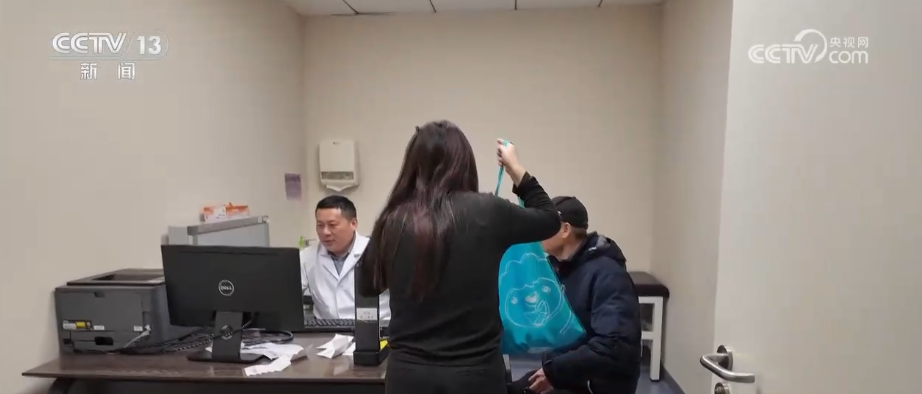
东华软件:已在海南多家医院落地信息化建设项目
Zheng Quan Ri Bao Wang· 2025-12-01 13:11
证券日报网讯12月1日,东华软件(002065)在互动平台回答投资者提问时表示,智慧医院领域,公司 已在海南省第二人民医院、第三人民医院、三亚市人民医院、文昌市人民医院等多家机构落地信息化建 设项目;同时,医院医保控费相关系统已实现具体项目落地,区域平台层面也在推进体检等相关业务的 参与。这些多维度的业务布局具备持续发展潜力,有望为公司带来长期支撑,公司将持续关注后续进 展。 ...
巴西卫生部长:巴西卫生系统愿借鉴中国经验提升气候变化适应力
Xin Hua She· 2025-11-20 05:30
Core Viewpoint - Brazil is seeking to enhance healthcare cooperation with China, aiming to learn from China's advanced experiences to improve health services and the healthcare system's adaptability to climate change [1] Group 1: Healthcare Cooperation - Brazil's Health Minister Padilha expressed the country's willingness to strengthen medical and health cooperation with China [1] - During a visit to China in October, Padilha toured a facility producing dengue fever vaccines and a smart hospital utilizing information technology and artificial intelligence for patient services [1] Group 2: Technological Innovation - Brazil aims to adopt advanced technologies from China in areas such as smart hospitals, vaccine production, and pharmaceutical manufacturing to improve public health [1] - The Brazilian Health Ministry is focused on promoting medical technology innovation to enhance the capacity to respond to natural disasters like hurricanes, floods, droughts, extreme heat, and wildfires [1] Group 3: Community Health Initiatives - In the Amazon region, the Brazilian government is implementing measures such as retrofitting medical ships, utilizing digital technology, and telemedicine to serve local communities [1] - The initiatives aim to improve health levels among residents in remote areas and vulnerable populations [1]
明基医院:再度冲击港股上市 募资加码东南亚并购与智慧医院建设
Sou Hu Cai Jing· 2025-11-14 05:42
Core Viewpoint - The company is planning to expand and upgrade its existing hospitals, focusing on enhancing operational capacity and quality through new construction and advanced medical equipment acquisition [1] Expansion and Upgrades - The company intends to implement the second phase of Nanjing Mingji Hospital's construction and acquire advanced medical equipment, as well as the third and fourth phases of Suzhou Mingji Hospital's construction [1] - The company aims to enhance its operational capabilities and quality through these expansions [1] Investment and Acquisition Opportunities - The company plans to identify suitable acquisition targets in China (e.g., Guigang City, Guangxi) and Southeast Asia (Vietnam and Malaysia), particularly targeting comprehensive hospitals with 200 to 500 beds, 100 to 200 medical professionals, and at least two key departments, especially in surgery and oncology [1] Smart Hospital Upgrades - The company plans to enhance its technical infrastructure by establishing local and cloud data storage servers, deploying 5G technology, and improving internal medical data transmission speed [1] - Investments will be made in technology research and development, focusing on advanced data security, privacy protection technologies, and artificial intelligence [1] - The establishment of a medical database and clinical decision support system is planned to facilitate quick information retrieval, optimize case discussions, and support clinical teaching and research [1] Financial Performance - In 2024, the company achieved a revenue of 2.659 billion yuan, a year-on-year decrease of 1.07%, and a net profit of 109 million yuan, down 34.95% [2] - For the first half of 2025, the company reported a revenue of 1.312 billion yuan, a decline of 1.34%, and a net profit of 48.704 million yuan, down 23.18% [3] - The operating cash flow for 2024 was 258 million yuan, a decrease of 27.92%, while for the first half of 2025, it was 80.129 million yuan, down 52.05% [2][3] Asset and Liability Changes - As of June 30, 2025, the company's fixed assets increased by 6.45%, while inventory decreased by 20.82% [16] - Long-term borrowings increased by 35.64%, and short-term borrowings rose by 10.83% [19]

聚焦公立医院高质量发展 管理者交流各地实践经验
Ren Min Wang· 2025-10-01 09:01
Core Insights - The event focused on high-quality development practices in public hospitals, showcasing various strategies and experiences from different regions and hospital levels [1][2][3][4] Group 1: Hospital Development Strategies - Southern Medical University Ganzhou Hospital emphasizes the integration of smart hospital construction with humanistic care, utilizing big data to enhance clinical efficiency and diagnostic accuracy [1] - Hubei Tianmen First People's Hospital is advancing a smart hospital model centered on information interconnectivity, aiming for regional medical resource sharing and collaboration [2] - Yichun People's Hospital is building collaborative mechanisms and quality safety controls, prioritizing resource allocation in key medical fields and addressing talent shortages through partnerships with local educational institutions [3] - Shaoxing University Affiliated Hospital focuses on improving patient experience by optimizing caregiver services and extending medical services through technology [4] Group 2: Technological Integration - Ganzhou Hospital is implementing projects like smart consultations and surgical scheduling to improve patient experience and operational efficiency [1] - Tianmen Hospital is developing a city-level diagnostic platform to facilitate remote consultations across different administrative levels, enhancing pathology diagnosis capabilities [2] - Yichun Hospital is leveraging smart hospital technologies for precise appointment scheduling and chronic disease management, while also planning to implement a big data quality control system [3] - Shaoxing Hospital is utilizing 5G technology to extend its health information system to emergency vehicles and community services, streamlining patient management [4]
北京三条(段)地铁空载试运行!冲刺年底通车
Bei Jing Ri Bao Ke Hu Duan· 2025-09-17 03:20
Core Insights - Beijing's economic and social development is being propelled by the commencement of several key projects, including the South Extension of Line 6, the Second Experimental School, and the Shunyi Regional Medical Center [1] Infrastructure Development - The South Extension of Line 6, located in Tongzhou District, has a total investment of approximately 1.24 billion and spans about 2.1 kilometers with one station, enhancing transportation services in the urban sub-center [2] - The 17th Line, a major north-south transit line, is nearly 50 kilometers long and will achieve full connectivity upon completion of its middle section, reducing travel time from Jiahuai Lake Station to Future Science City North Station to just 66 minutes [2] - The 18th Line, which runs through Haidian and Changping districts, will improve access for commuters in the Beijng area to key employment zones [2] Educational Initiatives - The Second Experimental School in Miyun District has commenced construction with a total investment of about 530 million, covering an area of approximately 75,000 square meters and accommodating 66 classes, addressing enrollment challenges in the surrounding areas [5] Healthcare Projects - The Shunyi Regional Medical Center, with a total investment of around 780 million and a construction area of about 82,000 square meters, aims to enhance healthcare facilities in the region [8] - The Beijing BOE Hospital project has achieved structural completion ahead of schedule, with a total investment of approximately 5.3 billion and a construction area of about 220,000 square meters, positioning it as a regional medical service center [11][13] Urban Development - The China-Germany Industrial Park's landscaping enhancement project has begun, covering approximately 667,000 square meters, aimed at improving the park's attractiveness and capacity [10] - The overall progress of the suburban railway urban sub-center line enhancement project has surpassed 60%, with expectations for completion by the end of the year [2]
又20起合作达成!医疗器械BD月报首发
思宇MedTech· 2025-09-14 01:08
Core Viewpoint - The article discusses the evolving landscape of the medical device industry in China, highlighting the importance of business development (BD) strategies that go beyond mere numbers to encompass strategic partnerships, market expansion, and technological integration [1][24]. Group 1: Key Trends in Medical Device BD - The primary keywords for the period from July to September include cross-border introduction and global distribution, strategic cooperation, and capital and cross-industry integration [2]. - Companies are accelerating market expansion and ecosystem building through transactions across various fields, including cardiovascular, neuro-intervention, ophthalmology, IVD, and critical care [3]. Group 2: Representative Events - A total of 20 significant events were summarized, showcasing a "multi-line advancement" scenario in the industry [4]. - Notable collaborations include: - Nanjing Jianxin Medical and Heqi Family Office focusing on medical device R&D and wealth management [6]. - Olympus and Xingchenhai Medical signing a global distribution agreement for disposable urology products [6]. - He’s Eye Group and Zeiss China Medical forming a strategic partnership to enhance ophthalmic surgical technology [6]. Group 3: Cross-Border and Global Distribution - Cross-border transactions remain a hot topic, with domestic companies leveraging global markets for growth while foreign giants introduce Chinese innovations [9]. - The partnership between Ruichao Dinkai Group and Beijing Amite focuses on vascular intervention products, marking a new phase in safety standards [7]. Group 4: Strategic Cooperation and Channel Expansion - Strategic cooperation is increasingly focused on building ecosystems rather than single product breakthroughs, with companies forming partnerships in fields like ophthalmology, IVD, and diagnostics [19]. - The collaboration between Wanfu Biological and Beiden Medical aims to match products with non-public medical channels effectively [15]. Group 5: Capital Support and Cross-Industry Integration - Capital is becoming an invisible driver of medical device BD, with partnerships exploring new models for medical device distribution [20]. - The collaboration between Beijing Huamai Supply Chain Management and Hongyi Consulting aims to create a one-stop service for medical device distribution [20]. Group 6: Smart Hospitals and Full-Chain Coordination - The focus on smart hospitals and full-chain coordination is becoming a priority for large enterprises, integrating supply chains, academic promotion, and clinical needs [23]. - Collaborations like that of Ruibo Zehou Technology and China National Pharmaceutical Group aim to develop automated systems for smart hospitals [21]. Conclusion - The medical device industry in China is transitioning from a "single product-driven" phase to a more diversified approach supported by capital, channels, and ecosystems, indicating a long-term growth trajectory [24].


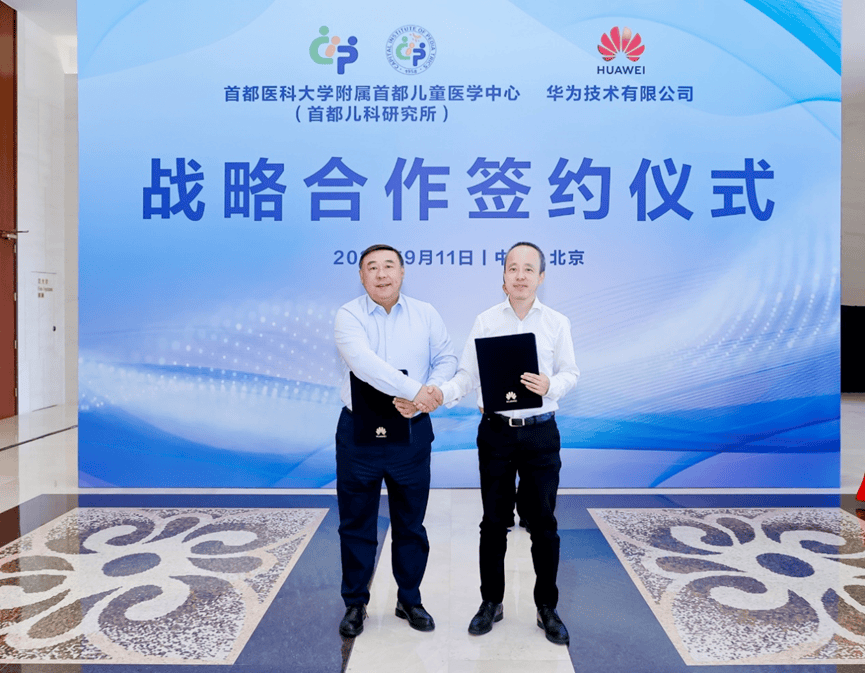
搜狐医药 | 首都儿童医学中心与华为签署战略合作协议,强化智慧医院建设
Sou Hu Cai Jing· 2025-09-12 08:51
Core Insights - The strategic cooperation agreement between Capital Institute of Pediatrics and Huawei aims to enhance the quality of information technology development in pediatric healthcare [2][4] - The collaboration focuses on smart hospital design, pediatric-specific models based on domestic computing power, joint innovation in trusted computing laboratories, and training in medical information technology [2][5] Group 1: Strategic Goals - The partnership is expected to improve smart medical services, management efficiency, and innovative breakthroughs in intelligent diagnosis and data utilization [4] - The Capital Institute of Pediatrics aims to establish a comprehensive health strategy for children, leveraging its facilities across multiple districts [4] Group 2: Technological Integration - Huawei plans to integrate IoT, edge computing, and AI algorithms to create a smart hospital digital foundation, enhancing equipment management and scheduling [5] - The collaboration will focus on developing a pediatric-specific model and advancing trusted computing applications, transitioning from "usable" to "user-friendly" products [5] Group 3: National Health Initiatives - The National Health Commission has designated 2025-2027 as the "Years of Pediatric and Mental Health Services," emphasizing the importance of smart hospital construction [5] - The partnership is seen as a significant step towards addressing the imbalance in pediatric healthcare resources and promoting equitable access to medical services for children [5]
首都医科大学附属北京同仁医院与华为签署战略合作协议
Zheng Quan Shi Bao Wang· 2025-08-20 15:06
Core Insights - Beijing Tongren Hospital and Huawei signed a strategic cooperation agreement on August 15, focusing on smart hospitals and digital transformation [1] Group 1: Strategic Cooperation - The partnership aims to enhance the hospital's digital transformation through collaboration in smart hospital initiatives [1] - Areas of cooperation include artificial intelligence applications in healthcare and ICT talent development [1] Group 2: Innovation and Development - The agreement emphasizes innovation in medical scenarios and the establishment of a digital infrastructure [1]