
智能金融

Search documents
中国工商银行原首席技术官吕仲涛:展望智能金融五大趋势,开源生态与成本降低推动行业普惠化变革
Xin Lang Cai Jing· 2025-12-20 13:34
Core Viewpoint - The financial industry is entering a new phase of AI innovation, characterized by the emergence of open-source large models, which promotes a more inclusive and accessible AI ecosystem [3][8][10]. Group 1: Key Trends in Intelligent Finance - Trend 1: "Slow Thinking" technology expands complex business scenarios, enhancing logical reasoning capabilities and enabling innovations in credit decision-making, sales identification, customer demand insights, and public opinion analysis [3][9]. - Trend 2: Reduced inference costs facilitate the widespread development of inclusive intelligent finance, allowing small and medium-sized financial institutions to apply AI technology across various business scenarios [4][9]. - Trend 3: The evolution of financial intelligent agents from "reasoners" to "intelligent agents" enhances their ability to perform complex financial tasks, significantly improving service efficiency and convenience [4][9]. - Trend 4: Breakthroughs in multimodal large model capabilities revolutionize intelligent finance, integrating various types of information for new solutions in anti-money laundering, invoice recognition, and collaborative analysis [4][9]. - Trend 5: The steady advancement of large model applications empowers five key areas in finance: technology finance, green finance, inclusive finance, pension finance, and digital finance, contributing to the construction of a strong financial nation [4][9]. Group 2: Implications for Financial Institutions - The development of the open-source large model ecosystem, represented by DeepSeek, significantly lowers the deployment threshold for high-performance AI systems, enabling financial institutions to expand AI applications from core to long-tail business scenarios [5][10]. - Cost reductions in technology deployment not only enhance the coverage of intelligent financial services but also allow previously constrained small banks and local financial institutions to leverage lightweight and efficient AI solutions for improved customer service, risk management, and operational automation [5][10]. - The focus on business scenarios is essential for the future of intelligent finance, emphasizing the need for resilient infrastructure and ensuring algorithm transparency and data trustworthiness [6][11].


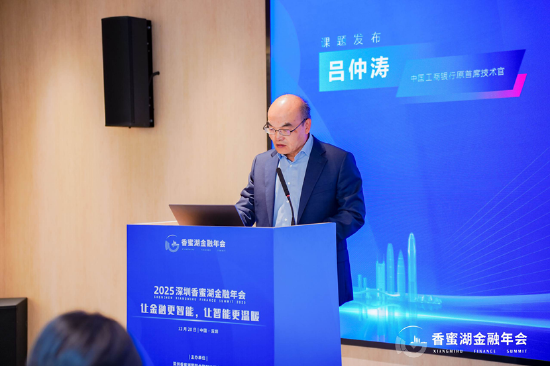
中国人民银行原副行长李东荣:过去的10年,与人工智能相关的投资增长近13倍
Xin Lang Cai Jing· 2025-12-20 11:18
专题:2025年深圳香蜜湖金融年会 专题:2025年深圳香蜜湖金融年会 2025年12月20-21日,第二届"深圳香蜜湖金融年会"将在深圳市福田区隆重举行,本届年会以"识变局, 开新局——促进粤港澳大湾区科技-产业-金融良性循环"为主题。会议上,中国人民银行原副行长李东 荣称,人工智能相关投资快速增长,引起了社会和各行业的普遍关注。斯坦福大学发布的《2025年人工 智能指数报告》指出,过去10年,与人工智能相关的投资增长近13倍,总体呈现快速增长态势。 2025年12月20-21日,第二届"深圳香蜜湖金融年会"将在深圳市福田区隆重举行,本届年会以"识变局, 开新局——促进粤港澳大湾区科技-产业-金融良性循环"为主题。会议上,中国人民银行原副行长李东 荣称,人工智能相关投资快速增长,引起了社会和各行业的普遍关注。斯坦福大学发布的《2025年人工 智能指数报告》指出,过去10年,与人工智能相关的投资增长近13倍,总体呈现快速增长态势。 李东荣称,随着技术的进步和社会的发展,"让金融更智能"是我们未来科技发展的方向,它体现了十五 时期我们金融高质量发展的一个重要特征。而"让智能更温暖"则超越了技术本身,它是科技与人 ...

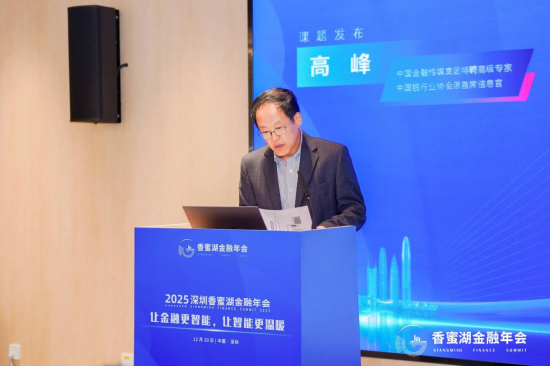
高峰:解析智能金融双轨架构与治理路径,提出数据、技术、安全三维协同破解大模型“幻觉”难题
Xin Lang Cai Jing· 2025-12-20 10:19
炒股就看金麒麟分析师研报,权威,专业,及时,全面,助您挖掘潜力主题机会! 2025年12月20-21日,第二届"深圳香蜜湖金融年会"在深圳市福田区隆重举行,本届年会以"识变局,开 新局——促进粤港澳大湾区科技-产业-金融良性循环"为主题。中国金融传媒集团特聘高级专家、中国 银行业协会原首席信息官、深圳香蜜湖国际金融科技研究院学术委员会委员高峰出席并发言。 专题:2025年深圳香蜜湖金融年会 高峰首先分析了在大模型带来系列挑战背景下智能金融的技术架构选择。他指出,当前主流AI架构主 要有两种:一是集中式平台化AI架构,通过API/SDK对外提供服务,即"+AI"模式,为目前多数金融机 构所采用;二是将大模型与多智能体技术深度嵌入业务的新一代智能平台,即"AI+"模式,互联网银行 及部分大型银行正朝此方向演进。此外,混合架构也普遍存在。无论哪种架构,都离不开四大关键能力 的支撑,即数字基础设施、数据资产管理体系、算法平台和模型管理。 针对大模型应用中备受关注的"幻觉"问题,高峰提出了金融级的综合治理思路。在数据侧,需确保"喂 给AI靠谱的料",通过规范流程、整合异构数据、建立动态更新机制等手段,在安全前提下促进数 ...
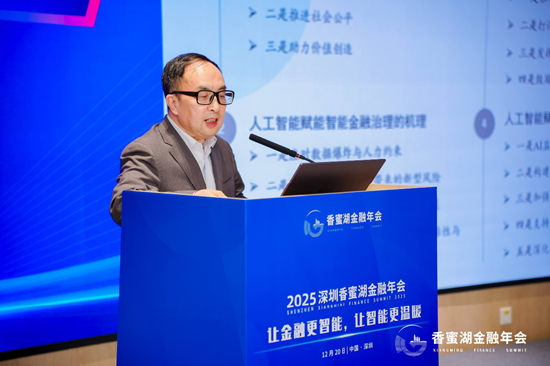
国家金融监管总局原首席检查官王朝弟:金融是“人工智能+”的重要领域
Xin Lang Cai Jing· 2025-12-20 10:13
王朝弟称,相关政策的出台,旨在积极应对当前智能金融发展面临的五大挑战:一是大模型技术风险带 来的挑战;二是智能金融统筹发展和安全的挑战;三是金融消费者权益保护的挑战;四是监管体系和监 管能力不足的挑战;五是行业生态培育的挑战。要充分认识智能金融治理的三大目标导向,一是筑牢安 全底线,防范系统性风险;二是促进公平普惠,保障金融消费者权益;三是服务高质量发展,激发创新 价值。 王朝弟称,相关政策的出台,旨在积极应对当前智能金融发展面临的五大挑战:一是大模型技术风险带 来的挑战;二是智能金融统筹发展和安全的挑战;三是金融消费者权益保护的挑战;四是监管体系和监 管能力不足的挑战;五是行业生态培育的挑战。要充分认识智能金融治理的三大目标导向,一是筑牢安 全底线,防范系统性风险;二是促进公平普惠,保障金融消费者权益;三是服务高质量发展,激发创新 价值。 责任编辑:郝欣煜 专题:2025年深圳香蜜湖金融年会 2025年12月20-21日,第二届"深圳香蜜湖金融年会"将在深圳市福田区隆重举行,本届年会以"识变局, 开新局——促进粤港澳大湾区科技-产业-金融良性循环"为主题。会议上,国家金融监督管理总局原首 席检查官王朝弟称, ...
香港证监会原主席梁定邦:智能金融不“唯大模型”论 监管需严保数据真实与风险可控
Xin Lang Cai Jing· 2025-12-20 10:02
Core Insights - The former chairman of the Hong Kong Securities and Futures Commission, Liang Ding-bong, discussed the development of smart finance and artificial intelligence in the Hong Kong-Macau region at the Shenzhen Xiangmi Lake Financial Annual Conference [5][7]. Group 1: Smart Finance Coverage - Smart finance in the Hong Kong-Macau region encompasses five areas: banking, securities, insurance, cross-border finance, and electronic payments [3][7]. - Hong Kong's approach to integrating artificial intelligence into traditional finance involves a multi-layered and multi-architecture technology fusion strategy, rather than solely relying on large language models (LLMs) [3][7]. Group 2: Regulatory Perspective - From a regulatory standpoint, "big data" remains the foundation of fintech applications in Hong Kong, with "large models" being just one component [3][7]. - Since 2019, Hong Kong has incorporated various technologies such as big data analysis, expert systems, and machine learning into its regulatory framework, prioritizing verifiable and traceable underlying real data in core business operations [3][7]. Group 3: Caution in AI Application - Liang Ding-bong cautioned about the "hallucination" risks associated with large models, emphasizing the need for a prudent approach to AI in financial regulation and business scenarios [3][7]. - The application of generative artificial intelligence in front-office customer interaction remains cautious, primarily focusing on back-office risk management and data analysis support roles [3][7]. - Final decision-making should involve risk management committees and risk officers, combining personal experience with multi-dimensional data, rather than relying solely on model outputs [3][7]. Group 4: Commitment to Data Integrity - Hong Kong maintains a highly open attitude towards the development of smart finance, but emphasizes the need to ensure data authenticity and risk control in client-facing and core business areas to guarantee the safety and stability of the financial system [3][7].

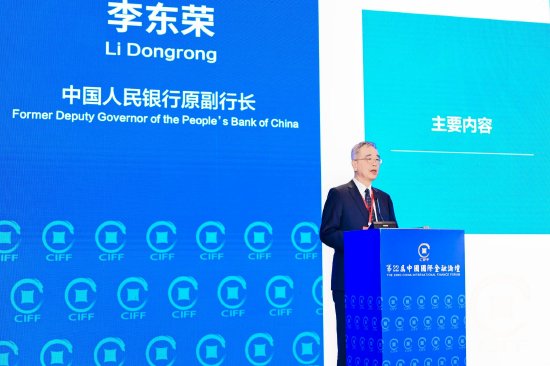
中国人民银行原副行长李东荣:“十五五”时期,智能金融将成为数字金融的重要方向
Zhong Guo Jing Ying Bao· 2025-12-19 15:02
他表示:"不论从人工智能技术本身,还是从金融应用的场景以及金融在经济活动中的职能地位来看, 当前我国智能金融的发展基础已经具备。虽然当前人工智能仍然存在可解释性不足等技术缺陷和算法偏 见等问题,但这些都是发展中的问题,相信在'十五五'时期,智能金融必将成为数字金融发展的重要方 向。" 中经记者 郝亚娟 夏欣 上海、北京报道 12月19日—20日,"第二十二届中国国际金融论坛"在上海举行。 中国人民银行原副行长李东荣指出,我国人工智能技术已具备规模应用基础。一是政策支持力度不断加 大,二是人工智能相关投资快速增长,引起社会和各行业的普遍关注,三是人工智能应用产品创新不断 涌现,四是技术和应用的成本和门槛不断降低。同时,金融行业人工智能应用已取得显著进展。 关于智能金融发展,李东荣指出,一是高度重视智能金融应用中的信息安全问题。信息技术的应用总有 两面性,在提高效率的同时也必然带来新的风险。二是加快智能金融的生态构建。在他看来,金融的生 态建设本质就是金融要更好地服务于民,"国之所需、民心所盼,正是金融所往"。金融机构要不断夯实 数字化的基础,打破数据孤岛,不盲目追求"大而全",而是通过开放、信任、合作,构建生态 ...
西班牙对外银行李蕾:未来五年将再投放7000亿欧元支持绿色与社会可持续项目
Xin Lang Cai Jing· 2025-12-19 05:29
李蕾谈到,当今世界,数字技术正以前所未有的速度重新定义金融的边界,在中国,一场以服务实体经 济为根本、以风险防控为基石、以制度创新为引领的深刻变革正在系统推进。 在金融科技治理、数据要素流通、人工智能规范化应用、以及数字人民币探索等领域,中国不仅走在全 球前列,更为智能金融的发展奠定了坚实的制度基础。同时,在"双碳"战略的引领下,具有中国特色、 面向世界的绿色金融体系也日臻完善。 专题:第二十二届中国国际金融论坛 2月19日-20日,"第二十二届中国国际金融论坛"在上海举行,主题为:数字经济时代的智能金融生态构 建。西班牙对外银行(BBVA)中国区总裁李蕾出席并演讲。 她介绍到,西班牙对外银行作为一家拥有160多年历史、深耕亚洲欧洲拉美等多国市场的国际银行集 团,始终致力于成为连接国际资源与本地需求的协作伙伴。在绿色金融方面,自2018年以来,已累计投 放超过3000亿欧元用于可持续融资,并承诺在2025—2029年期间再投放7000亿欧元支持绿色与社会可持 续项目。 "我们愿以全球经验与本地洞察,助力中国金融的高质量发展。"她说。 李蕾指出,数字经济的浪潮奔涌向前,构建安全、智能、可持续的金融生态,是我们共 ...

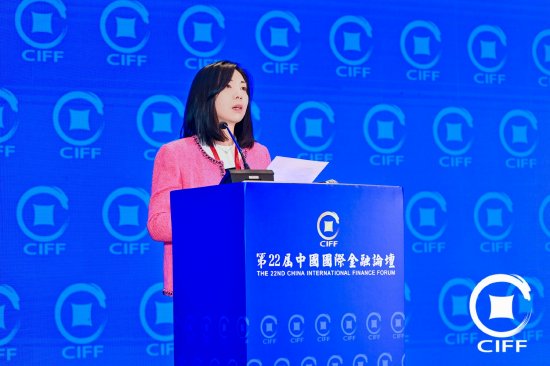
中国人民银行原副行长李东荣:智能金融必将成为数字金融发展的重要方向
Xin Lang Cai Jing· 2025-12-19 02:39
Core Viewpoint - The development of intelligent finance in China is positioned as a crucial direction for digital finance during the 14th Five-Year Plan period, supported by robust policy backing, rapid investment growth, and significant advancements in AI applications within the financial sector [3][6][9]. Group 1: AI Technology and Investment - AI technology in China has a solid foundation for large-scale application, driven by increasing policy support and rapid growth in related investments, with AI investment projected to reach $252.3 billion in 2024, a 25.5% increase from 2023 [6][21]. - The number of AI enterprises in China has surpassed 5,300, accounting for 15% of the global total, indicating a comprehensive industrial system covering foundational infrastructure, model frameworks, and industry applications [6][22]. - The cost and barriers to AI technology and applications are continuously decreasing, facilitating broader adoption across various sectors [6][21]. Group 2: Progress in Financial Sector AI Applications - The financial industry has been a strong advocate for information technology and intelligent applications, with a history of evolving through technological advancements [7][22]. - Policies from the People's Bank of China have consistently supported the gradual application of AI in finance, with significant investments from major state-owned banks reaching approximately 125.5 billion yuan in 2024, marking a 2.15% increase from 2023 [7][22]. - AI applications in finance are transforming traditional business models and service methods, enhancing customer experience and operational efficiency through intelligent customer service, investment advisory, and risk management [7][22]. Group 3: Considerations for Intelligent Finance Development - Emphasis on information security in intelligent finance applications is critical, as the rapid development of financial technology introduces new risks alongside efficiency gains [10][24]. - Accelerating the construction of an intelligent finance ecosystem is essential, focusing on better serving public needs through collaboration and breaking down data silos [11][25]. - Regulatory frameworks must adapt to the evolving landscape of intelligent finance, ensuring that standards support high-quality development while addressing challenges such as algorithm transparency and fairness [12][26].
中国银行原行长李礼辉谈中国AI竞争:中短期内有望接近并超越核心技术
Xin Lang Cai Jing· 2025-12-19 02:12
Group 1: Core Insights - The core theme of the 22nd China International Financial Forum is the construction of an intelligent financial ecosystem in the digital economy era [1][19] - AI is recognized as a core technology that determines future national strength, with competition primarily between China and the US focusing on computing power [1][13] - By the end of 2024, China's computing power is projected to account for approximately 26% of the global total, while the US is expected to hold about 37% [1][14] Group 2: Financial Models - AI technology is evolving from unimodal to multimodal, enabling the generation of new unstructured content and creating direct commercial value in the financial sector [2][20] - The reliability and economic efficiency of financial models are crucial, emphasizing the need for high reliability and interpretability in AI applications within finance [4][22] - The economic aspect involves using vast data to pre-train industry-level financial models, which can lower development costs and expand application ranges [5][23] Group 3: Financial Agents - The evolution of AI from assistants to agents allows for the development of financial agents capable of performing complex tasks, potentially replacing human roles in various financial sectors [6][26] - Financial agents are being deployed in banks and other financial institutions, with the potential to replace over 60% of investment advisor positions [7][26] - The transformation of human resource management in finance is necessary to adapt to the integration of AI, requiring changes in traditional views and educational structures [8][27] Group 4: Data Sharing - Data quality and quantity are critical for the effectiveness of intelligent finance, with current data sharing facing significant challenges [10][28] - The government is working on regulations to improve public data sharing and facilitate the use of non-public data through market mechanisms [11][29] - Establishing a specialized database for financial data is essential to address issues of data dispersion and quality [12][30] Group 5: AI Competition - The competition in AI is characterized by a focus on both hard and soft computing power, with China investing 1 trillion yuan in AI infrastructure [14][31] - The US is prioritizing hard computing power through initiatives like the "Star Gate" plan, which involves a $500 billion investment over four years [14][31] - The political landscape affects technological advancements, with geopolitical tensions impacting the sharing of advanced technologies [15][32] Group 6: Innovation and Intellectual Property - The shift towards open-source models in AI can democratize access to technology and encourage innovation, although risks associated with foreign software must be considered [17][34] - Protecting intellectual property is essential to foster innovation while supporting local core technology development [17][34] - The emergence of advanced open-source models, such as Alibaba's Qwen3-Omni, highlights the potential for domestic AI advancements [17][34]

第二届中国智能金融论坛暨中国国际金融30人论坛(第二十二届)在京举办
Xin Hua Cai Jing· 2025-12-16 11:43
Core Insights - The second China Intelligent Finance Forum emphasized the integration of technology and finance as essential for high-quality economic development in China [1] - The forum highlighted the need for collaboration among universities, government, and enterprises to advance intelligent finance and financial security [2] - Discussions at the forum addressed the impact of geopolitical changes on global finance and the dual challenges and opportunities presented by the international financial system [2][3] Group 1: Forum Overview - The forum's theme was "China Intelligent Finance, Global Geopolitical Changes, and Financial Security" [1] - The event featured discussions on the transformation of the global economy and the role of technology as a strategic resource in international competition [1] Group 2: Geopolitical and Financial Governance - Experts noted a structural shift in US-EU relations and emphasized the importance of objective analysis and proactive responses from China [2] - The current international financial system faces challenges from the dollar's dominance and opportunities for the internationalization of the renminbi [2] - China is positioned as both a beneficiary and a rule-maker in the evolving global financial landscape, advocating for financial openness and risk prevention [2] Group 3: Artificial Intelligence and Financial Security - The integration of artificial intelligence and blockchain is transforming the financial industry while also introducing new risks that necessitate improved regulatory frameworks [3] - Intelligent finance has made progress in sectors like agriculture, healthcare, and data operations, enhancing risk management and financial stability [3] - Future efforts should focus on collaboration in technology innovation, security assurance, and talent development to achieve high-quality financial growth [3]