服务创新

Search documents
制造业出海,不能缺“服务腿”,从东南亚到美国的布局困局与破局
Sou Hu Cai Jing· 2025-12-18 10:18
Core Insights - The integration of service and manufacturing sectors is essential for high-quality development in China's economy, as highlighted in a recent forum discussing strategies for addressing shortcomings in service industries [1][2] - Despite statistics suggesting low service revenue in manufacturing, deeper analysis reveals that many manufacturing companies are increasingly relying on service components, which are often not reflected in traditional revenue metrics [3][7] Group 1: Service and Manufacturing Integration - The traditional view of manufacturing as purely product-based is evolving, with service components becoming integral to business models [5][27] - A case study of a gear company illustrates that significant expenditures on outsourced services are often categorized as costs rather than service revenue, indicating a shift in how manufacturing firms operate [7][10] - Companies like Beijing Jingdiao have successfully enhanced their market competitiveness by offering tailored services, such as prototyping and training, which have allowed them to capture market share from established foreign competitors [10][12] Group 2: Challenges and Opportunities - The service landscape in China is uneven, with small and medium enterprises facing challenges in accessing quality services, particularly in less developed regions [20][22] - There is a risk that companies may overemphasize service at the expense of their core manufacturing capabilities, which could undermine long-term competitiveness [18][27] - The potential for global expansion is significant, but companies must ensure that their service infrastructure keeps pace with their manufacturing growth to maintain competitiveness in international markets [20][28] Group 3: Market Dynamics - The shift towards service-oriented business models is changing competitive dynamics, where companies must now compete on service quality as well as product performance [8][14] - Successful examples of service innovation in manufacturing demonstrate that understanding customer needs and providing tailored solutions can lead to significant business growth [12][25] - The integration of digital technologies in service offerings can enhance efficiency and effectiveness, further solidifying the role of services in the manufacturing sector [27]

从“群众跑腿”到“数据跑路”,威海不动产登记实现智慧高效办理
Qi Lu Wan Bao· 2025-12-16 12:33
Core Viewpoint - The article highlights the significant reforms in the real estate registration sector in Weihai City, focusing on digital transformation and service efficiency improvements during the 14th Five-Year Plan period [1] Group 1: Service Integration and Efficiency - The "one-window integration" reform has transformed the process from multiple departments to a single-window service, integrating natural resources, housing, and tax services, achieving a 90% increase in registration efficiency [2] - A "multi-point service network" has been established, allowing over 60% of transactions to be processed at local service points, enhancing convenience for residents [2] - The implementation of "unperceived collaboration" has reduced the need for multiple visits, with a 98% decrease in related offline business volume [2] Group 2: Digital Transformation - Strengthening inter-departmental data sharing has led to the establishment of a mechanism for information sharing across 15 categories, facilitating a seamless process for various approvals [3] - The promotion of paperless registration has achieved a 90% coverage rate for non-tax business, allowing personal transactions to be completed with facial recognition and no paper submission [3] - The creation of a smart registration cloud hall enables 100% online processing of registration matters, addressing challenges related to remote applications [3] Group 3: Service Innovation and Value Addition - New models such as "transfer registration with encumbrance" have been introduced, successfully revitalizing assets worth over 4 billion yuan [4] - The registration scope has been expanded to include ecological resource value, with innovative practices in marine and forest land rights registration [4] - A new registration model for industrial plant division has been launched, allowing businesses to apply for separate approvals and registrations, thus optimizing resource utilization [4]
远洋服务获评2025“中国商企服务领先企业”
Xin Lang Cai Jing· 2025-12-15 09:13
Core Viewpoint - The article highlights that Far Eastern Group's subsidiary, Far Eastern Services, has been recognized as a leading enterprise in commercial property services in China for 2025, emphasizing its commitment to service innovation, green operations, and sustainable development [1][13]. Group 1: Service Excellence - Far Eastern Services has developed a "Four Seasons Service System" that enhances the office experience by integrating environmental design and service delivery based on seasonal changes, improving the quality of building spaces and service warmth [1][13]. - The service model incorporates two key mechanisms: "Building 100 Meters," which focuses on integrating administrative, supporting, and emergency services for convenient access, and "1-ALL Full Staff Interaction," ensuring efficient response to customer needs through cross-department collaboration [3][15]. Group 2: Industry Standards and Certifications - Far Eastern Services has achieved multiple international certifications, including BOMA, LEED, and WELL, which reflect its excellence in hardware and management, reinforcing its competitive edge and brand influence in the high-end commercial property market [5][17]. Group 3: Commitment to Sustainability - The company is actively engaged in green operations, focusing on energy-saving renovations, resource recycling, and smart energy management to enhance energy efficiency [10][22]. - As a long-term partner of the World Wildlife Fund (WWF) for "Earth Hour," Far Eastern Services integrates green principles into daily operations, promoting building green certifications and low-carbon practices to create sustainable environmental value and asset appreciation for owners [11][23].

国际化消费环境建设试点,为何是这15城
Sou Hu Cai Jing· 2025-11-29 12:00
Core Viewpoint - The recent announcement of 15 cities as pilot cities for international consumption environment construction is interpreted as an expansion of international consumption center cities, aimed at boosting domestic demand and enhancing global consumption attractiveness [1][2] Group 1: Economic Development Logic - The expansion of consumption center cities aligns with China's strategic shift from being the "world's factory" to becoming the "world's market," with consumer spending contributing 82.5% to economic growth in 2023 [2][3] - The addition of 10 new cities aims to create a broader network to meet diverse consumer demands and enhance regional economic collaboration [2][3] Group 2: New Business Models and Trends - The pilot cities are seen as incubators for new business models, with the first five cities accounting for over 12.5% of national retail sales and a significant share of national-level demonstration pedestrian streets and traditional brands [3][9] - The construction of international consumption center cities is crucial for China to compete in the global consumption market, with cities like Beijing and Shanghai already establishing themselves as shopping and fashion hubs [3][9] Group 3: Policy Support and Financial Incentives - Each international consumption center city will receive a total subsidy of 200 million yuan, while other cities will receive 100 million yuan, with funds allocated based on performance evaluations [4][9] Group 4: Characteristics of New Pilot Cities - The newly added cities exhibit diverse characteristics and significant development potential, with Shenzhen leading in digital economy, Chengdu in culinary tourism, and Hangzhou in e-commerce [8][9] - Other cities like Wuhan, Changsha, and Xiamen are also rapidly developing their unique consumption environments, leveraging their geographical and cultural advantages [8][9] Group 5: Future Vision and Global Influence - The future of international consumption center cities is shifting towards a model that integrates culture, experience, and service, transforming them into platforms for exploring Eastern lifestyles and enhancing China's global cultural influence [11][12] - The ambition is to transition from regional consumption hubs to globally influential cultural benchmarks, with a focus on setting consumption standards and enhancing China's voice in global consumption governance [12][13]

年报“难产”致摘牌?华凯保险下月挥别新三板
Guo Ji Jin Rong Bao· 2025-11-26 14:50
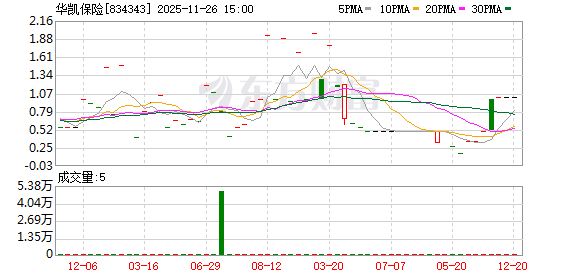
Core Viewpoint - Another insurance intermediary listed on the New Third Board, Huakai Insurance Sales Co., Ltd., has announced its delisting decision, reflecting ongoing regulatory pressures and market consolidation in the insurance intermediary sector [2][4]. Company Summary - Huakai Insurance received a notice of termination of its stock listing, with trading set to resume on December 8, 2025, before officially delisting on December 22, 2025 [5][6]. - The company was established in July 2012 with a registered capital of 56.5 million yuan and became one of the first insurance intermediaries to list on the New Third Board in November 2015 [6]. - Huakai Insurance experienced rapid revenue growth from 94 million yuan in 2015 to 551 million yuan in 2018, but governance issues began to surface [6][7]. - The company faced a significant decline in net profit, reporting a loss of 1.62 million yuan in the first half of 2024, compared to a profit of 835.8 million yuan in the same period the previous year [7]. Industry Summary - The insurance intermediary market is undergoing a significant transformation, with a reduction in the number of listed companies from over 30 to just 8, as many firms face operational challenges and regulatory scrutiny [8][9]. - Five of the remaining eight insurance intermediaries reported losses in the first half of the year, indicating a trend of financial difficulties within the sector [8]. - The decline in listed insurance intermediaries is attributed to a combination of high listing costs, regulatory pressures, and a shift from quantity expansion to quality transformation in the industry [9]. - Industry experts suggest that insurance intermediaries should focus on specialization, digital transformation, and service innovation to remain competitive [9].
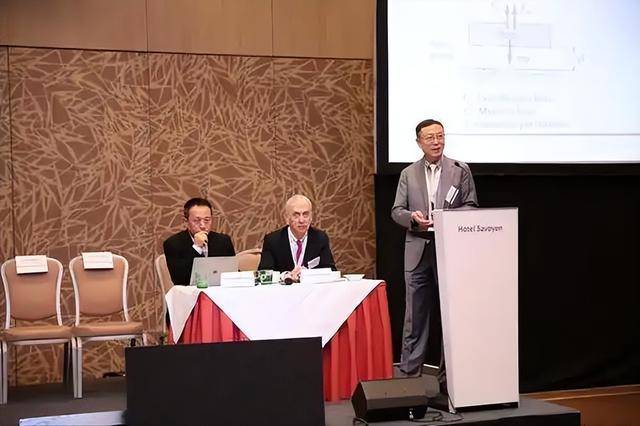
Alfa Laval (OTCPK:ALFV.Y) 2025 Capital Markets Day Transcript
2025-11-24 16:00
Summary of Alfa Laval Capital Markets Day - November 24, 2025 Company Overview - **Company**: Alfa Laval (OTCPK:ALFV.Y) - **Event**: 2025 Capital Markets Day - **Date**: November 24, 2025 Key Industry Insights Global Economic Context - The global economy has experienced significant volatility due to factors like COVID-19, geopolitical issues, and inflation, but the situation is not as dire as perceived [4][5][6] - U.S. industrial production is stable, with labor force access being a primary growth constraint rather than capital availability [5][6] - China is a critical market, contributing over 20% of Alfa Laval's turnover, with significant growth potential in sectors like carbon capture and sustainable technologies [7][9] Energy Transition - Alfa Laval is committed to leading the energy transition, with a target for net-zero emissions by 2027 for scope one and two [10][11] - The company acknowledges the challenges of aligning with the Paris Agreement, emphasizing a gradual transition rather than rapid changes [12][13] - Investment in renewable energy and clean technologies is increasing, with a focus on hydrogen and other sustainable solutions [11][31] Company Strategy and Growth Financial Targets - Alfa Laval aims to reach SEK 100 billion in revenue by 2030, currently operating at a rate of about SEK 70 billion [27][39] - The company plans to achieve this through organic growth and potential mergers and acquisitions, estimating an additional SEK 20-30 billion from M&A activities [28][39] Divisional Focus - The company has restructured its divisions, with a focus on Energy, Food & Pharma, and Ocean divisions, each with specific growth strategies [29][49] - The Food & Pharma division is expected to grow at a rate of 7% annually, driven by increasing demand for food and healthcare products due to population growth and urbanization [50][57] Innovation and R&D - Alfa Laval is increasing its R&D investment from 2.4% to 3% of net invoicing to support innovation across its product lines [58][59] - The company is focusing on digital solutions and application innovations to enhance customer processes and extend equipment lifetimes [60][61] Market Dynamics Food & Pharma Market - The food market is projected to grow at 2-3% annually, with a significant addressable market of SEK 152 billion, where Alfa Laval holds a 12% market share [53][54] - The water treatment market is growing at 3-4% annually, driven by urbanization and climate change, with an addressable market of SEK 21 billion [55] - The pharmaceutical market is the fastest-growing segment at 5-6% annually, presenting a significant opportunity for Alfa Laval to increase its market share [56][57] Competitive Positioning - Alfa Laval is positioned among the top three in several market segments, with a focus on expanding its share in the pharmaceutical sector where it currently has a low market share [56][57] Conclusion - Alfa Laval is navigating a complex global landscape with a clear strategy focused on sustainable growth, innovation, and market expansion. The company is well-positioned to capitalize on emerging opportunities in the energy transition and food & pharma sectors while maintaining a robust commitment to R&D and customer-centric solutions.
首都机场零售商圈“服务商学院”场景化工作坊首场活动结束
Zhong Guo Min Hang Wang· 2025-11-06 11:13
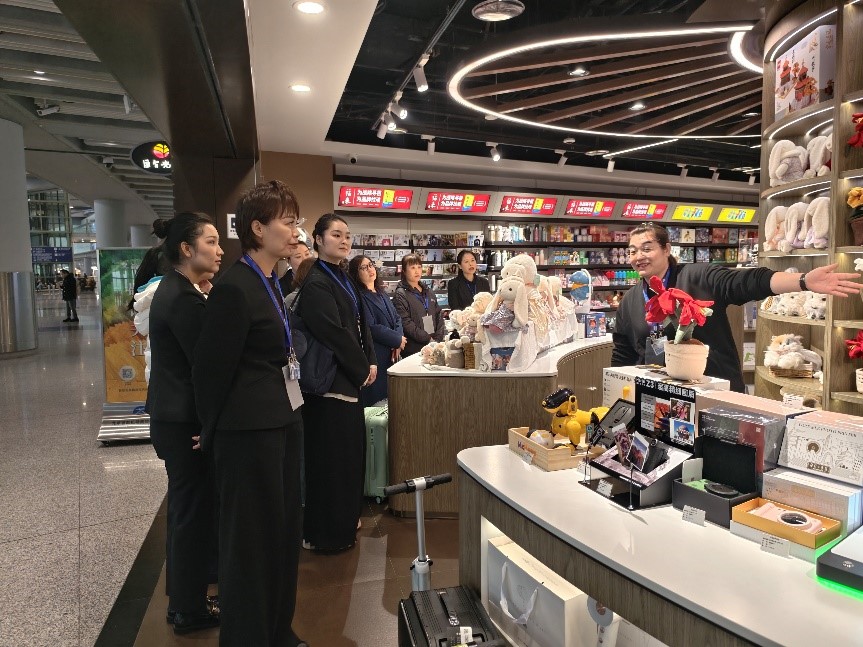
Core Insights - The article emphasizes the need for airports to enhance service experiences to attract and retain customers in a competitive retail environment [1][3] - The "Service Academy" workshop at Beijing Capital International Airport aims to transform service quality by fostering collaboration among retailers and sharing best practices [3][4] Group 1: Service Innovation - The workshop represents a shift from traditional training methods to a more immersive, scenario-based learning approach, focusing on practical service skills and crisis management [4][6] - Participants engaged in hands-on learning by observing service details in duty-free stores, highlighting the importance of customer satisfaction and interactive discussions [4][6] Group 2: Collaborative Ecosystem - The initiative seeks to break down barriers between retailers, creating a unified service culture and standardizing high-quality service across the airport retail sector [3][6] - By sharing successful service experiences and methodologies, the workshop aims to cultivate a community of learning and innovation among airport retailers [6]
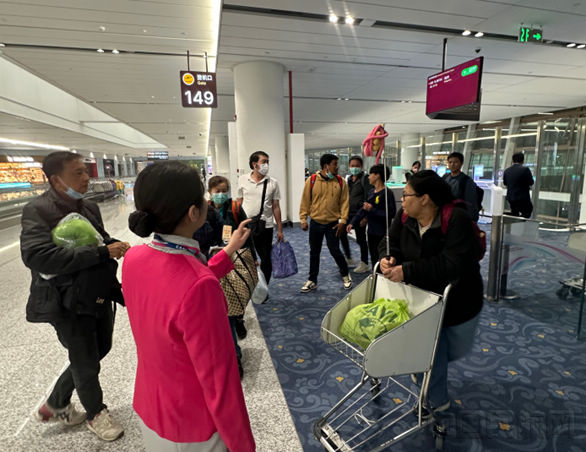
长龙航空圆满完成20名国际首乘旅客转机保障
Zhong Guo Min Hang Wang· 2025-11-06 06:57
Core Viewpoint - The successful completion of a complex international transfer operation at Xi'an Xianyang International Airport highlights the efficiency and professionalism of China's civil aviation industry, particularly in handling first-time international travelers [1][3][4] Group 1: Operational Efficiency - The operation involved 20 Thai passengers who needed to transfer from Kashgar to Bangkok with a tight connection time of just over 100 minutes [1] - The entire process was completed in 50 minutes, showcasing effective coordination among various stakeholders, including ground staff and the airline [1][3] - Key milestones included the arrival of the flight at 22:05, completion of luggage retrieval by 22:35, and successful boarding by 23:25, with the flight departing 20 minutes ahead of schedule [3] Group 2: Service Innovation - The operation was guided by the Northwest Administration's proactive planning and precise instructions, focusing on addressing common challenges faced by first-time international travelers [3] - The experience gained from this operation will serve as a blueprint for future services, emphasizing "information pre-positioning, multi-party collaboration, and dedicated service" [4] - The airline aims to continuously enhance international transfer efficiency and service quality, aligning with the Northwest Administration's requirements [4]
东航在南昌国内航班 无托运截载时间缩短至起飞前25分钟
Zhong Guo Min Hang Wang· 2025-11-01 04:51
Core Points - Eastern Airlines has shortened the check-in deadline for domestic flights at Nanchang Changbei International Airport to 25 minutes before departure for passengers without checked luggage, effective from November 1 [1] - This change follows a previous reduction in the check-in time from 40 minutes to 30 minutes in April of this year [3] Group 1: Operational Efficiency - Eastern Airlines Jiangxi Branch is continuously optimizing ground service processes and enhancing operational efficiency at Nanchang Changbei International Airport [2][3] - The reduction in check-in time is a critical measure to ensure the safety and punctuality of flights, as it allows for the completion of essential tasks such as baggage loading, passenger information verification, and flight data reporting [3] Group 2: Service Innovation - The company aims to provide more time for passengers by streamlining internal processes and enhancing collaboration among various roles [3] - Eastern Airlines Jiangxi Branch is committed to ongoing service innovation through refined and differentiated offerings to improve the travel experience for passengers [3]


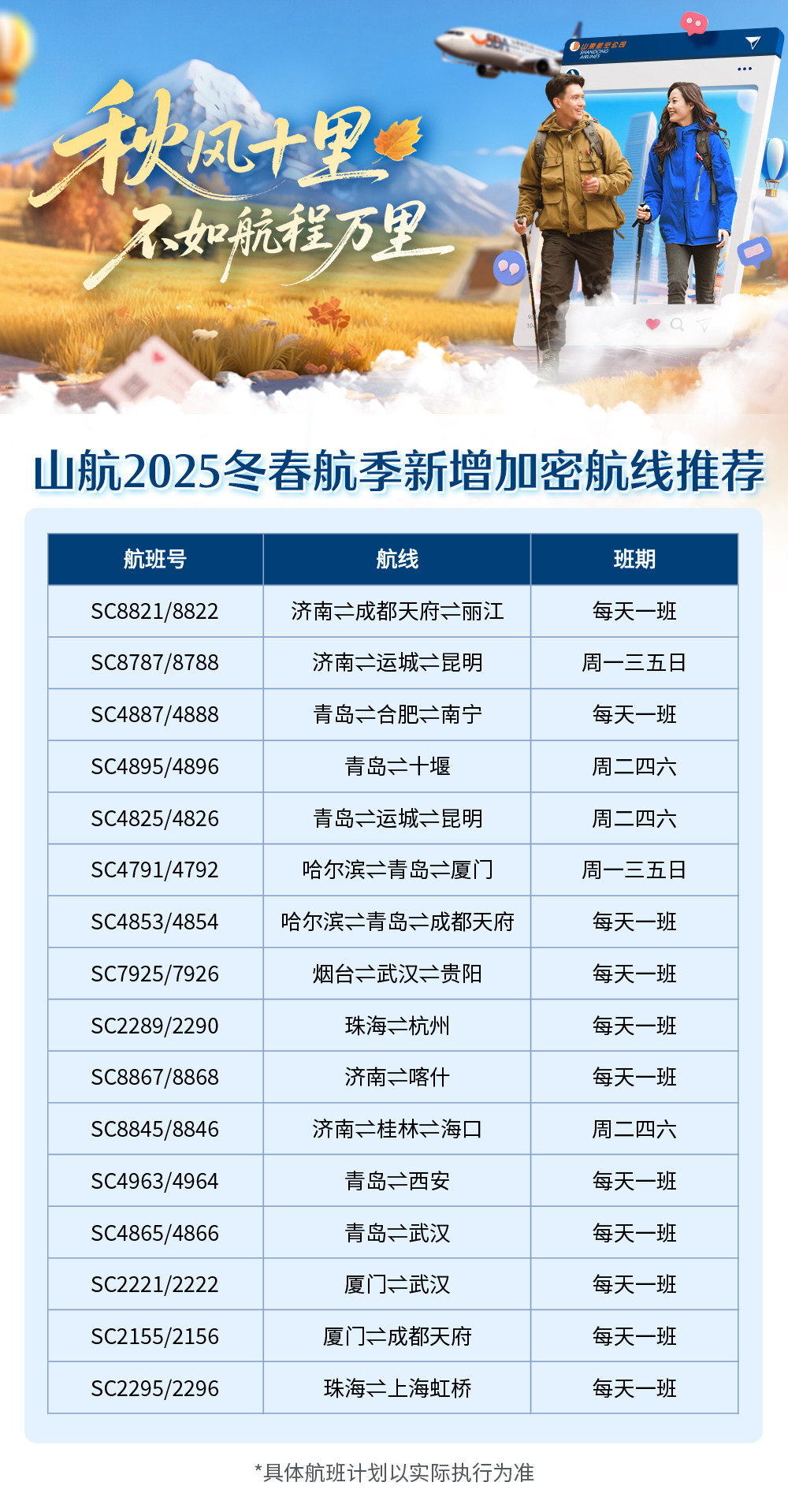
山航上新!2025冬春航季山航新增加密多条航线
Qi Lu Wan Bao· 2025-10-22 06:49
Core Insights - The new winter-spring flight schedule will be implemented nationwide starting October 26, with Shandong Airlines planning to deploy 134 aircraft to enhance flight options for travelers [1] Route Expansion - Shandong Airlines has added new routes including Jinan ⇌ Yuncheng ⇌ Kunming and Qingdao ⇌ Yuncheng ⇌ Kunming, establishing an air corridor from North China to Southwest China [2] - Additional routes include Qingdao ⇌ Hefei ⇌ Nanning, Qingdao ⇌ Shiyan, and Harbin ⇌ Qingdao ⇌ Chengdu Tianfu, further improving the airline's national network [2] - Popular routes have been increased in frequency, such as Jinan ⇌ Kashgar now operating daily, and business routes like Qingdao ⇌ Xi'an and Qingdao ⇌ Wuhan have been increased to 2 to 4 flights per day [2] International and Regional Services - Shandong Airlines operates over 40 round-trip flights daily to major cities in the Asia-Pacific region, including Seoul, Osaka, Bangkok, and Singapore, as well as Hong Kong and Taipei [2] Flight Schedule Details - Specific flight schedules include daily flights for routes such as Jinan ⇌ Chengdu Tianfu ⇌ Lijiang and Qingdao ⇌ Hefei ⇌ Nanning, with various frequencies for other routes [4][5] Service Enhancements - The "Shandong Airlines Fast Line" service has been upgraded, offering up to 14 high-frequency flights daily between key cities and exclusive benefits for fast line travelers [5] - The airline has introduced a product system that includes through flights, prepaid luggage, and round-trip discounts to cater to diverse travel needs [6] First-Time Traveler Initiatives - A new service system for first-time travelers has been launched, focusing on providing comprehensive support throughout the ticketing, airport, and cabin experience [6]