
构建新发展格局

Search documents
第一观察|2025,领悟总书记金句中蕴含的思想真谛
Xin Hua She· 2025-12-29 22:36
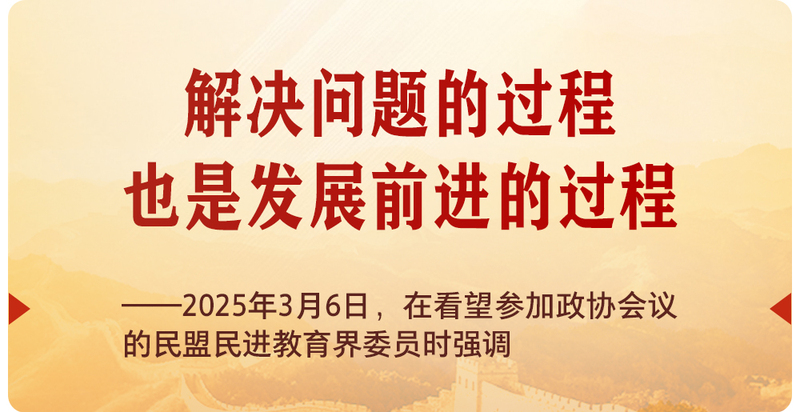
Group 1 - The core message emphasizes the importance of addressing problems as a pathway to development, highlighting a proactive approach to education and economic challenges [3] - Xi Jinping's focus on localized solutions and the importance of adapting strategies to specific regional characteristics is evident in discussions about rural tourism and revitalization [5] - The call for self-reform within the Communist Party is underscored, stressing the need for strong leadership and accountability in the face of complex governance challenges [10] Group 2 - The commitment to industrial development is highlighted, showcasing China's evolution into a leading manufacturing power through practical and pragmatic approaches [12] - The narrative of national rejuvenation is framed as an unstoppable historical process, emphasizing the collective spirit and determination of the Chinese people [13] - The principle of prioritizing the people's well-being is reiterated, with a focus on improving living standards and achieving common prosperity as central goals of economic and social development [17] Group 3 - The strategy of focusing on high-quality development and internal capabilities is presented as a response to external uncertainties, reinforcing the idea of self-reliance [19] - The call for unity and perseverance in the face of challenges is articulated, encouraging a spirit of resilience and ambition among the populace [15] - The overarching theme of modernization is linked to individual progress, with policies aimed at enhancing the quality of life for all citizens [17]

聚焦重点领域精准发力 扎实推动扩大内需战略落地见效
Xin Lang Cai Jing· 2025-12-25 22:30
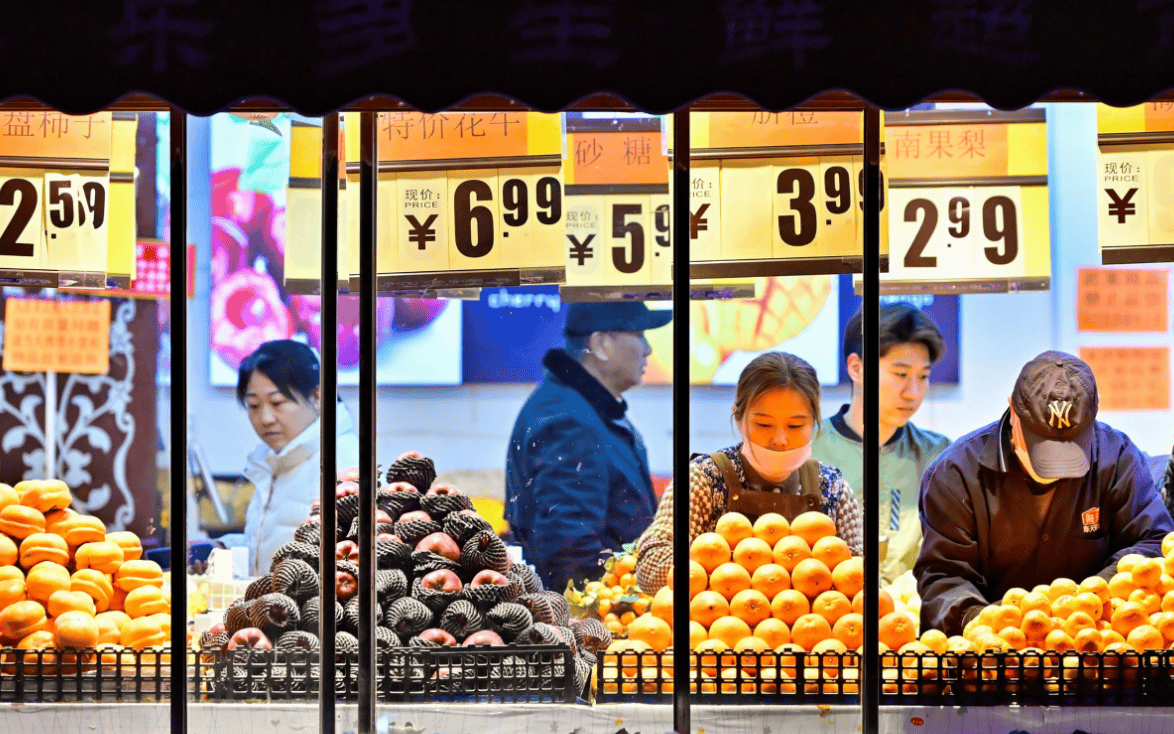
Core Viewpoint - The meeting emphasized that expanding domestic demand is a strategic foundation for building a new development pattern and is crucial for stimulating market vitality and countering external environmental changes [1] Group 1: Economic Strategy - The government aims to integrate the spirit of Xi Jinping's important article with the implementation of the 20th National Congress and the Central Economic Work Conference, focusing on core principles and practical requirements [1] - The strategy includes seizing national policy opportunities and actively participating in the construction of a unified national market [1] Group 2: Consumer and Investment Promotion - The government plans to continuously expand consumption scale by integrating consumption promotion with improving people's livelihoods, implementing a trade-in policy for consumer goods, and enhancing market vitality [2] - There is a focus on enriching new consumer supply by developing new cultural districts and high-quality consumption scenic spots, tapping into the potential of the health and wellness tourism industry, and accelerating real estate development [2] - The government aims to promote trade and expand the level of openness, including enhancing the quality of tax refund stores and optimizing inbound consumer services [2] Group 3: Project Planning and Support - The meeting highlighted the importance of project planning and reserves, focusing on new infrastructure, strategic emerging industries, and social welfare to support economic and social development during the 14th Five-Year Plan period [2]
以自身确定性应对外部不确定性
Xin Hua She· 2025-12-19 00:38
Group 1 - The core message emphasizes the importance of self-reliance and internal development in response to external uncertainties and challenges [1][2] - The focus on expanding domestic demand is highlighted as a strategic move for economic stability and security, with a commitment to prioritize domestic market construction in the upcoming economic tasks [3] - Innovation is identified as a key factor for overcoming challenges, with significant emphasis on technological advancements and the establishment of international innovation centers in major regions [4] Group 2 - The upcoming year marks the beginning of the "14th Five-Year Plan," underscoring the critical nature of economic work for achieving socialist modernization, regardless of global fluctuations [5]
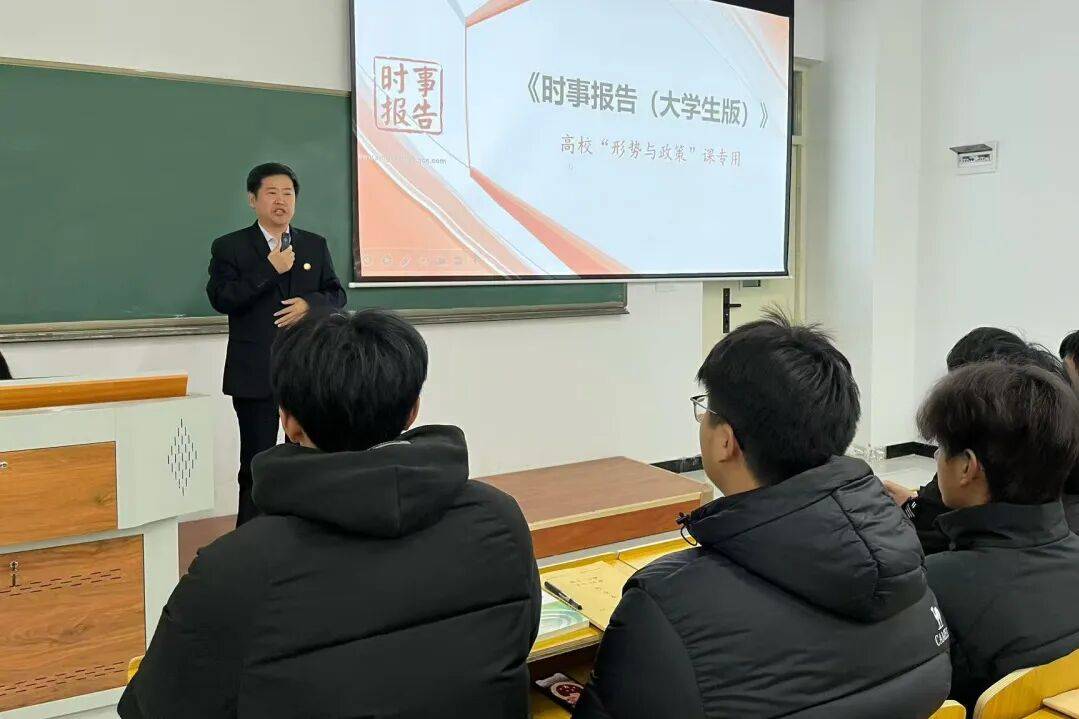
校党委书记王永全主讲专题思政课 引导学子正确认识中国经济形势
Sou Hu Cai Jing· 2025-12-18 04:42
Group 1 - The core theme of the lecture is the importance of correctly understanding China's economic hot issues, emphasizing the strategic deployment of promoting high-quality economic development and constructing a new development pattern as outlined in the 20th National Congress of the Communist Party of China [3] - The current period is critical for optimizing economic structure and transforming development momentum, with a focus on new productive forces, integration of the big health industry, and upgrading consumption quality, which are key areas for national development and personal value realization for youth [3] Group 2 - The integration of industry and education is highlighted as a crucial link to address economic hot issues and cultivate professional talent, particularly in the context of the food-related specialties [5] - Trends in the big health sector, such as smart health services, elderly health care, and community health management, require collaboration among schools, enterprises, and job positions to overcome talent bottlenecks [5] - The school's ongoing deepening of the industry-education integration model serves as an important bridge to meet economic demands and deliver high-quality talent [5]
学习手记|以自身确定性应对外部不确定性
Xin Hua She· 2025-12-17 14:48
Core Viewpoint - The central theme of the recent 2025 Central Economic Work Conference emphasizes the importance of self-reliance and internal development to navigate external uncertainties and challenges in the global landscape [5][7]. Group 1: Strategic Focus - The conference highlighted the need to maintain strategic determination and focus on internal affairs despite external pressures, advocating for a self-reliant approach to development [5][6]. - Xi Jinping's remarks during the conference reiterated the significance of building a strong domestic market and enhancing internal circulation to counteract international uncertainties [7][8]. Group 2: Economic Development - The emphasis on expanding domestic demand is positioned as a strategic move rather than a temporary measure, with the goal of stabilizing the economy and ensuring economic security [7]. - The National Development and Reform Commission plans to implement actions to boost consumption and relax restrictions on service consumption, while the Ministry of Commerce aims to enhance the supply of quality goods and services [7]. Group 3: Innovation and Technology - Innovation is identified as a key factor in overcoming challenges, with a focus on original innovation and tackling core technological issues as outlined in the "14th Five-Year Plan" [8]. - The conference proposed expanding international science and technology innovation centers in Beijing, Shanghai, and the Guangdong-Hong Kong-Macau Greater Bay Area to foster a robust environment for technological advancement [8]. Group 4: Future Outlook - The upcoming year marks the beginning of the "15th Five-Year Plan," making effective economic management crucial for achieving socialist modernization [9]. - The commitment to self-reliance and continuous improvement in capabilities is expected to align with favorable conditions for development, regardless of external challenges [9].
【真灼港股名家】美股周一延续跌势,中央经济工作会议日前举行
Sou Hu Cai Jing· 2025-12-16 02:13
Market Overview - US stock market continued its downward trend with technology stocks underperforming, leading to declines in all three major indices [2] - The US dollar remains weak, with the 10-year Treasury yield falling to 4.17%, while gold prices show strong performance and oil prices are under pressure [2] - Hong Kong pre-market securities generally declined, indicating a likely lower opening for the market [2] - The mainland Chinese stock market also saw declines, with the Shanghai Composite Index closing down 0.5% and trading volume decreasing [2] - The overall market sentiment in Hong Kong is cautious, with blue-chip stocks generally declining and expectations for the index to test support at 25,200 points, while resistance is seen at 26,000 points [2] Industry Insights - The Central Economic Work Conference emphasized the need for high-quality development and a new development pattern for the upcoming year, focusing on stabilizing economic growth and enhancing policy effectiveness [3] - Key priorities include expanding domestic demand, optimizing supply, and ensuring stability in employment, enterprises, and market expectations [3] - The conference highlighted the importance of maintaining a proactive fiscal policy with a fiscal deficit rate around 4% and a focus on managing local fiscal difficulties [3] - Monetary policy will remain moderately accommodative, with an emphasis on supporting economic stability, reasonable price recovery, and enhancing liquidity [3] - The market anticipates that the economic growth target will remain around 5% for the next year, with no strong measures expected to stimulate the macro economy [3]

实施居民增收计划,不只为了促消费 | 新京报专栏
Sou Hu Cai Jing· 2025-12-13 05:57
Core Viewpoint - The central economic work conference emphasizes the importance of expanding domestic demand and enhancing residents' income as a strategic priority for 2026, marking a shift from short-term consumption stimulation to a long-term strategy focused on income improvement and supply optimization [4][5][10]. Group 1: Domestic Demand Expansion - Expanding domestic demand has been a primary task for two consecutive years, reflecting a strategic shift to reduce reliance on external demand due to a complex global environment [4][5]. - China's foreign trade dependence has decreased from nearly 70% in 2006 to about 30% recently, indicating a need to focus more on domestic economic development [4]. - The current economic challenges include insufficient domestic effective demand, necessitating simultaneous efforts on both supply and demand sides to enhance consumption [4][6]. Group 2: Income Growth and Consumption - The introduction of the "Urban and Rural Residents' Income Growth Plan" signifies a transition from merely stimulating consumption to systematically improving income structures, aiming to create a sustainable economic momentum [5][10]. - The focus on enhancing consumption capabilities indicates a shift from short-term promotional strategies to long-term structural improvements in income [5][10]. - The plan aims to synchronize income growth with economic development, ensuring that labor remuneration increases alongside productivity [8]. Group 3: Investment and Policy Framework - The conference outlines a systematic policy framework centered on consumption and investment, with a focus on enhancing the quality of supply and optimizing the consumption environment [6][9]. - Government investment is expected to play a crucial role in stabilizing and stimulating private investment, with an emphasis on major national strategies and urban renewal projects [7][9]. - Future measures will likely include support for employment, wage increases, and enhancing farmers' income, alongside reducing burdens on households through optimized public spending [8][9]. Group 4: Financial Policy and Support - The monetary policy will prioritize guiding funds towards key areas such as technological innovation, green development, and consumption, reflecting a commitment to expanding domestic demand [10]. - Fiscal policies are anticipated to maintain necessary expenditure levels, with a projected fiscal deficit rate for 2026 not lower than 4% of GDP, supporting consumption-related sectors [9][10]. - The overall policy logic aims to enhance consumption capacity and optimize economic circulation, addressing current consumption weaknesses while laying the groundwork for a more robust domestic market in the long term [10][11].
乘势而上实现“十五五”良好开局
Jing Ji Ri Bao· 2025-12-13 01:01
Group 1 - The core viewpoint emphasizes the importance of solidifying foundations and comprehensively advancing economic work during the "15th Five-Year Plan" period to achieve the goal of basic socialist modernization by 2035 [1] - The Chinese economy has shown strong resilience and vitality, continuing to lead global economic growth despite external pressures and internal challenges during the "14th Five-Year Plan" [2] - There is a deep understanding of the opportunities and challenges in economic development, with a focus on addressing longstanding issues and new challenges while leveraging China's advantages for high-quality development [3] Group 2 - The meeting outlines five essential insights for strategic planning, emphasizing the need for high-quality development to address uncertainties in the international competition landscape [4] - The methodology for effective economic work is rooted in the centralized and unified leadership of the Party, which is crucial for transforming institutional advantages into governance effectiveness [5] - The emphasis is placed on the role of major economic provinces in leading and driving growth, while other regions are encouraged to showcase their strengths and contribute to the overall economic advancement [5]
纵深推进全国统一大市场建设 一盘棋畅通大循环
Jing Ji Ri Bao· 2025-12-07 04:20
Core Viewpoint - The 14th Five-Year Plan emphasizes the construction of a unified national market as a key goal for economic and social development, aiming to accelerate the establishment of a new development pattern and eliminate barriers to market construction [1] Group 1: Market Advantages and Development - The super-large-scale market is a significant advantage for China's development, and leveraging this advantage involves deepening the construction of a unified national market to create a high-standard market system [2] - The key to constructing a new development pattern lies in ensuring smooth economic circulation, which requires utilizing the advantages of a super-large market to enhance domestic circulation and attract global resources [2] - A strong domestic market is characterized not only by its larger scale but also by more complete institutional rules and optimized structures, serving as a robust engine for high-quality economic development [2] Group 2: Current Challenges and Solutions - The current era presents both strategic opportunities and risks, necessitating the establishment of a fair and open unified national market to facilitate resource flow and reduce transaction costs [3] - Breaking down market barriers, improving infrastructure connectivity, and refining policy systems are essential for ensuring smooth economic circulation [4] - The reduction of market access negative lists from 328 to 106 items and the clearance of over 4,200 policies hindering resource flow demonstrate progress in this area [4] Group 3: Basic Requirements for Market Construction - The "Five Unifications and One Openness" framework is essential for advancing the unified national market, focusing on unified basic systems, infrastructure, and regulatory enforcement [5] - The unified national market is envisioned as a platform for both domestic and international dual circulation, promoting global business engagement [5][6] Group 4: Addressing Competition Issues - Addressing "involution" in various industries is a critical challenge in advancing the unified national market, requiring the rectification of chaotic low-price competition and local investment promotion practices [7] - Recent measures, including the release of guidelines for unified market construction and the implementation of fair competition review regulations, aim to tackle these challenges [7] Group 5: Strategic Phase and Government Role - The 14th Five-Year period is crucial for the construction of a unified national market, necessitating a balance between effective markets and proactive government intervention to create a well-regulated economic order [8]
【“十五五”经济社会发展主要目标解读】纵深推进全国统一大市场建设
Jing Ji Ri Bao· 2025-12-07 02:52
Core Viewpoint - The construction of a unified national market is established as a key goal for economic and social development during the "14th Five-Year Plan" period, aiming to enhance the domestic market and eliminate barriers to market integration [1] Group 1: Market Advantages and Development - The super-large-scale market is a significant advantage for China's development, and leveraging this advantage involves deepening the construction of a unified national market to create a high-standard market system [2] - The key to constructing a new development pattern lies in ensuring smooth economic circulation, which requires utilizing the advantages of a super-large market to enhance domestic circulation and attract global resources [2] - A strong domestic market is characterized not only by its larger scale but also by more complete institutional rules and optimized structures, serving as a robust engine for high-quality economic development [2] Group 2: Current Challenges and Solutions - The current era is marked by both strategic opportunities and risks, necessitating the establishment of a fair and open unified national market to facilitate resource flow and reduce transaction costs [3] - Breaking down market barriers, improving infrastructure connectivity, and refining policy systems are essential for achieving smooth economic circulation [4] - The reduction of market access negative lists from 328 to 106 items demonstrates progress in removing obstacles to resource flow [4] Group 3: Basic Requirements for Market Construction - The "Five Unifications and One Opening" are fundamental requirements for advancing the construction of a unified national market, emphasizing the need for consistent market basic systems and infrastructure [5] - Unified market regulation and enforcement are crucial for maintaining order and efficiency in resource allocation, directly impacting the experiences of market participants [5] Group 4: Focus Areas for Improvement - Addressing issues of "involution" in various industries is a significant challenge in advancing the unified national market, requiring targeted actions against low-price competition and local protectionism [7] - Recent practical measures, such as the release of the "Guidelines for the Construction of a Unified National Market," aim to tackle these challenges and stimulate market potential [7] - The "14th Five-Year" period is identified as a critical phase for the construction of a unified national market, necessitating a balance between effective markets and proactive government intervention [8]