
新质生产力培育

Search documents
全国人大代表陈阳:把产业链上下游的痛点摸得更准
Ren Min Ri Bao· 2026-02-27 05:34
Group 1 - The core viewpoint emphasizes the need for policy support in aquaculture to mitigate risks associated with environmental factors, such as typhoons, which can significantly impact the livelihoods of fish farmers [1][2] - A proposal was submitted to promote inclusive coverage of aquaculture insurance, with the Ministry of Agriculture and Rural Affairs responding positively and indicating collaboration with financial regulatory bodies to enhance the insurance system for fisheries [1] - The representative is focusing on three key areas: healthy aquaculture, ecological balance, and safety of inputs, highlighting the importance of not only increasing production but also ensuring ecological sustainability and product safety [2][3] Group 2 - The representative's role has expanded from a single production line to a broader industry perspective, emphasizing the responsibility to voice the concerns of those in the field [2] - Continuous innovation and follow-up on established topics in aquaculture are necessary to address both technical and policy-related challenges, ensuring that the industry can grow sustainably [2] - The commitment to quality control in aquaculture is underscored, with a focus on accurate data and reliable testing to support the industry's integrity and the farmers' confidence [3]
陈阳代表:把产业链上下游的痛点摸得更准
Ren Min Ri Bao· 2026-02-27 03:13
Group 1 - The core viewpoint emphasizes the need for policy support in the aquaculture industry to mitigate risks associated with environmental factors, such as typhoons, which can significantly impact farmers' livelihoods [1][2] - The representative, Chen Yang, is advocating for the development of a comprehensive insurance system for aquaculture to ensure financial security for farmers, with the Ministry of Agriculture and Rural Affairs responding positively to this initiative [1][2] - Chen Yang's focus areas include healthy aquaculture, ecological balance, and safety of inputs, highlighting the importance of not only increasing production but also maintaining ecological integrity and product safety [2][3] Group 2 - The representative's role has expanded from a single production line to a broader industry perspective, emphasizing the responsibility to voice the concerns of those in the field [2] - Continuous innovation and follow-up on established topics in aquaculture are necessary to address both technical and policy-related challenges in the industry [2] - The commitment to quality control in aquaculture is underscored, with a focus on accurate data and reliable testing to support the industry's integrity and the livelihoods of farmers [3]
把产业链上下游的痛点摸得更准(实干显担当 同心启新程·代表委员履职故事)
Ren Min Ri Bao· 2026-02-27 01:21
Core Viewpoint - The article highlights the efforts of Chen Yang, a representative of the National People's Congress, in advocating for better policies to support the aquaculture industry, particularly focusing on the need for insurance coverage to mitigate risks faced by fish farmers due to environmental factors like typhoons [1][2]. Group 1: Policy Advocacy - Chen Yang emphasizes the importance of advocating for policies that address the pain points of aquaculture practitioners, particularly the need for a comprehensive insurance system to protect against environmental risks [1]. - In 2025, Chen Yang plans to submit further recommendations aimed at promoting inclusive insurance coverage for aquaculture, which has received positive feedback from the Ministry of Agriculture and Rural Affairs [1][2]. Group 2: Industry Insights - The representative's role has expanded her perspective from a single production line to a broader industry view, allowing her to address the concerns of workers in the field and promote solutions for sustainable aquaculture practices [2]. - Key focus areas include healthy farming practices, ecological balance, and the safety of inputs, which are essential for ensuring the industry's sustainable growth [2]. Group 3: Commitment to Quality - Chen Yang's commitment to quality control in her role as a quality inspector is crucial, as the quality of feed directly impacts the annual yield for farmers, highlighting the need for precise and reliable testing [1][3]. - The representative aims to connect various stakeholders in the aquaculture supply chain to better understand and address the industry's challenges, particularly in areas like technological innovation and green transformation [2].
陈阳代表——把产业链上下游的痛点摸得更准(实干显担当 同心启新程·代表委员履职故事)
Ren Min Ri Bao· 2026-02-26 22:11
Core Viewpoint - The article highlights the importance of policy support for the aquaculture industry, emphasizing the need for a comprehensive insurance system to mitigate risks faced by fish farmers, particularly from natural disasters like typhoons [1][2]. Group 1: Policy Advocacy - A national representative is advocating for the expansion of aquaculture insurance to provide better coverage for fish farmers, addressing the significant risks they face from environmental factors [1]. - The Ministry of Agriculture and Rural Affairs has responded positively to the proposal, indicating a commitment to further research on the establishment of a policy insurance system for the fishing industry [1]. Group 2: Industry Challenges - The representative has identified key focus areas for the aquaculture sector, including healthy farming practices, ecological balance, and safety of inputs, which are critical for sustainable development [2]. - There is a call for the industry to not only focus on production volume but also consider ecological and safety aspects, highlighting the need for innovative and targeted policy suggestions [2]. Group 3: Quality Control and Assurance - The representative emphasizes the importance of quality control in aquaculture, stating that the quality of feed directly impacts the annual yield for farmers, thus underscoring the need for precise and reliable testing [1][3]. - The commitment to maintaining high standards in quality assurance is seen as essential for building trust and ensuring the sustainability of the aquaculture industry [3].
中国开始真反内卷了?这背后是一场产业革命级重构!
Sou Hu Cai Jing· 2026-02-25 11:52
Core Viewpoint - The manufacturing industry is facing intense price wars, leading to thinner profit margins and inadequate R&D investment, which in turn affects product quality. Despite impressive international surplus figures, increasing anti-dumping measures and tariffs from Europe and the U.S. pose significant challenges for domestic industries [2]. Group 1: Price Competition and Regulatory Actions - The Central Financial Committee's meeting on July 1, 2025, emphasized the need to regulate low-price competition and promote quality improvement while facilitating the exit of outdated production capacity [4]. - Major companies in the photovoltaic glass industry agreed to collectively reduce production by 30%, lowering supply to approximately 45 GW [5]. - The automotive industry introduced compliance guidelines for pricing, while the Ministry of Agriculture held discussions on capacity regulation in the pig farming sector [7]. Group 2: Capacity Reduction and Market Regulation - The governance of overcapacity is being effectively addressed, with companies in the photovoltaic glass sector reducing output through various methods, and the steel and cement industries adopting staggered production practices [12]. - Regulatory bodies are actively checking local financial subsidies, correcting violations, and ensuring that resources are concentrated in more efficient sectors [12][14]. - The exit of outdated capacity is being managed with precision, supported by industry associations providing cost reference data and regulatory enforcement against below-cost sales [14]. Group 3: Development of New Productive Forces - The shift from low-end price competition to high-quality development is being prioritized, with resources redirected towards key sectors such as chip manufacturing and quantum computing [16]. - Increased R&D investment and enhanced collaboration between academia and industry are accelerating the transformation of technological achievements [16]. - The manufacturing sector is experiencing marginal improvements in investment, with traditional industries undergoing digital transformation and emerging industries expanding [16]. Group 4: Economic and Market Implications - The combined efforts to combat internal competition and build a unified market are alleviating supply-demand mismatches, leading to moderate price increases and improved corporate profits [18]. - Structural policies are being precisely targeted at key areas, with macroeconomic policies maintaining a stable expansion, which is expected to enhance A-share corporate profit growth [19]. - The overall process aims to transition from a reliance on scale and low prices to a market-driven resource allocation, fostering a healthier industry ecosystem [21].

我国不断增强技能培训质量和效果
Xin Hua She· 2026-02-20 14:13
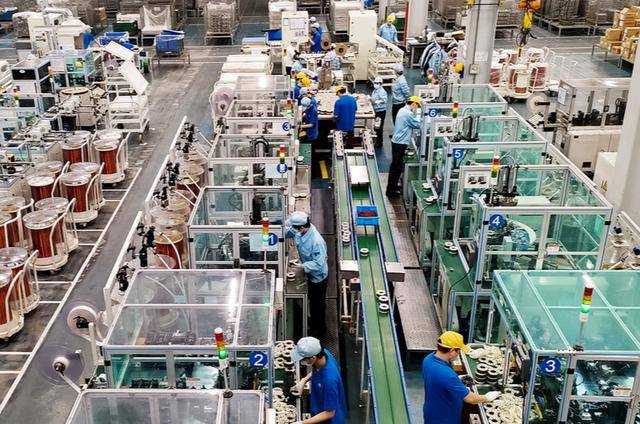
Group 1 - The core initiative for 2025 is the "Skills Illuminate the Future" training action, aiming for large-scale vocational skills enhancement training with a focus on a linked model of "job demand + skills training + skills evaluation + employment services" to improve training quality and effectiveness [1] - The Ministry of Human Resources and Social Security plans to conduct over 11 million subsidized training sessions throughout the year, assisting workers in achieving skill-based employment and income growth [1] - The training will target key sectors such as manufacturing, digital talent, long-term care, elderly care, domestic services, transportation, and cultural relic restoration, addressing the differentiated training needs of groups like college graduates and migrant workers [1] Group 2 - In 2026, the focus will shift to "investing in people," continuing the "Skills Illuminate the Future" training action to better serve industrial development and closely link talent cultivation with employment [2] - The goal is to make training benefits more tangible and accessible, guiding more workers towards skill-based success and employment [2]
杜玉杰带队走访市工商联执委企业
Sou Hu Cai Jing· 2026-02-14 04:20
Group 1 - The Deputy Mayor of the city, Du Yujie, visited several local enterprises to discuss development and extend New Year greetings [1][3] - Du Yujie emphasized the importance of 2026 as a critical year for enhancing the quality and efficiency of the private economy, and the city government will continue to support private sector development [2][3] - Local entrepreneurs expressed gratitude for the government's support and committed to transforming this encouragement into motivation for high-quality development [4] Group 2 - The discussions included topics such as technological innovation, market expansion, and the cultivation of new productive forces [2][3] - The city government aims to optimize the business environment and implement policies to alleviate difficulties faced by enterprises [2][3] - The event was attended by key officials, including the Deputy Secretary of the Municipal United Front Work Department and the Deputy Secretary-General of the city government [5]
郑州产业技术创新研究院第一届理事会第一次会议召开
Zheng Zhou Ri Bao· 2026-02-12 00:46
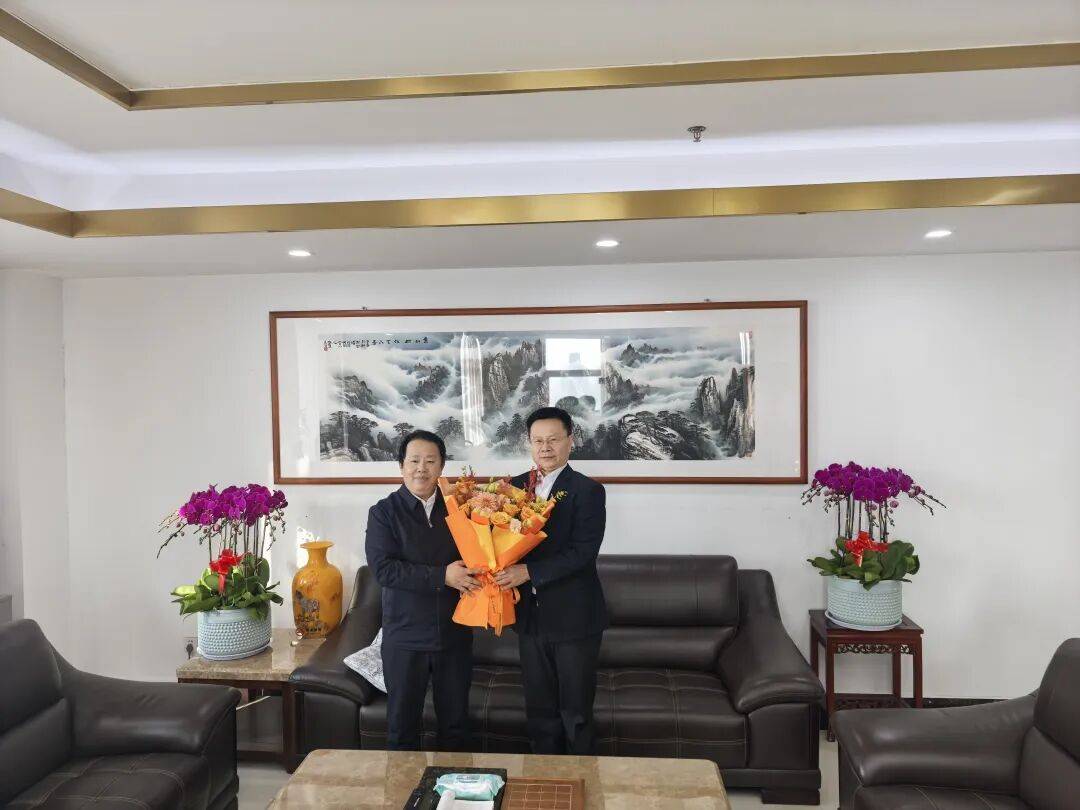
Core Viewpoint - The establishment of the Zhengzhou Industrial Technology Innovation Research Institute aims to enhance regional collaboration and drive high-quality development through technological and industrial innovation [1][2]. Group 1: Meeting Highlights - The first meeting of the first council of the Zhengzhou Industrial Technology Innovation Research Institute was held on February 11, attended by key city leaders and the director of the Yangtze River Delta National Technology Innovation Center [1]. - Mayor Zhuang Jianqiu emphasized the importance of technology as the primary productive force, talent as the primary resource, and innovation as the primary driving force for development [1]. Group 2: Strategic Goals - The meeting is seen as a significant step in fostering cross-regional cooperation with the Yangtze River Delta National Technology Innovation Center, aiming to reform the technological system and mechanism by learning from advanced regions [2]. - The city aims to enhance its role as a "testbed" for institutional reform, a "source" for cultivating new productive forces, and a "bridge" for cross-regional collaborative innovation [2]. Group 3: Collaborative Framework - The focus is on deep integration and efficient collaboration, with an emphasis on integrated project evaluation, team management, global resource allocation, and collaborative technological breakthroughs [2]. - The goal is to create a strong innovation community that serves as a "demonstration body" for institutional innovation, an "accelerator" for technological leaps, a "strong magnet" for talent, and a "new benchmark" for regional collaboration [2].
满怀热忱赴盛会 履职尽责献良策
Zheng Zhou Ri Bao· 2026-02-06 00:55
Group 1 - The Zhengzhou Municipal Political Consultative Conference is focusing on economic and social development, with members discussing various proposals to enhance local growth and cultural integration [1][2][3] - A proposal to develop an indoor ice and snow complex in Zhengzhou aims to capitalize on the ice and snow economy, integrating transportation and commercial elements [1] - The transformation of Zhengzhou and Kaifeng's integration is shifting from infrastructure connectivity to cultural and industrial collaboration, emphasizing the importance of shared historical and emotional ties [2] Group 2 - Support for small and micro enterprises is seen as vital for economic vitality and job creation, with suggestions for increased policy awareness and digital training [3] - The establishment of a family-friendly society is proposed to address aging and childcare issues, advocating for a comprehensive support system across various sectors [3] - The conference aims to gather insights and strategies for high-quality development in Zhengzhou, focusing on national center city construction and improving public welfare [3]
并购贷款扩容是机遇也是挑战
Xin Lang Cai Jing· 2026-01-25 22:24
Core Viewpoint - The implementation of the new regulations on merger and acquisition (M&A) loans marks a significant shift in the banking sector, enabling banks to better support the real economy through innovative financing solutions [1][2]. Group 1: Regulatory Changes and Innovations - The new regulations have expanded the scope of M&A loans to include equity investments, allowing for a minimum shareholding of 20% in qualifying transactions, thus facilitating strategic investments and financing for emerging industries [2][3]. - Financing conditions have been optimized, with the loan-to-value ratio for controlling acquisitions increased to 70% and the maximum loan term extended to 10 years, significantly reducing the financial burden on acquirers, particularly in capital-intensive sectors [2][3]. - A differentiated regulatory framework has been established, setting tiered operational thresholds based on asset size and implementing quota controls to mitigate systemic risks from inadequate banking capabilities [2][3]. Group 2: Challenges and Opportunities for Banks - The new regulations present both opportunities and challenges for commercial banks, necessitating enhancements in three key areas: professional risk control capabilities, industry analysis capabilities, and compliance execution capabilities [3]. - Banks must develop differentiated valuation models to address management risks associated with non-controlling equity stakes and focus on supporting mergers aligned with national strategic policies while avoiding high-premium, non-synergistic projects [3]. - Compliance with differentiated operational thresholds and quota limits is crucial to prevent regulatory evasion through transaction splitting or related credit extensions [3]. Group 3: Market Trends and Future Outlook - The M&A loan business is poised for both scale and quality improvements, with current M&A loans accounting for less than 5% of total bank loans, yet experiencing rapid growth in specific sectors such as renewable energy, high-end manufacturing, and new materials [3]. - The innovative measures introduced by the new regulations are effectively addressing the financial needs of enterprises for cross-regional integration and industrial chain upgrades, providing robust financial support [3][4]. - Continuous implementation of M&A loans serves as a practical application of financial services to the real economy and a beneficial attempt at institutional innovation to stimulate market vitality [4].