
楼市新政

Search documents
上海楼市迎来新一轮新政 专家:有助于稳定市场预期
Sou Hu Cai Jing· 2026-02-25 07:40
2026年开年,上海楼市迎来新一轮楼市新政。 2月25日,上海市住房城乡建设管理委、市房屋管理局、市财政局、市税务局、市公积金管理中心等五部 门联合印发《关于进一步优化调整本市房地产政策的通知》(以下简称"新七条"),并自2026年2月26日 起施行。此次新政涉及限购政策调减、公积金政策优化和完善个人住房房产税政策等三大项内容。 新政明确,调减非沪籍居民购房缴纳社保年限。对非本市户籍居民家庭或成年单身人士购买外环内住房 的,购房所需缴纳社会保险或个人所得税的年限从目前"满3年及以上"调减为"满1年及以上"。 严跃进指出,这充分说明非沪籍家庭在上海购房的门槛进一步降低,或等待成本在下降。在非沪籍家庭满 足1年社保的情况下,政策前仅可认购外环外的住房,而现在则扩大至全市。 | 调整前 | 调整后 | | --- | --- | | 1(外环内)+H(外环外) | 2(外环内)+N(外环外) | 同时,立足职住平衡、住房改善等需求,此次"新七条"明确符合条件的非沪籍居民家庭可增购1套住房。 对在本市缴纳社会保险或个人所得税满3年及以上的非本市户籍居民家庭或成年单身人士,在执行现有住 房限购政策基础上,可在外环内增购 ...


官方出手收房!2026楼市新政落地,今明两年该不该买房卖房?
Sou Hu Cai Jing· 2026-02-19 12:02
Core Viewpoint - The real estate market is transitioning from "rescue" to "stabilization," with government and state-owned enterprises initiating second-hand housing acquisition plans to convert old and new properties into affordable rental housing or talent apartments, signaling a solid policy foundation and gradually restoring market confidence [1] Policy Core: Unblocking Circulation, Stabilizing Expectations - The new policy's core logic is "old for new, acquisition as a safety net," addressing homeowners' difficulties in selling old properties while converting acquired housing into affordable housing to alleviate rental pressure for new citizens and young people [3] - Specific measures include the acquisition of small and medium-sized old houses in districts like Shanghai's Pudong and Jing'an, the use of "purchase vouchers" in Hangzhou to offset new home payments, and a 1% subsidy for state-owned enterprises acquiring existing homes in Chongqing, effectively unblocking the housing exchange chain [3] - For ordinary homebuyers, policy benefits manifest in reduced costs, with the personal sales tax on homes sold within two years decreasing from 5% to 3%, and those sold after two years being exempt; the average monthly payment for first-time homebuyers is reduced by over 60 yuan due to lower public housing loan rates [3] Market Status: Increasing Divergence, Rational Return - The current real estate market shows a divergence pattern where core cities remain stable while suburban areas face pressure; first-tier cities like Beijing, Shanghai, Guangzhou, and Shenzhen maintain resilient prices due to population inflow and industrial clustering [4] - Strong second-tier cities like Hangzhou and Chengdu benefit from talent policies, while third and fourth-tier cities still need to rely on price reductions to increase sales volume due to inventory and population outflow [4] - The policy emphasizes "city-specific measures," indicating that high-quality properties in core locations will have stronger value retention, while remote areas may face long-term adjustment risks [4] Future Trends: From "Housing for All" to "Quality Living" - The Ministry of Housing is promoting the sale of existing homes and strictly controlling pre-sale funds to fundamentally reduce the risk of unfinished projects; many regions are piloting "equal rights for renting and purchasing," accelerating the coverage of affordable rental housing for new citizens [8] - The future real estate market will focus more on living quality rather than speculative investments [8] Conclusion - The 2026 real estate market is characterized by reduced anxiety and panic, replaced by rationality and hope; under the backdrop of policy support and market divergence, buying and selling should be approached with prudence and adaptability [9] - For ordinary individuals, housing is no longer a wealth code but a harbor for family, with a healthier and more stable real estate market expected to return to the essence of life [9]
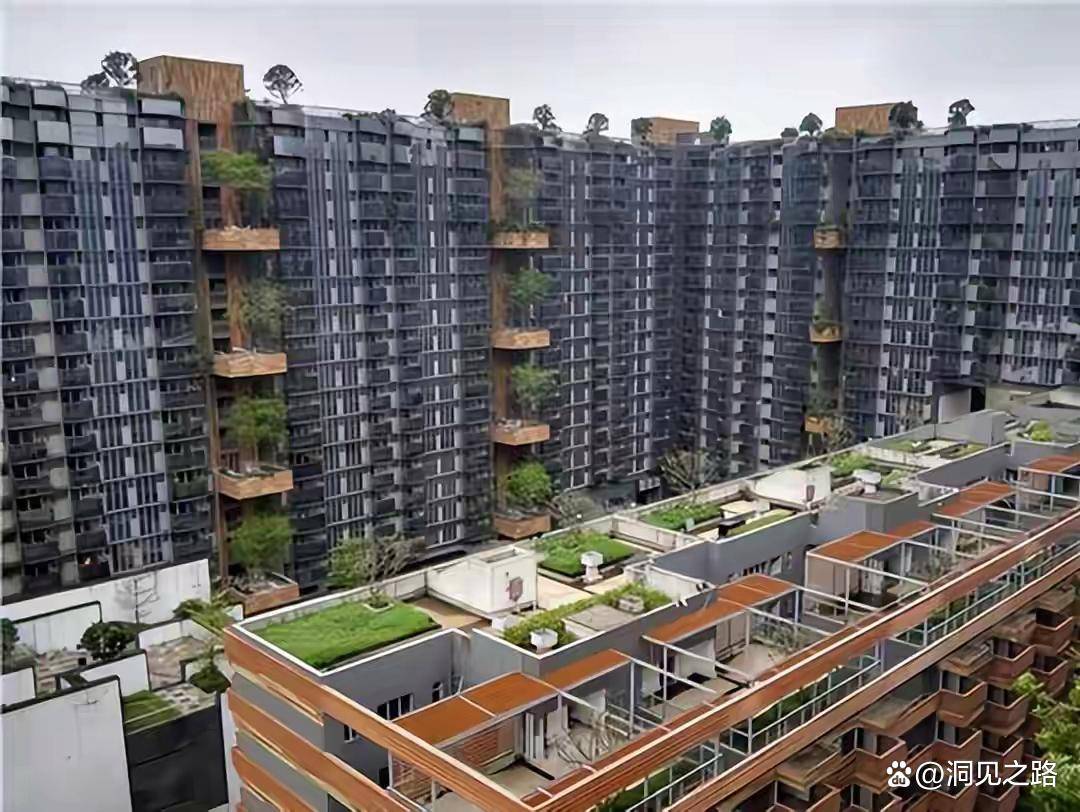
新一轮楼市新政密集落地,多地推出多重利好
Feng Huang Wang· 2026-02-16 02:29
Core Viewpoint - A new round of real estate market optimization policies has been implemented across multiple regions in China, aimed at lowering home purchase barriers and stimulating housing consumption during the Spring Festival period [1][2][3]. Group 1: Policy Measures - Various cities, including Huizhou and Dongguan, have introduced new policies that encompass increased housing provident fund loan limits, home purchase subsidies, and relaxed credit conditions [2][3]. - In Huizhou, the maximum loan amount for first-time homebuyers has been raised to 500,000 yuan for individuals and 900,000 yuan for families, while second-home buyers can access up to 400,000 yuan for individuals and 700,000 yuan for families [2]. - Special provisions for talent categories have been established, with higher loan limits for first and second homes, reaching up to 1.5 million yuan for individuals and 2 million yuan for families for Class I talents [2][3]. Group 2: Regional Initiatives - Other regions, such as Chongqing, Tianjin, and Gansu, have also rolled out new real estate policies focusing on similar areas, including loan limit adjustments and targeted support for families with multiple children [4][3]. - Dongguan has announced a home purchase subsidy of 2% of the total contract price, capped at 30,000 yuan, for new home purchases made between January 1 and March 31, 2026 [3]. Group 3: Promotional Activities - Many cities are organizing return-home housing events, combining policy benefits with promotional offers from real estate companies to stimulate demand during the Spring Festival [5][6]. - In Huizhou, a promotional event called "Spring Purchase Festival" has been launched, featuring over 100 properties with various incentives such as free parking spaces and home appliance packages [5]. - In Hubei, a series of return-home housing activities have been initiated, including financial incentives for home purchases, aimed at attracting residents back to the province [7].
牛市早报|沪深北交易所宣布优化再融资一揽子措施
Sou Hu Cai Jing· 2026-02-10 00:16
Market Data - As of February 9, the Shanghai Composite Index rose by 1.41% to 4123.09 points, the Sci-Tech Innovation 50 Index increased by 2.51% to 1458.16 points, the Shenzhen Component Index climbed by 2.17% to 14208.44 points, and the ChiNext Index surged by 2.98% to 3332.77 points [1] - On the same day, all three major U.S. stock indices closed higher, with the Dow Jones Industrial Average up by 0.04% to 50135.87 points, the S&P 500 Index rising by 0.47% to 6964.82 points, and the Nasdaq Composite Index increasing by 0.9% to 23238.67 points [1] - International oil prices rose on February 9, with light crude oil futures for March delivery increasing by $0.81 to $64.36 per barrel, a rise of 1.27%, and Brent crude oil futures for April delivery up by $0.99 to $69.04 per barrel, a rise of 1.45% [1] Financial News - On February 9, the Shanghai Stock Exchange, Shenzhen Stock Exchange, and Beijing Stock Exchange launched a package of measures to optimize refinancing, aimed at enhancing flexibility and convenience for technology innovation and new productivity development. The measures include increased support for quality listed companies, better adaptation to the refinancing needs of tech innovation enterprises, enhanced refinancing flexibility, and strengthened regulatory oversight throughout the refinancing process [2] - The Ministry of Commerce held a meeting on February 6 to discuss automotive consumption, emphasizing the potential for expanding automobile consumption in China. The ministry plans to implement policies to support and innovate in the automotive sector, including optimizing the vehicle trade-in program and conducting pilot reforms in automotive circulation [2] - The Ministry of Human Resources and Social Security, along with other departments, is working to protect the rights of workers in new employment forms, conducting administrative guidance for 16 companies including Meituan and Didi, requiring them to improve labor management and ensure worker rights [3] - The State Administration for Market Regulation announced new regulations for the management of bulk liquid food transportation, establishing a comprehensive system for safety and traceability in this sector [4] - The China Futures Industry Association reported that in January 2026, the national futures market saw a trading volume of 9.12 billion contracts and a turnover of 100.26 trillion yuan, representing year-on-year increases of 65.09% and 105.14%, respectively, indicating active trading and support for high-quality economic development [4] - On February 9, Chongqing introduced new policies to stabilize the real estate market, proposing 22 measures to optimize housing supply, reduce purchasing costs, and encourage transactions, including subsidies and increased support for loans [4] - On February 9, Zhongke Shuguang announced plans to issue convertible bonds to raise up to 8 billion yuan, marking the first refinancing proposal following the new refinancing policies [5]
新政满月,北京五环外新房成交活跃
Bei Jing Wan Bao· 2026-01-29 03:05
Core Insights - The new housing policy in Beijing, implemented on December 24, has shown positive effects on the market, with a 6.3% month-on-month increase in new residential property registrations as of January 25, totaling 0.3 million units [1] - The policy allows non-Beijing residents to purchase homes within the Fifth Ring Road after two years of social security or tax payments, and only one year for areas outside the Fifth Ring [1] - Increased market activity is evident, particularly in areas outside the Fifth Ring, with a reported 15% to 20% increase in customer visits and a 10% increase in sales for some projects [1] Market Activity - The new policy has led to a noticeable uptick in the number of potential buyers visiting sales offices, with one project reporting over 1,000 units signed in four months [1] - Real estate agents have reported successful transactions, primarily from previous inquiries, indicating a shift in buyer confidence [1] - Prices in the outer Fifth Ring remain stable, while disparities in pricing across different regions of Beijing are becoming more pronounced [1] Expert Analysis - The new policy has effectively stimulated the market outside the Fifth Ring, while core areas within the Fifth Ring are experiencing stable price increases [1] - The current market trend suggests a divergence in pricing strategies, with some suburban areas adopting a "price for volume" approach [1]
北京楼市新政满月观察
Feng Huang Wang· 2026-01-29 01:02
Core Viewpoint - The new real estate policy in Beijing has led to a significant increase in second-hand housing transaction volumes and improved conversion rates for quality new homes, although regional and project differentiation remains evident [1][2][4]. Market Performance Post-New Policy - Following the implementation of the new policy on December 24, 2025, the transaction volume for second-hand homes increased by 33% from the previous month [2]. - Market activity indicators such as new customer inquiries and property viewings rose by 14% and 18%, respectively, during the same period [2]. - The average daily registration of new residential properties reached 96 units, marking a 4.3% increase compared to the pre-policy period [2]. Factors Contributing to Market Improvement - Improved market expectations due to the recent policy changes have positively influenced the market sentiment [3]. - The new policy has led to a concentration of signings, with its long-term effects expected to gradually manifest [3]. - Seasonal trends typically see a natural market recovery in the first quarter, further supported by the timing of the upcoming Spring Festival [3]. Buyer Behavior and Market Dynamics - First-time buyers are currently the dominant force in the market, driven by year-end bonuses and the typical seasonal uptick in demand [3]. - The market is showing a preference for entry-level housing, particularly in suburban areas and secondary centers [3]. - The overall market is characterized as a buyer's market, with both buyers and sellers exhibiting more rational attitudes towards pricing [4]. Structural Differentiation in the Market - There is a notable structural differentiation in market performance, with premium projects in core areas benefiting significantly from the new policy, while suburban and non-core projects show weaker performance [4]. - The number of second-hand residential listings has decreased, indicating a stabilization in seller expectations and early signs of market bottoming [4]. Overall Market Outlook - In 2025, second-hand homes accounted for 81% of total residential transactions in Beijing, with a significant portion of sales concentrated in properties priced below 3 million yuan [5]. - The market is expected to continue its slow recovery, with ongoing structural inventory pressures and a potential for improved demand as policies remain supportive [6]. - The differentiation between new and second-hand homes is becoming more pronounced, with new homes targeting higher-end buyers while second-hand homes are trending towards lower price points [6].
北京楼市新政满月:热点学区房成交放量
第一财经· 2026-01-27 07:07
Core Viewpoint - The recent policy changes in Beijing's real estate market have led to increased activity, with a notable rise in transaction volumes and buyer interest, particularly in school district properties [4][5][9]. Group 1: Policy Impact - The new policy, effective from December 24, 2025, has relaxed social security requirements for non-Beijing residents and allowed multi-child families to purchase an additional property within the Fifth Ring Road, expanding the potential buyer pool [4][5]. - Following the policy announcement, project visitations increased by approximately 19% month-on-month, with transaction volumes rising by about 11% [4][5]. - The policy has particularly benefited three groups: non-Beijing first-time buyers, multi-child families, and those looking to upgrade their homes due to reduced down payment requirements for second homes [5][9]. Group 2: Market Activity - Data from Beijing Chain Home indicates that the transaction volume for second-hand homes increased by 33% in the month following the policy announcement compared to the previous month [5][8]. - The average daily net signing of new residential properties reached 96 units, reflecting a 4.3% increase from before the policy was implemented [5]. - School district properties have seen a significant uptick in transactions, with some areas reporting increases in sales volume comparable to peak seasons [8]. Group 3: Market Outlook - Experts suggest that the market is showing signs of stabilization, with a potential gradual recovery in both new and second-hand markets, although disparities between regions and projects remain [9]. - The overall market sentiment is expected to improve further, supported by ongoing policy adjustments and a favorable economic environment [9].
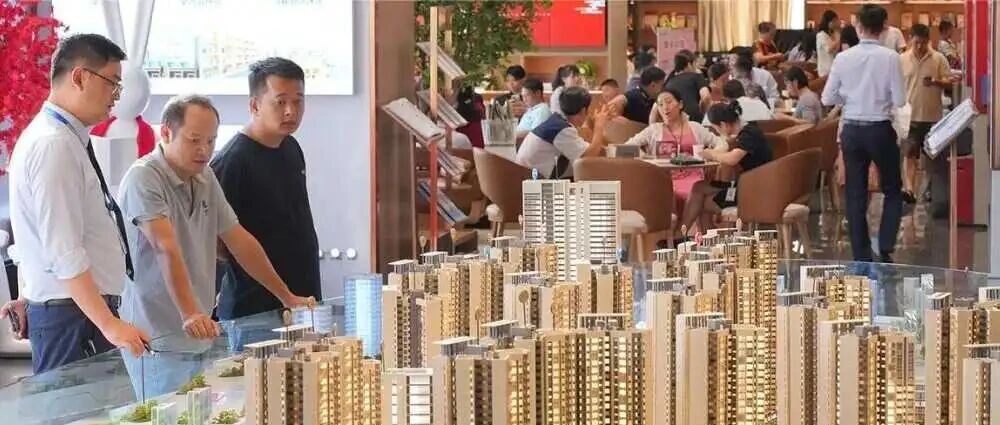
北京楼市新政满月:热点学区房成交放量
Di Yi Cai Jing· 2026-01-27 06:29
Core Insights - The Beijing real estate market is showing signs of improvement following the implementation of the "12·24" policy, with increased transaction volumes and buyer interest [1][2][3] Group 1: Market Activity - Overall transaction volume in certain districts has significantly increased, with some school district properties showing price stabilization [1] - After the policy was introduced, monthly visitations to projects rose by approximately 20%, and transaction numbers increased by over 10% [1][2] - According to Beijing Lianjia, the transaction volume of second-hand homes increased by 33% in the month following the policy implementation [7] Group 2: Policy Impact - The new policy has relaxed social security requirements for non-Beijing residents and allowed multi-child families to purchase an additional property within the Fifth Ring Road, expanding the potential buyer pool [2][3] - The minimum down payment for second home public housing loans has been reduced from 30% to 25%, easing financial pressure on buyers [2][3] - The policy is expected to support market activity, although structural inventory pressures remain [1][3] Group 3: Buyer Demographics - The policy primarily benefits three groups: non-Beijing first-time buyers, multi-child families, and buyers looking to upgrade their homes [3][5] - There has been a notable increase in interest from low-price first-time buyers and those previously hesitant to enter the market [2][3] Group 4: Market Trends - The second-hand housing market is currently the dominant force in Beijing's real estate sector, accounting for 81% of total transactions [5] - Following the policy, prices for small units in desirable school districts have seen a slight increase of approximately 100,000 to 150,000 yuan [6] - The overall market is showing signs of stabilization, with a potential gradual recovery expected in the coming months [7][8]
北京楼市新政满月:中介平台二手房交易量提升三成,优质新房来访转化率提升
Xin Lang Cai Jing· 2026-01-27 00:11
Core Viewpoint - The recent policy adjustments in Beijing's real estate market have led to a significant increase in transaction volumes and market activity, particularly in the second-hand housing sector, although regional and project-level disparities remain evident [1][2][4]. Policy Changes - The new policies include lowering social security requirements, supporting multi-child families in purchasing additional homes, eliminating distinctions between first and second home mortgage rates, reducing down payment ratios for public housing loans, and optimizing the business environment [2][3]. Market Performance - After one month of the new policy implementation, the transaction volume for second-hand homes increased by 33% compared to the previous month, with new customer inquiries and property viewings rising by 14% and 18%, respectively [2][3]. - The average daily registration of new residential properties reached 96 units, marking a 4.3% increase from the period before the policy change [2]. Market Dynamics - The warming market is attributed to improved market expectations, concentrated signing of contracts post-policy, and seasonal trends that typically see a natural uptick in activity during the first quarter [3][4]. - First-time buyers are currently the dominant force in the market, with a notable preference for entry-level housing, particularly in suburban areas and secondary centers [3][4]. Regional Disparities - There is a structural differentiation in market performance, with premium projects in core areas benefiting significantly from the new policies, while suburban and non-core projects show relatively flat performance [4][5]. - The number of second-hand residential listings has decreased, indicating a stabilization of owner expectations and early signs of market bottoming [4]. Future Outlook - The overall market is expected to continue its slow recovery, with second-hand homes dominating the market, accounting for 81% of total transactions in 2025 [5][6]. - The market is characterized by a significant divide between new and second-hand homes, with new properties targeting higher-end buyers while second-hand homes are trending towards lower price points [5][6]. - The policy environment is anticipated to remain supportive, with ongoing adjustments in purchasing qualifications and financial support, which may gradually improve market demand expectations [6].
新建商品房网签环比增长6.3%
Xin Lang Cai Jing· 2026-01-26 22:08
Core Insights - The new housing policy implemented in Beijing on December 24 has shown positive effects within a month, boosting market confidence and activity levels [1] - The policy allows non-Beijing residents to purchase homes in the city with reduced social security or tax payment requirements, leading to increased buyer interest [1] Group 1: Market Activity - Since the policy's implementation until January 25, the number of new residential property registrations in Beijing reached 3,000 units, reflecting a month-on-month increase of 6.3% [1] - The market activity has notably improved, especially in areas outside the Fifth Ring Road, with both viewing and transaction volumes showing signs of recovery [1] Group 2: Buyer Behavior - A non-Beijing resident expressed surprise at being able to qualify for home purchase sooner than expected due to the new policy, indicating a shift in buyer sentiment [1] - Real estate agents reported an increase in client visits and transactions, with one agent noting a 15% to 20% rise in customer foot traffic and a 10% increase in sales following the policy's rollout [1] Group 3: Price Trends - Prices in the new housing market have remained stable, particularly in areas outside the Fifth Ring Road, with minimal fluctuations observed [1] - The market is experiencing a divergence in pricing, with core areas inside the Fifth Ring Road seeing stable to rising prices, while some suburban areas continue to adopt a "price for volume" strategy [1] Group 4: Future Outlook - Experts predict that the new policy will enhance the potential customer base and purchasing power, with expectations of a continued moderate recovery in the market post-Spring Festival [2] - The housing transaction cycle is lengthy, and the full effects of the policy may take a quarter or longer to manifest [2]