港口智能化

Search documents
琼州海港御长风
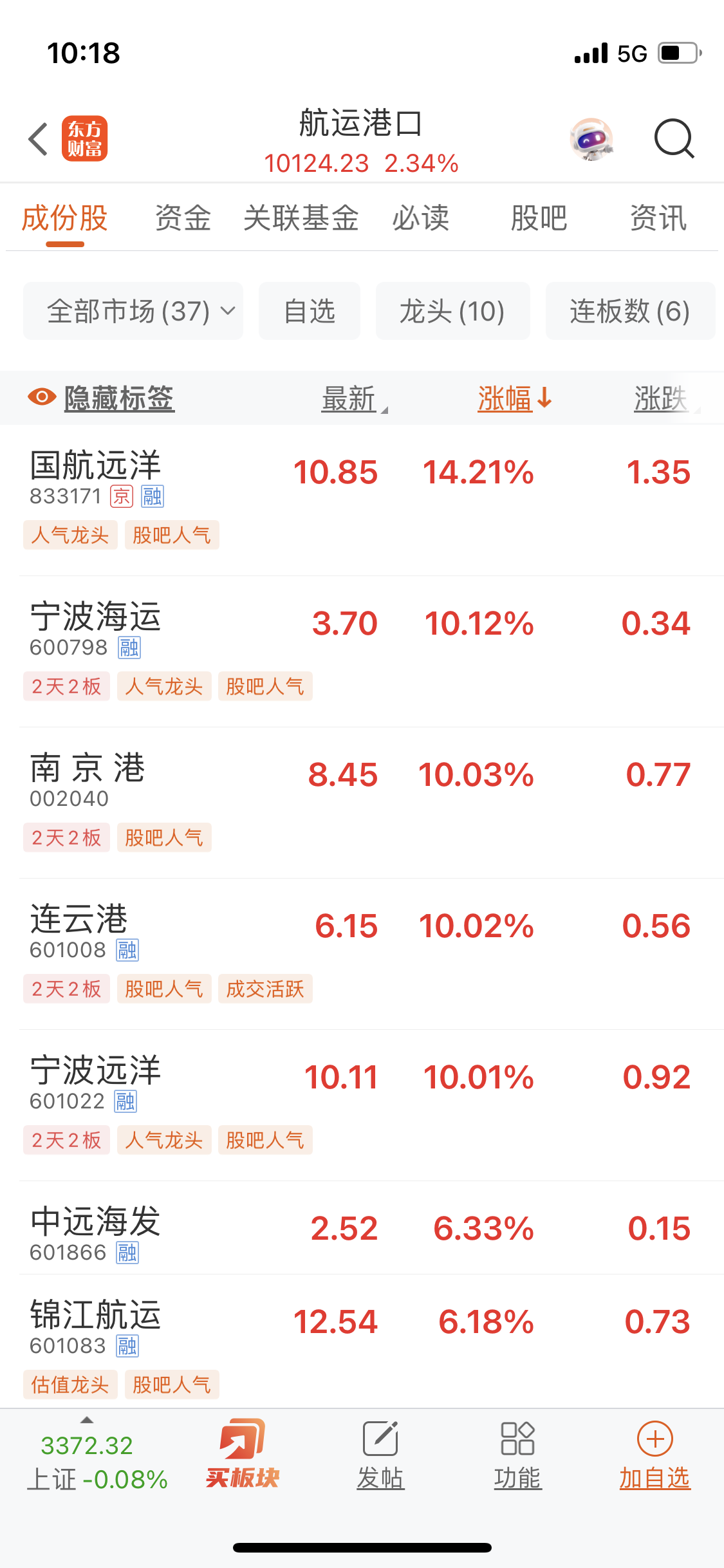
Xin Hua Wang· 2025-12-10 11:08
Core Viewpoint - The development of Hainan's economy and its level of openness are closely linked to the prosperity of its ports, with significant investments and improvements in port infrastructure aimed at enhancing transportation and supporting high-quality economic growth [1][4]. Port Infrastructure Development - Hainan's ports are undergoing rapid construction, providing strong support for the province's economic and social development [2]. - The Haikou New Port, located on the southern shore of the Qiongzhou Strait, has transformed from a remote area into one of the largest passenger and roll-on/roll-off hubs in China over the past decade [3]. - The Qiongzhou Strait is crucial for Hainan, with approximately 90% of the island's essential goods and all vehicles passing through this channel [4]. - The Haikou New Port's capacity will increase from 2.7 million vehicles and 18 million passengers annually to 5.6 million vehicles and 35 million passengers by November 2023 [6]. Technological and Management Innovations - The construction of the new port faced various technical challenges, including soft soil and extreme weather conditions, which required advanced construction techniques and precise measurement systems [5]. - The port has implemented smart inspection systems that significantly reduce the time required for vehicle and passenger checks, enhancing overall efficiency [8]. - Management innovations, such as passenger and cargo separation and a full reservation system, have alleviated congestion at the port [8]. Service Enhancements and Economic Impact - The Sanya Phoenix Island International Cruise Port has become a key player in the cruise industry, with its berths nearly fully booked this year [11]. - Continuous improvements in service quality at the cruise port have led to high customer satisfaction, contributing to its status as the top cruise port in China [12][13]. - Hainan's ports are optimizing their services to stimulate tourism consumption and support the development of a modern industrial system [13]. Policy and Regulatory Innovations - The "China Yangpu Port" ship registration policy is a significant initiative aimed at attracting international shipping companies and enhancing Hainan's openness [16]. - The establishment of the Hainan International Ship Registration Administration aims to streamline processes and improve service efficiency for international ship registration [18]. - Innovative measures, such as a "one port" registration mechanism and expedited processing for ship registration, have positioned Hainan as a model for reform and innovation in the shipping industry [19]. Global Connectivity and Future Prospects - The Yangpu Port has expanded its international shipping routes to key trade regions worldwide, enhancing Hainan's global connectivity [19]. - Hainan's ports are actively working to strengthen ties with the Guangdong-Hong Kong-Macao Greater Bay Area and other international markets, aiming to become a significant open hub [19].

洋山一二三四期持续升级增能 小洋山北作业区正抓紧建设 上海港提前突破5000万标箱
Jie Fang Ri Bao· 2025-12-10 01:27
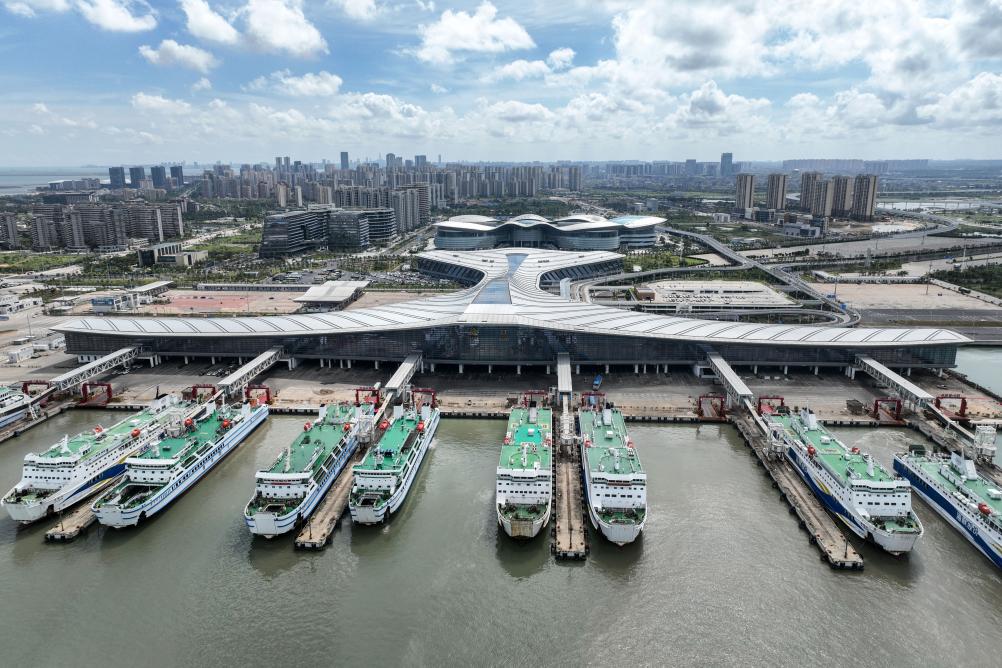
Core Insights - Shanghai Port achieved a container throughput of 50.56 million TEUs in the first 11 months of this year, marking a year-on-year increase of 6.7%, and is expected to set a new annual record, maintaining its position as the world's largest container port for 16 consecutive years [1] Group 1: Shanghai Port Performance - The Shanghai Yangshan Deep Water Port is the main contributor to this record, with a throughput of 26.25 million TEUs, reflecting a year-on-year increase of 9.7% [1] - The port's automation and intelligent systems are evolving, with new technologies such as "dual small vehicles and dual lifting devices" and a "digital twin" system that significantly reduce innovation costs and risks [1] Group 2: Future Developments - The Yangshan Phase IV terminal is expected to increase its throughput capacity from the designed 6.3 million TEUs to 7 million TEUs in 2024, with a target of reaching 8 million TEUs this year [2] - The Yangshan Phase I and II terminals are undergoing a major transformation to enhance operational efficiency through automation and intelligent systems, with full remote control of 20 container areas planned for completion by mid-2026 [2] Group 3: Infrastructure Expansion - The Yangshan Phase III terminal achieved a throughput of 9.215 million TEUs, up 11.2% year-on-year, and is recognized for its high service efficiency among major global shipping alliances [3] - The Xiaoyangshan North operation area is under construction, which will add 6,100 meters of new coastline to Shanghai Port, including 5,500 meters of container terminal shoreline and a designed annual throughput capacity of 11.6 million TEUs [3]
锐财经丨中国港口展现强大活力
Ren Min Ri Bao Hai Wai Ban· 2025-12-03 05:04
Core Insights - The data released by the Ministry of Transport indicates a robust growth in China's port cargo and container throughput, with increases of 4.3% and 6.4% respectively from January to October this year, showcasing the strong vitality of Chinese ports [1][2]. Group 1: Port Throughput Growth - Ningbo-Zhoushan Port has achieved a significant milestone by surpassing 40 million TEUs (Twenty-foot Equivalent Units) for the first time, marking its fourth "ten million TEU" leap, which took only four years from 30 million to 40 million TEUs [2]. - In the first ten months of this year, China's total port cargo throughput reached 1.513 billion tons, reflecting a year-on-year growth of 4.3%, while foreign trade throughput grew by 3.7% [2][3]. Group 2: Structural Changes in Port Economy - The structure of cargo trade is continuously optimizing, with containerized cargo increasingly dominating the throughput. For instance, Shanghai Port's container throughput exceeded 50 million TEUs last year, maintaining its position as the world's top port [3]. - The development of port economies is becoming more balanced across regions, with coastal ports handling 964 million tons (up 3.5%) and inland ports managing 549 million tons (up 5.9%) in the first ten months of this year [3]. Group 3: Western Region Development - The Western Land-Sea New Corridor has significantly improved iron-sea intermodal transport, with cumulative container volume exceeding 2.55 million TEUs since its inception in 2017. The annual dispatch volume surpassed 1 million TEUs for the first time in September this year, marking a 110-fold increase since the start [4]. Group 4: Innovations in Port Operations - Chinese ports are evolving to become smarter, greener, and more open. For example, the use of AI and the BeiDou Navigation System at Ningbo-Zhoushan Port has reduced deviation rates by 10% and improved gate efficiency by 7% [5][6]. - The green initiatives include significant renewable energy projects, such as the Shandong Port's wind power generation, which has saved approximately 12,000 tons of standard coal and reduced CO2 emissions by about 75,000 tons [6]. - The Hainan Free Trade Port is enhancing its operational efficiency with policies like zero tariffs and simplified customs procedures, leading to a 48.4% increase in container throughput at Yangpu Port this year [6].
中国港口展现强大活力(锐财经)
Ren Min Ri Bao· 2025-12-02 22:02
Core Insights - The data from the Ministry of Transport indicates that from January to October this year, China's port cargo and container throughput increased by 4.3% and 6.4% year-on-year, respectively, showcasing the strong vitality of Chinese ports [2][3] Group 1: Port Throughput Growth - Ningbo-Zhoushan Port's annual container throughput has surpassed 40 million TEUs for the first time, achieving its fourth "ten million TEU" milestone in just four years, compared to seven years for the first million and six years for the second [3] - China's major ports have consistently seen increases in cargo throughput, with eight of the top ten ports globally in terms of cargo throughput located in China [3] - National port cargo throughput reached 1.513 billion tons from January to October, with foreign trade throughput growing by 3.7% year-on-year [3][4] Group 2: Structural Changes in Port Economy - The structure of cargo trade is continuously optimizing, with containerized cargo's share in port throughput steadily increasing [4] - Shanghai Port's container throughput exceeded 50 million TEUs last year, maintaining its position as the world's top port [4] - Coastal ports in China saw a cargo throughput of 964 million tons, a year-on-year increase of 3.5%, while inland ports reached 549 million tons, growing by 5.9% [4][5] Group 3: Technological and Environmental Advancements - Ports are becoming smarter, greener, and more open, with innovations such as AI navigation reducing deviation rates and improving efficiency [6] - Shandong Port's green energy initiatives have led to significant reductions in coal consumption and carbon emissions, with over 1 billion kWh of green electricity generated [6] - Hainan Free Trade Port is enhancing its shipping hub status with policies like zero tariffs and improved customs facilitation, leading to a 48.4% increase in container throughput at Yangpu Port [6] Group 4: Future Outlook - Waterway transport accounts for over 90% of China's foreign trade, and ports will continue to play a crucial role in reducing logistics costs and promoting high-quality economic development [7] - The future development of Chinese ports, especially container ports, will focus on smart, green, and integrated growth [7]


中科海讯携手北部湾港集团 共探海洋经济与港口智能化发展
Xin Lang Cai Jing· 2025-09-22 12:49
Core Viewpoint - Zhongke Haixun (300810) signed a strategic cooperation agreement with Guangxi Beibu Gulf International Port Group at the 22nd China-ASEAN Expo, focusing on marine technology, AI, and digital economy initiatives [1][2]. Group 1: Agreement Details - The agreement emphasizes strategic collaboration around national initiatives such as the Western Land-Sea New Corridor and the Belt and Road Initiative, exploring pathways for marine economy and port intelligence development [2]. - It aims to enhance innovation cooperation by jointly pursuing national and provincial research project support in areas like smart ports and marine big data, creating a closed-loop innovation system [2]. - The agreement includes provisions for talent exchange, facilitating technical personnel participation in key projects and establishing a shared incentive mechanism for innovation achievements [2]. Group 2: Impact and Future Considerations - The cooperation is not expected to have a significant impact on the company's current year operating performance, but future performance implications remain uncertain [2]. - The agreement is a framework agreement, and its implementation and subsequent developments are subject to uncertainty, with specific matters to be signed later if cooperation is achieved [2]. - The company has disclosed that there have been no changes in shareholding or restrictions on shares for related personnel in the past three months, and no notifications of intended share reductions have been received [2].


上合组织天津峰会丨Vlog:探秘天津港ART“钢铁物流侠”
Xin Hua She· 2025-08-28 12:25
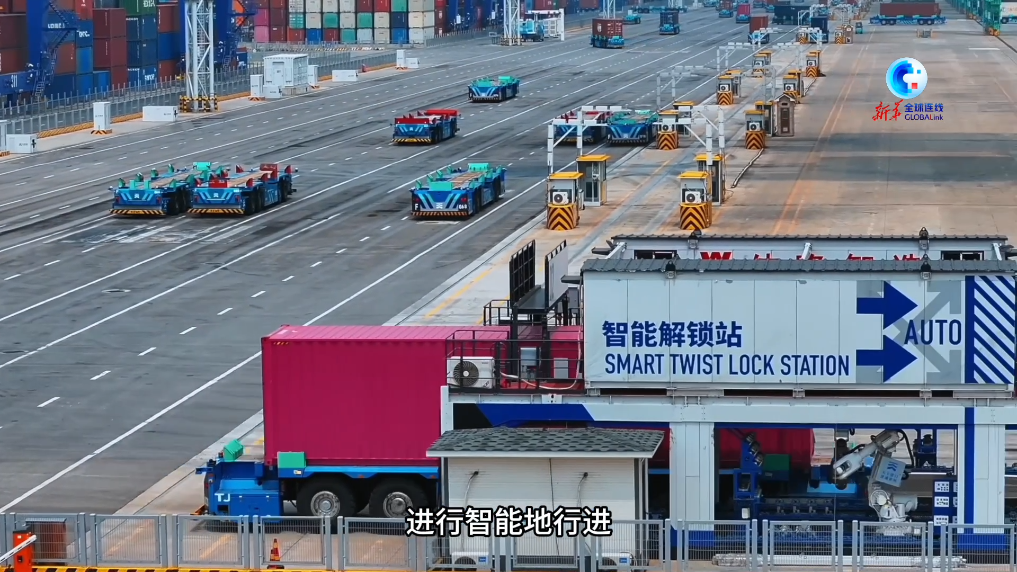
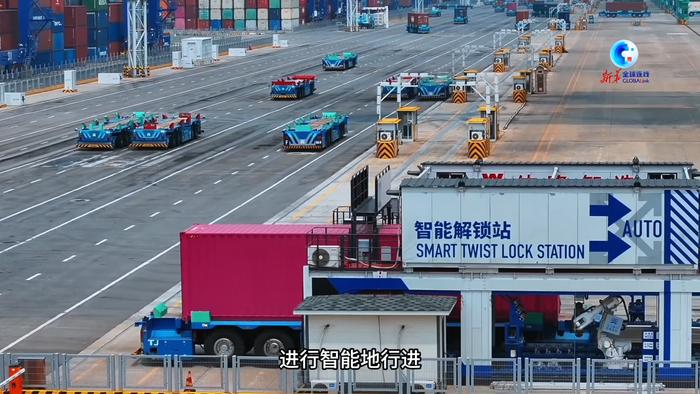
Group 1 - The upcoming Shanghai Cooperation Organization summit in 2025 highlights the significance of international collaboration in port development [1] - Tianjin Port is showcasing its "Chinese solution" for port intelligence, transitioning from a century-old port to a modern smart terminal [1] - The automated horizontal transportation robot ART, developed by Tianjin Port Group, operates efficiently with shore bridges, rail bridges, and charging stations, with over 130 units currently in operation [1] Group 2 - Tianjin Port has achieved full coverage of intelligent transformation for both container and bulk cargo terminals, with an automation rate exceeding 88% for large container equipment [3] - The average operational efficiency at Tianjin Port has improved by 15% due to these advancements in automation [3]

上合组织天津峰会|Vlog:探秘天津港ART“钢铁物流侠”
Xin Hua She· 2025-08-28 09:33
Group 1 - The upcoming Shanghai Cooperation Organization summit in 2025 highlights the advancements in smart port technology, particularly at Tianjin Port, which is showcasing China's solutions for port automation [2] - Tianjin Port has implemented comprehensive smart upgrades for both container and bulk cargo terminals, achieving an automation rate of over 88% for large container equipment, resulting in a 15% increase in average operational efficiency [4] - The smart level transport robot ART, developed by Tianjin Port Group, is a key component of this automation, with over 130 units currently in operation, effectively coordinating with shore bridges, rail bridges, and charging stations [2][4]
晚报 | 5月21日主题前瞻
Xuan Gu Bao· 2025-05-20 14:57
Brain-Computer Interface (BCI) - The Beijing Tiantan Hospital has established a clinical and translational ward for brain-computer interface technology, marking the first clinical application of BCI in China. The ward will conduct clinical trials and promote the transformation of scientific research into practical applications [1] - BCI technology is recognized as a key core technology for human-machine interaction and is being developed in various fields including bionics, medical diagnosis, and consumer electronics. The Ministry of Industry and Information Technology has outlined plans to advance BCI technology and products [1] - McKinsey predicts that the global BCI industry could generate up to $200 billion in economic value over the next 10-20 years [1] IPv6 - The Chinese government has set goals for IPv6 deployment by the end of 2025, aiming for 850 million active users and 1.1 billion IoT IPv6 connections. The share of IPv6 traffic in fixed networks is expected to reach 27%, while mobile networks will exceed 70% [2] - The IPv6 market is expected to grow rapidly, driven by policies, technology, and demand, with significant investment opportunities across the industry chain [3] - By 2025, the global number of IPv6 device connections is projected to exceed 7.5 billion, with China's IPv6+ IoT market expected to surpass 250 billion yuan [3] Genetically Modified Organisms (GMO) - The Beijing Tongzhou International Seed Industry Science and Technology Park will hold a launch event for the "Jingbanxin 1.0" project, focusing on tomato breeding using solid-phase gene chip technology, which has been dominated by foreign companies [3] - The project aims to enhance China's self-sufficiency in seed technology and reduce reliance on foreign technology, addressing high research costs and technological constraints [4] - The gene chip market is in a growth phase, with China expected to become the second-largest market globally by 2030, supported by technological breakthroughs and favorable policies [4] Macro and Industry News - China dominates the global shipping industry, with eight of the top ten ports for cargo and six for container throughput located in the country [5] - Government bond issuance is accelerating, with a 17.7% year-on-year increase in national government fund budget expenditures from January to April [6] - A new high-proportion renewable energy grid control system has been developed in China, addressing the challenge of integrating large-scale renewable energy into the grid [7] - The National Development and Reform Commission plans to enhance policies for consumer goods replacement and large-scale equipment updates, with a focus on fixed asset investment projects in energy and high-tech sectors [7]
交通运输部:我国已建成和在建自动化码头数量均居世界首位
news flash· 2025-05-20 08:55
Core Insights - China's coastal ports are globally leading in overall scale, with eight out of the top ten ports in global cargo throughput and six out of the top ten in container throughput being Chinese ports [1] - In terms of intelligent port development, China has the highest number of automated terminals both completed and under construction in the world [1] - Chinese ports hold the world record for container handling efficiency at automated terminals [1]
发生了什么?这个板块多股“2连板”!
Zheng Quan Ri Bao Wang· 2025-05-14 03:50
Core Viewpoint - The shipping and port sector is experiencing a significant surge, driven by favorable policies and market conditions, including the recent cancellation of tariffs between the US and China, and the onset of the peak season for container shipping in Europe [4]. Group 1: Market Performance - On May 14, the shipping and port sector opened high, with Ningbo Shipping (600798) hitting the daily limit and achieving a "two consecutive boards" status [1]. - Other stocks such as Nanjing Port (002040), Ningbo Ocean (601022), and Lianyungang (601008) also reached their daily limits, marking "two days, two boards" [1]. - The sector saw a notable increase in stock prices, with significant gains reported for companies like Guohang Ocean (833171) and Jinjiang Shipping (601083) [1][2]. Group 2: Industry Trends - The shipping and port industry is transitioning from rapid construction to integrated development, focusing on infrastructure upgrades towards green and smart solutions [4]. - The growth rate of cargo and container throughput has stabilized, with expectations of continued alignment with GDP growth, projected at around 5% for the year [4]. - Different port clusters are showing varied performance, with the Yangtze River Delta port cluster contributing significantly to container throughput growth [4]. Group 3: Policy and Economic Factors - Recent policies promoting the "Belt and Road" initiative and high-quality development are enhancing investments in port intelligence and sustainability, improving operational efficiency [4]. - The reduction in tariffs is expected to stimulate demand for Chinese exports to Europe via the US, leading to an anticipated rebound in shipping prices and improved profit expectations for port companies [4]. Group 4: Financial Insights - The shipping and port sector's recent rise is attributed to multiple converging factors, including declining debt ratios and strong cash flows for mature ports, while some ports are still in growth phases requiring significant capital expenditures [5]. - Long-term prospects for the port industry are driven by smart upgrades and policy benefits, with leading port companies expected to capitalize on their international presence and profit improvement potential [5].