生态保护修复

Search documents
白头叶猴保护项目入选“山水工程”典型案例
Guang Xi Ri Bao· 2026-01-28 02:09
项目实施以来,保护区生境破碎化问题得到有效缓解,白头叶猴种群数量稳步增长至130多群1400 余只。同时,项目成功打造了国家级研学实践教育基地和4A级景区,带动生态旅游快速发展。2025 年,到景区参与生态体验与科普探访的游客量已突破10万人次,并通过持续提供就业岗位,有效推动当 地群众实现稳定增收。(王艳群 农向秀) 白头叶猴生境恢复与保护区管护能力建设项目坚持以问题为导向,以提升生态系统服务功能为核 心,系统优化了生物多样性保护的空间格局。项目通过栖息地恢复、饮水工程配置、生态廊道建设以及 科普宣教基地打造等一系列措施,累计恢复栖息地1164亩,建成猴群饮水水源2处、饮水点18个,建设 生态廊道2条。这显著增强了保护区生态系统的多样性、稳定性和持续性,有力推动了白头叶猴种群保 护与区域生物多样性的整体提升。 近日,财政部、自然资源部、生态环境部联合公布山水林田湖草沙一体化保护和修复工程(简 称"山水工程")第三批典型案例,广西申报的白头叶猴生境恢复与保护区管护能力建设项目成功入选, 成为本次全国16个入选案例中广西的唯一代表,为全国生态保护修复工作提供了可复制的实践样本。 据悉,第三批"山水工程"典型案例 ...
广西生态保护修复提质增效 万亿元林业产业蓬勃发展
Zhong Guo Xin Wen Wang· 2026-01-24 06:57
Core Insights - The 2026 Guangxi Forestry Work Conference highlighted significant advancements in ecological protection and restoration during the 14th Five-Year Plan, with a focus on enhancing the quality and efficiency of forestry green industries, which have reached a scale of one trillion yuan [1][3] Group 1: Ecological Protection and Restoration - Guangxi has prioritized ecological protection and systematic governance, successfully integrating the Southwest Karst National Park and Nanning National Botanical Garden into the national framework [1] - The region has established an integrated regulatory system, leading to a year-on-year decrease in forestry-related cases [1] - Significant achievements in ecological restoration include the treatment of nearly 3 million acres of rocky desertification, ranking among the top in the country, and the cultivation and restoration of 67,000 acres of mangroves, maintaining the second-largest stock in the nation [1] Group 2: Forestry Industry Development - Since 2022, Guangxi's forestry industry has seen continuous growth, surpassing a total output value of one trillion yuan, maintaining its position as the leading region in the country [3] - The region contributes approximately 40% of the national timber, 30% of spices and fragrances, 22% of engineered wood, 20% of wood pulp, and 12% of oil tea seeds, despite accounting for only about 5% of the national forest area [3] - The establishment of a national-level forestry industry cluster is accelerating, with a focus on Guangxi while also reaching out to the national and ASEAN markets [3] Group 3: Future Plans and Initiatives - During the 15th Five-Year Plan, Guangxi aims to strengthen the southern ecological security barrier, enhance overall forest quality, and improve the biodiversity protection network [3] - The region plans to promote the development of advantageous and characteristic industries, enhance the sustainable supply capacity of forest and grass resources, and cultivate new business models and growth points [3] - Initiatives will include advancing collective forest rights reform, optimizing timber harvesting management, modernizing state-owned forest farms, and enhancing technological support for forestry governance [3]

兴海县完成国土绿化面积10.6万公顷
Xin Lang Cai Jing· 2026-01-19 18:10
Core Insights - The article highlights the ecological restoration efforts in Xinhai County, Hainan, aiming to improve environmental quality and increase forest coverage by 2025 [1] Group 1: Ecological Restoration Projects - By December 31, 2025, Xinhai County plans to restore 267 hectares of degraded forest, establish 9,333 hectares of forest through mountain closure and cultivation, and plant 100 hectares of artificial forest [1] - The total area of land greening completed in the year is 106,400 hectares, indicating ongoing positive results from ecological restoration projects [1] Group 2: Investment and Project Implementation - The county has invested 95 million yuan in six key forestry and grassland ecological projects, focusing on water source conservation, ecological protection, urban greening, and improvement of state-owned forest farms [1] - An investment of 460,000 yuan has been allocated to promote spring voluntary tree planting and greening efforts in townships, resulting in the planting of 292,828 various seedlings [1] Group 3: Environmental Quality and Biodiversity - The forest coverage rate in the county has increased to 11.87%, reflecting steady improvements in ecological environment quality [1] - The county has conducted wildlife resource surveys and habitat assessments, identifying 227 terrestrial wildlife species, including 58 nationally protected species and 39 provincially protected species [1] Group 4: Conservation Efforts and Community Involvement - The implementation of "Clear Wind Action 2025" and "World Wildlife Day" activities has been organized to enhance awareness and conservation efforts [1] - The county has established a responsibility system for the management of forest and grassland resources, utilizing 1,769 ecological forest rangers to strengthen green safety measures [1]
甘肃庆阳监测发现华北豹种群栖息地北拓超15公里
Xin Lang Cai Jing· 2026-01-17 08:26
本文转自【央视新闻客户端】; 1月17日,甘肃省庆阳市林业和草原局发布重要监测成果:华北豹在甘肃子午岭省级自然保护区的活动范围已向北直线延伸超过15公里。 子午岭地跨陕西、甘肃两省,处于黄土高原的腹地,是黄河中上游地区重要的自然保护区。近年来,庆阳当地持续推进生态保护修复工程,为野生动物创造 了更加适宜的栖息环境。 (总台记者 王妍 马凌峰) 在2025年对甘肃子午岭省级自然保护区华北豹种群进行的系统监测中,庆阳市林业和草原局工作人员在华池县豹子川林区布设的红外相机中首次发现华北 豹,画面中,华北豹叼着捕获的猎物,向前拖行。甘肃省庆阳市野生动植物保护站副站长张国亮介绍,这段视频有力地证明,与2023年基线相比,华北豹活 动范围已向北直线延伸超过15公里,其栖息地成功由大凤川、太白片区拓展至豹子川林场。"这证明了华北豹的分布区域在不断地扩大,种群数量也在稳步 地提升。"张国亮说。 华北豹是国家一级重点保护野生动物。目前,甘肃子午岭省级自然保护区已经布设红外相机260台,2025年工作人员共回收了布设在子午岭的红外相机数据 30余万份,经专业筛选后获得有效数据2.67万份。其中,有华北豹活动的清晰影像。画面中,雪 ...

为河流“体检” 助城市“美颜”
Xin Lang Cai Jing· 2026-01-14 18:39
修复前的可克达拉市城市水系河道(摄于2017年12月1日)。兵团日报常驻记者 杨俊钦 摄 修复后的可克达拉市城市水系(摄于2025年11月1日)。兵团日报常驻记者 杨俊钦 摄 ●兵团日报常驻记者 杨俊钦 1月8日,四师可克达拉市市民陈佳与好友相约来到可克达拉湿地公园观鸟。当一群野鸭掠过天际,划出 优美的弧线时,她不禁感叹:"这里有沿河景观道、观光木栈道、眺望塔,让我们能近距离感受伊犁河 湿地的魅力,尽享生态之美。" 2025年11月正式开放的可克达拉湿地公园,位于伊犁河第四师段。这片曾经荒芜的河滩地,如今已蜕变 为市民家门口的绿色生态休闲长廊。这一华丽转身,得益于河道生态修复工程的深入实施——湿地生态 环境焕发新生,基础设施日益完善,游玩体验持续升级。 近年来,四师可克达拉市党委积极践行"节水优先、空间均衡、系统治理、两手发力"治水思路,统筹推 进水资源、水环境、水生态协同治理,让伊犁河焕发新生机,为当地职工群众送上实实在在的生态红 利。 该师市持续推进美丽河湖建设,通过强化入河排污口监管,持续完善城镇污水处理系统、加强工业排放 监管、严格划设畜禽养殖禁养区、实现入河排污口排查整治全覆盖,构建起多维度防控体系 ...
中央财政累计安排1030亿元支持52个“山水工程”项目
Ren Min Ri Bao· 2026-01-10 22:02
Core Viewpoint - The Ministry of Finance, Ministry of Natural Resources, and Ministry of Ecology and Environment have selected 16 exemplary cases for integrated protection and restoration projects of mountains, rivers, forests, fields, lakes, grasslands, and deserts, contributing to national ecological protection and restoration efforts [1] Group 1 - Since 2016, the central government has allocated a total of 103 billion yuan to support local implementation of 52 "Mountain Water Project" initiatives, reinforcing the ecological foundation for building a beautiful China [1]
守护一湖安澜的山水答卷
Zhong Guo Zi Ran Zi Yuan Bao· 2026-01-07 04:17
Core Viewpoint - The article highlights the successful ecological restoration and governance of the Dongting Lake area, showcasing a comprehensive approach that integrates various ecological elements over a span of 4.5 million square kilometers, revitalizing the region's ecological balance and beauty [3][4][19]. Group 1: Systematic Governance - The governance of ecological protection has shifted from fragmented efforts to a coordinated system, breaking down administrative barriers and enhancing collaboration among various departments [5][6][7]. - A "7+3" high-level coordination mechanism has been established, involving seven provincial departments and three lakeside cities, ensuring effective decision-making and implementation [5][6]. - The establishment of integrated command centers at county levels has unified responsibilities and resources for ecological governance, leading to more effective outcomes [6][7]. Group 2: Technological Empowerment - The Dongting Lake project has entered a new phase of smart governance supported by big data, IoT, and AI, enhancing real-time monitoring and data sharing [9][10][11]. - A comprehensive monitoring system integrates various technologies to provide a holistic view of the ecological environment, enabling proactive risk management [11][12]. - Innovative technologies have been applied in ecological restoration, such as 3D laser scanning and drone-assisted pest control, significantly improving restoration efficiency [11][12]. Group 3: Comprehensive Treatment - The project adopts a holistic approach to address ecological issues, focusing on integrated protection and restoration of "mountains, waters, forests, fields, lakes, grass, and sand" [13][14]. - Specific measures have been implemented for soil and water conservation, including the restoration of 128 historical mining sites, leading to a significant increase in vegetation coverage [14][15]. - Agricultural practices have been transformed to reduce pollution, promoting eco-friendly farming methods that enhance biodiversity and improve crop yields [15][16]. Group 4: Value Realization - The project aims to convert ecological advantages into economic benefits, with initiatives in eco-tourism and sustainable agriculture generating significant revenue [17][18]. - The integration of cultural heritage with ecological restoration has attracted millions of tourists, contributing to local economies [17][18]. - The establishment of a market for ecological products is being explored, allowing for the monetization of environmental services and fostering a cycle of protection and economic benefit [18][19].
退耕还林还草“还”来绿意盎然美丽四川
Si Chuan Ri Bao· 2026-01-06 07:00
Core Viewpoint - The 20-year implementation of the "Returning Farmland to Forests and Grasslands" initiative in Sichuan has significantly improved ecological conditions and contributed to rural agricultural transformation, enhancing both ecological protection and farmers' income [9][15][16]. Group 1: Historical Context and Implementation - In 1998, Sichuan identified itself as a major source of sediment for the Yangtze River and initiated the "Returning Farmland to Forests and Grasslands" pilot program in 1999 to combat ecological degradation [10][11]. - The program involved halting farming on 3 million acres of sloped farmland across 120 counties, marking a significant shift towards ecological restoration [11][12]. - Sichuan established a comprehensive management system for the initiative, including a leadership group and a multi-departmental approach to ensure effective implementation [12][13]. Group 2: Achievements and Impact - Over 20 years, Sichuan has converted nearly 4 million acres of sloped farmland into forests, with a total investment of 558.66 billion yuan benefiting 23.236 million agricultural residents [13][15]. - The forest coverage in Sichuan has increased by over 4 percentage points, and the water conservation capacity has improved significantly, with 58.25 billion cubic meters of water being conserved annually [15][16]. - The initiative has also led to a reduction of 46% in sediment content flowing into the Yangtze River compared to 1998, showcasing its effectiveness in ecological restoration [15]. Group 3: Socioeconomic Benefits - The program has provided an average subsidy of 6,700 yuan per household to participating farmers, helping 237,000 impoverished individuals to improve their economic status [16]. - The initiative has fostered the development of new industries and economic activities related to forestry, with approximately 30 million acres of forestry and grassland industrial parks established [16][25]. - The shift in agricultural practices and the promotion of ecological awareness among farmers have transformed the social landscape, making ecological conservation a community norm [17][26]. Group 4: Future Directions - Sichuan continues to explore new models for ecological protection and restoration, aiming to enhance the ecological security of the Yangtze and Yellow River basins [19][24]. - The province is committed to integrating ecological construction with economic development, ensuring that ecological advantages translate into economic benefits [26].
安徽累计修复废弃矿山3895个
Zhong Guo Xin Wen Wang· 2025-12-31 06:31
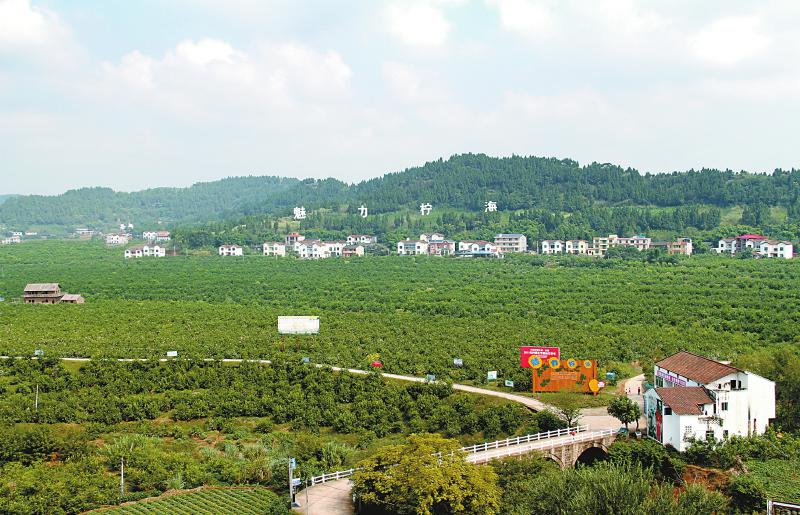
Group 1 - The core viewpoint of the articles highlights the ecological restoration efforts in Anhui Province, focusing on the repair of abandoned mines and integrated environmental protection projects [1][2] Group 2 - Anhui has repaired a total of 3,895 abandoned mines, covering an area of 487,700 acres, and has developed an "use-oriented treatment" model for ecological restoration [1] - The province has established 149 green mines, including 74 at the national level, ranking third in the country [1] - The innovative "use-oriented treatment" model tailors restoration efforts based on local conditions and ecological needs, including reclamation, landscape reconstruction, and industrial integration [1] - The ecological restoration case of the Zhongshan Iron Mine in Hefei has been recognized as a typical case at the national level [1] - The restoration of subsided coal mining areas in six cities in northern Anhui has treated 185,500 acres, restoring 70,500 acres of arable land, improving the ecological environment and ensuring food production space [1] - Anhui is advancing 15 provincial-level integrated protection and restoration projects with a total investment of 1.08 billion yuan, with the Chao Lake wetland restoration project recognized as a typical case in the "China Mountain Water Project" [2]
国土整治和生态修复 |“十四五”的“答卷”“十五五”的“开卷”
Zhong Guo Zi Ran Zi Yuan Bao· 2025-12-31 03:13
Core Viewpoint - The article emphasizes the importance of ecological protection and land consolidation as key measures for advancing ecological civilization in China, particularly during the "14th Five-Year Plan" and looking forward to the "15th Five-Year Plan" [3][4]. Group 1: Achievements and Future Directions - During the "14th Five-Year Plan," significant progress was made in ecological restoration and land consolidation, with over 1,700 projects implemented across 24 provinces, covering more than 1 million acres [7][8]. - The upcoming "15th Five-Year Plan" aims to enhance integrated protection and systematic governance of important ecosystems, with a focus on evaluating the effectiveness of ecological restoration and improving diverse ecological compensation mechanisms [4][19]. - A national meeting held on December 19-20, 2022, reviewed achievements from the "14th Five-Year Plan" and outlined new strategies for the "15th Five-Year Plan," aiming to translate the roadmap into actionable plans [4][19]. Group 2: Institutional Support and Innovations - The establishment of nearly 20,000 professionals in land consolidation and ecological restoration has been crucial for supporting the Ministry of Natural Resources in fulfilling its responsibilities [6]. - The Ministry has supported the implementation of 27 major ecological restoration projects with over 60 billion yuan in central financial investment, leading to the restoration of over 5.5 million hectares [7]. - The development of a comprehensive standard system for ecological restoration has been initiated, including 4 national standards and 18 industry standards, to guide scientific practices in ecological restoration [7]. Group 3: Technological Advancements - Land technology innovation has been identified as a key driver for ecological restoration and land consolidation, with over 600 projects undertaken in the field of ecological protection and restoration [9]. - The Ministry has established a network of over 40 scientific observation stations and engineering technology innovation centers to support research and development in ecological restoration technologies [9]. - The focus on nature-based solutions (NbS) and innovative techniques for soil and land management has been highlighted as essential for addressing complex ecological challenges [9]. Group 4: Regional Initiatives and Best Practices - Various provinces have introduced unique models for land consolidation and ecological restoration, such as Zhejiang's "multi-field integration" approach and Hubei's "government-bank-enterprise" cooperation mechanism [19][20]. - The article showcases successful case studies from regions like Xinjiang and Shandong, where land consolidation has been linked to high-quality development and ecological safety [20][21]. - The integration of cultural heritage and ecological restoration efforts in places like Hunan and Sichuan demonstrates the potential for sustainable development through innovative practices [21][22]. Group 5: Future Focus and Strategic Goals - The "15th Five-Year Plan" will prioritize high-level protection and quality development, aiming to create a comprehensive framework for ecological protection and land consolidation [23][24]. - The Ministry plans to enhance collaboration across various sectors, focusing on policy innovation, legal frameworks, and international cooperation to support ecological restoration efforts [24][26]. - Emphasis will be placed on developing a multi-faceted funding mechanism to support ecological restoration and land consolidation projects, ensuring sustainable investment in these initiatives [25].