
电磁弹射

Search documents
大国重器砺剑深蓝 福建舰首次海上训练彰显硬核实力
Yang Shi Wang· 2025-12-26 03:03
Group 1 - The Fujian aircraft carrier, China's first electromagnetic catapult aircraft carrier and third overall, officially joined the fleet on November 5 [1] - A naval exercise involving multiple vessels, including the Fujian, successfully completed its first live training mission after the carrier's commissioning [1][3] - Various types of carrier-based aircraft, including J-35, J-15T, J-15DT, and KJ-600, conducted multiple launch and landing training sessions, effectively testing the Fujian's electromagnetic launch, recovery, and deck operation capabilities [3] Group 2 - The Fujian carrier has advanced capabilities, skipping the traditional steam-powered catapult system used by foreign carriers and adopting a more advanced electromagnetic launch system [8] - The electromagnetic catapult significantly enhances combat capabilities, allowing slower aircraft like the KJ-600 to operate from the carrier, thus improving the overall combat effectiveness of the carrier strike group [8] - The flight deck of the Fujian is wider and flatter compared to previous carriers, and the island structure is more streamlined, which enhances operational efficiency [9][11]

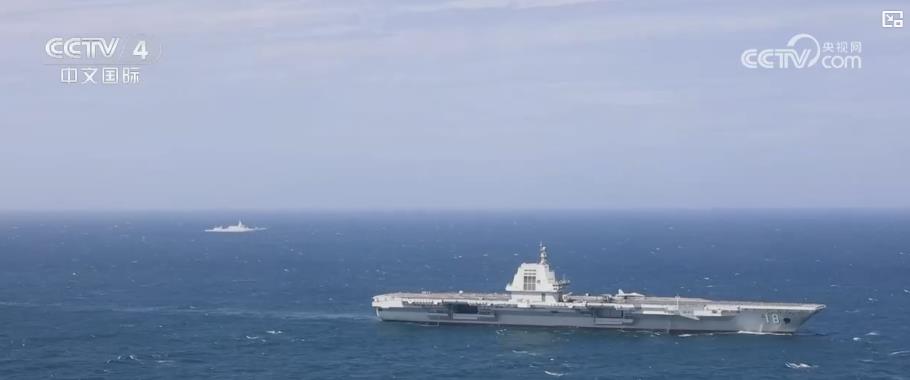
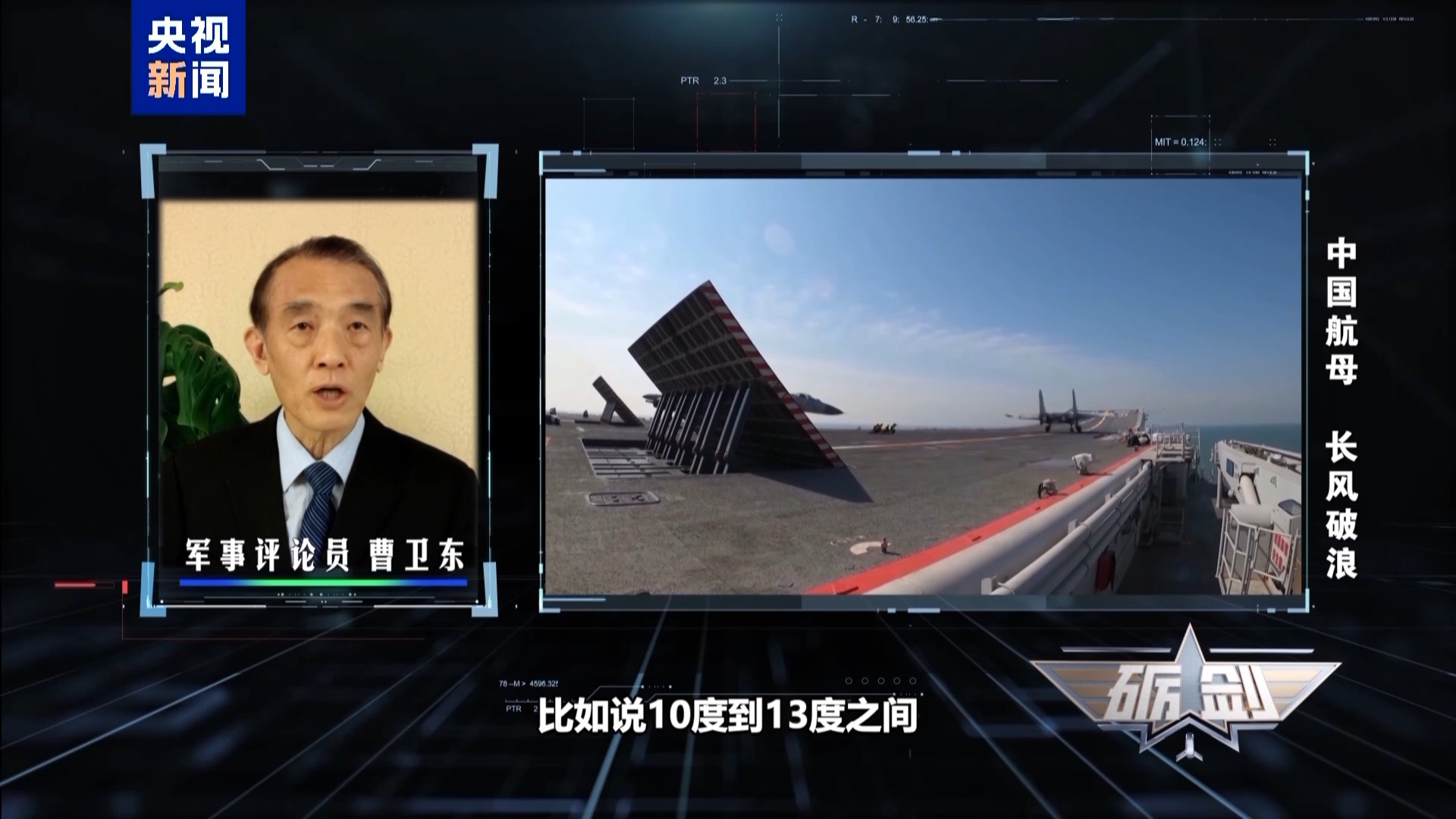
视频丨福建舰电磁弹射含金量还在提升!专家详解“弹弹弹”威力
Yang Shi Xin Wen Ke Hu Duan· 2025-12-19 08:05
Core Viewpoint - The entry of the Fujian aircraft carrier marks China's transition into a three-carrier era and signifies a technological leap from ski-jump takeoff to electromagnetic catapult systems [1][10]. Group 1: Characteristics of Ski-Jump Carriers - The Liaoning and Shandong carriers feature upward-curved ski-jump decks, which increase the takeoff angle of aircraft, allowing for a 15% increase in fuel or ammunition load, thus enhancing combat radius and capabilities [3][4]. - However, ski-jump decks impose limitations on the takeoff weight, load configuration, and weather conditions, making it challenging for fully loaded aircraft to take off solely on their own power [6]. Group 2: Steam vs. Electromagnetic Catapults - Steam catapults, widely used on aircraft carriers, operate by converting freshwater into steam to create a powerful thrust, but they consume significant amounts of freshwater, which is a precious resource on ships [8]. - The Fujian carrier adopts the more advanced electromagnetic catapult system, which offers higher precision, easier maintenance, and shorter preparation times compared to steam catapults [16]. Group 3: Training and Capabilities - The Fujian carrier has successfully completed training with multiple types of carrier-based aircraft, including the J-15T, J-35, and KJ-600, prior to its official commissioning [20]. - On September 22, 2025, the Chinese Navy announced the successful electromagnetic catapult launches and landings of these aircraft on the Fujian, marking a significant milestone in the development of carrier-based aviation capabilities [22].
入列后首次,福建舰开展实兵训练
第一财经· 2025-11-18 09:41
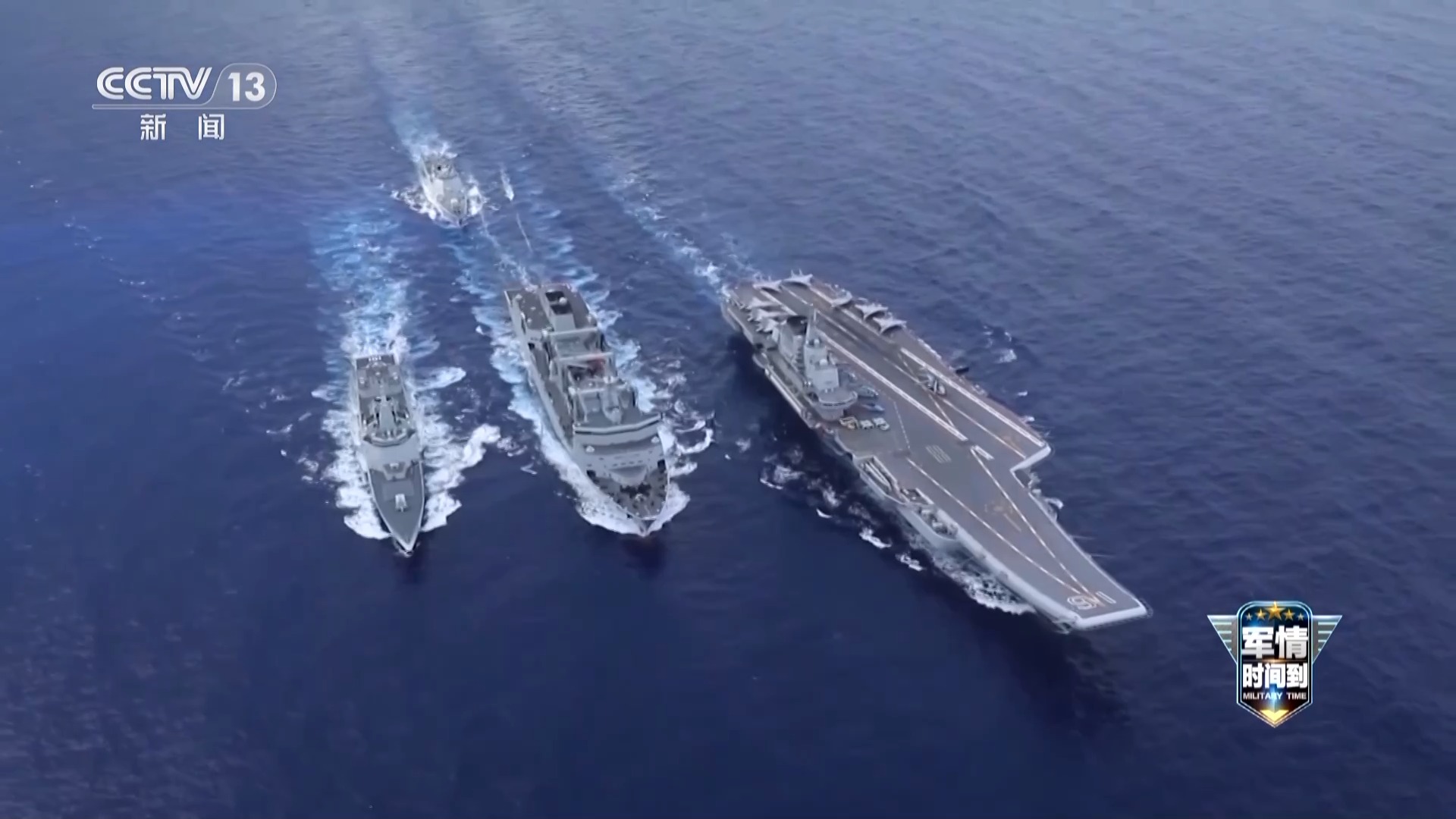
Core Viewpoint - The recent naval training exercise involving the Fujian aircraft carrier and other vessels marks the first real combat training mission since the Fujian's commissioning, aimed at enhancing operational capabilities and readiness for national defense [1][12]. Group 1: Training and Operational Capabilities - The training involved multiple types of carrier-based aircraft, including J-35, J-15T, J-15DT, and KJ-600, successfully completing numerous launch and recovery exercises, thereby validating the Fujian's electromagnetic catapult and recovery systems [4][6]. - Continuous practical training has led to a more precise understanding of the performance of the electromagnetic launch and recovery systems, as well as improved operational proficiency among crew members and pilots, establishing a solid foundation for safe and efficient aircraft operations [6][10]. Group 2: Coordination and Emergency Response - The carrier group conducted various training exercises, including coordinated sailing and joint search and rescue operations, enhancing the fleet's emergency response capabilities [8][10]. - During the joint search and rescue exercise, the command center effectively coordinated air and sea assets to swiftly complete the rescue mission, optimizing the processes for handling emergencies and transitioning rescue forces [10]. Group 3: Strategic Importance - This naval training is part of a regular work plan aimed at assessing training effectiveness and improving the military's ability to safeguard national sovereignty, security, and development interests [12].
2026年度国防军工行业策略报告:十五五开局之年,关注订单增长与军贸提速-20251110
NORTHEAST SECURITIES· 2025-11-10 07:16
Group 1 - The defense and military industry sector has seen a recovery, with a year-to-date increase of 15.32% as of November 5, 2025, compared to a 17.60% increase in the Shanghai Composite Index and a 26.97% increase in the Shenzhen Component Index [1][20] - In the first three quarters of 2025, the sector achieved a total revenue of 4510.81 billion yuan, representing a year-on-year increase of 31.80%, and a net profit attributable to shareholders of 244.53 billion yuan, up 17.29% year-on-year [1][26] Group 2 - The "14th Five-Year Plan" has led to the execution of backlog orders, driving revenue and profit growth for military enterprises, while the upcoming "15th Five-Year Plan" is expected to release new orders, enhancing industry prosperity [2][42] - The international geopolitical situation is increasingly tense, providing a strategic window for the expansion of China's military trade market, with exports showing significant growth in both quantity and quality [3][43] Group 3 - Key recommended companies include AVIC Shenyang Aircraft Corporation, AVIC Chengdu Aircraft Industry Group, Hongdu Aviation Industry Group, Guoke Technology, and Lianchuang Optoelectronics, focusing on sectors such as advanced aircraft manufacturing and missile systems [3][5] - The military budget for 2025 has increased to 17846.65 billion yuan, a year-on-year growth of 7.15%, supporting the modernization of military equipment [40][44] Group 4 - The military aircraft sector is expected to benefit from the construction of air and naval forces, with significant advancements in aircraft technology, including the introduction of the J-35A stealth fighter and the development of the sixth-generation fighter [45][46] - Unmanned aerial vehicles (UAVs) are becoming a key component of modern warfare, with their roles expanding from reconnaissance to offensive operations, highlighting their importance in future military strategies [58][61]
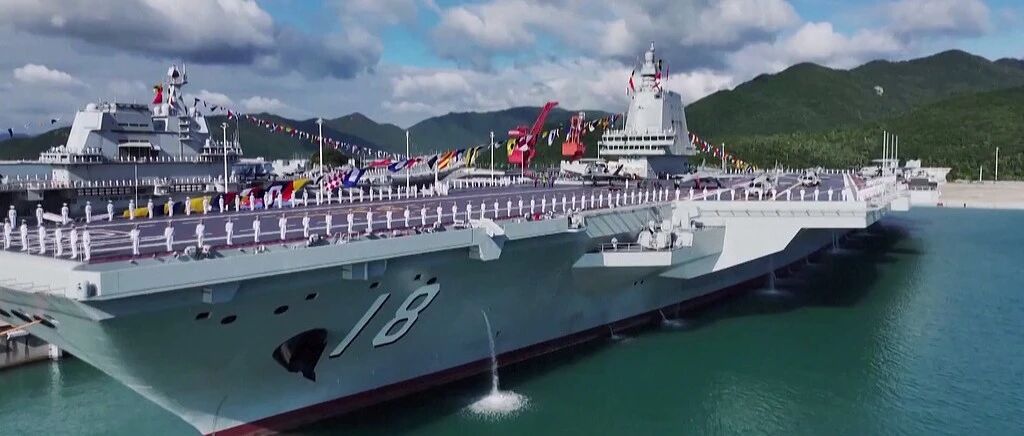
福建舰部署三亚军港
财联社· 2025-11-08 08:22
Core Viewpoint - The commissioning of China's first electromagnetic catapult aircraft carrier, Fujian, marks a significant milestone in the development of the Chinese Navy, emphasizing its capabilities and future operational plans [1][2][3]. Group 1: Commissioning and Deployment - The Fujian aircraft carrier was officially commissioned on November 5 at a naval port in Sanya, Hainan [1][2]. - The Fujian will be permanently stationed at the Sanya naval port, considering factors such as combat readiness, port conditions, and mission characteristics [2]. Group 2: Aircraft and Combat Readiness - The carrier's combat capability is heavily reliant on its onboard aircraft, including the J-35, J-15T, J-15D, KJ-600 early warning aircraft, and Z-20 helicopters, which are all undergoing development and testing [2][3]. - After commissioning, the Fujian will continue to conduct trials and training to enhance its operational capabilities and system stability [3]. Group 3: Future Development Plans - The Chinese Navy's future aircraft carrier development will be based on national defense needs and will not target any specific country or region, adhering to a defensive military policy [3]. - The naming of aircraft carriers is based on provincial administrative divisions, with considerations for local applications and preferences, although there is no established "naming pool" [4].
第一视角看电磁弹射 带你近距离感受国之重器震撼4秒
Huan Qiu Wang Zi Xun· 2025-10-12 06:24
Core Viewpoint - The Asian first electromagnetic catapult microgravity experimental device has commenced a new round of scientific experiments, focusing on life sciences [1][3]. Group 1: Experimental Device Overview - The electromagnetic catapult microgravity experimental device is approximately 44 meters tall, equivalent to a 15-story building, providing effective microgravity time of up to 4 seconds [3]. - The entire structure weighs over 300 tons and is secured by more than 40,000 bolts, ensuring precision and ease of future adjustments [5]. - The experimental chamber has a diameter of 1.2 meters and a height of 2 meters, resembling a large elevator [5]. Group 2: Scientific Experiments - The current experiment involves six drug-injected mice, aiming to study the effects of microgravity on targeted drug delivery across the blood-brain barrier, marking the first such experiment conducted on the ground in China [8]. - The electromagnetic catapult operates on the same principle as those used on aircraft carriers, but in a vertical direction, accelerating the experimental chamber to a speed of 20 meters per second [10]. Group 3: Advantages of the Electromagnetic Device - Compared to traditional drop tower experiments, the electromagnetic device significantly reduces impact forces from over 20g to about 5g, enhancing safety and efficiency [11]. - The electromagnetic system allows for more frequent experiments, with traditional setups limited to three experiments per day, while the new system primarily incurs electrical energy costs, reducing overall experimental expenses [11]. Group 4: Future Developments - Plans are underway to simulate lunar microgravity conditions on the ground later this year, along with the construction of a new facility capable of achieving 20 seconds of microgravity at a depth of 800 meters [12].

歼-15T在福建舰是如何弹射的?大量细节公开
Yang Shi Xin Wen· 2025-09-28 01:37
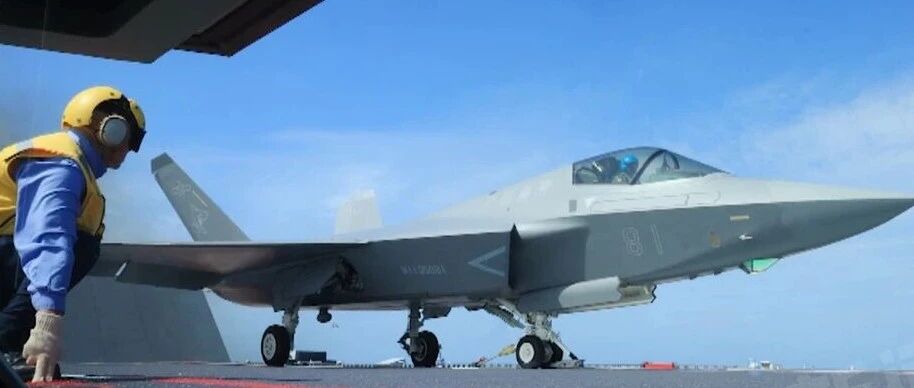
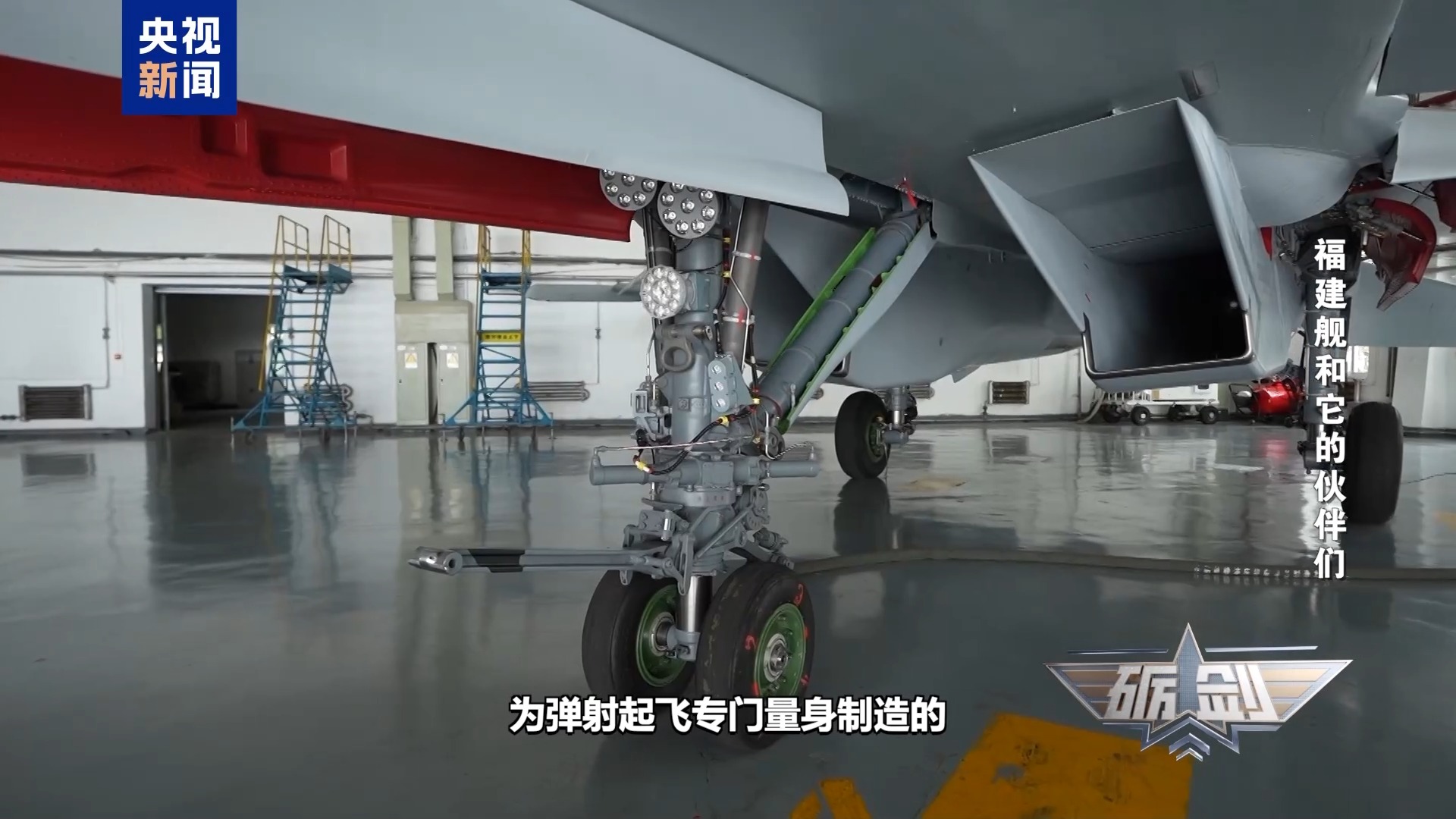
Core Viewpoint - The successful completion of the first catapult takeoff and landing training of the J-15T, J-35, and KJ-600 on the Fujian aircraft carrier marks a significant milestone in China's naval capabilities, indicating the carrier's readiness for electromagnetic catapult operations and recovery capabilities, which is crucial for advancing naval transformation [1]. Group 1: Aircraft Details - The J-15T is a variant of the J-15 "Flying Shark" designed for catapult launches, set to debut at the 2024 China Airshow [1]. - The J-15T can take off with full fuel and armament, allowing it to conduct saturation attacks against enemies, showcasing strong strike capabilities against both sea and land targets [1]. - The J-15T's design includes a reinforced front landing gear to withstand the significant impact forces experienced during catapult launches and landings, indicating a complete redesign for enhanced durability [9]. Group 2: Catapult Mechanism - The catapult system consists of a specially designed launch rod that connects to the aircraft and the carrier's electromagnetic catapult, enabling rapid acceleration from a standstill to several hundred kilometers per hour [3][6]. - The catapult launch process is likened to a slingshot mechanism, where the aircraft is propelled forward by a powered carriage along a guide rail [8]. - The design of the J-15T's nose is lower than that of the J-15, ensuring a consistent connection with the catapult system for improved launch efficiency [10]. Group 3: Additional Variants - Other variants such as the J-15DH and J-15DT are also based on the J-15 platform, focusing on enhancing offensive capabilities [12]. - The J-15DT is an indigenous electronic warfare aircraft capable of catapult launches, designed for support and counter-radiation missions, further improving the operational effectiveness of the carrier-based aircraft system [14].
完全自主研制 专家解析福建舰上的“弹弹弹”有多硬核
Yang Shi Xin Wen Ke Hu Duan· 2025-09-27 07:06
Core Insights - The successful launch and recovery training of the J-15T, J-35, and KJ-600 carrier-based aircraft on the Fujian aircraft carrier marks a significant milestone in China's naval capabilities, demonstrating the operational readiness of electromagnetic catapults and arrestor systems [1][3] - This achievement signifies China's advancement in carrier technology, allowing for a more efficient and versatile naval aviation system, moving from single aircraft operations to a comprehensive carrier-based system [3][8] Group 1: Technological Advancements - The electromagnetic catapult system represents a major breakthrough in China's independent technological development, overcoming significant technical challenges [6] - The system allows for rapid and stable power supply, enabling quick launches of carrier-based aircraft, which enhances operational readiness [6][10] - Electromagnetic catapults are less complex and space-consuming compared to steam catapults, allowing for more efficient use of the carrier's internal space [8] Group 2: Strategic Implications - The successful integration of multiple advanced carrier-based aircraft into the Fujian carrier's operations lays a solid foundation for future naval combat capabilities [1][3] - The transition to electromagnetic catapults is expected to enhance the overall efficiency of carrier operations, allowing for more aircraft to be launched in a shorter time frame [10] - This development positions China as a leader in naval aviation technology, breaking previous technological barriers previously held by the United States [5]
国防ETF(512670)上涨1%,我国海军正式进入“弹射时代”
Xin Lang Cai Jing· 2025-09-24 06:40
Group 1 - The successful launch and recovery of the J-15T, J-35, and KJ-600 carrier-based aircraft from the Fujian aircraft carrier marks China's entry into the "catapult era," making it the second country after the United States to possess an electromagnetic catapult aircraft carrier [1] - The first appearance of the Fujian carrier's catapult training exceeded expectations, indicating significant advancements in electromagnetic catapult technology and the potential for rapid development in commercial aerospace and high-speed vehicles [1] - The J-35, as a new generation multi-role fifth-generation fighter, has successfully completed carrier-based catapult launches, suggesting that its application has reached a critical point, with potential for accelerated development of variants suitable for different military branches [1] Group 2 - The transition to the "catapult era" is a milestone for the Chinese Navy, enhancing its capabilities and supporting the growth of military exports [2] - As of September 24, 2025, the CSI Defense Index (399973) rose by 0.83%, with notable increases in stocks such as Ruichuang Micro-Nano (688002) up by 3.10% and Zhenhua Wind Power (688439) up by 3.04% [2] - The CSI Defense Index reflects the overall performance of listed companies in the defense industry, with the top ten weighted stocks accounting for 43.88% of the index [3]
美媒"震惊":歼-35赢过F-35,中国航母里程碑
Guan Cha Zhe Wang· 2025-09-23 14:33
Core Viewpoint - The successful completion of electromagnetic catapult launch and recovery training for the J-15T, J-35, and KJ-600 carrier-based aircraft on the Fujian aircraft carrier marks a significant milestone in China's naval development, enhancing its combat capabilities and signaling a shift towards a more advanced naval force [1][2][12]. Group 1: Training Highlights - The Fujian aircraft carrier has achieved the capability for electromagnetic catapult launches and recovery, which is a revolutionary advancement compared to the ski-jump takeoff method used by previous Chinese carriers [4][11]. - The training involved multiple successful takeoffs and landings of various aircraft, demonstrating the compatibility of the domestically developed electromagnetic launch and recovery systems with different types of carrier-based aircraft [3][12]. - The Fujian carrier is expected to enhance China's naval aviation capabilities significantly, allowing for a broader operational range and improved combat effectiveness [11][18]. Group 2: Technological Advancements - The Fujian carrier is the first in history to utilize electromagnetic catapults for launching fifth-generation carrier-based aircraft, surpassing the U.S. Ford-class carriers in this capability [16][18]. - The introduction of the J-35 stealth fighter on the Fujian carrier represents a leap into the fifth-generation aircraft era for the Chinese navy, enhancing its operational capabilities [16][18]. - The electromagnetic catapult system allows for more frequent launches and the ability to operate heavier aircraft, including early warning and reconnaissance planes, thus improving overall mission flexibility [6][12]. Group 3: Strategic Implications - The successful training and upcoming operational readiness of the Fujian carrier will significantly enhance China's power projection capabilities in the Western Pacific and beyond [2][11]. - The carrier's ability to operate a diverse range of aircraft will improve the Chinese navy's integrated combat capabilities, allowing for more effective coordination with surface ships and submarines [8][12]. - The Fujian carrier's advancements are expected to play a crucial role in China's transition from near-seas defense to far-seas operations, aligning with its broader strategic objectives [12][18].
