
端到端算法

Search documents
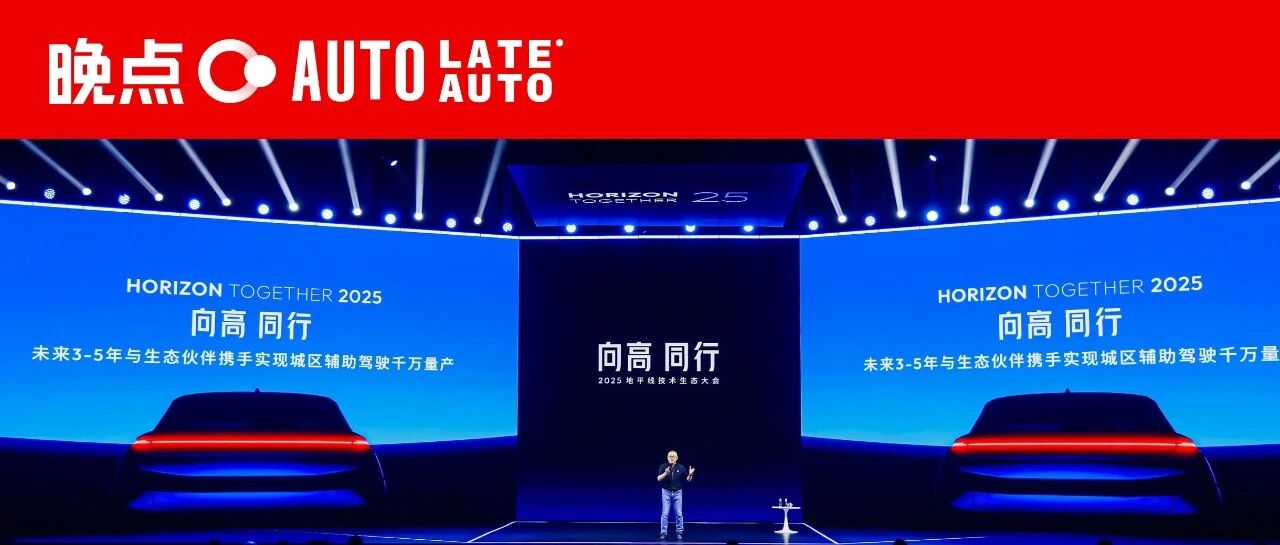
地平线冲进 10 万级市场,认为智驾是新时代的 “自动挡”
晚点Auto· 2025-12-10 15:45
Core Insights - Horizon aims to implement advanced urban driving assistance in vehicles priced below 70,000 yuan, targeting a market where 50% of passenger car sales fall under 130,000 yuan [3][4] - The company plans to collaborate with major manufacturers to achieve a production scale of 10 million units within three to five years, leveraging its self-developed driving algorithms [3][4] - Horizon's ambition is to make advanced driving assistance a standard feature, akin to automatic transmissions, rather than a luxury add-on [4][10] Market Context - The current market for vehicles under 100,000 yuan lacks advanced urban driving features, presenting a significant growth opportunity for Horizon [3][4] - Competitors like BYD, Geely, and Chery have introduced simpler driving assistance features but have not ventured into advanced urban driving solutions [4][9] - The competitive landscape is intensifying, with companies like Momenta and Qualcomm entering the market with rapid advancements in chip development [4][9] Technological Development - Horizon's strategy involves developing its own HSD (High-level Driving) solutions to increase market share and reduce costs through economies of scale [10][11] - The company aims for a tenfold increase in computing power and model capacity with each new generation of chips, with the upcoming Journey 7 series expected to launch alongside Tesla's next-generation AI5 chip [10][11] - The Journey 6 series is crucial for Horizon's strategy, as it is designed to support urban NOA (Navigation on Autopilot) and is expected to meet the rising demand for higher computing power in the industry [11][12]

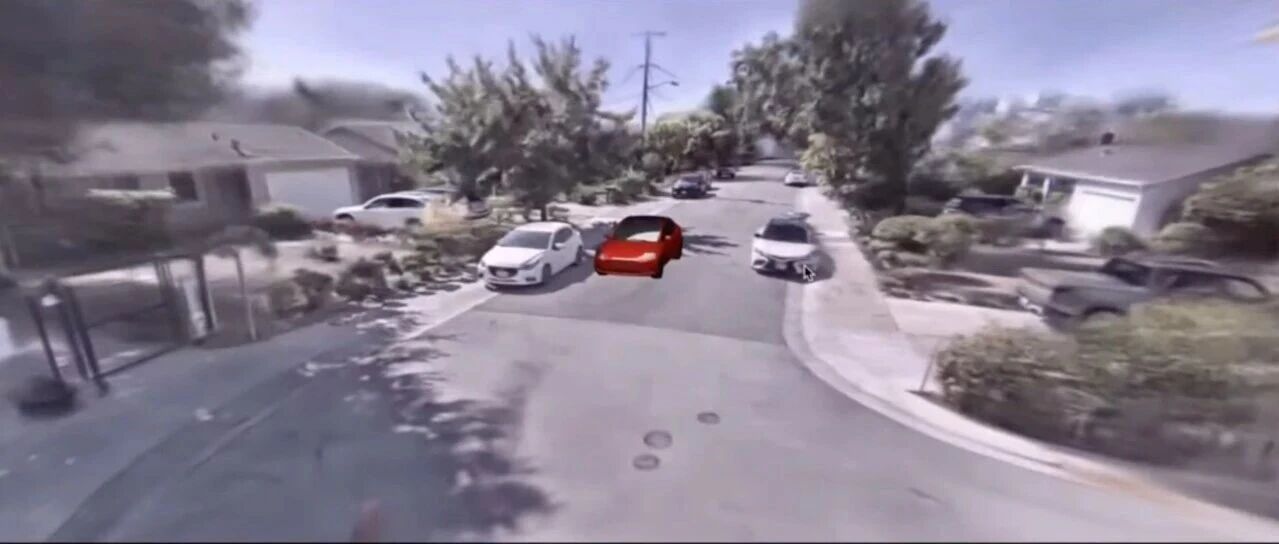
世界模型自动驾驶小班课!特斯拉世界模型、视频&OCC生成速通
自动驾驶之心· 2025-12-09 19:00
Core Viewpoint - The article introduces a new course titled "World Models and Autonomous Driving Small Class," focusing on advanced algorithms in the field of autonomous driving, including general world models, video generation, and OCC generation [1][3]. Course Overview - The course is developed in collaboration with industry leaders and follows the success of a previous course on end-to-end and VLA autonomous driving [1]. - The course aims to enhance understanding and practical skills in world models, which are crucial for the advancement of autonomous driving technology [11]. Course Structure Chapter 1: Introduction to World Models - This chapter covers the relationship between world models and end-to-end autonomous driving, the history of world models, and current application cases [6]. - It discusses various types of world models, including pure simulation, simulation plus planning, and generating sensor inputs and perception results [6]. Chapter 2: Background Knowledge of World Models - The second chapter focuses on foundational knowledge related to world models, including scene representation, Transformer technology, and BEV perception [6][12]. - It highlights key technical terms frequently encountered in job interviews related to world models [7]. Chapter 3: Discussion on General World Models - This chapter addresses popular general world models and recent trends in autonomous driving jobs, including models from Li Feifei's team and DeepMind [7]. - It provides insights into the core technologies and design philosophies behind these models [7]. Chapter 4: Video Generation-Based World Models - The fourth chapter focuses on video generation algorithms, showcasing significant works such as GAIA-1 & GAIA-2 and recent advancements from various institutions [8]. - It includes practical applications using open-source projects like OpenDWM [8]. Chapter 5: OCC-Based World Models - This chapter explores OCC generation algorithms, discussing three major papers and a practical project that extends to vehicle trajectory planning [9]. Chapter 6: World Model Job Topics - The final chapter shares practical experiences from the instructor's career, addressing industry applications, pain points, and interview preparation for related positions [10]. Target Audience and Learning Outcomes - The course is designed for individuals aiming to deepen their understanding of end-to-end autonomous driving and world models [11]. - Upon completion, participants are expected to achieve a level equivalent to one year of experience as a world model autonomous driving algorithm engineer, mastering key technologies and being able to apply learned concepts in projects [14].
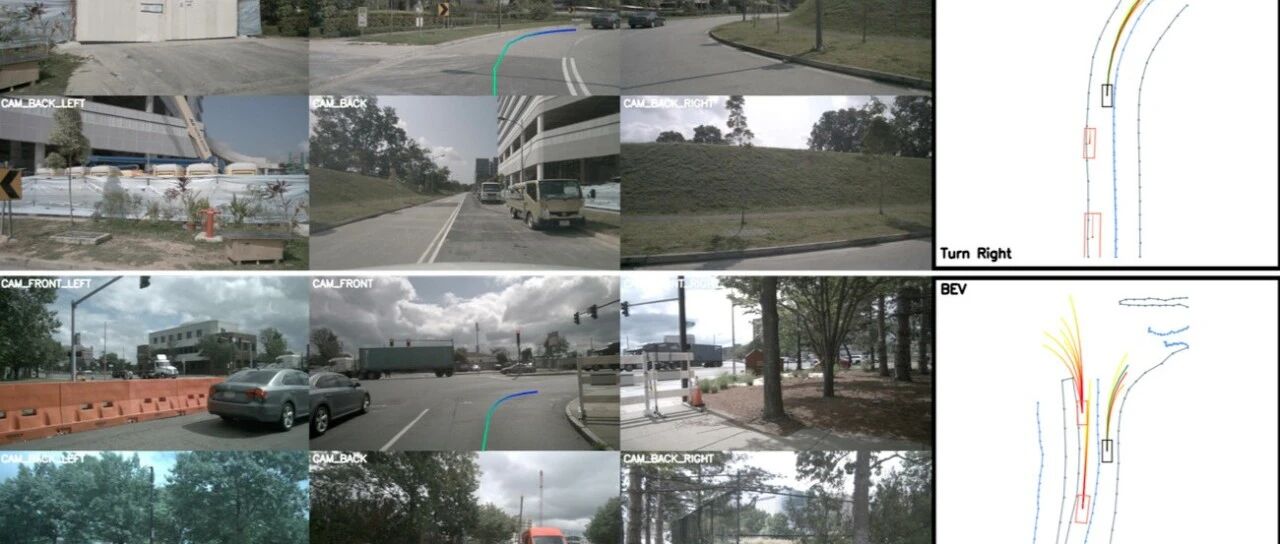
端到端落地小班课:核心算法&实战讲解(7个project)
自动驾驶之心· 2025-12-09 19:00
Core Insights - The article discusses the evolving recruitment landscape in the autonomous driving sector, highlighting a shift in demand from perception roles to end-to-end, VLA, and world model positions [2] - A new advanced course focused on end-to-end production in autonomous driving has been designed, emphasizing practical applications and real-world experience [2][4] Course Overview - The course is structured to cover various core algorithms, including one-stage and two-stage end-to-end methods, navigation information applications, reinforcement learning, and trajectory optimization [2] - The course aims to provide in-depth knowledge and practical skills necessary for production in autonomous driving, with a focus on real-world applications and challenges [2][4] Chapter Summaries - **Chapter 1: Overview of End-to-End Tasks** Discusses the integration of perception tasks and the learning-based design of control algorithms, which are essential skills for companies in the end-to-end era [7] - **Chapter 2: Two-Stage End-to-End Algorithm Framework** Introduces the modeling methods of two-stage frameworks and the information transfer between perception and planning, including practical examples [8] - **Chapter 3: One-Stage End-to-End Algorithm** Focuses on one-stage frameworks that allow for lossless information transfer, presenting various methods and practical learning experiences [9] - **Chapter 4: Production Application of Navigation Information** Covers the critical role of navigation information in autonomous driving, detailing mainstream navigation map formats and their integration into models [10] - **Chapter 5: Introduction to RL Algorithms in Autonomous Driving** Explains the necessity of reinforcement learning in conjunction with imitation learning to enhance the model's ability to generalize [11] - **Chapter 6: Trajectory Output Optimization** Engages participants in practical projects focusing on algorithms based on imitation learning and reinforcement learning [12] - **Chapter 7: Safety Net Solutions - Spatiotemporal Joint Planning** Discusses post-processing logic to ensure model accuracy and stability in trajectory outputs, introducing common smoothing algorithms [13] - **Chapter 8: Experience Sharing on End-to-End Production** Provides insights on practical experiences in production, addressing data, models, scenarios, and strategies for system capability enhancement [14] Target Audience - The course is aimed at advanced learners with a foundational understanding of autonomous driving algorithms, reinforcement learning, and programming skills [15][17]
端到端岗位求职:核心算法&实战讲解(7个project)
自动驾驶之心· 2025-12-08 00:02
Core Insights - The article discusses the evolving recruitment landscape in the autonomous driving industry, highlighting a shift in demand from perception roles to end-to-end, VLA, and world model positions [2] - A new course titled "End-to-End Practical Class for Mass Production" has been designed to address the skills gap in the industry, focusing on practical applications and mass production experiences [2][4] Course Overview - The course aims to cover core algorithms such as one-stage and two-stage end-to-end methods, navigation information applications, reinforcement learning, and trajectory optimization [2] - It is structured into eight chapters, each focusing on different aspects of end-to-end autonomous driving systems, including task overview, algorithm frameworks, navigation applications, and production experiences [5][7][8][9][10][11][12][13][14] Target Audience - The course is designed for advanced learners with a background in autonomous driving perception, reinforcement learning, and programming languages like Python and PyTorch [15][16] - It emphasizes practical skills and aims to prepare participants for real-world applications in the autonomous driving sector [2][15] Course Schedule - The course will commence on November 30, with a duration of approximately three months, featuring offline video lectures and online Q&A sessions [15][17]
汽车智能化系列专题之决策篇(7):各厂商技术持续突破,robotaxi商业化进展迎拐点
Guoxin Securities· 2025-12-03 11:58
Investment Rating - The report maintains an "Outperform" rating for the industry [1] Core Insights - The development of intelligent driving is an inevitable trend supported by national strategies and policies, leading to multi-dimensional improvements in society and industry [2] - Tesla and Huawei are leading the breakthrough in L4 autonomous driving with their end-to-end algorithms, significantly enhancing performance and capabilities [2] - The Robotaxi global market is projected to reach nearly 10 trillion, with ongoing commercialization efforts [2] Summary by Sections 01 Intelligent Driving Regulations: Gradual Policy Implementation - Domestic and international policies are progressively supporting the automation of driving applications, with various local governments exploring intelligent driving scenarios [6][7] 02 High-End Intelligent Driving: Tesla and Huawei's End-to-End Technology - Tesla's FSD V12 and Huawei's ADS 3.0 are leading advancements in L4 capabilities, with significant improvements in algorithm performance and urban coverage [2][20] 03 Intelligent Driving Equality: 2025 Penetration Rate Inflection Point - The penetration rates for highway NOA are expected to grow from 11.3% in 2024 to 39.0% in 2025, while urban NOA is projected to increase from 6.1% to 9.6% [41] - The high-end intelligent driving market is anticipated to reach 23,866 billion by 2025, doubling from 2024 due to increased penetration and market expansion [41] 04 Industry Chain and Component Manufacturer Analysis - BYD's "Tian Shen Zhi Yan" system is set to penetrate the mid-range market, with plans to offer intelligent driving features in vehicles priced below 100,000 [25][29] 05 Robotaxi: The Best Commercialization Scenario for Intelligent Driving - Companies like Waymo and Apollo are leading in the Robotaxi sector, with PONY AI achieving operational cost balance and WeRide aiming for a fleet of 100,000 by 2030 [2]



最近,自动驾驶的岗位招聘有一些新的变化......
自动驾驶之心· 2025-12-03 00:04
Core Viewpoint - The article discusses the evolving recruitment demands in the autonomous driving sector, highlighting a shift from perception roles to end-to-end, VLA, and world model positions, indicating a broader technical skill requirement for candidates [1][2]. Group 1: Course Overview - The course titled "End-to-End Practical Class for Mass Production" focuses on practical applications in autonomous driving, covering various algorithms and real-world production experiences [2][3]. - The course is designed for a limited number of participants, with only 25 spots available, emphasizing a targeted approach to training [2][3]. Group 2: Course Structure - Chapter 1 introduces the overview of end-to-end tasks, discussing the integration of perception tasks and the learning-based control algorithms that are becoming mainstream [6]. - Chapter 2 covers the two-stage end-to-end algorithm framework, explaining the modeling methods and the information transfer between perception and planning [7]. - Chapter 3 focuses on the one-stage end-to-end algorithm framework, highlighting its advantages in information transmission and introducing various one-stage framework solutions [8]. - Chapter 4 discusses the application of navigation information in autonomous driving, detailing the formats and encoding methods of navigation maps [9]. - Chapter 5 introduces reinforcement learning algorithms, emphasizing the need for these methods to complement imitation learning in autonomous driving [10]. - Chapter 6 involves practical projects on trajectory output optimization, combining imitation learning and reinforcement learning techniques [11]. - Chapter 7 presents fallback solutions through spatiotemporal planning, focusing on trajectory smoothing algorithms to enhance output reliability [12]. - Chapter 8 shares mass production experiences, analyzing how to effectively use tools and strategies to improve system capabilities [13]. Group 3: Target Audience and Requirements - The course is aimed at advanced learners with a foundational understanding of autonomous driving algorithms, though those with weaker backgrounds can still participate [14][15]. - Participants are required to have access to a GPU with recommended specifications and familiarity with various algorithms and programming languages [15].
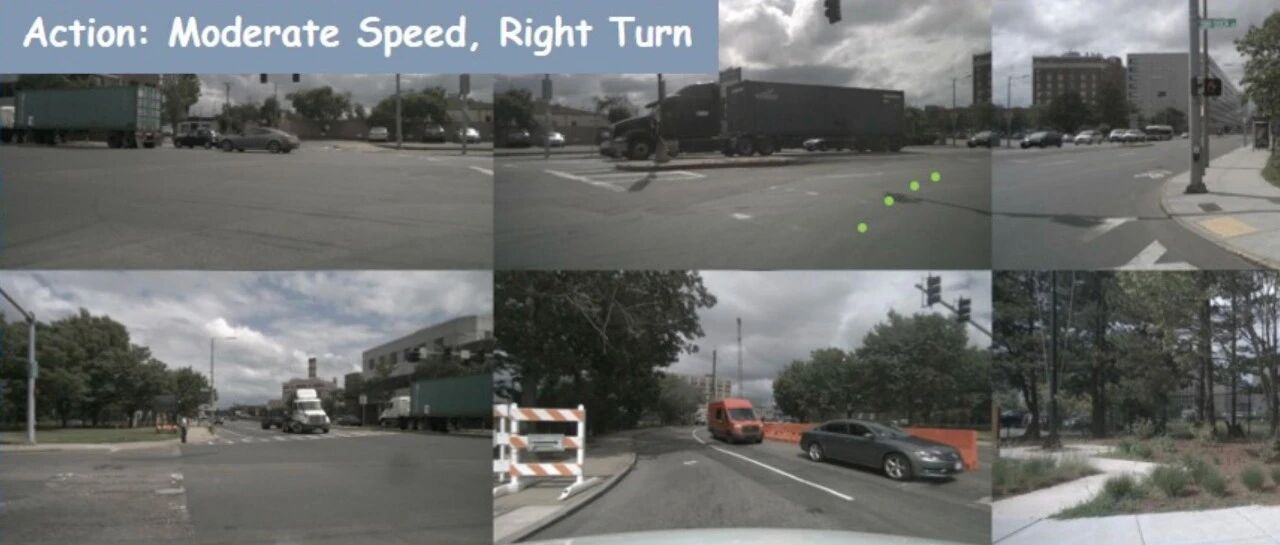
即将开课!面向量产的端到端小班课,上岸高阶算法岗位~
自动驾驶之心· 2025-11-27 00:04
Core Viewpoint - The article emphasizes the importance of end-to-end production in the automotive industry, highlighting the scarcity of qualified talent and the need for comprehensive training programs to address various challenges in this field [1][3]. Group 1: Course Overview - The course is designed to cover essential algorithms related to end-to-end production, including one-stage and two-stage frameworks, reinforcement learning applications, and trajectory optimization [3][9]. - It aims to provide practical experience and insights into production challenges, focusing on real-world applications and expert guidance [3][6]. Group 2: Course Structure - The course consists of eight chapters, each addressing different aspects of end-to-end production, such as task overview, algorithm frameworks, navigation information applications, and trajectory output optimization [9][10][11][12][13][14][15][16]. - The final chapter will share production experiences from various perspectives, including data, models, and strategies for system enhancement [16]. Group 3: Target Audience and Requirements - The course is aimed at advanced learners with a background in autonomous driving, reinforcement learning, and programming, although those with weaker foundations can still participate [17][18]. - Participants are required to have access to a GPU with recommended specifications and familiarity with relevant algorithms and programming languages [18].
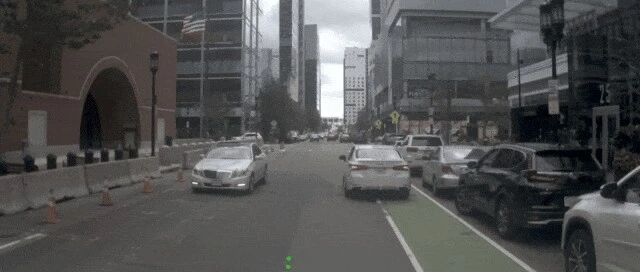
工业界算法专家带队!面向落地的端到端自动驾驶小班课
自动驾驶之心· 2025-11-21 00:04
Core Insights - The article emphasizes the importance of end-to-end production in the automotive industry, highlighting the scarcity of qualified talent in this area [1][3] - A newly designed advanced course on end-to-end production has been developed to address the industry's needs, focusing on practical applications and real-world scenarios [3][5] Course Overview - The course covers essential algorithms such as one-stage and two-stage end-to-end frameworks, reinforcement learning applications, and trajectory optimization techniques [5][10] - It aims to provide hands-on experience and insights into production challenges, making it suitable for individuals looking to advance or transition in their careers [5][18] Course Structure - Chapter 1 introduces the overview of end-to-end tasks, focusing on the integration of perception and control algorithms [10] - Chapter 2 discusses the two-stage end-to-end algorithm framework, including its modeling and information transfer methods [11] - Chapter 3 covers the one-stage end-to-end algorithm framework, emphasizing its advantages in information transmission [12] - Chapter 4 focuses on the application of navigation information in autonomous driving, detailing map formats and encoding methods [13] - Chapter 5 introduces reinforcement learning algorithms, highlighting their necessity alongside imitation learning [14] - Chapter 6 provides practical experience in trajectory output optimization, combining imitation and reinforcement learning [15] - Chapter 7 discusses fallback strategies for trajectory smoothing and reliability in production [16] - Chapter 8 shares production experiences from various perspectives, including data and model optimization [17] Target Audience - The course is designed for advanced learners with a foundational understanding of autonomous driving algorithms, reinforcement learning, and programming skills [18][19] Course Logistics - The course starts on November 30 and spans three months, featuring offline video lectures and online Q&A sessions [20]
智驾软硬件持续迭代,robotaxi未来已来
2025-11-03 02:35
Summary of Key Points from the Conference Call Industry Overview - The conference call discusses the autonomous driving (AD) industry, focusing on various companies and their technological advancements in the sector. Key Companies and Market Share - **Momenta** holds a leading position in the third-party autonomous driving market with a market share of 55%, while **Huawei** has a 25% share [1][3]. - **DJI** excels in low-computing power chip solutions but is shifting towards mid-to-high computing power solutions due to market demand [1][5]. - **Horizon Robotics** has developed self-researched hardware-software integrated solutions, currently in mass production with Chery's models, but faces challenges in NPU computing power and algorithm upgrades [1][6]. Technological Routes and Developments - The AD industry is divided into three main technological routes: 1. **End-to-End Algorithms**: Gaining traction since Tesla's AI Day in 2021, with companies like Momenta and Tesla implementing these algorithms in production vehicles [2]. 2. **Vision Language Action (VLA) Models**: Used by companies like Li Auto and XPeng, requiring high computing power (minimum 500 TOPS) and significant resources for training [2]. 3. **World Models**: Developed by companies like Huawei and Momenta, capable of understanding and predicting environmental changes [2]. Performance and Capabilities of Key Players - **Momenta** offers two product lines: a cost-effective single Orin X solution and a high-end dual Orin X solution, showcasing strong engineering capabilities [3]. - **DJI** has strong engineering capabilities but relatively weaker algorithm capabilities, allowing it to effectively implement complex algorithms in practical scenarios [3]. - **Horizon Robotics** is in the second tier of the industry, with its HSD and G6P series solutions providing decent user experience but needing more vehicle validation [6]. Market Trends and Shifts - The market is shifting from low-computing power chips to mid-to-high computing power solutions, prompting companies like DJI to develop new chip solutions [4][5]. - The demand for **fusion perception** routes combining Lidar and other sensors is expected to grow due to regulatory requirements and the need for handling complex scenarios [12]. Challenges and Future Outlook - The differences in autonomous driving capabilities among companies are primarily determined by data, computing power, and algorithms [8][9]. - Long-term, the accumulation of data will be crucial for competitive advantage, with a critical mass of road testing data needed to trigger significant improvements [10]. - The **Robot Taxi** market is seen as a positive growth area, with profitability dependent on vehicle efficiency, cost management, and competitive pricing [18][19]. Conclusion - Companies transitioning from L2+ to L4 levels of autonomous driving have a natural advantage due to lower resource investment and existing experience in mass production [20].
开学了,需要一个报团取暖的自驾学习社区...
自动驾驶之心· 2025-09-04 23:33
Group 1 - The article discusses the importance of the autumn recruitment season, highlighting a student's experience of receiving an offer from a tier 1 company but feeling unfulfilled due to a desire to transition to a more advanced algorithm position [1] - The article encourages perseverance and self-challenge, emphasizing that pushing oneself can reveal personal limits and potential [2] Group 2 - A significant learning package is introduced, including a 299 yuan discount card for a year of courses at a 30% discount, various course benefits, and hardware discounts [4][6] - The focus is on cutting-edge autonomous driving technologies for 2025, particularly end-to-end (E2E) and VLA autonomous driving systems, which are becoming central to the industry [7][8] Group 3 - The article outlines the development of end-to-end autonomous driving algorithms, emphasizing the need for knowledge in multimodal large models, BEV perception, reinforcement learning, and more [8] - It highlights the challenges faced by beginners in synthesizing knowledge from fragmented research papers and the lack of practical guidance in transitioning from theory to practice [8] Group 4 - The introduction of a new course on automated 4D annotation algorithms is aimed at addressing the increasing complexity of training data requirements for autonomous driving systems [11][12] - The course is designed to help students navigate the challenges of data annotation and improve the efficiency of data loops in autonomous driving [12] Group 5 - The article discusses the emergence of multimodal large models in autonomous driving, noting the rapid growth of job opportunities in this area and the need for a structured learning platform [14] - It emphasizes the importance of practical experience and project involvement for job seekers in the autonomous driving sector [21] Group 6 - The article mentions various specialized courses available, including those focused on perception, model deployment, planning control, and simulation in autonomous driving [16][18][20] - It highlights the importance of community engagement and support through dedicated VIP groups for course participants [26]
