
绩效考核

Search documents
画饼与PUA:好的管理,绝不按时兑现承诺
Hu Xiu· 2025-07-17 04:08
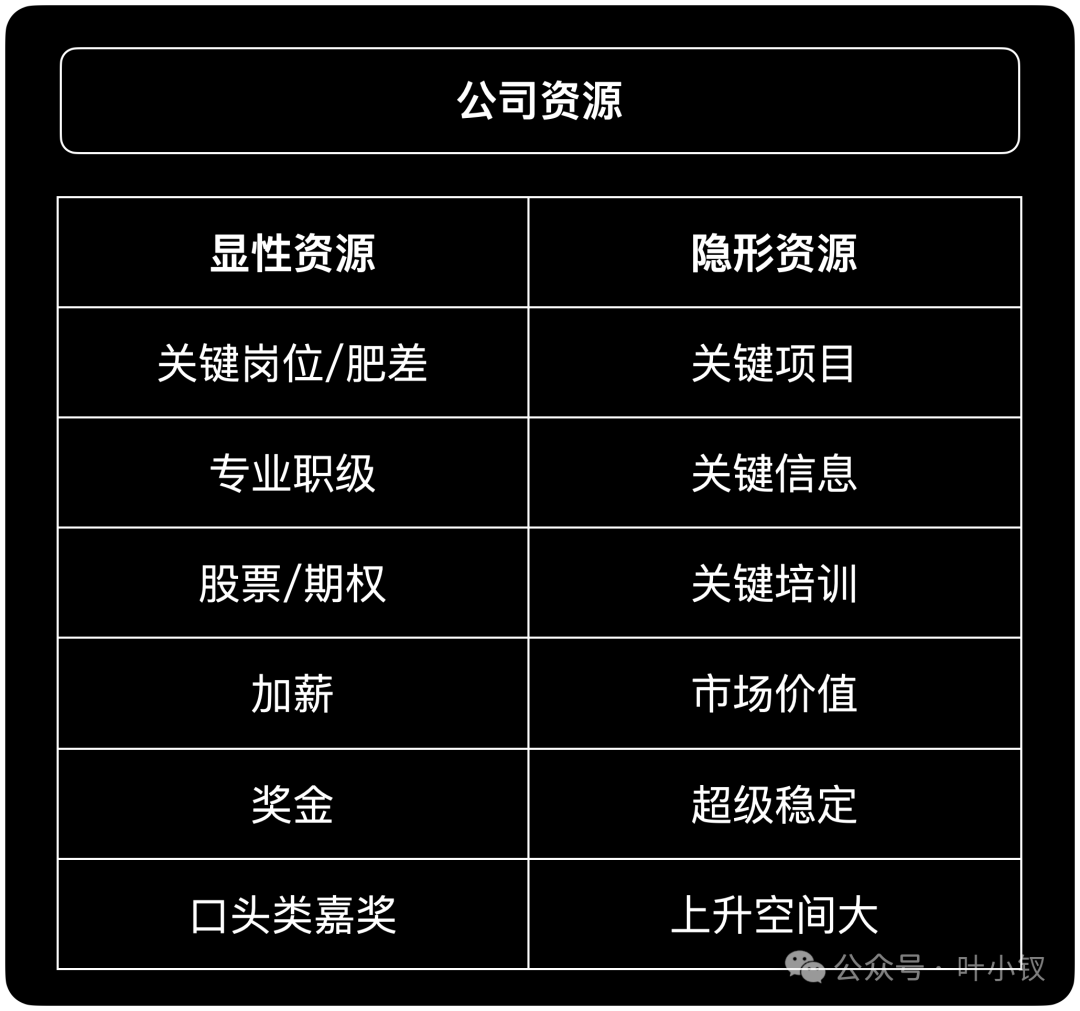
Core Viewpoint - The article discusses the concept of "painting a pie," which refers to managers using grand goals and visions to motivate employees and secure their commitment, especially in times of crisis or resource scarcity [2][4][24]. Group 1: Definition and Importance of "Painting a Pie" - "Painting a pie" is a strategic behavior where managers propose ambitious goals or visions to inspire employee motivation and attract talent [2][3]. - This behavior often includes future blueprints and expected outcomes, although the specific paths to achieve these goals may not be fully defined [3][4]. - The act of resource distribution after performance evaluations is seen as a way for managers to fulfill their promises, thereby increasing employee trust in the company and their superiors [1]. Group 2: Types of "Pies" - There are three types of "pies" that a manager can offer: 1. **Company System-Granted Pie**: Resources that can be promised within the company framework, such as key positions, critical projects, and salary increases [5][7]. 2. **Personal Emotional Bonds Pie**: Resources derived from personal relationships, where managers can leverage their connections to benefit certain team members [8][9]. 3. **Personal Influence Pie**: Resources that come from the manager's external influence, including professional development opportunities and trust-based recommendations [9][10]. Group 3: Characteristics of Effective "Pie Painters" - Effective "pie painters" possess certain traits: 1. **Proven Credibility**: A history of successfully fulfilling promises enhances trust [11][12]. 2. **Infectious Communicators**: Strong communication skills that inspire and energize the team [13][14]. 3. **Resource Controllers**: Managers who have access to essential resources can make their promises more likely to be fulfilled [16][17]. 4. **Professional Experts**: Those with deep expertise can guide teams in skill enhancement and problem-solving [18][19]. 5. **Human Touch**: Leaders who show genuine care can foster a sense of security and belonging among employees [20][21]. Group 4: Techniques for "Painting a Pie" - "Painting a pie" is a strategic tool that requires a balance of clarity and ambiguity to motivate teams effectively [24][25]. - Key techniques include: 1. **Purpose**: Establishing clear goals that align with team interests [26]. 2. **Audience Understanding**: Tailoring messages to meet the diverse needs of team members [26]. 3. **Inspiration**: Using vivid language to create an appealing vision of the future [27]. 4. **Navigation**: Setting clear paths and timelines for achieving goals [28]. 5. **Trust Building**: Ensuring that promises are credible and backed by actions [27][28]. Group 5: Balancing Expectations - Managers must balance the reality of resource availability with the psychological needs of employees [36]. - Partial fulfillment of promises can help build trust over time [37]. - Emotional connections and genuine care are crucial for successful "pie painting" [39][40]. Group 6: Conclusion - The essence of "painting a pie" is a negotiation between expectations and reality, where the art lies in finding a balance that excites employees while remaining feasible [48].

我们按工作量分配奖金,是管理最大的谎言
Hu Xiu· 2025-07-05 06:50
Core Viewpoint - Performance evaluation is a critical issue for managers, often leading to confusion and ineffective execution due to interpersonal dynamics and historical practices within organizations [2][3][4]. Group 1: Performance Evaluation Challenges - Many managers struggle to implement performance evaluation systems effectively, often resorting to superficial compliance rather than genuine assessment [3][4]. - The historical default of high performance ratings (A) leads to a lack of meaningful differentiation among employees, complicating the evaluation process [2][3]. - Employees often misunderstand the purpose of performance evaluations, believing that presentation skills alone can secure promotions, while the reality is that a ranking system is already in place [8][9]. Group 2: HR Misunderstandings - HR departments may not fully grasp the underlying logic of performance evaluations, leading to ineffective systems that do not enhance productivity [10][11]. - The focus on punitive measures rather than constructive feedback can create resentment among employees, undermining morale and productivity [13][14]. - A more equitable approach would involve redistributing withheld funds back to teams, fostering a sense of fairness and motivation [16][17]. Group 3: Talent Assessment - Performance evaluations serve as a means to identify top talent and assess team dynamics, focusing on individual strengths and weaknesses [19][20]. - The talent grid method is recommended for assessing employee performance without their direct involvement, allowing for a more objective evaluation [21][22]. - A healthy team should regularly conduct talent assessments to ensure proper resource allocation and identify key personnel [22][24]. Group 4: Employee Categorization - Employees can be categorized into different tiers based on performance and potential, with specific strategies for development tailored to each group [24][25][26]. - The categorization includes "superstars," "potential stars," and "performance stars," each requiring different management approaches to maximize their contributions [24][25][26]. - Understanding the nuances between these categories can help management make informed decisions regarding promotions and resource allocation [37][38]. Group 5: Effective Work Sensitivity - The distinction between effective and ineffective tasks is crucial in performance evaluations, as employees may engage in tasks that do not contribute meaningfully to organizational goals [41][70]. - Employees' sensitivity to effective tasks can significantly impact their performance ratings, with those lacking this sensitivity often receiving lower evaluations [38][41]. - Managers should prioritize evaluating the completion of effective work rather than merely the volume of tasks completed [71].
公募基金改革方案深度解读:公募重磅改革,加速生态重塑
2025-05-14 15:19
Summary of Key Points from Conference Call Records Industry Overview - The conference call discusses the public fund reform in China, focusing on the mutual fund industry and its implications for investors and fund companies [1][5][6]. Core Insights and Arguments - **Objective of New Regulations**: The new regulations aim to address residents' investment returns, reduce investor costs, and shift the industry focus from scale to actual returns. The first two phases of fee reductions for active equity funds have been completed [1][5]. - **Performance Assessment**: Emphasis on performance assessment will lead the mutual fund industry to prioritize actual returns over mere scale expansion. This includes incorporating investor gains and losses into evaluation metrics [6][7]. - **Cost Reduction for Investors**: Investor costs are expected to decrease through lower sales fees and management fees. Sales fees are currently in the range of 0% to 1.5%, with a significant portion of products having low sales fees [10][11]. - **Shift Towards Equity Funds**: The policy encourages the development of equity funds, which currently represent a low proportion of the mutual fund market in China (22% compared to 57% globally). There is a need to enhance research quality and performance to attract more funds [14][15]. - **ETF and Index Fund Growth**: The development of index funds and ETFs is crucial for expanding mutual fund assets. The growth rate of ETFs is projected to be 39% from 2018 to 2024 [15]. Additional Important Content - **Impact on Non-Bank Sectors**: The reform has significantly impacted the non-bank sector, with a notable short-term rally in stocks due to low allocation in the sector. The banking sector has seen a 7.3% increase, while non-bank sectors like insurance and brokerage have underperformed [2][4]. - **Long-term Trends in Non-Bank Sector**: The insurance sector is expected to improve, with a stable long-term interest rate environment alleviating margin pressures. Companies like China Ping An and China Pacific Insurance are highlighted as potential investment opportunities [4]. - **Changes in Fund Sales**: The sales process will be standardized, with a focus on maintaining product scale and investor outcomes. The importance of fund advisory services is expected to increase, providing a new revenue stream for fund companies [3][17]. - **Industry Consolidation**: The new regulations are likely to accelerate the survival of the fittest within the industry, favoring larger firms while smaller firms may struggle to maintain profitability [18][19]. - **Performance-Based Fee Structures**: The introduction of performance-based fee structures is anticipated to lead to a more conservative investment approach among fund managers, potentially increasing the attractiveness of fixed-income products [16]. Conclusion The public fund reform in China is set to reshape the mutual fund industry by emphasizing performance, reducing costs for investors, and promoting equity fund growth. The changes are expected to benefit larger, more innovative firms while posing challenges for smaller entities. The focus on ETFs and index funds will also play a critical role in the industry's future development.
光迅科技: 武汉光迅科技股份有限公司2025年限制性股票激励计划绩效考核办法
Zheng Quan Zhi Xing· 2025-03-24 14:12
Core Points - The performance assessment aims to scientifically and dynamically measure the work efficiency and effectiveness of the incentive recipients under the restricted stock incentive plan, enhancing their motivation and improving management and performance to achieve the company's long-term strategic goals [1] - The performance assessment combines quantitative and qualitative indicators, ensuring transparency, fairness, and justice [1] Performance Assessment Framework - The performance assessment is conducted annually, typically after the company's annual report is disclosed, determining the number of shares that can be unlocked based on the assessment results [2] - Different assessment subjects are defined for various levels of personnel, including the board of directors, senior management, and core technical staff, with specific assessment bodies assigned to each [3][4] Assessment Indicators - The assessment indicators are categorized into three main types: strategic management, financial performance, and operational efficiency, with examples including net profit growth rate and customer satisfaction [4][5] - The selection of indicators follows principles of controllability, key relevance, challenge, consistency, and democratic participation in setting goals [6] Scoring and Evaluation - Scoring rules for quantitative indicators are based on performance completion, with scores ranging from 0 to 120, while qualitative indicators and key events also influence the overall score [7] - The overall assessment score is calculated through a weighted average of individual indicator scores, with specific provisions for veto indicators that can nullify other achievements [7] Performance Tracking and Appeals - The company regularly monitors the completion of performance indicators and provides guidance to departments and subsidiaries, ensuring alignment with planned goals [9] - If recipients have objections to their assessment results, they can submit a written appeal to the performance management committee, which will process and respond within specified timeframes [10] Application of Assessment Results - The performance assessment results are specifically applicable to the unlocking of restricted stock under the incentive plan, with different unlocking ratios based on the performance score achieved [16]

晶澳科技(002459) - 薪酬与考核委员会工作细则(H股上市后适用)
2025-02-21 11:31
(H 股发行并上市后适用) 第一章 总则 第一条 为进一步建立健全公司董事(非独立董事)及高级管理人员的考核 和薪酬管理制度,充分发挥董事会薪酬与考核委员会的职能作用,完善公司治理 结构,根据《中华人民共和国公司法》《上市公司治理准则》《深圳证券交易所 股票上市规则》《香港联合交易所有限公司证券上市规则》(以下简称"《香港上 市规则》")、《晶澳太阳能科技股份有限公司章程》(以下简称"《公司章程》") 及其他有关规定,特制定本工作细则。 第二条 薪酬与考核委员会是董事会设立的专门工作机构,主要负责制定公 司董事和高级管理人员的考核标准并进行考核;负责制定、审查公司董事及高管 人员薪酬政策与方案,对董事会负责。 晶澳太阳能科技股份有限公司董事会 薪酬与考核委员会工作细则 第三条 本工作细则所称董事是指在本公司领取薪酬的董事长、董事;高级 管理人员是指董事会聘任的总经理、副总经理、董事会秘书、财务负责人及由总 经理提请董事会认定的其他高级管理人员。 第二章 人员组成 第四条 薪酬与考核委员会成员由不少于三名董事组成,其中独立董事占多 数。 第五条 薪酬与考核委员会委员由董事长、二分之一以上独立董事或者全体 董事的 ...
