
网络空间治理

Search documents
户晨风多平台账号被封,详情披露
第一财经· 2025-11-05 10:02
Core Viewpoint - The article discusses the negative impact of social media influencers, particularly focusing on the case of Hu Chenfeng, who has been banned for inciting social division and promoting extreme views for the sake of gaining attention and followers [3][5]. Group 1: Influencer Behavior - Hu Chenfeng, a popular influencer with millions of followers, created a divisive narrative by categorizing users as "Apple people" or "Android people," which he used to generate social conflict and attract traffic [5][8]. - His portrayal of "Apple people" as the elite and "Android people" as the lower class has sparked significant social controversy and highlighted the dangers of such divisive rhetoric [7][8]. Group 2: Expert Opinions - Experts argue that Hu's actions are a deliberate attempt to create sharp divisions and provoke emotional responses among different groups, ultimately aiming for commercial gain [8]. - There is a call for a more structured management mechanism to regulate harmful content on social media, ensuring a more inclusive and orderly online environment [10]. Group 3: Recommendations for Improvement - Suggestions include enhancing platform algorithms and review mechanisms, encouraging mainstream media to play a more active role in guiding public opinion, and fostering a healthier online atmosphere [12].


守护清朗网络空间
Jing Ji Ri Bao· 2025-11-04 22:22
Core Points - The recent two-month special action "Clear and Bright: Rectifying Malicious Provocation of Negative Emotions" initiated by the Central Cyberspace Administration aims to strengthen the investigation and handling of issues, creating a positive online environment [1] - The action emphasizes comprehensive governance, stating that "not illegal" is no longer the endpoint of internet governance but the starting point for building a healthy online ecosystem [1] - Malicious provocation of negative emotions has long plagued internet users, with such content not only present in explicit formats like short videos and live streams but also hidden in comments, bullet screens, and emojis [1] Industry Insights - Emotional content is more contagious than factual and logical information, leading content producers and platform operators to deliberately package ordinary information into controversial content, creating anger, anxiety, and despair [2] - Continuous exposure to negative content can exacerbate negative emotions rather than relieve stress, creating a vicious cycle [2] - A truly clear and healthy online space requires collaboration among multiple stakeholders, including platforms, content producers, and users, to embrace positive values and online culture [2]
互联网法院“功能重塑”,透露哪些信号
第一财经· 2025-10-16 13:23
Core Viewpoint - The article discusses significant changes in the jurisdiction of internet courts in China, effective from November 1, focusing on complex cases while removing simpler, repetitive cases from their purview [3][5]. Summary by Sections Changes in Jurisdiction - The Supreme Court has issued new regulations that expand the jurisdiction of internet courts in Beijing, Hangzhou, and Guangzhou to include four new types of cases: "network data," "personal information protection and privacy," "virtual property," and "unfair competition disputes" [3][5]. - Simultaneously, it removes simpler cases such as "financial loans," "small loan contract disputes," and certain "copyright disputes" from its jurisdiction, addressing the issue of overwhelming simple cases that consume judicial resources [3][5][6]. Historical Context and Issues - Initially, internet courts were established to explore online litigation rules, but the effectiveness of this mission has diminished as many courts can now conduct online hearings [6][10]. - The Beijing Internet Court reported handling 194,000 cases from its establishment in 2018 to July 2023, with a high concentration of simple cases, leading to a "case overload" issue [6][10]. Strategic Repositioning - Experts suggest that the recent adjustments are not merely minor tweaks but a strategic reconfiguration of the internet courts' functions, aiming to focus on complex and emerging digital economy-related disputes [6][9]. - The article emphasizes the need for dynamic adjustments in jurisdiction based on the maturity of case types and the necessity for rule exploration in new areas [7][9]. Future Directions - The internet courts are expected to evolve into "rule incubators" for governance in the digital space, addressing issues like data rights, platform economy, and algorithm governance [14][15]. - There is a call for establishing judicial review standards for platform rules, ensuring fairness and transparency in algorithmic decision-making [15][16]. - The article highlights the importance of maintaining judicial integrity while innovating procedural rules, ensuring that the rights of parties involved are not diminished [16].
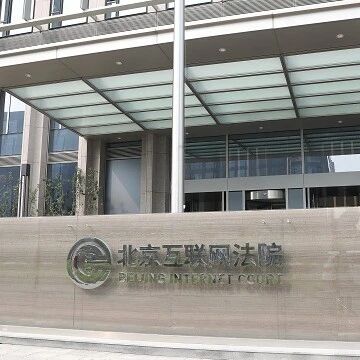
互联网法院案件管辖范围大调整,“功能重塑”透露哪些信号
Di Yi Cai Jing· 2025-10-16 12:26
Core Viewpoint - The recent adjustments to the jurisdiction of internet courts in China reflect a strategic transformation aimed at addressing the challenges of handling simple and repetitive cases, thereby allowing courts to focus on more complex and emerging legal issues in the digital economy [1][5][9] Summary by Sections Jurisdiction Changes - The Supreme Court has announced significant changes to the jurisdiction of internet courts in Beijing, Hangzhou, and Guangzhou, adding four new categories of cases while removing simpler ones, such as financial loan disputes and certain copyright cases [1][2] - The new categories include "network data," "personal information protection and privacy," "virtual property," and "unfair competition disputes," indicating a shift towards more complex legal matters [1][2] Historical Context - Initially, internet courts were established to explore online litigation rules, but the effectiveness of this mission has diminished as traditional courts have also adopted online procedures [2][6] - The previous jurisdiction led to an overwhelming number of simple and repetitive cases, straining judicial resources and limiting the ability to address more complex issues [3][5] Challenges and Opportunities - The "case overload" issue has highlighted the need for a reallocation of judicial resources to focus on new and complex internet-related disputes, such as data misuse and algorithm discrimination [5][9] - Scholars suggest that the jurisdiction of internet courts should be dynamically adjusted based on the maturity of legal rules for different case types [5][9] Future Directions - The internet courts are expected to evolve into specialized entities that can effectively address new legal challenges in areas like data rights, platform economy, and artificial intelligence [9][10] - There is a call for the establishment of judicial review standards for platform rules, emphasizing the need for tailored approaches based on the nature of the rules being examined [10][11] - The courts must balance innovation in procedural rules with the protection of litigants' rights and the integrity of the legal system [11]
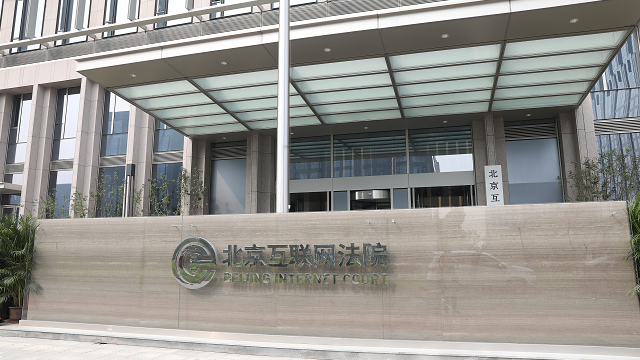
最高法发布新规:网络侵害名誉权等纠纷从互联网法院管辖范围中移出
Guan Cha Zhe Wang· 2025-10-12 13:06
Core Points - The Supreme People's Court has issued new regulations to enhance the jurisdiction of internet courts, effective from November 1, 2025, aimed at improving judicial convenience and supporting the healthy development of the digital economy [1][3]. Summary by Sections New Jurisdictional Additions - Four new types of internet-related cases have been added to the jurisdiction of internet courts, including disputes over "network data ownership, infringement, and contract," "protection of personal information and privacy rights," "virtual property ownership, infringement, and contract," and "unfair competition in the network" [4]. Adjustments to Existing Jurisdiction - Certain cases have been removed from the jurisdiction of internet courts, such as disputes related to "financial loan contracts completed online," "copyright ownership disputes for works published online," and "product liability disputes arising from e-commerce purchases," which will now be handled by local grassroots courts [5]. Retained Jurisdictional Cases - Four types of cases will continue to be under the jurisdiction of internet courts, including "domain name ownership, infringement, and contract disputes," "disputes arising from online shopping contracts," "network service contract disputes," and "public interest litigation cases initiated by procuratorial organs" [6]. Adjustments in Administrative and International Cases - The jurisdiction of internet courts over administrative cases and cases involving foreign, Hong Kong, Macau, and Taiwan matters has been adjusted, allowing for better oversight of network regulation and promoting unified enforcement standards [7].
最高法发布互联网法院案件管辖规定 新增四类网络案件由互联网法院集中管辖
Zhong Guo Zheng Quan Bao· 2025-10-11 07:20
Core Viewpoint - The Supreme People's Court has announced new regulations to enhance the jurisdiction of internet courts, effective from November 1, 2025, aiming to improve judicial efficiency and support the healthy development of the digital economy [1]. Summary by Sections New Jurisdictional Additions - Four new categories of internet-related cases have been added to the jurisdiction of internet courts, including disputes over "network data ownership, infringement, and contract," "personal information protection and privacy disputes," "virtual property ownership, infringement, and contract disputes," and "unfair competition disputes" [2]. Removal of Certain Cases - Certain cases have been removed from the jurisdiction of internet courts, such as financial loan disputes completed online, copyright disputes related to online publications, product liability disputes from e-commerce purchases, and traditional network infringement cases [3]. Retained Jurisdiction - Four categories of cases will continue to be handled by internet courts, including disputes over "domain name ownership, infringement, and contracts," "e-commerce contract disputes," "network service contract disputes," and "public interest litigation cases initiated by procuratorial organs" [4]. Adjustments to Administrative and International Cases - The jurisdiction of internet courts has been adjusted to include administrative cases related to network data regulation and personal information protection, as well as international cases involving network data disputes and virtual property disputes, enhancing the court's role in global network governance [5].
最高人民法院研究室负责人就互联网法院案件管辖司法解释答记者问
Yang Shi Wang· 2025-10-11 02:32
Core Viewpoint - The Supreme People's Court has issued new regulations to enhance the jurisdiction of internet courts, effective from November 1, 2025, to better serve the digital economy and improve online dispute resolution [1][2]. Group 1: Background and Reasons for Regulation Adjustment - The adjustment of jurisdiction is a response to the need for improved governance in the digital economy and aligns with the directives from the 20th Central Committee's Third Plenary Session [3]. - The changes are necessary to fulfill the functional positioning of internet courts as outlined by the Central Committee, focusing on online dispute resolution and legal governance in the digital space [4]. - The adjustment addresses the diverse judicial needs of the public in the digital age, as new types of legal disputes related to data, algorithms, and personal information protection are emerging [5][6]. Group 2: Impact on Litigation - The new regulations will change the jurisdiction of specific cases, such as data rights and online personal information disputes, which will now be handled by internet courts [7]. - The adjustment aims to enhance the litigation experience for parties involved, ensuring that they can still benefit from online dispute resolution mechanisms [8]. Group 3: Judicial Capacity and Resources - Internet courts have accumulated substantial experience and resources to handle new types of network-related cases, having previously dealt with significant cases in this domain [9]. - The courts have established a specialized team of judges with expertise in both law and technology, ensuring effective handling of complex digital disputes [9]. Group 4: Broader Implications for Internet Courts - The jurisdictional changes will enhance the overall level of internet adjudication across the country, serving as a model for other courts [10]. - The adjustments will help establish clearer judicial standards for emerging fields, thereby strengthening the legal framework for digital economy governance [11]. - The regulations will also expand the jurisdiction to include international network cases, promoting better engagement in global internet governance [12].
最高人民法院:调整完善互联网法院案件管辖范围
Yang Shi Xin Wen· 2025-10-11 02:04
Core Viewpoint - The Supreme People's Court has issued new regulations to enhance the jurisdiction of internet courts, effective from November 1, 2025, aiming to improve judicial efficiency and support the healthy development of the digital economy [1][2]. Summary by Sections New Jurisdictional Additions - Four new types of internet-related cases have been added to the jurisdiction of internet courts, including disputes over network data ownership, personal information protection, virtual property rights, and unfair competition [2]. Adjustments to Existing Jurisdiction - Certain cases have been removed from the jurisdiction of internet courts, such as financial loan disputes and copyright issues that occur entirely online. These cases will now be handled by local courts based on regional jurisdiction [3]. Retained Jurisdictional Cases - Four types of cases will continue to be handled by internet courts, including domain name disputes, e-commerce contract disputes, online service contract disputes, and public interest litigation initiated by prosecutors [4]. Administrative and International Jurisdiction Adjustments - The regulations also adjust the jurisdiction of administrative cases and cases involving foreign entities, focusing on issues like network data regulation and personal information protection, thereby enhancing the governance of the digital space [5].
快手:已第一时间组建整改专项团队
Di Yi Cai Jing· 2025-09-20 11:51
Core Viewpoint - Kuaishou Technology has acknowledged the issues raised by the Cyberspace Administration regarding its hot search rankings and has committed to implementing corrective measures [1] Group 1: Company Response - The company has taken the matter seriously and has accepted the penalties imposed by the regulatory authority [1] - A special team has been established to address the specific issues identified by the Cyberspace Administration, focusing on improving the management of the hot search rankings [1] - Kuaishou aims to enhance the standardization and diversity of the content in its hot search rankings as part of its rectification efforts [1] Group 2: Future Commitments - The company will continue to proactively accept supervision from users and society to foster a clearer online environment [1] - Kuaishou intends to use this opportunity to strengthen its content management responsibilities and improve its overall governance mechanisms [1]

南财快评|用AI护航AI,网络空间治理寻找新解法
2 1 Shi Ji Jing Ji Bao Dao· 2025-09-15 11:55
Group 1 - The core viewpoint of the article emphasizes the dual role of AI in enhancing network security while also presenting new risks, highlighting the need for proactive governance and technological innovation [1][2] - The recent release of the "Artificial Intelligence Model Ecological Construction Gathering Area" policies in Zhuhai aims to support AI model development and innovation, establishing a sustainable network security ecosystem [3] - The policies include a maximum investment of 500 million yuan in "computing power vouchers" to reduce costs for enterprises and 100 million yuan in "model vouchers" to alleviate financial pressures on R&D and application of AI models [3] Group 2 - AI models are being actively explored by many tech and cybersecurity companies in China for applications in network security, including intelligent operation and automated risk management solutions [2] - The article suggests that the next step in the development of AI models should focus on creating collective public products that ensure safety, with recommendations for establishing a universal security model as an infrastructure service [3] - The emphasis is placed on using advanced technology to address security vulnerabilities rather than hindering technological progress, advocating for a development-driven approach to security challenges [2][3]