
能源安全新战略

Search documents
国家能源局召开2026年能源安全新战略宣传工作座谈会
国家能源局· 2026-01-14 07:36
Group 1 - The National Energy Administration held a meeting on January 12 to discuss the promotion of the new energy security strategy for 2026, emphasizing the importance of guiding principles from Xi Jinping's thought [2] - The meeting highlighted significant progress in promoting the energy security strategy, showcasing achievements in energy development and creating a favorable public opinion environment for high-quality energy development [2] - The meeting underscored the need to enhance cultural originality and improve the guiding capacity of mainstream media, aligning with the spirit of the 20th Central Committee's fourth plenary session [2] Group 2 - Six organizations, including China National Offshore Oil Corporation, Southern Power Grid, Huaneng Group, Three Gorges Group, Harbin Electric Group, and China Energy Media, participated in the meeting to share insights [3] - Representatives from energy state-owned enterprises, industry associations, universities, and relevant departments of the National Energy Administration attended the meeting [3]

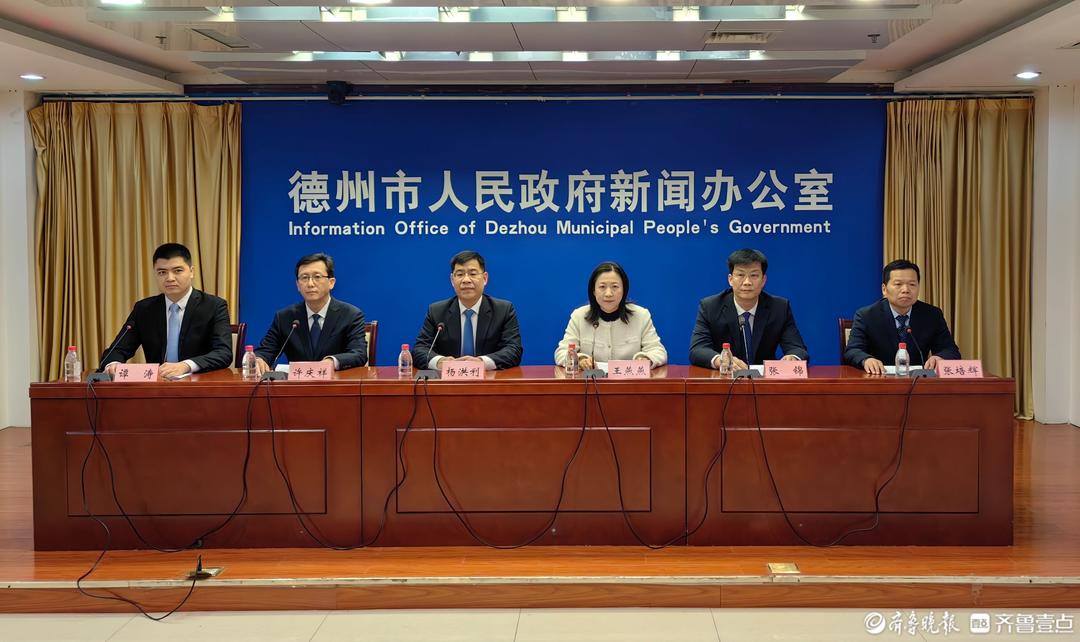
德州:新能源发电量占全社会用电量的比重达到56.6%
Qi Lu Wan Bao· 2026-01-12 13:48
Core Insights - Dezhou City is focusing on achieving its "dual carbon" strategic goals by enhancing energy security and transitioning to a clean, low-carbon energy system, with significant progress reported in renewable energy capacity and generation [3][4]. Group 1: Energy Consumption Transformation - The city is promoting a transition to green energy consumption by implementing energy consumption control measures and enhancing the circular economy in chemical parks, leading to a continuous decline in energy intensity [3]. - Dezhou has achieved a total renewable energy installed capacity of 10.61 million kilowatts and renewable energy generation of 16.6 billion kilowatt-hours, accounting for 56.6% of total electricity consumption [3]. Group 2: Energy Supply Transformation - The city is actively developing distributed renewable energy and exploring a comprehensive hydrogen energy industry chain, with a focus on the Linyi Huayi Hydrogen Energy Industrial Park [4]. - Traditional energy sources are being upgraded, with 31 outdated coal-fired units totaling 440,000 kilowatts shut down, and new high-efficiency back-pressure units being constructed to ensure clean energy supply [4]. Group 3: Energy Technology Transformation - Dezhou is advancing new energy storage technologies, with 18 demonstration projects totaling 2.905 million kilowatts, and has completed 7 projects with a capacity of 855,000 kilowatts [5]. - The city has been approved for several national and provincial pilot projects in hydrogen energy and geothermal energy, aiming to integrate energy storage and supply systems [5].
河南:全面推进源网荷储一体化、新型储能等新业态新模式发展
Zhong Guo Dian Li Bao· 2026-01-12 02:02
Core Insights - The Henan provincial government has reported significant achievements in energy investment and renewable energy development, with investments exceeding 100 billion yuan for three consecutive years and total installed power generation capacity surpassing 160 million kilowatts [1][2] Group 1: Energy Investment and Infrastructure - Henan has implemented a series of major projects and reforms to strengthen energy support for the private economy, enhancing energy infrastructure and ensuring stable energy supply for manufacturing and service sectors [2][3] - The province has made substantial progress in energy infrastructure, including the timely operation of the Xuchang Energy Coal Power Project and the completion of the Xinyang Wuyue Pumped Storage Power Station [2][3] Group 2: Renewable Energy Development - Henan is focusing on green energy transition, with renewable energy installed capacity exceeding 88 million kilowatts, accounting for over 50% of total capacity [3][4] - The province aims for renewable energy generation to exceed 140 billion kilowatt-hours, representing a 21% year-on-year growth, with green electricity accounting for nearly 40% of total generation [3][4] Group 3: Policy and Market Reforms - Henan has introduced policies to facilitate private sector participation in energy, including streamlined project approval processes and enhanced market access for private enterprises [6][7] - The province has implemented 781 integrated source-grid-load-storage projects, which are expected to promote green electricity consumption by 16.8 billion kilowatt-hours annually [4][6] Group 4: Private Sector Engagement - The participation of private enterprises in various energy sectors has been significant, with over 90% involvement in photovoltaic projects and more than 70% in biomass power generation [7][8] - Private capital has also made substantial investments in geothermal heating, charging stations, and new energy storage, indicating a breakthrough in market access for private enterprises in traditional energy sectors [7][8] Group 5: Future Development and Opportunities - Henan plans to accelerate the development of frontier energy industries such as hydrogen and storage, with expectations for new energy storage capacity to exceed 5 million kilowatts [4][5] - The province's ongoing policy support and market opportunities are expected to further unleash the innovative potential of the private economy, contributing to high-quality energy development [8]
2025年内蒙古能源系统数据出炉!装机规模、外送电量、绿氢产量等多项指标全国领先
Zhong Guo Neng Yuan Wang· 2026-01-09 01:21
Core Insights - Inner Mongolia's energy system aims for over 5% growth in industrial added value by 2025, with significant investments exceeding 300 billion yuan in major energy projects, accounting for 35% of the region's fixed asset investment [1] - The region has successfully completed a coal supply task of 795 million tons and has the highest total installed power capacity in the country, surpassing 300 million kilowatts, with electricity exports reaching 350 billion kWh for 21 consecutive years [1] - Wind power capacity has exceeded 10 million kilowatts, with a total of 35 million kilowatts of new energy capacity added, leading to a total of over 170 million kilowatts and a generation of 270 billion kWh, maintaining the top position in the country for over a decade [1] Energy Supply and Infrastructure - The power system's supporting and regulating capacity has been enhanced through the completion of the "Seven Horizontal and One Vertical" and "Four Horizontal and Six Vertical" 500 kV main grid frameworks in eastern and western Inner Mongolia [2] - New energy storage capacity has exceeded 17 million kilowatts, marking a 144% year-on-year increase [2] Development of New Productive Forces - The proportion of green and intelligent coal mines has reached 61% and 74% respectively, with ten technological equipment in hydrogen energy, energy storage, and new power systems recognized as major national equipment [3] - Green hydrogen production has surpassed 10,000 tons, leading the nation [3]
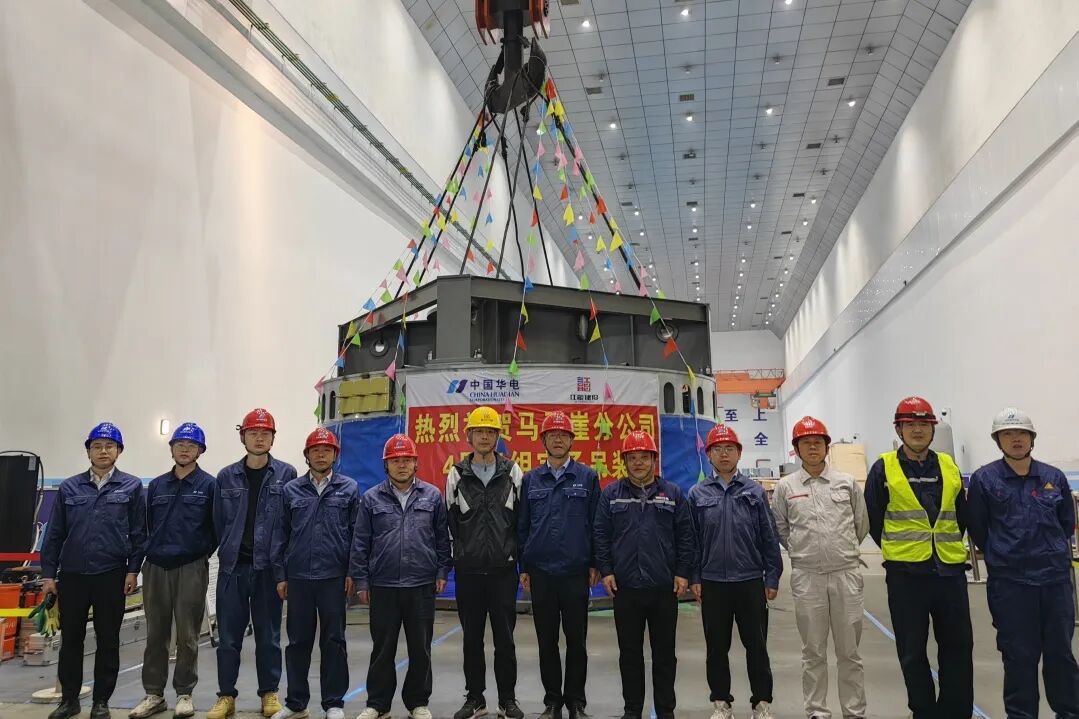
奋进者说“十四五”丨黔源电力马马崖分公司奋斗者群像
Xin Lang Cai Jing· 2026-01-05 10:32
Core Viewpoint - The "14th Five-Year Plan" period is crucial for China's energy structure green transformation, and Qianyuan Electric Power aims to innovate and excel during this significant five years, contributing to the development of clean energy in Guizhou and building a world-class low-carbon energy enterprise [1][3]. Group 1: Innovation and Development - The company is committed to implementing the new energy security strategy and "dual carbon" goals, focusing on technological breakthroughs and independent innovation in areas such as unit maintenance, energy supply, and safety production [3][13]. - A group of dedicated individuals has emerged, showcasing their commitment through practical efforts in unit transformation, intelligent supervision, and youth development [3][13]. Group 2: Youth Empowerment and Technical Advancement - The youth technical team emphasizes the importance of not letting technology be controlled by others, leading to significant improvements in maintenance and operational efficiency through standardized work guidelines and a "competition + tackling" model [6][15]. - The team has successfully trained five technical backbones and achieved nine independent repairs and 24 observations, highlighting the youth's role as a backbone of independent technology [6][15]. Group 3: Practical Training and Safety Measures - The 4th unit transformation project is set to start in the fall of 2025, with the operations department director transforming the site into a "training classroom" to enhance learning through hands-on experience [9][18]. - The company has deployed an intelligent safety supervision platform, covering key operational areas with high-definition smart cameras that can automatically identify safety violations, achieving over 4000 days of safety production records [11][20].

2025年内蒙古能源重大项目完成投资超3000亿元
Nei Meng Gu Ri Bao· 2025-12-31 17:13
Group 1: Energy Sector Overview - In 2025, Inner Mongolia's energy system aims for a growth of over 5% in energy industrial added value, with major energy projects investment exceeding 300 billion yuan, accounting for 35% of the region's fixed asset investment [1] - The region has completed the national coal supply task of 795 million tons and is promoting green and intelligent mining technologies, with green and intelligent coal mines making up 61% and 74% of operating coal mines, respectively [1] Group 2: Electricity Infrastructure - Inner Mongolia's total installed power capacity has surpassed 300 million kilowatts, leading the nation, with an external electricity delivery of 350 billion kilowatt-hours, maintaining the top position for 21 consecutive years [1] - The construction of the 500 kV backbone grid for both eastern and western Inner Mongolia has been fully completed, and significant progress has been made in the electricity market, with the launch of the Mongolian East electricity spot market [1] Group 3: Renewable Energy Development - In 2025, Inner Mongolia plans to add 35 million kilowatts of new energy capacity, bringing the total to over 170 million kilowatts, with wind power capacity exceeding 100 million kilowatts [2] - The region's renewable energy generation is projected to reach 270 billion kilowatt-hours, maintaining the highest output in the country for over a decade, with green electricity exports increasing by over 40% [2] Group 4: Hydrogen and Energy Storage - Inner Mongolia is developing a complete hydrogen energy industry chain, with green hydrogen production exceeding 10,000 tons, leading the nation [2] - The region has implemented innovative policies for energy storage, with a cumulative installed capacity of new energy storage exceeding 17 million kilowatts, representing a 144% year-on-year increase [2] Group 5: Technological Innovation - In 2025, Inner Mongolia achieved its best performance with 10 technological equipment selections in hydrogen energy, energy storage, and new power systems included in the national major technological equipment list [2]
中国石油气贯长虹:天然气年产量破千亿方,铸就能源安全新基石
Sou Hu Cai Jing· 2025-12-30 09:20
Core Viewpoint - The article highlights the significant achievements in China's energy sector over the past five years, particularly emphasizing the growing role of natural gas as a clean and efficient fossil energy source in optimizing the energy structure and ensuring national energy security [1]. Group 1: Exploration and Development Strategies - The continuous growth in China's natural gas production is attributed to the deep exploration of existing resources and proactive planning for future growth points [3]. - The "Ballast Stone Project" initiated by the company in 2023 aims to innovate and upgrade existing development systems, effectively revitalizing the production potential of mature gas fields [3]. - The company is also focusing on unconventional natural gas resources, such as shale gas and coalbed methane, ensuring a dual strategy of conventional and unconventional gas development [3]. Group 2: Technological Innovation - The company has consistently leveraged technological innovation to overcome significant exploration and development challenges, leading to record-high domestic natural gas production [4]. - In the Ordos Basin, a specialized team has successfully addressed the challenges of low-permeability and low-abundance gas reservoirs, establishing China's first large-scale gas production area with an annual output exceeding 50 billion cubic meters [4]. - The Southwest Oil and Gas Field has developed the first large gas area in the region with an annual output of 40 billion cubic meters, despite facing numerous technical challenges [5]. Group 3: Energy Structure Optimization - The growth in natural gas production signifies a profound transformation in the energy supply structure, with the company firmly promoting a shift towards green and low-carbon energy [6]. - Natural gas has increasingly become a priority in the company's production strategy, with its output consistently surpassing that of crude oil, now accounting for a significant portion of the company's total oil and gas production [6]. - Projections indicate that by 2025, natural gas is expected to account for 9.2% of China's total primary energy consumption, highlighting its strategic value in bridging fossil and renewable energy sources [6].

2025年广西投产天然气长输管道达537公里
Guang Xi Ri Bao· 2025-12-27 03:26
Group 1 - The core viewpoint of the news is the successful trial operation and production of the Guilin-Yangshuo-Lipu natural gas branch pipeline, contributing to the expansion of Guangxi's natural gas transmission infrastructure [1] - The newly commissioned natural gas long-distance pipelines in Guangxi have reached a total length of 537 kilometers by 2025, marking a significant achievement in the "14th Five-Year Plan" for natural gas pipeline construction [1] - Guangxi has established a total of 3,763 kilometers of natural gas long-distance pipelines, creating a comprehensive pipeline network that connects 14 prefecture-level cities and supports the energy needs of local industries and communities [1] Group 2 - The Energy Bureau of the Autonomous Region is implementing the new energy security strategy, focusing on the development of the "15th Five-Year Plan" for oil and gas in Guangxi [2] - During the "15th Five-Year" period, Guangxi aims to enhance its natural gas long-distance pipeline construction and optimize the regional oil and gas network layout to promote economic growth and high-quality development [2]
脱“乌”向绿海——“深入践行能源安全新战略”系列纪录片第三集
Zhong Guo Neng Yuan Wang· 2025-12-26 09:12
Core Viewpoint - The article emphasizes the importance of energy security as a strategic issue for national economic and social development, highlighting China's progress in building a new energy system under the guidance of the "Four Revolutions, One Cooperation" strategy proposed by President Xi Jinping [1]. Group 1: Energy Production and Safety - The city of Wuhai has become the first major coal-producing area in China to implement a "no night shift" production model, leading to changes in production and energy safety [2]. - Wuhai's coal reserves have decreased to less than 3 billion tons, while limestone reserves are abundant at 20 billion tons, facilitating local processing and production of various chemical products [3]. Group 2: Technological Advancements - Wuhai has adopted advanced automation in its chemical production processes, with minimal human presence in control rooms and production sites, showcasing a shift towards high-tech operations [3]. - The city has established a leading BDO production line with the highest single-line capacity globally, reflecting significant advancements in chemical engineering [3]. Group 3: Renewable Energy Initiatives - Wuhai is integrating renewable energy projects, including solar and wind power, into its energy landscape, with a total installed capacity of over 5 million kilowatts, and renewable energy accounting for 19% of the total [4]. - The city is collaborating on cross-regional renewable energy projects, such as the 4 million kilowatt project from Alxa League, enhancing its energy structure [4]. Group 4: Innovative Energy Solutions - Superconducting energy panels are being utilized in Wuhai to store and convert solar energy for heating and cooling, demonstrating innovative approaches to energy management [5]. - The city is also focusing on hydropower, with significant projects like the 90,000-kilowatt capacity of the Datang Haibowan Hydropower Station contributing to energy supply [6]. Group 5: Future Development Plans - Wuhai aims to develop its energy storage and hydrogen industries while exploring virtual power plants and zero-carbon industrial parks as part of its future energy strategy [7].
一块煤能走多远——“深入践行能源安全新战略”系列纪录片第一集
Zhong Guo Neng Yuan Wang· 2025-12-26 09:10
Group 1 - The article emphasizes the importance of energy security as a strategic issue for national economic and social development, highlighting China's progress in building a new energy system under the guidance of the "Four Revolutions, One Cooperation" strategy proposed by President Xi Jinping [1] - Inner Mongolia has made significant strides in energy supply security, safety governance, and technological innovation, showcasing its achievements in high-quality energy development [1] - The region has undertaken a substantial coal supply task, with a total of 3.58 billion tons of coal contracted over four years, accounting for 38% of the national total, demonstrating its role as a key energy base [2] Group 2 - Ordos City plays a crucial role in Inner Mongolia's energy supply tasks, with coal and natural gas reserves representing one-sixth and one-third of the national totals, respectively [2] - The city has transitioned from merely supplying coal as fuel to becoming a significant energy base that supports coal supply for 28 provinces and regions across the country [2] - The development of coal chemical industries in Wushenqi has led to a total coal chemical production capacity of 14 million tons, nearly 10% of the national capacity, extending the coal industry chain from fuel to raw materials and materials [3] Group 3 - The establishment of the world's largest coal-to-olefins plant in Wushenqi represents a significant advancement in coal chemical technology, enabling the substitution of coal for oil and integrating new energy with modern coal chemistry [3] - The production of "liquid sunshine," with an annual output of 100,000 tons, marks a new chapter in the utilization of coal, reflecting the industry's shift towards greener development and carbon reduction [3] - Wushenqi is also recognized as China's top natural gas production county, ensuring gas supply for over 40 cities, contributing to the region's role in energy security and sustainability [4]