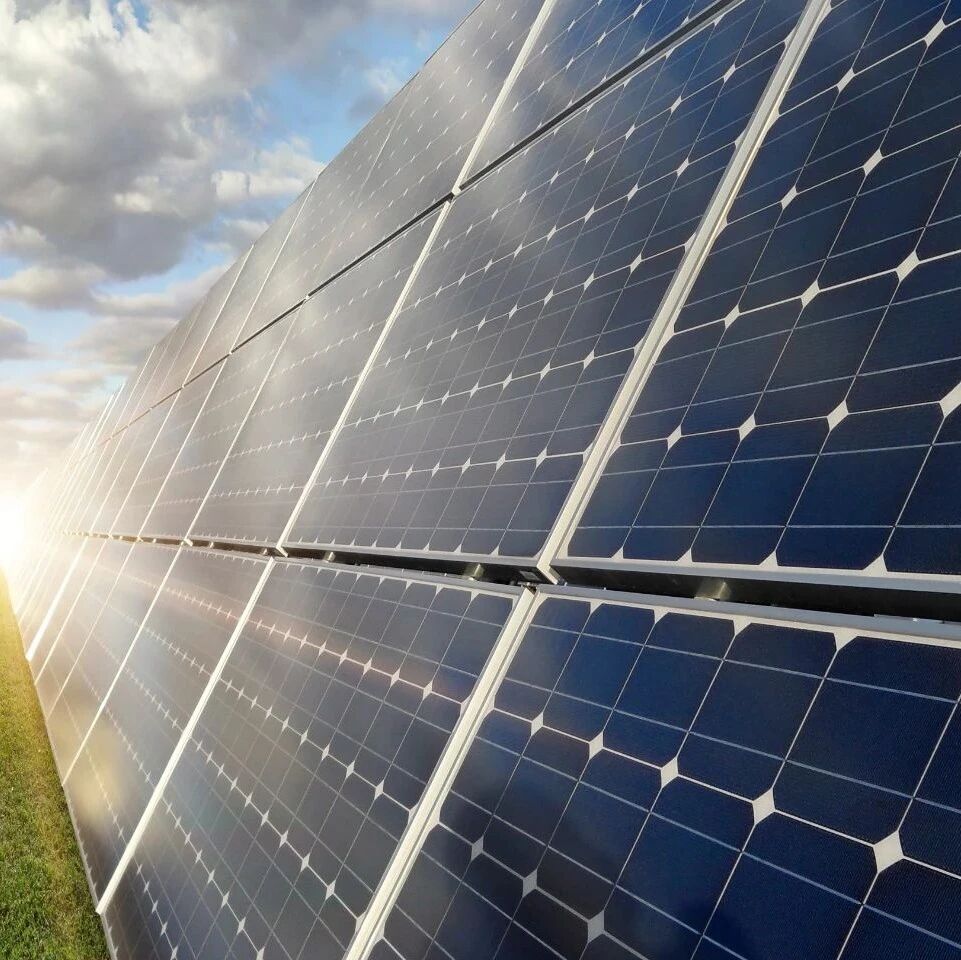
能源数智化

Search documents
能源数智化发展获政策支持,剑指构建创新应用体系
2 1 Shi Ji Jing Ji Bao Dao· 2026-01-19 11:07
Core Viewpoint - The article emphasizes the necessity of energy digitalization and intelligence as a global trend in energy transition, focusing on technological breakthroughs and industry applications to create a closed-loop system of "perception-planning-decision-execution" for efficient, low-carbon, and safe energy system transformation by 2030 [1][2]. Group 1: Policy Framework - In 2023, China has reinforced its commitment to digitalization in energy through the release of the "Opinions on Accelerating the Development of Energy Digitalization and Intelligence," outlining several goals to be achieved by 2030, including the establishment of a digital innovation application system and enhanced operational efficiency and reliability of energy systems [5]. - The "Guiding Opinions on Promoting High-Quality Development of Energy Equipment" was jointly issued by four government departments, aiming for significant advancements in the energy equipment industry's supply chain by 2030, focusing on digital and intelligent upgrades [6]. Group 2: Technological Breakthroughs and Industry Applications - The policies form a comprehensive framework combining "system empowerment and carrier support," with the former focusing on the integration of digital technologies across the energy value chain and the latter emphasizing the role of equipment in driving digital upgrades [7]. - Key technological breakthroughs are identified as essential drivers for energy digitalization, with a focus on overcoming critical technologies and integrating digital innovations such as AI, digital twins, IoT, and blockchain into the energy sector [8]. - The policies promote the application of digitalization across the entire energy chain, including generation, grid, coal, and oil & gas sectors, with specific tasks outlined for enhancing grid management and oil & gas operations [9]. Group 3: Key Focus Areas - The policies highlight three main areas of focus: intelligent equipment, system collaboration, and precise management, emphasizing the importance of both physical equipment and digital capabilities [10]. - The upgrade of energy equipment is prioritized, with three paths outlined: enhancing key technology research, intelligent retrofitting of equipment, and promoting green and circular upgrades to align with carbon neutrality goals [11]. - The transition to collaborative operation of energy systems aims to shift from decentralized to intelligent interconnected operations, focusing on enhancing the integration of renewable energy and storage, as well as optimizing the entire energy supply chain [12]. - Precision management in energy is targeted through the development of predictive maintenance and carbon management systems, aiming to reduce operational risks and support carbon reduction efforts [13].

朗新集团(300682.SZ):证券简称拟变更为“朗新科技”
Ge Long Hui A P P· 2026-01-16 12:23
Core Viewpoint - Longxin Group focuses on a dual development strategy of "energy intelligence and energy internet," aiming to become a leading AI-driven energy technology enterprise [1] Group 1: Energy Intelligence - The company provides core business software solutions and intelligent services to major clients such as State Grid, Southern Power Grid, and Electric Power Energy Group [1] - Longxin Group emphasizes the importance of energy intelligence in its operations, aligning with national energy strategies [1] Group 2: Energy Internet - The company builds energy service scenarios such as life payment, charging aggregation, and virtual power plants, offering asset operation and electricity trading services [1] - Longxin Group constructs an energy internet platform that connects a vast number of electricity load users with a multitude of electricity supply assets [1] Group 3: Strategic Shift - The company has shifted from a diversified cross-industry development model to a focused approach in the energy technology sector [1] - To better reflect its business essence, the company has changed its stock name from "Longxin Group" to "Longxin Technology" [1]
能源数智化,已成全球能源转型“必然选择”
2 1 Shi Ji Jing Ji Bao Dao· 2026-01-09 07:21
Group 1 - The core viewpoint of the article emphasizes the strategic importance of digital and intelligent transformation in the energy sector as a key direction for upgrading the energy industry [4][5] - Digitalization is defined as the process of converting information into a digital format, while digital and intelligent transformation (数智化) focuses on analyzing and utilizing digital data for insights and decision-making [4][5] - The report highlights that energy digitalization is crucial for ensuring energy security, promoting green transformation, and enhancing efficiency, especially in the context of China's dual carbon goals [5][6] Group 2 - In March 2023, the National Energy Administration of China issued opinions to accelerate the development of energy digitalization and intelligence, recognizing the integration of energy and digital technology as a vital engine for modernizing the energy industry [5][6] - According to a market analysis report, the global energy equipment market is projected to reach approximately $1.21 trillion in 2024 and $1.27 trillion in 2025, with the digital transformation of energy equipment expected to generate a market size of $173 billion by 2025 [5][6] - Energy digitalization is described as a collaborative effort across multiple industries, involving technology integration and business linkage to drive the realization and value release of energy equipment [6]

能源数智化 已成全球能源转型“必然选择”
2 1 Shi Ji Jing Ji Bao Dao· 2026-01-09 07:11
Core Insights - The report emphasizes the strategic importance of digital and intelligent transformation in the energy sector, highlighting it as a key direction for the industry's upgrade and transition [1][4] - The integration of digital technology with traditional industries is seen as a strategic choice to seize opportunities from the new technological revolution and industrial transformation [1][4] Policy Insights - In March 2023, the National Energy Administration of China released opinions on accelerating the development of energy digitalization and intelligence, stating that the integration of energy and digital technology is crucial for modernizing the energy industry [2][3] Market Insights - According to a report by Zhiyan Consulting, the global energy equipment market is projected to reach approximately $1.21 trillion in 2024 and $1.27 trillion in 2025, with the market for energy equipment transformation driven by digitalization expected to reach $173 billion by 2025 [3] - Although the digital transformation segment represents only about 10% of the overall energy equipment market, it presents significant growth opportunities for domestic and international manufacturers, technology providers, and related service industries [3] Industry Insights - Energy digitalization is characterized as a collaborative effort across multiple industries rather than a singular focus, involving cooperation across the industrial chain, technology support, and business integration [3] - Schneider Electric, as a global leader in energy technology, applies advanced electrification, automation, and digitalization technologies across various sectors, including buildings, data centers, factories, infrastructure, and power grids [3] Conclusion - The development of energy digitalization is deemed a necessary choice to address global energy transitions, ensure energy security, and enhance industrial competitiveness, aligning with the core demands of the energy sector [4]
能源产业数智化势不可挡,这份白皮书揭示转型逻辑
2 1 Shi Ji Jing Ji Bao Dao· 2025-11-24 10:56
Core Insights - The forum launched the "2025 Energy Digitalization Development White Paper," highlighting the importance of digital technology in transforming the energy sector [1][4] - The white paper emphasizes the integration of digitalization and intelligent transformation as key strategies for the energy industry's upgrade [2][3] Industry Overview - The global energy equipment market is projected to reach approximately $1.27 trillion in 2023, with an expected growth to $1.73 billion by 2025 driven by digitalization [3] - Energy digitalization is identified as a critical pathway for ensuring energy security, promoting green transformation, and enhancing efficiency [3] Company Initiatives - Schneider Electric is positioned as a global leader in energy technology, offering solutions in electrification, automation, and digitalization across various sectors [4] - The company plans to launch a new generation of medium-voltage digital solutions in 2024, aimed at enhancing the intelligent management of distribution systems [4] Policy and Strategic Importance - The integration of energy and digital technology is seen as a vital engine for modernizing the energy industry and enhancing the industrial chain [3] - The white paper provides a multi-dimensional analysis of policies, markets, and industries to present the achievements and recommendations for energy digitalization in China [4]

共话"十五五"新能源产业: 光储氢如何实现高质量发展?
2 1 Shi Ji Jing Ji Bao Dao· 2025-11-24 03:17
Core Insights - The rapid development of China's new energy industry is highlighted, with a focus on the "14th Five-Year Plan" and the upcoming "15th Five-Year Plan" emphasizing the need for a new energy system and high-quality development in the sector [1][2] - The transition towards green and low-carbon energy is a key focus, with energy security being identified as a primary task for the industry during the "15th Five-Year Plan" [2][4] - The integration of various energy sources, particularly solar and storage technologies, is seen as essential for achieving high-quality growth and meeting future energy demands [5][6] Group 1: Industry Development - The "15th Five-Year Plan" aims to promote quantum technology, hydrogen energy, and new energy storage as new economic growth points [1] - The average cost of wind and solar energy has significantly decreased over the past decade, with wind power costs dropping over 60% and solar power costs falling over 80% [2] - The Chinese energy industry has established a comprehensive manufacturing and design system for wind and solar energy, with a significant portion of global components sourced from China [2][3] Group 2: Technological Trends - The solar photovoltaic industry is expected to focus on optimizing silicon technology, with a shift towards using less silver and more cost-effective metals like copper and aluminum [3] - Lithium-ion batteries, particularly lithium iron phosphate batteries, are projected to maintain a dominant market share in new energy storage for the next five years [3] - The development of hydrogen energy is entering a critical phase, with expectations for commercial viability by 2030 [4] Group 3: Market Dynamics - The energy sector is transitioning from a focus on scale and cost to a more integrated approach that emphasizes system synergy and efficiency [4][5] - The competition in the energy storage market is shifting from scale to comprehensive capabilities in technology, application scenarios, and service [5][6] - The need for market rule restructuring is emphasized to support healthy industry development and effective price risk management [5][6] Group 4: Case Studies and Innovations - A series of innovative applications and technologies in the new energy sector have been recognized, showcasing advancements in green technology and low-carbon solutions [8][9] - The "21st Century New Energy New Quality" initiative has identified exemplary cases that reflect the high-quality development of the new energy industry [8][9] - The launch of the "Energy Digitalization Development White Paper" aims to explore the integration of digital technology in the energy sector, promoting smart and efficient energy management [11][12]





共话“十五五”新能源产业:光储氢如何实现高质量发展?
2 1 Shi Ji Jing Ji Bao Dao· 2025-11-23 11:49
Core Insights - The rapid development of China's new energy industry is highlighted, with a focus on the "14th Five-Year Plan" achievements and the upcoming "15th Five-Year Plan" emphasizing energy security and the transition to a new energy system [1][5][9]. Group 1: Industry Development - The "15th Five-Year Plan" aims to promote quantum technology, biomanufacturing, hydrogen energy, and new energy storage as new economic growth points [1]. - During the "14th Five-Year Plan," China's energy consumption structure improved significantly, with the average cost of global wind power projects decreasing by over 60% and solar photovoltaic (PV) project costs dropping by over 80% in the past decade [3][5]. - The new energy sector is expected to transition from subsidy-dependent growth to a market-driven high-quality development phase during the "15th Five-Year Plan" [15]. Group 2: Technological Trends - The solar PV industry is focusing on optimizing silicon technology to maintain cost advantages, with a shift towards using less silver and more affordable metals like copper and aluminum [7]. - Lithium-ion batteries, particularly lithium iron phosphate batteries, are projected to dominate the new energy storage market, maintaining over 90% market share in the next five years [9]. - The integration of digital technologies in energy management is becoming crucial for enhancing operational efficiency and enabling smart decision-making in the energy sector [26][27]. Group 3: Market Dynamics - The global market for energy equipment is expected to reach approximately $1.27 trillion in 2024, with significant growth potential in the energy digitalization sector, projected to reach $173 billion by 2025 [27][28]. - The focus is shifting from merely increasing installed capacity to achieving efficient collaboration across the energy system, enhancing the penetration and reliability of new energy sources [11]. - The energy storage industry is urged to achieve equal treatment in capacity pricing with other flexible resources, emphasizing the need for fair compensation for the services provided by energy storage [9][15]. Group 4: Policy and Strategic Initiatives - The "15th Five-Year Plan" emphasizes the importance of energy security as a primary task for the energy industry, necessitating a shift towards a new energy system and collaborative strategies [5][13]. - The launch of the "Energy Digitalization Development White Paper" aims to explore the strategic significance and implementation paths for energy digitalization in China [28].


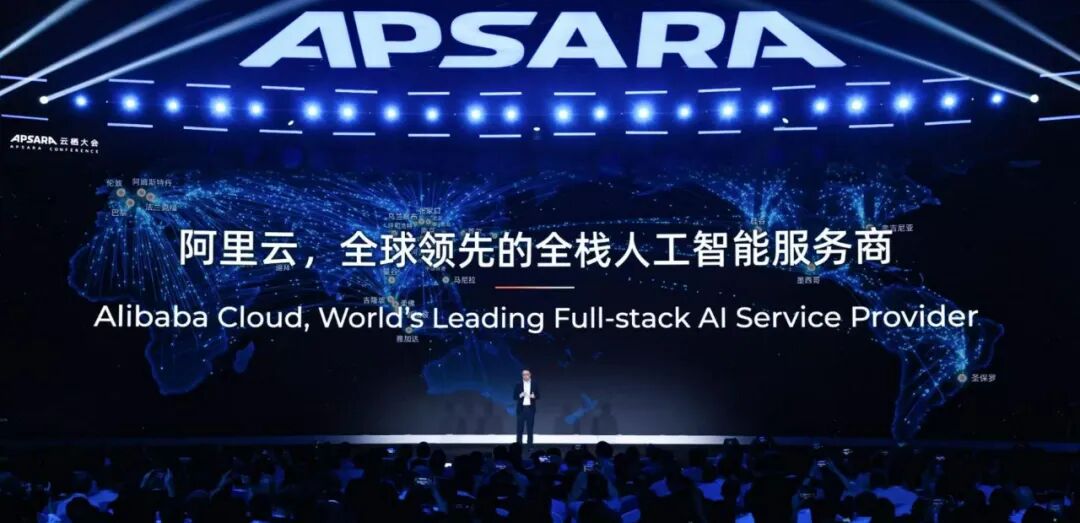
阿里云:做能源产业下一代智能核心的构建者 中国电力报 2025年11月19日 16:02
Zhong Guo Dian Li Bao· 2025-11-20 01:36
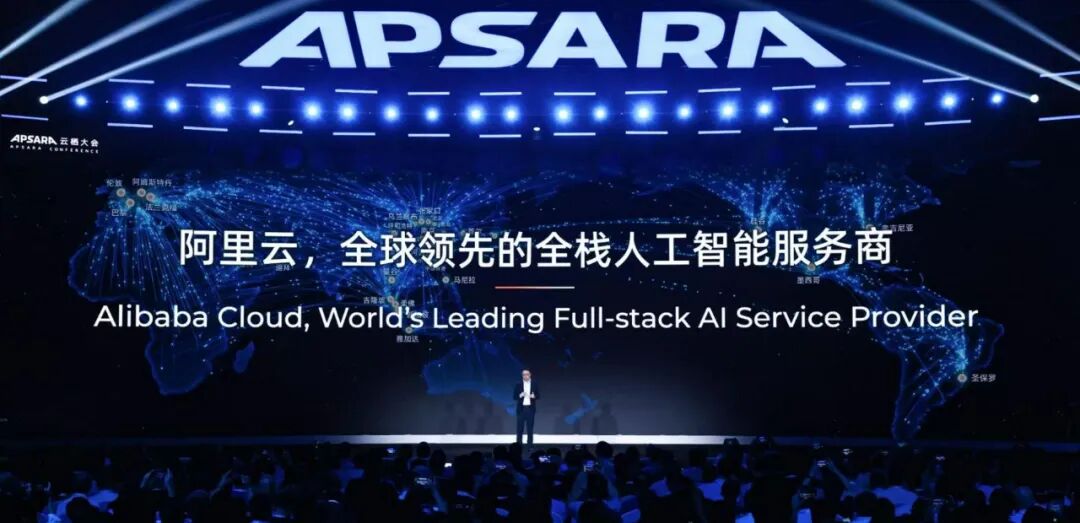
Core Insights - The energy industry is undergoing a transformation towards low-carbon, clean, and efficient practices, with smart technology seen as a key solution [1][12] - Alibaba Cloud is emerging as a crucial builder of the "smart core" necessary for activating potential scenarios and reconstructing industry value [1][3] Industry Collaboration - Alibaba Cloud has established partnerships with all major state-owned energy enterprises, with 70% already integrating AI technology [3] - The collaboration with State Grid has led to the development of a large-scale cloud computing platform, "State Grid Cloud," which supports the growing demand for intelligent applications in the energy sector [4] Digital Infrastructure - The construction of a unified computing and data infrastructure is recognized as essential for large state-owned enterprises, helping to avoid resource wastage and improve overall efficiency [4] - The Southern Power Grid has successfully implemented a cloud-based dispatch platform, significantly improving load forecasting accuracy to 97.63% [4] AI Integration - AI is becoming a critical variable in reshaping the future of the energy sector, with Alibaba Cloud providing advanced AI models and development platforms [6][9] - The collaboration between State Grid and Alibaba Cloud has resulted in the creation of a multi-modal industry model, enhancing operational efficiency and decision-making processes [6][7] Talent Development - The successful application of AI in the energy sector requires a workforce that understands both AI technology and industry mechanisms, emphasizing the need for skilled talent [10][11] - Initiatives like the "Spark" talent training program aim to enhance AI capabilities among employees in the energy sector [10] Future Outlook - The integration of AI and cloud technology is expected to drive significant advancements in the energy industry, facilitating a transition from digitalization to intelligent operations [12][13] - Alibaba Cloud is positioning itself as a key partner in the global energy transformation, supporting Chinese energy companies in their international expansion efforts [12][13]

阿里云:做能源产业下一代智能核心的构建者
Zhong Guo Dian Li Bao· 2025-11-19 10:44
Core Viewpoint - The energy industry is undergoing a significant transformation towards low-carbon, clean, and efficient practices, with smart technology seen as a key solution to address challenges in traditional energy sectors and the integration of renewable energy sources [1][12]. Group 1: Smart Technology Integration - Alibaba Cloud has established partnerships with all major state-owned energy enterprises, with 70% already utilizing its AI technology to build a robust digital foundation for the energy sector [3][4]. - The digital transformation in the energy sector is exemplified by the State Grid's "State Grid Cloud," which supports the growing demand for intelligent applications, with Alibaba Cloud providing the necessary technological support [4][6]. Group 2: AI-Driven Innovations - The integration of AI into energy operations is reshaping traditional practices, as seen in the collaboration between the State Grid and Alibaba Cloud, which has led to the development of a multi-modal industry model that enhances operational efficiency and decision-making processes [6][7]. - The "Qingyuan" power generation model developed by the National Energy Group utilizes AI to optimize decision-making across various operational aspects, significantly improving efficiency in safety evaluations [7][9]. Group 3: Talent Development and Training - Alibaba Cloud is focusing on cultivating talent in the energy sector through specialized training programs that combine theoretical knowledge with practical applications, aimed at enhancing AI capabilities among industry professionals [10][11]. - The "Spark" digital talent training initiative launched by Shandong Energy Group in collaboration with Alibaba Cloud emphasizes the importance of skilled personnel in driving digital transformation within the energy industry [10][11]. Group 4: Future Outlook - The future of energy will see AI playing a central role in creating a new energy system that integrates various components, facilitating seamless energy and data flows across different sectors [13]. - Alibaba Cloud aims to be a key partner in the energy industry's transition to a smart, efficient, and clean future, supporting both domestic and global energy enterprises in their digital and AI-driven transformations [12][13].
【朗新集团(300682.SZ)】聚力数字化,多元谱芳华——首次覆盖报告(殷中枢/施鑫展/宋黎超)
光大证券研究· 2025-11-15 00:05
点击注册小程序 查看完整报告 特别申明: 本订阅号中所涉及的证券研究信息由光大证券研究所编写,仅面向光大证券专业投资者客 户,用作新媒体形势下研究信息和研究观点的沟通交流。非光大证券专业投资者客户,请勿 订阅、接收或使用本订阅号中的任何信息。本订阅号难以设置访问权限,若给您造成不便, 敬请谅解。光大证券研究所不会因关注、收到或阅读本订阅号推送内容而视相关人员为光大 证券的客户。 本订阅号是光大证券股份有限公司研究所(以下简称"光大证券研究所")依法设立、独立运营的 官方唯一订阅号。其他任何以光大证券研究所名义注册的、或含有"光大证券研究"、与光大证券 研究所品牌名称等相关信息的订阅号均不是光大证券研究所的官方订阅号。 产业矩阵继续扩张,电力交易及聚合充电平台发展快速 公司以生活缴费业务、互联网运营业务为稳定盘,通过快速发展聚合充电平台业务及电力交易业务持续贡 献营收增量。截至2025年6月底,新电途聚合充电平台注册用户超过2300万,平台已累计接入充电运营商 4300家,充电设备数量超过200万。聚合充电平台通过营销补贴,积累用户并提升行业渗透率;客户群体 逐渐稳定叠加公共充电桩保有量不断攀升,公司聚合充电平 ...