
节能降耗

Search documents
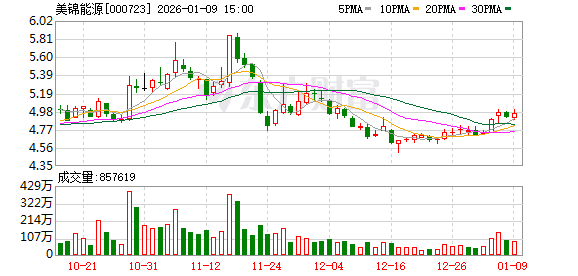
美锦能源:公司高度重视节能降耗与综合能效提升
Zheng Quan Ri Bao· 2026-01-09 11:44
Core Viewpoint - Meijin Energy emphasizes the importance of energy conservation and efficiency improvement in its coal coking and related projects, focusing on the potential application of waste heat utilization and new technologies [2] Group 1 - The company is committed to evaluating relevant technological solutions based on project specifics, technology maturity, and economic feasibility [2] - Meijin Energy will strictly adhere to information disclosure obligations if any matters requiring disclosure arise [2]


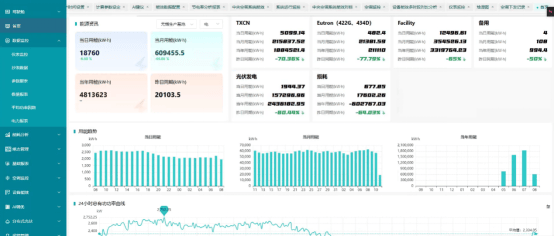
企业能源管控平台Acrel-7000在某纺织机械企业中的应用
Sou Hu Cai Jing· 2026-01-04 08:14
Core Insights - The company specializes in the research and manufacturing of textile machinery and has established itself as a leader in the international textile machinery industry. It has developed an energy management platform aimed at achieving energy-saving goals through detailed statistical analysis and real-time monitoring of energy consumption and equipment performance [1][19]. Group 1: Energy Management Solutions - The energy management platform offers a comprehensive solution tailored to user energy characteristics and management needs, including energy metering, equipment efficiency analysis, and optimization of various energy systems such as distributed photovoltaic generation and geothermal heat pump systems [1][19]. - The platform allows users to monitor the operation of key energy-consuming devices, such as geothermal heat pump systems and compressed air systems, remotely [3][19]. Group 2: Energy Efficiency and Savings - The company has implemented a system energy-saving solution that has achieved over 10% energy savings, equating to approximately 2,500 kWh of electricity saved daily, by utilizing AI for optimal operation of the geothermal heat pump system [10][19]. - Users can compare energy efficiency data before and after maintenance through benchmarking and time-based energy efficiency comparison features, guiding them to improve system performance through proactive maintenance [8][19]. Group 3: Integration and Optimization - The energy management platform integrates with meeting management systems to pre-cool spaces based on meeting schedules, enhancing the meeting environment while optimizing energy use [16][19]. - The platform employs machine learning algorithms for load forecasting, intelligently adjusting operational strategies for the geothermal heat pump system [17][19].
北元集团全力打赢年度“收官战”
Zhong Guo Hua Gong Bao· 2025-12-30 05:30
中化新网讯 连日来,面对复杂多变的市场环境,北元集团持续厚植"四种经营理念",以本质安全护航 高质量发展,以稳定运行驱动效益新增长,以全链优化挖掘成本新潜力,坚决打赢全年目标任务"收官 战"。 采购端,该集团增加水泥原料"零元采购"和有偿处置量,通过实施供应商分级分类管理,健全"黑白名 单"考评机制,建设采购全业务数据分析系统,实现精益化采购;物流端,深化汽铁江海多式联运模式, 扩大铁路物流总包及专用线发运规模,推动聚氯乙烯汽车机械推装全车型试用,确保产销储运衔接顺 畅;销售端,严格落实"季度考核+年度考评"管理模式,重点培育具备区域影响力和期现业务能力的优质 客户,持续优化产品品质与服务体验,不断提升客户满意度。 该集团还高标准完成300MW光伏发电项目全面竣工验收,推进化工电解槽零极距改造、水泥一期回转 窑脱氮优化及提产改造等项目,开展余热余压分级分质利用,加速节能降耗新技术落地应用;通过强化 用能过程管控和固废减量攻关,实现产品CO2减排1.3万吨,固废回用率高达95.7%。 此外,北元集团将成本管控贯穿采供销全流程,用管理的"紧日子"换取发展的"好日子"。 在安全生产方面,北元集团严格贯彻落实"严、细 ...

江北新区浦口康居集团 节能降耗在行动 点亮绿色宜居新模式
Xin Lang Cai Jing· 2025-12-21 18:36
深化节能基础工作。以滨江桃园、滨江桂园、滨江紫园等3个在管小区为试点,对小区地库照明系统进 行升级改造,将传统高能耗灯具全面更换为高效、环保节能灯。共计更换2590盏节能灯,预计平均降低 80%能耗,在降低能耗的同时提升地库照明质量,实现经济效益与环境保护的双赢局面。 强化提升管理效能。大力推进商铺智能电表更换工作,更换16个在管商业区域共计553块智能电表,新 型智能电表具备远程传输、数据分析等功能,能够实现对用电情况的实时监测与精准计量。进一步推动 用能管理由"粗放"走向"精准"。 注重构建常态机制。深化节能长效管理机制,积极探索可复制、可推广的实践经验,将试点项目的成功 成果转化为统一标准与固定制度,分阶段推广至所有在管小区。持续巩固节能成效、扩大节能应用范 围,推动节能降耗工作常态化推进、长效化落地,为可持续发展注入持久动力。 (来源:南京晨报) 转自:南京晨报 晨报讯(通讯员 欧冰清 南京晨报/爱南京记者 卢斌)为积极响应国家"双碳"战略,践行绿色发展理念, 南京江北新区浦口康居集团聚焦基础设施节能改造,通过精细化管理措施,扎实推进节能降耗工作。 ...
新周期锂电“缺芯”蔓延?“扩产”治标,“技术升级”治本
高工锂电· 2025-12-18 10:18
Core Viewpoint - The new cycle in the lithium battery industry emphasizes practical end-user demand with specific scenarios, leading to stronger order fulfillment and a focus on high-quality, stable, and scenario-adapted capacity expansion [1][2]. Group 1: Industry Trends - The "chip shortage" has become a norm in the battery industry, with leading battery manufacturers operating at nearly 90% capacity utilization. Industry consensus indicates that capacity expansion is necessary, but new capacity will not effectively alleviate the shortage until at least Q2 of next year [2]. - The chairman of High-tech Lithium Battery, Dr. Zhang Xiaofei, stated that over 700 GWh of new effective capacity is expected next year. The previous cycle saw structural overcapacity due to homogenization in lithium battery technology, while the new cycle demands innovation in performance and technology from both the battery and its supply chain [3]. - The advent of the TWh era necessitates faster battery production to ensure stable shipments, prompting discussions among equipment companies about comprehensive strategies for the new cycle [3]. Group 2: Application and Technology - The expansion of application scenarios for lithium batteries is driving new requirements for battery forms and manufacturing equipment. Emerging scenarios are expected to foster a variety of new technologies and battery forms [5][6]. - The next-generation solid-state batteries require new composite current collectors, with companies like Yinglian introducing products aimed for mass production by 2025-2027. Equipment companies face challenges in safety and quality, necessitating innovative and collaborative approaches [7][8]. Group 3: Supply Chain Dynamics - Recent months have seen long-term contracts become a primary method for battery companies to stabilize their upstream supply chains. This shift reflects a move away from the previous cycle's focus on aggressive expansion towards a more stable and quality-oriented approach [9]. - The significant orders in the current market compel both material and equipment manufacturers to enhance their capabilities to meet demand, focusing on large-scale production to reduce costs and mitigate future risks [10][11]. - The application of temperature control equipment in lithium battery production is crucial for energy efficiency, with companies like Yudian and EK developing comprehensive solutions to support the entire production process [12][13].

精密温控再进阶:宇电撬动锂电TWh时代节能增效新支点
高工锂电· 2025-12-08 09:44
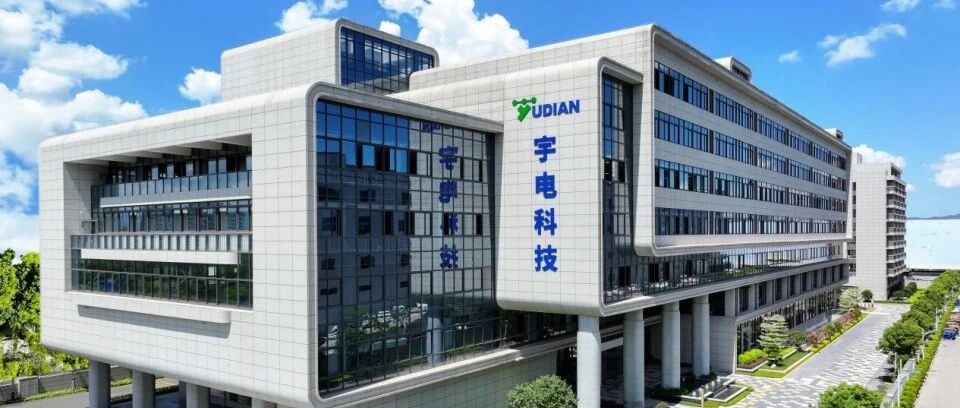
Core Insights - The article emphasizes the importance of precision temperature control in the lithium battery industry as it transitions into the TWh era, highlighting its potential to significantly reduce energy costs and improve operational efficiency [1][6][7]. Industry Overview - The lithium battery industry in China has officially entered the TWh era, with production reaching 1.2 TWh in the first three quarters of this year, surpassing the total output expected for 2024. It is projected that shipments of power batteries will exceed 1 TWh for the first time this year, with energy storage expected to double [1]. - Energy consumption costs in large-scale manufacturing have become a core pain point for the industry, necessitating a shift towards energy-saving measures [2]. Company Positioning - Yudian Temperature Control Technology has transitioned from being a "precision temperature control expert" to a "system energy-saving solution provider" within the year [3]. - The company has integrated its temperature control technology into the entire lithium battery production process, developing tailored solutions for each step, such as the vacuum high-temperature drying process [7][11]. Technological Advancements - Yudian's temperature control devices have improved in precision, with the average control temperature stability now within ±1°C, which can lead to significant savings in energy costs and enhanced product yield [13]. - The company has launched the AI-8XXX series multi-loop precision temperature controllers, which support up to 8 temperature control channels, significantly higher than the industry standard of 4 channels [12]. Market Dynamics - The focus of competition in the industry is shifting from price to value, with precision temperature control technology becoming a key lever for this transformation [6][7]. - Yudian has made significant inroads with second and third-tier battery manufacturers, who are increasingly seeking collaboration and proposing technical solutions [15]. Quality and Production Capacity - Yudian has provided 114,000 temperature controllers to a leading lithium battery manufacturer from 2020 to October 2025, with a remarkably low return rate of 0.08% [16]. - The company has established a new modern production facility of over 50,000 square meters, with an annual production capacity planned to reach 10 million units, ensuring robust strategic support [22]. Strategic Vision - Yudian aims to evolve beyond being a single temperature controller supplier, aspiring to integrate temperature control, energy consumption, and production into a cohesive strategy for the future [28]. - The company has been recognized as a key "little giant" enterprise in the specialized and innovative sector, marking a significant achievement in the temperature control field [27].
齐鲁二院孙永国当选山东省医院协会绿色医院分会主任委员
Qi Lu Wan Bao· 2025-12-05 16:23
Core Viewpoint - The establishment of the Green Hospital Branch of the Shandong Provincial Hospital Association marks a significant shift towards integrating sustainability in healthcare, emphasizing the need for hospitals to focus on energy efficiency, environmental friendliness, and human-centered experiences in their operations and infrastructure [1][4]. Group 1: Conference Highlights - The conference featured key figures such as Zhao Shengtian, who emphasized that green hospital construction has transitioned from an option to a necessity, presenting both opportunities and challenges for healthcare institutions [1]. - Liu Lihua highlighted the hospital's collaborative progress in education, research, and management, stressing the importance of energy conservation and efficiency in alignment with national health and carbon reduction strategies [1]. - Sun Yongguo stated that the branch will leverage the association's platform to promote green concepts and culture, contributing to the health of Shandong and the broader goal of a beautiful China [1]. Group 2: Expert Reports - Zhu Bin discussed the integration of low-carbon, intelligent, human-centered, resilient, and value chain collaboration in healthcare institutions to achieve high-quality and sustainable development [2]. - Li Baitai proposed using ward renovations as a practical approach to advance green hospital construction, demonstrating foresight and practical wisdom [2]. - Zhang Zehong explored the transformation of hospital logistics from a cost center to a value center, emphasizing the importance of management and technological innovation for overall hospital development [2]. Group 3: Case Studies and Discussions - Chai Jianjun shared successful case studies from Peking Union Medical College Hospital, illustrating how modern logistics can support the strategic goals of hospitals and enhance their quality of service [3]. - The conference included specialized sessions on lean management and smart operations, featuring over ten experts discussing various aspects of green hospital development, logistics systems, and the renovation of older hospitals [3]. - The establishment of the Green Hospital Branch aims to promote comprehensive green development across various dimensions, indicating a shift in focus towards energy consumption, environmental friendliness, and user experience in hospital operations [4].
大庆油田头台公司:“精打细算”谋求高质量发展
Zhong Guo Fa Zhan Wang· 2025-12-05 08:19
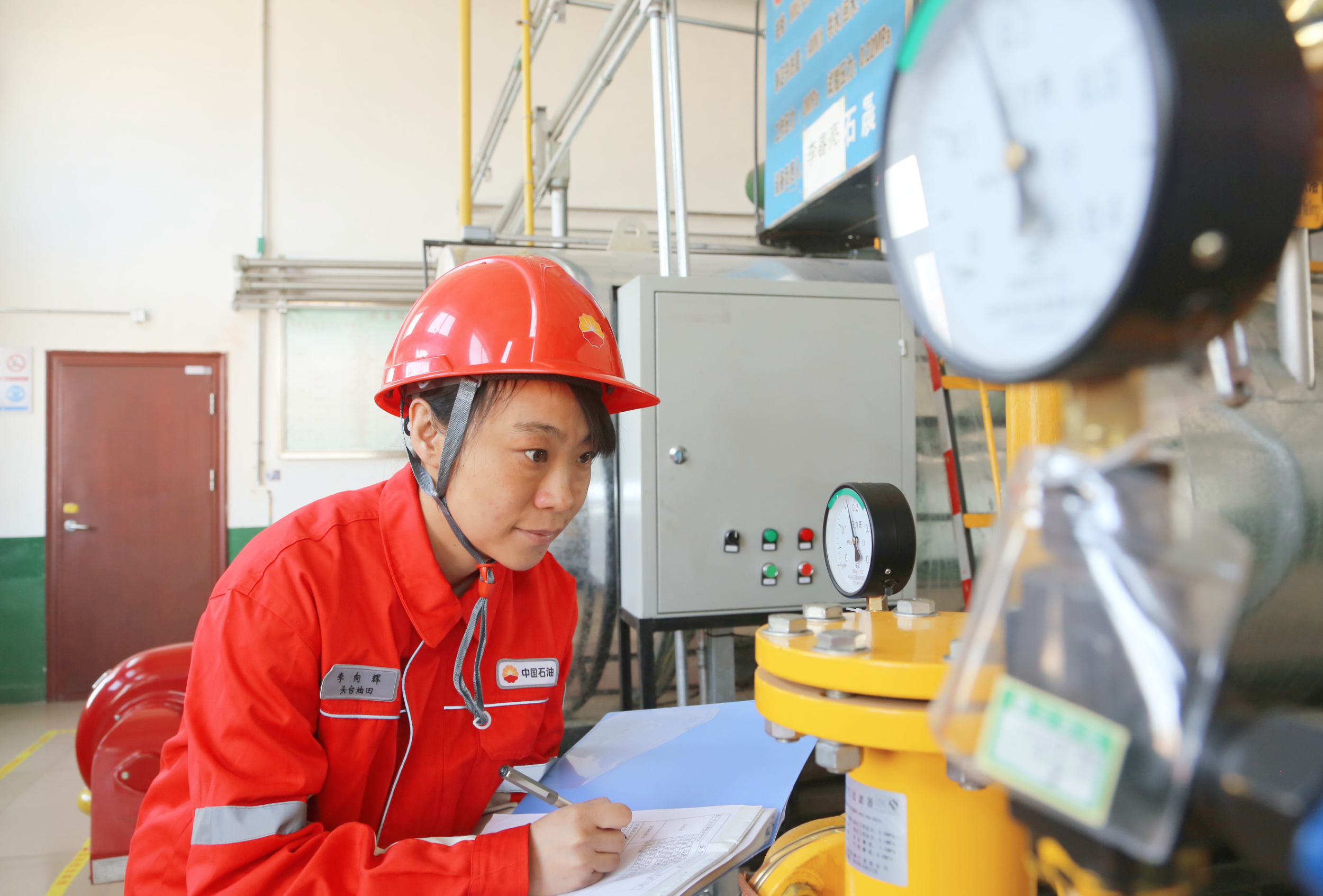
中国发展网讯 姜楠记者林强报道 对于企业而言,效益是生存之基、发展之源。大庆油田头台公司牢固树立"一切成本皆可降"的理念,将提质增效深度融入 生产经营管理血脉,于"精打细算"中全方位拓展效益空间,走出一条高质量、高效益的可持续发展之路。 一场全员参与的节能降耗攻坚战在全公司范围内贯穿全年,"节约一度电、节省一方气、节俭一滴油"从口号转化为每位员工的行动自觉。通过系统实施机采 系统提效、加热系统优化、生产日常管控等3类11项具体措施,日耗电量、日耗气量分别较优化前降低3.2和8.5个百分点。截至目前,已累计节电26万千瓦 时、节气17万立方米,累计实现的节电节气成果可观,有效压控了运营成本。在管理层面,红色网格"四个一"治理模式的深化推广,成为夯实基层基础 的"利器"。通过系统梳理网格单元、推广"星级评定"激励机制,推动形成了"格内自治、区域共治"的新格局,在油田公司新时代岗检中实现了检查深度与考 核力度的"双提升"。季度评估结果显示,员工模式掌握度由70%提升至95%,业务流程优化率提升25%,履职效能提高30%,网格协同效率提升40%。四维 指标的综合提升,客观反映了治理模式带来的实际成效。 E 0 20 ...
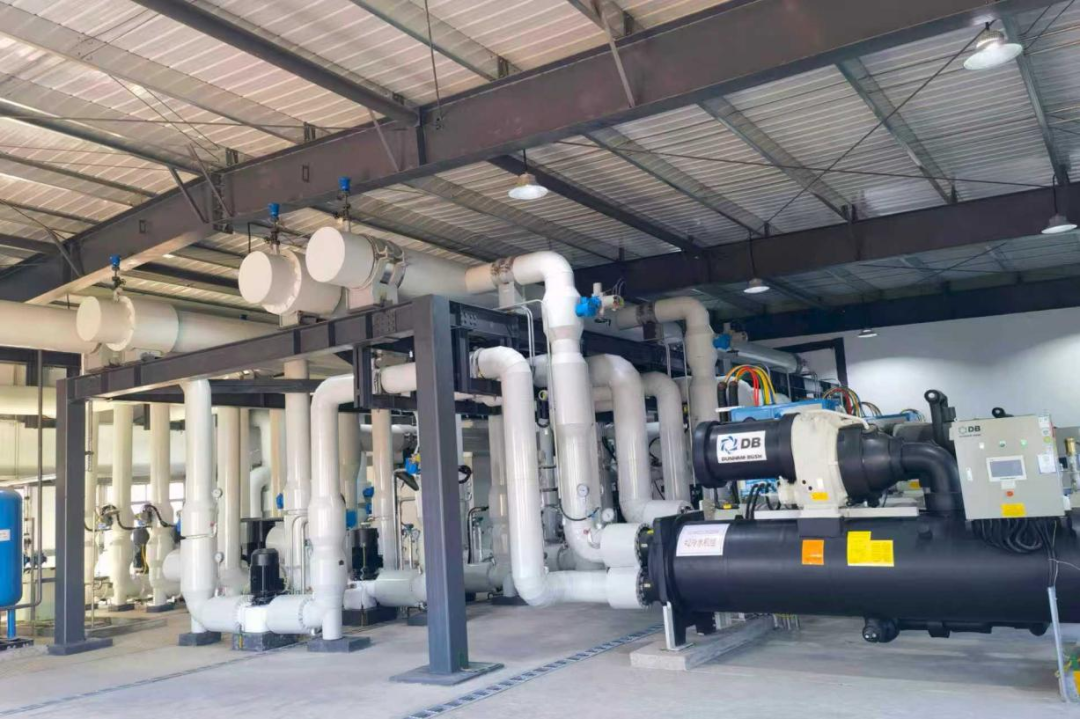
国家电投江西公司贵电分公司城东区集中供能工程项目正式投运
Xin Lang Cai Jing· 2025-12-04 11:27
Group 1 - The Guodian Company of State Power Investment Corporation launched the Chengdong District Centralized Energy Supply Project, which is the first comprehensive smart energy demonstration project in Guixi City that integrates low carbon, energy saving, and environmental protection [1][4] - The project is a significant measure for the Guodian Company to promote energy conservation and emission reduction, utilizing waste heat resources from circulating cooling water to achieve energy efficiency through innovative system integration [3][6] - The first phase of the project covers an area of 88,400 square meters, providing centralized energy supply to key buildings such as the Guixi Municipal Government and various healthcare and educational institutions, with an expected annual supply of 9,108.7 GJ of heat and 30,756.53 GJ of cooling [2][6] Group 2 - WETOWN Electric aims to be a trusted Chinese electrical brand, focusing on customer satisfaction and innovation, while providing solutions and quality services across various sectors including renewable energy, industrial manufacturing, and power grids [4][7] - The company operates in three main business areas: distribution equipment, energy storage systems, and photovoltaic new materials, positioning itself as a leader in smart manufacturing and contributing to a zero-carbon future [4][7] - WETOWN Electric has established itself as a major manufacturer of photovoltaic welding strips in China, reflecting its commitment to innovation and global market expansion [4][7]
鲁西化工(000830) - 2025年12月4日投资者关系活动记录表
2025-12-04 09:36
Group 1: Company Operations and Strategy - The overall production and operational situation of the company is normal, with a focus on safety management, energy conservation, and efficiency improvement to maximize economic benefits [1] - The company aims to adjust production strategies in response to market changes and policy developments, leveraging the integrated advantages of the park [1] Group 2: Market Conditions and Product Pricing - In Q4 2025, chemical product prices are expected to fluctuate due to varying operating rates of peer and downstream enterprises, changes in demand, and oil price volatility [2] - The company will adjust product prices based on market conditions, ensuring transparency in online sales through the Lushi Mall [2] Group 3: Chemical Engineering Sector Development - The chemical engineering sector has played a crucial role in the company's transformation and stable development, fostering a skilled team and establishing a new EPC engineering service industry with Lushi characteristics [2] - The company has begun to participate in external engineering installation services this year [2] Group 4: Market Forecast and Risk Management - The market price of chemical products is influenced by multiple factors, making predictions uncertain; the company will closely monitor market changes and strengthen cost management to mitigate risks [2] - The company aims to achieve a balance between production and sales by seizing market opportunities [2]
