跨大西洋联盟

Search documents
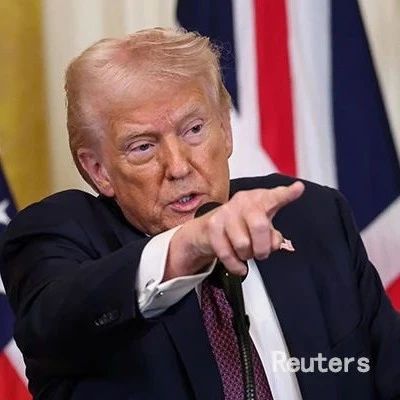
美媒:美国准备就格陵兰岛问题与丹麦“摊牌”
Huan Qiu Shi Bao· 2026-01-14 22:38
Group 1 - The core issue revolves around the U.S. administration's intention to assert control over Greenland, with President Trump emphasizing its importance for national security and missile defense systems [1][2] - U.S. Vice President Pence and Secretary of State Rubio held discussions with Danish officials regarding Greenland's future, indicating a potential for a public fallout similar to past confrontations [2] - Danish Prime Minister Frederiksen and Greenland's Premier Nielsen reiterated their firm stance against the sale of Greenland, asserting that it will not be under U.S. control [1][2] Group 2 - The upcoming talks are expected to be challenging, with analysts predicting no agreements will be reached, highlighting a shift in the traditional transatlantic alliance [2] - Nielsen's statement that Greenland would choose Denmark over the U.S. if forced to make a choice underscores the tension in U.S.-Danish relations [2] - Trump's dismissive remarks about Nielsen's position suggest a potential escalation in diplomatic tensions, indicating that the discussions may have significant implications for the Arctic region and the fate of Greenland's inhabitants [2]
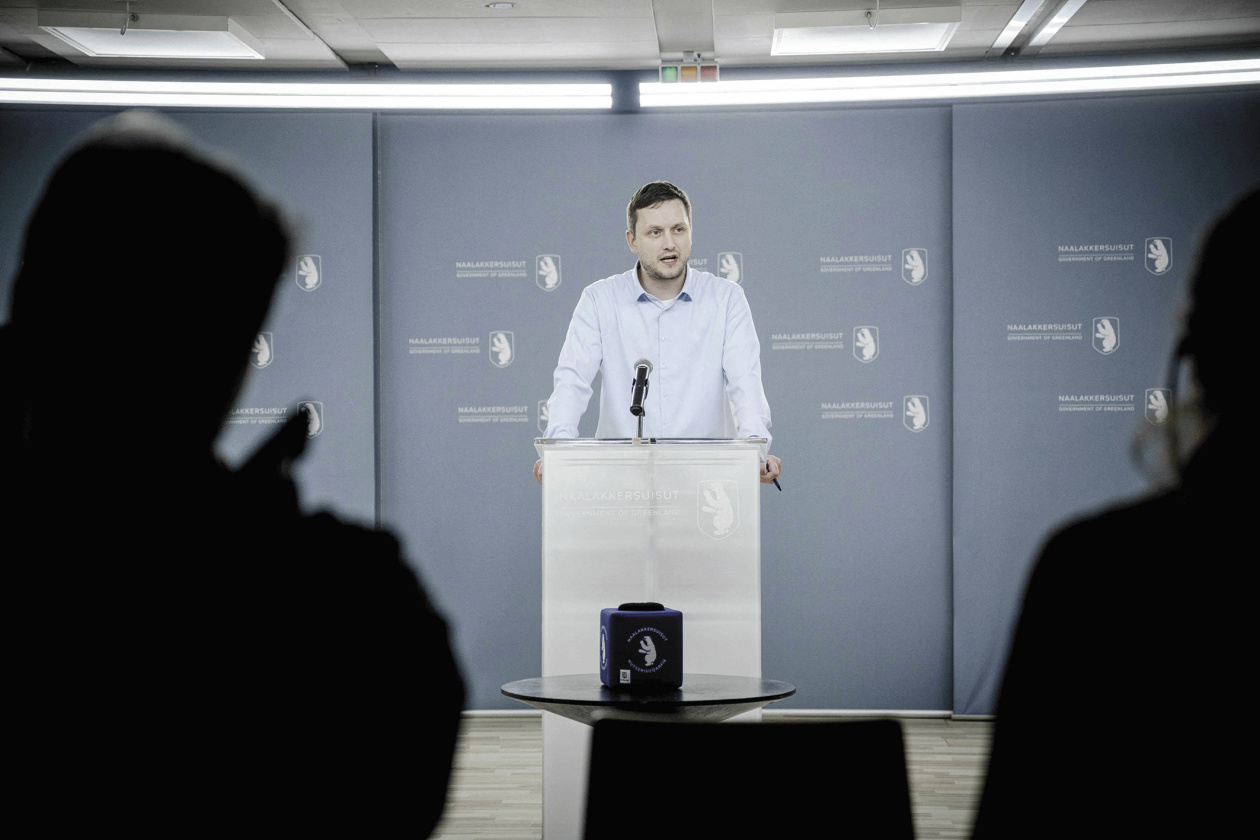
格陵兰岛再遭威胁,丹麦警告美国:北约或将终结
Huan Qiu Shi Bao· 2026-01-06 22:36
Core Viewpoint - The ongoing tensions regarding Greenland, sparked by President Trump's comments about the U.S. needing the territory, have led to significant reactions from European leaders, emphasizing the potential risks to NATO and collective security in the region [1][3]. Group 1: Reactions from European Leaders - Danish Prime Minister Frederiksen stated that the U.S. threats against Greenland are unacceptable and should be taken seriously, highlighting the pressure on Denmark and Greenland [3]. - A joint statement from leaders of France, Germany, the UK, Italy, Poland, Spain, and Denmark affirmed that Greenland belongs to its people, indicating a united European front against U.S. claims [1][4]. - The German Foreign Minister mentioned that NATO would discuss strengthening defenses for Greenland if necessary, reflecting a proactive stance among European nations [4]. Group 2: Concerns Over U.S. Actions - Analysts noted that the U.S. military intervention in Venezuela has raised concerns in Denmark about the potential for similar actions regarding Greenland, indicating a shift in European sentiment towards U.S. military intentions [3][5]. - The Economist highlighted a growing panic among European leaders compared to their previous dismissive reactions to Trump's earlier threats, suggesting a more serious consideration of U.S. intentions [5]. - Experts warned that the risk of U.S. intervention in Greenland could undermine the cohesion of NATO and the EU, potentially posing a greater threat than the ongoing Russia-Ukraine conflict [5][6]. Group 3: Strategic Options for Europe - The Economist outlined several theoretical options for Europe, including increasing military presence in Greenland, threatening U.S. military bases in Europe, or implementing economic sanctions against the U.S. [5][6]. - Some experts cautioned against a military posture, emphasizing the reliance on U.S. protection for Eastern Europe, which complicates Europe's response to U.S. threats [6]. - The potential for the U.S. to strengthen its control over Greenland, possibly by supporting independence movements or negotiating directly with Greenland, raises concerns about the future of transatlantic relations [6][7]. Group 4: Future Implications - Analysts suggest that the current situation may force Europe to confront whether to oppose U.S. actions, indicating a critical juncture in transatlantic relations as challenges from the U.S. become more pronounced [7]. - The unpredictability of the U.S. administration's actions, as demonstrated by the Venezuela case, poses a significant challenge for European leaders in maintaining a balanced approach in their foreign policy [7].

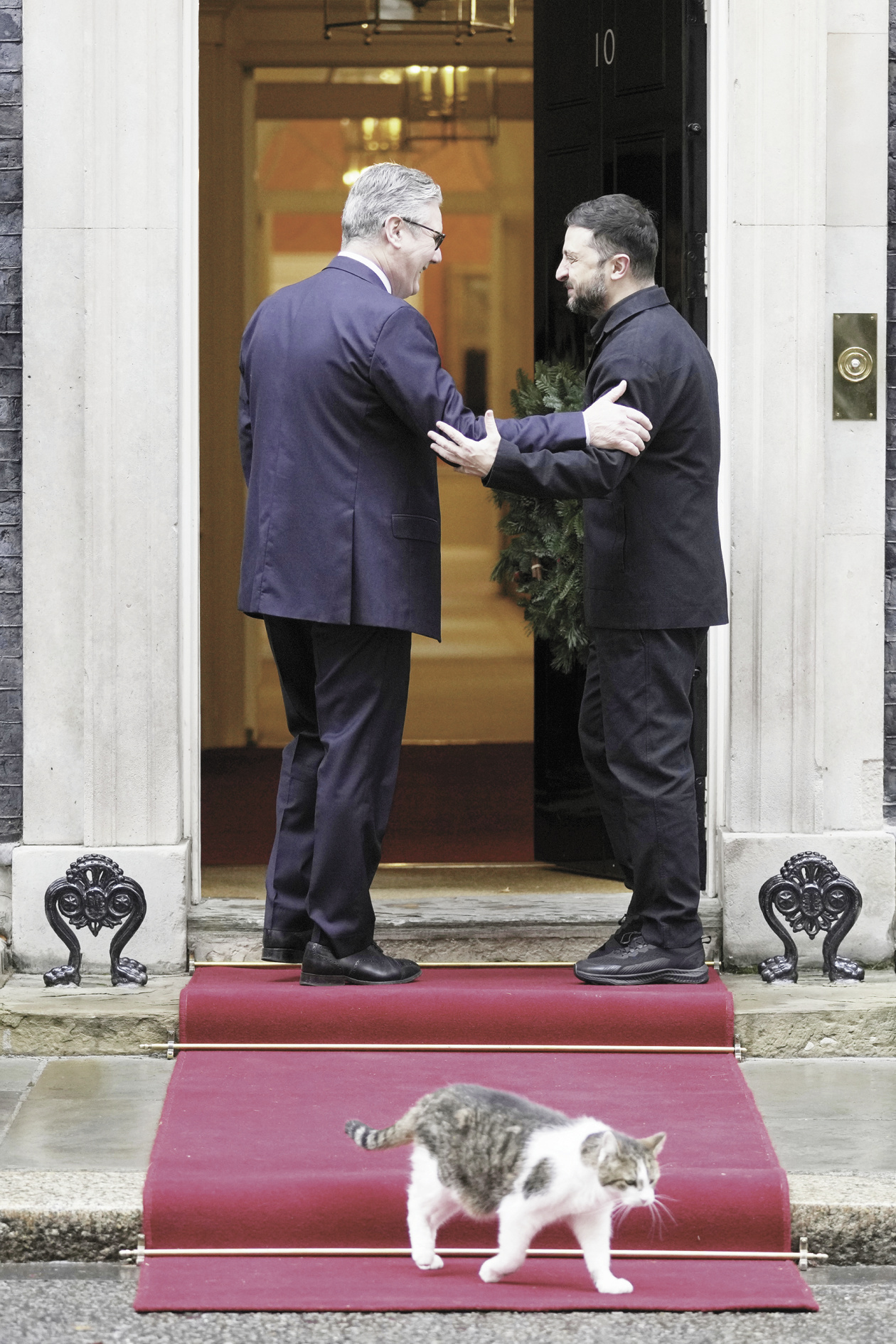
美国向乌表达不满,特朗普称对泽连斯基“有点失望”,欧洲讨论如何应对
Huan Qiu Shi Bao· 2025-12-08 22:31
Group 1 - Ukrainian President Zelensky is engaging in diplomatic talks with European leaders, including UK Prime Minister Starmer, German Chancellor Merz, and French President Macron, to address the ongoing conflict with Russia [1][2][5] - The discussions aim to ensure Ukraine's security and its ability to determine its own future, amidst pressures from the US for concessions in peace negotiations [2][5] - There is a growing concern among European allies regarding the US's stance on the peace plan, with reports indicating that the US is pushing Ukraine to make territorial concessions [5][7] Group 2 - Starmer has stated he will not pressure Zelensky to accept the US-led peace proposal, emphasizing the need for strong security guarantees in any agreement [5][6] - The ongoing negotiations have not yielded significant breakthroughs, particularly regarding territorial issues, which remain a contentious point among the involved parties [9] - The relationship between the US and Europe is facing challenges, with increasing tensions and differing views on how to handle the Ukraine conflict, raising concerns about the future of transatlantic alliances [7][8]
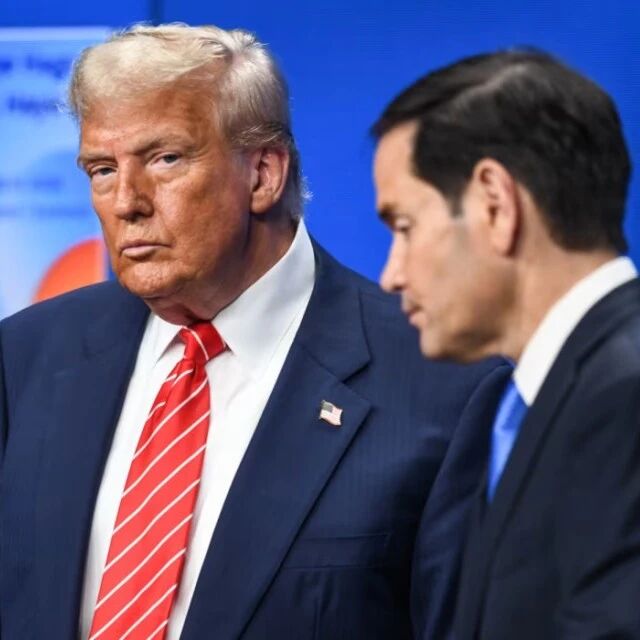
华尔街日报:美国在新安全政策中将欧洲而非俄罗斯描绘成反派
美股IPO· 2025-12-06 23:00
Core Viewpoint - The new U.S. National Security Strategy portrays Europe, rather than Russia, as the primary adversary, indicating a significant shift in U.S. foreign policy and potentially deepening divisions within the transatlantic alliance [1][2][6][7]. Summary by Sections U.S. National Security Strategy - The annual strategic document previously highlighted threats from Russia but now directs harsh criticism towards NATO allies in Europe, describing them as declining powers that have ceded sovereignty to the EU [2][6][10]. - The report warns that immigration could lead to the "civilizational extinction" of Europe, potentially transforming several NATO countries into nations dominated by "non-European" populations within two decades [7][10]. Critique of European Policies - The strategy criticizes the EU and other multinational organizations for undermining political freedom and sovereignty, accusing many European governments of subverting democratic processes without providing specific details [10][11]. - It emphasizes the need for Europe to correct its current trajectory and regain confidence, suggesting a paternalistic tone in its recommendations [10][11]. Shift in U.S.-Europe Relations - The document reflects a fundamental change in how the U.S. views its relationship with Europe, positioning the U.S. as an arbiter between Europe and Russia rather than a traditional ally against Russian threats [11][12]. - The strategy calls for an end to NATO's "ever-expanding alliance" and suggests a return to cooperation with Russia, which some analysts interpret as a strategy that undermines existing European structures [11][12]. European Response - European leaders are urged to reconsider their traditional transatlantic relationships in light of the new U.S. stance, with some experts suggesting that the document signals the end of the conventional alliance [7][8][12]. - The EU has rejected claims that it supports harmful immigration policies or undermines free speech, asserting that U.S. national security is closely tied to European security [12][14].
【白银etf持仓量】8月18日白银ETF较上一交易日增持285.30吨
Jin Tou Wang· 2025-08-19 10:55
Group 1 - The iShares Silver Trust, the world's largest silver ETF, reported a holding of 15,356.61 tons of silver as of August 18, with an increase of 285.30 tons from the previous trading day [1] - On August 18, the spot silver price closed at $38.00 per ounce, up 0.03%, with an intraday high of $38.26 and a low of $37.79 [1] Group 2 - European officials announced a virtual meeting with U.S. leaders to further coordinate strategies regarding post-war security in Ukraine, enhancing transatlantic alliance cohesion [3] - Recent high-level talks in Washington among European leaders aimed to maintain a unified stance on the Ukraine-Russia conflict, showcasing a new atmosphere of cooperation [3] - Ukrainian President Zelensky adopted a more diplomatic approach, aligning with U.S. leadership styles to set a constructive tone for negotiations [3] - During a joint press conference, U.S. and Ukrainian leaders carefully avoided sensitive topics, indicating a mutual desire to maintain dialogue and focus on achievable outcomes despite existing differences [3]

北约通过历史性防务开支计划,特朗普收获重大胜利
智通财经网· 2025-06-25 13:21
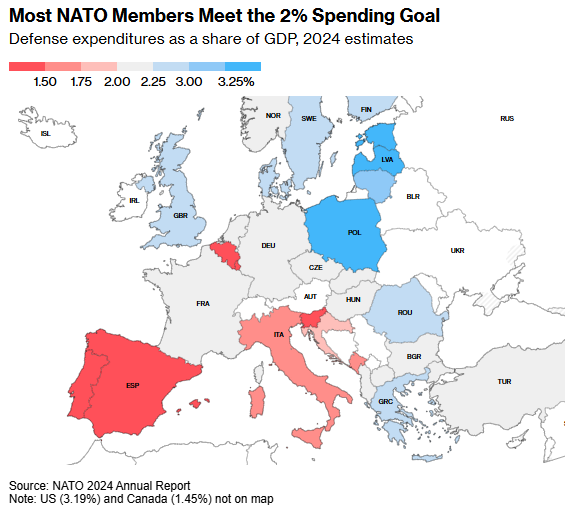
Group 1 - NATO leaders agreed to increase defense spending to 5% of GDP to address security challenges from geopolitical conflicts, marking a significant political victory for Donald Trump [1] - The declaration emphasizes a strong commitment to collective defense, aiming to protect 1 billion citizens and uphold freedom and democracy [1] - The new spending target is a response to deep security threats, particularly from Russia and ongoing terrorism, with NATO Secretary General Mark Rutte suggesting Russia could be capable of attacking the alliance within five years [1] Group 2 - The declaration confirmed NATO's support for Ukraine but removed the previous statement that "Ukraine's future belongs to NATO," indicating reluctance from the Trump administration to provide more military aid [2] - The new spending target is broken down into 3.5% for core defense and 1.5% for infrastructure and cybersecurity investments, potentially leading to trillions in defense spending by 2035 [4] - The trajectory of spending will be reassessed in 2029, with direct contributions to Ukraine's defense counting towards military spending [6]
“脱欧”五年 英欧首度重置关系
Bei Jing Shang Bao· 2025-05-20 15:22
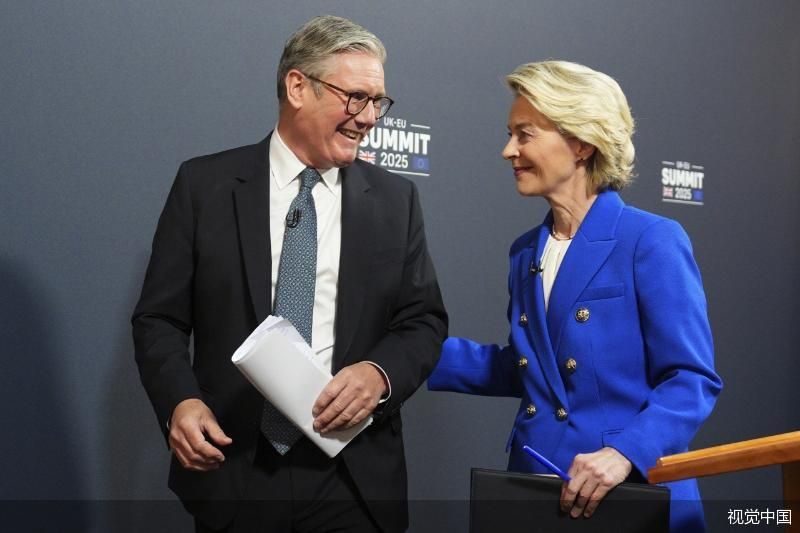
Group 1: Core Points - The UK and EU have reached a historic agreement to reset their relationship after Brexit, covering various areas including trade, defense, and personnel movement [3][4][6] - The fishing industry remains a focal point, with the UK extending EU fishing vessels' access to its waters for an additional 12 years, significantly longer than previously proposed [3][4] - The UK government anticipates that the new agreements will boost the economy by nearly £9 billion by 2040, with a projected 20% increase in agricultural exports to the EU [4][6] Group 2: Economic Implications - The simplification of food and beverage import/export processes is expected to enhance the UK's seafood sales to the EU [4] - The UK plans to invest £360 million in the fishing industry to modernize fleets and support tourism and seafood exports [4] - The EU has agreed to initiate a €150 billion arms loan program, indicating a commitment to defense collaboration [4][5] Group 3: Political Context - The change in UK leadership, with the Labour Party's Starmer becoming Prime Minister, reflects a shift towards improving relations with the EU [7][8] - The current geopolitical landscape, including the US's changing interest in Europe and ongoing conflicts, is influencing the rapprochement between the UK and EU [6][8] - There are internal challenges within the UK regarding the fishing agreement, with significant opposition from political factions and industry groups [7][8]
法国一通电话打到北京,替马克龙捎了句话,不想跟中方打关税战?
Sou Hu Cai Jing· 2025-03-25 06:17
Core Points - France is actively seeking to avoid a trade war with China, as indicated by a recent phone call from French President Macron's foreign affairs advisor to Chinese Foreign Minister Wang Yi, emphasizing the need for dialogue to resolve economic disputes [3][5] - The backdrop of this communication includes previous tensions where the EU imposed unreasonable tariffs on Chinese electric vehicles, which France had a significant role in instigating [3][5] - The pressure on France to engage with China also stems from domestic business groups urging the government to mitigate escalating trade tensions, particularly in light of potential tariffs from the US [5][7] Economic Context - The EU is currently facing economic pressures not only from internal disputes but also from external threats, particularly from the US regarding tariffs, prompting France to take a proactive stance in its trade relations with China [5][7] - The French cognac industry has been particularly vocal in urging the government to negotiate with China to prevent further economic fallout from trade disputes [5] Geopolitical Implications - The conversation between France and China also touched upon the ongoing situation in Ukraine, with both parties expressing a desire for a fair and sustainable peace agreement, highlighting a shared interest in regional stability [5][7] - The current geopolitical landscape, characterized by the US's direct negotiations with Russia, has left Europe feeling sidelined, which may influence its future diplomatic strategies [7][9]
FT中文网精选:跨大西洋联盟剧变,特朗普到底想要什么?
日经中文网· 2025-03-03 03:07
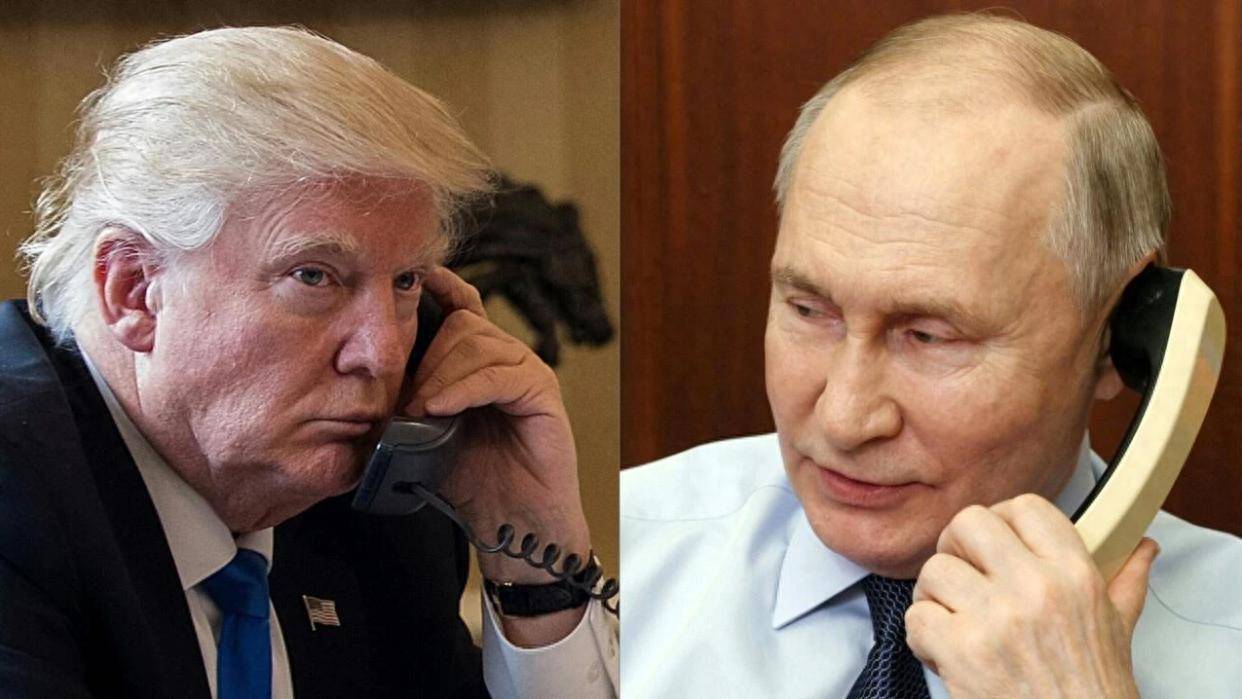
Core Viewpoint - The article discusses the recent turmoil in Europe caused by Trump's actions and statements, which have led to a significant shift in the perception of the transatlantic alliance and security dynamics in the region [4]. Group 1 - Trump's administration has created confusion among European leaders, leading to a sense of disillusionment regarding the transatlantic alliance [4]. - The U.S. has shifted its stance on security guarantees for Europe, with the Defense Secretary indicating a reduced commitment to European security [4]. - Unlike the Biden administration's approach, Trump seeks dialogue and normalization of relations with Putin, contrasting with Europe's imposition of new sanctions [4]. Group 2 - The article highlights the emotional journey of European leaders from shock to fear as they grapple with the implications of U.S. policy changes [4]. - Trump's perspective emphasizes that the Ukraine issue is primarily a European concern, suggesting a disconnect between U.S. and European priorities [4].