
释放消费潜力

Search documents
张军扩:长短兼顾标本兼治 持续有效扩大内需
Zhong Guo Zheng Quan Bao· 2025-12-30 22:20
Core Viewpoint - The Chinese economy shows resilience but faces significant issues with strong supply and weak demand, necessitating structural measures to unleash consumer potential and expand effective investment to promote sustained economic recovery [1][2]. Group 1: Structural Countermeasures - The expansion of domestic demand policies this year has been extensive and impactful, yet problems of insufficient market demand, strong supply, and weak prices remain prominent [2]. - To stimulate consumer demand, it is suggested to implement counter-cyclical consumption stimulus policies, optimize the support range and structure for commodity consumption, and focus on subsidies in essential areas such as education, healthcare, and elderly care to boost consumer confidence [2]. - Effective implementation of a resident income growth plan is crucial to enhance social security and public service levels for low-income groups, thereby improving safety expectations and consumer confidence [2]. - Strengthening supply-side policies is necessary by reducing entry restrictions, optimizing regulatory policies, and enhancing domestic standards and brand development to expand the supply of quality services [2]. Group 2: Expanding Effective Investment - Alongside releasing consumer potential, there is a need to focus on expanding effective investment for a positive interaction between consumption and investment [3]. - A new model for urban and rural construction and real estate development should be established, moving away from large-scale, rough urban construction towards investments that enhance urban environments and housing quality, addressing demands for urban renewal and rural infrastructure improvements [3]. - There is a call to significantly boost private and foreign investment by deepening reforms, expanding openness, and improving the business environment to stabilize and enhance corporate expectations and confidence [3].
张军扩:长短兼顾标本兼治持续有效扩大内需
Zhong Guo Zheng Quan Bao· 2025-12-30 21:11
Core Viewpoint - The resilience of China's economy is evident, but there are significant issues with strong supply and weak demand, necessitating structural measures to unleash consumer potential and expand effective investment to promote sustained economic recovery [1]. Structural Countermeasures - The extensive range and significant strength of domestic demand expansion policies this year have yielded positive results, yet issues of insufficient market demand, strong supply but weak demand, and weak prices remain prominent. The lack of consumer demand is influenced by both short-term fluctuations and long-term structural constraints, highlighting the need for structural countermeasures [1]. Stimulating Consumer Demand - To stimulate consumer demand, three key recommendations are proposed: 1. Implement counter-cyclical consumption stimulus policies that optimize the support range and structure for commodity consumption while maintaining total volume and sustained effort, focusing on subsidies in essential areas such as education, healthcare, and elderly care to boost consumer willingness [2]. 2. Effectively implement a resident income growth plan to enhance social security and public service levels for low-income groups, thereby improving safety expectations and consumer confidence [2]. 3. Strengthen supply-side policies by reducing entry restrictions, optimizing regulatory policies, and enhancing domestic standards, brands, and environmental construction to expand the supply of quality services [2]. Expanding Effective Investment - In addition to releasing consumer potential, there is a need to focus on expanding effective investment for a positive interaction. Two main focal points are identified: 1. Accelerate the formation of a new model for urban and rural construction and real estate development that aligns with the new stage of development, moving away from large-scale, extensive urban construction and real estate investment towards investments that enhance urban environments and housing quality [2]. 2. Promote private and foreign investment by deepening reforms, expanding openness, and improving the business environment to stabilize and enhance corporate expectations and confidence [3].
张军扩:释放消费潜力要长短兼顾 标本兼治
Xin Lang Cai Jing· 2025-12-30 20:11
Core Viewpoint - The need for structural countermeasures to effectively release the potential of consumer demand during the "14th Five-Year Plan" period is emphasized by Zhang Junkuo, highlighting the importance of both short-term and long-term strategies in expanding domestic demand [1][2]. Group 1: Domestic Demand Expansion Policies - The expansion of domestic demand has been a key focus for the government, with extensive policies implemented at both central and local levels, particularly in the current year [1]. - The range and intensity of policies aimed at expanding domestic demand this year are noted to be among the most significant in recent years, contributing positively to achieving development goals [1]. - There is a notable contradiction between insufficient market demand and strong supply, indicating a need for further action [1]. Group 2: Structural Countermeasures - Structural countermeasures are necessary to stimulate consumer demand, including counter-cyclical consumption policies that optimize the support for commodity consumption and enhance service consumption [2]. - Investment in human capital is highlighted, with a focus on addressing urgent issues in education, healthcare, elderly care, and childbirth through increased subsidies to boost consumer willingness and capacity [2]. - Effective implementation of a resident income increase plan is essential, particularly for low-income groups, to enhance social security and public service levels, thereby improving consumer confidence [2]. Group 3: Supply-Side Policies - Strengthening supply-side policies is crucial, which includes reducing entry restrictions, optimizing regulatory policies, and enhancing domestic standards and brand development to expand the supply of quality services [2]. - The potential for investment remains significant, whether in physical assets or human capital, provided that appropriate institutional and policy environments are established [2]. - Investment is expected to continue being a vital force for growth during the "14th Five-Year Plan" period, contingent on the right support systems being in place [2].
张军扩:充分释放消费潜力和着力扩大有效投资应当并重
Sou Hu Cai Jing· 2025-12-30 08:48
Group 1 - The core issue affecting China's economic growth is the demand problem, which has been prioritized in economic work for two consecutive years [1][2] - The main contradiction in economic operation has shifted from the supply side to the demand side, necessitating a focus on resolving demand issues for stable economic development [2] - The expansion of domestic demand policies has been extensive and impactful, contributing positively to economic performance this year [2] Group 2 - Consumption demand is influenced by both short-term market fluctuations and long-term structural factors, requiring a dual approach of immediate stimulus and addressing deeper issues [3][5] - The shift in consumer behavior from goods to services highlights the need for targeted support in sectors like education, healthcare, and elder care [5] - Effective investment remains crucial alongside consumption, with a focus on meeting consumer needs and expanding investment opportunities [6] Group 3 - Key areas for investment include urban renewal, old community renovation, rural infrastructure, and revitalizing homestead land, which present significant demand potential [8] - Promoting private and foreign investment requires continuous domestic demand policies and improvements in the business environment through reforms and openness [8]

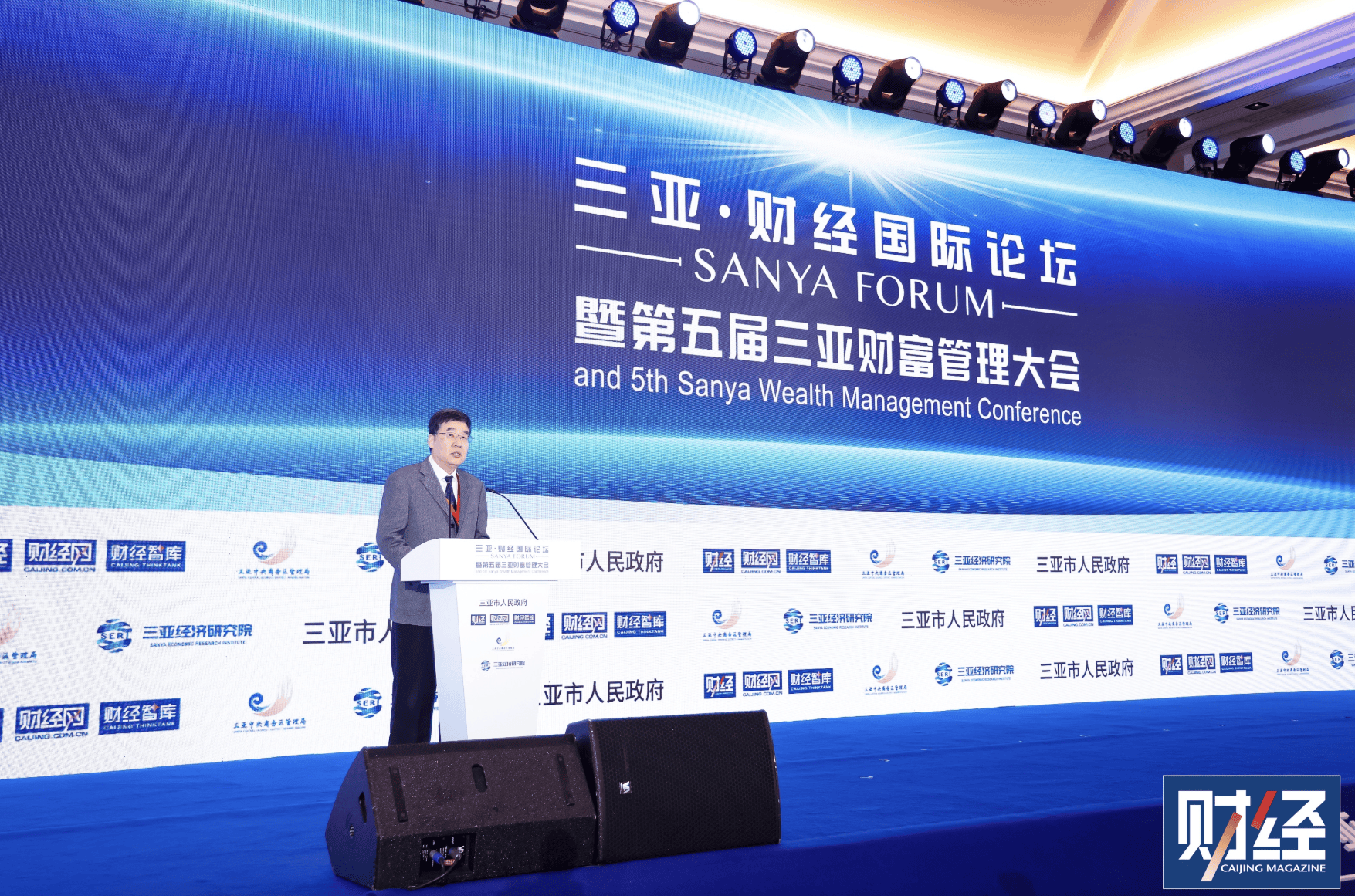
专家:既要充分释放消费潜力,也要着力扩大有效投资
Sou Hu Cai Jing· 2025-12-29 22:09
Core Viewpoint - The demand issue has become the most decisive factor affecting the sustained and stable growth of China's economy, with expanding domestic demand being prioritized in economic work for two consecutive years [1] Group 1: Economic Policies and Measures - The policies aimed at expanding domestic demand this year have been extensive and forceful, achieving positive effects and playing a crucial role in meeting development goals [1] - There is a notable "strong supply, weak demand" issue in the economy, with significant challenges for enterprise development and pressure on employment and income for the public [1] - The marginal weakening trend of the economy has intensified entering the fourth quarter, necessitating considerable efforts to promote overall economic recovery [1] Group 2: Future Strategies for Demand Expansion - To further stimulate domestic demand, it is essential to effectively release consumption demand potential through both short-term and long-term measures [2] - Structural counter-cyclical consumption stimulus policies should be emphasized, optimizing the support range and structure for commodity consumption while increasing support for service consumption [2] - Implementing effective resident income increase plans and enhancing social security and public service levels for low-income groups are crucial for boosting consumer confidence [2] - Supply-side policies should be strengthened by reducing entry restrictions, optimizing regulatory policies, and enhancing domestic standards and brand development [2] Group 3: Investment and Economic Growth - There remains significant potential for expanding investment, whether in physical assets or human capital, which can continue to drive growth during the 14th Five-Year Plan period [2] - A suitable institutional and policy environment is necessary to support investment, which can be a vital force for growth if the relevant frameworks are in place [2] - China's economic development advantages are unique and substantial, and adhering to the central economic work meeting's requirements can further promote economic recovery and lay a solid foundation for achieving the 2035 goals [2]
内卷与过剩何解?邢自强开出“补社保”药方:农民月补千元,消费率或升5个点破10万亿美元大关
Xin Lang Zheng Quan· 2025-12-01 06:05
Core Viewpoint - The 2025 Analyst Conference highlighted the potential for a bull market in A-shares, driven by global capital inflows, as experts and analysts gathered to discuss investment strategies and macroeconomic outlooks [1]. Group 1: Macroeconomic Insights - The chief economist of Morgan Stanley China, Xing Ziqiang, emphasized the long-standing issue of high savings and low consumption in China, attributing it to an imbalanced and insufficient social security system [3]. - Xing suggested that improving social security benefits for farmers and migrant workers could lead to significant changes, aiming for a monthly subsidy of 1,000 RMB by the end of the 14th Five-Year Plan [3]. Group 2: Consumption Potential - Strengthening the social security system is expected to unleash China's repressed consumption potential, with the proportion of household consumption in GDP projected to rise from below 40% to 45% [5]. - This increase in consumption could help alleviate issues related to "involution" competition and oversupply, with the goal of surpassing a consumption threshold of 10 trillion USD [5].
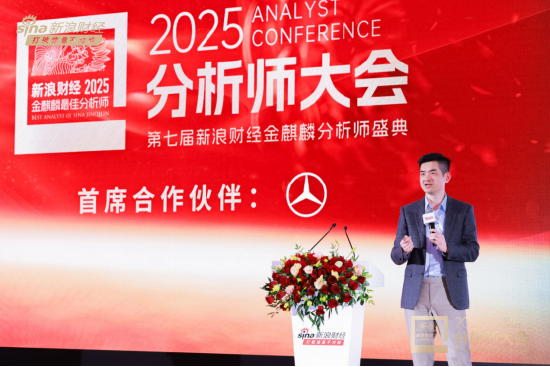
摩根士丹利中国邢自强:以国企分红充实社保,财政资源要从“投资基建”转向“投资于人”
Xin Lang Zheng Quan· 2025-12-01 06:05
Group 1 - The 2025 Analyst Conference highlighted the potential for a bull market in A-shares as global capital is expected to flow into the market [1] - Morgan Stanley's Chief Economist for China, Xing Ziqiang, emphasized the need to improve the social security system and adopt a prudent fiscal strategy to address China's structural issues of high savings and low consumption [3] - Xing proposed activating state-owned assets as a clear "opening up" path to alleviate debt concerns, suggesting that more state assets be allocated to the social security system to enhance returns through market operations [3] Group 2 - The discussion pointed out the historical bias in resource allocation towards supply-side investments, particularly in infrastructure, which are now showing signs of saturation and declining returns [3] - The future direction of investment is suggested to shift from "investing in things" to "investing in people," reallocating resources from infrastructure to strengthen social insurance and welfare networks [3] - Xing projected that if these reforms are implemented, the proportion of household consumption in GDP could rise from below 40% to 45%, potentially leading to a historic breakthrough of over $10 trillion in consumer spending [3]
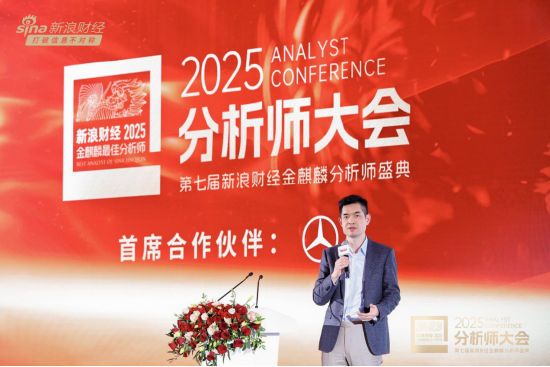
新闻1+1丨释放消费潜力,供需如何适配?
Yang Shi Wang· 2025-11-27 17:17
Core Viewpoint - The implementation plan aims to enhance the adaptability of supply and demand in consumer goods, targeting the formation of three trillion-level consumption sectors and ten hundred-billion-level consumption hotspots by 2027, with a focus on high-quality development by 2030 [1] Group 1: Consumption Market Transformation - The Chinese consumption market is transitioning from total expansion to structural optimization, with a focus on matching product supply to the diverse needs of different demographics, including infants, students, young adults, and the elderly [1][5] - The plan emphasizes the importance of a strong domestic circulation system, where improved corporate earnings can lead to job creation and increased resident income, thereby enhancing consumer purchasing power [2] Group 2: High-Quality and Innovative Consumption - The plan highlights the shift towards high-quality, innovative, and green consumption, indicating a demand for smarter and more sustainable products [5] - The focus on precise supply-demand matching across all age groups aims to activate consumer potential and stimulate consumption dynamics [7] Group 3: Differentiation and Brand Value - Companies are encouraged to adopt a mindset of differentiation, emphasizing higher standards such as environmental sustainability, brand value, and enhanced product and service experiences [10] - The market's competitive mechanism will favor companies that can effectively meet consumer demands for quality and innovation [10] Group 4: Employment and Income Stability - To boost consumption, it is crucial to stabilize employment and promote income growth, which will enhance consumer purchasing power and alleviate concerns for households [12] - The plan aims to identify new growth points and dynamics in the industry while ensuring that quality improvements lead to sustainable consumption growth [12]
贴息“红包”撬动消费潜能(深度观察)
Ren Min Ri Bao· 2025-11-16 21:54
Core Viewpoint - The implementation of the "Personal Consumption Loan Financial Subsidy Policy" aims to stimulate consumer spending and support economic growth by reducing the cost of consumer credit through financial subsidies [1][2]. Group 1: Policy Implementation and Impact - The subsidy policy began in September and is designed to lower the cost of consumer loans, thereby enhancing consumer purchasing power and promoting economic recovery [1][3]. - The policy has been well-received, with nearly 1 million customers signing subsidy agreements and over 1.8 million transactions recognized as eligible for subsidies by the end of October [3][10]. - The combination of the subsidy policy with other initiatives, such as trade-in programs, is expected to create a synergistic effect that enhances consumer spending [1][7]. Group 2: Consumer Experience and Benefits - Consumers report a seamless experience when applying for loans and receiving subsidies, with many banks offering automated systems for recognizing eligible transactions [2][9]. - For example, a consumer in Dongguan saved over 1,000 yuan in interest by utilizing the subsidy for a loan on home appliances [2][9]. - The policy has led to significant increases in the adoption of interest-free installment plans, with some retailers reporting a 60% increase in eligible products during promotional events [6][7]. Group 3: Financial Institutions' Role - Major banks, including state-owned and joint-stock commercial banks, have actively participated in the implementation of the subsidy policy, streamlining processes to facilitate consumer access [5][16]. - Financial institutions have developed dedicated systems to ensure compliance and efficiency in processing subsidy applications, enhancing customer service [3][10]. - The Agricultural Bank of China reported that it has provided 1.2 billion yuan in subsidies to over 10,000 customers since the policy's launch [10][16]. Group 4: E-commerce and Retail Response - E-commerce platforms and retailers have responded positively to the subsidy policy, with many offering additional discounts and interest-free financing options to attract consumers [6][14]. - The integration of the subsidy with online shopping platforms has made it easier for consumers to benefit from financial support without additional steps [5][14]. - Retailers have noted a significant increase in sales of high-ticket items, such as home appliances and vehicles, attributed to the financial incentives provided by the policy [7][15].
国家统计局:要释放消费潜力 规范市场竞争
Feng Huang Wang· 2025-11-14 03:23
Core Viewpoint - The National Bureau of Statistics emphasizes the need to expand domestic demand, unleash consumption potential, increase effective investment, strengthen innovation-driven growth, regulate market competition, promote capacity governance in key industries, and facilitate a reasonable rebound in industrial producer prices [1] Group 1 - The focus on expanding domestic demand is crucial for economic growth [1] - There is an emphasis on unleashing consumption potential to drive economic activity [1] - Increasing effective investment is highlighted as a key strategy for economic development [1] Group 2 - Strengthening innovation-driven growth is essential for enhancing competitiveness [1] - Regulating market competition is necessary to ensure a fair business environment [1] - Promoting capacity governance in key industries is aimed at optimizing production efficiency [1] Group 3 - Facilitating a reasonable rebound in industrial producer prices is important for stabilizing the economy [1]