黄金预定价交易

Search documents
一夜涨了15200元,“1年涨了近10万”!多个黄金品牌宣布涨价
Sou Hu Cai Jing· 2026-01-11 18:07
Price Increase in Gold Jewelry - The gold jewelry brands are experiencing a price surge as they enter 2026, with notable increases from brands like Chow Sang Sang and Chao Hong Ji, where some popular items have seen price hikes of nearly 20,000 yuan [2][8] - For instance, a specific necklace from the "Sheng Sheng You Xi" series has increased by 15,200 yuan, with its price per gram now at 2,560 yuan after the adjustment [4][12] Historical Price Trends - The "Sheng Sheng You Xi" necklace has appreciated nearly 100,000 yuan over the past year, and its price has increased almost sevenfold over the last decade [4] - Customer feedback indicates significant price increases, with one buyer noting they purchased a similar necklace for 45,000 yuan in April 2024, while another bought it for 20,000 yuan around 2016 [4][5] Market Dynamics - A sales representative from a Chow Sang Sang store confirmed that larger gold items are seeing greater price increases, although discounts are available at physical stores compared to flagship stores [7] - Chow Hong Ji is also set to raise prices on select products starting January 15, with new price tags already being distributed [10][12] Current Gold Prices - As of January 11, 2026, the real-time prices for major gold brands are around 1,400 yuan per gram, with Chow Sang Sang priced at 1,410 yuan per gram [12][13] - The price increases are leading to perceptions that gold jewelry is becoming more aligned with luxury goods [12] Investment and Trading Risks - The rising gold prices have prompted banks to issue warnings regarding trading risks, particularly concerning illegal trading platforms that mislead investors [14][15] - Banks are raising the minimum investment thresholds for gold accumulation products, reflecting a tightening of investment conditions in response to market volatility [17]


金价飙升,多家银行公告提醒
Sou Hu Cai Jing· 2026-01-11 04:54
Group 1 - Gold prices continue to rise, with COMEX gold futures increasing by 1.29% to $4518.4 per ounce, marking a weekly gain of 4.34% [1] - Since January 2026, major Chinese banks, including Bank of China and Industrial and Commercial Bank of China, have issued warnings and adjusted rules regarding gold trading to alert investors to risks [1] Group 2 - Bank of China has warned about illegal trading platforms that promote "gold investment" and "gold pre-pricing," which often lead to scams disguised as gambling [2] - These platforms claim low entry barriers and high returns, but they do not involve actual gold investment, putting participants' funds at risk [2] - The trading model mimics futures trading, requiring participants to pay a margin and a deposit of 2%-5% of the gold price, which can lead to forced liquidation if prices fluctuate significantly [2] Group 3 - Following the rise in gold prices, Industrial and Commercial Bank of China has raised the minimum investment amount for its gold accumulation business from 1000 yuan to 1100 yuan, effective January 8, 2026 [6] - The bank will also adjust the risk rating for personal customers engaging in gold accumulation, requiring a risk assessment to achieve a C3-balanced rating or higher [7] - This adjustment reflects the increased volatility in gold prices and the need for investors to have appropriate risk tolerance [7]

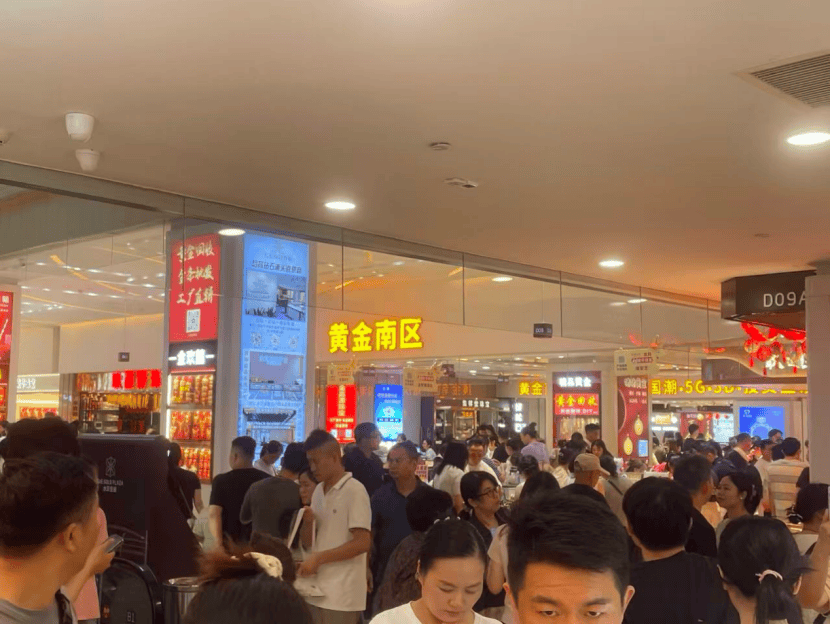
金价飙升风险暗藏,银行紧急调整、提示!
证券时报· 2026-01-11 04:07
Core Viewpoint - The article discusses the recent surge in gold prices, highlighting the risks associated with gold trading and the regulatory responses from major Chinese banks to protect investors [1][6]. Group 1: Gold Price Trends - On January 9, gold prices continued to rise, with COMEX gold futures increasing by 1.29% to $4,518.4 per ounce, marking a weekly increase of 4.34% [1]. - Since the beginning of 2026, gold prices have consistently risen, surpassing the $4,500 mark, leading to heightened trading risks [1]. Group 2: Regulatory Warnings - The Bank of China has issued warnings about illegal trading platforms that promote "gold investment" and "gold pre-pricing," which often lure participants with promises of low entry costs and high returns, effectively functioning as gambling scams [2][3]. - These platforms require users to deposit funds into a fake system, where they gamble against the platform rather than investing in actual gold, posing significant financial risks [3]. Group 3: Changes in Banking Policies - The Industrial and Commercial Bank of China (ICBC) has raised the minimum investment amount for its gold accumulation business from 1,000 yuan to 1,100 yuan, effective January 8, 2026 [6][8]. - Starting January 12, 2026, personal clients must undergo a risk assessment to engage in gold accumulation services, requiring a minimum risk rating of C3-Balanced or higher [8]. - Previously, clients only needed a C1-Conservative rating to participate in gold accumulation, indicating a shift towards more stringent risk management practices in response to market volatility [8].
杠杆超百倍、交易转入地下,水贝黄金赌局“变脸”重来
Xin Lang Cai Jing· 2025-12-11 05:17
Core Viewpoint - The "pre-pricing trading" platforms in the Shui Bei gold market have increased their entry barriers, requiring users to submit personal identification and undergo manual verification, which can take a day. Despite warnings about potential illegality, these trading practices continue to evolve and proliferate in more concealed forms [2][19]. Group 1: Changes in Trading Practices - The platforms have shifted from promoting "pre-pricing" to "pricing settlement" models, allowing users to settle profits and losses based on real-time gold prices without physical delivery of gold. Some platforms claim that a deposit of 10,000 yuan can control gold worth about 1 million yuan, with leverage ratios approaching 100 times [2][19]. - The market participants have changed significantly, with many new players lacking experience in gold trading entering the market, primarily engaging in online electronic trading without physical delivery [2][19]. Group 2: Increased Complexity and Risks - The process for participating in these trading platforms has become more complex, requiring users to provide identification and undergo risk assessments before trading. Some smaller platforms have moved away from high-exposure entry points like mini-programs to self-built apps [20][21]. - The funding flow has become more opaque, with users needing to contact customer service for specific bank accounts to transfer funds, and deposits are not immediately reflected in their accounts [21][4]. Group 3: Tax and Regulatory Implications - To avoid tax costs associated with physical delivery, some platforms are upgrading their business models to "pricing settlement," where users can settle based on price changes without taking physical delivery of gold [23][24]. - The tax implications are significant, as transactions that do not involve physical delivery typically do not incur value-added tax, but may still be subject to personal income tax on profits [25][26]. Group 4: Operational Risks and Compliance Issues - Many platforms claim to use overseas API hedging mechanisms to reduce trading costs, allowing for significantly lower entry barriers compared to compliant markets. However, the authenticity of these hedging practices is questionable, raising compliance risks [28][30]. - The operational model of these platforms often involves separating client deposits through domestic private accounts while claiming to hedge risks in overseas markets, leading to potential issues with fund security and regulatory compliance [30][31]. Group 5: Market Dynamics and Regulatory Challenges - The influx of inexperienced participants into the pre-pricing trading sector has been rapid, driven by rising gold prices and the popularity of mobile trading. Many of these new operators lack a background in physical gold trading [32][33]. - Regulatory challenges persist, as these trading activities often fall into a gray area, complicating enforcement and necessitating a collaborative approach among various regulatory bodies to effectively manage and oversee these operations [34][35].

杠杆超百倍、交易转入地下 水贝黄金赌局“变脸”重来
Di Yi Cai Jing· 2025-12-11 04:54
Core Viewpoint - The "pre-priced trading" platforms in the Shui Bei gold market have increased their entry barriers, requiring users to submit personal identification and undergo manual verification, which can take a day. Despite warnings from the Shenzhen Gold Jewelry Association about potential illegality, these trading practices have continued to evolve and proliferate in more complex forms [1][2]. Group 1: Changes in Trading Mechanisms - The platforms have shifted from a "pre-priced" model to a "pricing settlement" model, allowing users to settle profits and losses based on real-time gold prices without physical delivery of gold. Some platforms claim that a deposit of 10,000 yuan can control gold worth about 1 million yuan, resulting in leverage ratios close to 100 times [1][4]. - Many platforms now require users to undergo a more complex registration process, including identity verification and risk assessment, which can take up to a day to complete [1][2]. Group 2: Market Participants and Risks - The market has seen a shift in participants, with many new players lacking experience in gold trading entering the space. These new entrants primarily engage in online trading without physical delivery, leading to accumulating risks [1][11]. - The use of private accounts for fund transfers raises concerns about tax evasion and the legitimacy of transactions, as many operations are conducted under the guise of individual accounts while being run by companies [6][12]. Group 3: Regulatory and Compliance Issues - The platforms are increasingly adopting a model that avoids physical delivery to circumvent tax costs, which could lead to regulatory scrutiny. The lack of transparency in the operations and the potential for non-compliance with tax regulations pose significant risks [4][9]. - There is a notable absence of effective regulatory oversight, with current measures being reactive rather than proactive. This creates challenges in managing the risks associated with these trading platforms [13][14]. Group 4: Technological and Operational Dynamics - Smaller trading platforms are moving away from high-exposure entry points like mini-programs to self-built apps, enhancing the obscurity of fund flows. Users often need to contact customer service to obtain specific bank account details for transfers, complicating the process [2][3]. - The operational costs for setting up these trading platforms are relatively low, allowing even small businesses to engage in large-scale trading activities, which raises concerns about the sustainability and legality of such operations [13].
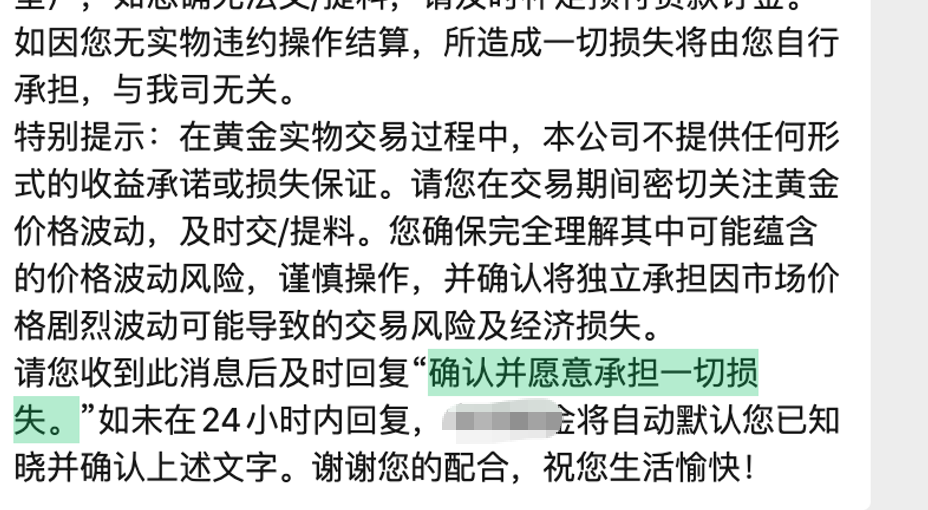
黄金大涨!最新实探深圳水贝:“年轻人怕踏空下不去手,不少人转战白银”
凤凰网财经· 2025-10-19 12:48
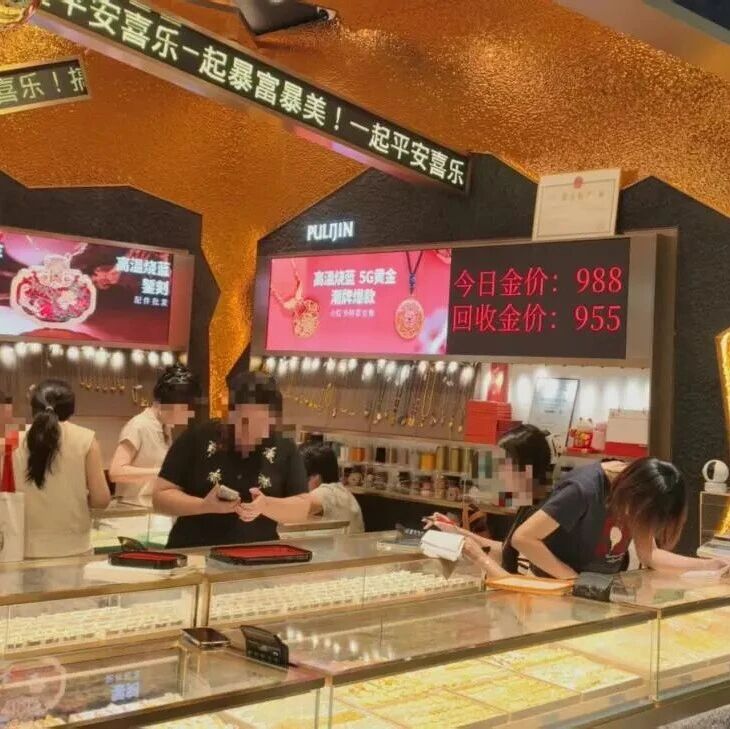
Core Viewpoint - The article discusses the current dynamics in the gold and silver markets, highlighting the impact of soaring gold prices on consumer behavior and the shift towards silver as an alternative investment option [1][11]. Group 1: Gold Market Dynamics - The gold price has surged significantly, reaching 988 yuan per gram, up from 796 yuan in early September, reflecting a rapid increase that has left many young consumers hesitant to purchase [3][10]. - Many young consumers express regret for not buying gold earlier when prices were lower, with some opting for smaller gold items or even considering renting gold for wedding purposes to manage costs [3][4][10]. - The market has seen an increase in gold recycling activities, with more consumers looking to sell their gold at high prices, leading to a widening gap between buying and selling prices [8][10]. Group 2: Shift to Silver - As gold prices remain high, younger consumers are increasingly turning to silver, which has seen a price increase of over 84% year-to-date, outperforming gold [11][12]. - The demand for silver is evident in the market, with quick purchases being made, such as a buyer who ordered two silver bars within ten minutes, indicating a shift in investment strategy [11][12]. Group 3: Emerging Risks in Gold Trading - The rise in gold prices has led to the emergence of risky trading practices, with reports of gold traders engaging in high-leverage betting schemes that deviate from traditional gold trading [14][15]. - The Shenzhen Gold and Jewelry Association has issued warnings about illegal activities in the market, highlighting the risks associated with speculative trading that could lead to significant financial losses for investors [14][15].
越买越涨,有人却亏近40万元!多名受害者出现
Sou Hu Cai Jing· 2025-10-14 05:50
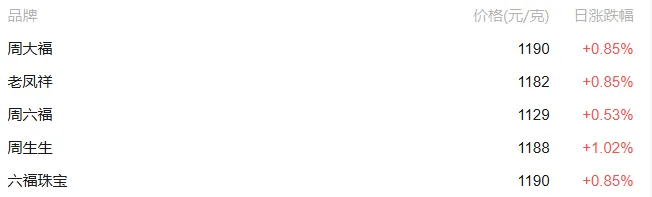
Group 1: Gold Price Movement - Gold prices surged on October 13, reaching a peak of $4060 per ounce, with COMEX gold rising over 1.7% and breaking through $4070 per ounce [1] - Domestic gold jewelry prices also increased, with notable rises in prices from various brands: Chow Tai Fook at 1190 CNY per gram (up 0.85%), Lao Feng Xiang at 1182 CNY per gram (up 0.85%), and Chow Sang Sang at 1188 CNY per gram (up 1.02%) [2][1] Group 2: Regulatory Issues in the Gold Jewelry Industry - The Shenzhen Gold Jewelry Association issued a warning on October 11 regarding three gold jewelry companies in the Shui Bei area, which were found to be involved in illegal gambling activities disguised as gold trading [3] - These companies were conducting "non-physical gold betting" through online platforms, which deviated from normal operations in the gold jewelry sector and disrupted market order [3][10] - The association highlighted the risks associated with high-leverage "gold investment" activities that some businesses were promoting, which could lead to significant financial losses for investors [7][8] Group 3: Investor Experiences and Risks - An investor from Guangdong shared her experience with a "pre-priced trading" model, where she lost nearly 400,000 CNY due to forced liquidation after being advised to bet against rising gold prices [9] - The trading model involved paying a small deposit to lock in future gold prices, but it did not involve actual gold purchases, exposing investors to high risks of loss [8][9] Group 4: Industry Response and Recommendations - The Shenzhen Gold Jewelry Association is encouraging merchants to use legitimate hedging tools to manage price volatility and is promoting self-regulation within the industry [10] - The association also emphasizes the importance of reliable information for investors to make informed decisions in the gold market [10]
高杠杆、假收益、“托儿”全上场,水贝黄金预定价交易是这样的危险赌局
Di Yi Cai Jing· 2025-10-10 06:00
Core Insights - The article highlights the risks associated with leveraged gold trading platforms that target retail investors, revealing a pattern of significant losses among participants due to sudden price surges in gold [1][2][3] Group 1: Market Dynamics - The gold price has surged significantly, with London gold reaching $3985 per ounce, marking an increase of over 50% year-to-date [2][3] - Retail investors are drawn into high-leverage gold trading, with some platforms offering leverage as high as 80 times, allowing participants to engage in speculative trading with minimal initial capital [11][12] Group 2: Investor Experiences - Individual investors, such as Wang Hua and Hu Rong, experienced catastrophic losses due to the volatile nature of gold prices and the high leverage employed in their trades, leading to forced liquidations of their accounts [3][4][19] - Many investors reported being influenced by social media and peer pressure within trading groups, which often showcased misleading profit screenshots, creating a false sense of security [14][15] Group 3: Regulatory Concerns - The article discusses the lack of effective risk management and regulatory oversight in the gold pre-order trading market, with many platforms failing to hedge their risks adequately [17][18] - There are indications that some platforms may engage in fraudulent practices, such as collecting deposits without the intention of fulfilling contracts, potentially leading to legal repercussions for both the platforms and the investors involved [20]
40倍杠杆的“对赌”玩不转了,水贝黄金料商倒在金价新高时
Di Yi Cai Jing Zi Xun· 2025-09-17 13:41
Core Viewpoint - The article discusses the emerging risks associated with a high-leverage gold trading model in the Shenzhen Shui Bei market, particularly focusing on the sudden closure of a gold trading company, Shenzhen Yue Baoxin Precious Metals Co., Ltd, which has left many merchants and customers unable to retrieve their funds and gold materials [2][5][9]. Group 1: Trading Model and Risks - The prevalent trading method allows buyers to lock in the price of gold by paying a deposit of approximately 2.4% to 3% of the actual gold price, significantly lower than the typical 10% margin required for gold futures trading [2][10]. - This model has led some traders to engage in speculative practices, such as short-selling, where they do not purchase the gold immediately but wait for prices to drop before fulfilling orders, exposing them to substantial risks if prices rise instead [3][16][17]. - The leverage involved in these transactions can reach 30 to 50 times, creating a scenario where small price fluctuations can lead to significant financial losses or gains for traders [12][15]. Group 2: Company Closure and Impact - On September 13, 2023, Yue Baoxin announced its closure due to the freezing of its bank accounts and the disappearance of its legal representative, leaving many clients unable to access their funds or gold [5][9]. - Reports indicate that affected merchants have suffered significant losses, with one gold shop in Henan losing over 900,000 yuan worth of gold due to the company's abrupt exit [8][9]. - The Shenzhen Gold and Jewelry Association has stated that while some companies are facing issues, the situation has been exaggerated on social media, and many businesses continue to operate normally [9]. Group 3: Legal and Regulatory Concerns - The trading model may be classified as illegal due to its resemblance to futures trading, which is subject to strict regulations. The low deposit requirement and the speculative nature of the transactions raise concerns about potential fraud and illegal operations [20][21][22]. - Legal experts suggest that the practices of these traders could lead to accusations of contract fraud or illegal business operations, especially if they fail to deliver on their agreements [21][23]. - Historical cases have shown that similar trading practices have been deemed illegal by courts, reinforcing the need for regulatory scrutiny in the gold trading sector [22][23].

40倍杠杆的“对赌”玩不转了,水贝黄金料商倒在金价新高时
第一财经· 2025-09-17 12:29
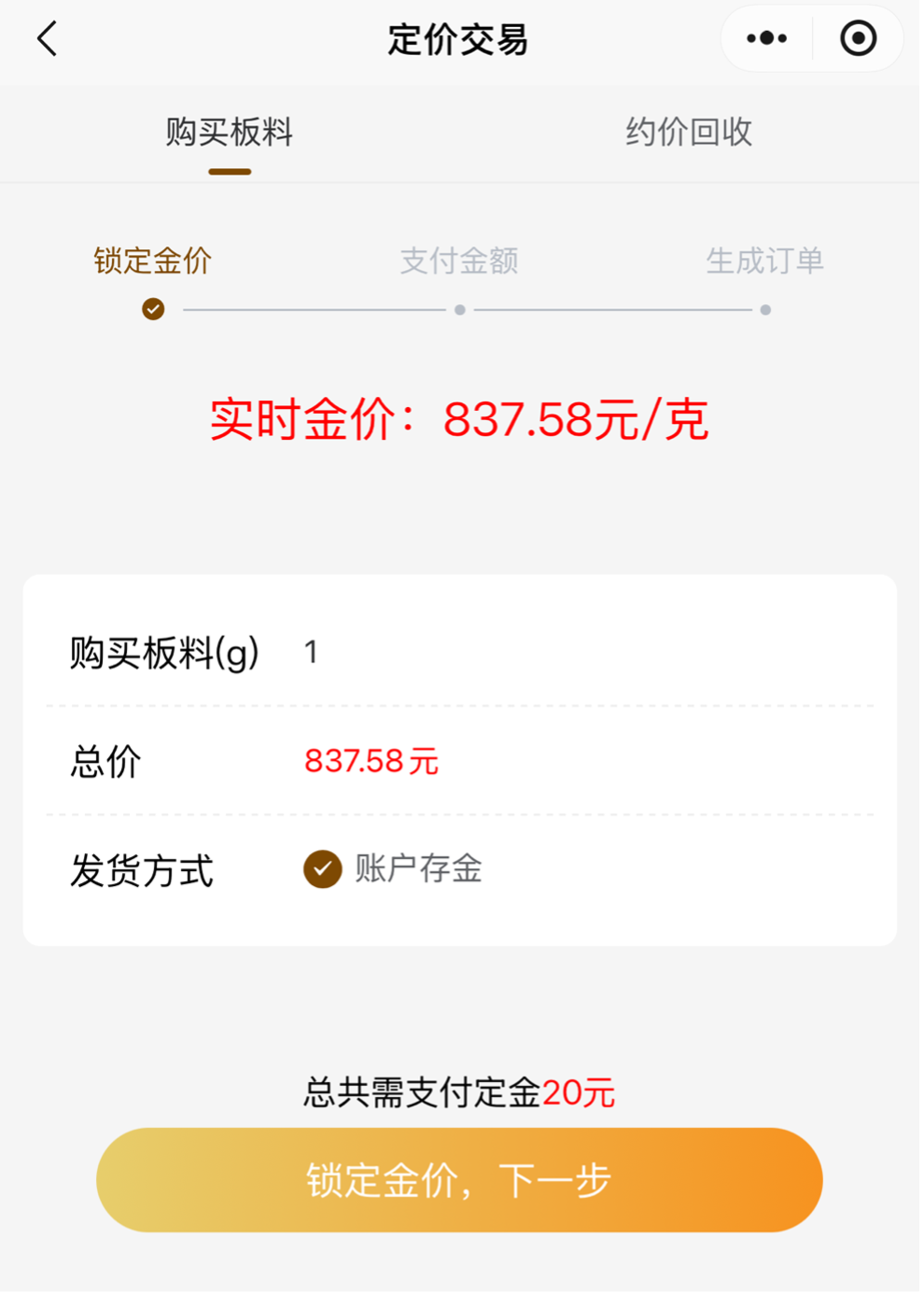
Core Viewpoint - The article discusses the emerging risks associated with a high-leverage trading model in the gold market, particularly focusing on the case of Shenzhen's Yue Baoxin Precious Metals Co., which has reportedly ceased operations, leaving many merchants unable to retrieve their funds and gold materials [3][4][10]. Group 1: Trading Model and Risks - In the Shenzhen Shui Bei gold market, a pre-order pricing trading model allows buyers to lock in gold prices by paying a deposit of approximately 2.4% to 3% of the actual gold price, significantly lower than the typical 10% margin required for gold futures trading [4][12]. - This model has led some traders to engage in speculative practices, such as short-selling, where they do not purchase the corresponding gold immediately, hoping to buy it back at a lower price later [4][20]. - The leverage in this trading model can reach 30 to 50 times, as evidenced by a case where a buyer pays only 20 yuan to lock in the price of 1 gram of gold, which is significantly less than the required margin in standard futures trading [16][18]. Group 2: Incident of Yue Baoxin - Yue Baoxin, established in August 2023, abruptly closed its doors, citing the freezing of company bank accounts and the disappearance of its legal representative, leading to significant financial losses for its clients [6][9]. - Reports indicate that the company may have been involved in risky trading practices, with clients unable to retrieve their gold or funds, resulting in police investigations [7][10]. - The incident has sparked rumors of a broader trend of "material merchants" fleeing the market, although the Shenzhen Gold and Jewelry Association has stated that many businesses continue to operate normally [11][12]. Group 3: Legal and Regulatory Implications - The trading practices employed by companies like Yue Baoxin may be classified as illegal operations or fraud, as they involve collecting deposits without actual gold reserves or hedging capabilities, potentially constituting contract fraud [28][29]. - Legal experts suggest that the nature of these transactions resembles futures trading, which is subject to strict regulations, and could lead to significant legal repercussions for those involved [29][30]. - Historical cases have shown that similar trading models have been deemed illegal by courts, reinforcing the potential for severe legal consequences for companies engaging in such practices [30][31].