AI影像

Search documents
CXO订单预期回升、AI医疗加速C端渗透,港股通医疗ETF易方达(520850)助力把握医疗产业发展机遇
Mei Ri Jing Ji Xin Wen· 2026-01-21 03:03
1月21日早盘,港股医疗板块盘初下探后持续走强。截至10:29,中证港股通医疗主题指数上涨1.4%,成 分股中,微创机器人-B涨超12%,微创医疗涨超4%,阿里健康涨超3%。 消息面上,在2026年1月举办的J.P. Morgan医疗健康大会上,全球药企密集披露前沿研发管线与大额BD 交易,为CXO行业带来明确订单预期。与此同时,AI医疗在C端的渗透正在加速,从智能问诊到慢病管 理的应用场景不断拓展,推动阿里健康、京东健康等港股互联网医疗平台价值重估。 有分析指出,当前医疗板块具备多重投资机会。CXO行业在海外订单回暖和国内产能出清的双重推动 下,景气度持续提升且估值仍具修复空间;医疗器械领域受益于国内设备更新政策支持与海外市场拓 展,脑机接口、AI影像等前沿方向催化不断;互联网医疗则在医保支付改革深化背景下,平台运营效 率持续优化,盈利增长曲线愈发清晰。 中证港股通医疗主题指数从港股通证券范围内选取50只业务涉及医疗器械、医疗商业与服务、制药与生 物科技服务等领域的股票作为指数样本,重点覆盖CXO与互联网医疗等港股特色标的。港股通医疗ETF 易方达(520850)跟踪该指数,可助力投资者精准把握医疗产业创新 ...
万孚生物20260119
2026-01-20 01:50
Summary of Wanfu Biological Conference Call Company Overview - **Company**: Wanfu Biological - **Industry**: AI Medical Technology and Digital Pathology Key Points and Arguments Investment and Development in AI Medical Technology - Wanfu Biological has invested in multiple companies including Saiweisen, Senqiang Technology, and Yizhun Intelligent, establishing a multimodal diagnostic framework in digital pathology and AI imaging, leading to the commercialization of AI in healthcare [2][3] - Saiweisen has achieved a leading position in pathology-assisted diagnosis, receiving the first Class III certification for cervical cytology AI software in China, implemented in over 100 medical institutions domestically and internationally [2][3] - Senqiang Technology focuses on digital pathology solutions, covering approximately 2,000 hospitals in China and 12 overseas regions, enhancing hospital workflow through hardware and intelligent software [2][6] - Yizhun Intelligent has strong competitiveness in AI imaging and ultrasound imaging, with its breast X-ray and thyroid nodule ultrasound detection software receiving the first and second Class III certifications in the industry [2][7] Market Growth and Financial Projections - Wanfu Biological expects rapid growth in domestic business in 2026, with a year-on-year growth rate exceeding 40%, and overseas business growth projected between 20% and 30% [3][29] - Core revenue is anticipated to grow by 30% year-on-year, with a profit margin target of over 20% [3][29] - Senqiang Technology forecasts sales revenue between 250 million to 300 million yuan in 2026, driven by new policies and increased overseas revenue [3][21] AI Medical Ecosystem and Future Directions - The company has built an AI medical ecosystem since 2018, combining acquisitions and internal growth, focusing on both hospital and consumer segments [3][12] - Future trends include multi-omics and multimodal diagnostics, with a strong emphasis on enhancing brand influence and operational efficiency through AI applications [13][31] Challenges and Strategic Adjustments - Wanfu Biological's performance forecast for 2025 indicates pressure due to the overall IVD industry challenges, prompting strategic adjustments such as inventory reduction and risk asset divestment [28][29] - The company has achieved significant operating cash flow, with a net cash flow of nearly 400 million yuan in 2025, indicating resilience despite challenges [29] Collaboration and Synergy - Collaboration with invested companies like Saiweisen and Senqiang Technology is crucial for market expansion and technological upgrades, enhancing the overall business ecosystem [3][21][22] AI Product Development and Market Position - Yizhun Intelligent holds six Class III certifications for AI products, demonstrating its leadership in the field and commitment to rapid commercialization [11][22] - The company aims to increase the paid hospital ratio for its AI products to 80%-90% and enhance repeat purchase rates across multiple disease categories [11] Regulatory and Market Dynamics - The digital pathology sector is rapidly evolving, with significant policy changes creating a market capacity of 5 billion yuan due to new regulations on slide uploads [9][10] - Saiweisen's dual sales model includes traditional software sales and SaaS subscription services, adapting to different market needs [15][19] Additional Important Insights - The digital pathology solutions market is characterized by a shift towards automation and standardization, with Senqiang Technology leading in comprehensive digital pathology solutions [8][9] - The AI medical field is seen as a critical area for future growth, with Wanfu Biological committed to enhancing its capabilities and market presence through strategic investments and partnerships [31][32]

第13届郑州市摄影艺术展览开展
Xin Lang Cai Jing· 2025-12-24 06:29
本届展览由中共郑州市委宣传部、郑州市文学艺术界联合会主办,郑州市园林局、郑州市摄影家协会等 单位承办。 来源:中国青年报客户端 中国青年报客户端郑州12月24日电(中青报·中青网记者 李瑞璇)今天,第13届郑州市摄影艺术展览在 郑州开幕。本次展览集中呈现了近四年来郑州摄影创作的成果。经省市专家多轮评审,主办方最终评选 出120件共220余幅优秀作品,涵盖185幅摄影图片和9部视频作品。展览特别增设AI影像单元,积极融 合数字化手段,打造沉浸式观展体验。展览紧扣郑州三大核心文化坐标,设四大展陈单元:"天地之中· 文明坐标"展现中华文明核心区的历史纵深;"黄帝故里·精神原乡"传递根脉文化与非遗传承;"功夫郑 州·城市气韵"展现少林武术精神与现代城市发展的关系;"数字郑州·未来视界"探索科技与人文的融合共 生,其中AI重构的"郑州八景"尤为引人注目。现场通过系统展线设置,引导观众领略郑州的厚重历史、 辉煌成就、城市发展和美好生活。每件作品配备二维码,观众可扫码收藏作品,也可通过VR展厅实 现"云端漫游"。据统计,开幕首日参观人次近千。 展览地点为郑州市中原区西流湖公园南区"晴云阁"一楼展厅,市民可免费观展。 ...
华为nova 15系列正式发布:双红枫影像驱动 首搭麒麟9系芯片
Ju Chao Zi Xun· 2025-12-22 07:57
12月22日,华为正式发布nova 15系列,带来影像、设计、通信等多维突破。该系列首次前后置均搭载 红枫原色镜头,构建双红枫影像矩阵,同时推出迄今最薄的Ultra机型,并搭载旗舰同款麒麟9系芯片, 在性能与体验上全面升级。 在机身设计上,nova 15 Ultra和Pro版采用了创新的横向立体堆叠星耀架构,并配备航空级金属中框,显 著提升了结构强度。尤其是nova 15 Ultra,机身厚度缩减至6.8毫米,相比上代减薄约12.6%,成为该系 列迄今最为纤薄的机型,在确保坚固耐用的同时,提供了出色的握持手感。 影像系统是本次升级的核心亮点。nova 15系列后置镜头全系升级为5000万像素RYYB红枫影像系统。其 中,顶配的Ultra版本首次配备了四枚5000万像素RYYB镜头,包括支持可变光圈和光学防抖的主摄、潜 望式长焦镜头以及超广角微距镜头,与前置镜头共同构成了强大的前后双红枫影像矩阵,实现了前后摄 的协同拍摄与色彩统一。 在软件与算法层面,得益于鸿蒙操作系统的深度赋能,系列机型引入了多项AI影像新功能。全新的"AI 沾色"功能可以智能学习参考照片的风格色调,并将其迁移至用户拍摄的照片中。此外,全系首 ...


手机影像狂卷2025:告别参数焦虑,开始“反向指导”相机了
3 6 Ke· 2025-12-15 10:16
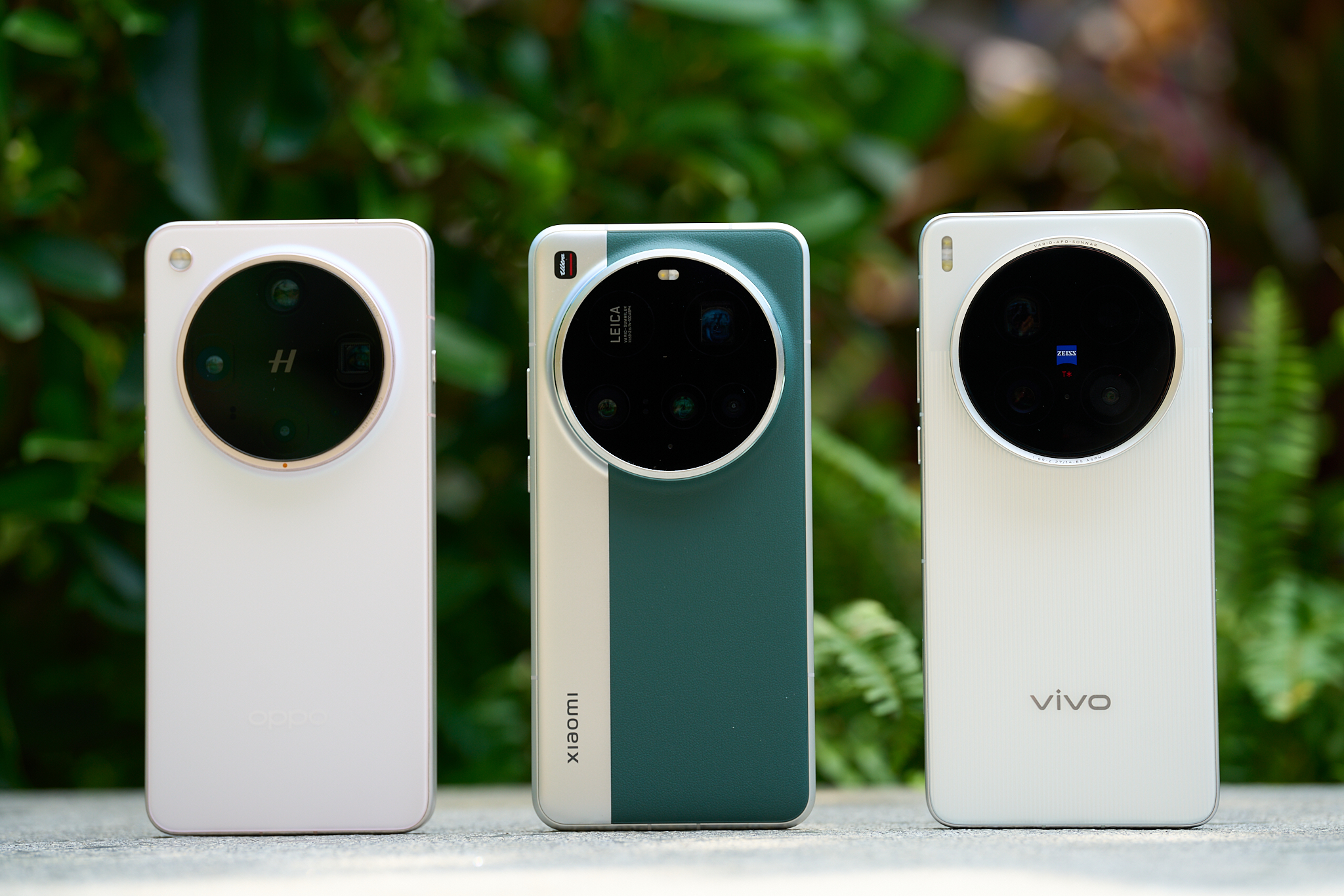
Core Insights - The mobile imaging landscape has shifted dramatically in the past year, moving away from hardware-centric advancements to a focus on algorithms and AI capabilities [1][23][32] - The trend indicates a departure from the obsession with large sensors, with manufacturers prioritizing overall system balance and user experience [2][4][7][32] Hardware Developments - The era of one-inch sensors is declining, with only a few models like Xiaomi 15 Ultra and OPPO Find X8 Ultra remaining on the market, primarily aimed at niche enthusiasts rather than mass consumers [2][4] - New flagship models are adopting smaller sensors, such as the 1/1.28-inch LYT-828, to enhance overall performance and user experience while maintaining a balance between size and functionality [4][5][32] AI and Algorithm Integration - Advancements in AI technology are narrowing the performance gaps in dynamic range, night scenes, and noise reduction, leading manufacturers to allocate resources towards enhancing long-focus capabilities and overall imaging experience [5][23] - Live Photo has evolved into a standard recording format, integrating seamlessly into the AI imaging workflow, allowing for dynamic content creation without the need for manual switching between photo and video modes [8][12][14] Color and Image Quality - The introduction of multi-spectral imaging and original color lenses by brands like Huawei, vivo, and OPPO aims to achieve consistent color reproduction across different lighting conditions, enhancing the overall image quality [18][32] - The focus has shifted from merely achieving high pixel counts to ensuring that images are visually appealing and consistent across various lenses [18][32] User Experience and Accessibility - The mobile imaging experience is increasingly designed for ease of use, allowing users to capture and share images without needing extensive knowledge of photography [27][29][32] - AI functionalities are being integrated into the camera systems to assist users in achieving better results, making advanced photography techniques more accessible to the average consumer [29][32] Future Directions - The industry is expected to continue refining hardware while enhancing software algorithms and AI capabilities, focusing on natural and unified image outputs [31][32] - The competition will shift from hardware specifications to the overall user experience, emphasizing reliability and ease of use in capturing and sharing images [32][33]
Pocket 大绞杀
雷峰网· 2025-12-05 06:43
Core Viewpoint - The article discusses the competitive landscape in the pocket camera market, highlighting the aggressive strategies of DJI and the emerging threats from competitors like OPPO, Vivo, and Insta360, as well as the potential for innovation in video editing and sharing capabilities. Group 1: Market Dynamics - The Pocket camera market is expected to see significant competition in the coming year, with various companies targeting DJI's dominance [4][6]. - DJI's Pocket 3 has achieved a remarkable market share, reportedly reaching a 100% market share and high gross margins within two years [5]. - Competitors are forming teams to challenge DJI's Pocket project, indicating a collective effort to disrupt DJI's market position [6]. Group 2: Technological Advantages - The success of Pocket 3 is attributed to its unique physical stabilization technology, which is difficult for competitors to replicate [8][9]. - DJI's supply chain management is highlighted as a key strength, allowing for cost reduction and quality assurance through the reuse of core components [10]. - The article emphasizes that the true challenge for competitors lies not just in technology but in achieving stable mass production [13]. Group 3: Competitive Strategies - DJI has initiated a significant price reduction for Pocket 3 to capture potential customers and counteract competition [41]. - The upcoming Pocket 4 is expected to introduce features like zoom capabilities and improved low-light performance, positioning it as a flagship product [47][49]. - DJI is also restructuring its sales channels to better reach a broader consumer base, moving from a quota-based system to a more market-driven approach [51][53]. Group 4: Future Trends - The article suggests that the future of the imaging market will involve a shift towards integrating video editing and sharing capabilities, which are currently seen as gaps in the market [32]. - The competition is not just about hardware but also about creating a seamless ecosystem for users, with companies like Insta360 aiming to develop platforms for easy video editing and sharing [33][36]. - The emergence of AI-driven features in video editing is seen as a potential game-changer, with companies looking to enhance user experience through automated processes [38][39].

影石创新刘靖康出手,投了这家AI芯片公司!
证券时报· 2025-12-01 14:16
Core Viewpoint - The article discusses the recent financing round completed by AI chip developer Yingwei Innovation, highlighting its entry into the venture capital space through its parent company, Yingstone Innovation, and the strategic implications of this move for both companies [1][2]. Group 1: Company Overview - Yingwei Innovation, established in 2024, is a subsidiary of SenseTime focused on AI chip development, particularly in image enhancement, perception recognition, and NLP [2]. - The company has quickly attracted notable investment institutions, with recent financing rounds involving multiple investors, indicating strong market interest [2]. Group 2: Investment Strategy - Yingstone Innovation's investment in Yingwei Innovation aligns with its focus on enhancing imaging technology through innovative integration of lightweight large models and chip hardware design [3]. - This investment strategy is part of a broader approach to secure supply chain stability and enhance product offerings in the smart imaging device sector [3]. Group 3: Financial Performance - Yingstone Innovation reported a revenue of 6.611 billion yuan for the first nine months of 2025, a year-on-year increase of 67.18%, while net profit decreased by 5.95% [4]. - In Q3 2025, the company achieved a revenue of 2.940 billion yuan, reflecting a significant year-on-year growth of 92.64%, although net profit saw a decline of 15.90% [4]. Group 4: Future Outlook - The company aims to enhance its R&D capabilities and brand recognition, focusing on developing high-value products and services to meet market demands and strengthen its core competitiveness [5].

虹软科技(688088):智能终端+汽车同比双增,AI影像打开成长空间
Minsheng Securities· 2025-10-27 02:31
Investment Rating - The report maintains a "Recommended" rating for the company [4][6]. Core Insights - The company achieved a revenue of 628 million yuan in the first three quarters of 2025, representing a year-on-year growth of 9.39%, with a net profit attributable to shareholders of 142 million yuan, up 60.51% [1]. - The mobile smart terminal business showed steady growth, with revenue of 512 million yuan in the first three quarters, a 5.59% increase year-on-year [1]. - The smart automotive business demonstrated a strong commercialization process, with revenue of 105 million yuan in the first three quarters, reflecting a year-on-year growth of 31.43% [2]. - The company launched several AI visual products, including the ArcSoft Video Dragon Fusion technology, which enhances video quality significantly [3]. Summary by Sections Financial Performance - In Q3 2025, the company reported revenue of 217 million yuan, a 12.68% increase year-on-year, and a net profit of 53 million yuan, up 98.21% [1]. - The projected revenues for 2025, 2026, and 2027 are 1.011 billion, 1.274 billion, and 1.618 billion yuan, respectively, with net profits of 234 million, 313 million, and 444 million yuan [4][5]. Business Segments - The mobile smart terminal visual solutions generated 172 million yuan in Q3 2025, marking a 12.89% increase year-on-year [1]. - The smart automotive and AIoT solutions achieved 40 million yuan in Q3 2025, a 10.34% increase year-on-year [2]. AI Visual Technology - The company is building an AI-driven mobile imaging ecosystem, showcasing products like Agentic AI video creation and AI Debanding technology [3]. - The AI visual technology has been applied in the AIGC commercial photography sector, serving tens of thousands of small businesses and over 300 leading apparel brands [3].

前小米高管马骥创业融资近2亿,研发AI影像消费硬件
Xin Lang Ke Ji· 2025-10-24 13:45
Core Insights - Former Xiaomi executive Ma Ji has founded a new company, "Guangqi Zhijing," focusing on AI imaging consumer hardware, specifically a camera that automatically generates popular stylized photos with a single click [1][2] - The digital camera market has seen a significant decline, with sales dropping from over 100 million units at its peak to around 8 million units currently, raising questions about the demand for additional photography devices beyond smartphones [1] - The company has successfully raised $27 million in angel funding, led by Honghui Capital, Dinghui VGC, and Shunwei Capital, with several other institutions participating [2] Company Insights - Ma Ji's background includes extensive experience in software and hardware at Xiaomi, where he was recognized for his ability to tackle challenging projects [1] - The new camera aims to address the creative challenges faced by users, emphasizing that the need is not for more devices but for enhanced creative capabilities [1] - The first product from Guangqi Zhijing is still in development, with plans for a release expected next year [2] Industry Insights - Recent successes of products from companies like DJI and Insta360 indicate that there is still potential for new categories within the imaging hardware market [2] - The rising prices of Fuji and film cameras suggest a willingness among consumers to pay for unique and aesthetically pleasing products [2]


前小米高管创业,融资近2亿元,要做AI影像消费硬件丨智能涌现独家
3 6 Ke· 2025-10-24 09:27
Core Viewpoint - The article discusses the entrepreneurial journey of Ma Ji, a former Xiaomi executive, who is venturing into the AI imaging hardware market with his new company, "Light of the Future" (光启之境), aiming to create a camera that simplifies photography for users by automatically generating popular styled photos without requiring technical knowledge [2][3][4]. Group 1: Company Background - Ma Ji has worked at Xiaomi for 11 years, transitioning from a frontline employee to management, and has been involved in various key projects including MIUI and Xiaomi's internet business [1][7]. - The new venture, "Light of the Future," focuses on developing an AI camera that addresses the creative needs of users rather than just providing hardware [2][3]. Group 2: Market Opportunity - The digital camera market has seen a significant decline, with sales dropping from over 100 million units at its peak to around 8 million units currently, raising questions about the necessity of new photography devices [2]. - Despite the decline in traditional camera sales, there is evidence of a growing demand for unique and aesthetically pleasing photography, as seen with the success of products from companies like DJI and Insta360 [3]. Group 3: Investment and Funding - "Light of the Future" has successfully completed a seed funding round, raising $27 million, led by Honghui Capital, with participation from several other investment firms [3]. Group 4: Product Development - The first product from "Light of the Future" is still in development, with plans for a release in the following year [4]. - The camera aims to allow users to take satisfactory photos effortlessly, without needing to understand complex camera settings or post-editing [14][30]. Group 5: User Insights and Challenges - Ma Ji emphasizes that the primary challenge is to create a product that meets the unarticulated needs of users, who often do not know what they want in terms of photography [19][20]. - The company aims to leverage AI to enhance the creative process, focusing on how to capture images that align with current aesthetic trends [21][22]. Group 6: Competitive Landscape - The company is entering a new product category, differentiating itself from existing competitors like DJI and Insta360, and aims to establish a unique market position [37]. - Ma Ji acknowledges the competitive pressure from larger companies but believes that the current landscape offers opportunities for smaller firms to innovate [36].