AI造假

Search documents
【西街观察】警惕AI生成的“仅退款”羊毛党
Bei Jing Shang Bao· 2025-11-18 15:02
Core Points - The rise of fraudulent refund claims in the e-commerce sector is causing significant distress for honest merchants, as some buyers exploit AI tools to create fake evidence of product damage [1][2] - The misuse of AI technology undermines the original intent of the "refund only" policy, which aims to enhance consumer experience while protecting merchants' rights [2] Group 1 - The fraudulent practices involve manipulating product images to appear damaged or spoiled, affecting a range of low-cost items, leading to frequent but small-scale financial losses for merchants [1] - Merchants face a dilemma where the cost of defending against these claims often exceeds the value of the products involved, highlighting the challenges in the current e-commerce landscape [1][2] - The introduction of new regulations in September aims to clarify the use of AI-generated content, prohibiting malicious alterations and ensuring that merchants can protect their rights [2] Group 2 - E-commerce platforms are urged to enhance AI image recognition technology and implement stricter review mechanisms to combat the rise of AI-assisted fraud [2] - As disputes over "refund only" policies continue to increase, many merchants are adjusting their after-sales strategies to better navigate the challenges posed by AI misuse [2]
女演员温峥嵘被AI盗播带货,直播间质问反被拉黑,平台该担责吗?
Xin Lang Cai Jing· 2025-11-10 07:22
Core Viewpoint - The incident involving actress Wen Zhengrong highlights the urgent need for legal and regulatory intervention regarding the unauthorized use of AI-generated images for commercial purposes, raising questions about platform accountability [2][4][6] Group 1: Celebrity Rights Protection - Celebrities must follow a structured approach to protect their rights, starting with evidence collection, such as saving screenshots of AI broadcasts and links to infringing products [2][3] - Legal actions can be taken against merchants for infringing on portrait rights and name rights, with the Civil Code providing a solid legal basis for such claims [3][4] Group 2: Platform Responsibilities - Platforms cannot evade responsibility and must implement preemptive measures, such as using technology to identify AI-generated content and verifying identities in live broadcasts [4][6] - Upon receiving reports of infringement, platforms are required to act within 24 hours to remove infringing content, as stipulated by the E-commerce Law [4][6] Group 3: Legal Framework and Enforcement - The Civil Code and E-commerce Law provide a clear legal framework for rights holders to notify platforms and enforce their rights against unauthorized use of AI [4][5] - Regulatory bodies need to increase penalties for violations, as demonstrated by past cases where companies were fined for impersonating public figures [5][6] Group 4: Challenges and Solutions - The covert nature of AI fraud complicates enforcement, but proactive monitoring and technological upgrades are essential for platforms to prevent misuse [5][6] - Collective action among celebrities, platforms, and regulatory authorities is necessary to effectively combat the misuse of AI technology [6]


温峥嵘被AI温峥嵘拉黑:AI发展莫要助长“以假乱真”
Yang Zi Wan Bao Wang· 2025-11-06 06:30
Core Viewpoint - The rise of AI-generated content, particularly in live streaming, poses significant challenges for both public figures and consumers, leading to issues of identity verification and trust in digital ecosystems [1][2][3] Group 1: Impact on Public Figures - AI-generated fake live streams infringe on the portrait and voice rights of public figures like actress Wen Zhengrong, misleading consumers about their commercial endorsements [2] - The rapid generation of infringing content and frequent changes of accounts make it costly and difficult for public figures to protect their rights [2] Group 2: Consumer Concerns - Consumers may unknowingly purchase counterfeit products based on trust in celebrity endorsements, facing challenges in seeking redress due to the difficulty in tracing responsible parties [2] - The normalization of "AI forgery" undermines trust in the entire digital ecosystem, leading to a vicious cycle where legitimate content is questioned [2] Group 3: Regulatory and Technological Solutions - The recently implemented "Artificial Intelligence Generated Content Identification Measures" mandates that AI-generated content must include prominent identification, providing a policy basis for addressing these issues [2] - There is a need for collaboration between policy, technology, and platforms to effectively tackle the challenges posed by AI-generated content, including clearer identification standards and enhanced enforcement measures [2][3] - Technological solutions such as blockchain digital IDs and immutable watermarks could help trace the origins of content, while platforms should improve their multi-modal review systems to strictly handle non-compliant content [2]
专访雅为科技杨乔雅:当AI开始“造谣”,技术被“投毒”,谁来监督
Sou Hu Cai Jing· 2025-11-02 13:19
Core Viewpoint - The discussion centers around the issue of AI, particularly large language models like Baidu's, generating false information and the ethical implications of this phenomenon [2][3]. Group 1: AI's "Fabrication" Issue - The term "fabrication" in AI is referred to as "hallucination," where AI generates plausible but incorrect information due to flawed training data or insufficient information [3]. - The frequent occurrence of factual errors in AI products from platforms with millions of users leads to a public trust crisis, potentially distorting public perception and disrupting market order [3][4]. Group 2: Risks of Data Poisoning - The risk of malicious actors feeding AI with false information to harm competitors is identified as a form of "data poisoning," representing an asymmetric gray war [4][5]. - Attackers can disseminate carefully crafted false information across various online platforms, which AI then learns from, ultimately presenting these as objective answers to unsuspecting users [4][5]. Group 3: Solutions and Responsibilities - A comprehensive "digital immune system" is necessary, requiring collaboration among companies, users, regulators, and society [6]. - Companies like Baidu must prioritize "truthfulness" alongside "fluency" in their AI strategies, implementing mechanisms for source verification and fact-checking [6]. - Establishing stricter data cleaning processes and developing algorithms to detect and eliminate malicious information is essential [6]. Group 4: User Empowerment - Users should transition from passive information receivers to critical consumers, employing cross-verification as a fundamental practice [7]. - Utilizing existing fact-checking platforms and reporting false information generated by AI can contribute to improving the AI model [8]. Group 5: Regulatory Actions - Regulatory frameworks must keep pace with technological advancements, establishing legal boundaries for AI-generated content and imposing severe penalties for malicious activities [9][10]. - Collaboration among regulatory bodies and AI companies is crucial for effective governance and combating data poisoning [11]. Group 6: Overall Perspective - The situation is viewed as a "growing pain," highlighting the dual-edged nature of technology and the need for corporate responsibility and societal engagement [12].
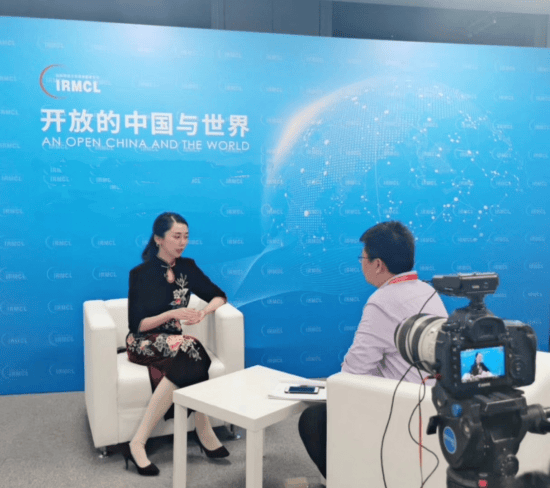
管住AI造假,留住社会信任
Ke Ji Ri Bao· 2025-10-17 01:09
Core Points - A notable case of using artificial intelligence (AI) for false advertising has been reported in Beijing, where a company falsely claimed its product could treat various diseases during a live broadcast, while it was merely a regular food product [1] - The incident involved the AI-generated likeness of a well-known CCTV host, highlighting the growing misuse of AI technology to create realistic fake videos [1] - The emergence of AI deepfake technology poses significant challenges to content safety and erodes the foundation of social trust, as it allows for the creation of deceptive representations of public figures [1] Industry Response - In September, China implemented the "Artificial Intelligence Generated Synthetic Content Identification Measures," requiring all AI-generated content to include explicit identification and encouraging the use of digital watermarks for implicit identification [1] - Regulatory bodies are urged to enhance oversight and enforcement against platforms and individuals violating these regulations, as demonstrated by the recent actions taken by Beijing's market supervision department [1] - Content dissemination platforms and AI service providers are expected to fulfill their responsibilities by improving AI recognition technology and enhancing the ability to trace and verify content authenticity [2] Public Awareness - The public is encouraged to remain vigilant and improve their ability to discern the authenticity of information to avoid being misled by false information [2] - The rapid development of AI technology in China necessitates the continuous improvement of safety standards and legal guidelines for various application scenarios [2] - A collaborative effort is required from all stakeholders to restore the integrity of the online space and safeguard the foundation of social trust [2]
网信、公安重点整治AI造假、挑动负面情绪等乱象
Zhong Guo Xin Wen Wang· 2025-10-10 05:58
Core Points - The article discusses the crackdown on online rumors and misinformation related to public policies, disasters, and social issues, highlighting the misuse of AI tools to create false narratives and the impact on public order and individual rights [1][2][3] Group 1: Online Misinformation - In September, rumors related to disasters and floods were prevalent, with exaggerated claims about typhoons and fabricated videos circulating on social media [2] - Specific instances include false reports about a typhoon in Guangdong and misleading videos about severe weather in Zhengzhou, which were generated using AI technology [2] Group 2: Fraudulent Activities - Criminals have exploited the situation by creating fake announcements about government subsidies and investment opportunities, leading to scams that compromise personal information and financial security [1] - Examples include a fraudulent app posing as an investment platform and misleading claims about national projects offering rewards [1] Group 3: Government Response - The Central Cyberspace Administration has initiated a special campaign to address issues related to inciting negative emotions and spreading panic, targeting platforms that fail to manage content responsibly [3] - Law enforcement has taken action against individuals spreading false narratives, including those fabricating stories for sensationalism [3]
伪造官方项目 夸大灾情信息 演绎悲情剧本 网信、公安重点整治AI造假、挑动负面情绪等乱象
Yang Shi Wang· 2025-10-10 05:28
Group 1 - The main focus of the news is on the rise of online rumors in September, particularly in areas such as public policy, disaster situations, and social welfare, with authorities taking strict measures to combat these falsehoods and maintain a clean online environment [1][2] - Various fraudulent schemes have emerged, including a fabricated "2025 National Salary Subsidy Application Notification" aimed at deceiving the public into providing personal information, and a fake investment app misusing the Ministry of Agriculture's name to conduct illegal fundraising [1] - There has been a notable increase in rumors related to disasters, with exaggerated claims about typhoons and fabricated videos circulating on social media, which have been debunked by official meteorological data [1] Group 2 - Emotional manipulation through fabricated tragic stories has been observed, with self-media creating sensationalized videos to attract attention and generate traffic, leading to public deception and negative emotional impact [2] - The Central Cyberspace Administration has initiated a special campaign to address issues related to inciting negative emotions, promoting panic, and spreading online violence, targeting platforms that fail to manage content responsibly [2] - Law enforcement has taken action against individuals spreading false information, including those who fabricated stories about abductions and foreign aid, resulting in legal penalties for the perpetrators [2]
用AI伪造门店照片,“假门面”带不来真流量
Xin Jing Bao· 2025-09-15 09:44
Core Points - The rise of AI-generated images is misleading consumers in the food delivery industry, creating a false sense of popularity for certain restaurants [1][2] - Many food delivery platforms have not effectively addressed the issue of AI-generated storefronts, leading to consumer deception and potential food safety concerns [3][4] Group 1 - AI technology is being used by some merchants to create fake storefronts and attract customers, despite the actual conditions being vastly different [1] - The use of AI-generated images is cost-effective and easy to implement, making it an attractive option for businesses looking to increase sales [1] - Consumers are misled by these AI-generated images, which compromises their rights and increases their consumption costs [2] Group 2 - Some food delivery platforms have acknowledged the issue but have not taken sufficient action to prevent the use of AI-generated images [3] - There is a need for food delivery platforms to enhance their governance and create a trustworthy consumer environment [3] - Both e-commerce and food delivery platforms should develop technological tools to combat AI-generated deception, requiring accountability from platforms and stronger regulatory oversight [3][4]
如何不让AI成为造假者的利器?
Zhong Guo Jing Ji Wang· 2025-08-29 09:47
Group 1 - The core issue is the illegal use of AI-generated voice cloning for commercial purposes, which violates personal rights as per the Civil Code of China [1] - The Civil Code stipulates that individuals' voices are protected similarly to portrait rights, prohibiting any organization or individual from infringing on these rights through technology [1] - Social media platforms are enhancing AI content recognition systems to require clear identification of AI-generated works, but some users are attempting to bypass these mechanisms [1] Group 2 - In March, the National Internet Information Office and other departments released a guideline requiring all AI-generated content to be labeled, effective from September 1 [2] - There are inherent limitations and delays in regulatory measures, emphasizing the need for consumers to develop critical thinking skills to discern the authenticity of information [2] - The ongoing battle between AI-generated deception and detection is likened to a "cat-and-mouse game," indicating that this issue will persist and requires vigilance [2]
“完美候选人”可能啥都不会?AI造假攻陷远程面试
3 6 Ke· 2025-08-15 12:10
Group 1 - Gartner predicts that by 2028, one in four job applicant profiles will be fake, based on a survey of 3,000 job seekers, where 6% admitted to manipulating their interviews [2][5] - The rise of AI-generated deepfake images, voice synthesis technology, and chatbots is making cheating more covert and efficient, targeting remote, technical, and high-paying positions [3][5] - AI is being used as a "new engine" for fraud, allowing impersonators to present themselves as highly skilled candidates, using voice cloning and deepfake video technology to deceive interviewers [5][6] Group 2 - Companies like Google, Cisco, and McKinsey are reverting to in-person interviews to verify candidates' authenticity and skills, as remote interviews have been exploited by fraudsters [6] - The shift back to face-to-face interviews is a reluctant response to the challenges posed by AI's ability to create convincing impersonations, leading to a crisis of trust in the hiring process [6] - Gartner emphasizes the need for enhanced verification processes in recruitment, as the potential for fake candidate profiles increases significantly [6]