
生态修复

Search documents
12部门联合发文,解决长江流域环资案件办理中的协作问题
Xin Jing Bao· 2025-08-14 07:37
今后,长江流域的生态环境保护将加强行政执法与刑事司法、环境公益诉讼、生态环境损害赔偿诉讼的 衔接配合。《意见》明确在执法办案中,发现需要追究刑事责任、给予行政处罚或者追究生态环境损害 民事责任等情形的,依法将有关案件移送具有相应职权的机关。 强调生态修复的重要性 生态环境违法犯罪不能一罚了之、一判了之,最终目的是修复生态环境。预防性、恢复性执法司法是近 年来行政执法机关、司法机关在探索的路径。 《意见》提出,坚持预防性、恢复性执法司法,依法统筹适用刑事、民事、行政法律规范,准确适用生 态环境侵权责任制度和禁止令、非诉执行等司法措施。 8月14日,全国生态日前一天,12家中央和国家机关联合印发《关于加强执法司法工作协同服务保障长 江流域生态环境保护和高质量发展的意见》(以下简称《意见》),旨在进一步细化长江流域各法院之 间、执法司法机关之间的协作衔接。 这12个部门分别是:最高人民法院、最高人民检察院、国家发展改革委、公安部、司法部、自然资源 部、生态环境部、水利部、农业农村部、文化和旅游部、国家林草局、国家文物局。 强化调查取证的协助配合 根据《意见》,各部门的协作主要聚焦污染防治攻坚、长江十年禁渔、河道采砂 ...
山水妩媚 翠色生金
Ren Min Wang· 2025-08-13 09:21
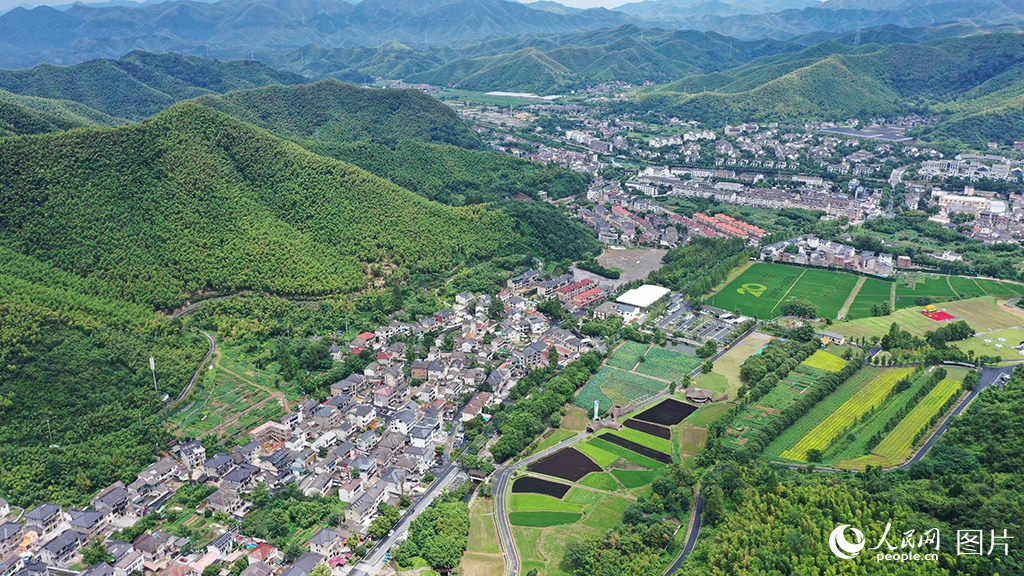
Group 1 - The transformation of traditional energy utilization methods has led to significant improvements in the quality of living and production spaces, showcasing the success of green development initiatives across various regions in China [1][3][4] - The concept of "Lucid waters and lush mountains are invaluable assets" is being actively implemented, resulting in ecological restoration and enhanced environmental quality in areas previously affected by pollution and resource extraction [3][4][6] - Comprehensive governance projects, such as the restoration of lakes and rivers, have successfully shifted the focus from human exploitation to ecological preservation, promoting harmony between humans and nature [4][6][10] Group 2 - The implementation of high-standard farmland construction in areas like Meipo Village has transformed previously barren lands into productive agricultural fields, demonstrating effective land management strategies [6][9] - Large-scale afforestation projects, such as the greening of the northern and southern mountains in Lhasa, aim to improve local ecological conditions and enhance water conservation efforts [7][15] - The development of national scenic areas, like the Mingjing Lake National Water Conservancy Scenic Area, integrates water management with tourism, creating a harmonious relationship between water resources and community development [18][20]

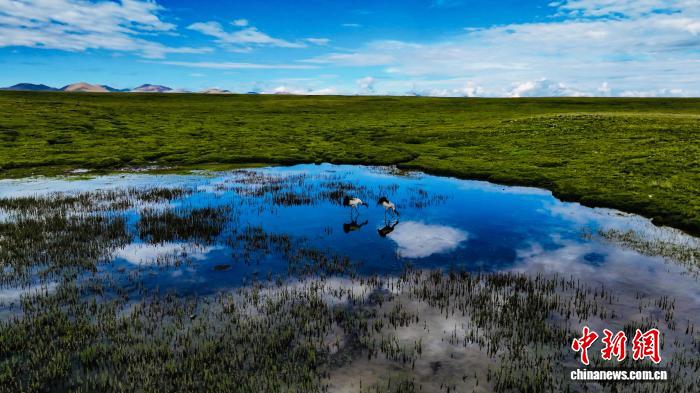
从满目疮痍到重披绿装 青海木里矿区迎来生态重生
Zhong Guo Xin Wen Wang· 2025-08-13 09:06
Core Viewpoint - The ecological restoration of the Muli mining area in Qinghai Province has transformed a previously damaged environment into a thriving ecosystem, showcasing successful environmental management practices and community involvement [1][5]. Group 1: Environmental Restoration Efforts - The Muli mining area, once characterized by illegal coal mining and environmental degradation, has undergone significant restoration, with over 14.08 million cubic meters of waste soil filled back into the largest open-pit mine, equivalent to the volume of West Lake [5]. - A "seven-step method" for grass planting and soil improvement was innovatively developed, combining waste soil with sheep manure and organic fertilizers to enhance soil quality and increase grass growth efficiency [5]. - The restoration efforts have led to the return of wildlife and a visually appealing landscape, earning recognition from local herders [5]. Group 2: Monitoring and Maintenance - The ecological environment protection bureau has implemented a rigorous monitoring system, with personnel covering approximately 50,000 kilometers and collecting around 10,000 cubic meters of garbage over the years [3]. - Daily inspections ensure comprehensive coverage every three days, highlighting the commitment to maintaining the restored environment [3]. Group 3: Community and Stakeholder Involvement - The restoration project has been described as a collaborative effort among various construction units, likened to "beauticians" for the grasslands, indicating strong community and stakeholder engagement in the ecological recovery process [5]. - The local community's acceptance and recognition of the beautified mining area reflect the positive impact of the restoration initiatives on local livelihoods and environmental awareness [5].
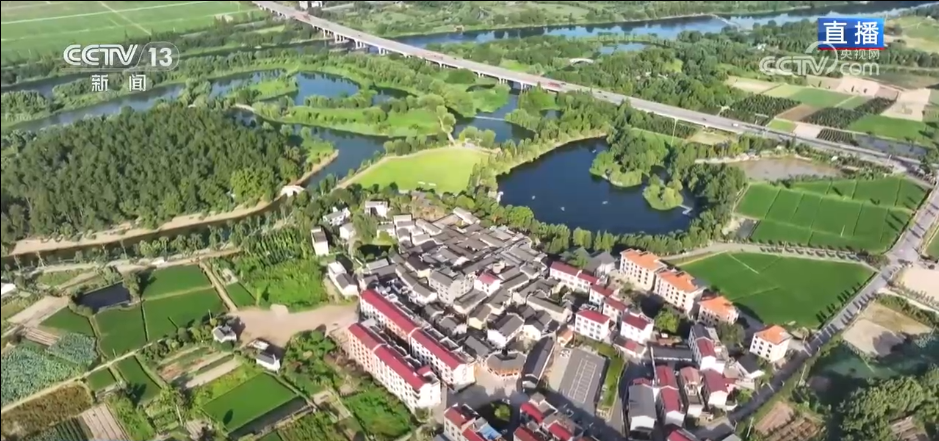
活力中国调研行 | “垃圾村”迎蝶变 美丽乡村实现点“绿”成“金”
Yang Shi Wang· 2025-08-13 05:42
Core Viewpoint - The transformation of Tantuo Village in Wuyi County, Zhejiang, from a polluted "garbage village" to a thriving ecological wetland has attracted numerous tourists and created new economic opportunities through green development initiatives [7][15]. Group 1: Ecological Restoration - Tantuo Village was known as a "garbage village" over a decade ago, suffering from severe pollution due to industrial waste and poor waste management [7]. - Since 2014, over 14 million yuan has been invested in riverbank restoration, resulting in the removal of over 700,000 cubic meters of silt and more than 500 tons of garbage [7]. - The restoration efforts have led to the creation of a 600-acre wetland, significantly improving local biodiversity and attracting visitors [7][6]. Group 2: Economic Development - The improved environment has allowed villagers to cultivate crops such as rice, corn, and traditional lotus flowers, leading to the development of a lotus industry starting in 2023 [11]. - The sales revenue from lotus-related products has exceeded 5 million yuan, creating numerous job opportunities within the village [11]. - The village's collective economic income has increased from 240,000 yuan in 2017 to 1.92 million yuan in 2024, an eightfold growth driven by green initiatives [15]. Group 3: Sustainable Practices - The village has adopted a "repair old as old" philosophy in its renovation efforts, saving nearly 70% of costs while enhancing local aesthetics [13]. - New guesthouses have been established with full electric renovations, utilizing renewable energy sources like wind and solar power, reducing carbon emissions by approximately 20 tons per guesthouse annually [15]. - The integration of green development concepts is becoming ingrained in the community's values and practices [15].
【看见美丽中国】筑牢北方生态安全屏障 听大兴安岭背后的“蝶变”故事
Yang Shi Wang· 2025-08-10 15:52
Group 1 - The core message emphasizes the ecological and economic transformation of the Daxing'anling region, highlighting its transition from extensive logging to ecological protection and sustainable development [1][6][10] - Daxing'anling spans approximately 327,200 square kilometers, with a forest coverage rate of 78.44% and a timber stock of 1.03 billion cubic meters, capable of absorbing carbon emissions equivalent to 300 million cars annually [5][10] - The region has shifted from a logging economy to a focus on ecological restoration, with significant increases in forest biomass and biodiversity, including a rise in wildlife species from 390 to 439 [10][15] Group 2 - The cessation of logging in 2015 marked a pivotal change, transitioning the area from a "logging era" to a focus on ecological recovery, supported by national policies for forest protection and restoration [8][10] - Local communities have adapted to this transformation, moving from traditional logging jobs to roles in tourism and sustainable harvesting of forest products, such as berries [15][17] - Daxing'anling has become a popular tourist destination, with former logging sites now transformed into forest parks, attracting visitors for their natural beauty and recreational opportunities [19][22]

故乡山水丨山川不语 青绿作答
Yang Guang Wang· 2025-08-10 00:47
Core Viewpoint - The ecological restoration of the Daqingshan area in Inner Mongolia has shown significant progress over the past decade, transforming a previously degraded environment into a thriving natural habitat, which has also positively impacted local communities and economies [1][3]. Group 1: Ecological Restoration Efforts - The Daqingshan area was heavily exploited for mineral resources, leading to severe environmental degradation, with over 200 quarries operating by the 1990s [2][3]. - In 2012, a comprehensive ecological protection project was initiated, which included shutting down all mining operations, reforestation, and land rehabilitation efforts [3]. - As of the end of 2024, the area has achieved a forest area of 1.422 million acres and grassland area of 1.7145 million acres, with 80% of the land in the front slope of Daqingshan undergoing ecological greening [3]. Group 2: Biodiversity and Community Impact - The Daqingshan Nature Reserve has become a breeding ground for rare species such as the milu deer and Przewalski's horse, enhancing biodiversity in the region [3][4]. - Local villages have capitalized on the improved environment by developing agritourism and homestay industries, leading to increased visitor numbers and economic benefits [4]. - The use of advanced technology, such as drones and infrared cameras, has improved wildlife monitoring while minimizing disturbance to the animals [4].
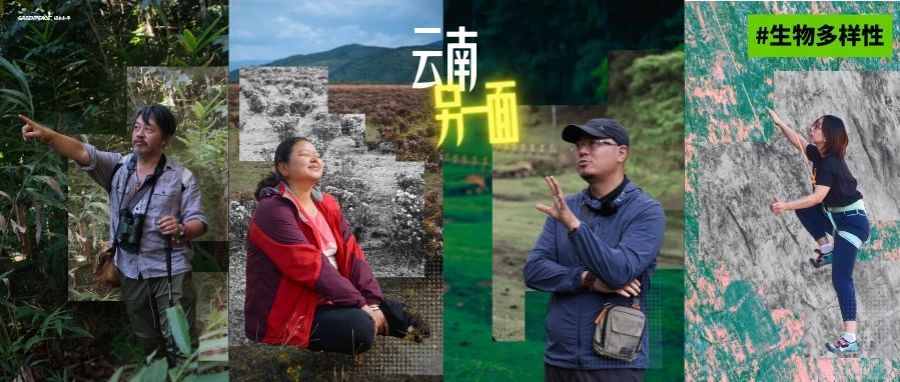
世界不止正确答案!与“自然合伙人”一起打开「云南另一面」
声动活泼· 2025-08-07 09:21
Core Viewpoint - The article emphasizes the complexity of forest restoration, highlighting that it involves more than just planting trees and requires a deep understanding of ecological interactions and local conditions [12][26][30]. Group 1: Ecological Insights - The article describes the diverse ecological conditions in Shangri-La, noting the significant vertical distribution of vegetation due to varying altitudes and climates [4][10]. - It discusses the challenges of restoring degraded land, which often remains bare without human intervention, especially at higher altitudes where environmental factors become more limiting [10][30]. - The concept of a "restoration baseline" is introduced, indicating that ideal restoration aims to return forests to their pre-human interference state, which is difficult to define due to centuries of human activity [26][30]. Group 2: Collaborative Efforts - Greenpeace collaborates with local practitioners and urban activists to document and promote nature conservation initiatives, showcasing a collective effort in environmental protection [10][31]. - The "Yunnan Another Side" podcast series serves as a platform to explore and present diverse perspectives on the relationship between humans and nature in Yunnan [25][31]. Group 3: Restoration Challenges - The article highlights the dynamic nature of restoration baselines, which can vary across generations and are influenced by historical human impacts on the environment [30]. - It points out that while restoration is essential, it is unrealistic to expect artificial forests to immediately revert to their original state, emphasizing the need for time and careful management [30].
湿地修复为浙南村落带来新生机
Zhong Guo Xin Wen Wang· 2025-08-05 00:12
Core Insights - The establishment of Jiulong Wetland as a national wetland park has significantly improved local tourism and biodiversity, leading to increased income for local villagers [1][2] - The ecological restoration efforts have resulted in the recovery of habitats for fireflies and other species, enhancing the area's biodiversity [2] Group 1: Ecological Restoration - Jiulong Wetland has undergone comprehensive environmental restoration, including the recovery of nearly 1,000 square meters of firefly habitat and an increase in firefly population to over 1 million [2] - The wetland has seen the addition of 14 new bird species and 4 globally newly discovered insect species, indicating a significant boost in biodiversity [2] Group 2: Economic Impact - The wetland's transformation into a national park has made it a key tourist destination, leading to the establishment of 113 new jobs in wetland patrol and greening maintenance, generating approximately 3.7 million yuan in income for local villagers [2] - Local homestays have seen a revenue increase, with 7 homestays in Jiulong Village generating about 100,000 yuan quarterly, and a 50% year-on-year increase in total income during the firefly viewing season [2]
“活力中国调研行”主题采访团走进安阳
Sou Hu Cai Jing· 2025-08-03 08:01
Group 1 - The "Vibrant China Research Tour" visited Anyang to explore its cultural heritage and development [2][3] - The tour highlighted the transformation of traditional industries towards high-end, green manufacturing, exemplified by Liyuan Group's clean energy circular economy [2] - The ecological restoration efforts at Tanghe National Wetland Park demonstrated effective water purification and environmental improvement [2] Group 2 - The tour included visits to the Chinese Character Museum and the Yin Ruins Museum, emphasizing the importance of preserving and promoting traditional Chinese culture [3] - Anyang aims to establish itself as a world-class cultural landmark through initiatives like international exhibitions and cultural exchanges [3] - The overall impression from the tour was that Anyang's practices in clean energy, ecological governance, and cultural development are inspiring [3]

美丽生态上涨6.55%,报3.74元/股
Jin Rong Jie· 2025-08-01 06:31
Core Viewpoint - The stock of Beautiful Ecology has shown a significant increase, reflecting positive market sentiment and strong financial performance in recent quarters [1][2]. Company Overview - Beautiful Ecology Co., Ltd. is located in the Bao'an Central District of Shenzhen and primarily engages in environmental comprehensive governance and ecological engineering construction [1]. - The company covers various business sectors including ecological restoration, engineering construction, landscape greening, seedling planting, ecological cultural tourism, and green intelligence [1]. - It holds multiple professional qualifications in areas such as full-domain tourism, characteristic towns, rural complexes, health industries, public infrastructure, and livelihood project construction [1]. - The company has established a comprehensive business system integrating planning, investment, construction, and operation [1]. Financial Performance - As of March 31, the number of shareholders for Beautiful Ecology was 38,100, with an average of 13,800 circulating shares per person [2]. - For the first quarter of 2025, the company achieved operating revenue of 93.496 million yuan, representing a year-on-year growth of 76.20% [2]. - The net profit attributable to shareholders was -5.7953 million yuan, showing a year-on-year increase of 76.47% [2].
