
红色文化

Search documents
铭记历史 缅怀先烈|黑龙江尚志:英雄之城书写山乡巨变新故事
Xin Hua She· 2025-06-27 01:18
Core Viewpoint - The city of Shangzhi in Heilongjiang Province is experiencing significant development and revitalization, leveraging its historical legacy and natural resources to foster economic growth and tourism [1][3][10]. Group 1: Historical Significance - Shangzhi is named after General Zhao Shangzhi, a hero of the Northeast Anti-Japanese United Army, symbolizing the city's rich revolutionary history [3]. - The city is home to memorials and museums that honor the sacrifices of anti-Japanese heroes, attracting numerous visitors [5][9]. Group 2: Economic Development - Shangzhi is recognized as "China's Raspberry Capital," with a berry planting area of 45,000 acres and over 40 processing enterprises and cooperatives, contributing significantly to local income [7][9]. - The predicted purchase price for raspberries is over 6 yuan per pound, with an expected yield of 2,000 pounds per acre, indicating a prosperous agricultural sector [7]. Group 3: Tourism Growth - In 2024, Shangzhi is projected to receive 2.7 million tourists, with tourism revenue increasing by 36.9% year-on-year, showcasing the growth of its cultural and ecological tourism [9]. - The city has developed red tourism routes and attractions related to its revolutionary history, enhancing its appeal to visitors [9][10]. Group 4: Infrastructure and Industry - Recent developments include the establishment of new industries such as a large-scale unmanned helicopter project, a biopharmaceutical production line, and a 200 MW wind power project, indicating diversification of the local economy [9]. - Urban renewal projects and the creation of green spaces are ongoing, improving the quality of life for residents [9][10].

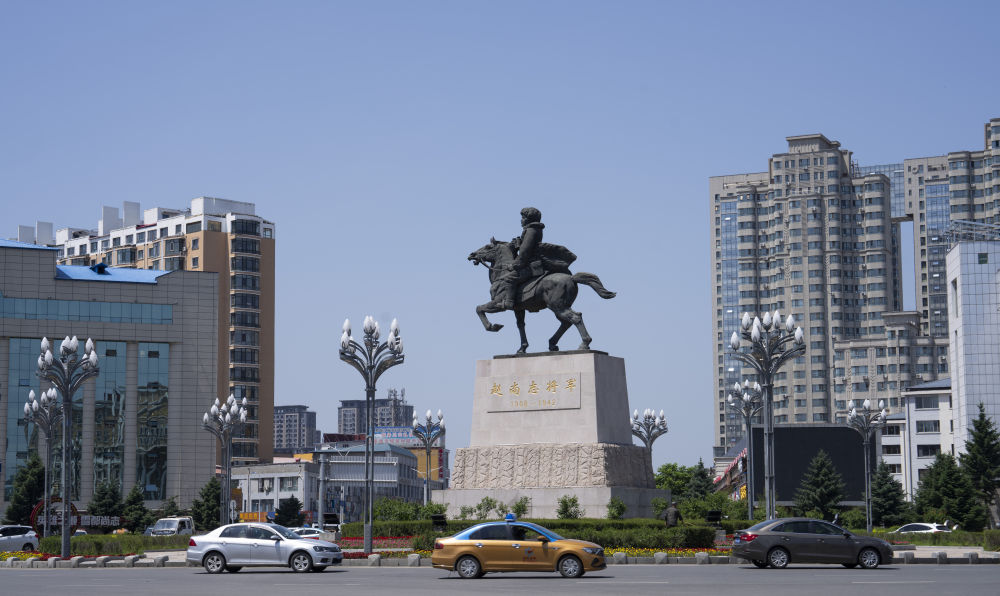
廉洁文化中国行丨城湖江岭 文韵悠悠
Zhong Yang Ji Wei Guo Jia Jian Wei Wang Zhan· 2025-06-27 00:30
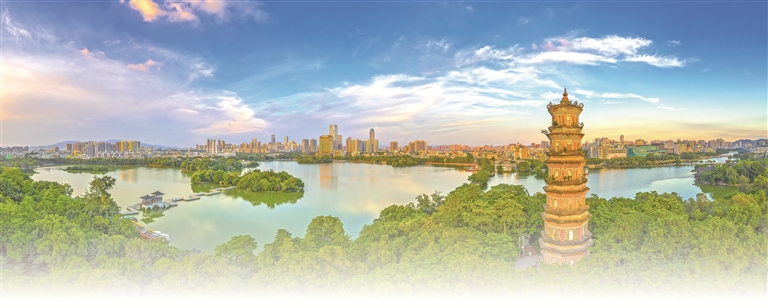
Group 1: Cultural Significance of Huizhou - Huizhou is known for its rich cultural heritage, blending various cultural influences including Dongpo culture, Hakka culture, and revolutionary red culture, making it a historical cultural city with a 5000-year civilization history [6][10] - The city is famous for its scenic West Lake, which is often compared to Hangzhou's West Lake, and has been shaped by the contributions of Su Dongpo, who lived there during his exile [10][11] - Su Dongpo's philosophies and literary contributions during his stay in Huizhou have had a lasting impact on the local culture, promoting values of integrity and dedication to the people [11][12] Group 2: Historical Figures and Their Legacy - General Ye Ting, a significant figure in Chinese history, was born in Huizhou and played a crucial role in the Chinese revolutionary movement, leading the first regular armed force directly controlled by the Communist Party [14][15] - The Ye Ting Memorial Park, which includes his childhood home and various historical buildings, serves as a testament to his contributions and the revolutionary spirit of the area [14][15] - The local architecture, such as the unique Hakka round houses, reflects the cultural and historical narratives of the region, showcasing the resilience and aspirations of the Hakka people [16][18] Group 3: Architectural Heritage - The architectural style of Huizhou, particularly the Hakka round houses, is characterized by defensive features and a symmetrical layout, representing the cultural identity and historical experiences of the Hakka community [18] - The construction of these houses often symbolizes the connection to homeland and the enduring spirit of the diaspora, as seen in the story of the "Biyun Tower" built by a Malaysian Hakka leader [16][18] - The intricate carvings and designs in these buildings not only serve aesthetic purposes but also convey deeper meanings related to family, community, and cultural heritage [17][18]
马本斋:抗战楷模 民族脊梁(铭记历史 缅怀先烈·抗日英雄)
Ren Min Ri Bao· 2025-06-26 22:00
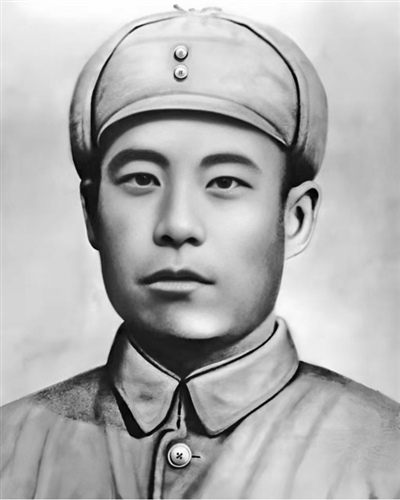
他带领的队伍被毛泽东同志称为"百战百胜的回民支队"。抗日战争时期,他率部转战冀中平原、渤海之 滨、冀鲁豫敌后战场,经历大小战斗870余次,歼灭日伪军3.67万余名,建起"敌后抗日堡垒",沉重打 击了日寇的嚣张气焰。 他是马本斋,1902年生于河北献县一个贫苦回族农民家庭。七七事变后,日本侵略军的铁蹄踏进华北, 马本斋誓以热血卫中华,组织青壮年奋起抵抗日本侵略者。1938年1月,马本斋组建回民抗日义勇队。 "拿起枪,保家园!"他振臂一呼,唤起回族同胞抗日热情。1938年3月,他率队前往冀中抗日根据地重 要区域河北河间,加入中国共产党领导的河北游击军,编为回民教导队,后与另一支回民抗日武装合编 为八路军冀中军区回民教导总队;1938年10月,他正式加入中国共产党。 他在入党申请书中写道:"我心甘情愿把我的一切献给伟大的中国共产党,献给为回族解放和整个中华 民族的解放而奋斗的伟业。" 早年投身行伍的经历,锤炼了马本斋卓越的军事素养。1939年7月,马本斋任八路军冀中军区回民支队 司令员,炸桥梁、破公路、打伏击,屡创日伪军。 1940年初,冀中平原斗争形势严峻。马本斋奉令率部保卫深(县)南(部)(今河北省衡水市深州市 ...
延安机场表现卓越 获颁2024年度服务地方优秀驻延单位殊荣
Zhong Guo Min Hang Wang· 2025-06-26 03:33
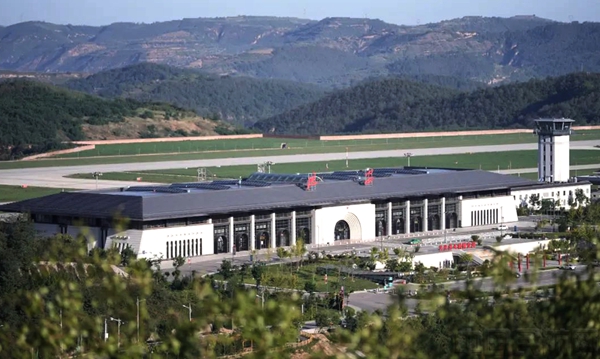
Core Points - The Yan'an Airport Company, part of the Western Airport Group, was awarded the title of "Outstanding Station Unit for Service to Yan'an Economic and Social Development in 2024" by the Yan'an Municipal Committee and Government for its significant contributions over the past year [1][5] Group 1: Operational Achievements - The company has focused on safety assurance, route expansion, and service quality improvement, completing over 40 major security tasks with zero errors, thereby ensuring passenger safety [2][4] - In 2024, the airport completed 8,219 takeoffs and landings, with a passenger throughput of 607,900 and cargo mail throughput of 401.5 tons, indicating steady growth in operational metrics [4] Group 2: Cultural and Service Innovations - The company has leveraged local red culture resources, establishing a party history education base and creating cultural display areas in the terminal to enhance the passenger experience [4] - An innovative service model combining "first-time passengers + red cultural tourism" was introduced, further promoting the "Red Airport" brand [4] Group 3: Recognition and Future Commitment - The Yan'an Airport Company received multiple accolades, including being recognized as a model unit for clean state-owned enterprises and advanced collective in spiritual civilization construction [5] - The company is committed to enhancing service capabilities and core competitiveness to contribute to the economic and social development of Yan'an [5]
大别山下,红色基因代代传(铭记历史 缅怀先烈)
Ren Min Ri Bao· 2025-06-25 22:41
Core Points - The article highlights the historical significance and the transformation of the Dabie Mountain area, particularly focusing on the memorials and the legacy of martyrs from the region [1][2][3] - It emphasizes the importance of preserving red memories and educating future generations about the sacrifices made during the revolutionary period [4][7][8] Group 1: Historical Significance - The Dabie Mountain Martyrs' Cemetery commemorates 135,000 registered martyrs, with a monument symbolizing the sacrifices made by the local population, which was nearly a quarter of the total population at the time [1] - The area is recognized for its rich revolutionary history, with over 200 local heroes who sacrificed their lives for the cause [6][7] Group 2: Personal Stories and Legacy - A poignant letter from martyr Cheng Xiong to his family before going to the front lines illustrates the deep sense of duty and sacrifice among the youth of that era [2][3] - Cheng Xiong's legacy continues through his descendants, who are inspired by his courage and commitment to serve the nation [3] Group 3: Economic Development - The article discusses the agricultural transformation in the Dabie Mountain area, particularly the introduction of reed cultivation, which has become a significant source of income for local farmers [9][10] - The development of infrastructure, such as road improvements, has facilitated the growth of the reed industry, leading to increased production and sales [10][11] Group 4: Community Engagement and Education - Local initiatives have been established to promote red education, including the training of "red storytellers" and organizing activities to honor martyrs [7][8] - The community is actively involved in preserving historical sites and educating younger generations about the region's revolutionary past [6][7]
从红色基因到诗画乡村!察右前旗北疆文化的时代绽放
Nei Meng Gu Ri Bao· 2025-06-25 15:18
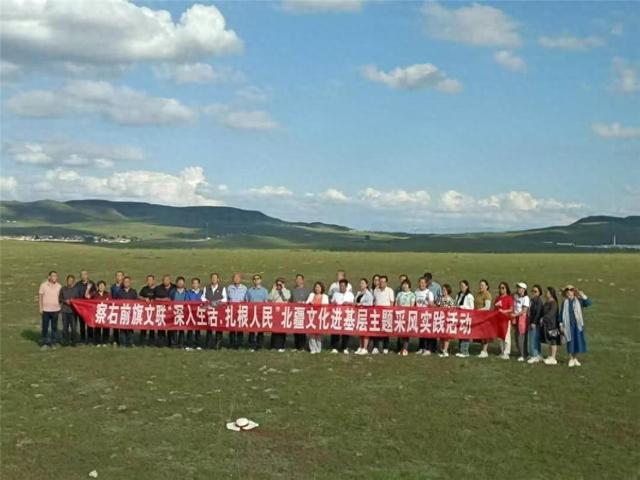
Core Viewpoint - The article highlights the cultural richness and historical significance of Chayouqi, Inner Mongolia, emphasizing the efforts in preserving and innovating local culture, particularly red culture and poetry, to enhance community spirit and tourism development [1][3][4]. Group 1: Cultural Heritage and Red Culture - Chayouqi is recognized as an important birthplace of northern frontier culture, with a deep historical and cultural background that showcases unique humanistic charm and vitality [1]. - The region has a significant red revolutionary history, with notable figures like Ji Songling contributing to the anti-Japanese efforts during the war, embodying the patriotic spirit of the local people [1][3]. - Recent initiatives focus on protecting and transmitting red culture through the collection and compilation of revolutionary historical materials, enriching the cultural narrative of the area [3][4]. Group 2: Cultural Innovation and Community Engagement - Since the 18th National Congress, there has been a strong emphasis on cultural development, leading to the establishment of a poetry association in 2016, which has engaged over 40 poetry enthusiasts in community activities [4][6]. - The construction of a 100-meter poetry culture wall in Nancun village aims to expand the influence of poetry culture, integrating various art forms and enhancing local cultural tourism [6]. Group 3: Integration of Culture and Tourism - The Inner Mongolia Jingxi Agricultural Technology Development Company is developing a cultural tourism landmark that combines agriculture, tourism, and entertainment, showcasing the region's cultural heritage [8]. - The Jingxi Bull Village is set to launch a summer carnival project in 2024, blending traditional Mongolian festivities with modern urban cultural elements, attracting a diverse audience [8][9]. - The region aims to deepen the integration of culture and tourism, continuously innovating cultural development models to draw more visitors and showcase the unique charm of Chayouqi [9].
“红都”续写新传奇——解码“共和国摇篮”瑞金的文化自信样本
Xin Hua Wang· 2025-06-23 07:49
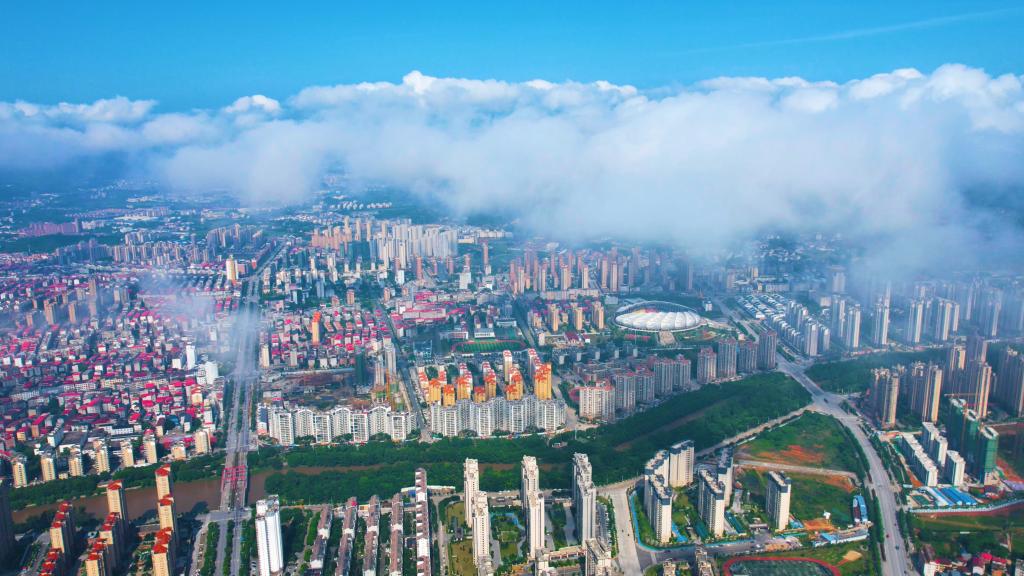
新华社南昌6月23日电 题:"红都"续写新传奇——解码"共和国摇篮"瑞金的文化自信样本 新华社记者沈锡权、赖星、闵尊涛 江西瑞金,被誉为"共和国的摇篮",铭刻着中国共产党敢教日月换新天的雄心壮志。 2024年5月,江西省瑞金市城区(无人机照片)。新华社发(刘黎明 摄) 红旗漫卷处 青春再出发 "我要去瑞金,去走我哥走过的路……" 热播电视剧《追风者》男主角魏若来的深情独白,点燃了许多年轻人对瑞金的向往。 1931年11月7日,一批来自五湖四海、风华正茂的人们在此宣告中华苏维埃共和国临时中央政府成立,为这片土地注入了改写民族命运的红色基 因。 2025年5月,中华苏维埃共和国国家银行旧址前游客云集,打卡留念。(受访者供图) 习近平总书记2019年5月在江西考察时强调,革命理想高于天。理想信念之火一经点燃,就永远不会熄灭。 在新时代坐标里,瑞金既葆有鲜明的红色气质,又彰显出创新超越气魄——这座在传承中奋进、在革新中蜕变、在拼搏中突围的"红色故都",正 以高质量发展的强劲势头,续写永不褪色的精神传奇。 相隔千里,江西瑞金和上海瑞金医院从以前的对接不多,到近年来加深合作。中国工程院院士、上海瑞金医院院长宁光注意到,现 ...
一枚印章见证山东安陵88年乡村蝶变
Zhong Guo Qing Nian Bao· 2025-06-23 02:11
Core Viewpoint - The article highlights the transformation of Anling Village in Shandong Province, which has leveraged its rich revolutionary history to drive rural revitalization and economic development through red tourism and diversified industries [1][2][3] Group 1: Historical Significance - Anling Village is historically significant as it was the birthplace of the first rural Party branch in Heze and served as a strategic location during the Anti-Japanese War, hosting key military leaders [1] - The village's historical sites, including the Anling Revolutionary History Museum, serve as a testament to the revolutionary spirit and are pivotal in educating future generations [2] Group 2: Red Tourism Development - Anling Village has activated its rural economy by transforming red resources into development momentum, attracting over 4,000 visitors annually through various educational activities and documentaries [2] - The village has established a series of red education activities, including "Seeking Red Memories" and "Retracing the Dayang Lake Battle Route," to engage the community and promote historical awareness [2] Group 3: Economic Diversification - Anling Village is implementing a "one village, one product" model, focusing on a technology-driven specialty breeding chain and integrating 156 acres of forest land for sustainable practices [3] - The village has developed 15 wood processing factories, producing furniture and leveraging e-commerce for sales both domestically and internationally [3] Group 4: Recognition and Cultural Heritage - Anling Village has been recognized as a red cultural characteristic village in Shandong Province and has received multiple honors for its contributions to party history education and national defense education [3] - The village's initiatives have led to the establishment of "Red Anling" as a non-material cultural heritage at the district level, emphasizing the importance of cultural preservation alongside economic development [3]
红船启航地 丹青铸精神
Ren Min Ri Bao· 2025-06-21 21:47
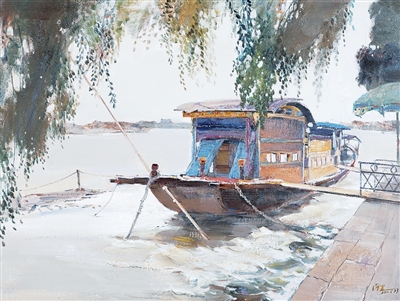
Core Viewpoint - The "Red Boat Spirit" has been a significant theme in contemporary art, reflecting historical and cultural values while inspiring new artistic expressions [2][3][4]. Group 1: Historical Context and Significance - The "Red Boat Spirit" was first articulated by Xi Jinping in 2005, emphasizing its importance in Chinese revolutionary history [2]. - The "Red Boat" symbolizes the beginning of the Chinese Communist Party's journey and serves as a spiritual beacon for individuals [3]. - The "Red Boat Song" art exhibition showcases 68 artworks that explore the profound meanings of the "Red Boat Spirit" through various artistic interpretations [2][4]. Group 2: Artistic Expression and Modern Relevance - Contemporary artists are reinterpreting the "Red Boat Spirit" through innovative perspectives, merging historical narratives with modern societal contexts [3][4]. - The artworks not only depict historical scenes but also reflect the vibrant life and landscapes of modern Jiaxing, enhancing the connection between history and contemporary life [4]. - The exhibition serves as a platform for artists to engage with revolutionary culture and its relevance in today's society, promoting a dialogue between past and present [4][5]. Group 3: Impact on Art and Culture - The "Red Boat Song" exhibition has set a precedent for thematic art exhibitions, encouraging new narrative structures and cross-regional cultural reflections [5]. - The integration of digital technology in art creation is seen as a way to expand aesthetic dimensions and enhance audience engagement [6]. - The "Red Boat Spirit" continues to inspire artistic innovation, serving as a driving force for creative expression in the contemporary art landscape [6].
铭记历史 缅怀先烈丨马本斋:抗战楷模 民族脊梁
Xin Hua She· 2025-06-21 08:37
他带领的队伍被毛泽东同志称为"百战百胜的回民支队"。抗日战争时期,他率部转战冀中平原、渤海之 滨、冀鲁豫敌后战场,经历大小战斗870余次,歼灭日伪军3.67万余名,建起"敌后抗日堡垒",沉重打 击了日寇的嚣张气焰。 他是马本斋,1902年生于河北献县一个贫苦回族农民家庭。七七事变后,日本侵略军的铁蹄踏进华北, 马本斋誓以热血卫中华,组织青壮年奋起抵抗日本侵略者。1938年1月,马本斋组建回民抗日义勇队。 "拿起枪,保家园!"他振臂一呼,唤起回族同胞抗日热情。1938年3月,他率队前往冀中抗日根据地重 要区域河北河间,加入中国共产党领导的河北游击军,编为回民教导队,后与另一支回民抗日武装合编 为八路军冀中军区回民教导总队;1938年10月,他正式加入中国共产党。 他在入党申请书中写道:"我心甘情愿把我的一切献给伟大的中国共产党,献给为回族解放和整个中华 民族的解放而奋斗的伟业。" 早年投身行伍的经历,锤炼了马本斋卓越的军事素养。1939年7月,马本斋任八路军冀中军区回民支队 司令员,炸桥梁、破公路、打伏击,屡创日伪军。 为纪念抗日英雄马本斋,献县本斋回族乡本斋东村建成纪念馆,并面向公众开放。在马本斋纪念馆,北 ...