
茭白

Search documents
山海同心 协作共谱振兴曲——2025年鲁甘东西部协作工作纪实
Xin Lang Cai Jing· 2026-02-12 04:07
Core Viewpoint - The collaboration between Shandong and Gansu provinces focuses on consolidating poverty alleviation achievements and promoting rural revitalization through industrial cooperation, livelihood support, and regional synergy, with significant progress made in various sectors over the past year [2][9]. Industrial Cooperation - Shandong and Gansu have implemented 526 assistance projects, attracting 170 enterprises to invest in Gansu, leading to the employment and income increase of 65,800 rural laborers from Gansu [2][5]. - In Linxia Prefecture, Shandong invested 140 million yuan to support the development of the cattle and sheep industry cluster, resulting in a total industrial chain output value of 31.1 billion yuan [3]. - The two provinces are developing four major specialty agricultural industry belts, with a planting area of 1.77 million acres, enhancing market access for local products [3][5]. Livelihood Empowerment - The collaboration emphasizes improving living standards, with Shandong sending 70 officials and 744 technical professionals to Gansu, establishing medical and educational support programs [6][8]. - In 2025, the sales of Gansu agricultural products in Shandong are projected to reach 4.323 billion yuan, with 980 million yuan exported to countries like the USA, Japan, and South Korea [8][11]. Regional Synergy - A comprehensive cooperation mechanism has been established, with Shandong and Gansu forming partnerships between 19 counties in Shandong and 24 counties in Gansu, enhancing the effectiveness of collaborative efforts [9][11]. - The two provinces are focusing on four key actions: enhancing specialty industries, building industrial clusters, consumer support, and improving labor cooperation, expanding collaboration into multiple sectors [9][11]. Cultural and Tourism Integration - The collaboration has led to the creation of tourism routes and promotional activities, with Shandong tourists to Gansu expected to exceed 8.2152 million by 2025, marking a 6.93% increase [11][13]. - Efforts are being made to cultivate local talent in Gansu, ensuring sustainable development and self-reliance through technology transfer and management experience sharing [11][13].

让盐碱地变成金银滩
Ren Min Ri Bao· 2025-12-01 03:29
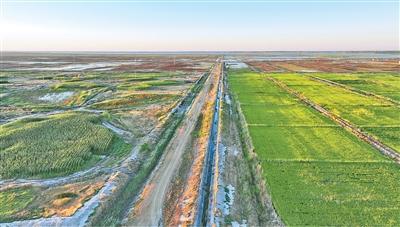
Core Insights - The article highlights the successful cultivation of water bamboo (茭白) in saline-alkali land in Jilin Province, which was previously considered unproductive, showcasing the potential for agricultural innovation and soil improvement [2][3][8] Group 1: Agricultural Innovation - The cultivation of water bamboo has transformed previously barren saline-alkali land into productive fields, yielding over one million pounds of water bamboo [2] - Farmers have reported improved soil conditions, with pH levels decreasing from an average of 9.32 to 9.0 after cultivation, and organic matter content increasing by 10% [8] - The introduction of southern seedlings and scientific soil management practices has significantly increased the survival rate of water bamboo seedlings from 40% to over 90% [5][6] Group 2: Economic Impact - The successful harvest of water bamboo has led to high demand, with prices exceeding local varieties by over 30%, allowing farmers to recover costs despite lower initial yields [5] - The cultivation has created job opportunities for nearly 200 villagers, with average income increases exceeding 10,000 yuan per person [7] - The development of a complete industrial chain around water bamboo, including processing and logistics, is planned to further enhance economic benefits for local communities [8] Group 3: Environmental Benefits - The cultivation of water bamboo not only improves soil quality but also contributes to water purification and wetland conservation, creating a positive feedback loop with local water management projects [8] - The research and practical applications in saline-alkali land management are being promoted in other regions, indicating a broader potential for agricultural practices that enhance both productivity and environmental health [8]
吉林省镇赉县探索“以茭治碱” 让盐碱地变成金银滩(深阅读)
Ren Min Ri Bao· 2025-11-29 22:18
Core Viewpoint - The successful cultivation of water bamboo in saline-alkali land in Jilin Province has transformed previously unproductive land into a profitable agricultural venture, improving soil conditions and providing economic benefits to local farmers [1][8]. Group 1: Agricultural Innovation - The introduction of water bamboo cultivation has significantly improved soil quality in previously barren saline-alkali areas, with reports of over one million pounds of water bamboo produced [1][2]. - Farmers have observed that planting water bamboo enhances soil conditions, allowing for better growth of subsequent crops, leading to increased yields and reduced fertilizer costs [3][4]. - The survival rate of water bamboo seedlings improved from 40% to over 90% through scientific methods and collaboration with research institutions [6][7]. Group 2: Economic Impact - The cultivation of water bamboo has created job opportunities for nearly 200 villagers, with an average income increase of over 10,000 yuan per person [7][8]. - The market demand for water bamboo has surged, with prices exceeding local varieties by over 30%, indicating a strong economic potential for farmers [4][8]. - The development of over ten processed products from water bamboo has increased its market value by more than 30%, further enhancing economic returns for local farmers [8]. Group 3: Environmental Benefits - The cultivation of water bamboo has contributed to soil remediation, with pH levels decreasing from an average of 9.32 to 9.0, and organic matter content increasing by 10% [7][8]. - The integration of aquaculture with water bamboo farming has shown promising results in maintaining soil health and preventing salinization [7]. - The initiative aligns with broader ecological restoration efforts, promoting sustainable agricultural practices and enhancing local ecosystems [8].
让盐碱地变成金银滩(深阅读)
Ren Min Ri Bao· 2025-11-29 22:11
Core Insights - The article highlights the successful cultivation of water bamboo (茭白) in previously barren saline-alkali land in Jilin Province, leading to improved soil conditions and significant agricultural output [2][3][4]. Group 1: Agricultural Innovation - The transformation of saline-alkali land into productive fields for water bamboo cultivation has resulted in over one million pounds of harvest, showcasing the potential for agricultural development in challenging environments [2]. - Farmers have reported improved soil quality and reduced fertilizer costs after planting water bamboo, which has unique properties that allow it to thrive in saline-alkali conditions [3][4]. - The introduction of scientific methods and collaboration with research institutions has led to increased seedling survival rates and higher yields, with some farmers achieving over 2,500 pounds per acre [6]. Group 2: Economic Impact - The successful cultivation of water bamboo has created job opportunities for nearly 200 villagers, with average income increases exceeding 10,000 yuan per person [7]. - The market demand for water bamboo has surged, with prices being 30% higher than local varieties, indicating a profitable venture for farmers [5]. - The development of a complete industrial chain around water bamboo, including processing and logistics, is planned to further enhance economic benefits for the local community [8]. Group 3: Environmental Benefits - The cultivation of water bamboo has contributed to soil improvement, with pH levels decreasing from an average of 9.32 to 9.0, and organic matter content increasing by 10% [8]. - The project has demonstrated the ability to purify water and restore wetlands, creating a positive feedback loop with local water management initiatives [8]. - The integration of aquaculture with water bamboo farming has shown promising results in maintaining soil health and reducing salinity levels [7].
三亚首批冬季瓜菜开摘 明年1月将大规模上市
Zhong Guo Xin Wen Wang· 2025-11-07 13:46
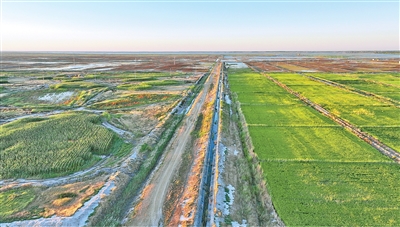
Core Insights - The winter vegetable harvest in Sanya, Hainan, has begun, with significant production expected to support the market before the Spring Festival [1][3] - Sanya's winter vegetable planting area is projected to reach 166,100 acres, with an expected yield of over 340,000 tons [3][5] Group 1: Production and Harvesting - Farmers in Sanya are currently harvesting cucumbers, with individual farmers like Li Junning expecting to collect two to three thousand pounds in a single day [1][5] - The largest area for winter vegetable cultivation in Sanya is located in the Yazhou District, where 30,000 acres have been prepared for planting, involving approximately 4,300 households [3][5] - The peak harvest period for Sanya's vegetables will see products shipped nationwide, with cucumbers and other vegetables expected to be available in large quantities starting January next year [5][7] Group 2: Agricultural Strategy and Crop Management - The Hainan Provincial Department of Agriculture has proposed adjustments to winter vegetable planting, focusing on stabilizing melon production, increasing bean varieties, and reducing pepper cultivation [5][7] - Sanya is implementing advanced agricultural techniques, such as the "insect net+" green pest control technology for cowpeas, and promoting the "netted cowpea" brand [5][7] - The introduction of high-yield, disease-resistant varieties through the "South Breeding" program has resulted in significant yield increases, with cowpea varieties yielding over 4,000 pounds more per acre compared to traditional varieties [7] Group 3: Research and Development - Sanya is leveraging its favorable climate and research partnerships with institutions like the Chinese Academy of Tropical Agricultural Sciences to introduce and test new vegetable varieties [7] - The establishment of a healthy seedling production base aims to support local vegetable production, with plans to produce at least 10 million seedlings annually through intensive factory-style cultivation [7]
申行漫记|上海让我遇见了怎样的“乡土中国”?
Zhong Guo Xin Wen Wang· 2025-09-10 07:56
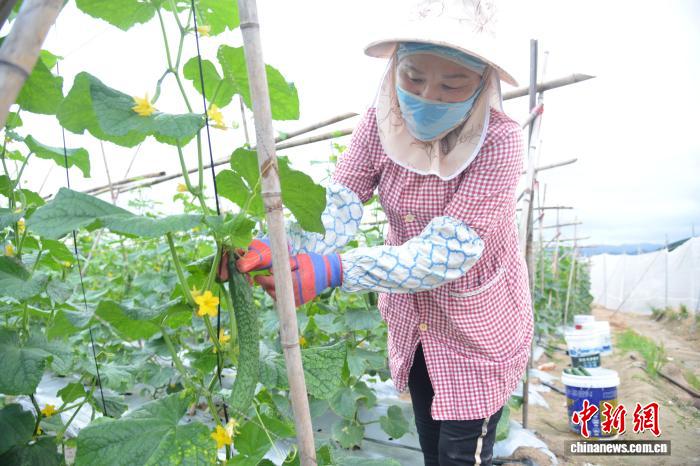
Core Viewpoint - The article highlights the transformation of rural areas in Shanghai, showcasing how local culture and natural resources are revitalizing these communities and creating new economic opportunities [1] Group 1: Rural Development - The rural areas around Shanghai are leveraging historical culture and natural resources to enhance agricultural and tourism industries, leading to a vibrant rural economy [1] - The experience of Hamza illustrates the contrast between the bustling city of Shanghai and the serene, thriving rural life, emphasizing the complementary relationship between urban and rural development [1] Group 2: Economic Impact - The cultivation of Chinese geographical indication products, such as the water bamboo, has resulted in significant economic benefits, with annual export revenues reaching several million yuan [1] - The article mentions the emergence of "new villagers" who are drawn to the tranquility and community spirit of rural life, contributing to the local economy through tourism and settlement [1]
寻“白”食“白” “补露”正当时 时令美食诠释舌尖上的美味
Yang Shi Wang· 2025-09-07 06:15
Group 1: Seasonal Dietary Traditions - The transition from summer to autumn during the White Dew period emphasizes the importance of seasonal eating, particularly focusing on white foods believed to alleviate autumn dryness [1][3] - In Jiangnan, there is a tradition of consuming ten types of white ingredients, known as "十样白," which are used in cooking to nourish the body [1] - White foods such as yam, white radish, and lotus root are highlighted for their health benefits, particularly for lung health, as autumn is associated with the metal element in traditional Chinese medicine [3] Group 2: Regional Specialties - In Fuzhou, there is a tradition of eating longan during the White Dew season, which is considered highly nutritious, with various preparation methods enhancing its flavor [6] - In Hunan, the local tradition includes brewing a special rice wine called "White Dew Wine," which is a cultural heritage item, known for its rich flavor and warming properties [9] - The practice of drinking White Dew tea is prevalent in Fujian, where the unique climate during this period contributes to the distinct flavor profile of the tea [10][11] Group 3: Tea Production Insights - The production of White Dew tea involves specific harvesting techniques that align with natural cycles, ensuring high quality and unique flavor [13][15] - The climatic conditions during the White Dew period, characterized by significant temperature differences between day and night, enhance the aromatic qualities of the tea [15][18] - White Dew tea is noted for its rich, mellow taste, which appeals to tea enthusiasts, distinguishing it from spring and summer teas [17][18]
白露时节 多吃这些白色食物滋补润燥
Yang Shi Xin Wen· 2025-09-07 03:21
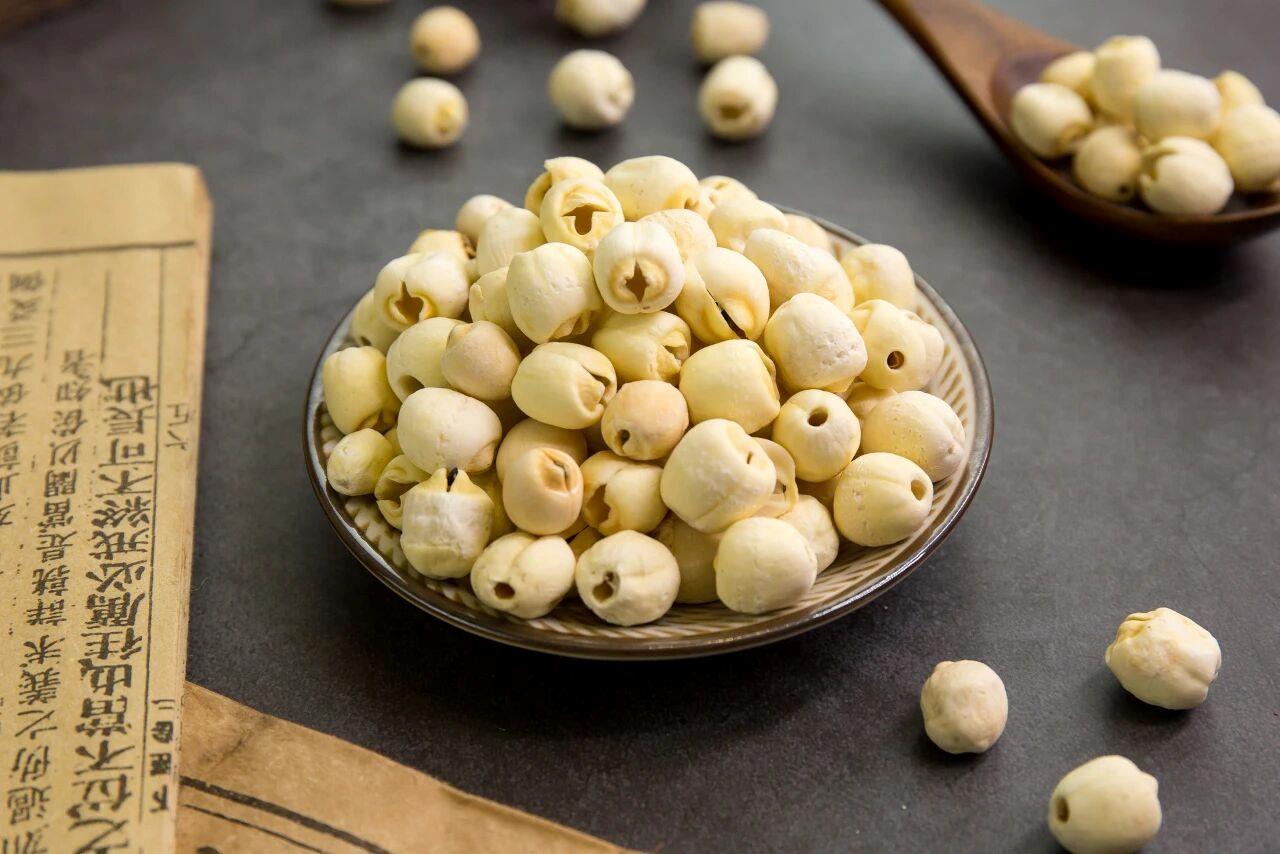
Core Viewpoint - The article emphasizes the importance of consuming white foods during the White Dew season, as traditional Chinese medicine suggests that these foods can help alleviate dryness and strengthen the spleen [1]. Summary by Category Nutritional Value of White Foods - Lotus seeds are highlighted for their rich nutrient composition, including starch, plant protein, B vitamins, minerals, and plant polyphenols. They contain lotusine, which has a calming effect and can help with anxiety and insomnia [3]. - Lily bulbs are noted for their ability to clear heat and moisturize dryness, making them a perfect companion to lotus seeds in various dishes [5]. - Fresh lily bulbs retain more vitamins and active compounds compared to dried ones, which lose some heat-sensitive nutrients during processing. Both forms provide similar core nutrients [5]. - Tremella (silver fungus) is recognized for boosting immunity and may enhance the tolerance of cancer patients undergoing chemotherapy. It is rich in soluble dietary fiber, particularly tremella polysaccharides, which have various health benefits [7]. - Water bamboo (Zizania latifolia) is a low-calorie food, ideal for weight loss, providing a sense of fullness without excessive energy intake. It contains choline, essential for brain function and cell membrane composition [9]. Culinary Uses - Lotus seeds can be added to porridge or soups during the White Dew season [1]. - Lily bulbs can be used in salads, desserts, or stir-fried dishes to preserve their fresh taste [5]. - Tremella can be prepared in soups or stir-fried with other ingredients, but care should be taken not to soak it for too long to preserve its beneficial polysaccharides [7]. - Water bamboo should be peeled and blanched before cooking to remove oxalic acid and reduce cooking time [9]. Seasonal Recommendations - The article encourages the consumption of various white foods during the White Dew season, suggesting that there are many more options available for exploration and culinary creativity [9].
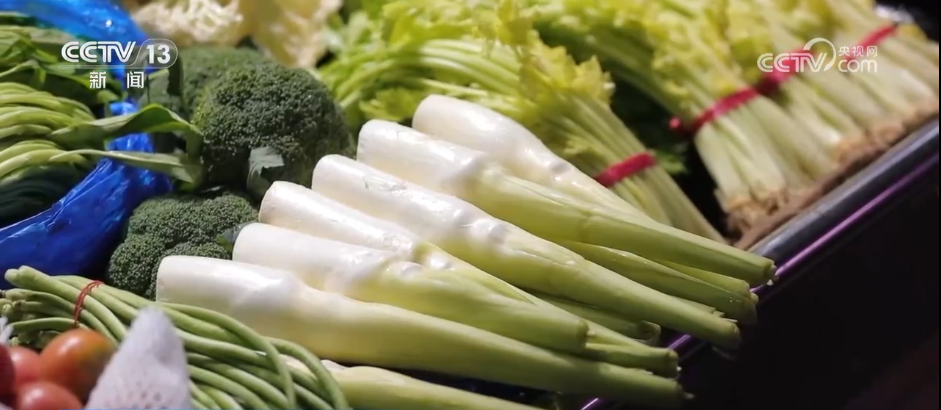
28个蔬菜品种 上周零售价“20涨8跌”
Mei Ri Shang Bao· 2025-08-20 22:13
Summary of Key Points Core Viewpoint - The overall trading volume of pork and vegetables in Hangzhou has slightly decreased, while the trading volume of aquatic products has increased during the period from August 11 to August 17. Pork wholesale prices have slightly decreased, while the overall wholesale prices of vegetables and aquatic products have seen a minor increase [1]. Group 1: Pork Market - The average daily trading volume of pork was 8,513 heads (653.15 tons), a decrease of 2.75% compared to the previous week [1]. - The average daily wholesale price of pork was 18.87 yuan/kg, down by 1.31% [1]. Group 2: Vegetable Market - The average daily trading volume of vegetables in the wholesale market was 3,642.86 tons, a decrease of 2.71% compared to the previous week [1]. - Among the 28 monitored vegetable varieties, 20 saw price increases while 8 experienced price declines. Notable price increases included: - Lettuce at 8.04 yuan/kg, up by 16.02% - Spinach at 14.49 yuan/kg, up by 15% - Cauliflower at 10.01 yuan/kg, up by 10.73% - The largest price decrease was for water bamboo at 13.46 yuan/kg, down by 5.81% [1]. Group 3: Egg and Aquatic Product Market - The average daily trading volume of eggs remained stable at 1,035 tons [1]. - The total wholesale trading volume of aquatic products was 3,678.3 tons, with an average daily trading volume of 525.47 tons, an increase of 13.48% compared to the previous week [1]. - Among the 11 monitored aquatic products, 8 saw price increases while 3 experienced price declines. Significant price increases included: - Grass carp at 32.28 yuan/kg, up by 16.12% - Pomfret at 48.67 yuan/kg, up by 5.14% [1].
三伏天苏州人“菜篮子”常青
Su Zhou Ri Bao· 2025-08-02 23:11
Core Insights - The market is actively addressing the "summer slack" period by enhancing supply chain connections and ensuring a steady supply of seasonal vegetables to consumers in Suzhou [1][2] - Daily vegetable supply in the market is stable at approximately 3600 tons, with a 20% increase in the daily arrival of highland and Kunming vegetables compared to the same period last year [1][2] Group 1 - The market has implemented strategies to stabilize the supply of leafy vegetables from regions like Changshu, Taicang, and Wujiang while supplementing with highland and Kunming vegetables to meet consumer demand during the summer [1] - The average daily trading volume of highland vegetables has reached around 1200 tons, featuring a variety of products from different regions, ensuring freshness through advanced preservation techniques [2] - The market emphasizes direct sourcing from producers, strengthening the connection between agricultural production and distribution to maintain a stable supply and pricing for consumers [2] Group 2 - The market focuses on building a robust supply chain and efficient distribution network to provide high-quality and personalized products, enhancing the overall value chain of seasonal agricultural products [2] - The market's strong supply system has successfully navigated multiple challenges to ensure consistent availability of fresh produce for consumers throughout the year [2]