
自动驾驶

Search documents
半年再融12亿!零一汽车官宣完成新一轮融资 | 头条
第一商用车网· 2026-03-12 01:56
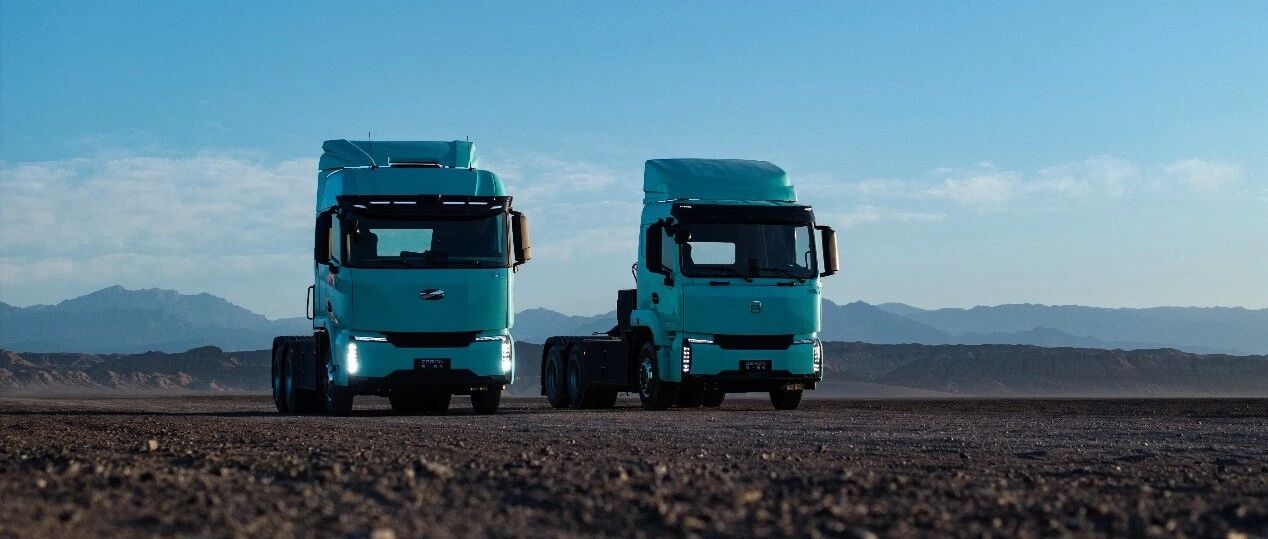
Core Viewpoint - The article highlights the significant financing round of 1.2 billion RMB for Zero One Automotive, a leading player in the new energy smart heavy truck sector, indicating strong growth potential and industry interest in this market [1][3]. Financing Details - The financing round was led by prominent investors including Puxuan Capital (the only industrial investment platform under CATL), Momenta, and NIO Capital, with participation from several other notable firms [3]. - This round of financing is particularly noteworthy as it reflects the confidence of top-tier industrial capital in the electric heavy truck sector and the ongoing commitment from existing investors [3]. Company Overview - Zero One Automotive specializes in end-to-end autonomous driving software and hardware technology, as well as fully self-developed new energy smart heavy truck technology [3]. - Within less than four years, the company has successfully developed and launched two main vehicle series, "Jingzhe" and "Xiaoman," with a team of just over 200 people [3]. - By the end of 2025, Zero One is projected to achieve cumulative sales of nearly 1,600 units, with a remarkable sales increase of nearly 300% in the second half of 2025 [3]. Industry Trends and Insights - The company has established itself as a trendsetter in the development of autonomous driving for heavy trucks, with its views gaining traction in the industry [4]. - Zero One's strategic insights include the belief that commercial vehicles will be the first to adopt advanced autonomous driving technologies, and that reliable vehicle systems are crucial for achieving this goal [4]. - The company has already implemented the industry's first end-to-end and multi-modal large model autonomous driving technology in real customer scenarios, with plans for regular unmanned operations by the second quarter of 2026 [4]. Future Outlook - The CEO of Zero One expresses confidence in the company's future, stating that they have effectively transitioned from the initial development phase and are now setting higher goals for technology, products, and sales [4][5]. - The company aims to address the lack of benchmark companies in the heavy truck industry, similar to Tesla in the electric vehicle sector, by focusing on the four essential elements: vehicles, intelligence, data, and business models [5].

计算机行业事件点评:智驾或进新道交法,依法上路与定责将助力产业繁荣
Bank of China Securities· 2026-03-12 01:10
Investment Rating - The industry investment rating is "Outperform" [11] Core Viewpoints - The acceleration of policy relaxation for autonomous driving and the promotion of large-scale application are key topics at the 2026 National Two Sessions. The current autonomous driving industry in China is transitioning from "pilot" to "large-scale application," with legal legitimacy being a critical bottleneck [1][3] - Multiple representatives have proposed accelerating the improvement of laws and regulations related to autonomous driving to clarify the legality of autonomous vehicles on the road. The U.S. House of Representatives passed the "2026 Autonomous Driving Act," significantly relaxing restrictions on vehicles without steering wheels and pedals, which serves as a reference for China to expedite its legislative process in this field [1][3] Summary by Relevant Sections Industry Investment Rating - The report rates the industry as "Outperform," indicating expectations for the industry index to perform better than the benchmark index over the next 6-12 months [11] Key Recommendations - The clarification of the legality for autonomous vehicles is expected to benefit third-party automotive testing companies. The report suggests paying attention to leading smart testing companies such as China Automotive Research, as well as autonomous driving-related companies including Desay SV, Zhongke Chuangda, Siwei Tuxin, Pony.ai, WeRide, and Hezhima Intelligent [3] Legislative and Regulatory Insights - The report emphasizes the need for legislative support to facilitate the commercialization of autonomous driving. Suggestions include revising the "Road Traffic Safety Law" to clarify the legality of autonomous vehicles, expediting the formulation of mandatory national standards, and introducing insurance products suitable for autonomous driving within the existing vehicle insurance framework [1][3]
文远知行携手吉利远程,Robotaxi落地规模迈向3000辆
第一财经· 2026-03-11 16:26
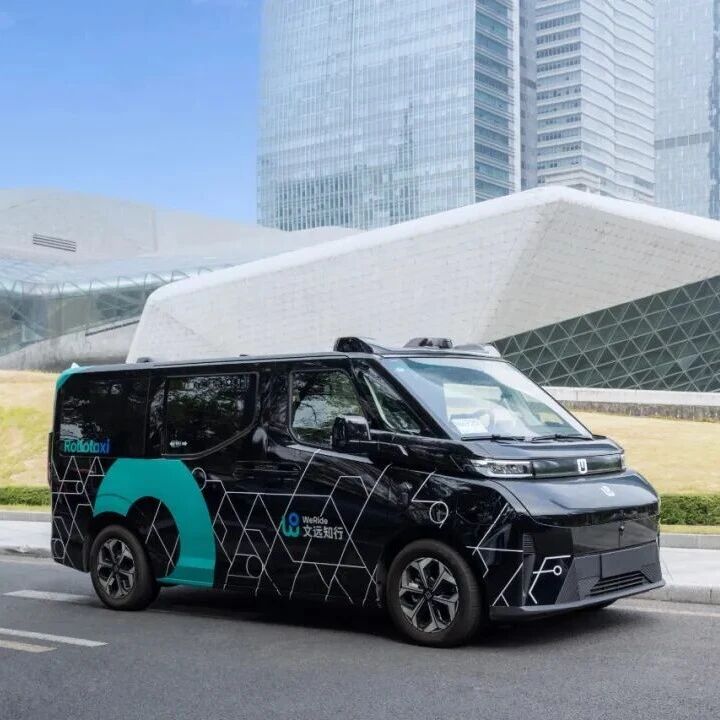
Core Insights - The development of Robotaxi is advancing towards large-scale commercialization, with a strategic partnership between WeRide and Geely for the new generation Robotaxi GXR, expected to launch in Q3 2026 with 2,000 units to be delivered within the year [2] - The Robotaxi market is highly competitive, with players like WeRide, Pony.ai, and others, as well as traditional automakers like Tesla and Xpeng entering the space. The profitability of Robotaxi is closely linked to fleet size, making fleet expansion crucial [2] - As of January 2026, WeRide's Robotaxi fleet reached 1,023 vehicles, and with the new deliveries, the fleet size will increase. Pony.ai's fleet currently stands at 1,159 vehicles, aiming for over 3,000 by the end of 2026 [2] Cost Reduction Strategies - In addition to fleet expansion, reducing costs is essential for Robotaxi development. The new Robotaxi GXR features the WeRide Sensor Suite 8.0, which enhances point cloud resolution by 17 times and has a detection range of up to 600 meters. The HPC3.0 platform aims to reduce the cost of the autonomous driving suite by 50% [3] - The GXR is expected to see a further 15% reduction in overall vehicle costs. Pony.ai's CFO noted that their seventh-generation Robotaxi's total cost has decreased by 70% compared to previous models, with significant reductions in the cost of onboard computing units and LiDAR [3] - From 2026, it is anticipated that the costs of similar autonomous driving suites could drop by an additional 20%. Pony.ai's seventh-generation Robotaxi utilizes vehicles priced between 100,000 to 150,000 yuan, contributing to further cost reductions [3]
黑芝麻智能获6.31亿港元战略注资
是说芯语· 2026-03-11 11:21
Core Viewpoint - The company, Hezhima Intelligent, has announced a subscription agreement with Infin Capital to issue approximately 33,544,600 subscription shares at a price of HKD 18.88 per share, representing a discount of 2.13% compared to the closing price of HKD 19.29 on March 9, with a total consideration of approximately HKD 631 million [1]. Fund Utilization - 50% of the net proceeds from the subscription will be allocated to core technology research and development, with 30% dedicated to the development of next-generation high-performance chips for autonomous driving and robotics, and 20% for the establishment of overseas R&D centers to enhance global collaboration [4]. - 40% of the funds will be used for productization and market expansion, with 20% aimed at certifying, adapting, and mass-producing the latest high-performance intelligent driving chips and platforms for key clients, and 20% for expanding the robotics product line and edge AI product line to accelerate commercialization [4]. - 10% of the proceeds will be allocated for general working capital purposes [4].

鲁股观察 | 成为比亚迪仰望标配,睿创微纳2025年营收突破60亿元大关
Xin Lang Cai Jing· 2026-03-11 09:11
Core Viewpoint - BYD has launched its second-generation blade battery and fast-charging technology, along with two flagship models under the Yangwang brand, the 2026 Yangwang U8 and U8L, both featuring the Ruichuang Micro-Nano vehicle-mounted infrared night vision system as standard equipment [1] Group 1: Company Overview - Ruichuang Micro-Nano is a national high-tech enterprise specializing in the design and manufacturing of dedicated integrated circuits and special chips, focusing on infrared, microwave, and laser multi-dimensional perception technologies [3] - The company provides a full range of products including MEMS chips, ASIC processors, infrared thermal imaging, and optical systems, widely applied in various fields such as night vision, AI, satellite communication, autonomous driving, and smart industries [3] Group 2: Business Performance - In the fiscal year, Ruichuang Micro-Nano achieved total revenue of 6.322 billion yuan, a year-on-year increase of 46.49%, with net profit attributable to shareholders reaching 1.1 billion yuan, up 93.39% year-on-year [4] - The significant growth in performance is attributed to increased R&D investment, new product development, and market expansion, leading to a robust order backlog and timely production delivery [4] Group 3: Market Position and Future Outlook - For the fourth quarter, the company is expected to achieve revenue of over 1.91 billion yuan, representing a year-on-year growth of over 64.17% and a quarter-on-quarter increase of over 24.11% [5] - Ruichuang Micro-Nano is projected to become the global leader in infrared thermal imaging detector shipments and revenue by 2024, surpassing several traditional international giants [5]


滴滴“亲儿子”,给马斯克上了一课
Sou Hu Cai Jing· 2026-03-11 07:53
原创首发 | 金角财经(ID: F-Jinjiao) 卡尔动力是谁? 翻看履历,它几乎是自动驾驶界的"豪门二代":滴滴自动驾驶孵化出,前CTO韦峻青掌舵,背后站着智驾四巨头之一的地平线,还有鄂尔多斯国投自天 使轮持续加码。 更关键的是,它的成立时间正值2021年上一次自动驾驶热潮顶点。这个含着金汤匙出生的"富二代",本可以与Robotaxi(无人网约车)巨头争夺一二线城 市的街道主权,但它竟然选择了一场彻底的"下乡运动"。 当同行们还在北上广深的复杂路口,为外卖电瓶车和变幻莫测的长尾场景头疼不已时,卡尔动力已经调转车头,扎进了大西北荒凉的干线公路,盯上了运 煤、拉矿的Robotruck(无人货运车),却挣到了第一桶金。 作者 | Chester 沉寂已久的自动驾驶赛道,被突如其来的巨额融资惊醒了。 近日,卡尔动力宣布完成超1亿美元的B轮融资。这也是进入2026年以来,自动驾驶领域出现的第二笔超亿美元融资。 卡尔动力的诞生,看起来像一次逆向押注。 这背后,是一场关于生存的残酷选择。 如今的自动驾驶,正经历与人形机器人类似的幻灭与重生。技术故事仍然动听,但资本的耐心消耗殆尽,市场关心的重心已回归原点:能不能跑得稳 ...


李书福/朱华荣/冯兴亚/张国强等建言 全国两会向行业释放哪些信号?| 头条
第一商用车网· 2026-03-11 03:04
Core Viewpoint - The article discusses the key suggestions from representatives at the 2026 National People's Congress regarding the commercial vehicle industry, focusing on the transition towards quality improvement, environmental sustainability, and technological advancements in the context of the "dual carbon" goals and global competition [1][24]. Group 1: Suggestions for New Energy Vehicles - Li Shufu, Chairman of Geely Holding Group, proposed promoting methanol electric trucks to enhance operational capacity and meet "dual carbon" targets, particularly for medium to long-distance transportation [3]. - Li Haihua from Yuchai Group emphasized the need for differentiated implementation timelines for emission standards and support for hybrid power products to facilitate the transition from internal combustion engines to new energy [5]. - Zhang Guoqiang, Chairman of Yihua Tong, suggested developing hydrogen energy highways and supporting policies to promote the large-scale development of fuel cell vehicles [15]. Group 2: Policy Recommendations for Commercial Vehicles - Li Xiaohong, Chairman of Hunan Jiahui Group, recommended adjusting the total weight limit for 4.2-meter blue牌 trucks to 7.5 tons to address safety and operational mismatches [6][8]. - Liu Hui from Jiangling Motors proposed removing the 15-year mandatory scrapping rule for non-operating pickups to stimulate market demand and support rural revitalization [9][11]. - Yang Yongxiu from China FAW called for a timeline for the implementation of L3 autonomous vehicle regulations and a clear framework for liability [22]. Group 3: Industry Development and Globalization - Feng Xingya, Chairman of GAC Group, highlighted the need for a unified battery swap standard and legislative support for autonomous driving to enhance the global competitiveness of the automotive industry [13]. - Zhu Huaron, Chairman of Changan Automobile, suggested policies to support mergers and acquisitions to cultivate globally competitive leading enterprises [17][18]. - The article concludes that the suggestions from the representatives address critical pain points in the industry and propose solutions for future development, including the promotion of new energy vehicles and the establishment of a robust regulatory framework for autonomous driving [24].

豪掷426亿,全球第三大车企押注AI!不务正业还是彻底不过了?
电动车公社· 2026-03-10 16:01
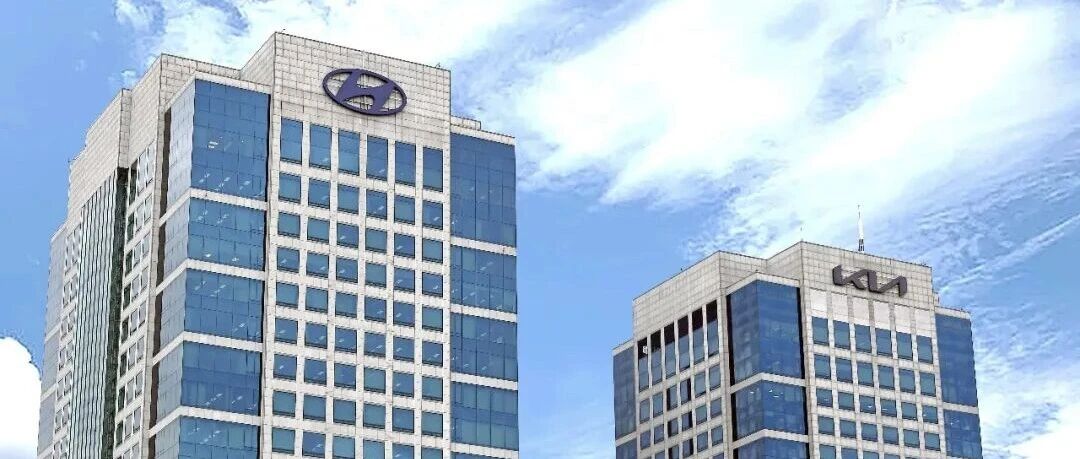
Core Viewpoint - The article discusses Hyundai Motor Group's significant investment of 9 trillion KRW (approximately 426 billion RMB) in AI and related technologies despite a decline in net profits for both Hyundai and Kia in 2025, indicating a strategic shift towards building a comprehensive industrial ecosystem focused on AI and robotics [2][4][5][8]. Investment Allocation - Hyundai's investment is allocated across five key areas: - 5.8 trillion KRW for AI data center infrastructure to handle vast datasets for autonomous driving and robotics [6][7] - 400 billion KRW for a robot manufacturing cluster [6][7] - 1 trillion KRW for polymer electrolyte membrane (PEM) electrolyzers for large-scale clean hydrogen production [6][7] - 1.3 trillion KRW for solar energy infrastructure [6][7] - 400 billion KRW for developing AI-driven smart cities [6][7] Strategic Rationale - The investment aims to create a complete industrial cluster capable of generating power and manufacturing, rather than just initiating an internal AI project [8][10] - Hyundai's decision to invest in the relatively unknown region of Jeonbuk Province is seen as a move to transform the local economy and establish a global innovation center [10][12][15] - The urgency for this investment is driven by the rapid advancements in AI and robotics, with Hyundai recognizing the need to catch up with competitors in the U.S. and China [20][21] Challenges and Market Context - Hyundai faces significant challenges, including a decline in net profits due to external factors like U.S. tariffs on imported vehicles, which have impacted profitability despite stable sales [40][41][46] - The company holds a substantial market share in the U.S., making it crucial to enhance AI capabilities to remain competitive in a rapidly evolving automotive landscape [48][51][53] Robotics and AI Development - The acquisition of Boston Dynamics is a strategic move to bolster Hyundai's capabilities in robotics, with plans for the Atlas robot to be integrated into Hyundai's manufacturing processes [24][36][72] - The Atlas robot is designed for practical industrial applications, with a focus on tasks such as parts sorting and material handling, reflecting a shift towards operational efficiency [61][72] Future Outlook - Hyundai plans to push for Boston Dynamics' IPO in 2027, which could provide financial returns and alleviate the burden of ongoing operational costs associated with the robotics company [77][78] - The automotive industry is facing unprecedented challenges, including electrification, geopolitical tensions, and the rise of Chinese competitors, necessitating continuous adaptation and innovation from established players like Hyundai [80][81][83]
全国政协委员江浩然:为自动驾驶立法律,为AI手机立规矩
凤凰网财经· 2026-03-10 13:53
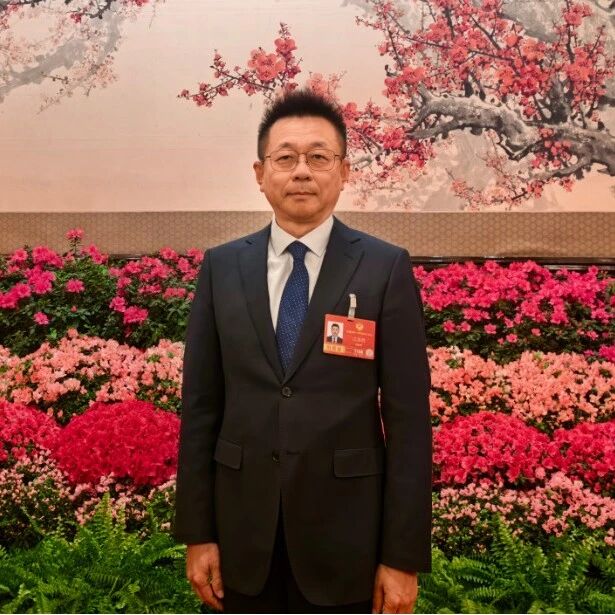
Core Viewpoint - The rapid advancement of technology, including AI and autonomous driving, is accompanied by concerns about blind following and homogenization in these industries, necessitating a tailored approach and regulatory frameworks to ensure sustainable development [1][2]. Group 1: Homogenization and Blind Following - The industries of autonomous driving and AI smartphones are showing signs of homogenized competition and blind following, with companies lacking differentiated strategies [4]. - The need to avoid low-level repetition and prevent "naked running" of technology is critical for high-quality, scalable development [2][4]. Group 2: Legal and Regulatory Challenges - Legal lag is identified as the biggest bottleneck for the development of autonomous driving, with the need for clear legal status and accident liability definitions to encourage investment and pilot programs [6][7]. - The proposal includes revising traffic laws and regulations to provide a legal framework for autonomous systems, enabling standardized practices and infrastructure development [6][7]. Group 3: Driver Education and Safety - Supporting the addition of intelligent driving questions in driving tests is essential to ensure drivers understand their responsibilities in human-machine collaboration, thereby reducing accidents [8][9]. - A three-tiered system combining technical safeguards, legal constraints, and personnel training is necessary to prevent accidents related to intelligent driving [10]. Group 4: AI Smartphone Regulations - The AI smartphone industry faces challenges such as excessive data collection and fragmented ecosystems, necessitating a dynamic control mechanism to prevent permission abuse [11][12]. - Establishing a permissions framework that emphasizes "need-based requests" and real-time user feedback is crucial for balancing innovation with data security [14][15]. Group 5: Industry Development Strategies - The robot industry is experiencing a surge in interest but risks falling into low-end homogenization, highlighting the need for a differentiated development strategy based on regional strengths [16][17]. - Encouraging companies to focus on niche applications and core technology development can help avoid redundant investments and promote high-quality growth in the robotics sector [17].

NIO(NIO) - 2025 Q4 - Earnings Call Transcript
2026-03-10 13:00
Financial Data and Key Metrics Changes - In Q4 2025, total revenues reached RMB 34.7 billion, up 75.9% year-over-year and 59% quarter-over-quarter [24] - Vehicle sales were RMB 31.6 billion, representing an increase of 80.9% year-over-year and 64.6% quarter-over-quarter [24] - Non-GAAP operating profit reached RMB 1.25 billion, while GAAP operating profit was RMB 810 million [6] - The company achieved its first-ever quarterly profit with a net profit of RMB 0.3 billion, compared to a net loss of RMB 7.1 billion in Q4 last year [27] Business Line Data and Key Metrics Changes - In Q4 2025, vehicle margin reached 18.1%, up from 13.1% in Q4 last year and 14.7% last quarter [25] - Other sales margin reached a record high of 11.9%, reflecting improvements in profitability from services and community-related businesses [25] - The company delivered a total of 326,028 vehicles for the full year 2025, marking a 46.9% year-over-year increase [4] Market Data and Key Metrics Changes - The penetration rate of battery electric vehicles (BEVs) in the premium segment increased from 14% in Q4 2024 to 27% in Q4 2025 [34] - The large three-row battery electric SUV model led the segment across all powertrain types for five consecutive months [36] Company Strategy and Development Direction - The company plans to launch three new models in 2026, further strengthening its product portfolio in the premium large vehicle segment [23] - The company is committed to investing in 12 full-stack technology domains for smart EVs to ensure leadership in products and technology [23] - The Power Swap network is seen as a unique competitive advantage, with over 3,800 stations installed and plans to expand by 1,000 new stations annually [18] Management's Comments on Operating Environment and Future Outlook - Management acknowledged challenges in the auto industry but remains confident in achieving a year-over-year volume growth target of 40%-50% for 2026 [40] - The company expects to maintain vehicle gross margin at a similar level as in Q4 2025 despite rising raw material costs [49] - Management highlighted the importance of the Power Swap system as a systematic solution to address mismatched life cycles of vehicles and batteries [81] Other Important Information - The company achieved positive free cash flow for two consecutive quarters and positive operating cash flow for the full year of 2025 [7] - The smart driving chip subsidiary, GeniTech, raised CNY 2.257 billion in its first round of equity financing, enhancing its R&D capabilities [20][21] Q&A Session Summary Question: What is the plan for product and volume sales growth target in the second half of the year? - Management confirmed that despite industry challenges, they maintain a target of 40%-50% annual volume growth, supported by new model launches [32][40] Question: What feedback has been received regarding user experience with autonomous driving? - The usage of smart driving functionality increased by over 80% month-over-month after the rollout of the new version, indicating positive user feedback [42] Question: Can the company pass on raw material cost inflation to customers? - Management indicated that while there are pressures from rising material costs, they believe larger vehicle models will help mitigate these impacts [56][57] Question: What is the outlook for SG&A expenses in 2026? - SG&A expenses are expected to grow in absolute terms but will be controlled to remain within 10% of sales revenue [97] Question: What is the expected gross margin for the service business in 2026? - The company anticipates continued improvement in service gross margin, supported by the growth of the user base and operational efficiency [92]
