
金融供给侧结构性改革

Search documents
央行重磅发声,信息量大
中国基金报· 2025-10-24 12:28
Core Viewpoint - The article emphasizes the importance of the 20th Central Committee's Fourth Plenary Session in shaping China's economic and financial policies, highlighting the need for a unified approach to financial work and the implementation of strategic measures for sustainable development [2][3]. Group 1: Financial Policy and Economic Stability - The People's Bank of China (PBOC) has implemented a series of monetary policy measures to maintain liquidity and support the stability of financial markets, contributing to economic growth [2]. - The PBOC's actions are aligned with the central government's directives to ensure employment, business stability, and market expectations during critical economic periods [2][3]. Group 2: Strategic Planning and Financial Reform - The Fourth Plenary Session outlines a strategic framework for the next five years, focusing on the construction of a modern socialist country and the importance of the 15th Five-Year Plan [3]. - Financial work is deemed crucial for national development, with significant advancements in financial system reform and governance capabilities over the past five years [3][4]. Group 3: Monetary Policy Framework - The PBOC aims to establish a scientific and robust monetary policy system that balances short-term and long-term goals while supporting real economic growth [4]. - The central bank will enhance the effectiveness of monetary policy and maintain the stability of the Renminbi exchange rate [4]. Group 4: Risk Management and Financial Stability - A comprehensive macro-prudential management system will be developed to monitor and mitigate systemic financial risks, ensuring the stability of financial markets [5]. - The PBOC will collaborate with relevant departments to address risks in local financial institutions and the real estate market [5]. Group 5: Financial Sector Reforms - The article highlights the need for structural reforms in the financial supply side, focusing on technology, green finance, inclusive finance, and digital finance to better serve the economy [5]. - The PBOC will promote the development of a transparent and resilient financial market system while advancing the research and application of digital currency [5]. Group 6: International Financial Cooperation - The PBOC is committed to advancing the internationalization of the Renminbi and enhancing cross-border payment systems while maintaining national financial security [6]. - Efforts will be made to deepen financial market openness and promote trade and investment facilitation [6]. Group 7: Implementation and Education - The PBOC will prioritize the dissemination of the Fourth Plenary Session's spirit within its system, ensuring alignment with central directives to foster high-quality financial development [6].


央行:维护股市、债市、汇市等金融市场平稳运行
证券时报· 2025-10-24 11:54
10月24日,中国人民银行党委书记、行长潘功胜主持召开党委会议,传达学习习近平总书记在党的二十届 四中全会上的重要讲话和全会精神,落实主要金融单位学习贯彻党的二十届四中全会精神会议要求,研究 部署贯彻落实举措。 中国人民银行党委召开会议,传达学习党的二十届四中全会精神。 三是健全覆盖全面的宏观审慎管理体系和系统性金融风险防范处置机制。 从宏观、逆周期和防传染的视 角,强化系统性金融风险的监测、评估和预警,不断拓展宏观审慎管理覆盖范围。 拓展丰富中央银行宏观 审慎和金融稳定功能,维护股市、债市、汇市等金融市场平稳运行。 继续会同有关部门做好支持地方中小 金融机构、地方政府融资平台债务、房地产市场风险化解工作。健全金融稳定保障体系,加快推进金融立 法。 四是持续深化金融供给侧结构性改革。 做好金融"五篇大文章",提高金融服务实体经济的适配性,支持国 民经济的重点领域和薄弱环节。健全科技金融政策框架,提升金融支持科技创新的能力、强度和水平。推 动各类金融机构在规模、结构、区域布局上更加合理。建设规范、透明、开放、有活力、有韧性的金融市 场体系。建设安全高效的金融基础设施体系。稳步推进数字人民币研发和应用。 五是稳步 ...
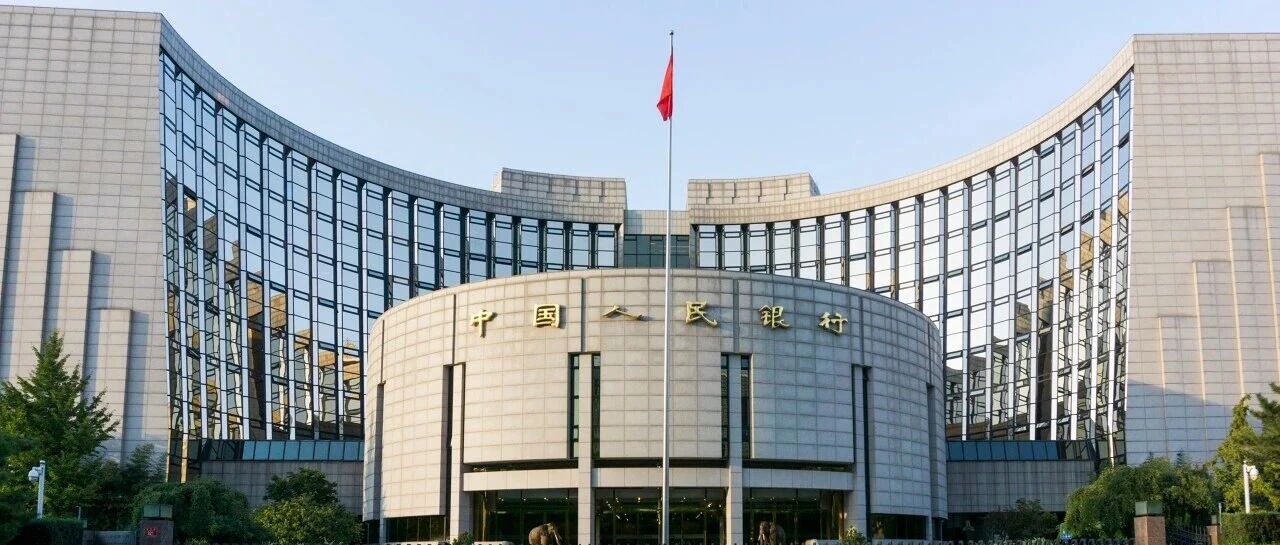
央行:维护股市、债市、汇市等金融市场平稳运行
第一财经· 2025-10-24 11:25
Core Viewpoint - The article emphasizes the importance of the 20th Central Committee's Fourth Plenary Session in shaping China's financial policies and strategies for the next five years, focusing on achieving high-quality development and modernizing the financial system [1][2]. Group 1: Financial Policy and Economic Stability - The People's Bank of China (PBOC) has implemented a series of monetary policy measures to maintain liquidity and support the stability of financial markets, contributing to economic growth [1][2]. - The PBOC aims to enhance the effectiveness of monetary policy by balancing short-term and long-term goals, supporting real economic growth while ensuring the health of the financial sector [3][4]. Group 2: Financial System Reform and Risk Management - The article outlines the need for a comprehensive macro-prudential management system to monitor and mitigate systemic financial risks, ensuring the stability of stock, bond, and foreign exchange markets [4][5]. - It highlights the importance of deepening financial supply-side structural reforms, focusing on technology, green finance, and digital finance to better serve the real economy [4][5]. Group 3: International Financial Cooperation and Development - The PBOC is committed to advancing the internationalization of the Renminbi and enhancing cross-border payment systems, while also promoting financial diplomacy and participation in global financial governance [5]. - The article stresses the significance of maintaining national financial security while pursuing high-level financial openness [5].
央行:维护股市、债市、汇市等金融市场平稳运行
财联社· 2025-10-24 11:16
Core Viewpoint - The article emphasizes the importance of the 20th Central Committee's Fourth Plenary Session in shaping China's financial policies and strategies for the next five years, focusing on the modernization of the financial system and the support for economic stability and growth [1][2]. Group 1: Financial Policy and Economic Stability - The People's Bank of China (PBOC) has implemented a series of monetary policy measures to maintain liquidity and support the stability of financial markets, contributing to economic growth [1][2]. - The PBOC aims to enhance the effectiveness of financial services to the real economy, reflecting a significant improvement in the financial sector's strength and international competitiveness [2][3]. Group 2: Strategic Financial Framework - The meeting outlined the need for a scientific and robust monetary policy framework that balances short-term and long-term goals, ensuring the health of the financial sector while supporting economic growth [3][4]. - A comprehensive macro-prudential management system is to be established to monitor and mitigate systemic financial risks, ensuring the stability of stock, bond, and foreign exchange markets [4]. Group 3: Financial Sector Reforms - The article highlights the importance of deepening structural reforms in the financial supply side, focusing on areas such as technology finance, green finance, and digital finance to better serve the economy [4]. - The PBOC is committed to advancing high-level financial openness while safeguarding national financial security, promoting the internationalization of the Renminbi, and enhancing cross-border payment systems [5]. Group 4: Implementation and Education - The PBOC is tasked with promoting the spirit of the 20th Central Committee's Fourth Plenary Session through various educational activities, aligning its actions with the session's directives to contribute to national development [6].

银行业高质量发展不断迈进
Jin Rong Shi Bao· 2025-10-23 02:02
Core Insights - The Chinese banking industry has transitioned from a traditional model reliant on infrastructure and real estate to a new model focused on technology, industry, and finance, enhancing its comprehensive strength and achieving high-quality development during the "14th Five-Year Plan" period [1][2]. Group 1: Industry Growth and Structure - As of mid-2025, the total assets of banking financial institutions in China reached 467.3 trillion yuan, a year-on-year increase of 7.9%, with large commercial banks holding 204.2 trillion yuan, up 10.4% [2]. - China holds six positions in the top ten of the global 1,000 banks, with 143 Chinese banks listed overall, indicating a strong presence in the global banking sector [2]. - The banking sector is increasingly focusing on capital returns, asset quality, and operational efficiency rather than merely expanding asset and liability scales [3]. Group 2: Risk Management and Reform - Significant achievements have been made in risk prevention and resolution, with non-performing loan balances at 3.4 trillion yuan and a non-performing loan ratio of 1.49% as of mid-2025 [4]. - The capital adequacy ratio for commercial banks stands at 15.58%, with a provision coverage ratio of 211.97%, indicating a robust financial position [4]. - The number of high-risk small and medium-sized banks has significantly decreased, with some regions achieving "dynamic zero" for high-risk institutions [5]. Group 3: Digital Transformation - The banking sector is undergoing a transformation from digitization to intelligent finance, with significant investments in technology, totaling 125.46 billion yuan in 2024, a 2.15% increase from 2023 [6]. - The number of technology personnel in major banks has surpassed 100,000, reflecting a commitment to enhancing operational efficiency through digital means [6]. - The period has seen a historic breakthrough in inclusive finance, with the balance of loans to small and micro enterprises reaching 36 trillion yuan, 2.36 times that of the end of the "13th Five-Year Plan," with an average interest rate reduction of 2 percentage points [7].



错位发展 各展所长 银行业高质量发展不断迈进
Jin Rong Shi Bao· 2025-10-23 01:36
Core Insights - The Chinese banking industry has transitioned from a traditional model reliant on infrastructure and real estate to a new model focused on technology, industry, and finance, resulting in significant improvements in comprehensive strength and high-quality development during the "14th Five-Year Plan" period [1][3] Group 1: Asset Growth and Structure - As of mid-2025, the total assets of banking financial institutions in China reached 467.3 trillion yuan, a year-on-year increase of 7.9%, with large commercial banks showing a 10.4% growth to 204.2 trillion yuan [2] - Chinese banks hold the world's largest asset scale, with 143 Chinese banks listed among the global top 1,000, including 6 in the top 10 [3] - The banking sector is increasingly focusing on optimizing credit structures and enhancing value creation capabilities while maintaining steady asset growth [3] Group 2: Risk Management and Financial Stability - The banking industry has achieved significant progress in risk prevention and resolution, maintaining a non-performing loan balance of 3.4 trillion yuan and a non-performing loan ratio of 1.49% as of mid-2025 [5] - The capital adequacy ratio for commercial banks stands at 15.58%, with a provision coverage ratio of 211.97%, indicating a healthy financial status [5] - The number of high-risk small and medium-sized banks has significantly decreased, with some regions achieving a "dynamic zero" status for high-risk institutions [6] Group 3: Digital Transformation - The banking sector is undergoing a digital transformation, with a focus on enhancing operational efficiency and innovation through technology investments, which reached 125.46 billion yuan in 2024, a 2.15% increase from 2023 [7][8] - The balance of inclusive loans for small and micro enterprises reached 36 trillion yuan by mid-2025, 2.36 times that of the end of the "13th Five-Year Plan," with an average interest rate reduction of 2 percentage points [8] - The application of AI technology is expected to be fully integrated into various banking operations, creating a new model of intelligent risk control and comprehensive services [8]

普惠金融激活中国经济“微循环”
Jin Rong Shi Bao· 2025-10-20 02:04
Core Viewpoint - Inclusive finance is playing a crucial role in supporting China's economic microcirculation, enhancing the financing experience for small and micro enterprises, and promoting common prosperity during the "14th Five-Year Plan" period [1][4]. Group 1: Development of Inclusive Finance - During the "14th Five-Year Plan," inclusive finance has achieved historic breakthroughs, with the balance of inclusive loans for small and micro enterprises reaching 36 trillion yuan, 2.3 times that of the end of the "13th Five-Year Plan," and interest rates decreasing by 2 percentage points [1][4]. - By June 2025, the balance of inclusive loans for small and micro enterprises from large commercial banks is projected to reach 16.23 trillion yuan, 3.36 times that of the end of the "13th Five-Year Plan," with an average annual growth rate of approximately 30% [3][4]. Group 2: Enhanced Accessibility and Service Quality - Financial institutions are actively addressing the financing difficulties faced by small and micro enterprises, with the average annual growth rate of inclusive loans reaching about 20% and the average annual growth rate of inclusive agricultural loans at 14.6% during the "14th Five-Year Plan" [4][6]. - The establishment of financial service stations in rural areas has significantly improved access to financial services, with over 98% coverage of rural banking outlets [5][6]. Group 3: Innovation and Technology in Financial Services - Financial institutions are leveraging technology to enhance service efficiency, with some loans being processed in seconds through the use of big data and artificial intelligence [6][8]. - The introduction of diverse financial products and services, such as flexible credit options and innovative service models, has improved the financing experience for small and micro enterprises [3][6]. Group 4: Sustainable Financial Ecosystem - The financial management departments are focusing on creating a sustainable financial service ecosystem by enhancing risk assessment, innovating credit products, and establishing a long-term service mechanism for small and micro enterprises [7][8]. - The average interest rate for newly issued inclusive loans for small and micro enterprises decreased by 2 percentage points compared to the end of the "13th Five-Year Plan," alleviating the financial burden on these enterprises [8].


从街头巷尾到田间地头:普惠金融激活中国经济“微循环”
Jin Rong Shi Bao· 2025-10-20 01:51
Core Viewpoint - Inclusive finance is playing a crucial role in supporting China's economic micro-circulation, enhancing the financing experience for small and micro enterprises, and contributing to high-quality economic development during the "14th Five-Year Plan" period [1][2][3]. Group 1: Development of Inclusive Finance - During the "14th Five-Year Plan," inclusive finance has achieved significant progress, with the balance of loans to inclusive small and micro enterprises reaching 36 trillion yuan, 2.3 times that of the end of the "13th Five-Year Plan," and interest rates decreasing by 2 percentage points [1][2]. - Large commercial banks have increased their inclusive small and micro enterprise loan balance to 16.23 trillion yuan by June 2025, which is 3.36 times that of the end of the "13th Five-Year Plan," with an average annual growth rate of about 30% [2]. - The balance of inclusive loans for small and micro enterprises is growing rapidly, with an average annual increase of approximately 20%, reaching 2.36 times that of the end of the "13th Five-Year Plan" [3]. Group 2: Financial Services Accessibility - Financial services are increasingly accessible, with banks establishing service stations in rural areas, allowing farmers to obtain loans conveniently [4][5]. - The coverage rate of rural bank branches exceeds 98%, and various financial service points are established in rural areas, ensuring that financial services reach every village [5]. - The use of digital technologies has significantly improved the efficiency of inclusive loan disbursement, enabling some loans to be approved and disbursed almost instantly [6]. Group 3: Sustainable Financial Ecosystem - Financial management departments are enhancing the sustainability of inclusive finance by improving risk assessment and credit technology, and establishing a long-term service mechanism for small and micro enterprises [7][8]. - Policies and institutional innovations are effectively stimulating the internal motivation for the development of inclusive finance within banks, establishing a long-term mechanism for "daring to lend, willing to lend, able to lend, and knowing how to lend" [8]. - The average interest rate for newly issued inclusive loans for small and micro enterprises decreased by 2 percentage points compared to the end of the "13th Five-Year Plan," alleviating the financial burden on these enterprises [8].
记者手记:电费缴纳数据成了贷款授信依据
Xin Hua She· 2025-10-19 09:05
Core Insights - The article highlights the innovative financing solution provided by Agricultural Bank of China, which allows a company to secure loans based on electricity payment data, demonstrating a new approach to credit assessment in the agricultural sector [1][3]. Company Overview - Wuwei Yuanshuo Water-Saving Development Co., Ltd. was established in 2024 and specializes in the production of water-saving agricultural facilities such as drip irrigation belts [3]. - The company has experienced a surge in orders and plans to expand its production line, indicating strong market demand for its products [3][6]. Financing Solution - The Agricultural Bank of China’s Wuwei Liangzhou Branch identified the company's strong credit demand and provided a loan of 2 million yuan based on its electricity payment data, which reflects actual production levels [1][3]. - This "Electricity Payment E-Loan" is a new product developed by the bank, aimed at addressing the financing challenges faced by small and micro enterprises in the region [6][8]. Market Context - The demand for drip irrigation systems has increased significantly due to the promotion of high-standard farmland construction in Gansu Province, leading to a shortage of supply from traditional small workshop-style producers [6][8]. - The company’s production efficiency is notably higher than traditional methods, producing drip irrigation belts that are more effective and cost-efficient, thus benefiting farmers [6][8]. Risk Management - The bank's approach to using electricity consumption data as a credit assessment tool helps mitigate risks associated with lending to enterprises lacking traditional collateral [6][8]. - The successful implementation of this financing model is seen as a practical example of structural reform in financial supply, addressing the challenges of financing for agricultural enterprises [8].

央行副行长邹澜:着力培育支持科技创新的金融市场生态
Sou Hu Cai Jing· 2025-10-18 07:48
中国人民银行副行长邹澜在全球财富管理论坛·2025上海苏河湾大会上表示,大力发展直接融资、加快 建设多层次资本市场、优化金融体系结构使之更加适应创新驱动发展的战略需要,是深化金融供给侧结 构性改革的重要内容,也是建设现代中央银行制度的应有之义。他表示,中国人民银行将与各方一道, 着力培育支持科技创新的金融市场生态,持续提升金融支持的能力、强度和水平。欢迎国内外投资者投 资中国科技,分享中国科技发展的成果和回报。他还透露,债券市场"科技板"落地5个月以来,科技创 新债券融资增量、扩面,资金加快流向科创领域,银行间债券市场约280家主体发行科技创新债券6700 亿元,呈现科技型企业结构多元、分布广泛等特点。 (上证报) ...