自研芯片

Search documents
雷军官宣,小米自研手机SoC芯片即将发布
天天基金网· 2025-05-16 06:29
Core Viewpoint - Xiaomi is set to release its self-developed mobile SoC chip named "Xuanjie O1" in late May, marking a significant step in its chip development strategy after previous attempts faced challenges [1][2]. Group 1: Chip Development History - In 2017, Xiaomi launched its first self-developed SoC chip, the "Panghu S1," which received a lukewarm response due to performance issues [2]. - Following this, Xiaomi shifted its focus to developing smaller chips for imaging and fast charging, including the "Panghu C1" imaging chip in 2021 and the "Panghu P1" power management chip capable of supporting up to 120W wired fast charging [2]. - In 2022, Xiaomi introduced the "Panghu G1" battery management chip, enhancing battery capacity and lifespan, which works in conjunction with the Panghu P1 to improve smartphone battery performance [2]. Group 2: R&D Investment - Xiaomi's 2024 financial report indicates a research and development investment of 24.1 billion yuan, reflecting a year-on-year increase of 25.9% [2]. - The company plans to exceed 30 billion yuan in R&D investment by 2025, with total R&D expenditure projected to surpass 100 billion yuan over five years (2022-2026) [2]. - CEO Lei Jun highlighted that AI algorithms, chips, and terminal applications are key areas of focus for R&D [2]. Group 3: Company Structure and Leadership - Shanghai Xuanjie Technology Co., Ltd., closely associated with Xiaomi and the "Xuanjie" chip, was established in 2021 with a registered capital of 1.92 billion yuan, focusing on integrated circuit chip design and services [3]. - The company is wholly owned by X-Ring Limited, with Xiaomi's Senior Vice President Zeng Xuezhong serving as the legal representative and general manager, bringing extensive experience from his previous role as CEO of Unisoc [3].



热搜!雷军,最新发声
Zhong Guo Ji Jin Bao· 2025-05-16 05:29
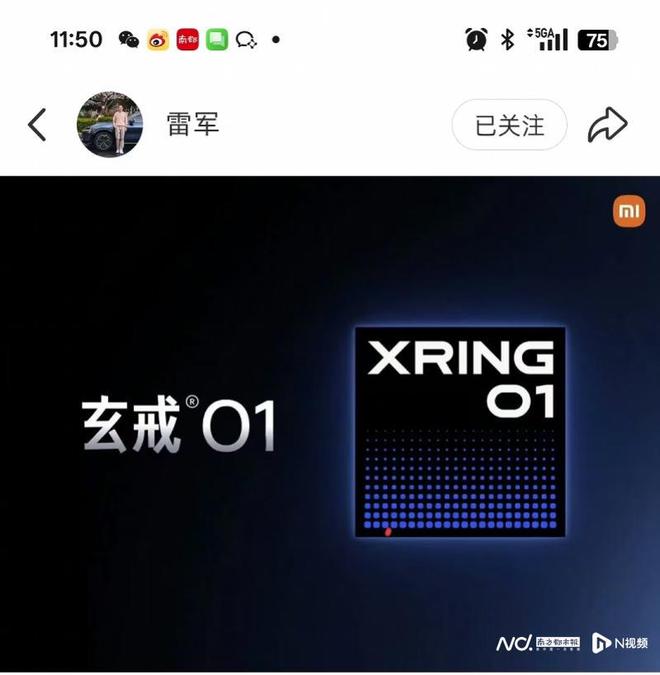
【导读】雷军回忆小米10年造芯路,同时回应小米SU7事故 中国基金报记者含章 雷军又上热搜! 5月15日晚间,小米创办人、董事长兼CEO雷军发布微博称,小米自主研发设计的手机SoC芯片,命名为"玄戒O1",即 将在5月下旬发布。 当晚,雷军还在小米价值观大赛后对所有小米员工发表演讲,并宣布了自研芯片即将发布。 雷军表示,"这是小米造芯10年阶段性的成果,也是小米突破硬核科技的新起点。造芯片是公众和米粉朋友们对我们殷 切的期待,更是小米迈向硬核科技引领者的必由之路,我们小米将勇往直前。" "2019年,是我们非常困难的一段时间,那时我们面临着内忧外患的各种问题。就是在那一年年底的供应商大会上,我 跟产业链的合作伙伴说过这句话'疾风知劲草,路遥知马力',我相信,到今天为止,各位合作伙伴们可能都清晰地看 到,今天的小米比5年前强大了很多。"雷军谈道。 雷军最新回应小米SU7事故 在演讲中,除了宣布自研芯片即将发布,同时也谈到了近期小米遭遇的舆论危机以及对小米公司未来发展的展望。 "一位熟悉汽车行业的朋友曾告诉我'造车,遭遇交通事故在所难免'。但是谁也没有想到,这一场事故的影响如此之 大,对我们小米的打击也如此之大。 ...
小米自研芯片发布前夕,雷军正面回应舆论:会做出同档最安全的车
Sou Hu Cai Jing· 2025-05-16 05:23
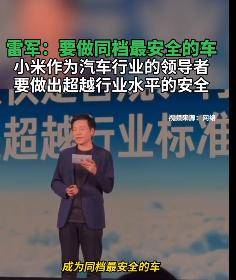
雷军演讲回忆创业艰苦 雷军在经历这么长时间的舆论后,终于在小米周年演讲上回应了关于小米汽车的争议,他说小米作为汽车领导者,一定会把汽车提升到超行业水平的安全。 雷军在小米的15周年演讲会上,正面的回应了这段时间关于小米汽车的种种争议,雷军回忆到:如果时间能倒流回去十五年前,那时候的小米像什么?像一 个满腔热血的技术宅,拉着一帮志同道合的朋友。 从高速智驾出事,到私自限制马力,再到碳纤维前舱盖涉嫌虚假宣传,现在又赶上小米准备发布自研芯片,小米汽车似乎要被前期巨大的流量反噬了。 雷军的回应是否有效?小米这次能否挺过危机? 但一场交通事故,一辆小米汽车发生碰撞后引发的网络风波,让所有计划戛然而止,不是因为车真的有多大的技术问题,而是因为小米这两个字,承载着公 众越来越多的期待,而这场事故无疑是对这些期待的一次巨大冲击。 可现实并不会永远把你当新人,雷军说得直白:我们没有新手保护期了,这不是一句自谦的话,而是一种对成长的新认知,小米15周年本该是充满庆祝,荣 耀和鼓掌的一年,他们早早策划了各种活动和纪念仪式。 说要造一部感动人心,价格厚道的手机,但是当时没人当真,大家当他是个搞情怀的,可今天的小米,已经是一家站在市值 ...
雷军:今年研发投入预计超300亿,小米自研手机芯片将发布
Nan Fang Du Shi Bao· 2025-05-16 04:17
Core Insights - The core message of the articles revolves around Xiaomi's upcoming launch of its self-developed SoC chip, named "Xuanjie O1," and the company's commitment to technology and safety in the automotive sector, especially in light of recent challenges faced by Xiaomi Auto [1][3][4]. Group 1: Chip Development - Xiaomi has invested approximately 105 billion yuan in research and development over the past five years, with an expected investment of over 30 billion yuan this year [3]. - The Xuanjie O1 chip represents a significant milestone in Xiaomi's ten-year journey in chip development, marking a new starting point for the company in the hardcore technology field [3]. Group 2: Automotive Challenges - The recent traffic accident involving Xiaomi's SU7 model has led to public scrutiny and criticism, highlighting the high expectations placed on the company as it transitions from a newcomer to an industry leader [3][4]. - Xiaomi acknowledges the need to prioritize automotive safety and aims to become a leader in this area, striving to exceed mere compliance and achieve the highest safety standards in the industry [4].
雷军最新内部演讲曝光!首次回应小米SU7事故→
新华网财经· 2025-05-16 03:20
Core Viewpoint - The recent traffic accident involving Xiaomi's SU7 has led to significant public scrutiny and criticism, prompting the company to reassess its responsibilities as a major player in the automotive industry [1][2]. Group 1: Company Response to Crisis - Xiaomi's CEO Lei Jun acknowledged the unexpected severity of the public's reaction to the SU7 accident, emphasizing the need for the company to meet higher expectations as it has grown in scale and influence [1][2]. - The company recognizes that it is no longer a newcomer in the automotive sector and must adopt higher standards and goals, particularly in vehicle safety [2]. - Lei Jun stated that Xiaomi aims to become a leader in automotive safety, exceeding industry standards rather than merely complying with them [2]. Group 2: Internal Reflections and Future Plans - In the wake of the accident, Xiaomi's management has held numerous meetings to systematically address the issues and improve governance to meet public expectations [3]. - The company had planned various celebrations for its 15th anniversary, but many of these have been canceled in light of recent events, prompting a focus on reflection and learning from the past five years [3]. Group 3: Research and Development Focus - Xiaomi's R&D investment for 2024 is projected to be 24.1 billion yuan, a 25.9% increase year-on-year, with plans to exceed 30 billion yuan in 2025 and over 100 billion yuan in total R&D investment from 2022 to 2026 [10]. - The company is committed to developing its own chips, with a focus on AI algorithms, chips, and terminal applications as key areas for future research [10]. - Xiaomi's self-developed chips, including the Surge C1 imaging chip and Surge P1 power management chip, have been introduced to enhance mobile device performance [10].
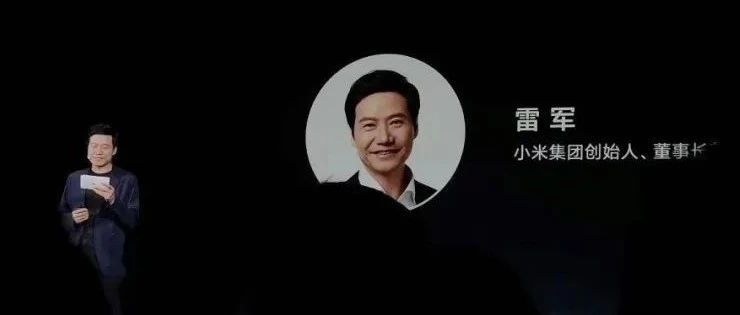
时隔8年,雷军带着自研Soc芯片,又杀回来了
Sou Hu Cai Jing· 2025-05-16 02:27
通过这颗芯片,估计不仅仅是小米,其它厂商,也终于明白,造芯真不是这么容易的,特别是Soc这样 芯片,要集成CPU、GPU、DSP、ISP、基带等等,堪称地狱难度级别的。 于是在这颗芯片之后,小米修改策略,不再去研发Soc这种系统级别芯片了,而是转向小芯片,比如 ISP、充电管理芯片、电源芯片这些,因为这些难度小,更容易见效果。 2017年,小米跟风华为,想在掌握核心科技,于是努力了一把,推出了第一颗自研芯片澎湃S1。 同时研发这些小芯片,也能够锻炼团队,积累经验,而对于Soc,小米一直对外宣称,还在继续。 不过说真的,想法是好的,但高估了自己的能力,低估了Soc的难度,于是这颗芯片工艺一般,表现更 不行,小米只用在自己的低档机上,且后来还被弃用了。 不过,也有人称,小米其实早就放弃了Soc的研发,毕竟买高通、联发科的芯片,容易多了,自己研 发,费力又费时,还不一定成功。 从2017年到2025年,可以说这颗芯片的研发,真的是历时八年。 据称这颗芯片,采用的是台积电第二代4nm制程,其性能能够对标骁龙8 Gen3。但重要的是NPU上表现 更出色,所以在AI运算与能效比上更具优势。 据称这颗芯片,将随着一款重磅机 ...
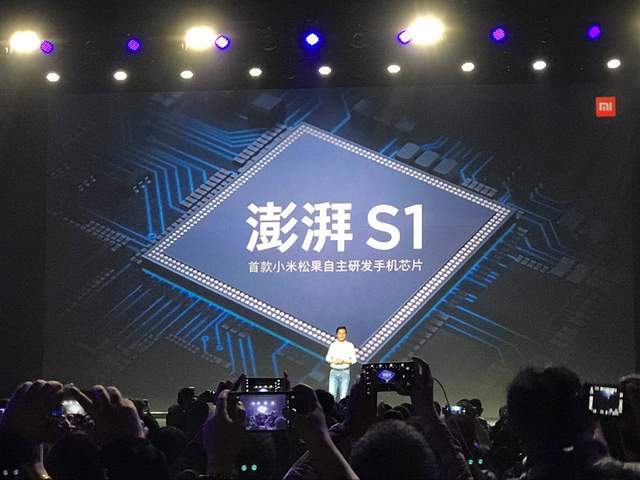
小米自研手机SoC,即将发布
半导体行业观察· 2025-05-16 01:31
如果您希望可以时常见面,欢迎标星收藏哦~ 来源:内容来自半导体行业观察综合 ,谢谢 。 昨夜晚间,小米雷军发布了一项消息,表示小米自主研发设计的、名为玄戒O1的手机SoC芯片即 将在五月下旬发布。 按照雷军在微博中所说,小米的造芯始于2014年9月。 翻开资料,小米当时成立了一家名为北京松果电子的全资子公司。据甲子光年在报道中描述,对于 当时的情景,雷军有过这样的描述:绝大部分人心里都会七上八下,因为不知道冲出去是死是活。 而我心里稍微平静一些,因为我已经做好了干十年的准备。 到了小米于2017年2月28日,小米也终于发布了手机芯片的首个成果——松果澎湃S1手机芯片。作 为一颗定位为中端手机芯片,澎湃S1采用台积电28nm工艺,4+4大小核心全A53架构,大核主频 2.2GHz,小核主频1.4GHz,GPU为ARM Mali T860 MP4,基带为可升级设计。该芯片也首发搭 载于小米5C上。 而后,小米的手机AP几经沉浮,也没有下文。不过,公司在此期间还是发布了电源管理芯片、自 研影像芯片等一系列大家眼里的"小芯片",松果也在接下来几年被拆分,直到2021年成立上海玄 戒,小米造芯,重回主干道。 和之前一样 ...
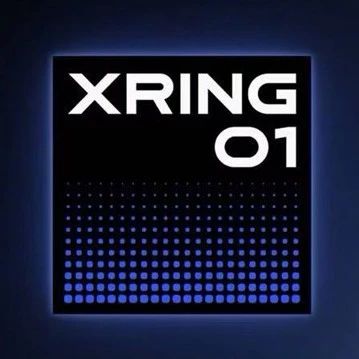
雷军官宣小米自研手机芯片
券商中国· 2025-05-15 15:54
来源:雷军微博 5月15日晚间,小米创办人、董事长兼CEO雷军在微博发文称,小米自主研发设计的手机SoC芯 片,名字叫玄戒O1,即将在5月下旬发布。 校对:赵燕 违法和不良信息举报电话:0755-83514034 责编:汪云鹏 邮箱:bwb@stcn.com 百万用户都在看 美国调整对华加征关税! 利好突袭!外资,重大转变! 特朗普,突传大消息! 利好来袭!芯片、特朗普,突传重磅! 巴基斯坦,重大突发! ...
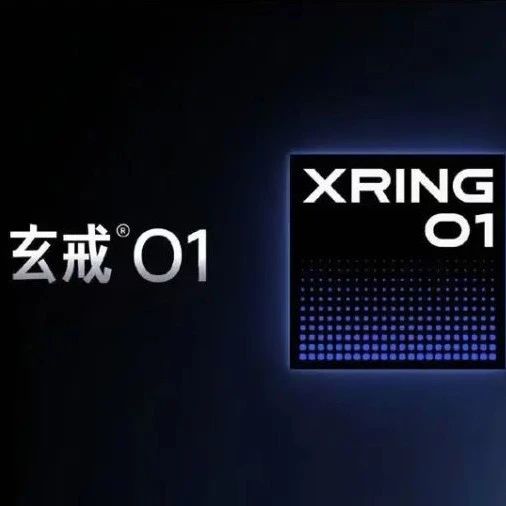
雷军官宣小米造芯!5月下旬发布
DT新材料· 2025-05-15 14:54
【DT新材料】 获悉,5月15日, 小米创办人,董事长兼CEO 雷军 发布微博称, 小米自主研发设 计的手机SoC芯片 , 命名为 "玄戒O1",即将在5月下旬发布。 据了解,SoC(SystemonChip,即片上系统)芯片是决定手机性能的核心,它宛如一座"微型城 市",集成了CPU(中央处理器)、GPU(图形处理器)、DSP(数字信号处理器)、RAM(内 存)、Modem(调制解调器)、导航定位模块等多个功能模块,让手机在有限的体积内可以实现丰 富功能。 小米的造芯之路始于2014年,当时公司成立芯片品牌"松果",正式启动自研手机主芯片业务。经过 近三年研发,小米于2017年2月28日推出首款手机芯片澎湃S1,采用台积电28nm工艺,搭载于小米 5C手机。这款中端芯片采用4+4全A53架构设计,配备Mali T860 MP4 GPU,但由于工艺相对落后和 基带性能不足等问题,市场反响平平。此后计划中的澎湃S2迟迟未能面世,导致小米暂停了主芯片 研发,转向"小芯片"领域发展。 进入第二阶段后,小米松果开始专注于细分领域芯片研发,先后推出 澎湃C系列影像芯片、澎湃P系 列充电芯片和澎湃G系列电池管理芯片 等产 ...
雷军官宣!小米自研芯片要来了,名字叫“玄戒O1”!
Zheng Quan Shi Bao· 2025-05-15 14:33
Core Viewpoint - Xiaomi is set to release its self-developed mobile SoC chip named "Xuanjie O1" in late May, as announced by CEO Lei Jun on social media [2]. Group 1: Product Development - The SoC (System on Chip) is crucial for mobile phone performance, integrating multiple functional modules such as CPU, GPU, DSP, RAM, Modem, and navigation [4]. - Xiaomi's self-developed SoC chip aims to enhance performance and provide unique technological advantages, thereby increasing competitiveness and reducing reliance on the supply chain [5]. Group 2: Company Background - Beijing Xuanjie Technology Co., Ltd., responsible for the chip, was established on October 26, 2023, with a registered capital of 3 billion yuan [5]. - The executive director of Beijing Xuanjie, Zeng Xuezhong, has a significant background in mobile product development and has held various leadership roles in companies like ZTE and Unisoc [5]. Group 3: Intellectual Property - Since 2025, Beijing Xuanjie has actively applied for public invention patents related to chips, with 10 patents filed on May 13, including methods and structures for chip packaging [5]. - The company has a total of 115 public patents, covering categories such as telecommunications technology and basic electronic circuits, with 113 patents currently under review [5].