具身机器人

Search documents
三天股价暴涨40%!稀土永磁龙头金力永磁业绩炸裂,专家警示“情绪顶”
Hua Xia Shi Bao· 2025-10-15 23:44
Core Viewpoint - The performance of Jinli Permanent Magnet (300748.SZ) in the third quarter exceeded expectations, driven by significant profit growth and supportive policy signals, making it a market focus [2][4]. Financial Performance - Jinli Permanent Magnet's stock price increased by 39.94% over three trading days from October 9 to 13, 2023, with a notable profit forecast indicating a year-on-year net profit growth of 157% to 179% for the first three quarters of 2025 [2][11]. - The company reported a substantial increase in net profit, with a forecasted range of 5.05 billion to 5.5 billion yuan, and a non-GAAP net profit growth of 365% to 415% [2][13]. - The third quarter is expected to show a net profit of 2 billion to 2.4 billion yuan, reflecting a year-on-year increase of 159% to 217% [11]. Market Dynamics - The recent surge in Jinli Permanent Magnet's stock price is attributed to a recovery in rare earth prices and strong demand in the electric vehicle and clean energy sectors, which are critical for the company's growth [7][9]. - The company is positioned well within the rare earth industry, benefiting from structural changes and a strong customer base, which has led to a significant rebound in profitability [3][7]. Industry Trends - The rare earth permanent magnet sector is experiencing renewed market interest due to government policies on export controls, which have heightened focus on the industry [4][5]. - Jinli Permanent Magnet is seen as a bellwether in this capital chase, with its stock reaching a historical high of 47.77 yuan per share, representing an increase of approximately 184% from the year's low [4][5]. Future Outlook - The company is expected to maintain high growth through 2026, driven by its focus on high-performance rare earth permanent magnet materials, particularly in the electric vehicle and wind power sectors [9][14]. - However, challenges such as increased competition and potential price wars in the industry could impact future profitability, especially if demand does not meet expectations [14][15].

多家港股上市公司,业绩预喜!
Zheng Quan Shi Bao· 2025-10-15 08:35
Core Viewpoint - The performance of Hong Kong-listed companies in various sectors shows a positive trend for the third quarter of 2025, particularly in the non-ferrous metals and cement industries, while the real estate sector exhibits significant performance divergence among companies [1]. Non-Ferrous Metals Industry - Companies in the non-ferrous metals sector are expected to report substantial profit increases for the first three quarters of 2025, with Kinglong Permanent Magnet forecasting a net profit of 505 million to 550 million yuan, representing a year-on-year growth of 157% to 179% [2]. - Kinglong attributes its growth to a focus on stable and compliant operations, market expansion, and efficiency improvements through technological innovation and inventory management [2]. - Shandong Gold anticipates a net profit of 3.8 billion to 4.1 billion yuan for the same period, reflecting an increase of 83.9% to 98.5% year-on-year, driven by optimized production and rising gold prices [3]. Cement and Building Materials Industry - China National Building Material expects to turn a loss into a profit, projecting a profit of approximately 2.95 billion yuan for the first three quarters of 2025, compared to a loss of about 684 million yuan in the same period last year [4]. - The profit increase is attributed to lower sales costs of cement and concrete, higher prices for fiberglass, and increased sales of wind turbine blades and coatings, despite a decline in cement sales [4]. - Recent policies, including carbon emissions trading proposals, are expected to support the building materials industry, with analysts predicting continued price increases for cement due to seasonal demand and rising coal prices [5]. Real Estate Industry - The real estate sector shows significant performance divergence, with companies like China Resources Land reporting a 7.5% year-on-year increase in regular income for September 2025, while Greentown China reported contract sales of approximately 107.9 billion yuan for the first nine months of 2025 [6][7]. - The market is witnessing a recovery in high-quality urban properties, while lower-tier cities are still stabilizing, indicating a potential gradual recovery in the housing market [8]. - Analysts believe that ongoing government policies aimed at improving housing quality will further stimulate demand for high-quality residential properties [8].

多家港股上市公司业绩预喜!有色金属公司业绩大幅预增
Zheng Quan Shi Bao· 2025-10-15 08:34
Group 1: Industry Overview - The performance of Hong Kong-listed companies in the non-ferrous metals sector is expected to improve significantly in the first three quarters of 2025, with some companies in the cement and building materials sector also showing signs of recovery [1] - The real estate sector shows a clear divergence in performance among companies, with some experiencing significant growth while others struggle [1] Group 2: Non-Ferrous Metals Companies - Jinli Permanent Magnet expects a net profit of 505 million to 550 million yuan for the first three quarters, representing a year-on-year increase of 157% to 179% [2] - The company attributes its growth to a focus on stable and compliant operations, market expansion, and efficiency improvements, alongside effective management of raw material inventory [2] - Shandong Gold anticipates a net profit of 3.8 billion to 4.1 billion yuan, an increase of 83.9% to 98.5% year-on-year, driven by optimized production and rising gold prices [3] Group 3: Cement and Building Materials Sector - China National Building Material expects to turn a loss into a profit with an estimated profit of 2.95 billion yuan for the first three quarters, compared to a loss of 684 million yuan in the same period last year [4] - The profit increase is attributed to lower sales costs of cement and concrete, higher prices of fiberglass, and increased sales of wind turbine blades and coatings [4] - Recent policies are expected to support the building materials industry, including a draft proposal for carbon emissions trading quotas for the steel, cement, and aluminum industries [5] Group 4: Real Estate Sector - Real estate companies show significant performance divergence, with market concentration increasing and stronger companies gaining more [7] - China Resources Land reported a recurring income of approximately 4.1 billion yuan for September 2025, a year-on-year increase of 7.5% [7] - Green Town China achieved a contract sales area of approximately 3.08 million square meters and a contract sales amount of approximately 107.9 billion yuan from January to September 2025 [7] Group 5: Market Trends and Outlook - The real estate market is showing signs of recovery, particularly in high-energy cities, while third and fourth-tier cities are still stabilizing [8] - There is a growing confidence among real estate companies regarding future market conditions, supported by ongoing policy measures and local government actions [8] - The central government emphasizes the importance of quality housing, which may lead to a wave of development in high-quality residential projects [8]

东土科技:公司通过投资深度参与具身机器人领域生态构建
Zheng Quan Ri Bao· 2025-10-15 07:37
Core Viewpoint - Dongtu Technology is actively investing in the field of embodied robotics, aiming to build an ecosystem through strategic partnerships with various companies [2] Investment Activities - The company has signed agreements to take stakes in Shenzhen Zhujidong Technology Co., Ltd. and Chengdu Annu Intelligent Technology Co., Ltd. [2] - Dongtu Technology plans to lead an investment in Beijing Humanoid Robot Innovation Center Co., Ltd. (referred to as "Tiangong Robot") [2] Technological Collaboration - The company's core technology, including the "Hongdao" operating system, is being adapted and integrated with the aforementioned companies in areas such as motion control, scene implementation, and ecosystem development [2] - The application of related technologies will gradually materialize as the cooperation deepens [2]


参展企业与展位数量均创历史新高 广交会“朋友圈”再扩容
Jing Ji Guan Cha Wang· 2025-10-15 03:09
Core Insights - The 138th Canton Fair opened in Guangzhou on October 15, setting records for both the number of participating enterprises and exhibition booths, with over 32,000 companies showcasing a million new products [1] - More than 240,000 buyers pre-registered for the event, with significant growth in buyers from the EU, the US, and countries involved in the Belt and Road Initiative [1] - Approximately 3,600 of the participating companies are first-time exhibitors, and over 10,000 companies hold titles such as high-tech, specialized, and champion enterprises, accounting for more than 30% of the total [1] - The fair features new areas such as a service robot zone and a smart medical zone, highlighting the popularity of intelligent products [1]
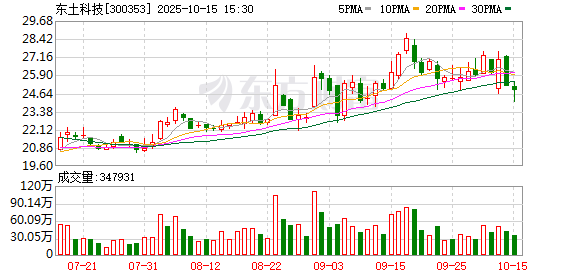
东土科技(300353.SZ):已将人形机器人纳入核心战略布局
Ge Long Hui· 2025-10-14 07:38
Core Viewpoint - Dongtu Technology (300353.SZ) is actively investing in the embodied robotics sector by forming strategic partnerships with companies such as Shenzhen Zhujidong Technology Co., Ltd. and Chengdu Annu Intelligent Technology Co., Ltd., and plans to lead an investment in Beijing Humanoid Robot Innovation Center Co., Ltd. [1] Investment and Partnerships - The company has signed agreements to acquire stakes in Shenzhen Zhujidong Technology Co., Ltd. and Chengdu Annu Intelligent Technology Co., Ltd. [1] - Dongtu Technology intends to lead an investment in Beijing Humanoid Robot Innovation Center Co., Ltd. [1] Technology Integration - The collaboration with these companies is aimed at integrating core technologies such as the "Hongdao" operating system with a focus on motion control, scenario implementation, and ecosystem development [1] - The application of related technologies will gradually materialize as the cooperation deepens [1] Strategic Focus - Humanoid robots are identified as a significant direction within the embodied robotics field, and the company has included this focus in its core strategic layout [1]
金力永磁上市累赚逾30.64亿 加速扩产“卡位”新兴领域
Chang Jiang Shang Bao· 2025-10-12 23:31
Core Viewpoint - The company Jinli Permanent Magnet (金力永磁) is experiencing significant growth in its performance, with projected net profits for the first three quarters of 2025 expected to increase by 157% to 179% year-on-year, driven by strong demand and effective management strategies [2][3]. Financial Performance - Jinli Permanent Magnet forecasts a net profit of 5.05 billion to 5.50 billion yuan for the first three quarters of 2025, with a non-GAAP net profit of 4.15 billion to 4.60 billion yuan, reflecting a year-on-year growth of 365% to 415% [2][3]. - The company has achieved a cumulative net profit of 30.64 billion yuan since its A-share listing in 2018, with a total of 9 dividend distributions amounting to a payout ratio of 50.29% [5]. Market Position and Orders - The company holds a strong market position as a leader in the rare earth permanent magnet industry, with a robust order book primarily from top-tier clients [3]. - Jinli Permanent Magnet's products are utilized by the world's top ten electric vehicle manufacturers and eight of the top ten variable frequency air conditioning compressor manufacturers [4]. Product Applications and Sales - In the first half of 2025, the company generated 16.75 billion yuan in sales from the electric vehicle sector, accounting for 47.76% of total revenue, with a year-on-year sales volume increase of 28.14% [6]. - The variable frequency air conditioning sector contributed 10.50 billion yuan in sales, with a 19.85% increase in sales volume [6]. Production Capacity and Expansion - Jinli Permanent Magnet is expanding its production capacity, with plans to reach an annual capacity of 38,000 tons of magnetic materials by the end of 2024 and aims to achieve 60,000 tons by 2027 [7]. - The company has established a division for embodied robot motor rotors, indicating a strategic focus on emerging technologies and markets [7].
狂飙1600%!“妖股”上纬新材周一归来,称智元创新3年内不借壳
Ge Long Hui A P P· 2025-10-11 07:16
54个交易日狂涨近1600%的"大妖股"上纬新材,复牌时间正式敲定! 公司警告:已脱离基本面 上述两部分完成后,智元系合计控制上纬新材约66.99%的股权,整体交易总金额约21亿元。 公司指出,收购方智元恒岳及其一致行动人致远新创合伙,在未来12个月内不存在对上市公司及其子公 司资产、业务进行出售、合并或与他人合资合作的明确计划,亦无明确资产购买或置换安排。此外,截 至目前,智元创新在未来36个月内也不存在通过上市公司实现借壳上市的计划或安排。 此次收购源于今年7月,上纬新材公布的要约收购方案。交易分为"股份转让"与"要约收购"两个步骤实 施: 首先,智元恒岳与其一致行动人致远新创通过协议转让方式,合计取得上市公司29.99%的股份,转让 总价款为9.41亿元。随后,智元恒岳拟以每股7.78元的价格,收购约1.49亿股公司股份,占总股本的 37%,所需最高资金总额约11.61亿元。 | 股份种类 | 要约价格 | 预定收购股份数量 | 占上纬新材已发行股 | | --- | --- | --- | --- | | | (元/股) | (股) | 份总数的比例 | | 人民币普通股(A股) | 7.78 | 1 ...


30亿基金群落地南山,深圳重金押注AI与具身机器人领域
Sou Hu Cai Jing· 2025-10-11 02:41
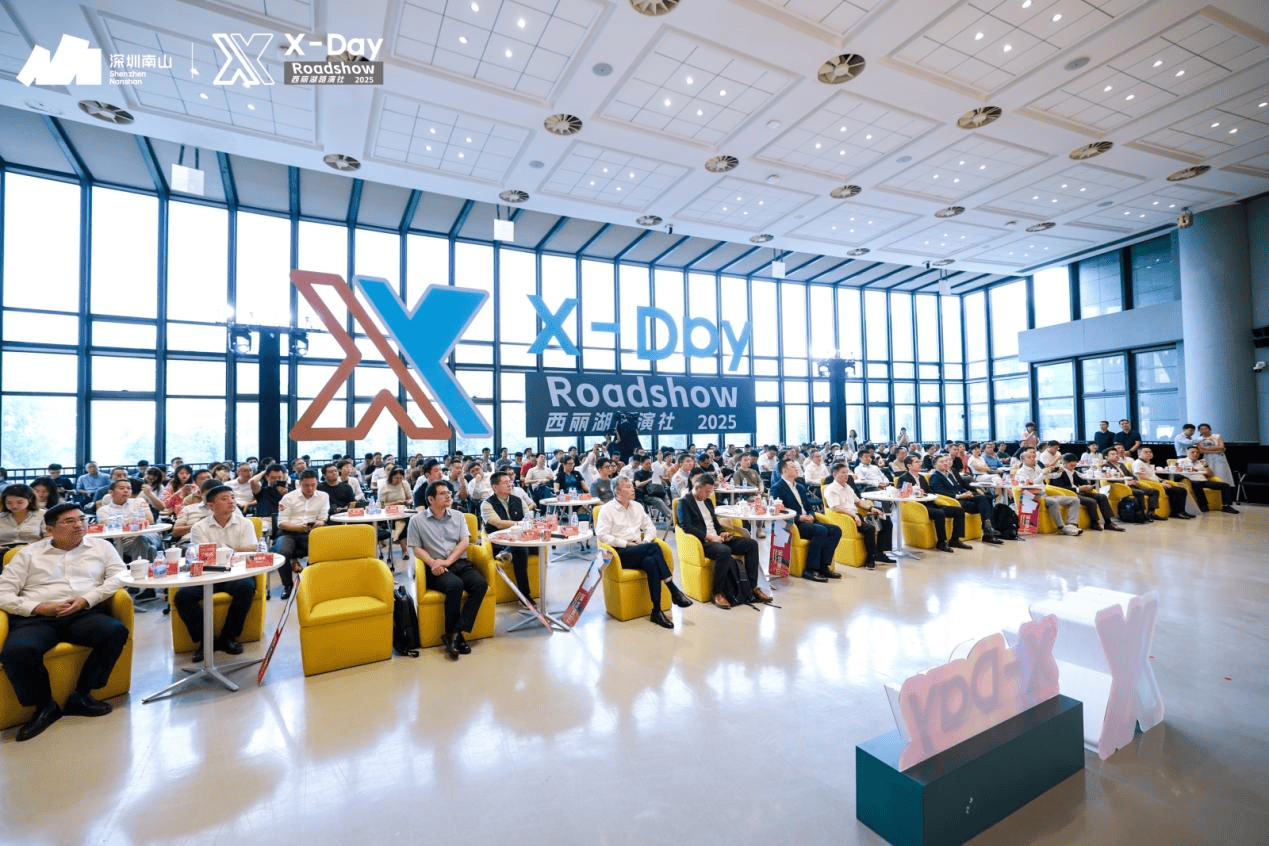
Core Viewpoint - Shenzhen Nanshan District is making significant investments in AI and embodied robotics, launching a new "AI Fund Group" with a total scale of 3 billion yuan to support the development of the AI industry and accelerate the commercialization of technological achievements [1][5]. Fund Structure - The "AI Fund Group" consists of three funds: - The Shenzhen Artificial Intelligence and Embodied Robotics Fund, led by Shenzhen Capital Group, focuses on a wide range of fields and investment stages [3]. - The Lihua Fund emphasizes early-stage projects, leveraging its strengths in this area [3]. - The Shou Cheng Fund targets growth-stage companies, primarily focusing on Series B and later stages [3][5]. Investment Focus - The Shenzhen Artificial Intelligence and Embodied Robotics Fund has a scale of 2 billion yuan, targeting investments in the foundational, technical, and application layers of AI and embodied robotics [5]. - The Lihua Fund aims for a target scale of 500 million yuan, linking national universities and research institutions to support the commercialization of AI projects [5]. - The Shou Cheng Fund, also with a scale of 500 million yuan, focuses on AI, robotics, and intelligent manufacturing, marking a collaboration between state-owned assets from Beijing and Shenzhen [5]. Ecosystem Development - The Shenzhen Moli Ying AI Ecological Community serves as a key platform for fund investments and enterprise incubation, fostering a concentrated environment for AI industry development [4][6]. - Since its establishment, Moli Ying has attracted over 500 companies, with 102 successfully settled, indicating a growing AI industry cluster [6]. Policy Support - The Nanshan District has introduced a "six ones" policy to provide comprehensive support for startups, including housing, workspace, and financial assistance [6][7]. - The local government is actively reducing the cost of living and entrepreneurship for young entrepreneurs, attracting talent from outside Shenzhen [7]. Comparison with Other Regions - Moli Ying emphasizes the application ecosystem of AI, contrasting with Shanghai's focus on model research, showcasing Nanshan's advantages in AI application implementation [8]. - The "X-Day" event has facilitated connections between projects and over 2,000 investment institutions, demonstrating a successful integration of policy, capital, and projects [8].
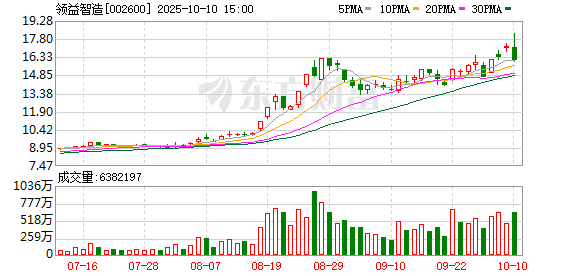
领益智造:公司正积极推动具身机器人硬件制造业务落地
Zheng Quan Ri Bao· 2025-10-10 12:42
Core Insights - The company has begun bulk shipments of cooling modules to international clients such as AMD, showcasing its capability in providing comprehensive thermal management solutions [2] - The company has developed a range of products including CDU, liquid cooling modules, liquid cooling plates, air cooling modules, heat pipes, uniform heat plates, and graphite sheets, applicable in various sectors such as humanoid robots, servers, optical modules, XR, and mobile phones [2] - The company is actively advancing its hardware manufacturing business for embodied robots and has made progress in areas such as soft goods and wireless charging [2]