
区块链技术

Search documents
储能太贵用不起?试试这种“拼单”模式,区块链技术让储能交易更透明、更智能
Sou Hu Cai Jing· 2025-11-16 16:08
想要破解这个困境,创新的商业模式和技术支持缺一不可。共享模式或许是个好方向,就像共享充电宝一样,让多个市场主体共用储能资源,不用各自承担 建设和维护的高额费用,能大幅降低使用门槛。而区块链技术的出现,正好为这种共享模式提供了合适的技术支撑。它的去中心化特性不用依赖中间机构, 交易记录公开透明且无法篡改,还能通过智能合约实现自动执行,正好解决了分布式储能交易中成本高、结算慢、信任不足的问题。 不过现有的储能共享研究还存在一些不足,比如有的机制只能支持单个储能设备共享,有的没充分考虑运营便捷性。福州大学的江岳文、林佩伶、黄重阳, 针对这些问题提出了新方案。他们基于以太坊搭建了区块链交易平台,把储能的所有权和使用权分开,设计了充电权和放电权耦合的交易模式,还建立了优 化出清模型,让交易流程更顺畅。 用 -- 门 V 图1 以太坊支撑的储能运营架构 分布式储能作为新型电力系统的重要支撑,有着毫秒级的响应速度、灵活的选址优势和较短的建设周期,既能解决风电光伏消纳难、弃风弃光等问题,还能 让电力用户更自主地管理用电、降低购电成本。但现实中,高昂的初期投资和运营成本,加上单一的应用模式,让很多潜在用户望而却步,导致大量储能 ...


区块链溯源
Sou Hu Cai Jing· 2025-11-16 04:52
Core Insights - The article emphasizes the unique value of blockchain technology in product traceability within complex global supply chains, enhancing transparency and trust among consumers and businesses. Group 1: Blockchain Technology in Product Traceability - Blockchain serves as a distributed database, creating a shared, immutable digital ledger that enhances trust and transparency in product sourcing and verification [1][2] - The technology allows for real-time updates and access to information across the supply chain, significantly improving traceability efficiency and reducing reliance on paper documentation [2][3] - Consumers can verify product origins and processes through unique digital identities generated by blockchain, increasing their trust in the products they purchase [2][3] Group 2: Supply Chain Management Optimization - Blockchain traceability aids businesses in internal management by providing insights into material flow, identifying bottlenecks, and predicting potential risks, thus enabling more accurate decision-making [3][4] - In cross-border trade, blockchain's role is crucial for synchronizing information and financial flows among various entities involved in the supply chain [3][4] - A comprehensive financial service platform for small and medium-sized enterprises in cross-border trade integrates blockchain to enhance service efficiency and transparency [3][4] Group 3: Advantages of the Financial Service Platform - The platform offers full lifecycle services for enterprises, from exhibition services to payment settlements and cross-border services, leveraging blockchain for reliable trade documentation [4][5] - Smart contracts are utilized to automate processes, improving transparency and efficiency in financial transactions [5] - The platform enhances financing for foreign trade enterprises by providing reliable data through blockchain, addressing challenges in securing funding [5] Group 4: Future Prospects and Challenges - Despite the promising outlook for blockchain traceability, challenges remain, such as ensuring data authenticity before it is recorded on the blockchain and balancing transparency with privacy [6] - The application of blockchain is expected to expand beyond product traceability to broader supply chain collaboration and sustainability tracking as technology matures [6] - Integration with IoT, big data, and AI will further enhance blockchain's capabilities in providing intelligent and automated supply chain management solutions [6]
Bitcoin is in a bear market. What's driving the sell-off?
Youtube· 2025-11-14 21:22
Market Overview - Bitcoin has fallen below $100,000, marking a bearish trend as it has decreased by 20% from its last all-time high in early October [1][3] - The overall crypto market is under strain, with approximately $19 billion in liquidations leading to a loss of over $1 trillion in total market capitalization [1] Adoption and Market Dynamics - Despite the decline in prices, real-world adoption of blockchain technology is increasing, with major institutions like JP Morgan and BlackRock utilizing it to enhance their processes [2] - There is a disconnect between the growing number of crypto instruments and the lack of demand to absorb them, resulting in market oversupply [2] Institutional Perspectives - Institutions are beginning to view Bitcoin as a portfolio diversifier, with predictions that it could surpass gold as a larger asset class by 2035 [2] - The sentiment among institutional investors is cautious, with concerns about liquidity and the Federal Reserve's potential actions affecting market dynamics [3] ETF and Market Sentiment - Recent ETF outflows have been significant, with the largest daily outflows since inception occurring recently, indicating a lack of new marginal buyers in the market [3] - Analysts are monitoring the $93,000 level for Bitcoin, as falling below this could lead to further declines [3] Altcoin Market - The altcoin market, including protocols like Avalanche, is experiencing a disconnect between increasing real-world use cases and declining token prices [2] - There is a belief that the current market has too many altcoins, with only a handful expected to remain relevant in the long term [2] Investment Strategies - Companies are developing more sophisticated investment products to cater to Bitcoin bulls, including options that offer yields and aim to mitigate volatility [5][6] - The performance of companies like MicroStrategy is being compared to Bitcoin, with the latter showing better year-to-date performance despite the volatility [6][7]

区块链技术保障食品溯源安全
Sou Hu Cai Jing· 2025-11-14 10:55
Core Insights - The rise of blockchain technology is transforming the food traceability sector, providing a new assurance for food safety [1] - Blockchain's decentralized, immutable, and transparent nature enhances the credibility of the food supply chain [3] - Consumers benefit from the convenience of accessing detailed product information through blockchain, fostering trust in food safety [5] Group 1: Blockchain Technology in Food Traceability - Blockchain is a distributed ledger technology that records every step from farm to table, ensuring data integrity and authenticity [3] - Traditional food traceability systems are vulnerable to data tampering, while blockchain creates a trust community among producers, suppliers, logistics companies, regulators, and consumers [3] Group 2: Consumer Benefits - Consumers can scan QR codes on product packaging to access comprehensive information about the product's journey, enhancing their confidence in food choices [5] - The application of blockchain in agriculture has increased brand value and helped consumers verify the authenticity of premium products [5] Group 3: Regulatory Advantages - Food safety regulators benefit from real-time data recording through blockchain, allowing for quick identification and resolution of quality issues [5] - The ongoing maturation of blockchain technology is expected to expand its application in food traceability, further enhancing consumer access to food information [5]

连小红书都想给这届年轻人找个班上
3 6 Ke· 2025-11-14 08:41
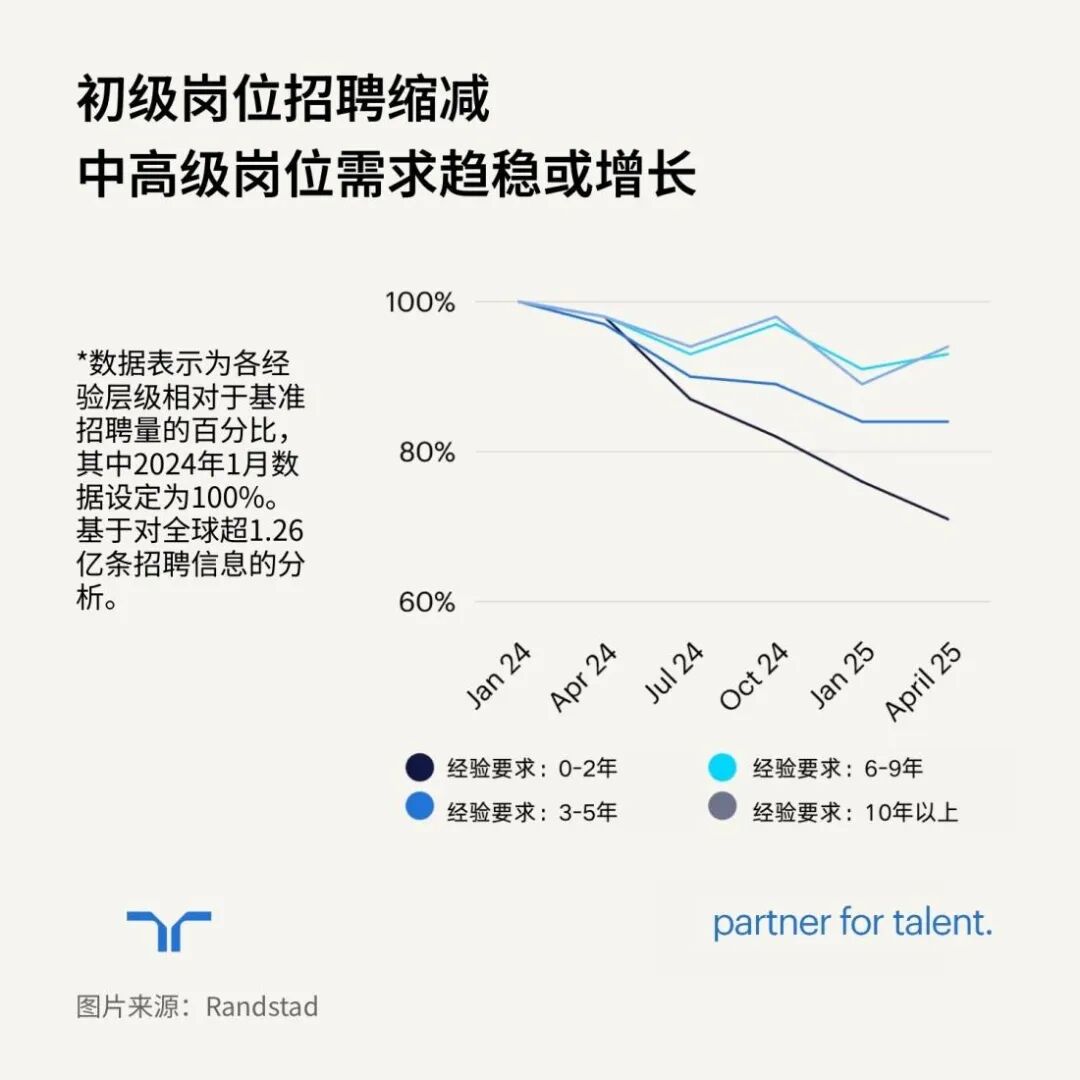
Core Insights - The article discusses the rising trend of young people using Xiaohongshu (Little Red Book) for job hunting, with a significant increase in related content and corporate participation in recruitment activities [1][2][11] - Xiaohongshu's user demographics align well with the target audience for recruitment, particularly the younger generation, making it a potential player in the online recruitment market [3][4] Group 1: User Engagement and Content - Over 205.2 million job-related posts were published on Xiaohongshu this year, nearly doubling from last year [1] - There are over 640,000 professionals sharing job-hunting tips and experiences on the platform, indicating a strong community engagement [1] - The platform hosts more than 3000 campus recruitment groups, with 68,000 exclusive referral codes being utilized [2] Group 2: Market Potential and Competition - The online recruitment market is currently valued at over 100 billion, with a projected annual growth rate of 15% over the next decade [6] - Xiaohongshu's monthly active users surpassed 300 million, with a significant portion being from the Z generation, which is crucial for recruitment [3][6] - Competitors like BOSS Zhipin have shown substantial growth, with a 23.6% year-on-year revenue increase, highlighting the potential profitability of the recruitment sector [6][7] Group 3: Challenges and Limitations - Xiaohongshu's recruitment efforts may be more suited for general and interest-driven positions rather than specialized roles, which may still rely on traditional recruitment platforms [8][9] - The platform faces challenges related to trust and safety, as users share personal job-seeking experiences that could expose sensitive information [9] - The mismatch in job supply and demand is evident, with many Z generation individuals feeling constrained by their backgrounds, impacting their job search [17][18] Group 4: Global Job Market Context - The global job market is experiencing a decline in entry-level job postings, with a 29% drop since January 2024, complicating the job search for young individuals [14][17] - Many young people are exploring international job opportunities, with a notable increase in demand for overseas positions, reflecting a shift in job-seeking behavior [19][20] Group 5: Future Outlook - Xiaohongshu's entry into the recruitment space is seen as a potential avenue for monetization, especially as traditional revenue streams face pressure [6][7] - The platform's ability to adapt to the evolving job market and user needs will determine its success in becoming a viable recruitment tool for young job seekers [10][24]
Eyenovia(EYEN) - 2025 Q3 - Earnings Call Transcript
2025-11-13 23:00
Financial Data and Key Metrics Changes - The company achieved record highs with income from operations of $4.4 million and GAAP net income of $6.6 million, resulting in net income per common share of $0.26 and $0.05 on a basic and diluted basis respectively [18][30][31] - The company started the quarter with $45.5 million invested in HYPE tokens and purchased an additional $20.0 million worth of HYPE, recognizing GAAP accretion of $7.1 million [18][30] - Adjusted EBITDA for the quarter was $8.0 million, reflecting the removal of non-recurring items and stock-based compensation [31][32] Business Line Data and Key Metrics Changes - Revenue from digital assets businesses exceeded $300,000, significantly higher than less than $2,000 in Q3 2024, driven by staking rewards, validator commissions, and the first HOUSE agreement with Credo [19][25] - The company launched its proprietary HYPE Asset Use (HOUSE) platform, generating fee income while allowing clients to unlock unique utility on Hyperliquid [13][14] - The company’s validator received over $3 million tokens delegated from the Hyperliquid Foundation, with a total of 13.2 million HYPE tokens delegated as of October 31, representing 60% month-over-month growth [15][24] Market Data and Key Metrics Changes - Hyperliquid is the leading decentralized perpetuals exchange with over 60% market share as of October 31, 2025, and daily average revenues exceeding $3 million [16][38] - Daily trading volume on Hyperliquid exceeds $12 billion, with cumulative cryptocurrency perpetuals trading volume exceeding $3 trillion since inception [7][16] - Hyperliquid generates annualized revenue of approximately $1.3 billion based on an observed run rate of $3.5 million per day [6][16] Company Strategy and Development Direction - The company is focused on building a strategic HYPE token treasury and expanding its portfolio of DeFi services while developing institutional infrastructure to bridge traditional finance and decentralized finance [4][11][59] - The company aims to create long-term shareholder value through multiple pathways, including direct exposure to HYPE token appreciation and recurring revenue from DeFi services [11][12] - The company is committed to maintaining transparency and accountability while operating at the forefront of financial innovation [28][29] Management's Comments on Operating Environment and Future Outlook - Management believes the macro environment for institutional DeFi adoption is improving, with increasing regulatory clarity and maturing institutional infrastructure [58][59] - The company anticipates continued growth in DeFi-related revenues and expects operating cash flow to turn positive in 2026 [38][40] - Management expressed confidence in the resilience of Hyperliquid's platform during market downturns, highlighting zero downtime during the October 10th liquidation event [42][43] Other Important Information - The company continues to develop its proprietary OptiJet user-filled device and is on track for FDA registration [29][55] - The company has implemented comprehensive risk management frameworks to support its expanded activities in DeFi [28] - The company raised $21.8 million net of expenses via its At the Market Equity Offering Program, demonstrating ongoing fundraising capability [37] Q&A Session Summary Question: How did the crypto liquidation event on October 10th impact your business? - The company reported no operational impact from the event, as it had not taken on leverage positions with HYPE assets, and trading volumes quickly returned to Hyperliquid [42][43] Question: What do you think of recent regulatory developments and their impact on DeFi and your business? - Management views the current regulatory environment as favorable and anticipates continued clarity around crypto and DeFi interactions with existing financial infrastructure [43][44] Question: Are you considering an additional capital raise? - The company is focused on building and scaling its business rather than immediate capital raises, but it remains open to future fundraising opportunities based on market conditions [45][46] Question: Do you see Aster and Lighter as credible threats to Hyperliquid? - Management acknowledges competition but believes Hyperliquid's unique features and innovations position it favorably against new entrants [46][47] Question: Is MNAV a useful metric to you? - The company believes MNAV was relevant in earlier stages of digital asset treasuries but now focuses on a combination of asset value and future cash flows [48][49] Question: What measures do you take to secure your tokens? - The company employs self-custody infrastructure and multi-signature solutions to protect its HYPE assets [50] Question: Why have you not sold the OptiJet? - The company is taking a rational approach to commercialization, focusing on achieving FDA registration before making decisions [55] Question: Are you going to hire more people? - The company aims to remain lean while building a robust revenue-generating business line within DeFi, with future hiring contingent on growth needs [56][57]

中国病毒应急响应中心,指责美国窃取 130 亿比特币
Sou Hu Cai Jing· 2025-11-13 21:05
前言 2025 年 11 月 09 日中国国家计算机病毒应急响应中心发布了一份技术分析报告,指责美国窃取130亿美元比特币。 这起事件被区块链情报公司追溯认定为史上最大规模加密货币盗窃案的事件。 那么这起盗窃案到底是怎么回事?130亿美元比特币从何而来? 技术神话的脆弱基石 比特币一直标榜着自己坚不可摧的安全性,但现实给了理想主义者一记响亮的耳光。 2020年12月,鲁比安矿池这个全球第六大矿场,在黑客面前显得如此不堪一击。 超过12万枚比特币被轻而易举地窃取,而原因竟然是如此低级的错误。 矿池使用了存在严重缺陷的伪随机数生成器来创建钱包私钥,这个业余级别的失误,让黑客的破解变得轻而易举。 更有意思的是,矿池在事发后并没有放弃希望,他们向黑客的钱包发送了数百笔小额交易,每笔都嵌入了信息,试图与对方对话。 这些总额超过4万美元的消息,就像沉入大海的石头,没有激起任何涟漪。 被盗的比特币在链上静静地躺了四年,没有任何转移的迹象,这种不正常的静默本身就是一个巨大的信号。 区块链分析公司Elliptic的报告证实了这一点,这些资产从被盗到被美国查封,一直保持着诡异的静止。 当我们在赞叹区块链技术革命性的时候,不能忘记 ...

区块链技术对金融业务的影响
Jiang Nan Shi Bao· 2025-11-13 16:05
Core Insights - Blockchain technology is revolutionizing various sectors of the global economy, particularly in finance, due to its characteristics such as decentralization, immutability, anonymity, transparency, support for smart contracts, and efficiency [1] Group 1: Payment and Settlement - In the payment and settlement sector, blockchain enables instant cross-border payments, reduces intermediaries, enhances transaction efficiency, and lowers costs [1] - All transaction records are publicly transparent and immutable, which increases transaction transparency and security [1] - Blockchain lowers financial service barriers, allowing remote or credit-challenged populations to access convenient financial services, thus promoting inclusive finance [1] Group 2: Credit Financing - In credit financing, blockchain can store and share historical transaction records of enterprises or individuals, providing credit institutions with comprehensive and accurate credit assessment data [1] - Smart contracts can automate the execution of financing terms, reducing manual reviews and paper document circulation, thereby simplifying the financing process [1] - The removal of certain intermediary roles leads to lower financing costs [1] Group 3: Asset Management - Blockchain facilitates the digitization and fragmentation of assets, allowing for rapid trading and transfer of assets, which enhances liquidity [1] - Through encryption and distributed storage, blockchain ensures that asset data is not tampered with or lost, thereby increasing asset security [1] - Smart contracts can automatically execute the issuance, trading, and clearing of securities, reducing operational risks and costs, and promoting asset securitization [1] Group 4: Challenges and Development - Blockchain faces significant challenges in the financial sector, including performance bottlenecks, scalability issues, and a lack of unified technical standards and interoperability among different blockchain platforms [2] - Regulatory challenges exist due to insufficient legal frameworks, unclear legal status of digital assets, and inadequate regulatory responsibilities [2] - There is a need to enhance market awareness and acceptance of blockchain technology [2] Group 5: Future Directions - To promote healthy development, blockchain should integrate deeply with existing information technologies to create a more efficient and intelligent technical system for financial services [2] - Increasing the adoption and acceptance of central bank digital currencies (CBDCs) is essential, as several countries are already exploring their issuance and application [2] - Continuous improvement of regulatory policies and implementation standards is necessary, with financial institutions needing to keep pace with policy changes to adapt to the evolving financial landscape [2]
Singapore Central Bank Pilots Tokenized MAS Bills Using CBDC Settlement
Yahoo Finance· 2025-11-13 15:22
Core Insights - The Monetary Authority of Singapore (MAS) is piloting a new type of government bond called tokenized MAS bill, which will be settled using a digital version of the Singaporean dollar known as a CBDC [1] - MAS Managing Director Chia Der Jiun stated that tokenization has matured enough for real-world applications, although it has not yet achieved mainstream adoption [2] - Tokenized assets can enhance financial transaction efficiency by eliminating intermediaries and optimizing collateral use, but significant structural and operational challenges remain [3] Regulatory Developments - MAS has finalized its framework for stablecoins, which will soon be legislated, focusing on stablecoins linked to single currencies like the Singaporean Dollar, US Dollar, or Euro [5] - Chia emphasized the importance of sound reserve backing and redemption reliability for stablecoins, warning of risks associated with unregulated stablecoins [6] - The MAS BLOOM initiative aims to foster innovation by encouraging trials with tokenized bank liabilities and regulated stablecoins [6] Future Outlook - The successful pilot of tokenized MAS bills is expected to facilitate broader adoption and diverse use cases, establishing a blueprint for next-generation financial market infrastructures [7]
中国置业投资(00736.HK)拟携手军源数字共同推动真实世界资产模式创新应用
Ge Long Hui· 2025-11-13 10:10
格隆汇11月13日丨中国置业投资(00736.HK)公告,于2025年11月13日,公司及军源数字科技(深圳)有限 公司("军源数字")订立合作框架协议,内容有关共同推动真实世界资产("RWA")模式的创新应用。 根据框架协议,双方将合作利用香港的商业优势及区块链技术,为RWA产品建立全球资本化路径,以 确保交易安全、透明。这包括透过"中国移动链"接收数字资产包、透过稳定币结算系统协助法定货币及 数字货币兑换,以及在一级及二级市场进行RWA产品的结算。同时,军源数字将运用人工智能、区块 链安全及监管平台推动资产数字化,将实物资产转换为合规的真实数据资产及RWA产品,传输脱敏数 据,完成监管备案,并维护持续交付的优质资产的可持续管道。 根据框架协议,公司的主要职责是提供资源协助建立RWA产品的资本化路径。军源数字将引领资产数 字化,以确保为RDA及RWA产品的布局提供稳定供应。 ...