新型能源体系

Search documents
高增长潜力的新能源赛道,31股获机构扎堆看好
Zheng Quan Shi Bao· 2026-01-04 00:33
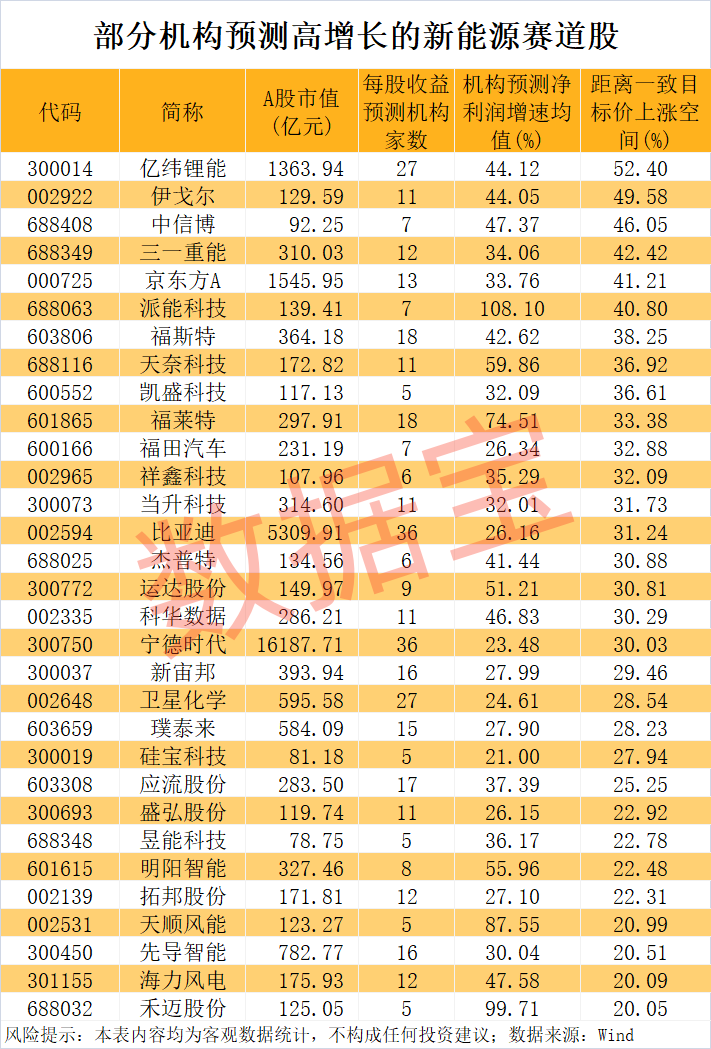
Core Insights - The rapid expansion of AI data centers, combined with the "anti-involution" trend, is expected to create new opportunities in the renewable energy sector by 2026 [1] Group 1: Policy and Regulatory Developments - The National Development and Reform Commission and the National Energy Administration aim for renewable energy generation to account for approximately 30% of total power generation by 2030 [2] - By 2035, a new type of power grid platform will be established, enhancing the optimization of power resources and supporting the stable operation of the power system [2] Group 2: Market Growth and Trends - The "14th Five-Year Plan" indicates that non-fossil energy will gradually become the main energy supply, marking a significant transformation in the energy supply structure [3] - The global demand for electricity is expected to expand exponentially due to the booming AI data centers and the acceleration of global electrification [3] Group 3: Investment Opportunities - A report from Citigroup highlights that transformer and large-scale energy storage systems (ESS) may become critical bottleneck assets in supporting the expansion of AI data centers [3] - Various institutions have released strategies for 2026, expressing optimism for the renewable energy sector, particularly in upstream materials like graphite anode materials and lithium hexafluorophosphate [3] Group 4: High-Growth Stocks - A total of 64 stocks in the renewable energy sector are projected to have a net profit growth rate exceeding 20% in both 2026 and 2027 [5] - Among these, 31 stocks have an upside potential of over 20% based on the comparison of their closing prices on December 31, 2025, with the target prices predicted by institutions [5] Group 5: Specific Stock Insights - EVE Energy is expected to have a price increase potential of 52.4%, driven by the launch of a new cylindrical battery project and improvements in profitability through energy storage and solid-state batteries [7] - Igor's stock has a potential increase of 49.58%, benefiting from the scaling of overseas production and new growth opportunities in the data center sector [7] - The rolling P/E ratio for Satellite Chemical is the lowest at 9.71, with ongoing development of immersion liquid cooling solutions for various applications [8][9]







易县抽水蓄能电站1号机组投产发电 河北又添巨型“充电宝”
Xin Lang Cai Jing· 2026-01-02 23:42
Core Viewpoint - The successful commissioning of the first unit of the Yixian Pumped Storage Power Station marks a significant advancement in enhancing the renewable energy capacity and safety of the North China power grid, contributing to the construction of a new energy system in the Xiong'an New Area and surrounding regions [1][4]. Group 1: Project Overview - The Yixian Pumped Storage Power Station has a total investment of 8.022 billion yuan and a total installed capacity of 1.2 million kilowatts, with a designed annual pumped storage electricity of 24.09 billion kilowatt-hours and an annual power generation capacity of 18.07 billion kilowatt-hours [1]. - The newly commissioned unit can generate 300,000 kilowatt-hours of electricity per hour, and the project is expected to reduce coal consumption by approximately 126,000 tons and cut carbon dioxide emissions by about 213,000 tons annually [1]. Group 2: Technical Challenges and Innovations - The construction of the Yixian Pumped Storage Power Station faced significant technical challenges due to its underground cavern structure, including high burial depth, large cross-sections, and multiple intersections [3]. - Innovative construction techniques were employed, such as the use of electric excavators, loaders, and drilling equipment, achieving the first electrification in tunnel construction within the hydropower industry in China [3]. Group 3: Strategic Importance - The commissioning of the first unit is the first pumped storage unit to be put into operation in southern Hebei since the 12th Five-Year Plan, playing a crucial role in optimizing the energy structure and ensuring reliable power supply in the province [4]. - The project is expected to inject stronger momentum into the high-quality development of pumped storage, facilitating the construction of a new energy system [4].
新华社丨光热发电新政推动产业腾飞
国家能源局· 2026-01-02 06:53
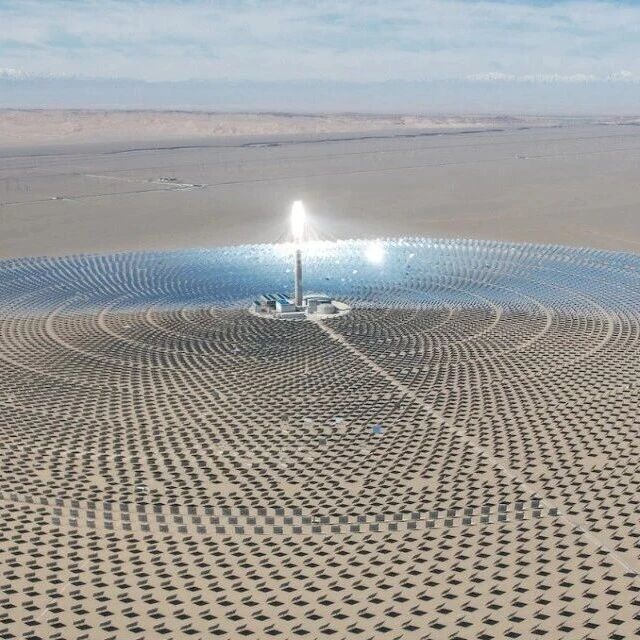
Core Viewpoint - Concentrated solar power (CSP) is positioned as a key solution for high-proportion renewable energy consumption in China, leveraging its advantages in energy storage and flexible power generation [2][5]. Group 1: Policy and Strategic Goals - The National Development and Reform Commission and the National Energy Administration issued guidelines aiming for a total installed capacity of approximately 15 million kilowatts for CSP by 2030, with electricity costs comparable to coal power [2]. - The guidelines emphasize the importance of fostering a new industry that is internationally competitive, with a focus on independent market-oriented and industrial development [2]. Group 2: Cost Optimization and Application Expansion - Achieving the outlined goals requires a focus on cost optimization and expanding applications, including establishing a reasonable market mechanism to highlight the value of CSP in peak shaving and energy storage [4]. - The "CSP+" model is enabling diverse applications, extending from large wind-solar bases to zero-carbon parks, industrial steam supply, and clean heating [4]. Group 3: Role in Energy Transition - CSP is becoming a vital force in constructing a new energy system, contributing reliable green power to the transformation of the energy structure [5].
全国产商用300兆瓦级重型燃机在苏州投运
Yang Zi Wan Bao Wang· 2026-01-01 11:14
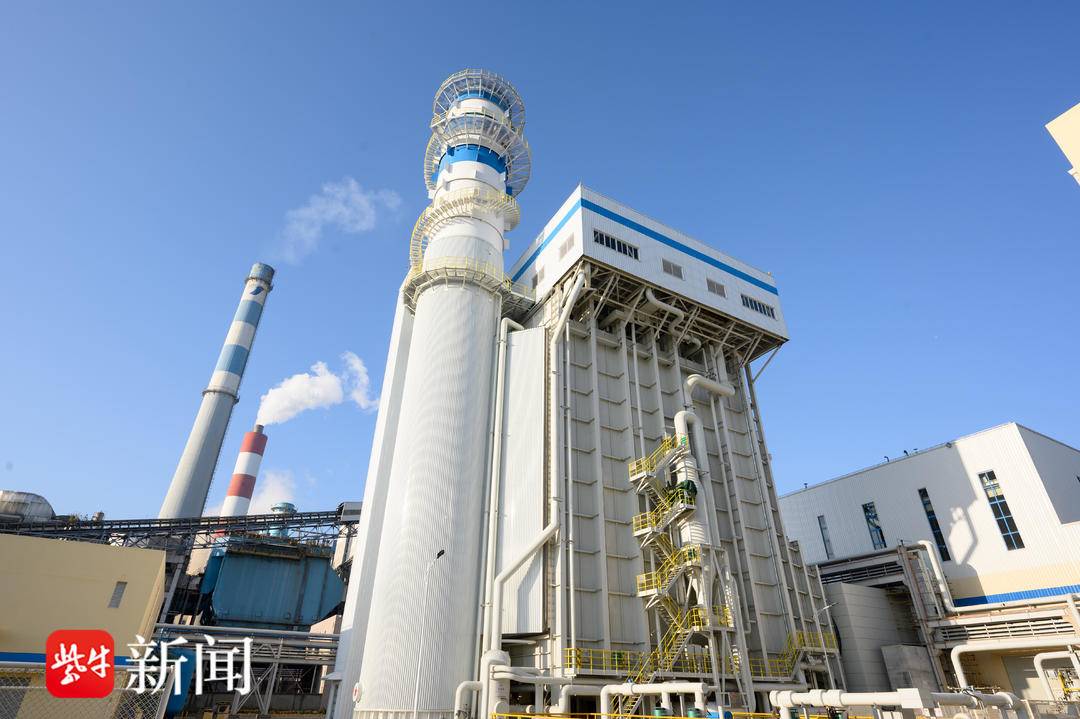
Core Viewpoint - The successful commissioning of the 300 MW heavy-duty gas turbine project at Huadian Wangting Power Plant marks a significant milestone in China's efforts to achieve a fully domestic manufacturing supply chain for commercial gas turbines, providing clean energy support for the Jiangsu region during the winter and spring seasons [1][3]. Group 1: Project Overview - The Huadian Wangting Power Plant's Phase II gas turbine project is located in Suzhou, Jiangsu Province, and consists of two large F-class 494 MW gas-steam combined cycle units, utilizing the world's first 500 MW all-hydrogen cold gas turbine [3]. - The newly commissioned Unit 5 is expected to generate an annual electricity output of 2.44 billion kWh, sufficient to meet the electricity needs of 2.3 million residents for a year [3]. Group 2: Environmental Impact - The project is projected to save 200,000 tons of standard coal annually and reduce carbon dioxide emissions by approximately 900,000 tons, contributing to clean energy supply in Jiangsu [3]. Group 3: Technological Advancements - The F-class gas turbine represents a pinnacle of equipment manufacturing, integrating advanced technology, new materials, and complex processes, which are crucial for building a new energy system and ensuring national energy security [3]. - The Unit 5 project is part of the first batch of gas turbine innovation demonstration projects in China, with collaborative efforts from China Huadian and Shanghai Electric, overcoming key technical challenges in core component manufacturing, system autonomy, and reliability enhancement [3].

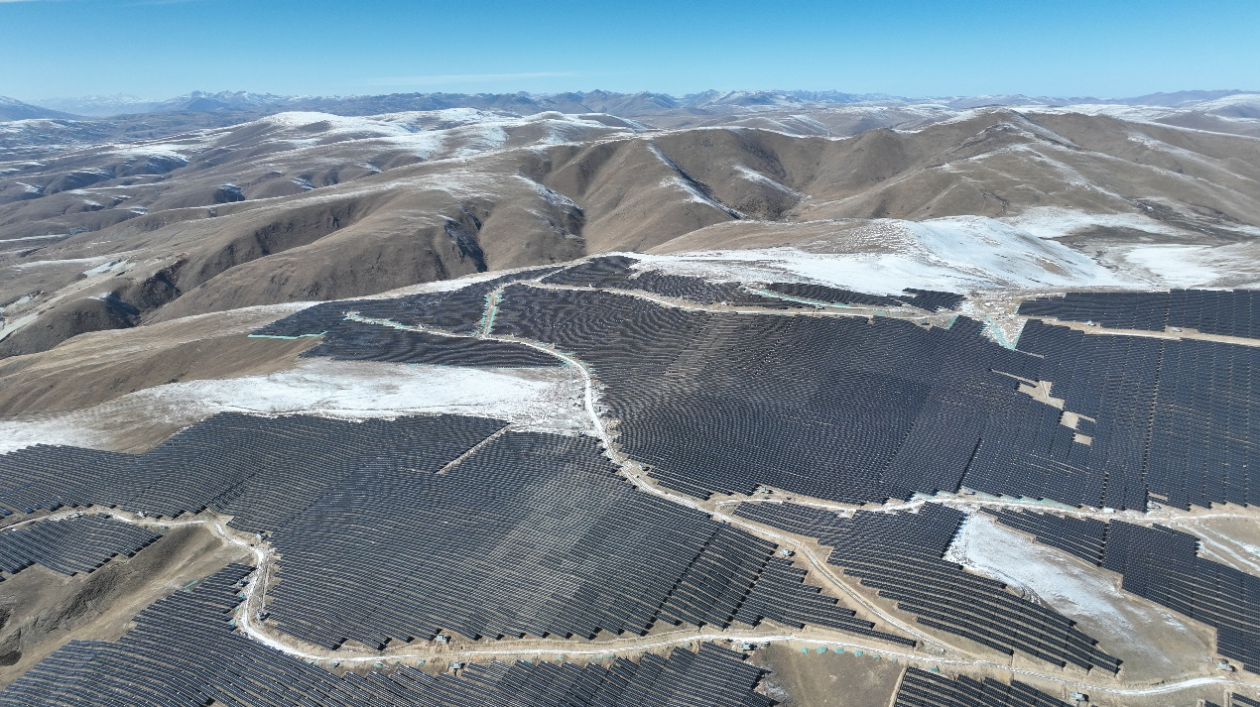
我国海拔最高百万千瓦级光伏电站投产 参与构建全球最大水光互补项目群
Xin Lang Cai Jing· 2026-01-01 08:30
Core Viewpoint - The successful grid connection of the Suorong photovoltaic project marks a significant advancement in the world's ultra-high altitude clean energy projects, contributing to the construction of China's first integrated water, wind, and solar energy base in the Yarlung Tsangpo River basin [1][3]. Group 1: Project Overview - The Suorong photovoltaic power station, located in Ganzi Tibetan Autonomous Prefecture, Sichuan Province, has a total installed capacity of 1 million kilowatts and an average annual power generation of approximately 1.98 billion kilowatt-hours [3][5]. - The project is expected to save 600,000 tons of standard coal annually and reduce carbon dioxide emissions by 1.64 million tons, thus enhancing the new energy system and ensuring national energy security [3][5]. Group 2: Environmental and Economic Impact - The project employs an ecological model of "pasture-solar complementarity" and "grass-solar complementarity," which allows for the unobstructed movement of yaks under the elevated solar panels, while also benefiting local grass growth through reduced soil moisture evaporation [3][5]. - As a key energy project in the national "14th Five-Year Plan" and the largest single investment in renewable energy in Sichuan during the same period, the Suorong photovoltaic station will optimize the regional energy structure and improve local infrastructure [5]. Group 3: Technical and Operational Challenges - The project faced severe challenges due to extreme natural conditions such as cold temperatures, low oxygen levels, strong winds, frozen soil, and significant temperature fluctuations, which were overcome through the technical and management experience accumulated from previous high-altitude renewable energy projects [5]. - The Suorong photovoltaic station will operate in conjunction with the nearby Kola photovoltaic station and the Yarlung Tsangpo River hydropower station, forming a world-class water-solar complementary project cluster with a total scale of 3 million kilowatts for both hydropower and solar energy [7].
吉林省全年全社会用电量首次突破1000亿千瓦时
Xin Hua Cai Jing· 2026-01-01 06:35
Core Insights - Jilin Province's total electricity consumption is projected to reach 101.2 billion kilowatt-hours by December 31, 2025, marking the first time it surpasses the 100 billion kilowatt-hours threshold [1] - The growth rates for electricity consumption across different sectors are as follows: primary industry at 13.8%, secondary industry at 4.4%, tertiary industry at 10.5%, and residential electricity usage at 6.4% [1] Group 1 - To meet the electricity demand across various sectors, the company is accelerating the construction of the "Four Horizontal and Four Vertical" main grid framework and advancing the preliminary work for the "Jilin-Beijing Direct Current" ultra-high voltage project [1] - The company has set a record in Jilin's power grid construction by continuously commissioning three 500 kV projects within three months [1] Group 2 - The company is optimizing the electricity business environment and enhancing power supply service quality, achieving full electrification of 17,800 high-standard farmland wells before the spring plowing season [2] - A coordination mechanism for "obtaining electricity" has been established with 10 provincial institutions, providing dedicated service to 948 key enterprises and major projects [2] - The company has dispatched 18,927 personnel and utilized 9,417 various power supply equipment to ensure reliable power supply for major events, achieving a power supply reliability improvement of 0.095 percentage points [2] Group 3 - The company is promoting a new energy system, new power system, and new grid construction with Jilin characteristics, planning to proactively start power supply work for the 2027 Winter Universiade in Changchun [2] - The company is advancing the approval and construction of the "Jilin-Beijing Direct Current" project and supporting the development of the "Green Hydrogen+" full industry chain [2]
从新年贺词看能源发展新图景
中国能源报· 2026-01-01 03:43
Core Viewpoint - The article emphasizes the significant progress and transformation in China's energy sector, highlighting the shift towards a green and high-quality development model, as articulated in President Xi Jinping's New Year address [1]. Group 1: Energy Sector Achievements - By 2025, China's energy industry is expected to achieve historic breakthroughs, ensuring safety and leading in green energy, with coal production stabilized and oil and gas reserves increased through a successful seven-year action plan [1]. - Total electricity consumption in society is projected to exceed 10 trillion kilowatt-hours, reflecting enhanced economic vitality and electrification levels [1]. - Renewable energy installations have historically surpassed thermal power, marking a transition from supplementary to primary energy sources [1]. - The integration of "Artificial Intelligence+" in energy has been fully initiated, and the construction of ultra-high voltage and large hydropower stations is accelerating [1]. Group 2: Market Reforms and Innovations - Market-oriented reforms are advancing, with renewable energy fully entering the electricity market, and new business models such as virtual power plants and zero-carbon parks are flourishing [1]. - A more flexible, efficient, and green energy ecosystem is being formed, alongside elevated international energy cooperation, contributing to a fairer global energy governance system [1]. Group 3: Future Goals and Industry Sentiment - The year 2026 marks a new starting point for the energy sector, transitioning from "quantitative accumulation" to "qualitative leap," focusing on building a new energy system and a strong energy nation [2]. - The development path is characterized by green and low-carbon directions, driven by technological innovation and led by enterprises [2]. - Industry leaders express confidence in the clear goals and paths for high-quality development in renewable energy, emphasizing the importance of adapting to changes and actively seeking transformation [2].

能源强国建设“大家谈”︱夯实能源基石,铸就强国之路——对建设能源强国的认识与思考
国家能源局· 2026-01-01 03:21
Core Viewpoint - The article emphasizes the importance of building an energy powerhouse as a foundation for a modern socialist country, highlighting energy security and its role in economic development and people's livelihoods [2][3]. Group 1: Understanding Energy Powerhouse - An energy powerhouse is essential for a modern socialist country, with energy security being a critical aspect that affects all sectors from industrial production to daily life [3]. - The core concept of an energy powerhouse is to achieve "strong energy" which in turn contributes to a "strong China," ensuring energy meets economic and societal needs while enhancing global competitiveness [3][4]. Group 2: Advantages and Challenges in Building an Energy Powerhouse - China's economic foundation is strong, with advantages such as a unified leadership system that ensures effective policy implementation and a large market that supports industrial upgrades and innovation [5][6]. - The complete industrial system in China, particularly in renewable energy, serves as a core driving force for building an energy powerhouse [6]. - Challenges include high dependence on foreign oil and gas, the need for energy structure optimization, and the transformation of energy consumption methods [6]. Group 3: Strategies for Building an Energy Powerhouse - A resilient energy supply system is necessary to enhance national security, focusing on increasing domestic oil and gas production and diversifying imports [7]. - Promoting green transformation through a mix of energy sources and improving energy consumption structures is essential for ecological sustainability [8]. - Strengthening energy technology innovation and governance capabilities will support the establishment of a modern energy governance system [8][9]. - Enhancing energy services to meet high-quality economic development needs and increasing international influence in energy matters are also critical [9].

执笔“双碳”,绘就发展新画卷
Xin Lang Cai Jing· 2025-12-31 21:06
(来源:光明日报) 转自:光明日报 在河北省昌黎县海域,河北省海上光伏示范试点项目正在稳步推进。新华社发 云南省昆明市晋宁区沙堤村农户正在收割生态水稻。光明图片/视觉中国 安徽省芜湖市繁昌区平铺镇岱湖滩渔光互补 光伏电站与村庄、稻田、沟渠等相映成景。光明图片/视觉中国 【贯彻落实中央经济工作会议精神系列报道】 走进工业生产一线,各类"硬核"技术接续"上新",曾经高能耗、高排放的工厂能耗大幅降低,实现 了烟气净化;深入渤海的蔚蓝海面,海风吹拂中,辽宁1310万千瓦海上风电项目屹立海上、全速建设; 踏上毛乌素沙地腹地,在内蒙古鄂尔多斯嘎鲁图镇,一代代林草人将荒漠变成了绿洲……降碳、减排、 治污、增绿,让经济的每一次呼吸,都带着绿意。 日前召开的中央经济工作会议指出,坚持"双碳"引领,推动全面绿色转型。如何进一步落实"双 碳"目标?如何加快新型能源体系建设,深入打好蓝天、碧水、净土保卫战?记者对此进行了采访调 研。 节能降碳改造,助力产业绿色转型 厂房林立的厂区,生产繁忙、烟囱高耸,却不见"烟火气"。在山西临汾,蓝天白云下,山西立恒焦 化有限公司正在有序生产。优美的厂区环境,是绿色改造升级带来的美丽蝶变。 焦化、火 ...
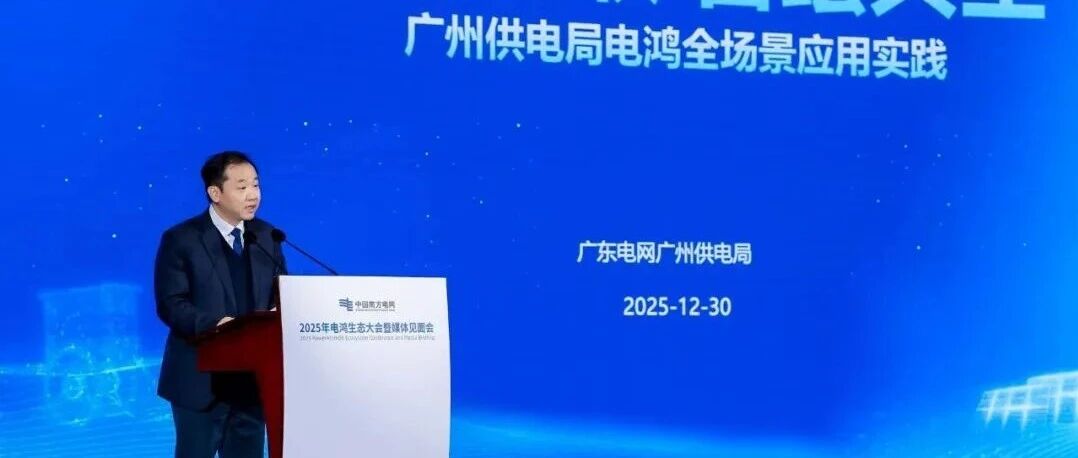
刘智勇:广州电鸿全场景应用 赋能新型电力系统建设
中国能源报· 2025-12-31 07:36
Core Viewpoint - The article discusses the "Electric Hong Ecosystem" and its role in shaping the future of power IoT, emphasizing the need for a unified IoT operating system to address challenges in the power industry and enhance the new power system's capabilities [2][4]. Group 1: Key Developments in the Electric Hong Ecosystem - The Electric Hong Ecosystem aims to create a collaborative digital energy blueprint, with participation from over 400 representatives from various sectors [2]. - Guangzhou, as a national central city, serves as an ideal testing ground for the new power system due to its high load density and diverse scenarios [4]. Group 2: Innovations in Core Operations - The Electric Hong system has improved the efficiency of dynamic maintenance for over 55,000 power distribution areas by 90%, achieving a data accuracy rate of 98% [5]. - In the transmission sector, the system has enhanced smart inspection efficiency by over 50% and increased the timely identification rate of external hazards by 70% [5]. Group 3: Collaboration and Data Sharing - The implementation of the Electric Hong system has transformed monitoring operations into a "transparent factory," increasing operational efficiency by over 80% through real-time data sharing with manufacturers [6]. Group 4: Enhancements in Service Delivery - A new power IoT architecture has been established to address issues with traditional charging stations, resulting in a 10% increase in the comprehensive utilization rate of clean energy [7]. - The Electric Hong system has facilitated real-time carbon emission calculations for electricity consumption, generating 5,743 carbon rating reports and saving companies over 5 million yuan in financing costs [7]. Group 5: Expanding the Energy Service Ecosystem - The Electric Hong system has reduced the commissioning time for micro-energy networks from 90 days to 30 days, improving interaction efficiency with the grid [8]. - The system has supported the successful power supply for major events, ensuring zero power interruptions during the 15th National Games [8]. Group 6: Future Outlook - The Guangzhou Power Supply Bureau plans to continue enhancing the Electric Hong ecosystem by focusing on core operations, collaboration, service delivery, and expanding the energy service ecosystem [8].