民生保障

Search documents
市委经济工作会议举行
Nan Jing Ri Bao· 2025-12-25 02:05
会议指出,今年以来,全市上下深入贯彻习近平总书记对江苏工作重要讲话精神,坚决落实党中央 决策部署和省委、省政府工作要求,着力打好"三大关键仗""三大攻坚仗",经济运行稳中有进、质效提 升、动能增强,各项工作取得新进展新业绩,经济社会发展迈上新台阶。成绩的取得,根本在于以习近 平同志为核心的党中央领航掌舵,在于习近平新时代中国特色社会主义思想科学指引,是全市上下凝心 聚力、攻坚突破、真抓实干、说到做到的结果。 12月24日,市委经济工作会议举行。会议深入学习贯彻中央经济工作会议精神,落实省委经济工 作会议部署,总结今年经济工作,分析当前经济形势,部署明年经济工作。市委书记周红波讲话,代市 长李忠军作会议总结,市人大常委会主任吕德明、市政协主席王立平、市委副书记李佰平出席。 会议指出,明年是"十五五"开局之年,做好明年经济工作,要按照中央经济工作会议和省委经济工 作会议部署,深入贯彻落实习近平总书记对江苏工作重要讲话精神,坚持稳中求进工作总基调,持续扩 大内需、优化供给,做优增量、盘活存量,因地制宜发展新质生产力,着力稳就业、稳企业、稳市场、 稳预期,持续打好经济强基提振、产业科技创新、改革集成突破"三大关键仗" ...
以更实更细的工作提升元旦春节民生温度
Xin Lang Cai Jing· 2025-12-24 17:47
近日,中共中央办公厅、国务院办公厅印发了《关于做好2026年元旦春节期间有关工作的通知》, 从"关心困难群众生产生活""确保市场供应平稳有序""丰富群众精神文化生活""保障群众平安便捷出 行""狠抓安全生产责任落实""全力维护社会大局稳定""持续纠'四风'树新风""认真做好值守应急工作"等 八个方面提出具体要求。 关心关爱困难群众。元旦春节期间,对于困难群众而言,正是他们渴望温暖与关怀的特殊时刻。要关心 关爱困难群众,为困难群众雪中送炭、解燃眉之急,拉近干群距离、融洽党群关系,架设起一道联结党 心民意的桥梁。关心关爱困难群众,既要全面落实各项社会救助政策,按规定及时足额发放救助金,加 大临时救助力度,对遭遇突发性、紧迫性困难的群众,及时给予基本生活保障,也要突出重点,加强对 特殊困难老年人、残疾人、困境儿童等群体的走访慰问和关爱帮扶,扎实开展治理欠薪冬季行动,对就 业困难人员实施就业援助。要用心用情用力做好救助帮扶工作,让关心关爱直达困难群体,沉甸甸的民 生答卷将让元旦春节更显温暖祥和。 2026年是"十五五"规划开局之年。统筹做好2026年元旦春节期间各项工作,办好顺民意、惠民生、暖民 心的实事,确保人民群 ...
明年全省2300万人身份证到期 广东公安九项措施解决“换证难”
Nan Fang Ri Bao Wang Luo Ban· 2025-12-24 08:00
Group 1 - The Guangdong Provincial Public Security Department has launched the Guangdong People's Hotline to address key livelihood issues such as ID card renewal, exit and entry services, anti-fraud measures, and Spring Festival travel support [1] - Guangdong is currently experiencing a peak period for ID card renewals, with a projected 23 million people needing to renew their IDs in 2026, which translates to one in five residents requiring renewal [1][2] - The main demographic for ID card renewals consists of individuals born in the 1960s and 1970s, whose ID cards are expiring after 20 years of validity [1] Group 2 - The Provincial Public Security Department has introduced nine convenient service measures to facilitate ID card renewals, including proactive reminders, extended service hours, and on-site services for concentrated groups [2] - Additional measures include online processing for those who have already provided fingerprints, cross-province processing for individuals from other provinces, and expedited services for urgent travel needs [2] - In addition to ID card services, the department reported over 470 million exit and entry trips at Guangdong ports in the first 11 months of the year, with a significant decrease in criminal cases and an increase in public safety perception [3]
坚定信心 勇挑大梁丨丛台区编织让群众满意的幸福图景
Xin Lang Cai Jing· 2025-12-24 00:17
Core Insights - The article highlights the efforts of Congtai District in addressing pressing public concerns through targeted initiatives in employment, urban governance, and public amenities, resulting in tangible improvements in residents' quality of life [1][12] Employment Initiatives - Employment is emphasized as a fundamental aspect of livelihood, with the district offering free training programs for in-demand skills such as childcare, which can lead to monthly incomes of 7,000 to 8,000 yuan [2][5] - A total of 20 training sessions have been conducted, benefiting 1,284 individuals, including 658 rural workers and 410 unemployed persons who successfully found re-employment [5] - Innovative recruitment methods have been implemented, including special job fairs and online recruitment events, helping over 5,000 individuals secure jobs [5] Urban Governance and Parking Solutions - Congtai District has made significant improvements in parking management, addressing previous challenges by creating 3,300 new parking spaces and enhancing existing facilities [8] - The district has established 57 non-motorized vehicle parking areas, totaling 7,823 meters, and has upgraded 5,481 parking spots in 30 parking lots [6][8] Public Amenities Enhancement - A public toilet improvement initiative has been launched, focusing on cleanliness and accessibility, with 135 toilets undergoing upgrades to include features like automatic paper dispensers and mother-baby rooms [11] - The district has implemented a meticulous management approach to ensure the quality of public toilet services, including regular maintenance and sanitation measures [11][12]


锚定“急难愁盼” 政策精准发力筑牢民生底线
Xin Lang Cai Jing· 2025-12-23 23:14
Group 1: Economic Policy Focus - The Central Economic Work Conference emphasizes prioritizing people's livelihoods, focusing on employment and healthcare as core areas for economic work in the coming year [1][2] - A series of key deployments include actions to stabilize and expand employment, particularly for key groups such as college graduates and migrant workers [1][2] Group 2: Employment Strategies - Future employment efforts will focus on resolving structural employment issues, enhancing the alignment of university education with economic development, and providing targeted skills training [2] - The conference encourages support for flexible employment and new employment forms, allowing these workers to participate in social insurance without changing their employment methods [2] Group 3: Healthcare Reforms - The conference outlines important healthcare reforms, including optimizing drug procurement, deepening medical insurance payment reforms, and implementing long-term care insurance [2][3] - The National Health Commission emphasizes practical measures to invest in human resources, stabilize birth rates, and enhance healthcare services [3] Group 4: Medical Insurance Development - The focus of medical insurance reform will shift from expanding coverage to improving quality, aiming to reduce patient burdens while enhancing efficiency for medical institutions [4][5] - The National Medical Insurance Administration plans to consolidate universal coverage and promote the integration of commercial health insurance with basic medical insurance [4]
82.93%支出用于民生“真金白银”回应民生关切
Xin Lang Cai Jing· 2025-12-23 20:11
Core Insights - The article highlights the significant improvements in public welfare and living conditions in Yushu City, driven by substantial government investment in education, healthcare, and social services [2]. Group 1: Education - Since the beginning of the 14th Five-Year Plan, Yushu City's fiscal spending on public welfare has consistently exceeded 82.93%, focusing on effective implementation of welfare initiatives [2]. - The gross enrollment rate for preschool education has reached 91.5%, while the retention rate for compulsory education stands at 97.51%, and the gross enrollment rate for high school education is at 92.7% [2]. - A total of 356 million yuan has been invested in 39 projects for new construction, expansion, and renovation, alongside improvements in campus heating and food safety [2]. Group 2: Healthcare - The healthcare services have been upgraded and the medical network at the county, township, and village levels has been strengthened, consolidating the achievements in the prevention of major infectious and endemic diseases [2]. - The implementation of "legal health insurance" has been prioritized, ensuring comprehensive coverage of basic medical care, serious illness insurance, and medical assistance [2]. Group 3: Employment and Social Services - Employment initiatives have been effectively targeted, resulting in the creation of 304 new urban jobs and 1,908 instances of labor transfer from rural areas [2]. - The employment rate for college graduates remains stable at 92% [2]. - Various measures have been taken to enhance social services for the elderly and children, including renovations of service facilities and the operation of community meal service points [2].
从中央经济工作会议看增进人民福祉着力点
Xin Lang Cai Jing· 2025-12-23 02:31
Group 1 - The central economic work conference emphasizes the importance of people's livelihood, focusing on stabilizing employment, strengthening guarantees, and implementing practical measures to enhance welfare [1] - The conference outlines actions to stabilize employment, particularly for key groups such as college graduates and migrant workers, and encourages flexible employment personnel to participate in social insurance [2][4] - The initiative to enhance employment quality includes a collaborative approach between government, educational institutions, and enterprises to develop skilled talent, which is crucial for rapid business growth [3] Group 2 - The conference addresses essential aspects of the social welfare system, including education, healthcare, and elderly care, aiming to alleviate the burden on families [5] - Measures to optimize drug procurement and reform medical insurance payment methods are proposed to ensure access to affordable and quality medications [5] - The implementation of long-term care insurance and support for vulnerable groups is highlighted, with local initiatives providing home care services for the elderly [7] Group 3 - The conference promotes high-quality development to ensure that the benefits of growth are equitably shared among the population, with a focus on urbanization and rural revitalization [8] - Environmental sustainability is prioritized, with initiatives aimed at achieving carbon neutrality and promoting green transformation, which also supports economic growth [10] - The construction of quality housing is encouraged, with policies aimed at improving living conditions and meeting the evolving needs of the population [11]
群众工作札记丨规范高龄津贴发放
Zhong Yang Ji Wei Guo Jia Jian Wei Wang Zhan· 2025-12-23 00:14
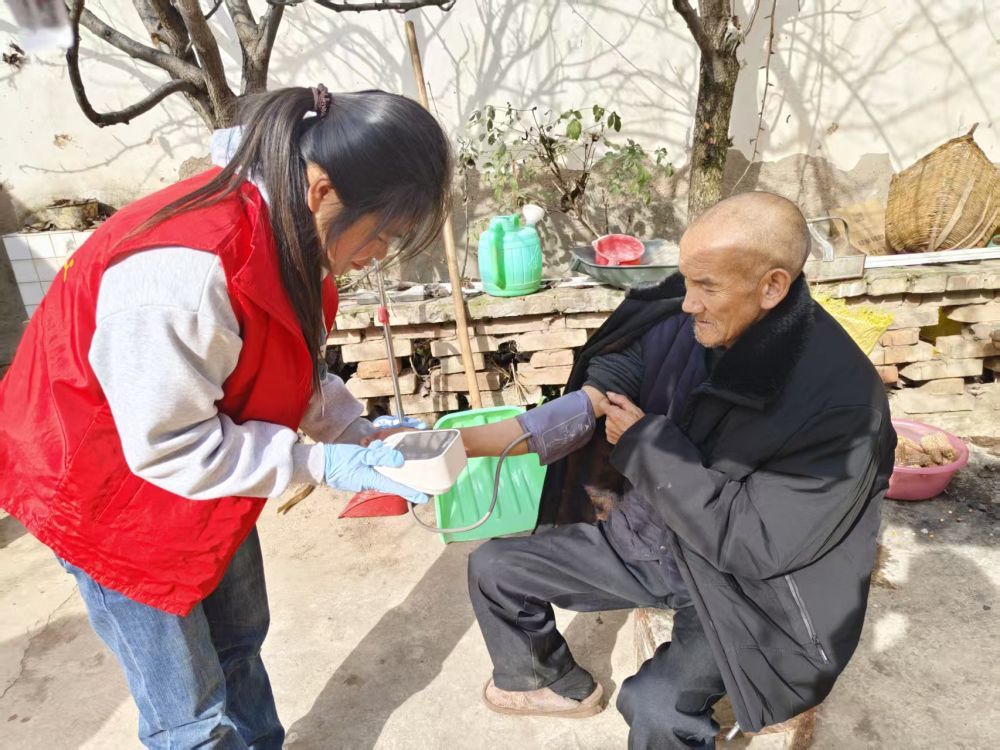
Core Viewpoint - The implementation of the elderly subsidy policy has significantly improved the quality of life for senior citizens, with a focus on ensuring accurate and timely distribution of benefits [1][2]. Group 1: Policy Implementation and Monitoring - The county's disciplinary inspection and supervision commission identified issues with the elderly subsidy distribution, including cases where subsidies continued after the death of recipients [1]. - A comprehensive review of elderly information from 2020 to 2024 revealed that 198 eligible seniors had not received their subsidies, prompting corrective actions [1]. - The county has established a proactive notification mechanism to enhance awareness of the subsidy policy, utilizing various communication methods to optimize the application process [1]. Group 2: Addressing Mismanagement and Enhancing Efficiency - The county's civil affairs bureau was prompted to halt and recover funds related to subsidies issued posthumously, with disciplinary actions taken against 37 staff members for inadequate performance in subsidy verification [2]. - To prevent future issues, the county has shifted from quarterly to monthly updates of subsidy recipient information and changed the payment frequency from biannual to monthly [2]. - The introduction of an "immediate enjoyment" service platform allows for automatic identification of eligible seniors, ensuring that all entitled individuals receive their benefits without omissions [2]. Group 3: Continuous Improvement and Oversight - The county is committed to addressing systemic issues by analyzing staff conduct and enhancing daily supervision and institutional mechanisms [3]. - Regular follow-up reviews and random checks will be conducted to ensure the effective and compliant operation of the elderly subsidy distribution process [3].
省委经济工作会议举行坚持稳中求进提质增效 确保“十五五”良好开局信长星讲话 刘小涛作会议总结 张义珍出席
Xin Hua Ri Bao· 2025-12-22 23:16
Core Viewpoint - The meeting emphasized the importance of maintaining economic stability and growth in Jiangsu Province, highlighting the need for strategic planning and implementation of policies to ensure a successful start to the 14th Five-Year Plan [1][2][3]. Economic Performance and Outlook - Jiangsu's economy has shown resilience and vitality, successfully navigating various challenges over the past five years, with significant achievements in high-quality development [1][2]. - The meeting acknowledged the complex global and domestic economic landscape but affirmed the long-term positive trends supporting China's economy, particularly in Jiangsu [2][3]. Strategic Focus for 14th Five-Year Plan - The meeting outlined the necessity to adhere to the guiding principles of Xi Jinping's thought, emphasizing the importance of expanding domestic demand, optimizing supply, and enhancing both qualitative and quantitative economic growth [2][3]. - Key strategies include deepening reform and opening up, stabilizing employment and market expectations, and ensuring social harmony [2][3][4]. Policy Implementation - The meeting stressed the need for a coordinated approach to policy support and innovation, focusing on enhancing the foundation of the real economy and fostering self-innovation capabilities [3][4]. - Specific actions include boosting consumer demand, promoting major projects, and enhancing the integration of technology and industry [4][5]. Regional Development and Coordination - Emphasis was placed on promoting coordinated development across regions, particularly in the Yangtze River Delta and other key areas, to enhance urban-rural integration and overall economic synergy [4][5]. - The meeting highlighted the importance of expanding high-level foreign trade and investment, aiming for quality improvements in these sectors [5][6]. Social Welfare and Stability - The meeting underscored the commitment to improving people's livelihoods, ensuring employment stability for key groups, and enhancing public resource allocation [5][6]. - It called for a focus on education, healthcare, and social services to promote common prosperity and social stability [5][6].
坚持民生为大——从中央经济工作会议看增进人民福祉着力点
Xin Hua She· 2025-12-22 23:13
Group 1: Employment Stability - The central economic work conference emphasizes the importance of employment as a fundamental aspect of people's livelihoods, proposing actions to stabilize and expand job opportunities, particularly for key groups like college graduates and migrant workers [2][4] - The implementation of actions to stabilize and expand employment is a response to current employment challenges and aims to enhance job quality and support flexible employment [2][4] Group 2: Social Security and Welfare - The conference outlines measures to improve the social security system, focusing on education, healthcare, and elderly care, which are critical to the well-being of families [5][7] - Initiatives include optimizing drug procurement and healthcare payment reforms to reduce medical costs for the public, as well as enhancing educational resource allocation to meet changing demographics [5][8] Group 3: Housing and Urban Development - The conference promotes urbanization and rural revitalization, with a focus on improving living conditions and ensuring that development benefits all citizens [10][12] - Measures include encouraging the acquisition of existing housing for public welfare and reforming housing provident fund systems to support the construction of quality housing [11][12] Group 4: Environmental Sustainability - The conference stresses the importance of ecological protection and green development, advocating for initiatives that balance economic growth with environmental sustainability [11] - Local governments are encouraged to explore new paths for ecological prosperity while enhancing the quality of life for residents through green projects [11]