
知识产权保护

Search documents
跨越“死亡之谷”:知识产权如何从“数量大国”迈向“价值强国”?
第一财经· 2025-12-27 01:38
Core Viewpoint - Innovation is the primary driving force for development, and intellectual property (IP) is the core institutional arrangement that guarantees and incentivizes continuous innovation. China is transitioning from a major IP importer to a strong IP creator, focusing on quality over quantity in IP development [3]. Group 1: Challenges in IP Transformation - There exists a "valley of death" between the vast number of patents and their successful commercialization, highlighting a critical pain point in the current IP landscape [5]. - Universities face challenges in translating research outcomes into practical applications, often lacking incentives for researchers to pursue commercialization [6]. Group 2: Strategies for Overcoming IP Challenges - A new approach is needed for IP transformation, emphasizing collaboration between academia and industry to align research with market needs [7]. - The National Intellectual Property Administration is promoting three key initiatives: deepening patent open licensing trials, building a comprehensive IP financial ecosystem, and enhancing data-driven matching of supply and demand [8]. Group 3: IP Management in Listed Companies - Listed companies face three main challenges: a large number of patents that lack quality and competitive barriers, potential disputes due to inadequate IP due diligence in mergers and acquisitions, and a focus on closed R&D rather than open innovation [9]. - Companies should adopt three strategic shifts: prioritize quality in patent development, integrate IP departments into strategic decision-making, and invest in early-stage technology projects through corporate venture capital [10]. Group 4: Case Studies of Effective IP Management - EVE Energy has established a comprehensive IP management system that supports its competitive advantage in the cylindrical battery sector, ensuring protection across the entire production and sales process [10]. - New Industries emphasizes proactive engagement of IP departments in the R&D process, providing insights that enhance innovation and mitigate risks [11]. - High-tech companies like Han's Laser focus on developing high-quality patents, discarding outdated ones to maximize the value of their IP [11]. Group 5: Evolving IP Dispute Resolution - The landscape of IP dispute resolution is becoming more complex, especially for companies expanding internationally, necessitating awareness of varying legal protections in different markets [12]. - Companies are encouraged to adopt arbitration clauses to manage disputes effectively while promoting their technologies abroad [12].



聚焦知识产权服务人工智能等 北京多部门协同推进新业态发展
Xin Lang Cai Jing· 2025-12-26 15:55
Group 1 - The establishment of the Artificial Intelligence Large Model Industry Intellectual Property Promotion Center is supported by 700 high-value patents to empower the development of small and medium-sized enterprises [3] - The center has been recognized for seven cases, including "AI tools empowering patent open licensing," which will be included in the 2025 National Intellectual Property Administration's excellent cases for patent transformation and application [3] - The first national case of "AI-generated image" infringement has been properly adjudicated, exploring the legal status of AI-generated products [3] Group 2 - A collaborative governance mechanism in the copyright field has been established by 13 units to enhance rapid protection against online copyright infringement [4] - The market supervision department will focus on the livelihood sector and new business models to improve enforcement efficiency and strengthen the protection of intellectual property across the entire chain [4] - The Haidian District is accelerating the construction of a modern industrial system led by artificial intelligence, emphasizing the integration of technology innovation and industry innovation [5] Group 3 - The first domestic group standard for intellectual property in the field of generative artificial intelligence has been published, along with guidelines for intellectual property protection in AI drug development [5] - The promotion of intellectual property operation centers in the AI industry aims to guide the standardized development of the industry and explore practices for protecting intellectual property in emerging fields [5]
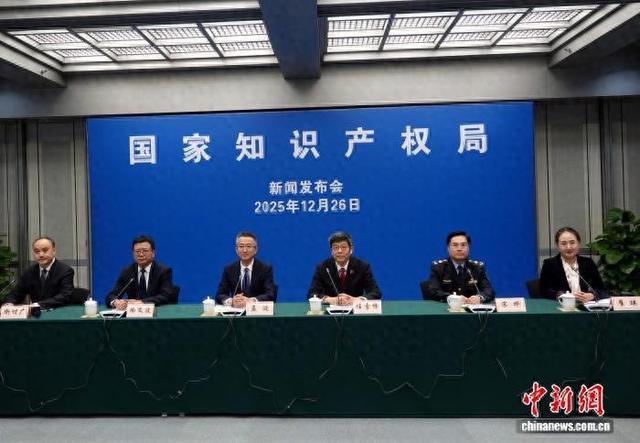
跨越“死亡之谷”:知识产权如何从“数量大国”迈向“价值强国”?
Di Yi Cai Jing· 2025-12-26 15:40
Group 1 - The core viewpoint is that China is transitioning from a country that primarily imports intellectual property to one that creates it, emphasizing the importance of transforming, protecting, and resolving disputes related to intellectual property [1] - Innovation is identified as the primary driver of development, with intellectual property serving as the core institutional arrangement to ensure and incentivize continuous innovation [1] - The need for effective mechanisms to prevent a large number of patents from becoming dormant is highlighted, along with the importance of establishing a robust intellectual property protection system for listed companies [1] Group 2 - The concept of a "valley of death" is introduced, representing the gap between the large number of patents and their successful commercialization [2] - Universities face challenges in translating research outcomes into practical applications, often lacking incentives for researchers to pursue commercialization [2] - Collaboration between academia and industry is emphasized as a necessary strategy to bridge the gap between research and market needs [3] Group 3 - The National Intellectual Property Administration is actively promoting three initiatives: deepening patent open licensing trials, building a comprehensive intellectual property financial ecosystem, and enhancing data-driven matching services [3][4] - The financial service system for intellectual property will be improved, with a focus on providing tailored services to meet enterprise needs and facilitating the transformation of patents into practical applications [4] Group 4 - Listed companies face three main challenges regarding intellectual property: the abundance of patents lacking quality, potential disputes arising from inadequate due diligence during mergers and acquisitions, and a tendency to focus solely on internal R&D without engaging in open innovation [5] - Strategic shifts for listed companies include prioritizing quality over quantity in patent applications, integrating intellectual property departments into strategic decision-making, and investing in early-stage technology projects through corporate venture capital [6] Group 5 - Companies like EVE Energy have established comprehensive intellectual property management systems that cover the entire process from research and development to market collaboration, ensuring the protection and commercialization of innovations [6][7] - The role of intellectual property departments is evolving from reactive to proactive, with a focus on deep integration with R&D to provide insights and guidance for innovation [7] - High-quality patents are essential for protecting innovations, and companies are encouraged to discard outdated patents to focus on valuable intellectual property [7] Group 6 - The landscape of intellectual property disputes is becoming more complex, especially for companies operating internationally, necessitating a strategic approach to dispute resolution [8] - Companies are advised to consider the legal protections in overseas markets and the associated costs of enforcing rights, with an emphasis on bringing disputes back to familiar jurisdictions [8]
如何深化知识产权全环节改革?国家知识产权局解码北京实践
Xin Lang Cai Jing· 2025-12-26 10:49
Core Insights - Knowledge property is a significant indicator of urban innovation strength and vitality, with Beijing leading the nation in high-value invention patents per capita at 171.8 as of June 2023 [1] Group 1: Patent Utilization and Financial Services - The State Council's action plan (2023-2025) aims to activate dormant patents from universities and research institutions to promote the growth of SMEs [2] - Beijing has organized a comprehensive inventory of over 249,000 patents, with more than 160,000 entering a convertible patent resource database, and has issued over 3,800 patent open licensing statements [2] - A multi-tiered intellectual property financial service system has been established, including a risk compensation fund for patent pledge financing, resulting in over 1,000 intellectual property transactions worth more than 5 billion yuan [2] - Patent transfer and licensing in Beijing increased by 7% year-on-year in the first half of 2025 [2] Group 2: Legal Protection and Enforcement - Beijing has intensified intellectual property protection efforts, exemplified by landmark cases such as the first "AI-generated image" infringement case, clarifying rules for new technologies [3] - Over the past five years, more than 3,700 intellectual property infringement cases have been prosecuted, effectively deterring violations [3] Group 3: Collaborative Development and Governance - A multi-level collaborative development framework for intellectual property is being formed, with cooperation agreements signed among the Beijing-Tianjin-Hebei region [4] - Beijing has established a public service system for intellectual property with 111 service stations and 75 information service points, achieving comprehensive coverage [4] - A collaborative governance mechanism in the copyright sector has been created, allowing for rapid infringement link processing within 24 hours [4]
护航“十四五” 奋进新征程
Xin Lang Cai Jing· 2025-12-25 23:32
Group 1 - The integration of online and offline services for driving license examination has served over 196,000 people in the past two years, maintaining a "zero complaint" record [1] - The introduction of 20 measures to support enterprises, along with the "Zhuqi Anjia" platform, provides one-stop safety services for businesses [1] - The establishment of intellectual property protection centers in various regions has created a collaborative environment for legal and business operations [1] Group 2 - The implementation of the "Fengqiao Experience" in law enforcement emphasizes a balance of strictness and warmth, earning recognition as a top unit for law enforcement quality [2] - The "Minsheng One-Click" initiative has led to a 17.8% decrease in reported complaints, with a 90% on-site resolution rate for "Minsheng" matters [2] - A collaborative safety framework involving government, schools, families, and society aims to reduce student traffic fatalities by 62.5% by 2025 [2] Group 3 - The "first violation not penalized" policy has resulted in over 15,000 cases of first-time offenders being exempt from penalties [3] - The upgrade of the law enforcement case management center aims to streamline the handling of simple criminal cases [3] - The establishment of emergency response units in schools and hospitals enhances community safety through collaborative efforts [3] Group 4 - The commitment to building a safer and more lawful Jiaxing is aimed at achieving significant progress towards common prosperity and modernizing the city [4]
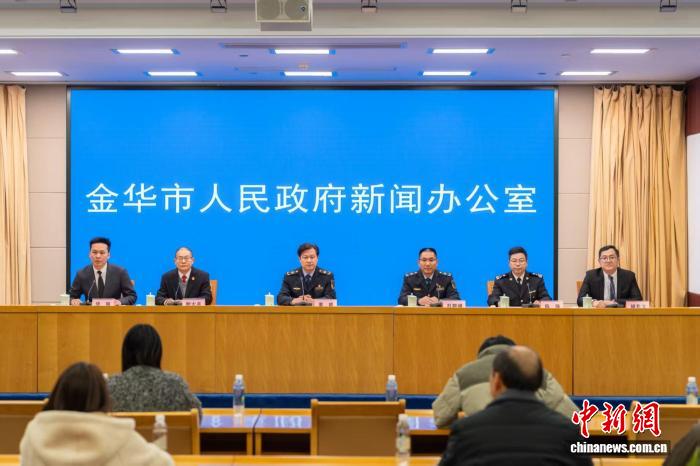
今年浙江金华PCT国际专利申请量增速位居该省第一
Zhong Guo Xin Wen Wang· 2025-12-25 15:24
Group 1 - Jinhua City has authorized 32,000 new patents this year, ranking fourth in Zhejiang Province, with a 66% year-on-year increase in PCT international patent applications, the highest growth rate in the province [1][3] - Intellectual property is increasingly recognized as a core element connecting innovation and market, protecting innovative achievements, and empowering industrial upgrades, highlighting its strategic importance in high-quality development [3] - Jinhua is a national model city for intellectual property strength and the only prefecture-level city in China with two national overseas intellectual property dispute response guidance centers [3] Group 2 - The city has achieved a total foreign trade import and export value of 965.8 billion yuan in the first 11 months of the year, reflecting a 19.8% year-on-year growth [4] - Jinhua is enhancing its foreign-related intellectual property service system, including the establishment of overseas service stations in Kyrgyzstan, Dubai, Frankfurt, and Manila, to support local enterprises in international markets [4] - The city has monitored 113 trademarks at risk of malicious registration and issued 26 risk warning reports this year, aiming to safeguard various innovative entities going abroad [4]
打造超大城市开放型经济发展的“法治名片”
Xin Lang Cai Jing· 2025-12-25 12:14
Group 1 - The article emphasizes the importance of the rule of law as a crucial guarantee for economic and social development during the "14th Five-Year Plan" period, as outlined by the 20th Central Committee of the Communist Party of China [2] - The Shanghai courts are actively implementing the spirit of the 20th Central Committee by focusing on judicial practices that serve the public and support economic development [6][24] - Shanghai courts are recognized for their high standards in judicial practices, including specialized, international, and digital approaches, which contribute to the city's open economy [6][21] Group 2 - The Shanghai courts have received over 130,000 first-instance intellectual property cases from January 2023 to November 2023, with punitive damages in such cases increasing by 109.5% in number and 63.6% in amount year-on-year [11] - The courts are implementing reforms to enhance the business environment, including rapid resolution of enterprise disputes and clarifying information related to corporate litigation [11][12] - Shanghai's judicial independence and recognition have achieved top scores in global assessments, reflecting the effectiveness of its legal environment for businesses [11] Group 3 - The Shanghai Maritime Court is advancing specialized maritime judicial practices to establish itself as a preferred location for international commercial and maritime dispute resolution [12] - The establishment of the Shanghai International Commercial Court marks a new phase in the professional development of foreign-related commercial trials, with over 1,940 cases accepted and a total amount involved exceeding 27 billion yuan [13] - The courts are integrating technology into judicial processes, developing over 1,800 digital applications to enhance judicial efficiency and support regional development [21][22] Group 4 - The Shanghai courts are innovating grassroots governance by integrating judicial functions into community settings, such as using mobile courts and legal education initiatives [16][19] - The focus on resolving disputes at the grassroots level aligns with national strategies to address conflicts early and effectively [15][19] - The collaboration between the courts and educational institutions aims to cultivate legal talent and enhance practical legal education [22]

湖南省市场监管局公布2025民生领域“铁拳”行动典型案例(第十二批)
Xin Lang Cai Jing· 2025-12-25 05:02
Group 1 - The provincial market supervision system has focused on addressing significant consumer issues and has effectively cleaned up the market environment through actions like "Iron Fist Action" and "Sword Casting Action" [1] - A series of typical cases have been published to highlight the enforcement of consumer rights and market regulation [1] Group 2 - In a case from Chenzhou, a jewelry store was fined 5,100 yuan for using unverified measuring instruments and underweight transactions during a gold buyback [2][3] - The case emphasizes the importance of accurate measurement in ensuring fair transactions and the need for regulatory oversight in everyday consumer interactions [3] Group 3 - In a case from the Tongdao Dong Autonomous County, a clothing company was penalized for producing and selling unqualified school uniforms, resulting in a fine of 19,420 yuan and the confiscation of illegal gains [4][5] - This case highlights the critical nature of school uniform quality and the necessity for a comprehensive quality supervision system from production to procurement [5] Group 4 - A factory in Huaihua was penalized for producing packaging for "Rongsheng Electric" without authorization, leading to a fine of 18,000 yuan and the confiscation of infringing molds [7][8] - The case serves as a significant example of intellectual property enforcement and the importance of verifying trademark authorization in the packaging industry [8][9] Group 5 - A bean product distribution center in Loudi was fined 50,000 yuan for operating without a food production license and failing to meet food safety standards, despite the products passing quality checks [11][12] - This case underscores the importance of compliance with food safety regulations and the need for strict adherence to production licensing and labeling requirements [12] Group 6 - A food store in Changsha was penalized for using food additives beyond permitted limits and for evading regulatory investigations, resulting in a fine of 85,350 yuan and the revocation of its food business license [14][15] - The case illustrates the risks associated with process control failures in the food industry and the need for stringent enforcement to deter non-compliance [15]
聚焦“六优”目标护航法治化营商环境建设
Xin Lang Cai Jing· 2025-12-24 18:49
Group 1 - The core viewpoint of the news is the commitment of the Guizhou judicial system to enhance the legal business environment through a special action plan, focusing on the prosecution of crimes that harm enterprises, such as embezzlement and loan fraud [1][3] - In 2023, the Guizhou judicial authorities approved the arrest of 77 individuals and prosecuted 143 individuals for crimes against enterprises [1] - The special action includes the establishment of mechanisms for reviewing the necessity of detention in criminal cases involving enterprises and enhancing supervision of law enforcement activities [1][2] Group 2 - In terms of intellectual property protection, 17 cases involving 22 individuals were arrested, and 40 cases involving 64 individuals were prosecuted [2] - The judicial system has also addressed economic disputes by correcting 3 cases of illegal enforcement and supervising the filing of 6 criminal cases while dismissing 49 cases [2] - The Guizhou judicial authorities have received and processed 849 enterprise-related petitions through the 12309 prosecution service center [2][3] Group 3 - Various local prosecutorial agencies are focusing on specific industries, such as the construction industry and the phosphorus chemical industry, to provide tailored legal support [3] - The next steps involve continuing the special action to comprehensively support the legal business environment and respond to the legal needs of the public and enterprises [3]
成都如何“触发”下一个文化创意浪潮?对话“世界创意经济之父”约翰·霍金斯
Mei Ri Jing Ji Xin Wen· 2025-12-24 14:03
Core Insights - The article discusses the evolution and significance of the creative economy, highlighting its role in urban development and economic transformation, particularly in cities like Chengdu and London [1][2][4]. Group 1: Historical Context and Development - In 1997, the UK government elevated the creative economy to a national strategic level, influenced by John Howkins, who is recognized as a pioneer in the field [1]. - By 2025, Chengdu aims to become a major cultural and digital creative industry hub, reflecting a broader trend among developed nations to explore new development models based on the creative economy [1]. - The creative economy has become a pillar industry in the UK, rivaling the financial services sector, and the UK is now the second-largest producer of creative products globally, following the US [1]. Group 2: Current Trends and Observations - John Howkins emphasizes that the creative economy plays an increasingly essential role in social and economic transformation, advocating for cities to focus on developing this sector to shift away from traditional growth models [2][7]. - The creative economy encompasses various sectors, including advertising, media, architecture, film, art, sports, and tourism, and is driven by individual creativity, skills, and intellectual property [3][5]. - The UK aims to grow its creative industry by £50 billion and create an additional 1 million jobs by 2030, indicating a strong commitment to expanding this sector [5]. Group 3: Future Directions and Implications - Howkins notes that the creative economy is evolving beyond cultural and creative industries to encompass the entire economic landscape, especially with the rise of technologies like AI and big data [5]. - The shift in urban development from linear growth to a model that emphasizes human-environment co-evolution reflects a more human-centered approach, which is crucial for fostering creativity and innovation [7]. - Cities must recognize the changing social and cultural environments and provide better support for creative individuals, including improved living conditions and legal frameworks [7].