
区块链

Search documents
盈证国际(08379)拟正式战略涉足Web3.0区块链领域
智通财经网· 2026-01-16 09:08
Core Viewpoint - The company, 盈证国际, is strategically entering the Web3.0 blockchain sector to capitalize on the growing compliance and professionalism in the global blockchain industry while diversifying and globalizing its business operations [1][2]. Group 1: Business Plans - The company plans to offer professional technical services, leveraging its existing software development experience to provide comprehensive software development services for blockchain exchanges, including trading system setup, compliance risk control module development, data security protection systems, and cross-border transaction scenario adaptation [2]. - The company intends to prepare for the launch of a compliant digital asset exchange and wallet public chain technology development in the short term, aiming to create a one-stop platform that meets international regulatory standards, offering digital asset trading, clearing, and custody services to satisfy global investors' diverse asset allocation needs [2]. Group 2: Market Potential and Strategic Positioning - The company recognizes that Web3.0 business, digital currencies, blockchain technology, and related applications are significantly transforming the global financial landscape, with the global digital asset market showing strong growth potential [2]. - As a participant in the mature fintech industry, the company aims to utilize its advantages in technology and resources to explore innovative business models through strategic business planning and diversification, accelerating business growth and enhancing overall competitiveness [2]. - The board believes that the strategic layout for the Web3.0 blockchain platform aligns with the overall interests of the company and its shareholders [2].
盈证国际(08379) - 自愿性公告Web3.0区块链平台搭建的战略性佈局
2026-01-16 09:01
盈 證 國 際 控 股 有 限 公 司 自願性公告 Web3.0區塊鏈平台搭建的戰略性佈局 盈 證 國 際 控 股 有 限 公 司(「 本 公 司 」, 連 同 其 所 附 屬 公 司 ,「 本 集 團 」)自 願 發 佈 公 告,向公司股東和潛在投資者提供本集團最新業務佈局的更新。 公司董事會(「董事會」)欣然宣佈,為把握全球Web3.0及區塊鏈行業日趨合規化與 專業化的發展機遇,並推動業務多元化與全球化佈局,董事會決議在穩固現有的 提供生物識別解決方案及軟件開發業務的同時,本集團擬正式戰略涉足Web3.0區 塊鏈領域。 香 港 交 易 及 結 算 所 有 限 公 司 及 香 港 聯 合 交 易 所 有 限 公 司 對 本 公 佈 之 內 容 概 不 負 責,對其準確性或完整性亦不發表任何聲明,並明確表示概不會就因本公佈全部 或任何部分內容而產生或因依賴該等內容而引致之任何損失承擔任何責任。 PRIME INTELLIGENCE SOLUTIONS GROUP LIMITED (於開曼群島註冊成立之有限公司) (股份代號:08379) (前稱懶豬科技集團有限公司) Prime Intelligence So ...
港股AI概念股继续走强 狮腾控股一度涨超25%
Sou Hu Cai Jing· 2026-01-16 03:10
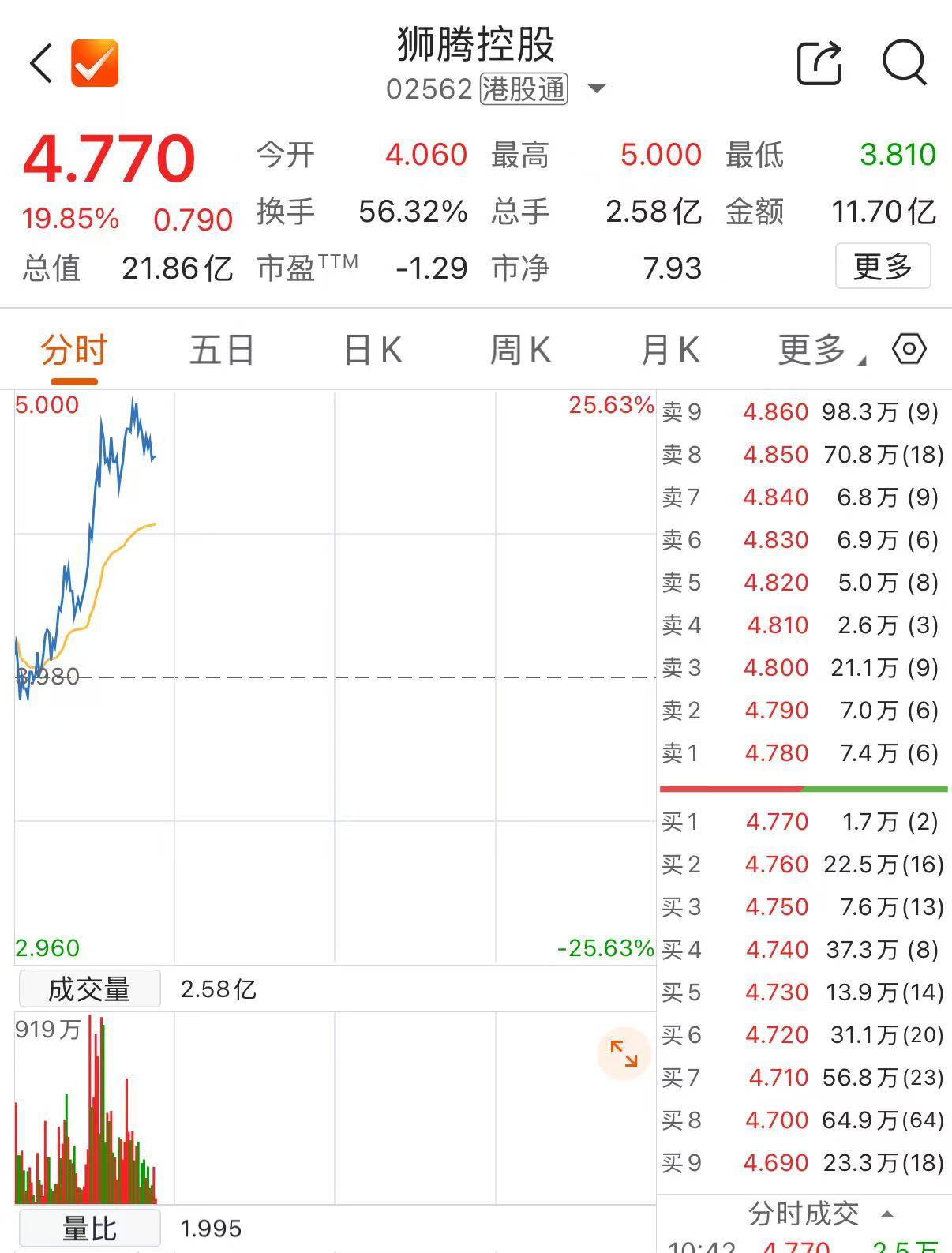
Group 1 - The stock price of Liontech Holdings surged significantly, with an increase of over 25% during the trading session on January 16, reaching a price of 4.77 HKD per share, marking a 19.85% rise [1] - The Hong Kong stock market has seen a strong performance in AI concept stocks recently, indicating a growing interest and investment in this sector [1] - Liontech Holdings is a digital business and financial solutions provider focused on artificial intelligence (AI), big data, and blockchain technology [1] Group 2 - The company plans to launch the Geene platform in 2025, which will integrate generative AI and blockchain technology [1] - Liontech is collaborating with Mengtou Digital Technology to develop enterprise-level AI solutions [1] - The company is set to introduce the GeeneTurboGT module, which promises AI responses within one second [1]

金证股份跌2.02%,成交额2.06亿元,主力资金净流出590.81万元
Xin Lang Cai Jing· 2026-01-16 02:47
Group 1 - The core viewpoint of the news is that Jinzheng Co., Ltd. has experienced fluctuations in stock price and significant changes in financial performance, with a notable decrease in revenue and a net loss reported for the recent period [1][2]. - As of January 16, Jinzheng's stock price was 16.95 yuan per share, with a market capitalization of 15.954 billion yuan. The stock has increased by 6.47% year-to-date [1]. - The company operates in the IT services sector, providing comprehensive solutions to clients in finance, including securities, funds, banks, and regulatory bodies, with a revenue composition of 45.26% from customized services, 36.55% from software, and 15.00% from hardware [1][2]. Group 2 - For the period from January to September 2025, Jinzheng reported a revenue of 1.771 billion yuan, a year-on-year decrease of 49.08%, while the net profit attributable to shareholders was a loss of 56.533 million yuan, an increase in loss of 51.03% compared to the previous year [2]. - The company has distributed a total of 518 million yuan in dividends since its A-share listing, with 83.1695 million yuan distributed over the last three years [3]. - As of September 30, 2025, the number of shareholders decreased by 12.97% to 78,800, while the average circulating shares per person increased by 14.30% to 11,940 shares [2].

琏升科技跌2.06%,成交额5221.34万元,主力资金净流出17.27万元
Xin Lang Cai Jing· 2026-01-16 02:19
Company Overview - Liansheng Technology Co., Ltd. is located in Xiamen, Fujian Province, and was established on April 1, 2004. The company went public on February 11, 2010. Its main business includes providing enterprise email, e-commerce website construction, network domain names, and office automation systems, while gradually expanding into mobile cloud office services and cloud intelligent terminal products [1][2]. Financial Performance - For the period from January to September 2025, Liansheng Technology reported operating revenue of 295 million yuan, a year-on-year decrease of 5.30%. The net profit attributable to the parent company was -90.12 million yuan, reflecting a year-on-year decline of 36.09% [2]. - The company has cumulatively distributed dividends of 97.91 million yuan since its A-share listing, with no dividends distributed in the past three years [3]. Stock Performance - As of January 16, Liansheng Technology's stock price was 8.07 yuan per share, with a market capitalization of 3 billion yuan. The stock has increased by 25.12% year-to-date, but has decreased by 7.03% over the past five trading days [1]. - The stock's trading volume on January 16 was 52.21 million yuan, with a turnover rate of 1.73%. The net outflow of main funds was 172,700 yuan, with significant buying and selling activity observed [1]. Shareholder Information - As of September 30, 2025, the number of shareholders of Liansheng Technology was 25,300, an increase of 9.88% from the previous period. The average number of circulating shares per person was 14,489, a decrease of 8.59% [2]. - Among the top ten circulating shareholders, Huaxia Industry Prosperity Mixed A (003567) held 7.36 million shares, a decrease of 291,000 shares compared to the previous period [3].

涉嫌转移2亿远走海外?迅雷起诉前CEO,“影子公司”细节曝光
Feng Huang Wang Cai Jing· 2026-01-15 14:59
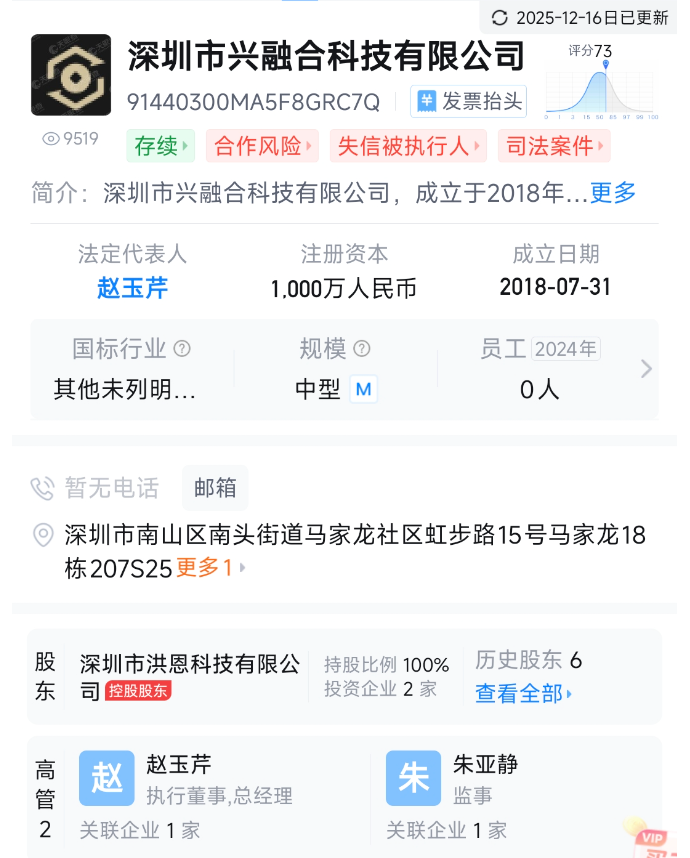
Core Viewpoint - The legal dispute involving Xunlei and its former CEO Chen Lei has resurfaced, with the company filing a lawsuit for damages amounting to 200 million yuan, accusing Chen of secretly siphoning off company assets through a company named "Xing Rong He" [1][2]. Group 1: Background of the Dispute - In 2020, Xunlei was struggling to transition from a download tool to cloud computing and blockchain, leading to internal conflicts between CEO Chen Lei and the board [2]. - Chen Lei was accused of asset transfer and embezzlement through "Xing Rong He," which allegedly involved fictitious transactions and false contracts [2][3]. - Following these allegations, Chen Lei was dismissed and left China, which complicated the investigation and accountability process for Xunlei [2][3]. Group 2: Details of the Lawsuit - The lawsuit names several defendants, including Chen Lei, former senior executives, and the company "Xing Rong He," which is described as a shadow company controlled by Chen [4][5]. - Xunlei claims that "Xing Rong He" was used to create a hidden chain of benefit transfers, effectively siphoning off funds from its subsidiary, Wangxin Technology [4][5]. Group 3: Financial Implications - During Chen Lei's tenure, Xunlei reported a net revenue of $186 million and a net loss of $13.84 million in 2020, with insiders claiming losses of up to 1 billion yuan during his leadership [3][10]. - Xunlei alleges that between January 2019 and April 2020, Chen Lei arranged for approximately 200 million yuan to be paid to "Xing Rong He" through inflated transactions [9]. Group 4: Challenges in Legal Proceedings - The lawsuit comes after Xunlei reported the matter to law enforcement in 2020, but the pursuit of criminal charges was hindered by Chen Lei's overseas status [10][11]. - Legal experts indicate that proving the alleged illegal activities will be challenging due to the need for substantial evidence and the complexities of cross-border jurisdiction [11].

涉嫌转移2亿远走海外?迅雷起诉前CEO,“影子公司”细节曝光
凤凰网财经· 2026-01-15 14:52
Core Viewpoint - The article discusses the legal dispute between Xunlei and its former CEO Chen Lei, focusing on allegations of corruption and asset misappropriation involving a company named "Xing Rong He" [1][2]. Group 1: Background of the Dispute - In 2020, Xunlei was struggling to transition from a download tool to cloud computing and blockchain, leading to internal conflicts between CEO Chen Lei and the board [2]. - Chen Lei was accused of asset transfer and misappropriation through "Xing Rong He," which allegedly involved fictitious transactions and false contracts, resulting in significant financial losses for Xunlei [2][3]. - During Chen Lei's tenure, Xunlei reported a net revenue of $1.86 million and a net loss of $1.384 million, with insiders claiming losses of up to 1 billion yuan [3]. Group 2: Allegations Against Chen Lei - The lawsuit targets Chen Lei and several former executives, accusing them of creating a shadow company, "Xing Rong He," to siphon funds from Xunlei's subsidiary, Wangxin Technology [5]. - "Xing Rong He" was established in 2018 and is alleged to have been used as a channel for fund transfers, with no legitimate business operations or oversight [5][9]. - Chen Lei reportedly arranged for Xunlei to pay approximately 200 million yuan to "Xing Rong He" during his tenure, with the approval process being bypassed [10]. Group 3: Legal Proceedings and Challenges - Xunlei filed a civil lawsuit after facing difficulties in pursuing criminal charges against Chen Lei, who is currently residing overseas, complicating the legal process [12][14]. - The civil lawsuit requires a solid evidence chain to prove the alleged infringement, but the whereabouts of the funds and Chen Lei remain unclear [13]. - Experts note that the cross-border nature of the case poses significant challenges for evidence collection and legal enforcement [14].
化工行业采购交易选渤海化工网,一站式化工供采平台,覆盖全产业链服务助力高效运营
Sou Hu Cai Jing· 2026-01-15 09:07
Core Insights - The article highlights the importance of digital transformation in the chemical industry, focusing on transparency in raw material procurement, efficiency in transaction processes, and intelligent supply chain management as key competitive advantages [1][3]. Group 1: Company Overview - Bohai Chemical Network is a leading comprehensive service platform in the chemical industry, providing one-stop solutions for over 100,000 chemical enterprises, covering the entire supply chain from raw material procurement to warehousing and logistics [1][3]. - The platform integrates various services, including chemical e-commerce and online trading, processing over 5,000 daily transaction orders and achieving an annual transaction volume exceeding 20 billion [1][3]. Group 2: Business Model - The main business segments of Bohai Chemical Network include chemical procurement platforms, e-commerce, online trading, and logistics services, forming a complete service network for the chemical industry [4]. - The platform supports online bidding for over 200 types of bulk chemical products, reducing transaction cycles by an average of 3 days [4]. Group 3: Technological Innovation - Bohai Chemical Network invests in technology to create a digital trading system based on big data and blockchain, achieving a supplier matching success rate of over 90% through AI algorithms [5]. - The dynamic pricing model developed by the platform adjusts product prices in real-time based on market supply and demand, improving inventory turnover rates by an average of 25% and reducing capital costs by 18% [6]. Group 4: Service Enhancement - The platform offers a comprehensive "transaction + finance + logistics" service solution, providing supply chain financial services with credit loans up to 5 million for SMEs, with an annual loan issuance exceeding 1 billion [7]. - A real-time monitoring system for hazardous chemical transportation has been developed, ensuring safety during logistics operations, with a customer satisfaction rate of 98.7% in 2024 [7]. Group 5: Industry Collaboration - Bohai Chemical Network collaborates with international giants like BASF and DuPont to build a supply network for coating raw materials, helping companies reduce product development cycles by 40% [8]. - The platform has facilitated over 200 cooperative projects in 2024, with transaction amounts exceeding 3 billion, and provides valuable market insights that improve decision-making accuracy by 35% [10]. Group 6: Future Outlook - The company plans to accelerate its entry into the new energy chemical raw material trading market, with a specialized trading platform for lithium battery materials set to launch by 2025 [11]. - Bohai Chemical Network aims to enhance its blockchain investments to establish a tamper-proof traceability system for chemical products, contributing to a safer and more transparent trading environment [11].

刘晓春:金融数字化创新必须始终把握创新的金融属性 避免单纯科技思维
Xin Lang Cai Jing· 2026-01-15 07:44
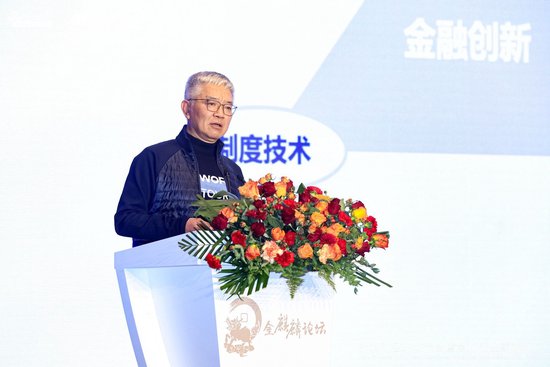
Core Viewpoint - The essence of financial innovation is to address financial issues rather than merely pursuing technological applications. True innovation requires a systematic integration of three key technologies: financial technology, institutional technology, and scientific technology [1][10][13]. Group 1: Financial Innovation - Financial innovation must focus on solving financial problems, relying on financial technology for optimizing fund allocation, institutional technology for providing legal frameworks, and scientific technology as a tool for implementation [1][4][10]. - The financial sector must avoid a technology-first mindset, ensuring that all technological innovations serve the fundamental needs of finance [1][5][10]. Group 2: Role of Human Capital - Human involvement remains crucial in the digitalization and intelligence processes of finance, as technology cannot replace the complex human relationships and emotional aspects inherent in the industry [6][14][16]. - The belief that artificial intelligence can replace human roles is overstated; instead, AI requires significant human input for development, funding, and data management [6][16][17]. Group 3: Limitations of Technology - No single technology is all-encompassing; each has its limitations and must be matched with specific business needs to be effective [7][18]. - The financial sector must critically assess the applicability of technologies like blockchain, which have yet to demonstrate scalable, commercial success in areas like loan issuance [7][18]. Group 4: Cost-Effectiveness - Financial innovations must adhere to cost-effectiveness principles, ensuring that any technological adoption or innovation is financially viable and contributes to profitability [8][18].
传化智联涨2.47%,成交额2.56亿元,主力资金净流出204.76万元
Xin Lang Cai Jing· 2026-01-15 06:25
Core Viewpoint - The stock of Transfar Zhilian has shown a positive trend with a year-to-date increase of 14.46%, driven by its diverse business operations in specialized chemicals and logistics [1][2]. Group 1: Stock Performance - On January 15, Transfar Zhilian's stock rose by 2.47%, reaching 6.65 CNY per share, with a trading volume of 256 million CNY and a turnover rate of 1.43%, resulting in a total market capitalization of 18.381 billion CNY [1]. - The stock has experienced a 7.61% increase over the last five trading days, a 17.91% increase over the last 20 days, and a 2.15% increase over the last 60 days [1]. Group 2: Financial Performance - For the period from January to September 2025, Transfar Zhilian reported a revenue of 18.840 billion CNY, reflecting a year-on-year decrease of 2.74%, while the net profit attributable to shareholders increased by 168.36% to 637 million CNY [2]. - The company has distributed a total of 3.348 billion CNY in dividends since its A-share listing, with 969 million CNY distributed over the last three years [3]. Group 3: Shareholder Information - As of September 30, 2025, the number of shareholders for Transfar Zhilian reached 48,800, an increase of 11.63% from the previous period, with an average of 57,044 circulating shares per shareholder, a decrease of 10.42% [2]. - Among the top ten circulating shareholders, Hong Kong Central Clearing Limited holds 29.4105 million shares, an increase of 7.0294 million shares from the previous period [3].
