数字化转型

Search documents
一夜关停!百年底蕴却成了拖油瓶?又一家老字号撑不住了
Xin Lang Cai Jing· 2026-02-14 12:36
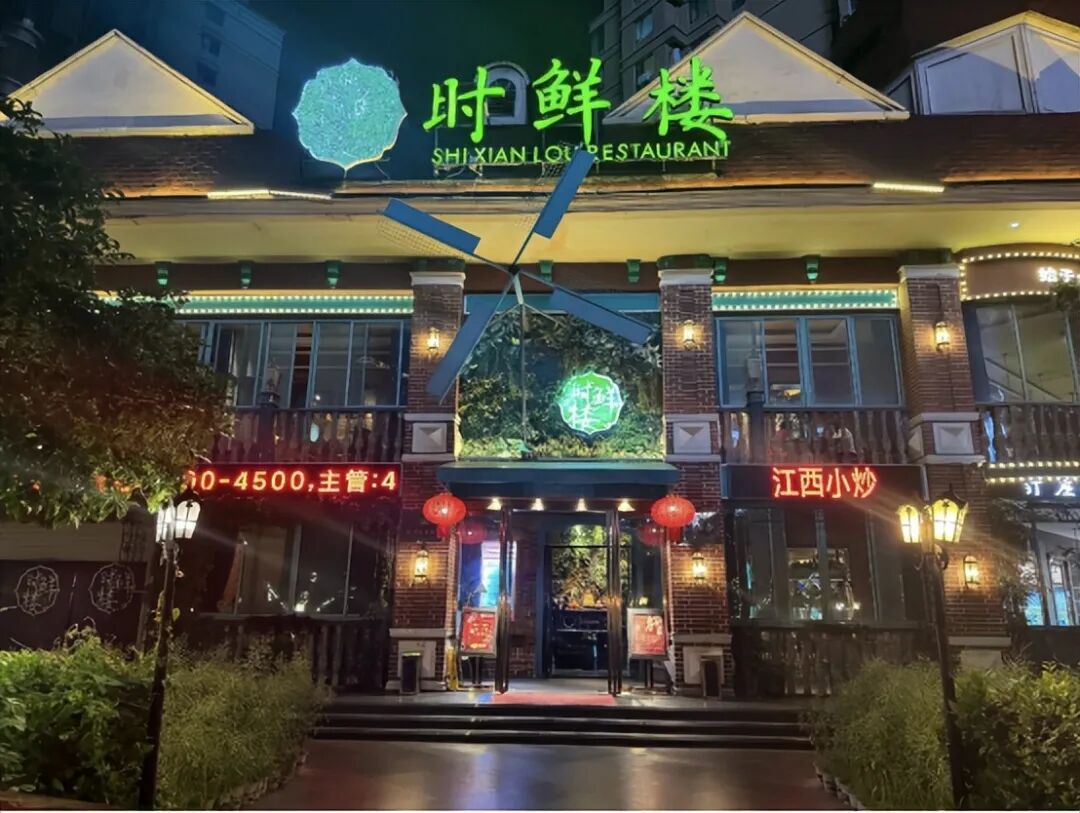
Core Insights - The article discusses the closure of a century-old restaurant, Nanchang Shixianlou, which has been a significant part of local culture and history for 107 years, highlighting the challenges faced by traditional brands in the modern market [3][5][32] Group 1: Company Overview - Nanchang Shixianlou was founded in 1919 by Bai Qilong, starting as a small dumpling vendor and eventually becoming a renowned dining establishment in Nanchang [3][5] - The restaurant was known for its rich culinary heritage and was a venue for significant life events for many locals, contributing to its strong brand identity [13][15] Group 2: Challenges Faced - The closure of Shixianlou is part of a broader trend affecting traditional restaurants across China, indicating a wave of closures among long-established brands [5][27] - The restaurant's struggles stem from a combination of historical burdens and the pressures of a rapidly digitizing market, leading to a disconnect between traditional practices and modern consumer expectations [7][21] Group 3: Business Model and Strategy - In 2017, Shixianlou attempted a digital transformation and expansion strategy, aiming to modernize its operations and reach a wider audience, but failed to effectively implement these changes [16][18] - The restaurant's heavy asset model clashed with contemporary consumer trends favoring lighter, more flexible dining options, leading to increased operational costs and reduced market relevance [21][23] Group 4: Brand Trust and Consumer Relations - The final blow for Shixianlou was its decision to aggressively market prepaid cards shortly before closing, which damaged consumer trust and led to significant backlash [25][26] - This action highlighted a failure to maintain the emotional and financial trust built over decades, ultimately contributing to the brand's downfall [26][32] Group 5: Lessons and Future Implications - The closure serves as a cautionary tale for other traditional brands, emphasizing the need for genuine digital transformation and innovation rather than superficial changes [35] - The article suggests that while traditional brands have valuable cultural assets, they must adapt to modern consumer preferences and operational efficiencies to survive [37]

奔驰中国换帅,告别“段建军时代”
Hua Er Jie Jian Wen· 2026-02-14 11:32
Core Viewpoint - The departure of段建军, the first local CEO of Mercedes-Benz in China, marks the end of an era, raising questions about the company's localization strategy. However, the transition to Daniel Lescow is seen as a strategic move to adapt to the evolving market dynamics in China, particularly in the context of increasing competition and the shift towards electrification and digitalization [2][3][4]. Group 1: Leadership Transition -段建军's resignation is attributed to personal reasons, with Daniel Lescow set to take over as CEO on March 1.段建军's tenure was characterized by a focus on brand marketing and maintaining sales resilience despite challenges [2][3]. - Lescow is recognized for his deep understanding of the Chinese market and has previously contributed to the transformation of the Smart brand, showcasing his ability to navigate both local and global business landscapes [3][4]. Group 2: Market Dynamics - The automotive market in China is undergoing significant changes, with a penetration rate of new energy vehicles exceeding 50%. This shift necessitates a more robust approach to innovation and resource allocation [3][4]. - Mercedes-Benz's sales in China saw a decline of approximately 19% year-on-year, with a total of about 575,000 vehicles delivered in the previous year. The company aims to focus on value chain optimization and improving local profitability moving forward [6]. Group 3: Strategic Focus - The company plans to launch over 15 new and updated models in China by 2026, marking its most aggressive product rollout in history. This reflects a shift in localization strategy from merely marketing to integrating R&D and supply chain considerations [7][8]. - Lescow's leadership is expected to enhance communication with the headquarters, allowing for quicker decision-making and resource allocation to meet the urgent demands of the Chinese market [9]. Group 4: Future Outlook - The transition from段建军 to Lescow symbolizes a new phase in Mercedes-Benz's localization strategy, emphasizing the need for a blend of Chinese technological advancements and German engineering excellence [8][9]. - The automotive landscape in China is increasingly competitive, and Lescow's primary task will be to accelerate the development of intelligent products that resonate with Chinese consumers while maintaining the brand's high standards [10].

创新创造 推动转型升级——因地制宜发展新质生产力一线故事(下)
Ren Min Ri Bao· 2026-02-14 08:59
Group 1: Humanoid Robotics in Shenzhen - Shenzhen is aiming to become the "first city of humanoid robots," with advancements showcased by a humanoid robot capable of serving popcorn in cinemas, working 14 hours a day and completing over 1,000 servings without errors [2][3] - The robot's development faced challenges in coordination of vision, decision-making, and precise manipulation, which were overcome through extensive testing and algorithm improvements [2] - The company, Yuejiang Technology, has achieved a self-research component rate of over 90% and a localization rate of 100%, reflecting the growth of the humanoid robotics industry in Shenzhen [3] Group 2: Green Chemistry in Shanghai - Shanghai's chemical industry is transitioning towards high-end, green, and digital production, exemplified by the recycling of wind turbine blades into reusable materials by Kubei Chemical [4][5] - Kubei Chemical has developed a recyclable epoxy resin that meets international standards, addressing the environmental issues associated with traditional disposal methods [5] - The transformation of Shanghai's chemical industry highlights the importance of innovation and green technology in creating new business models and enhancing productivity [5] Group 3: AI in Manufacturing in Suzhou - Suzhou's Hengtong Fiber Technology has implemented AI and digital technologies in its manufacturing processes, significantly reducing the need for manual labor while increasing efficiency [6][7] - The factory utilizes a smart control center to manage the entire production process, ensuring quality control and adaptability to environmental changes [7] - By 2025, Suzhou's industrial output is projected to reach 4.9 trillion yuan, showcasing the city's commitment to integrating AI into its manufacturing sector [7] Group 4: Metal Wire Innovation in Hebei - Hebei's Anping County is advancing its metal wire industry by developing ultra-fine stainless steel wires previously reliant on imports, addressing supply chain vulnerabilities [8][9] - Collaborative efforts among local enterprises and government support have led to the establishment of a shared innovation base, focusing on high-end material development [9] - The initiative reflects a broader trend of traditional industries embracing innovation to enhance competitiveness and productivity [9] Group 5: Biopharmaceutical Development in Chengdu - Chengdu's Baiyu Pharmaceutical has invested over 150 million yuan annually in R&D, leading to the development of innovative drugs for cardiovascular diseases [10][11] - The company has established a robust research team and incentivized talent retention through equity sharing, enhancing its innovation capabilities [10] - Chengdu's supportive policies and ecosystem have facilitated the growth of over 650 biopharmaceutical companies, contributing to the region's industrial advancement [11] Group 6: Green Steel Production in Rizhao - Rizhao Steel has adopted advanced ESP technology, significantly reducing energy consumption and carbon emissions in steel production [12][13] - The company has established multiple innovation centers to overcome technological challenges and enhance production efficiency [13] - The shift towards green and intelligent manufacturing in the steel industry is seen as a key driver for high-quality economic development in Rizhao [14] Group 7: Data Center Development in Ningxia - Ningxia's Zhongwei has become a hub for data centers, leveraging its favorable climate for energy-efficient operations [15][16] - The region has attracted significant investments, with a projected growth in the information technology sector, including a 14.9% increase in value-added services by 2025 [15] - Zhongwei's transformation from a desert city to a center for digital innovation illustrates the potential of new industries in driving regional development [16] Group 8: Intelligent Manufacturing in Shanxi - Shanxi's Dingxiang County is enhancing its flange manufacturing industry through digital and intelligent technologies, improving production efficiency and safety [17][18] - The integration of smart systems allows for real-time monitoring and control of production processes, significantly reducing labor requirements [18] - The county's focus on innovation and collaboration among enterprises is aimed at transforming traditional manufacturing into a more competitive and sustainable sector [19]
阿曼电信推出Otech云计算解决方案
Shang Wu Bu Wang Zhan· 2026-02-14 08:32
Core Viewpoint - Oman Telecommunications has launched "Otech" to position itself as a future technology provider and enabler of digital transformation [1] Group 1: Otech Ecosystem - Otech encompasses public cloud, hybrid cloud, and global service provider cloud solutions, integrating Oman Telecommunications' technological assets and investments into a unified operational model [1] - The ecosystem includes data center services, cloud computing, cybersecurity, artificial intelligence, Internet of Things, and systems integration [1] Group 2: Strategic Transformation - The establishment of Otech solidifies Oman Telecommunications' status as a comprehensive digital technology company, reflecting its strategic shift from a telecom operator to a modern technology model that drives innovation and empowers the digital economy [1] Group 3: Strategic Partnerships - Oman Telecommunications announced several strategic partnerships, including collaboration with Oracle on hyperscale computing platforms [1] - Partnership with PwC to develop cybersecurity solutions and build local capabilities [1] - Collaboration with Nagarro for systems integration services in emerging technologies and specific industry solutions [1] - Engagement with Palo Alto Networks through Unit42 for cybersecurity threat intelligence and incident response [1] - Cooperation with Fortinet to provide cloud-based SASE cybersecurity solutions [1]
奔驰中国首位本土CEO功成身退,段建军奔向下一站
汽车商业评论· 2026-02-14 07:17
Core Viewpoint - The article discusses the resignation of Duan Jianjun, the first local CEO of Mercedes-Benz in China, marking a significant transition for the company as it shifts from a "golden era" to a "digital transformation era" in the Chinese market [4][5]. Group 1: Leadership Changes - Duan Jianjun resigned as President and CEO of Beijing Mercedes-Benz Sales Service Co., effective March 1, 2026, with Daniel Lescow taking over [4]. - Zhang Mingxia will become the Sales Executive Vice President of Mercedes-Benz Sales Company, while Kang Yi will replace her at smart [5]. Group 2: Duan Jianjun's Contributions - Duan Jianjun has over 30 years of experience in the automotive industry, having worked with Fiat, Volkswagen, and BMW before joining Mercedes-Benz in 2013 [6][8]. - Under his leadership, Mercedes-Benz became the largest market for the brand globally, and he successfully integrated Chinese cultural values into the brand's messaging [11]. Group 3: Future Challenges and Opportunities - The departure of Duan Jianjun presents challenges for Mercedes-Benz in maintaining its competitive edge in a market with high penetration of new energy vehicles and strong local brands [12]. - The new leadership team, combining local insights and international experience, aims to continue deepening localization and digital transformation efforts in China [5][12].

央行等4部门:深化实施金融科技赋能乡村振兴示范工程,鼓励征信机构参与涉农信用信息服务平台运营
Jin Rong Jie· 2026-02-14 06:27
Group 1 - The People's Bank of China, along with financial regulatory authorities, issued guidelines to establish a normalized financial support mechanism aimed at preventing poverty and promoting rural revitalization [1] - The guidelines emphasize the promotion of digital transformation in rural finance, encouraging the implementation of financial technology to support rural revitalization demonstration projects [1] - Financial institutions are encouraged to utilize technologies such as big data, artificial intelligence, blockchain, satellite remote sensing, and the Internet of Things to enhance data monitoring, online loan approvals, and intelligent risk control, thereby improving financing efficiency [1] Group 2 - The guidelines highlight the importance of credit information service platforms for agricultural entities, promoting the efficient collection and sharing of agricultural subject information across various departments [1] - There is a focus on accelerating the digital transformation of agricultural financial products, service channels, and business processes to enhance rural digital inclusive finance [1] - The initiative aims to leverage credit market service platforms and other resources to facilitate better access to financing for rural agricultural operations [1]
创新创造 推动转型升级——因地制宜发展新质生产力一线故事(下)
Xin Lang Cai Jing· 2026-02-14 05:04
Group 1: Humanoid Robots in Shenzhen - Shenzhen-based company, Yuejiang Technology, has developed a humanoid robot capable of serving popcorn in cinemas, working up to 14 hours a day and selling over 1,000 cups daily without errors [1][2] - The robot's development faced challenges in coordination of its "eyes, brain, and hands," requiring precise environmental recognition and decision-making [1][2] - Yuejiang Technology has achieved a 90% self-research rate for key components and a 100% localization rate, marking a significant milestone in the humanoid robot industry in Shenzhen [2] Group 2: Green Chemical Innovations in Shanghai - Shanghai-based Kubei Chemical has developed a method to recycle waste wind turbine blades, turning epoxy resin into renewable materials and separating carbon fibers [3][4] - The company’s innovative approach addresses the global issue of wind turbine waste, which has traditionally been managed through environmentally harmful methods [3][4] - Kubei's recyclable epoxy resin has been recognized by the Ministry of Industry and Information Technology and has led to the production of the world's first recyclable carbon fiber blades [4] Group 3: Intelligent Manufacturing in Suzhou - Hengtong Optical Technology in Suzhou has implemented a digital factory utilizing AI and 5G technology, significantly reducing the need for manual labor in fiber production [5][6] - The factory's intelligent manufacturing control center manages the entire production process, ensuring efficiency and adaptability to environmental changes [6] - By 2025, Suzhou aims to achieve an industrial output value of 4.9 trillion yuan, with Hengtong exemplifying the city's embrace of AI in manufacturing [6] Group 4: Steel Industry Transformation in Rizhao - Rizhao Steel has adopted advanced ESP technology, reducing energy consumption by over 70% and CO2 emissions by 80% in steel production [12][13] - The company has established multiple innovation centers to overcome technological monopolies and enhance production efficiency [12][13] - AI technology has been integrated into the steel manufacturing process, improving operational efficiency and reducing human error [13] Group 5: Data Center Development in Ningxia - Ningxia Zhongwei has become a hub for data centers, with significant investments leading to the establishment of a robust infrastructure capable of handling massive data processing tasks [14][15] - The region's favorable climate allows for energy-efficient cooling solutions, reducing energy consumption by over 60% compared to traditional methods [14][15] - By 2025, the data center cluster in Zhongwei is expected to support a substantial increase in the information technology service industry [15] Group 6: Smart Manufacturing in Shanxi - Tianbao Technology in Shanxi has modernized its flange manufacturing process through digital and intelligent systems, significantly increasing production efficiency [17][18] - The company has achieved an 80% rate of CNC equipment utilization, enhancing the precision and monitoring of production processes [18] - The local government supports innovation and collaboration among enterprises to foster a new quality of production in traditional industries [18] Group 7: Intelligent Mining in Guizhou - The mining industry in Guizhou is undergoing a transformation with the introduction of intelligent machinery, improving safety and efficiency in coal extraction [19] - The implementation of smart monitoring systems allows for real-time data analysis and remote control of mining operations, enhancing operational safety [19] - Guizhou's initiative to upgrade coal mining technology aims to shift the industry's perception from hazardous to innovative and efficient [19]

央行等4部门:加快涉农金融产品、服务渠道、业务流程数智化转型
Xin Lang Cai Jing· 2026-02-14 04:04
Core Viewpoint - The People's Bank of China, along with other regulatory bodies, has issued guidelines to establish a regular financial support mechanism aimed at preventing poverty and promoting rural revitalization through digital transformation [1] Group 1: Financial Support Mechanism - The guidelines emphasize the importance of promoting digital transformation in rural areas [1] - Financial technology will be leveraged to empower rural revitalization demonstration projects [1] - Credit information service platforms will be enhanced by encouraging credit institutions to participate [1] Group 2: Data Sharing and Integration - The focus is on the secure and efficient collection and sharing of agricultural subject information across various departments such as agriculture, market supervision, social security, taxation, and justice [1] - Utilization of credit market service platforms and other financial information sharing platforms is encouraged to accelerate the digital transformation of agricultural financial products and services [1] Group 3: Technological Integration - Financial institutions are encouraged to adopt technologies such as big data, artificial intelligence, blockchain, satellite remote sensing, and the Internet of Things [1] - These technologies aim to achieve real-time data monitoring, online loan approvals, and intelligent risk control to enhance financing efficiency [1]
央行等四部门:加快涉农金融产品、服务渠道、业务流程数智化转型
Xin Lang Cai Jing· 2026-02-14 03:49
Core Viewpoint - The People's Bank of China, along with several regulatory bodies, has issued guidelines to establish a regular financial support mechanism aimed at preventing poverty and promoting rural revitalization, emphasizing the importance of digital transformation in financial services [1][2]. Group 1: Digital Transformation in Financial Services - The guidelines propose the implementation of financial technology to empower rural revitalization demonstration projects [1][2]. - There is encouragement for credit institutions to participate in the operation of agricultural credit information service platforms, focusing on the secure and efficient collection and sharing of agricultural entity information across various departments [1][2]. - The use of credit market service platforms and other financial information sharing platforms is highlighted to accelerate the digital transformation of agricultural financial products, service channels, and business processes, thereby enhancing rural digital inclusive finance [1][2]. Group 2: Technological Integration - Financial institutions are encouraged to utilize technologies such as big data, artificial intelligence, blockchain, satellite remote sensing, and the Internet of Things to achieve real-time data monitoring, online loan approvals, and intelligent risk control [1][2]. - The aim is to improve financing efficiency through these technological advancements [1][2].
年夜饭预订火爆,北京老字号数字化转型激发消费新活力|新春消费青观察
Sou Hu Cai Jing· 2026-02-14 02:26
Core Insights - The article highlights the booming demand for traditional Beijing restaurants, particularly during the upcoming Spring Festival, with many restaurants fully booked for New Year's Eve dinners well in advance [1][3] - Traditional brands are successfully attracting younger consumers by embracing digital transformation, AI integration, and cultural innovation, with 48.5% of searches related to these brands coming from consumers aged 35 and under [1][9] Group 1: Reservation Trends - Many traditional restaurants in Beijing have reported that their New Year's Eve dinner reservations are sold out, with some locations fully booked as early as two months prior [3] - Prices for New Year's Eve dinners range from hundreds to thousands of yuan, with specific packages offered by various restaurants, such as Quanjude's 400 yuan per person package and Bianyifang's 1,000 yuan for 6-8 people [3][4] - The revenue generated from a single New Year's Eve dinner can equal ten days of a restaurant's typical earnings, indicating the significance of this event for restaurant operators [3] Group 2: Digital Transformation - Traditional restaurants are increasingly adopting digital solutions, such as online ordering, VR room previews, and smart dining features, to enhance customer experience and operational efficiency [6][4] - Data shows that 206 traditional restaurant brands and 6,027 locations have completed their online transformation, covering 234 cities nationwide, with search volume on platforms like Meituan increasing nearly ninefold and order volume rising by 34% [6] - The introduction of AI-driven systems has allowed restaurants to automate data collection and customer inquiries, significantly reducing labor costs and improving service efficiency [6][7] Group 3: Product Innovation - Traditional restaurants are focusing on health-oriented and culturally innovative products to appeal to younger consumers, with an emphasis on quality-to-price ratio [9][8] - Innovations include healthier menu options and creative cultural products, such as plush toys representing traditional dishes, which enhance customer engagement and emotional value [9][8] - The shift from merely selling products to offering experiences is evident, as traditional brands adapt to modern consumer preferences while maintaining their cultural heritage [9][7]