
文化传承

Search documents
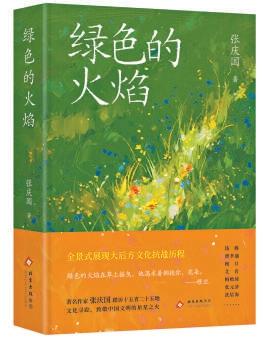
《绿色的火焰》:这些微光汇聚成大后方文化火炬
Bei Jing Ri Bao Ke Hu Duan· 2025-11-17 07:28
Core Viewpoint - The book "Green Flame" by Zhang Qingguo offers a unique perspective on the cultural resilience during the Anti-Japanese War, focusing on the intellectuals' commitment to preserving civilization amidst chaos, rather than the conventional military narratives [3][4][10] Summary by Sections Historical Context and Methodology - The author constructs a dual verification system of "historical evidence + on-site verification," emphasizing a profound respect for history and a meticulous approach to research [4][5] - The author undertook extensive field investigations across 15 provinces and 25 locations, adhering to the principle of visiting every site mentioned, which enriched the narrative with tangible experiences [5][6] Shift from Event History to Life History - The narrative transitions from "event history" to "life history," centering on individual experiences and cultural persistence rather than merely chronicling events [6][7] - The portrayal of cultural figures like Mu Dan and Qian Mu highlights their personal struggles and contributions, emphasizing the human aspect of historical narratives [6][7] Symbolism of "Green Flame" - The metaphor of "green flame" serves as a central theme, symbolizing the resilience of culture and the indomitable spirit of intellectuals during wartime [8][9] - The evolution of "green flame" from individual sparks to a collective torch illustrates the enduring nature of cultural heritage amidst adversity [8][9] Contemporary Relevance - The book's insights extend beyond historical documentation, prompting reflections on contemporary cultural preservation and the role of individuals in safeguarding cultural legacies [10] - It challenges the notion of cultural preservation as mere nostalgia, advocating for an active engagement with cultural identity in the face of modern challenges [10]

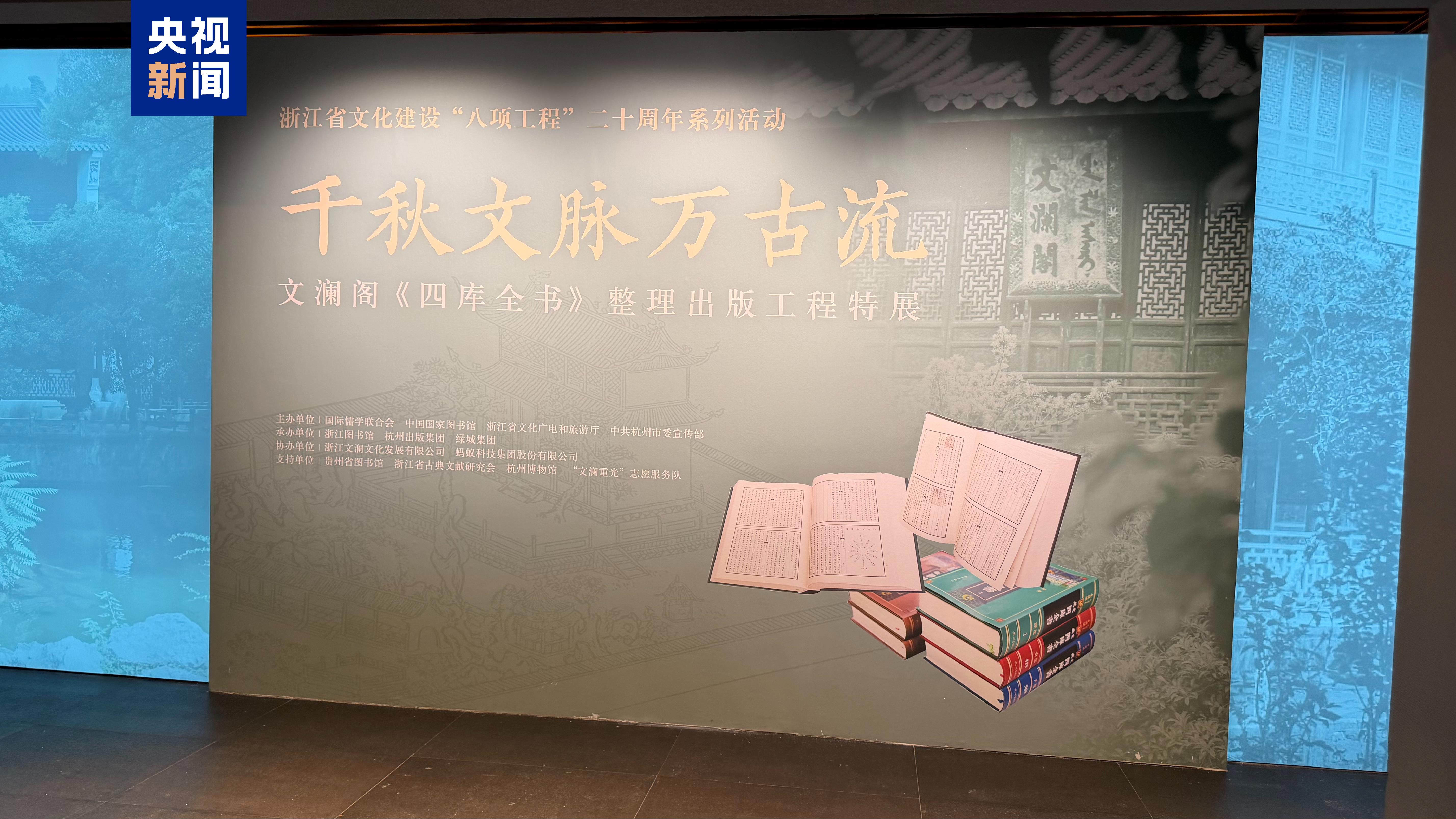
文澜阁《四库全书》整理出版工程特展开幕
Yang Shi Xin Wen· 2025-11-15 02:42
Core Viewpoint - The exhibition of the Wenzhang Pavilion's "Siku Quanshu" at the National Library Museum showcases the historical significance and cultural heritage of this monumental collection of ancient Chinese literature, emphasizing its journey through time and its role in cultural transmission [4][10]. Group 1: Exhibition Overview - The exhibition is divided into five sections, systematically reviewing the history of the Wenzhang Pavilion's "Siku Quanshu," including its compilation, preservation efforts, and global dissemination [4]. - A complete set of 1559 volumes of the Wenzhang Pavilion's "Siku Quanshu" is on display, highlighting the ten-year effort from 2005 to 2015 to produce the deluxe reprint edition [4]. - The exhibition features interactive experiences, allowing visitors to engage with the process of copying ancient texts, thereby appreciating traditional book-making techniques [10]. Group 2: Historical Context - The "Siku Quanshu," compiled during the Qianlong era, is the largest collection of ancient Chinese literature, encompassing various fields and has undergone multiple replications due to historical disruptions [7]. - The exhibition includes three scrolls depicting the efforts to rescue and replicate the Wenzhang Pavilion's "Siku Quanshu," which are being publicly displayed in Beijing for the first time [7]. - The collection has been preserved in over a hundred significant institutions worldwide, serving as a cultural bridge between China and other countries [4].
探讨文化类纪录片创作新范式 《我们的故宫》研讨会举办
Zhong Guo Xin Wen Wang· 2025-11-14 22:03
据悉,纪录片《我们的故宫》以生动的纪实影像和细腻的人文视角,展现新时代语境下故宫在文化保护 与创新传播方面的实践探索。该片自上线以来,引发社会各界的关注与讨论。 中国电视艺术家协会副主席、纪录片学术委员会会长范宗钗,中国视协纪录片学术委员会常务副会长兼 秘书长陈宏,广电新视点中心常务副主任、中国纪录片网总编辑张延利,中国传媒大学电视学院视听传 播系副主任、副教授韩飞,中国新闻文化促进会教育传播专委会副秘书长浅度等专家认为,《我们的故 宫》通过纪实加访谈的方式,展现古老的故宫与每一个当代的"我"的连接。节目成功地将访谈从信息传 递的工具升华为有深度的对话,将镜头从冰冷的文物转向有温度的"我们",实现了从"以物为本"到"以 人为本"的情感转向,形成了差异性叙事、差异化传播的窗口,在制作上匠心独运,生动展现了故宫人 与文物、科技与传统、保护与开放之间的平衡与共生。 《我们的故宫》监制朱乐贤当日表示,节目记录的不只是文物和建筑,更是与时代共振的文化精神。 从"皇家宫殿"到"人民博物馆",不仅是空间上的开放,更是精神重建的象征。作品以创作者、故宫人、 观众三重视角展开,让影像成为人与历史、人与文化的再次连接,既是一次影 ...
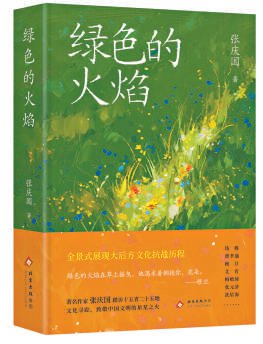
这些微光汇聚成大后方文化火炬
Bei Jing Ri Bao Ke Hu Duan· 2025-11-13 22:55
Core Perspective - The book "Green Flame" by Zhang Qingguo offers a unique perspective on the cultural front during the Anti-Japanese War, focusing on the intellectuals' commitment to civilization rather than the battlefield [2][3] Summary by Sections Historical Verification - The author employs a dual verification system of "historical evidence + on-site verification," enhancing the narrative's depth and authenticity [3][4] - The meticulous research involved studying over a million words of historical materials and biographies to establish a solid historical foundation [2][3] Field Investigation - The author conducted field investigations across 15 provinces and 25 locations, adhering to the principle of visiting every place mentioned in the text [3][4] - These experiences transformed historical facts into tangible emotional connections, enriching the narrative with lived experiences [3][5] Shift from Event History to Life History - The narrative transitions from a focus on grand historical events to the personal lives of cultural figures, emphasizing their daily struggles and resilience [4][5] - This approach highlights the interconnectedness of individual fates and cultural survival, creating a spiritual link between personal and national identity [5][6] Construction of the "Green Flame" Metaphor - The metaphor of "Green Flame" symbolizes the enduring spirit of culture amidst adversity, representing both the vitality of life and the fervor of resistance [6][7] - The evolution of this metaphor reflects the journey from individual sparks of inspiration to a collective cultural torch, illuminating the resilience of civilization [6][7] Contemporary Relevance of Historical Reflection - The book serves as a profound reminder of the importance of cultural preservation in contemporary society, urging readers to reflect on how to safeguard cultural legacies in peacetime [8][9] - It challenges the notion of cultural preservation as mere nostalgia, advocating for a dynamic understanding of culture as a living force that confronts challenges head-on [8][9]
上海“沙特小镇”限时开放,安缦珍纳焕新启幕 | 一周旅行指南
Xin Lang Cai Jing· 2025-11-13 11:19
Group 1: Cultural Events and Initiatives - Artyzen Studio at Shanghai's Artyzen Hotel collaborates with paper-cutting master Wang Jianzhong to explore the art of Shanghai-style paper cutting, promoting cultural sustainability and community engagement [3] - Club Med showcases its French lifestyle at the 8th "French Lifestyle Art Exhibition" in Chengdu, emphasizing its "all-inclusive" vacation model and immersive experiences [5] Group 2: Hotel Openings and Expansions - The Mandarin Oriental Hotel in Downtown Dubai officially opens, featuring 259 rooms, 224 serviced residences, and 10 dining venues, with a focus on wellness and diverse culinary offerings [7] - Hilton's Curio Collection debuts in Bangkok with the opening of the Curio Collection by Hilton, featuring 306 rooms inspired by the vibrant spirit of the city [9] - The luxury hotel brand Preferred Hotels & Resorts announces 14 new member hotels set to open by Q3 2025, offering unique experiences across various themes [11] - Aman Group expands into the UAE with the launch of Janu Al Marjan Island, aiming to create a vibrant waterfront social landmark [13] - Amanjena reopens after renovations, enhancing guest experiences while maintaining original design elements [15] Group 3: Tourism and Travel Updates - Saudi Arabia's "Saudi Town" opens in Shanghai, offering immersive cultural experiences and travel packages in collaboration with travel platforms [18] - Turkey reports a record tourism revenue of $50 billion for the first nine months of 2023, with a 1.6% increase in international visitors [20] - 吉祥航空 launches online check-in and electronic boarding pass services for international flights, enhancing customer convenience [22] - Turkish Airlines reports a third-quarter operating profit of $1.1 billion, despite a 21.3% decline in operating profit due to pricing adjustments and cost pressures [22] - Malaysia Airlines expands its "Malaysia Transit Flex" product to include new domestic and Southeast Asian destinations [24]

国网福建电力携手闽西汉剧艺术亮相国家电网2025“中国—巴西—智利云开放日”
Zhong Guo Neng Yuan Wang· 2025-11-12 07:59
Group 1 - The event "China-Brazil-Chile Cloud Open Day 2025" was held simultaneously in multiple cities, promoting cultural exchange among China, Brazil, and Chile through the medium of the power grid and traditional Chinese culture [2] - The event featured performances and presentations on Chinese Han opera, as well as Chilean and Brazilian dance and music, allowing attendees to explore diverse cultural heritages [4] - Over 300 participants, including representatives from various State Grid companies and media, engaged in the cultural exchange activities [2] Group 2 - The first half of the event included segments on exploring Chinese Han opera and the national dances of Chile and Brazil, presented through short films [4] - Employees from State Grid Longyan Power Supply Company collaborated with Han opera artists to showcase the charm and heritage of Minxi Han opera, engaging local children in the cultural experience [5] - The event highlighted the ongoing transmission of Minxi Han opera through performances by young students, demonstrating the commitment to preserving this traditional art form [7] Group 3 - Since 2021, the State Grid Corporation has organized the "Cloud Open Day" for five consecutive years, reaching over 1,700 participants, including employees, families, and media representatives, to promote traditional Chinese culture [9] - The initiative aims to foster cultural integration and strengthen friendships between China and Brazil, as well as China and Chile, while enhancing the corporate image of the State Grid as a representative of national identity [9] - The second half of the event included interactive experiences with Han opera costumes and makeup, allowing attendees to appreciate the unique charm of Han opera through hands-on participation [11]

第11期“人文宜地·社科沙龙”举办 聚焦丁卯片区地名优化与文化传承
Zhen Jiang Ri Bao· 2025-11-10 23:31
Core Viewpoint - The event focused on the renaming of roads in the Dingmao area and its historical and cultural significance, emphasizing the importance of respecting history and showcasing local characteristics in urban renewal [1] Group 1: Event Overview - The 11th "Humanistic and Social Science Salon" was held in Zhenjiang Economic Development Zone, discussing the renaming plan of roads in the Dingmao area [1] - The event was organized by the Zhenjiang Economic Development Zone Party Committee's Propaganda and United Front Work Department, with participation from over 20 representatives including youth party members and cultural ambassadors [1] Group 2: Key Discussions - A lecture by Gao Yifan, Deputy Secretary-General of the Sanjiang Think Tank at Jiangsu University, provided insights into the principles and cultural connotations behind the renaming of roads and bridges [1] - Participants discussed topics such as "the cultural significance of place names and urban image shaping" and "the protection and innovation of traditional place names," highlighting the dual role of place names as geographical markers and symbols of historical memory [1] Group 3: Participant Insights - Participants expressed the view that scientifically and culturally rich naming can enhance residents' connection to urban development and cultural heritage [1] - Comments from attendees emphasized the balance between historical significance and modernity in the new naming scheme, which could improve the overall recognition and sense of belonging in the Zhenjiang Economic Development Zone [1] Group 4: Series Impact - The "Humanistic and Social Science Salon" series has been ongoing for ten sessions, covering various themes such as historical context, industrial culture, and social governance, establishing itself as an important platform for cultural transmission and consensus building in the Zhenjiang Economic Development Zone [1]
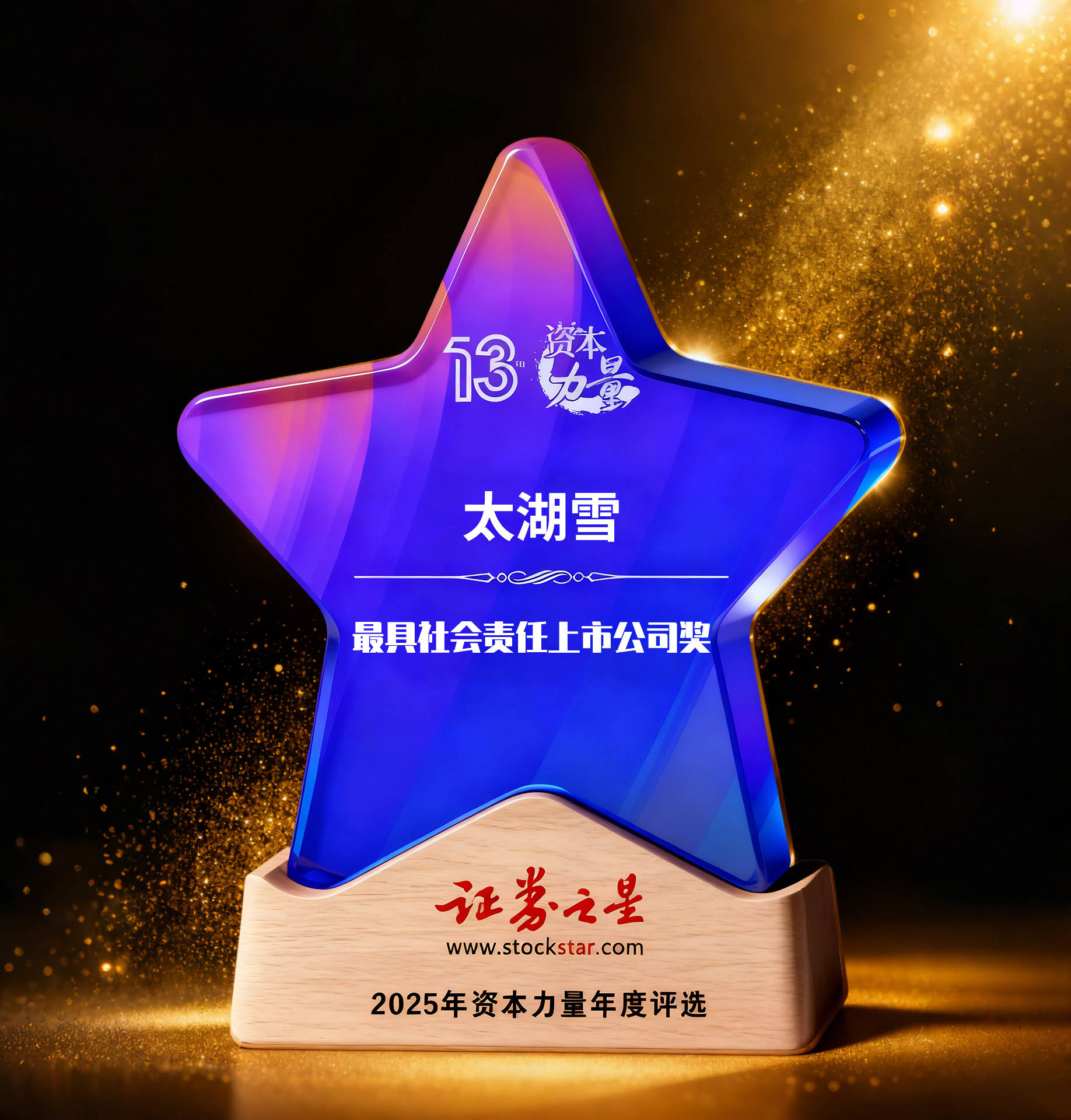
太湖雪荣获证券之星资本力量最具社会责任上市公司奖
Sou Hu Cai Jing· 2025-11-09 03:09
Core Viewpoint - Taihu Xue Company has been awarded the "Most Socially Responsible Listed Company" for its commitment to community development, environmental sustainability, and cultural heritage through innovative practices and industry integration [4][7]. Group 1: Social Responsibility Initiatives - The company has established an ESG committee at the board level to oversee sustainable development strategies and respond to stakeholder expectations [5]. - In response to a natural disaster, Taihu Xue donated over 100,000 yuan worth of bedding supplies to a school in Guizhou province, ensuring children had warm bedding for the winter [5]. Group 2: Industry Integration and Cultural Heritage - Taihu Xue has developed the Taihu Xue Silkworm Culture Park, which combines modern agriculture, silk processing, and cultural tourism, significantly improving the efficiency of silk production [6]. - The company invested 17.91% more in R&D in the first three quarters of 2025, totaling 17.67 million yuan, to enhance silk product offerings and promote Suzhou's cultural heritage through collaborations with local museums [6]. Group 3: Governance and Risk Management - The company has implemented comprehensive risk management procedures to enhance its ability to predict and control risks related to quality, environment, and occupational health [5]. - The governance structure is seen as a foundation for fulfilling social responsibilities, with ongoing improvements to internal control systems [5].
北京面向全球征集主题歌曲 打造城市“声音名片”
Xin Hua She· 2025-11-07 13:23
Group 1 - The core idea of the news is the launch of a song creation campaign titled "Singing the New Era · Sounding the New Beijing," aimed at collecting songs that reflect the spirit and development of Beijing, with a focus on various aspects of the city's growth and culture [1] - The campaign will run until September 30, 2026, and will implement a monthly review process to provide real-time feedback on submissions, encouraging continuous improvement of potential works [1] - The initiative is supported by various organizations, including the Beijing Municipal Committee Propaganda Department and the China Musicians Association, highlighting the collaborative effort to promote Beijing's cultural identity [2] Group 2 - The campaign emphasizes the need for songs that not only incorporate traditional elements but also resonate with contemporary audiences, reflecting the diverse cultural symbols of Beijing [2] - Music critics encourage creators to capture the pulse of Beijing's urban development and to focus on new aspects such as the construction of the city sub-center and the modernization of agriculture [1][2]
数据时代城市文化的被动重塑与主动升维
Xin Hua Ri Bao· 2025-11-07 09:23
Core Insights - The article emphasizes the profound transformation of urban culture in the data era, highlighting the importance of preserving and promoting traditional Chinese culture while adapting to technological advancements [1][2][3] Group 1: Opportunities in the Data Era - The data era is reshaping urban cultural ecology, providing new momentum for the protection, inheritance, innovation, and dissemination of urban culture [2] - Cultural preservation is shifting from "rescue-based restoration" to "preventive preservation," utilizing technologies like 3D scanning and digital modeling to create permanent digital archives of cultural heritage [2] - Cultural transmission is evolving from "one-way instruction" to "immersive experiences," leveraging AR, VR, and MR technologies to engage audiences interactively with historical contexts [3] - Cultural innovation is moving from "resource dependence" to "creative drive," with data analysis enabling personalized cultural offerings and the emergence of new artistic forms like digital art and metaverse exhibitions [4] - Cultural dissemination is expanding from "regional limitations" to "global coverage," as internet platforms allow unique cultural aspects of cities to reach a worldwide audience [4] Group 2: Challenges in the Data Era - The "digital divide" may lead to unequal access to cultural resources, marginalizing groups less familiar with digital technologies [5] - "Algorithmic bias" could result in cultural content homogenization, creating "information cocoons" that threaten cultural diversity [5][6] - Over-reliance on digital representations may dilute the authenticity of cultural experiences and historical connections [6] - "Data security" and "cultural security" face new risks, necessitating robust measures to protect cultural heritage in the digital realm [6] Group 3: Pathways for Cultural Development - Emphasizing a people-centered approach, efforts should be made to bridge the digital divide and ensure equitable access to cultural resources [7] - Value-driven algorithms should be developed to promote diverse and high-quality cultural content, countering the effects of "information cocoons" [7] - A focus on integrating digital technology with physical cultural experiences can enhance engagement and appreciation of cultural heritage [8] - Establishing a governance framework for cultural heritage in the digital age is essential to ensure the safety and sustainable development of cultural resources [8]