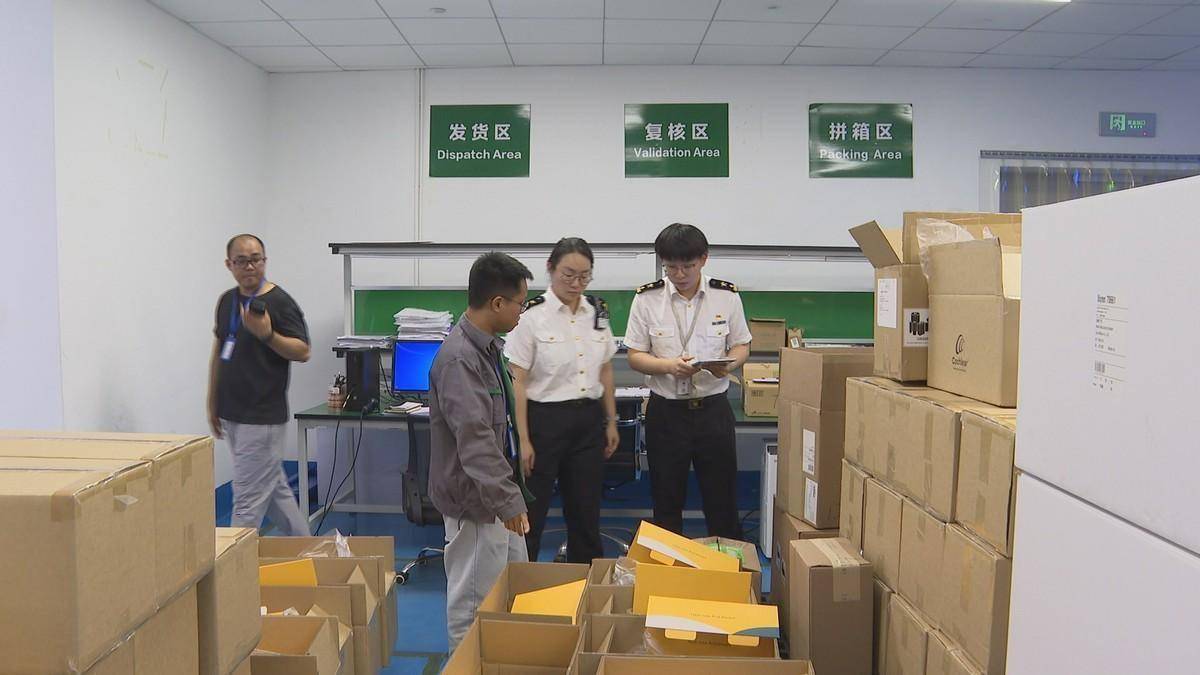
零关税

Search documents
海南封关在即,珠宝产业机遇在哪里?多位行业人士这样回应
Mei Ri Jing Ji Xin Wen· 2025-09-06 12:13
Core Viewpoint - The official launch of the Hainan Free Trade Port on December 18 will significantly impact businesses, particularly in the jewelry industry, by attracting international brands and creating a competitive environment [1][2]. Policy Impact - The Hainan Free Trade Port will implement a "zero tariff" policy, increasing the proportion of zero-tariff goods from 21% to 74% for imports, allowing for tax-free circulation among eligible entities within the island [2]. - Companies registered and operating in Hainan will benefit from a reduced corporate income tax rate of 15%, compared to the standard 25% in other regions [2]. Industry Dynamics - The zero tariff and low tax policies are expected to attract industry clusters and encourage companies to develop a complete industrial ecosystem [3]. - There is a concern about potential price wars due to increased price competitiveness among companies, which could lead to unhealthy competition [3]. Market Trends - The jewelry retail sector is experiencing growth, with gold and silver jewelry retail sales increasing by 11.3% in the first half of the year, outpacing the overall retail growth of 5.0% [4][5]. - The industry is focusing on younger consumer demographics, particularly the millennial and Gen Z groups, to drive retail growth through innovative marketing strategies [6]. Seasonal Sales Patterns - The jewelry retail market typically sees seasonal fluctuations, with peak sales expected during wedding seasons in October and the year-end holiday period [6].
肯上半年对美国出口额创历史新高
Shang Wu Bu Wang Zhan· 2025-09-05 17:34
Core Insights - Kenya's exports to the United States reached 52.59 billion shillings in the first half of the year, marking a significant increase of 27.4% compared to the same period last year [1] Export Performance - Notable growth was observed in specific product categories, including: - Men's knitted underwear, with an export value of over 4.4 billion shillings, experiencing a remarkable growth of 682% [1] - Knitted T-shirts, with an export value of 3.5 billion shillings, showing a growth of 229% [1] - Coffee, with an export value of 3.4 billion shillings, increasing by 65.2% [1] Trade Agreement Context - The growth in exports coincides with the impending expiration of the African Growth and Opportunity Act, as Kenya seeks to establish a new trade agreement with the U.S. [1] - If the act is not extended, products that previously enjoyed zero tariffs may face a 10% tariff, posing a significant risk to Kenya's textile industry [1]
海南自贸港“零关税”将扩围升级 “低税率”享惠条件再优化
Di Yi Cai Jing· 2025-09-05 08:28
Core Viewpoint - Hainan Free Trade Port is set to officially launch its island-wide customs closure operation on December 18, marking a new phase in its development, with a focus on expanding the scope of "zero tariff" imports [1][2]. Group 1: Zero Tariff Policy - The Hainan Free Trade Port has established a policy system centered on "zero tariff" and "low tax rate," with the zero tariff policy previously implemented through a positive list model [2]. - As of May 2025, the cumulative value of "zero tariff" imports reached 22.69 billion yuan, resulting in a tax reduction of 4.32 billion yuan [2]. - After the customs closure, the scope of zero tariff goods will shift to a negative list management approach, allowing 6,637 items to be imported at zero tariff, which is approximately 74% of all taxable goods, an increase of nearly 53 percentage points compared to before [2][3]. Group 2: Beneficiary Entities - Three types of entities can apply for the zero tariff policy: enterprises, public institutions, and private non-enterprise units in technology and education [2][3]. Group 3: Processing and Value-Added Tax Exemption - The zero tariff policy includes a processing value-added tax exemption, where goods processed from zero tariff imports can enter the mainland without import duties if the value added is 30% or more [3]. - The previous requirement for enterprises to have 60% of their revenue from encouraged industries to qualify for this exemption has been removed, broadening eligibility [3][4]. Group 4: Low Tax Rate Policy - In addition to zero tariffs, the Hainan Free Trade Port features a low tax rate policy, implementing a dual 15% corporate income tax incentive for encouraged industries [5][6]. - By the end of 2024, nearly 4,300 enterprises and over 39,000 individuals had benefited from the dual 15% income tax policy [6]. Group 5: Industry Development and Support - The policies are expected to significantly boost industries such as pharmaceuticals and high-end food processing, with the processing value-added tax exemption further relaxing eligibility criteria for enterprises [6][8]. - The Hainan Free Trade Port aims to become a global trade hub, enhancing trade resource and factor aggregation, and extending its industrial, supply, and value chains [8].
海南自贸港“零关税”将扩围升级,“低税率”享惠条件再优化
第一财经· 2025-09-05 08:20
Core Viewpoint - The Hainan Free Trade Port is entering a new phase with the upcoming full island closure operation, set to officially start on December 18, 2025, which will significantly expand the scope of "zero tariff" imports and provide new opportunities for enterprise innovation and growth [3][4]. Summary by Sections Zero Tariff Expansion - The Hainan Free Trade Port has established a policy system centered on "zero tariffs" and "low tax rates." As of May 2025, the cumulative value of "zero tariff" imports reached 22.69 billion, with tax reductions amounting to 4.32 billion [5]. - After the full closure, the "zero tariff" policy will shift from a positive list to a negative list management approach, allowing 6,637 items (approximately 74% of all taxable goods) to be imported at zero tariffs, a 53% increase compared to before the closure [5][6]. - Three types of entities can apply for the "zero tariff" benefits: enterprises, public institutions, and private non-enterprise units in technology and education [5]. Processing Value-Added Tax Exemption - The processing value-added exemption policy allows goods processed from "zero tariff" imports to enter the mainland without import duties if the value added is 30% or more. This policy has been relaxed, removing the previous requirement that 60% of a company's revenue must come from encouraged industries [6][7]. - As of July 2025, the cumulative value of processed goods for domestic sales reached 10.46 billion, with an exemption of approximately 810 million in duties [7]. Low Tax Rate Policy Optimization - The Hainan Free Trade Port offers a dual 15% corporate income tax incentive for qualifying enterprises, with high-end and scarce talents enjoying personal income tax exemptions on amounts exceeding 15% [8][9]. - By the end of 2024, nearly 4,300 enterprises and over 39,000 individuals benefited from the dual 15% income tax policy [9]. Overall Impact of Tax Policies - The comprehensive tax policy system of "zero tariffs, low tax rates, simplified tax systems, strong legal frameworks, and phased implementation" is expected to significantly boost various industries, including pharmaceuticals and high-end food processing [10]. - The Hainan Free Trade Port aims to enhance its role as a global trade hub, optimizing both import/export tax costs and trade facilitation levels, thereby attracting resources and elements to the region [11].

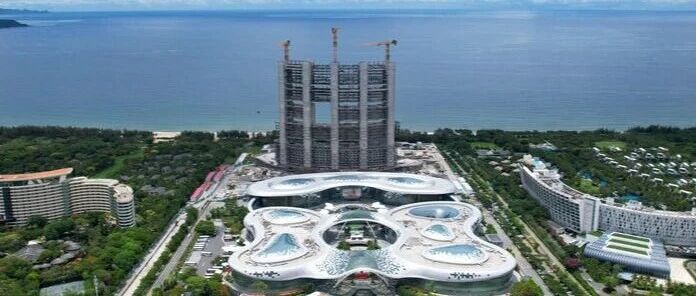
海南自贸港“零关税”将扩围升级,“低税率”享惠条件再优化
Di Yi Cai Jing· 2025-09-05 06:49
Core Points - Hainan Free Trade Port is entering a new phase with the full island closure operation set to start on December 18, 2025, which will significantly expand the scope of "zero tariff" imports [1][2] - The "zero tariff" policy will shift from a positive list to a negative list management system, allowing 6,637 items to be imported at zero tariff, covering approximately 74% of all goods [2][3] - The processing value-added tax exemption policy has been adjusted to attract more manufacturing industries, removing the previous requirement that 60% of a company's revenue must come from encouraged industries [3][4] Tax Policy Features - The tax system of Hainan Free Trade Port includes a dual 15% corporate income tax incentive for encouraged industries, benefiting nearly 4,300 enterprises and over 39,000 individuals by the end of 2024 [6][7] - High-end and scarce talents working in Hainan can enjoy personal income tax exemptions on income exceeding 15%, with optimized residency calculations [6][8] - The tax policies aim to significantly boost industries such as pharmaceuticals, high-end food processing, and seed industries, enhancing the overall trade environment [7][8] Economic Impact - The "zero tariff" and low tax rate policies are expected to enhance Hainan's position as a global trade hub, facilitating resource and factor aggregation [8] - The cumulative value of processing value-added goods reached 10.46 billion yuan, with tax exemptions amounting to 810 million yuan, indicating strong economic activity [4][7] - The policies are designed to support the development of a modern biopharmaceutical industry, allowing for significant cost savings in production and research phases [7][8]
海南免税购物降温,中免业绩“双降”?分析:封关在即、红利仍在
Sou Hu Cai Jing· 2025-08-27 17:20
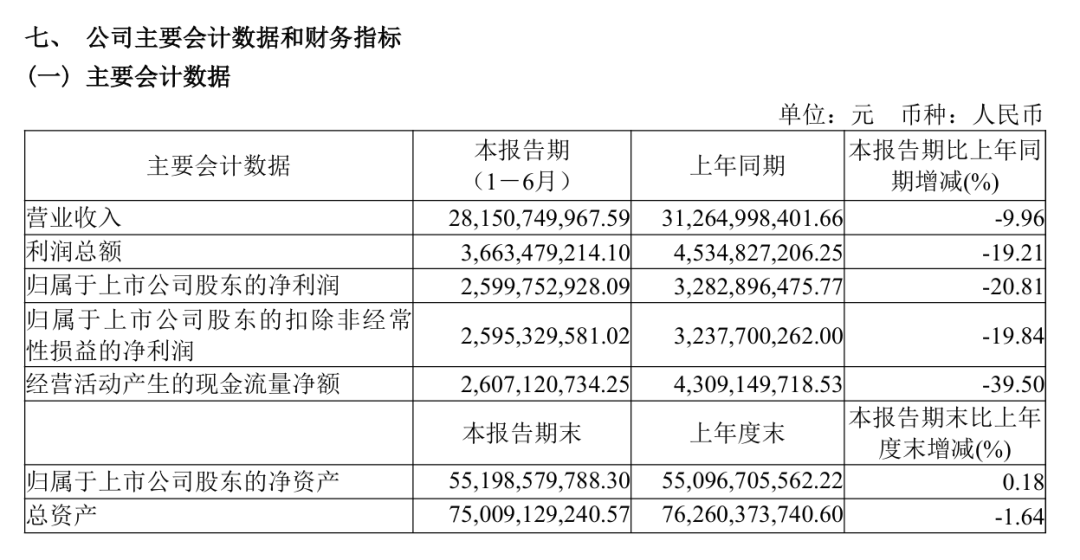
Core Viewpoint - China Duty Free Group (China CDF) reported a decline in both revenue and net profit for the first half of 2025, attributed to a decrease in the number of shoppers in the Hainan offshore duty-free market amid intensified industry competition [1][2]. Financial Performance - The company achieved a revenue of 28.151 billion yuan, a year-on-year decrease of 9.96% [4] - Net profit was 2.599 billion yuan, down 20.81% compared to the previous year [4] - Main business revenue was 27.531 billion yuan, with offline revenue at 19.703 billion yuan and online revenue at 7.828 billion yuan [3] Market Conditions - The Hainan offshore duty-free shopping amount was 16.76 billion yuan in the first half of 2025, a decline of 9.2% year-on-year, with the number of shoppers dropping by 26.2% to 2.482 million [3] - The average shopping amount per person increased by 23.0% to approximately 6,754 yuan [3] - Passenger throughput at Hainan's ports and airports was 35.195 million, down 1.4% year-on-year [3] Strategic Initiatives - The company plans to adopt a dual-driven approach of "duty-free + taxable" and "online + offline" to navigate market changes, including expanding city duty-free store layouts and developing exclusive co-branded products [5][6] - China CDF is accelerating the establishment of city duty-free stores and port channels, as well as expanding into overseas markets [7] Management Changes - The company has experienced significant management turnover, with three chairpersons in two years. The latest change involved the resignation of Chairman Wang Xuan due to work adjustments, with Fan Yunjun taking over [10][11][12]

封关!中国最大自贸港来了,真的要重建另一个香港?
Sou Hu Cai Jing· 2025-08-25 00:27
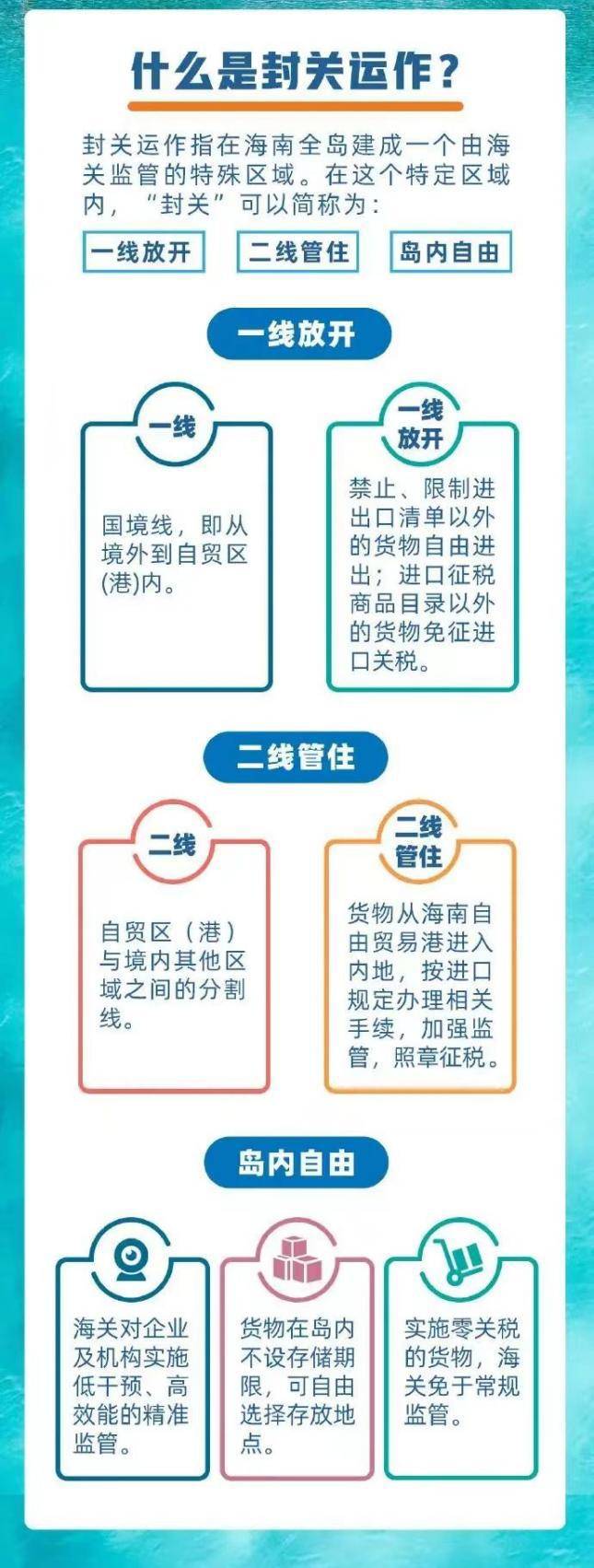
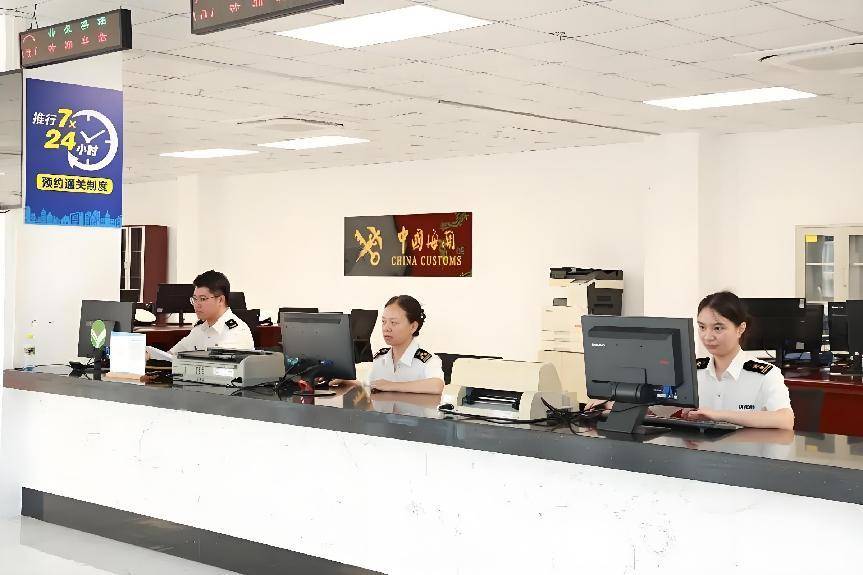
Core Points - Hainan Free Trade Port is set to enter a "domestic and foreign" era with the implementation of "closure operation" on December 18, 2025, making it the largest free trade port in the world with an area of 34,000 square kilometers [1][4] - The closure operation will follow three principles: "one line open," "two lines controlled," and "freedom within the island," facilitating international goods and personnel movement while regulating goods entering the mainland [1][4] Group 1: Economic Impact - Hainan is expected to become China's largest "economic enclave," marking unprecedented breakthroughs in both area and management model for foreign trade [4] - The "zero tariff" policy will significantly expand the range of duty-free goods, increasing the number of duty-free items to approximately 6,600, more than three times the previous amount, allowing consumers to easily purchase international products [9] - The cost of production and operation for enterprises will be greatly reduced due to the "zero tariff" benefits on raw materials and equipment, with potential cost reductions of 10%-20% for imported materials [11] Group 2: Talent Attraction - Hainan has introduced tax incentives for high-demand talent, with a maximum personal income tax rate of 15%, and has recognized 219 foreign professional qualifications to attract overseas talent [8] - By 2024, Hainan aims to attract over 100,000 talents across various industries, with a current shortfall of over 20,000 from its initial target [6] Group 3: Trade and Investment - The new trade policies will allow for unrestricted circulation of goods within the island, significantly lowering collaboration costs in the supply chain [13] - Hainan is positioned to become a "super liaison" for foreign enterprises entering the Chinese market and a testing ground for Chinese companies expanding globally [15] - The financial asset management scale in Sanya's central business district is projected to reach 600 billion by 2027, driven by both trade and investment [17] Group 4: Data and Digital Economy - The closure operation is expected to simplify cross-border data sharing, enhancing international collaboration in sectors like automotive and healthcare [20] - Infrastructure upgrades, such as undersea cables, will facilitate faster and more stable international network access, promoting the growth of digital industries like e-commerce and AI [22]
面对美国制裁,日本打响反击,通告全球,不愿束手就擒
Sou Hu Cai Jing· 2025-08-21 07:17
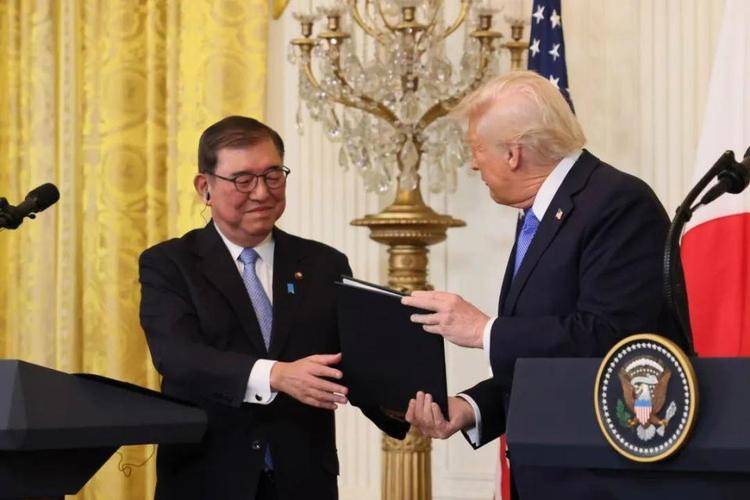
Core Viewpoint - Japan is taking a more aggressive stance against the United States in response to increasing economic pressure and tariffs imposed by the Trump administration, marking a significant shift from its historically conciliatory approach [1][13]. Group 1: Trade Negotiations - The negotiations between Japan and the U.S. regarding tariffs have been tense, with the U.S. maintaining a hardline stance and refusing to discuss basic tariffs while only willing to address additional tariffs [3]. - Japan's insistence on pursuing "zero tariffs" is fundamentally linked to the survival of its automotive industry, which plays a crucial role in the national economy and provides approximately 5.58 million jobs [5]. Group 2: Economic Impact - Economic forecasts suggest that if the U.S. does not retract its tariffs, Japan's GDP could decline by 0.6%, potentially leading to negative economic growth [7]. - Japan's Prime Minister has publicly stated that high tariffs not only increase costs for American consumers but also negatively impact the U.S. economy, advocating for a reduction in these tariffs [7]. Group 3: Strategic Shifts - Japan's recent strategy reflects a newfound confidence, influenced by recent trade agreements between the U.S. and other countries, suggesting that Japan believes it can achieve similar concessions [9][12]. - Japan has introduced a substantial $550 billion investment plan aimed at U.S. infrastructure and technology, using it as leverage in negotiations, indicating that the allocation of these funds will depend on U.S. trade policies [10]. Group 4: Political Context - The timing of Japan's assertive approach coincides with the U.S. midterm elections, where the potential withdrawal of Japanese investments could significantly impact the U.S. economy, posing a threat to the Trump administration [12]. - Japan's dual strategy of being assertive while leaving room for negotiation reflects a complex balancing act, as it seeks to protect its economic interests without completely severing ties with the U.S. [15].
第二个香港要来了?全球最大自贸港将落地,目标比香港更自由开放
Sou Hu Cai Jing· 2025-08-19 02:04
Core Viewpoint - Hainan Free Trade Port is set to transform into the world's largest free trade port by December 18, 2025, marking a significant economic reform in China with a new model of "one line open, one line controlled, and free within the island" [1][10]. Economic Benefits - Ordinary citizens are experiencing a new era of benefits, with tax savings allowing for significant purchases and travel opportunities, such as a retired teacher saving enough for a European trip [3]. - The introduction of a 100,000 yuan tax-free shopping limit is making Hainan a shopping paradise, rivaling Hong Kong [3]. Trade and Industry Development - Hainan is leveraging its position as a trade hub with ASEAN, reducing costs by 25% for goods processed in Hainan before being sold to the mainland [3]. - The aerospace industry in Hainan has seen a 17-fold increase in scale over two years, with lower launch costs compared to inland provinces [6]. Tax and Investment Climate - The coverage of zero-tariff goods is expected to rise from 21% to 74%, significantly lowering prices for 6,600 imported products [7]. - The effective corporate tax rate in Hainan is 14.3%, which is 2.7 percentage points lower than Singapore, attracting global capital [7]. Talent and Infrastructure Challenges - Hainan faces a talent shortage with a gap of 112,000 digital professionals, while local universities can only supply 2,800 graduates annually [5]. - The expansion of international flight routes is underway, with plans to add 20 new intercontinental routes next year [5]. Environmental Considerations - Hainan is prioritizing clean energy projects over high-energy consumption ones, indicating a commitment to sustainable development [8]. - The region is expected to develop new markets in tourism consumption, aerospace technology, and digital trade, complementing Hong Kong's financial center status [8].
海南自贸港封关在即,能否超越香港成亚太经济新引擎?
Sou Hu Cai Jing· 2025-08-18 10:23
Group 1 - Hainan Island is transforming into a global free trade port, with a significant milestone of customs closure set for December 18, 2025, marking a new starting point for reshaping the Asia-Pacific economic landscape [1] - The new policy of "one line open, two lines controlled, free within the island" is being implemented, providing unprecedented freedom and convenience for residents and tourists, attracting global attention [1] - The zero-tariff coverage of imported goods will significantly increase post-customs closure, leading to substantial price reductions for thousands of imported products, which is expected to draw a large number of domestic and international tourists [1] Group 2 - Hainan Island is witnessing the rapid growth of new industries, such as the Wenchang Space Launch Site, which highlights the fast development of China's private space industry, and the Boao Lecheng International Medical Tourism Pilot Zone, emerging as Asia's "Health Island" [1] - The island is facing challenges such as a shortage of digital talent and insufficient international flight routes, prompting proactive measures to attract global talent and expand international connections [2] - Hainan is forming a new business model as a crucial trade interface between China and ASEAN, with a restructured industrial chain of "Hainan receiving orders, global production, and mainland sales," presenting unprecedented opportunities for economic development [4]