中华文化

Search documents
自贡灯会亮灯迎客:于光影间感触中华文化
Zhong Guo Xin Wen Wang· 2026-01-25 11:30
Core Viewpoint - The 32nd Zigong International Dinosaur Lantern Festival has opened in Zigong, Sichuan, showcasing the rich heritage of Chinese lantern artistry and its innovative integration with modern themes and materials [1][2]. Group 1: Cultural Significance - Zigong lanterns, recognized as a national intangible cultural heritage, are celebrated for their historical roots dating back to the Tang and Song dynasties, and their prominence during the Ming and Qing dynasties [2]. - The festival features a grand entrance with a 35-meter tall lantern structure designed as a Chinese knot, symbolizing both cultural identity and aesthetic appeal [2]. Group 2: Artistic Innovation - The festival includes ten thematic sections with 11 large lantern groups and over 200 smaller lanterns, reflecting a blend of folklore, gaming IPs, Chinese mythology, and historical narratives [2]. - The design of lanterns emphasizes precision, where even a slight deviation in the structure can alter the expression of the figures, highlighting the craftsmanship involved [2]. Group 3: Material and Sustainability - The use of diverse and eco-friendly materials in lantern construction is emphasized, showcasing the potential for artistic expression through recycled and sustainable resources [2]. - Examples of innovative materials include 6,000 twisting sticks forming a lively pixiu, 15,000 red chili peppers creating a vibrant phoenix, and 200 kilograms of straw shaped into a nearly 4-meter tall golden dog [2]. Group 4: Visitor Experience - Visitors express excitement and appreciation for the diverse themes and high-quality craftsmanship of the lanterns, indicating the festival's ability to rejuvenate traditional art forms [3].
新华微评·万马奔腾开新局:“精神中国人”为什么火了
Xin Hua She· 2026-01-24 01:17
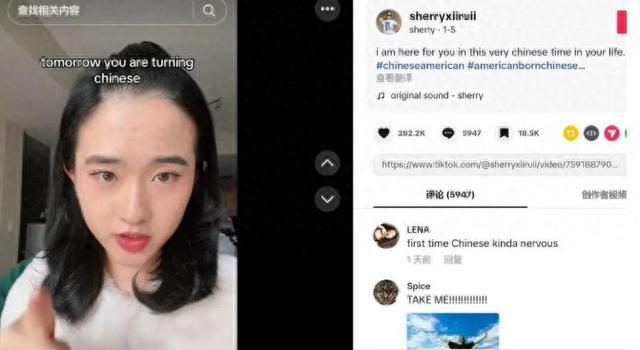
【新华微评·万马奔腾开新局:"精神中国人"为什么火了】中式生活对老外意味着什么?新年伊始,不 少外国网友掀起"成为中国人"的热潮,喝热水、煮粥煲汤、打八段锦、中医针灸等中式生活体验让他们 直呼过瘾,纷纷"确诊"自己是"精神中国人"。这个趣味标签背后,是中华文化跨越山海的魅力绽放,更 是文化交流、双向奔赴的生动写照。三餐四季,人间烟火,流淌着生活的滋味,蕴含着东方的智慧。从 围观到体验,从好奇到认同,不变的是人们对美好生活的向往。敞开胸怀拥抱世界,以心交心、以情共 情,一个文化灿烂、可亲可爱的中国,怎能不圈粉无数? ...
第32届自贡灯会亮灯迎客:于光影间感触中华文化
Zhong Guo Xin Wen Wang· 2026-01-23 22:28
Group 1 - The 32nd Zigong International Dinosaur Lantern Festival has opened in Zigong, Sichuan, showcasing the cultural heritage of Chinese lanterns, which are recognized as a national intangible cultural heritage and known as "the world's first lantern" [1] - The festival features a giant entrance lantern designed in the shape of a Chinese knot, standing 35 meters tall, symbolizing both cultural identity and aesthetic appeal [1] - The festival includes ten thematic sections with 11 large lantern groups and over 200 smaller lanterns, representing various aspects of Chinese folklore, mythology, and history [1] Group 2 - The materials used for the lanterns are diverse, including environmentally friendly and recycled materials, demonstrating the artistic potential of various substances [2] - The festival highlights innovative craftsmanship, with examples such as a phoenix made from 15,000 red chili peppers and a lion dog created from 200 kilograms of straw, showcasing the creativity in lantern design [2] - The continuous innovation in lantern art allows this ancient craft to remain vibrant and relevant, attracting visitors and maintaining its cultural significance [2]
第40届秦淮灯会正式亮灯
Nan Jing Ri Bao· 2026-01-22 02:21
"5!4!3!2!1!"1月21日晚,白鹭洲公园内,激昂的音乐裹挟着全场整齐的倒数声直冲夜空, 用激光勾勒的骏马奔腾而出,万千灯彩刹那间同步绽放。白鹭洲公园、夫子庙核心区至整个秦淮河风光 带瞬间化身璀璨光影海洋,宣告着以"华彩映九州 幸福中国年"为主题的第40届秦淮灯会正式启幕。 19时30分,亮灯仪式在气势磅礴的开场灯光秀中拉开帷幕。情景表演《秦淮流韵》以非遗代表性 传承人、文人墨客、科举状元等为原型,在历史与现实的交织中,展现一代又一代秦淮人延续千年的风 雅文脉;舞蹈《万家灯火》以非遗灯彩为笔墨,绘就市井烟火人间,借童真视角点亮希冀之光,传递出 秦淮灯会承载的美好愿景与团圆期盼。尤为引人瞩目的是,本届灯会彰显"世界共此光"的开放胸怀—— 通过视频连线,夫子庙、老门东、南部新城等本地分会场,与新疆伊宁、江苏海安等国内协作地区及法 国等海外分会场灯景同屏闪耀,既展现了秦淮打造"中国人文旅游第一区"的国际风范,更印证了中华文 化强大的凝聚力与影响力。 40年间,秦淮灯会与城市发展共生共荣,秦淮区始终以开放包容的姿态拥抱时代新风。当晚,秦 淮文旅原创歌曲《秦淮谣》首度唱响,清新民谣曲风诉说着家乡故事与时代脉动;来 ...
听·见|想当“精神中国人”?为什么越来越多国外网友这么热衷
Xin Lang Cai Jing· 2026-01-21 12:22
Core Viewpoint - The article discusses the rising trend of foreign individuals embracing Chinese cultural practices, particularly in health and lifestyle, reflecting a growing interest in Chinese culture and identity among non-Chinese people [3][4]. Group 1: Cultural Adoption - Foreign netizens are increasingly adopting Chinese health practices, such as drinking hot water and practicing traditional exercises, as a humorous way to express their identity as "Chinese" [3][4]. - This trend originated from a humorous remark by a Chinese blogger, leading to a curiosity-driven exploration of Chinese culture among foreign audiences [3][4]. Group 2: Shift in Perception - Unlike earlier representations of Chinese culture focused on symbols like qipao and kung fu, the current trend is rooted in everyday habits, indicating a deeper engagement with Chinese lifestyle [4]. - Foreigners are transitioning from mere observers to active participants in Chinese cultural practices, moving beyond stereotypes to genuinely experience and understand Chinese life [4]. Group 3: Cultural Exchange and Influence - The increasing appeal of Chinese culture is attributed to China's enhanced national strength, cultural confidence, and global communication capabilities [4]. - The article emphasizes the importance of providing deeper insights into Chinese lifestyle and philosophy, advocating for a more profound cultural exchange rather than superficial practices [4][5]. Group 4: Future Implications - The article suggests that as more people adopt Chinese lifestyle practices, there will be opportunities for further cultural exchange and understanding, potentially leading to a global appreciation of Chinese daily life [5].

澳大利亚华裔青少年“解锁”中国南北文化魅力
Xin Lang Cai Jing· 2026-01-19 16:10
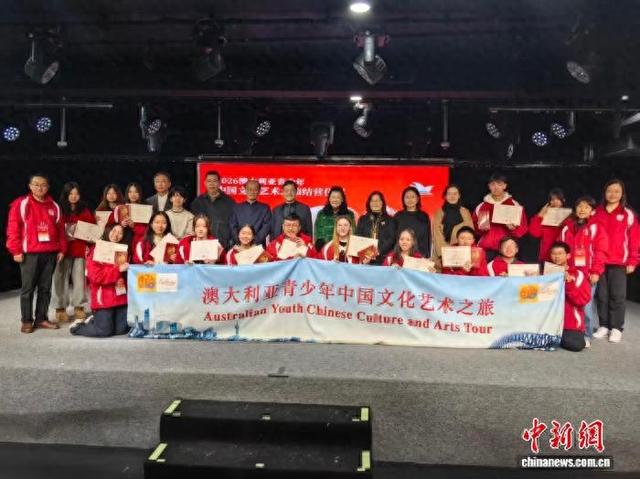
Group 1 - The 2026 "Australia Youth Chinese Cultural and Arts Tour" concluded in Shanghai, featuring 19 Chinese-Australian youths who experienced Chinese culture and development through themes of cultural heritage, artistic experience, winter sports, and intangible cultural heritage interaction [1][3] - Participants expressed enthusiasm for traditional Chinese arts, with one youth, Vanessa Yang, experiencing snow for the first time and developing a strong interest in Chinese culture, while another, Scarlett, was captivated by Chinese acrobatics and plans to share her experiences with her dance troupe in Australia [1][3] - The tour highlighted intangible cultural heritage experiences, such as shadow puppetry and Peking opera, which engaged participants and fostered a deeper understanding of regional artistic differences [3] Group 2 - The event was co-hosted by the Sydney Shanghai Chamber of Commerce and the Australian Hebei Association, aiming to strengthen emotional connections with the homeland and cultivate an international perspective among overseas Chinese youth [3] - Shanghai's Overseas Chinese Affairs Office emphasized the importance of overseas Chinese youth as the future of the overseas Chinese community, encouraging them to share their experiences in China with friends and family abroad to attract more visitors to China [3]
55岁赴北京读博 台湾画家林章湖开启艺术新生
Zhong Guo Xin Wen Wang· 2026-01-19 01:40
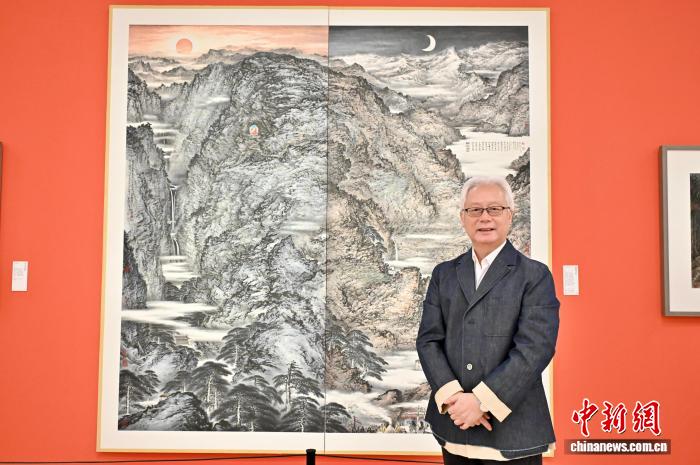
Group 1 - The core viewpoint of the article highlights the artistic rebirth of Taiwanese artist Lin Zhanghu, who pursued a doctoral degree at the Central Academy of Fine Arts in Beijing at the age of 55, leading to significant achievements in his artistic career [1][2] - Lin Zhanghu is recognized as a representative figure in Taiwan's calligraphy and painting scene, with a diverse portfolio that includes landscapes, flowers, birds, and figures [1] - His doctoral thesis focused on "Postmodern" art concepts, reflecting a blend of traditional and contemporary artistic practices [2] Group 2 - Lin Zhanghu's upcoming exhibition titled "Mountains and Rivers, Heart of a Thousand Miles" will be held at the National Art Museum of China in November 2025, showcasing his artistic journey and connection to Chinese culture [4][5] - The exhibition title is inspired by a couplet written by Kong Decheng, which resonates with Lin's own feelings of nostalgia and cultural identity [5] - Lin emphasizes the importance of integrating various artistic techniques to express contemporary art, while also incorporating Western artistic ideas into his works [5] Group 3 - Lin Zhanghu notes the increasing global attention on Chinese culture, which has encouraged artists in the calligraphy and painting community [6] - He advocates for continuous cultural exchanges between Taiwan and the mainland, suggesting the establishment of long-term platforms to promote Chinese culture and ensure its evolution in modern contexts [6]
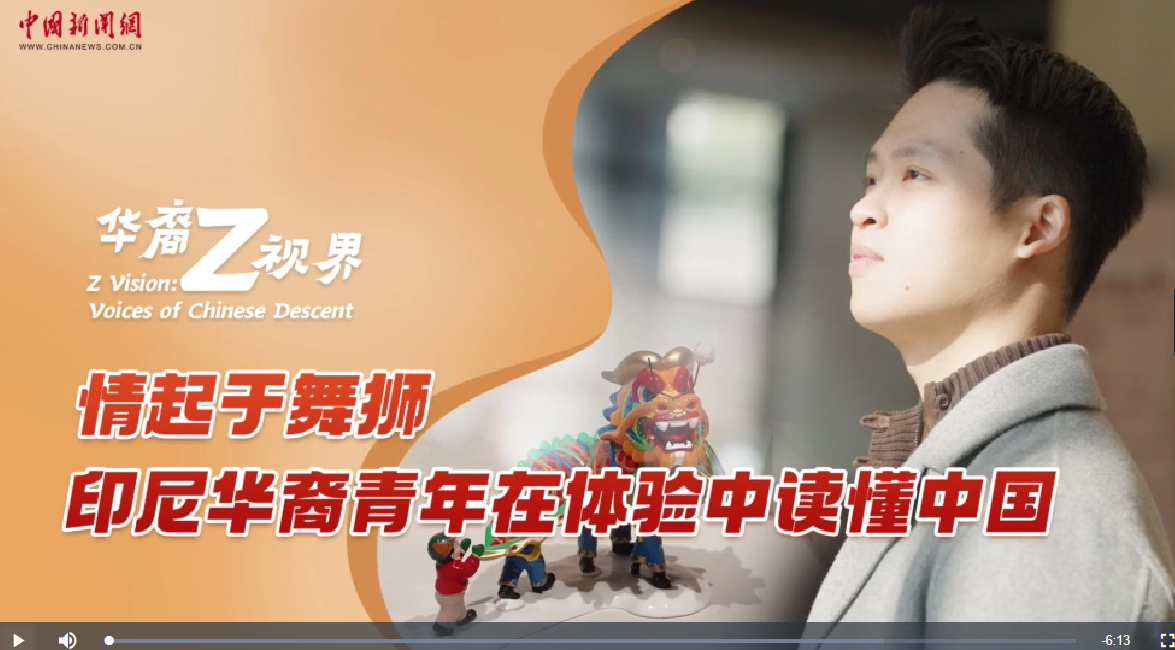
华裔Z视界|情起于舞狮 印尼华裔青年在体验中读懂中国
Zhong Guo Xin Wen Wang· 2026-01-12 07:55
Core Viewpoint - The article highlights the deep connection and appreciation for Chinese culture experienced by Indonesian Chinese youth, Chen Haobao, through various cultural activities and experiences in China [2]. Group 1 - Chen Haobao is deeply influenced by lion dance, which symbolizes the roots of Chinese culture in his heart [2]. - His choice to study in China stems from a love and curiosity for Chinese culture, leading to a sense of familiarity and connection [2]. - Engaging in activities such as face painting, dragon boat racing, and exploring Beijing's alleys has allowed him to appreciate the richness of Chinese culture [2].
中国国家版本馆(中央总馆)开通研学活动预约通道
Xin Lang Cai Jing· 2026-01-11 17:16
Core Viewpoint - The China National Version Museum has opened a weekend study activity reservation channel, allowing the public to engage in immersive cultural exploration guided by professionals, highlighting the depth of Chinese cultural heritage [1] Group 1: Museum Overview - The China National Version Museum integrates multiple forms such as libraries, museums, archives, and art galleries [1] - The central museum, located at the foot of Yanshan Mountain in Changping District, has collected over 30 million items, including ancient Chinese books, revolutionary documents, religious texts, woodblock prints, coins, stamps, and digital versions [1] - The museum's diverse categories and formats showcase ten major types of resources that embody Chinese civilization, referred to as the "gene bank of Chinese culture" [1] Group 2: Study Activity Details - The newly opened study activities are designed with exclusive routes lasting 2 to 3 hours, starting with an introduction to the museum's overview [1] - Participants will visit the version craft exhibition, the "Cultural Heritage" exhibition featuring over 400 items across 13 units, and the version showcase area displaying unique collections such as New Year paintings, comic books, and propaganda posters [1] - The version craft exhibition focuses on interpreting the concept of versions in the new era, while the "Cultural Heritage" exhibition systematically presents the evolution of ancient Chinese civilization [1]
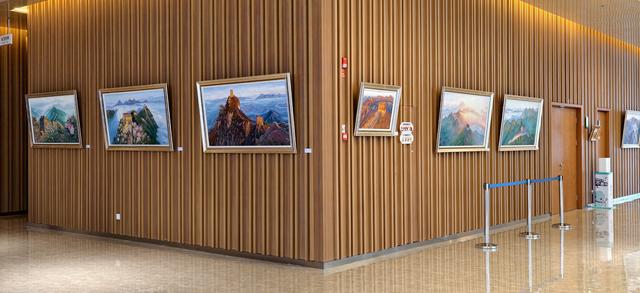
匠心勾勒中国长城的精神图谱,这些中国油画从卢浮宫走进京津冀
Xin Lang Cai Jing· 2026-01-10 12:18
Core Viewpoint - The "Danqing Zhu Guo Hun - Tian Fengyin Great Wall Oil Painting Exhibition" is a significant cultural event aimed at enriching grassroots cultural life and promoting Chinese culture through art, featuring 42 works that depict the spirit of the Great Wall [1][3]. Group 1 - The exhibition is organized by the Beijing Municipal Committee of the China Democratic League and supported by the Cultural and Tourism Bureau of Langfang City, running from January 10, 2025, to March 5, 2026 [1]. - The event showcases the artistic value and historical significance of the Great Wall, with children and cultural scholars engaging with the artworks [3]. - The selected works include famous sections of the Great Wall such as Simatai, Jiankou, Badaling, and Mutianyu, as well as sketches from Shanhaiguan and Jiayuguan, capturing the natural beauty and cultural heritage of the Great Wall [3]. Group 2 - Artist Tian Fengyin, recognized as a national model worker and contemporary Great Wall-themed oil painter, has aligned her artistic journey with national sentiment [4]. - In 2024, she was invited to speak at the 68th United Nations Commission on the Status of Women, highlighting the mission of female artists through the lens of Great Wall spirit [4]. - Her works have transitioned from international platforms like the Louvre to grassroots communities, emphasizing the role of artists in conveying cultural heritage and national spirit [4].