
产业帮扶

Search documents
老校舍变致富车间,旧操场成夜游胜地丨驻在千镇万村㉕
Nan Fang Nong Cun Bao· 2025-11-21 10:35
Core Insights - The article discusses the transformation of the abandoned school facilities in Jie Pao Town into productive spaces, contributing to local economic development and community engagement [1][15][36]. Group 1: Infrastructure Development - The establishment of a new sports park has revitalized community life, attracting many residents for evening activities and boosting the local night market economy [8][80]. - The sports park, covering 13,300 square meters, includes modern facilities such as a rubber track, basketball court, and football field, costing over 6 million yuan [71][79]. Group 2: Utilization of Abandoned School Facilities - Abandoned school buildings have been repurposed for the cultivation of Lingzhi mushrooms, providing new income opportunities for the local community [17][34]. - The local government and work teams have collaborated with businesses to transform these facilities, with eight school buildings currently in use for mushroom cultivation [36][42]. Group 3: Agricultural Development - The work team has assisted in enhancing the quality and branding of local agricultural products, such as the "North Tan Oyster," which has received national recognition [46][47]. - Efforts to expand sales channels for local produce, including cherry tomatoes, have been initiated, with partnerships established with major supermarkets in the Pearl River Delta region [55][58]. Group 4: Community Support and Safety - The work team has conducted safety inspections and improvements for vulnerable households, ensuring better living conditions for the elderly and low-income families [92][93]. - Upgrades to local educational facilities, such as the Jie Pao Town Central Kindergarten, have significantly improved the learning environment, leading to increased enrollment [86][89].


成都市青白江区帮扶甘孜州九龙县 真帮实扶 绘就乡村振兴新画卷
Si Chuan Ri Bao· 2025-11-19 02:39
Core Viewpoint - The article highlights the successful collaboration between Qingbaijiang District and Jiulong County in promoting rural revitalization through targeted support in various sectors, including agriculture, healthcare, and education [3][9]. Group 1: Economic Development - Qingbaijiang District has invested a total of 68.4 million yuan and introduced over 40 million yuan in social investment to support 110 assistance projects in Jiulong County [3]. - The focus on industrial revitalization includes goals for agricultural efficiency, cultural tourism breakthroughs, energy expansion, and mining quality improvement [4]. - The establishment of a Tibetan medicine research and demonstration base in Huqiao Village has led to a 12% annual increase in Tibetan medicine planting scale and a 15% increase in medicinal herb sales revenue [5]. - By 2024, the collective income of Huqiao Village is projected to exceed 3.08 million yuan, with individual family incomes rising from approximately 8,000 yuan in 2018 to over 22,000 yuan [6]. - The development of Tibetan medicine has created nearly 5,000 acres of cultivation in Jiulong County, providing employment for over 1,000 local farmers with an average annual income increase of over 4,000 yuan [6]. - The integration of local agricultural products into domestic and international markets has resulted in cumulative exports valued at 2.2 million USD [6]. Group 2: Social Welfare and Healthcare - The establishment of a blood dialysis center at Jiulong County People's Hospital has ended the need for local patients to travel to Kangding for treatment, marking a significant improvement in local healthcare services [7]. - Qingbaijiang District has implemented a "team-based" medical assistance program focusing on hospital management, diagnostic capabilities, talent development, and health management services [7]. - The district has also facilitated the training of over 1,500 talented individuals and organized 152 employment assistance events, helping 3,000 people find jobs locally [8]. Group 3: Education and Community Development - Qingbaijiang District has dispatched 22 teachers to Jiulong County to enhance educational methods and management, contributing to a significant improvement in local education [8]. - A total of 81 livelihood assistance projects have been implemented to address housing, transportation, and communication challenges in the region [8].
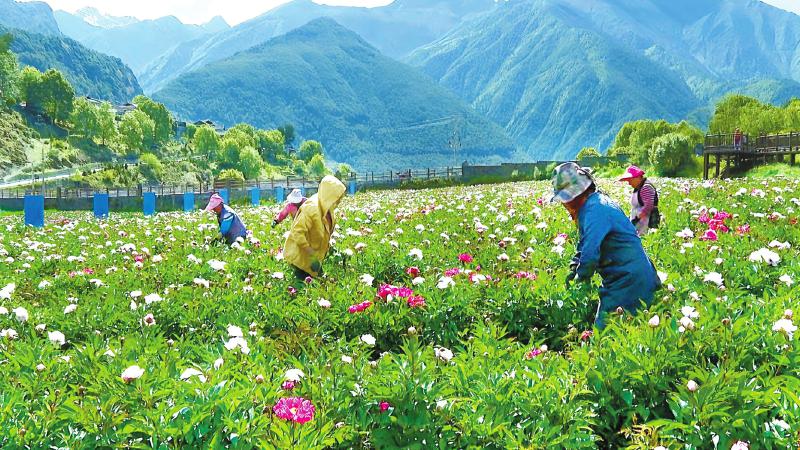
内蒙古:金融“活水”浇灌乌兰察布“燕麦之花”
Jin Rong Shi Bao· 2025-11-12 03:15
Core Insights - Yinshan Youmai has become a leading player in China's oat industry, achieving annual sales exceeding 400 million yuan since its establishment in 2018 [1][2] - The company received crucial financial support from China Ping An, which provided 30 million yuan annually for three years through policy pledge loans, helping the company overcome initial liquidity challenges [1] - China Ping An has implemented a comprehensive support model combining insurance, subsidized loans, and agricultural contracts, significantly contributing to the growth of Yinshan Youmai [1][3] Financial Support and Growth - The financial backing from China Ping An allowed Yinshan Youmai to establish the largest domestic oat processing plant, capable of producing 20,000 tons of oat rice and 20,000 tons of oat flakes annually [1] - The company has signed contracts with local farmers, guaranteeing a purchase price 20% above market rates, which has led to the acquisition of 70,000 tons of oat grain, generating over 290 million yuan for farmers [2][3] Community Impact and Development - China Ping An's support has evolved from direct purchasing to empowering local farmers through training and improved management practices, reflecting a shift towards sustainable development [3][4] - The company has contributed to the local economy by helping farmers secure stable income and providing agricultural resources, thus playing a vital role in rural revitalization [2][4] Broader Initiatives by China Ping An - Since 2018, China Ping An has invested over 200 million yuan in rural revitalization efforts in the Ulanqab region, focusing on comprehensive financial services and community support [4][5] - The company has established 11 party-building points in the region, donated over 550,000 yuan for community services, and provided significant financial protection for local farmers and elderly populations [5]


贵州大方:天麻产业兴 帮扶暖民心
Zhong Guo Xin Wen Wang· 2025-11-11 06:39
Core Viewpoint - The development of the Tianma industry in Dafang County, Guizhou, has significantly improved local employment and income, showcasing the effectiveness of targeted assistance and resource utilization in rural development [1][6]. Group 1: Industry Development - Dafang County has a long history of Tianma cultivation, starting research and promotion of semi-wild Tianma planting techniques since the 1970s, benefiting from unique natural conditions that enhance the quality and medicinal properties of Dafang Tianma [3][5]. - By 2025, the planting area of Tianma in Dafang is expected to reach 81,500 acres, with the industry expanding from simple cultivation to include products like Tianma wine and Tianma capsules, creating a more complete industrial chain [5]. Group 2: Employment and Income Impact - The Tianma industry has created job opportunities for over 32,000 people from more than 10,000 households in the county, with an average income increase of 3,000 yuan per household [5]. - Local workers, such as Zhang Qun, report earning over 2,000 yuan per month from working in Tianma harvesting, allowing them to balance work and family responsibilities [3][5]. Group 3: Support and Assistance - Since 1994, the Central Committee of the Chinese People's Political Consultative Conference has been providing targeted assistance to Dafang County, focusing on leveraging local resources to strengthen the Tianma industry [3][6]. - The 2023 work plan by the Central United Front Work Department aims to enhance comprehensive support for the Bijie experimental area, transitioning from localized to more extensive assistance across various sectors including technology, industry, education, health, and talent [6].
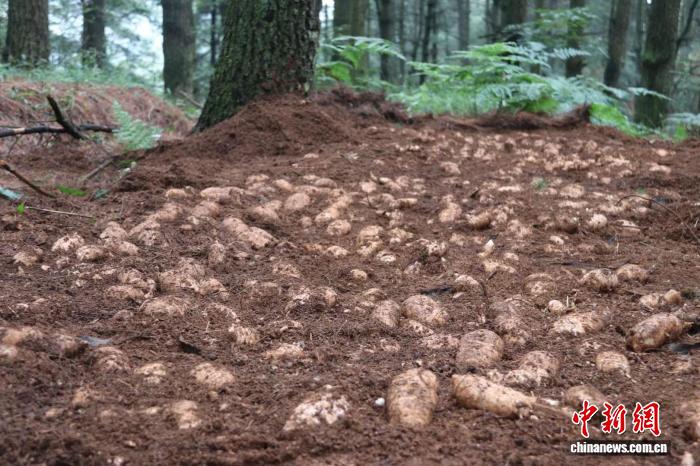
廉江陈三米粉日产能翻两番,特色产业成乡村振兴新引擎
Nan Fang Nong Cun Bao· 2025-10-22 07:30
Core Insights - The article highlights the significant expansion of the Chen San rice noodle production capacity, which is set to increase from 3,000 jin to 12,000 jin per day, marking a fourfold increase in output [3][42] - This development is part of a broader initiative in Zhanjiang to promote local specialty industries and enhance rural collective economies, aligning with the city's "Hundred Million Thousand Project" goals [4][7][44] Group 1: Production and Capacity Expansion - The modernized Chen San rice noodle factory has completed equipment testing and is ready for production [3][12] - The project is expected to create approximately 40 direct jobs and indirectly support local farmers in cultivating specialty crops, contributing to both income generation and employment [18][19] Group 2: Economic Impact and Community Benefits - The new factory is projected to generate nearly 150,000 yuan annually for the village collective, providing financial support for rural governance and community improvements [17] - The initiative demonstrates a sustainable model for industrial assistance, transforming support funds into development leverage and ensuring continuous revenue for the village [31][32] Group 3: Market Expansion and Brand Development - Chen San rice noodles have diversified their product offerings, incorporating modern technology while maintaining traditional craftsmanship, which has enhanced their market presence [21][26] - The brand has successfully entered international markets, with its first export to the United States, indicating a growing influence and recognition [26][27] Group 4: Policy Support and Strategic Alignment - The local government's emphasis on revitalizing rural resources and developing specialty industries provides a supportive policy framework for the Chen San rice noodle project [10][40] - The success of this project serves as a replicable model for other initiatives under the "Hundred Million Thousand Project," showcasing its potential for broader application in rural development [34]
订单供应+品牌赋能,纵向帮扶助力连山农业优品扬帆入湾
Nan Fang Nong Cun Bao· 2025-10-11 03:36
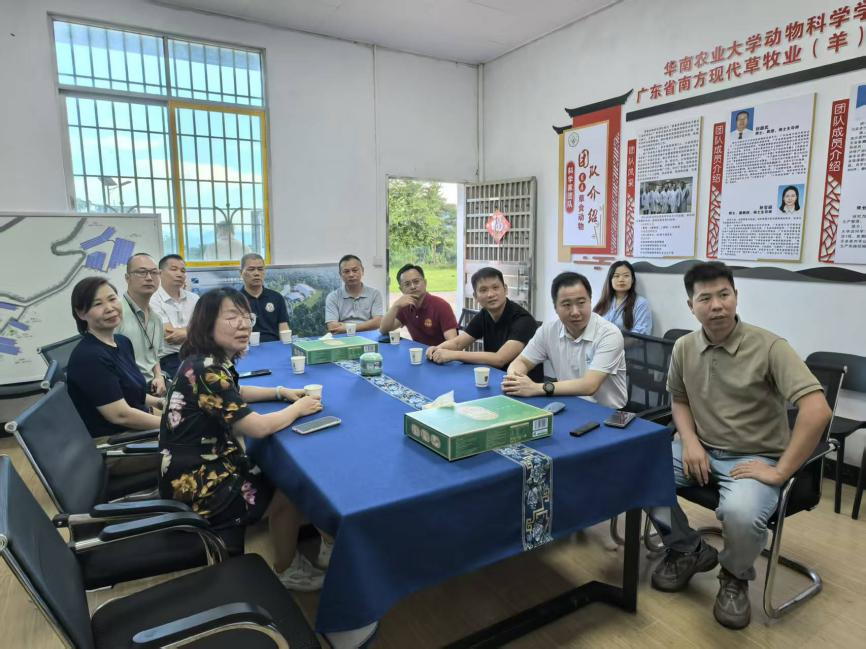
Core Insights - The article discusses the implementation of the "Hundred Counties, Thousand Towns, and Ten Thousand Villages High-Quality Development Project" in the context of supporting the development of local特色产业, particularly focusing on the Lianshan black goat industry [1][2][4]. Group 1: Industry Development Initiatives - The provincial government, through the "Hundred Thousand Project," is actively facilitating connections between local特色产业 and well-known food and beverage companies to enhance market access and promote high-quality agricultural development in Lianshan [1][4]. - A special investigation was conducted by the Guangzhou Restaurant Group to explore cooperation opportunities in the black goat and other food materials, focusing on the advantages of black goat breeds and smart farming technologies [2][4]. Group 2: Collaborative Efforts - A meeting involving government, educational institutions, and enterprises discussed the challenges and opportunities in the Lianshan black goat industry, aiming to integrate resources for procurement, brand building, and talent development [4][6]. - The establishment of a comprehensive cooperation model was proposed, emphasizing a collaborative approach among government, enterprises, and academic institutions to enhance the supply chain and promote local agricultural products [4][6]. Group 3: Market Expansion Strategies - The work team organized visits to commercial groups to negotiate the entry of Lianshan特色农产品 into supermarkets, aiming to create a new model of "direct supply from the origin + supermarket retail" to shorten the supply chain and increase product visibility [6][7]. - Initial cooperation intentions were reached with commercial groups to promote Lianshan black goats and vegetables, which is expected to help local farmers increase their income and improve the overall quality of the industry [6][7].
银河期货深耕边疆帮扶,助学、产业、党建多举措助力乡村振兴
Qi Huo Ri Bao Wang· 2025-09-17 03:41
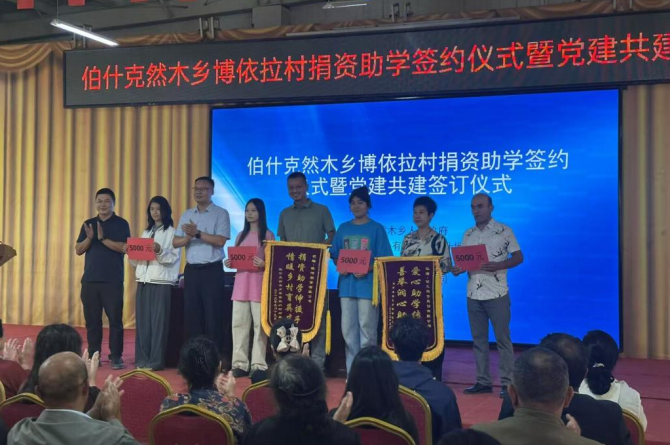
Core Viewpoint - Education assistance is a crucial measure for rural revitalization, breaking the cycle of poverty and providing hope for the future through knowledge [1] Group 1: Educational Support Initiatives - On September 5, 2025, the company donated 72,000 yuan to 16 students in Bo Yila Village, Xinjiang, as part of its commitment to social responsibility and rural education development [3] - Each student received 5,000 yuan in support, highlighting the company's focus on education as a means to empower local communities [4] Group 2: Addressing Local Challenges - Bo Yila Village, previously a deeply impoverished area, has limited agricultural resources and educational facilities, yet 16 students successfully gained admission to higher education institutions [4] - The company has invested 100,000 yuan in 2024 for industrial support in the village, demonstrating its long-term commitment to rural revitalization [4] Group 3: Collaborative Efforts - The company collaborates with various partners, including insurance firms, to create a sustainable support system for local education and agriculture [3][6] - The partnership aims to enhance local agricultural practices through financial products like the "insurance + futures" model, helping farmers mitigate market risks [7] Group 4: Long-term Vision and Impact - The company's multi-faceted approach includes educational support, industrial empowerment, and community engagement through party organization collaboration [7] - This comprehensive strategy aims to create a robust support framework for rural development, ensuring long-term benefits for the community [8]
林武调研强县产业帮扶弱县工作时强调 促进产业互补协作共赢 推动县域经济高质量发展
Da Zhong Ri Bao· 2025-08-28 01:00
Group 1 - The core viewpoint emphasizes the importance of strong counties supporting weaker counties to promote economic development and ensure tangible results in county-level economic growth [1][2] - The provincial government has initiated a pairing assistance program involving 10 groups of counties (cities, districts) to foster cooperation and mutual benefits [1] - Key areas of focus include enhancing industry-academia-research collaboration, strengthening brand development, and improving safety in production processes [1][2] Group 2 - The provincial leadership acknowledges the achievements in county economic development but highlights issues such as uneven growth and insufficient industrial strength in some areas [2] - Strong counties are encouraged to leverage their industrial chains to facilitate orderly industrial transfer and expand development space through joint park construction and collaborative investment [2] - The assistance teams are tasked with acting as bridges to ensure effective implementation of support initiatives, while local governments are urged to create favorable investment environments and cultivate distinctive industries [2]
小作物”撬动“大发展” 赣鄱特色产业结出“致富果
Jin Rong Shi Bao· 2025-08-25 02:33
Core Viewpoint - The article highlights the successful rural revitalization efforts in Jiangxi Province, driven by China People's Insurance Group (CPIC), which has transformed traditional agricultural practices into sustainable and profitable models through industry support, technological empowerment, and innovative mechanisms [1] Group 1: Asparagus Industry Development - The asparagus industry in Nancun has been developed as a demonstration project, with CPIC investing 3 million yuan to establish a modern asparagus industry park covering 500 acres, including greenhouses and cold storage facilities [2][3] - The innovative "enterprise + cooperative + farmer" model has enabled over 200 farmers to achieve an average annual income increase of over 30,000 yuan through land leasing and employment opportunities [3] - The asparagus products have successfully entered high-end markets, with monthly sales exceeding 500,000 yuan during peak production periods, establishing the "Lian Asparagus" brand [3] Group 2: Grape Industry Transformation - CPIC initiated grape cultivation in Hongjiang Town in 2002, investing nearly 20 million yuan over 20 years to develop the local grape industry, which now spans over 58,000 acres and generates an annual output value of approximately 500 million yuan [4][5] - The company has provided comprehensive insurance coverage for grape growers, amounting to over 75 million yuan, ensuring financial security against risks in planting, pricing, and transportation [4] - The cooperative model has also been applied to support other local industries, such as egg production and honey pomelo cultivation, significantly increasing farmers' incomes and enhancing the overall agricultural landscape in the region [5]

产业帮扶、本地采购 西藏矿业:助力乡村地区经济发展 共享经济发展成果
Zheng Quan Shi Bao Wang· 2025-08-25 00:17
Group 1 - The core viewpoint of the articles emphasizes the role of Tibet Mining in promoting local economic development through various initiatives such as industry assistance, targeted support, and local procurement, exemplified by the Zabuye project which has increased local farmers' income by nearly 60 million yuan over three years [1] - Tibet Mining, established in June 1997 and listed on the Shenzhen Stock Exchange the same year, primarily engages in the mining and sales of chrome ore and lithium salts [1] - In June 2020, China Baowu Steel Group and its affiliates acquired a 52% stake in Tibet Mining, changing the actual controller from the local state-owned assets supervision and administration commission to the State Council [1] Group 2 - Tibet Mining holds mining rights for the Robusha chrome mine in Tibet, with an annual production of around 100,000 tons, ranking among the top in the domestic industry [2] - The company is actively advancing the Zabuye Phase I project and the Zabuye Phase II project, which is expected to produce 9,600 tons of battery-grade lithium carbonate, 2,400 tons of industrial-grade lithium carbonate, 156,000 tons of potassium chloride, and 200 tons of rubidium and cesium mixed salts upon reaching full capacity [2] - The Zabuye salt lake mining project is noted for its environmentally friendly practices, utilizing a solar photovoltaic and thermal power station built under a BOO model, branded as a "zero-carbon project" [2] Group 3 - Tibet Mining is focused on enhancing the quality of its listed company, improving information disclosure, and strengthening investor relations through a comprehensive cost control system that analyzes and manages costs across procurement, production, and sales [3] - The company aims to reduce raw material waste and energy consumption during production, optimize its capital structure, and improve budget management to enhance fund utilization efficiency [3] - Tibet Mining plans to leverage the capital market to optimize its corporate governance structure, enhance brand recognition, and achieve high-quality, sustainable development [3]
