全球治理

Search documents
新年外交彰显大国格局与担当
Jing Ji Ri Bao· 2026-02-11 03:07
Core Viewpoint - The article emphasizes China's commitment to global cooperation and multilateralism, showcasing its role as a stabilizing force in a turbulent world through a series of diplomatic engagements and economic collaborations with various countries [1][2][3][4][5] Group 1: Diplomatic Engagements - In early 2026, leaders from South Korea, Ireland, Canada, Finland, the UK, and Uruguay visited China, signaling a warm diplomatic climate [1] - China engaged in video meetings with Russian President Putin and a phone call with US President Trump, highlighting its proactive role in stabilizing major power relations [3] Group 2: Economic Collaborations - China signed 15 cooperation documents with South Korea covering technology innovation, environmental protection, transportation, and trade [2] - Agreements with Canada included an economic cooperation roadmap and 8 other cooperation documents [2] - China and Uruguay reached 19 cooperation agreements in trade and investment [2] Group 3: Global Governance - China expressed a desire to enhance global governance and cooperation with various countries, aiming for a more just and reasonable international system [4] - The country emphasized the importance of multilateralism and international fairness, seeking to address global challenges collectively [4] Group 4: Commitment to Development - China aims to contribute approximately 30% to global economic growth during the 14th Five-Year Plan, with a projected economic total exceeding 140 trillion yuan by 2025 [1] - The article underscores China's intention to deepen international cooperation and build a community with a shared future for humanity [5]
“中国为完善全球治理发挥重要作用”——访伊朗作家、政治分析家侯赛尼
Xin Lang Cai Jing· 2026-02-08 04:03
(来源:中工网) 侯赛尼表示,中国身体力行践行全球安全倡议,为缓解地区紧张局势提供建设性方案。中方提出关于实 现中东安全稳定的五点倡议,为建立地区安全架构、维护地区安全稳定发挥了建设性作用。在巴勒斯坦 问题上,中方始终站在和平一边、公理一边、正义一边,坚定支持巴勒斯坦人民恢复民族合法权利的正 义事业。侯赛尼强调,中方促成伊朗和沙特实现和解,树立了政治解决热点问题新典范,彰显了中国负 责任大国作用,证明了全球安全倡议的可行性和深远意义。他说,在调解过程中,中方完全尊重伊沙两 国各自意见和主张,通过坦诚交流促成双方达成共识,"证明通过对话、耐心和求同存异能够达成各方 可共同接受的方案"。 侯赛尼表示,中国是多边主义的坚定捍卫者,期待中国在全球南方合作中发挥更重要作用,"中国提出 的一系列全球倡议将为推进人类共同的和平与发展事业作出重要贡献,引领各方共同努力创造美好明 天。" "全球性挑战需要各国携手应对,群策群力。中国为完善全球治理发挥重要作用。"伊朗作家、政治分析 家哈米德·侯赛尼在接受记者采访时表示,当前国际形势变乱交织,中方提出全球发展倡议、全球安全 倡议、全球文明倡议、全球治理倡议等,为国际社会注入更多稳 ...
2026年世界政府峰会在迪拜闭幕
Yang Shi Xin Wen· 2026-02-05 17:07
Group 1 - The 2026 World Government Summit concluded in Dubai, UAE, focusing on the theme "Shaping Future Governments" [1] - The summit featured discussions on global governance, economic prosperity, urban development, and future technologies, attended by over 60 heads of state and government leaders from more than 150 countries and regions [1] - The event lasted three days, with a New Silk Road Forum held on the afternoon of February 4, comprising six agendas aimed at exploring synergies in economy, innovation, and industrial capacity [1]
奋进五年 教育答卷
Xin Lang Cai Jing· 2026-02-05 16:09
Core Viewpoint - Shanghai is enhancing its international educational exchanges and cooperation, aiming for high-quality development in education during the "14th Five-Year Plan" period, aligning with national strategies and promoting global talent attraction [4][5][6]. Group 1: International Youth Exchange - Shanghai has attracted nearly 10,000 youth from Europe and the United States for short-term exchanges [5]. - The city hosts the "Shanghai International Friendly Cities Youth Summer Camp" annually, providing a platform for youth friendship and exchange [5]. - A comprehensive foreign-related talent training mechanism has been established across primary, secondary, and higher education [5]. Group 2: High-Quality Sino-Foreign Cooperative Education - Shanghai has initiated 148 high-quality Sino-foreign cooperative education projects, with over 50 hosted by "Double First-Class" universities [6]. - Key fields for cooperation include integrated circuits, materials science, and biomedicine, focusing on talent cultivation [6]. - The establishment of international cooperation laboratories in collaboration with top global universities is ongoing [6]. Group 3: Global Governance Participation - Shanghai participates in OECD's PISA and TALIS assessments, consistently ranking among the top globally [7]. - The city supports the establishment of international standards in various fields, including traditional Chinese medicine [7]. - Over 20 educational institutions have set up Confucius Institutes in 35 countries, promoting international Chinese education [7]. Group 4: Future Development Plans - Shanghai plans to deepen its openness in education during the "15th Five-Year Plan," focusing on attracting international talent and building a global innovation hub [9][10]. - The city aims to enhance its educational services for foreign nationals and improve the quality of international student education [10]. - Shanghai seeks to become a leader in global education governance and sustainable development strategies [10].


王毅同阿塞拜疆外长巴伊拉莫夫会谈
Jing Ji Guan Cha Wang· 2026-01-28 14:36
经济观察网据商务部网站消息,2026年1月28日,中共中央政治局委员、外交部长王毅在北京同来华访 问的阿塞拜疆外长巴伊拉莫夫会谈。 王毅表示,当前世界进入新的动荡变革期,中阿同为全球南方国家,应携手践行真正的多边主义,维护 以联合国为核心的国际体系,倡导平等有序的世界多极化、普惠包容的经济全球化,推动构建更加公正 合理的全球治理体系。中方高度评价阿塞拜疆接任亚洲相互协作与信任措施会议主席国后所做工作,愿 积极支持阿方办好今年亚信峰会。 王毅表示,去年是中阿关系史上重要的一年,习近平主席同阿利耶夫总统两度会晤,共同宣布建立中阿 全面战略伙伴关系,引领中阿关系进入高质量、全方位发展的新阶段。中阿要做彼此优先、可靠、合作 共赢的战略伙伴,这是两国元首做出的政治决定。无论国际形势如何变化,中方都将从战略高度看待和 发展中阿关系,愿同阿方夯实政治互信,赓续传统友谊,深化互利合作,加强国际协作,携手推动中阿 关系不断取得新成就。 巴伊拉莫夫表示,阿中关系基于相互尊重、相互信任、相互支持,去年两国关系提质升级为双方战略合 作注入强劲动能。阿方坚信中国发展是世界的机遇,支持习近平主席提出的四大全球倡议,愿加入"全 球治理之友 ...
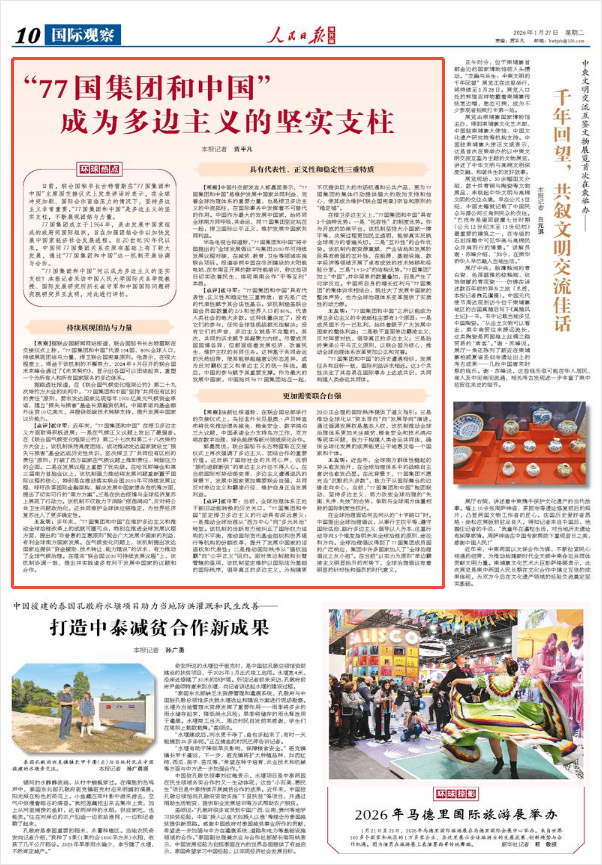
“77国集团和中国”成为多边主义的坚实支柱(环球热点)
Ren Min Ri Bao Hai Wai Ban· 2026-01-26 22:54
日前,联合国秘书长古特雷斯在"77国集团和中国"主席国交接仪式上发表讲话时表示,在全球冲突加 剧、国际合作面临压力的情况下,坚持多边主义非常重要,"77国集团和中国"是多边主义的坚实支柱, 不断展现团结与力量。 77国集团成立于1964年,是由发展中国家组成的政府间国际组织,旨在加强团结合作以加快发展中国家 经济社会发展进程。自20世纪90年代以来,中国同77国集团关系在原有基础上有了较大发展,通过"77 国集团和中国"这一机制开展协调与合作。 "77国集团和中国"何以成为多边主义的坚实支柱?本报记者采访中国人民大学国际关系学院教授、国际 发展研究所所长崔守军和中国国际问题研究院研究员王友明,对此进行评析。 持续展现团结与力量 【观察】据联合国新闻网站报道,联合国秘书长古特雷斯在交接仪式上称,"77国集团和中国"代表134 国、80%全球人口,持续展现团结与力量,捍卫联合国宪章原则。他表示,在很大程度上,得益于该机 制的不懈努力,2024年9月召开的联合国未来峰会通过了《未来契约》,显示出各国可以团结起来,重 塑一个为所有人和所有国家服务的多边体系。 据路透社报道,在《联合国气候变化框架公约》第二十九次缔约方 ...
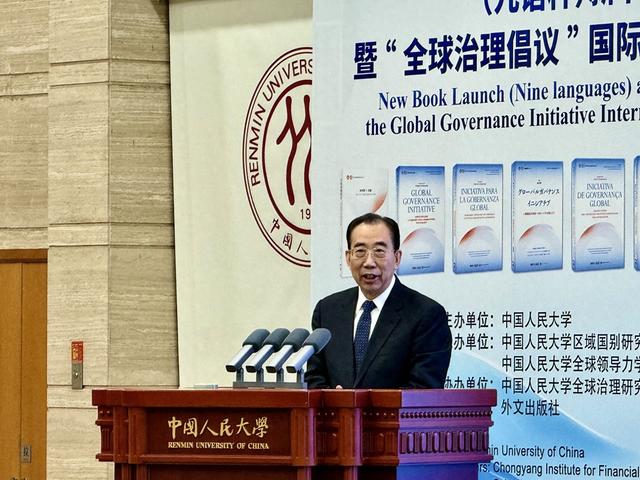
吴海龙大使:自诩“民主灯塔”的美国已撕下伪装,露出“帝国”本相
Xin Lang Cai Jing· 2026-01-24 12:26
Core Viewpoint - The article discusses the implications of the United States' actions on global governance and international law, highlighting concerns over the erosion of multilateralism and the potential for increased global instability due to unilateral actions by the U.S. [1][3][4] Group 1: U.S. Actions and Global Governance - The U.S. has withdrawn from 66 international organizations, indicating a shift towards unilateralism and a challenge to the multilateral system centered around the United Nations [4] - The establishment of a "Peace Committee" by the U.S. to address global conflicts, with over 20 countries signing on, suggests an intention to create alternative frameworks that may undermine existing multilateral institutions [4] - The rhetoric from U.S. officials, including the dismissal of international law, reflects a dangerous precedent that could destabilize the current international order and threaten the sovereignty of nations [3] Group 2: The Importance of Multilateralism - Despite criticisms of the multilateral system, its dissolution would lead to greater chaos, as there would be no central authority to address global issues [5] - The challenges faced by the United Nations are often due to the obstruction by powerful nations rather than its inherent inefficacy, emphasizing the need to support and strengthen multilateral institutions [5] - A call for unity and cooperation among nations is essential to counteract hegemonic practices and uphold the principles of international law as outlined in the UN Charter [3][5]
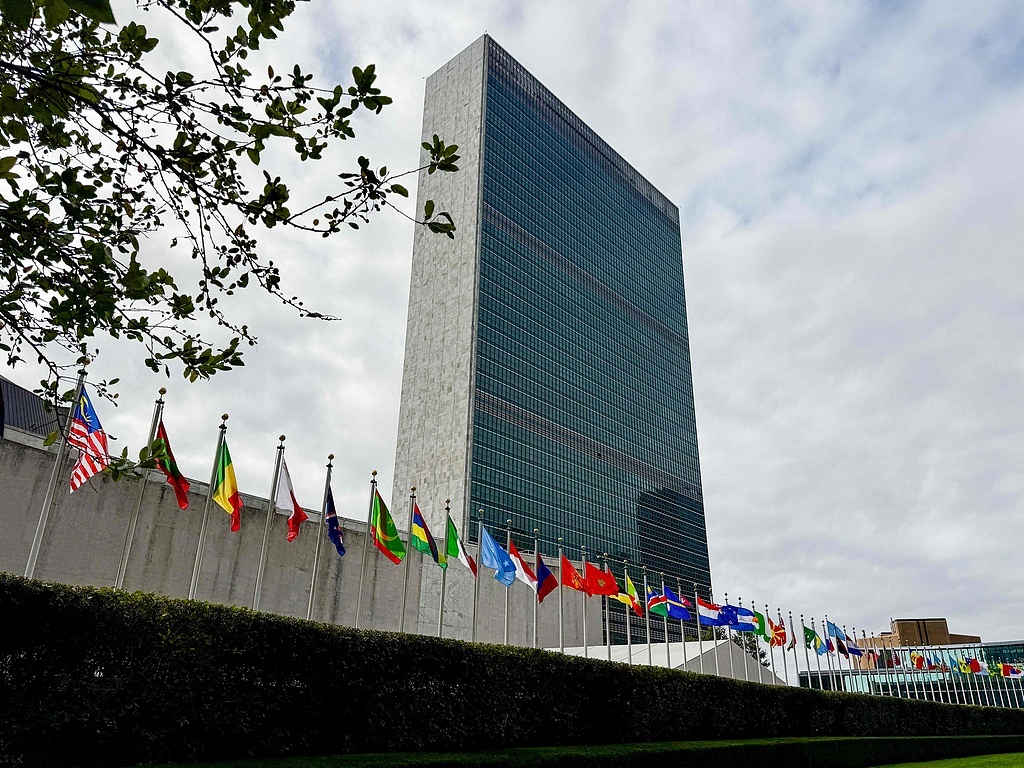
联合国经社理事会80周年 中方敦促践行多边主义
Xin Hua She· 2026-01-24 08:37
Group 1 - The core message emphasizes the importance of multilateralism in addressing global challenges such as peace, development, security, and governance deficits [1] - The Economic and Social Council (ECOSOC) is urged to strengthen its role in guiding the UN development system and better serve the needs of member states [1] - There is a call for developed countries to fulfill their commitments regarding official development assistance and climate financing, while developing countries are encouraged to deepen South-South cooperation [1] Group 2 - China has mobilized over $23 billion and initiated more than 1,800 cooperation projects under the Global Development Initiative to support developing countries in achieving the 2030 Agenda [2] - The need for reform in the UN to create a more efficient and practical organization is highlighted, particularly in response to global challenges and the demands of developing countries [1] - The importance of governance in emerging technologies like artificial intelligence is stressed, ensuring that all developing countries can share in the benefits [1]
联合国经社理事会80周年 中方敦促践行多边主义
Yang Shi Xin Wen· 2026-01-24 07:48
Core Viewpoint - The emphasis on multilateralism and the need for the Economic and Social Council (ECOSOC) to play a crucial role in addressing global challenges such as peace, development, security, and governance deficits [2] Group 1: Multilateralism - The need to uphold the founding principles of the United Nations and strengthen multilateral cooperation through shared goals [2] - The importance of reinforcing ECOSOC's guidance over the UN development system to better serve member states [2] Group 2: Development Priorities - The commitment to sustainable development goals and the necessity for developed countries to fulfill their official development assistance and climate financing commitments [2] - The call for developing countries to enhance South-South cooperation [2] Group 3: Global Governance - The need for reforms in the UN to create a more efficient and pragmatic organization in response to global challenges [2] - The push for reforms in the international financial architecture to address the needs of developing countries [2] - The importance of governance in emerging technologies like artificial intelligence to ensure that all developing countries can benefit from technological advancements [2] Group 4: Financial Contributions - China has mobilized over $23 billion in funding under the Global Development Initiative, supporting over 1,800 cooperation projects to assist developing countries in achieving the 2030 Agenda [3] - The intention to work with various parties to enhance ECOSOC's role in promoting common development among nations [3]
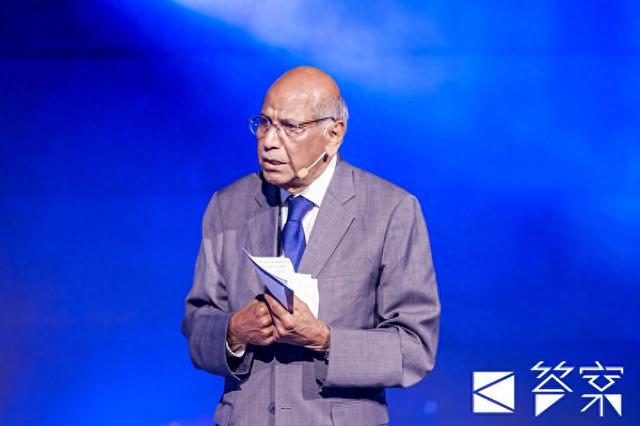
2026答案秀·思想者春晚| 萨仁山:世界需要新的“不结盟”运动,中印可以发挥领导作用
Xin Lang Cai Jing· 2026-01-18 06:06
Core Viewpoint - The current global order is fragmented and unlikely to be restored, necessitating a new world order where the Global South plays a significant role [1][4]. Group 1: Global South's Role - The Global South, comprising developing countries, is essential in shaping a new international order, moving beyond the narrow focus on US-China relations [1][2]. - A multipolar world is emerging, where power is distributed among various nations rather than being dominated by a single or dual superpower [2][5]. Group 2: Challenges and Cooperation - Many global challenges, such as pandemics and climate change, are transnational and cannot be solved by any single nation, highlighting the need for global cooperation [6][7]. - Effective global governance structures are necessary to address these challenges, but current multilateral frameworks are in decline [6][7]. Group 3: Leadership and Stability - Leadership from the Global South, particularly from India and China, is crucial for advancing a multipolar world and addressing global issues [7][10]. - India and China are politically stable compared to other regions, making them potential anchors for a new international order [11][12]. Group 4: Economic Growth - India is experiencing economic growth rates of approximately 7% to 7.5%, while China maintains a growth rate of around 5%, both of which are relatively high compared to other countries [11][12]. Group 5: Technological Development - Rapid advancements in technology, particularly in artificial intelligence, present both opportunities and challenges, emphasizing the need for a human-centric approach to technological progress [12].