加密货币监管

Search documents
陈志:“骗子公爵”终成阶下囚
Xin Lang Cai Jing· 2026-01-11 17:16
Core Viewpoint - The return of Chen Zhi, the founder of Taizi Group, from Cambodia to China marks a significant achievement in law enforcement cooperation between China and Cambodia, highlighting the ongoing efforts to combat cross-border fraud and crime [1][2][12]. Group 1: Company Background and Operations - Taizi Group, founded in 2015, has rapidly expanded its operations across various sectors including real estate, finance, and aviation, with over 100 entities in more than 30 countries [3][5]. - Chen Zhi initially gained wealth through illegal activities in the internet sector, including operating private servers for online games and engaging in hacking and data trafficking [5][6]. - The group controlled over 10 illegal detention sites in Cambodia, utilizing over 12,500 mobile phones and more than 76,000 fake social media accounts for fraudulent activities, with total involvement estimated at over $10 billion [5][6]. Group 2: Legal and Regulatory Implications - The case of Chen Zhi has exposed significant vulnerabilities in global cryptocurrency regulation, as he utilized decentralized cryptocurrency to launder illicit funds [14][16]. - The U.S. Department of Justice's seizure of 127,000 bitcoins (approximately $15 billion) from Chen Zhi's assets raises questions about the legitimacy of such actions under the guise of law enforcement [9][10]. - The successful repatriation of Chen Zhi underscores China's growing international influence and its commitment to combating transnational crime, reflecting a shift in global power dynamics [12][16]. Group 3: Broader Impact and Future Outlook - The repercussions of Chen Zhi's case are expected to reshape global financial regulatory frameworks and highlight the need for international cooperation in law enforcement [14][16]. - The incident serves as a warning against financial hegemony and emphasizes the importance of strengthening judicial cooperation to protect national sovereignty and public interests [16].


CNBC:美国加密 ATM 或迎收缩潮
Xin Lang Cai Jing· 2026-01-11 00:39
(来源:吴说) 据 CNBC,根据美国联邦调查局(FBI)数据,仅 2025 年上半年,美国因加密 ATM 诈骗造成的损失就 达 2.4 亿美元,几乎是 2024 年同期的两倍。华盛顿州斯波坎市全面禁止加密 ATM,成为美国最大城市 级禁令案例。美国多州正收紧监管或讨论限制措施,包括亚利桑那、阿肯色、佛蒙特、明尼苏达州圣保 罗市也在考虑效仿斯波坎的全面禁令。目前,美国占据了全球约 80% 加密 ATM。 ...
NDV 眼中的 2025 加密货币大事件
Xin Lang Cai Jing· 2026-01-10 11:13
Core Insights - 2025 is marked as a pivotal year in financial history, transitioning the digital asset industry from the periphery to the core, and from speculation to institutionalization [2] - The market is experiencing a correction after a strong performance in 2024, with Bitcoin underperforming compared to traditional asset classes, but the establishment of infrastructure and regulatory frameworks lays a solid foundation for recovery in 2026 [2] - The year is characterized by unprecedented legislative breakthroughs in major economies, particularly in the U.S., ending a decade of regulatory ambiguity [2] Regulatory Framework: Three Major Acts Defining Global Compliance - The U.S. "GENIUS Act" establishes strict rules for the stablecoin market, requiring 100% reserve backing and prohibiting interest, thereby reinforcing the dollar's dominance [4] - The "CLARITY Act" creates a new category of "digital commodities," allowing certain tokens to be reclassified and granting exclusive regulatory authority to the CFTC over the digital commodity spot market [5] - The resolution of legal issues surrounding Binance and its founder, CZ, signifies a shift in regulatory attitudes, moving from conflict to compliance [7] Emergence of New Trading Categories: Three New Financial Instruments - Circle's IPO on June 4 marks a significant merger of crypto and traditional finance, with its stock price experiencing extreme volatility and raising concerns about its business model's sustainability [8] - The rise of prediction markets and tokenized stocks demonstrates the integration of blockchain technology into traditional financial systems, with significant trading volumes reported [9] - The adoption of Bitcoin as a reserve asset by 142 publicly traded companies, including MicroStrategy, highlights a growing trend in corporate treasury management [10] Crisis Moments: Three Major Events Testing Industry Resilience - The launch of the $TRUMP token raises ethical concerns regarding conflicts of interest and market manipulation, reflecting the intersection of politics and crypto [12] - A significant security breach resulted in over $3.4 billion in theft, showcasing vulnerabilities in the industry and the challenges of regulatory enforcement [13] - A market crash on October 10 led to over $19 billion in liquidations, illustrating the high leverage and sensitivity of the crypto market to macroeconomic sentiments [14] Conclusion - The year 2025 represents a critical transition for the crypto industry, establishing a legal framework that integrates digital assets into the dollar-centric financial system [15] - The exploration by companies like MicroStrategy and Circle serves as a model for the industry, while the emergence of prediction markets showcases the transformative potential of blockchain technology [15] - Despite regulatory advancements, the industry remains susceptible to volatility and risks, emphasizing the need for ongoing vigilance and adaptation [15]


Coinbase高管为《CLARITY法案》延迟辩护,称其对加密货币发展具基础性意义
Xin Lang Cai Jing· 2026-01-04 07:35
格隆汇1月4日|Coinbase机构业务战略主管John D'Agostino表示,完全理解为何《数字资产市场清晰法 案》(《CLARITY法案》)的进程耗时更长,这类法案对于加密货币乃至任何实际资产类别的发展更具基 础性意义,调整个流程需要一定时间是合理的。此前数周,白宫人工智能与加密货币事务负责人David Sacks曾表示,该法案可能在1月获得通过。D'Agostino表示对法案即将通过充满信心,并指出全球加密 货币监管势头日益增强,包括欧洲的MiCA法规和阿联酋在监管明晰化方面的持续进展。 ...

Turkmenistan Legalizes Crypto Mining but Bans It as Payment – What’s the Catch?
Yahoo Finance· 2026-01-01 20:03
Turkmenistan has taken a rare step by legalizing cryptocurrency mining and exchange operations, while at the same time drawing a hard line against the use of digital assets as a form of payment. The move, signed into law by President Serdar Berdimuhamedov in late November and taking effect on January 1, 2026, marks a major policy shift for one of the world’s most closed and tightly controlled economies. Turkmenistan Ends Crypto Ban With Central Bank in Charge Under the new “Law on Virtual Assets,” cryp ...
华尔街对加密货币的投入主导了2025年,但2026年的需求前景如何?
Sou Hu Cai Jing· 2025-12-30 01:32
Group 1 - 2025 is expected to be a remarkable year for Bitcoin (BTC) and the broader cryptocurrency market, driven by supportive legislation and Wall Street's acceptance of cryptocurrencies as legitimate asset classes [2] - The total net inflow into spot Bitcoin ETFs reached $57 billion, with total net assets amounting to $114.8 billion [2] - The performance of the cryptocurrency market in early 2026 will depend on the sustainability of adoption by institutions, corporations, and governments [4] Group 2 - Since October, the strong inflow into spot Bitcoin ETFs has noticeably slowed, with some periods experiencing a shift to a sell-side market, leading to a 30% drop in Bitcoin prices and a 50% drop in Ethereum prices [4] - Investor sentiment towards the AI industry and the performance of tech-heavy S&P 500 index are expected to directly impact the cryptocurrency market [4] - The rapid expansion of balance sheets is identified as a key strategy providing strong momentum for tech-related stocks in 2025, with significant investments in data centers and computing capabilities [5] Group 3 - The potential passage of the CLARITY Act is a significant bullish event to watch in early 2026, as it aims to provide clearer regulations for fintech innovators and may encourage more overseas cryptocurrency firms to relocate to the U.S. [5][6] - The CLARITY Act will clarify the jurisdiction of regulatory bodies (SEC and CFTC) over various types of crypto assets and emphasize consumer protection [6] - Expectations of a shift towards a more accommodative monetary policy by the Federal Reserve, including potential rate cuts of up to 100 basis points, could be bullish for risk assets [6] Group 4 - The softening job market and rising costs of goods and services due to tariffs may lead to decreased consumer confidence among retail investors [8] - Investors face a dilemma in early 2026 regarding whether signals of the Federal Reserve's accommodative policy have been priced in or if evolving policies will extend the bullish market from 2025 into the cryptocurrency space [8] - The overall outlook for 2026 appears bullish, influenced by Trump's economic agenda, Federal Reserve policies, and crypto-friendly regulations, but uncertainties surrounding AI developments and the actual impact of rate cuts on consumers and the economy will determine market direction [8]

South Korea to Tighten Crypto Tracking on Transfers Under 1 Million Won — New Rules Imminent
Yahoo Finance· 2025-12-29 17:26
South Korea is preparing to tighten oversight of cryptocurrency transfers below 1 million won, closing a gap that regulators say has increasingly been used to move illicit funds without triggering identity checks. The move would expand the country’s so-called travel rule, which currently applies mainly to larger transactions. The plan is being reviewed by financial authorities following the launch of a task force led by the Korea Financial Intelligence Unit (FIU) to revise the Act on Reporting and Using ...
Weekly Crypto Regulation Roundup: Staking Taxes Under Fire as Fed Hints at New Crypto Banking Model
Yahoo Finance· 2025-12-26 18:18
As the final regulatory roundup of 2025 this week’s developments captured a inflection point for US crypto policy showing a shift away from ad-hoc enforcement and toward more structural debates around taxation, banking access and investor protection. From renewed pressure on the IRS over staking taxes to the Federal Reserve exploring new account models for payment firms, regulators are confronting how digital assets can be integrated into financial frameworks designed for a very different era. Lawmakers ...
俄央行提出加密货币监管概念,拟分阶段推进立法并规范非法中介行为
Xin Lang Cai Jing· 2025-12-23 12:55
(来源:吴说) 据俄新社,俄罗斯央行公布加密货币监管概念方案,并已向政府提交相关立法修改建议,计划 2026 年 7 月 1 日前完成法律基础建设,并自 2027 年 7 月 1 日起对非法加密中介活动设立责任机制,监管思路 类似银行业非法业务处理框架。俄央行强调,在推进纳管进程的同时,将强化风险控制与投资者保护。 ...
监管十字路口:美国、欧洲与加密资产的未来
Xin Lang Cai Jing· 2025-12-21 11:28
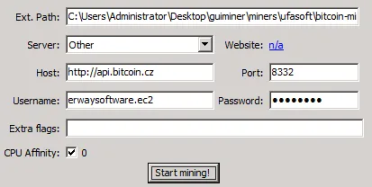
登录新浪财经APP 搜索【信披】查看更多考评等级 (来源:吴说) 撰文:TradFiHater编译:AididiaoJP,Foresight News 链接:https://www.techflowpost.com/article/detail_29497.html 声明:本文为转载内容,读者可通过原文链接获得更多信息。如作者对转载形式有任何异议,请联系我 们,我们将按照作者要求进行修改。转载仅用于信息分享,不构成任何投资建议,不代表吴说观点与立 场。 当比特币的发明者中本聪发布白皮书时,挖矿是如此简单:任何拥有普通家用电脑的游戏玩家,都可能 积累未来价值上千万美元的财富。 在家庭电脑上,你本可以建立起庞大的财富传承,让子孙后代无需辛苦劳作,因为比特币的潜在回报率 高达 25 万倍。 但当时多数游戏玩家正沉迷于 Xbox 上的《光环 3》,只有少数年轻人利用家用电脑,赚取了远超现代 科技巨头的财富。拿破仑通过征服埃及和欧洲建立传奇,而你只需要点击「开始挖矿」。 十五年间,比特币已成为全球性资产,其挖矿演变成需要数十亿美元资金、专业硬件和巨大能耗支撑的 大型工业。如今平均每枚比特币的挖矿需消耗 90 万度电。 ...