
卫星组网

Search documents
6亿订单无人接:中国商业航天卡在“最后一公里”
Hu Xiu· 2025-09-07 09:52
Core Viewpoint - The Chinese commercial space industry is facing a significant bottleneck in rocket launch capacity, which is hindering the deployment of satellite constellations necessary for meeting international regulatory deadlines [1][3][13]. Group 1: Market Demand and Challenges - Shanghai Yuanxin Satellite Technology Co., Ltd. has a rocket launch order with a total budget of 616 million RMB, aimed at supporting its "Qianfan Constellation" satellite network [2]. - The repeated failures in the bidding process for this order highlight the lack of qualified private rocket companies capable of fulfilling large-scale launch contracts [3][4]. - The urgency for satellite companies is underscored by the International Telecommunication Union (ITU) rules, which impose strict deadlines for satellite launches to retain orbital and frequency resources [6][8]. Group 2: Current Launch Activity - As of mid-August 2025, China has conducted 35 space launches, a record for the first half of the year, with a notable increase in launch frequency driven by companies like China Star Network [9][11]. - China Star Network completed five network launches in a span of 21 days, successfully deploying 38 satellites using multiple types of rockets [9][10]. Group 3: Industry Dynamics - The commercial satellite market is experiencing a surge in contracts, with companies like Aerospace Hongtu signing a 990 million RMB contract for satellite and ground system procurement [4]. - Despite the high demand for satellite launches, the industry lacks a large-capacity liquid rocket comparable to SpaceX's Falcon 9, which poses a significant challenge for satellite deployment [4][21]. Group 4: Rocket Development and Prospects - The current bidding process by Yuanxin Satellite has revealed a shortage of suppliers capable of providing large-capacity launch services, indicating a critical gap in the market [13][16]. - Three private rocket companies—Tianbing Technology, Blue Arrow Aerospace, and CAS Space—have emerged as potential suppliers for upcoming launches, although none have completed a successful orbital flight yet [27][28]. Group 5: Future Outlook - The industry is witnessing a shift towards developing large-capacity, reusable liquid rockets, with companies like Tianbing Technology and Blue Arrow Aerospace focusing their resources on this goal [24][25]. - The establishment of new launch facilities and the readiness of suppliers for mass production are crucial steps towards addressing the current launch capacity bottleneck [28][29].
经观头条|万颗卫星上天难
Jing Ji Guan Cha Wang· 2025-09-07 06:07
Core Viewpoint - The Chinese commercial space industry is facing a significant bottleneck in rocket launch capacity, which is hindering the deployment of satellite constellations necessary for meeting international regulatory deadlines [2][4][11]. Group 1: Market Demand and Challenges - Shanghai Yuanxin Satellite Technology Co., Ltd. has a budget of 616 million RMB for a rocket launch order, but the bidding process has repeatedly failed due to insufficient qualified suppliers [2][12]. - The urgency for satellite companies is heightened by the International Telecommunication Union (ITU) rules, which impose strict deadlines for satellite launches to retain orbital and frequency resources [6][7]. - The total number of satellites planned by Yuanxin and another company has exceeded 30,000, indicating a high demand for launch services [3]. Group 2: Current Launch Capacity - Since 2014, China's private rocket companies have struggled to develop a large-capacity liquid launch vehicle comparable to SpaceX's Falcon 9, which limits the ability to meet the growing demand for satellite launches [3][18]. - The recent bidding failures highlight the lack of sufficient private rocket companies capable of providing the necessary launch services [4][13]. Group 3: Industry Developments - The market is looking towards several private companies, such as Tianbing Technology's "Tianlong 3," Blue Arrow Aerospace's "Zhuque 3," and CASIC's "Lijian 2," which are expected to meet the large-scale constellation deployment needs but have not yet completed their first flight tests [4][22]. - The recent procurement process by Yuanxin has seen the inclusion of three private rocket companies in the supplier list, marking a significant milestone for the industry [11][24]. Group 4: Financial and Production Readiness - The commercial space sector is witnessing increased investment and production readiness, with companies like Platinum Technology and Aerospace Technology reporting significant growth in their production capabilities [10][23]. - The capital market is becoming more accessible for commercial space companies, with some entering the IPO preparatory phase to secure funding for future projects [23]. Group 5: Future Outlook - The industry is at a critical juncture, awaiting the successful first flights of several key rockets, which will be essential for launching the planned satellite constellations and fulfilling market demand [24].

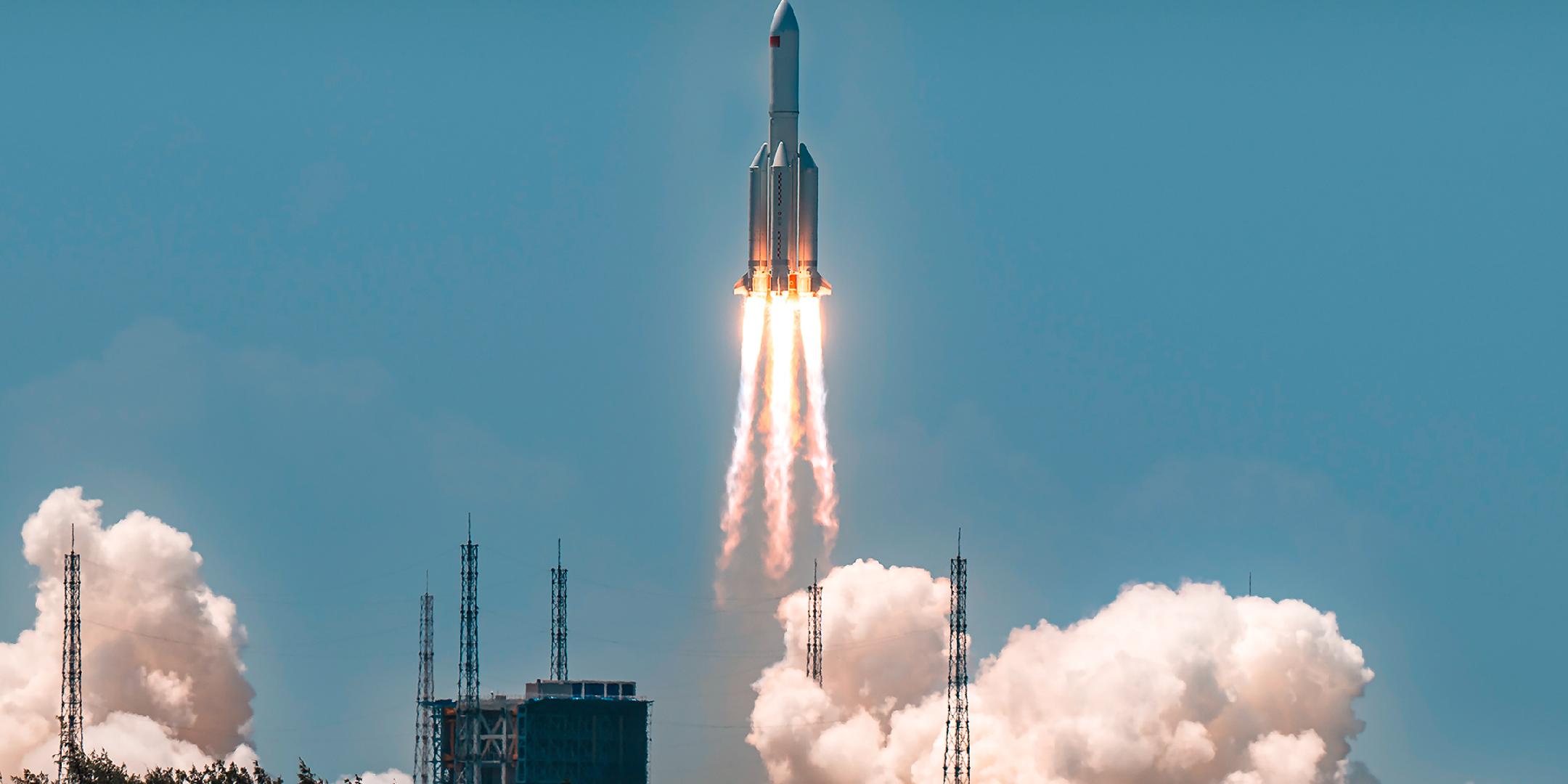
25天9次发射!中国商业航天冲刺“中国版星链”
第一财经· 2025-08-21 05:19
Core Viewpoint - China's commercial space industry is entering a period of intensive launches, with significant growth in the number of rocket launches and a focus on satellite network projects like the GW constellation, which aims for global broadband coverage similar to SpaceX's Starlink [3][4]. Launch Statistics - In the past 25 days, China has conducted nine rocket launches, accounting for over 25% of the total 35 launches in the first half of 2025 [3][4]. - The recent launches include multiple missions supporting the GW constellation, a broadband satellite project led by China Satellite Network Group [3][4]. Cost and Technology Challenges - The cost of satellite launches in China is high, averaging around 150,000 yuan per kilogram, leading to launch costs for a 500 kg satellite potentially exceeding 75 million yuan [6]. - Key challenges in the industry include improving launch frequency and reducing costs, particularly through advancements in rocket engine technology and reusability [4][6][8]. Engine Development - Engine performance is critical for determining rocket payload capacity and reusability, directly impacting launch costs [7][8]. - Current domestic engines face challenges such as high-temperature coking, which complicates maintenance and increases costs [8][9]. - Companies are exploring alternative fuels like liquid oxygen and methane to enhance reusability and efficiency [9]. Competitive Landscape - SpaceX's Starship serves as a benchmark for domestic companies, particularly in terms of recovery technology and cost reduction through reusability [12][13]. - Domestic companies are working on developing high-capacity rockets, with some aiming for payload capacities of over 40 tons to significantly lower launch costs [12][14]. Investment and Market Trends - Recent funding rounds indicate a growing interest in foundational capabilities, particularly in engine development and low-orbit satellite networks [18][19]. - The market is expected to see significant orders from satellite network construction in the next three years, emphasizing the need for low-cost, high-capacity launch capabilities [19][20].
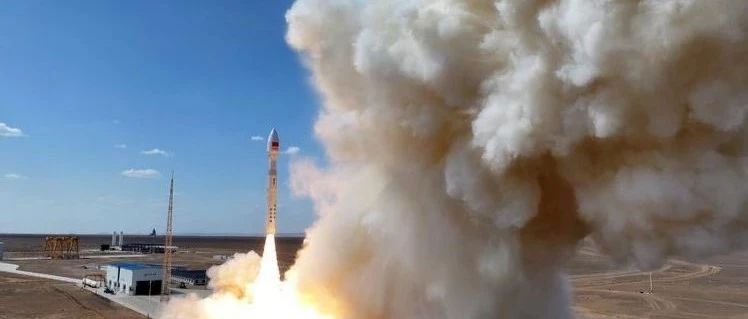
资本与产业双驱 万亿商业航天爆发
2 1 Shi Ji Jing Ji Bao Dao· 2025-08-14 15:43
Core Viewpoint - The commercial aerospace industry in China is experiencing rapid growth and investment opportunities, driven by increased launch frequency, new IPO policies, and advancements in satellite technology [1][3][8]. Group 1: Industry Developments - The successful launch of the low-orbit satellite group on August 13 marks a significant milestone in China's commercial aerospace sector [1]. - In August, the Hainan commercial space launch site achieved a record of consecutive launches, contributing to a market scale of 2.8 trillion yuan for commercial aerospace [1]. - The number of space launches in China has reached new highs, surpassing the same period last year, with multiple new rocket models planned for their first flights by 2025 [1]. Group 2: Investment Trends - The recent IPO policy changes by the China Securities Regulatory Commission (CSRC) have heightened market interest in the commercial aerospace sector, leading to a continuous rise in the commercial aerospace index [3][6]. - The Tianhong Aerospace ETF has seen significant net inflows, with over 30 million shares purchased, indicating strong investor interest [2]. Group 3: Company Highlights - Three commercial aerospace companies, Blue Arrow Aerospace, Yixin Aerospace, and China Aerospace Science and Technology Corporation, have initiated IPO processes, showcasing the industry's growth potential [4]. - Blue Arrow Aerospace is recognized for its vertical recovery technology and plans to launch its reusable rocket, Zhuque-3, this year [4]. - Yixin Aerospace specializes in satellite communication payloads, achieving significant weight and power efficiency improvements [4]. - China Aerospace Science and Technology Corporation is a mixed-ownership model representing the "national team" in commercial aerospace, with plans for its liquid rocket to launch by the end of August [4]. Group 4: Market Valuations - The combined valuation of the highlighted commercial aerospace companies exceeds 50 billion yuan, with Blue Arrow Aerospace valued at 20 billion yuan and Yixin Aerospace at over 8 billion yuan [5][6]. - The stock of Star Map Control, the first commercial aerospace company listed on the Beijing Stock Exchange, has seen a remarkable increase of over 900% since its IPO [6]. Group 5: Future Outlook - The commercial aerospace sector is transitioning from experimental phases to industrialization, with a significant increase in satellite launches and a projected deployment of approximately 1,300 satellites by 2030 [8]. - Analysts predict that the demand for satellite services will drive down costs and improve profitability for upstream component manufacturers [9]. - The integration of commercial aerospace with other sectors, such as smart driving and artificial intelligence, is expected to enhance growth opportunities for companies involved in these technologies [11].